GinGin
Our verdict
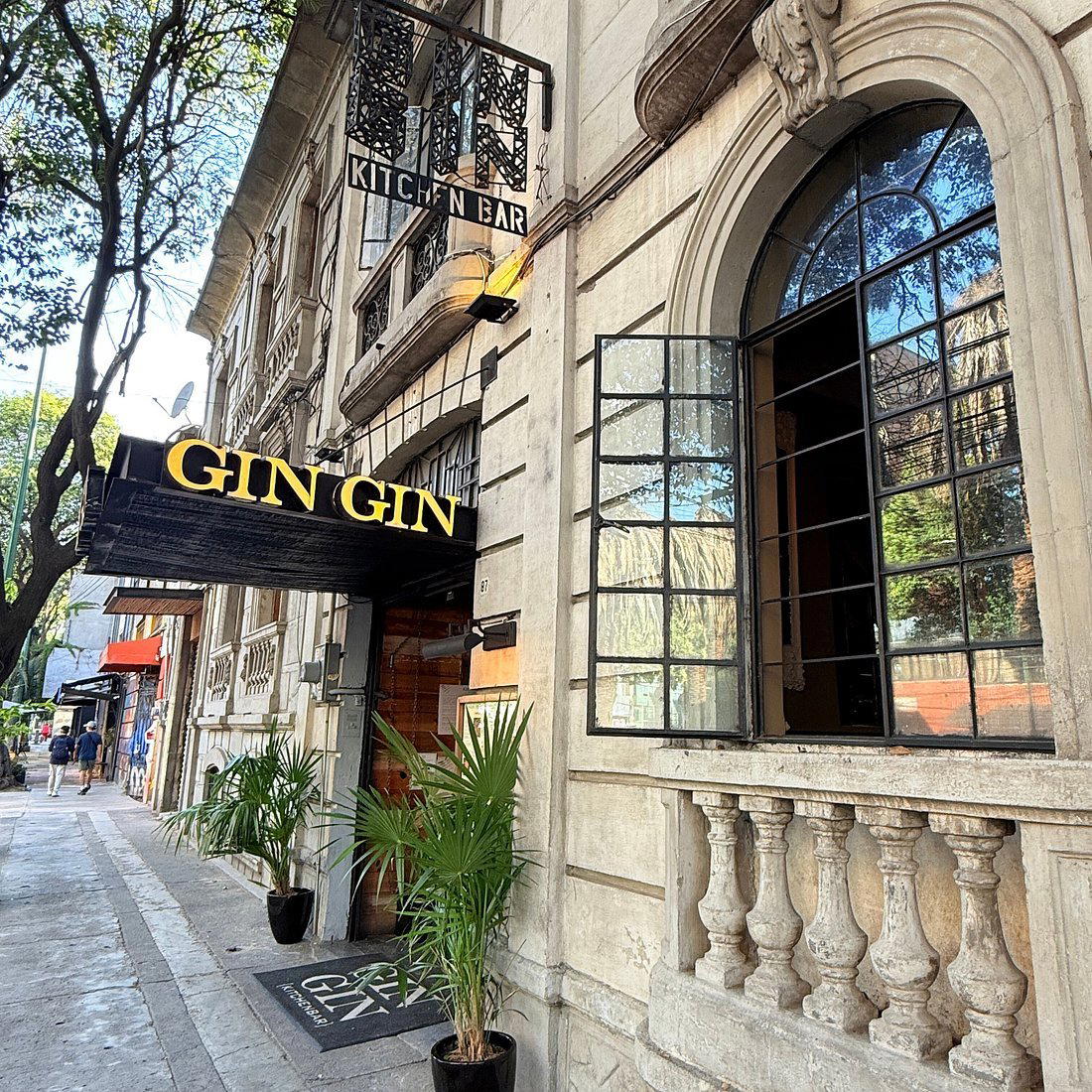
GinGin sits on Avenida Oaxaca in Roma Norte, one of Mexico City's most active dining corridors. The address places it inside a neighbourhood where ingredient-driven cooking has displaced trend-chasing as the dominant mode, and where the source of a dish matters as much as its presentation. A practical entry point into the Roma Norte dining scene for visitors building a structured itinerary.

Pearl is the En Primeur Club membership app — saves, bookings, and concierge access live there. Same editors, same standards.
- Address
- Av Oaxaca 87, Roma Nte., Cuauhtémoc, 06700 Ciudad de México, CDMX, Mexico
- Phone
- +525514849194
- Hours
- Daily 4 PM–3 AM
- Website
- gingin.mx
- Directions
- Get directions
- Booking
- Book on OpenTable
Roma Norte and the Sourcing Imperative
Avenida Oaxaca runs through the heart of Roma Norte, a neighbourhood that has spent the past decade becoming one of Latin America's most closely watched dining districts. What defines the area now is not a single style of cooking but a shared orientation: the question of where ingredients come from has moved from footnote to headline. Restaurants along this corridor increasingly anchor their menus to specific producers, regions, and seasonal windows rather than to international technique trends borrowed wholesale from elsewhere. GinGin sits inside that context, at Av Oaxaca 87 in Roma Norte, Cuauhtémoc, and whatever its specific approach, it operates in a neighbourhood where provenance has become the dominant editorial lens through which local critics and visiting food journalists assess a kitchen.
That shift did not happen in isolation. The broader Mexico City dining scene, led at the upper end by destinations like Pujol and Quintonil, spent years building a credible argument that Mexican produce, preparation traditions, and regional diversity could sustain some of the most intellectually serious cooking in the world. That argument is now largely won. The conversation has moved downstream, into mid-market and neighbourhood-scale venues where ingredient sourcing is expected, not exceptional. Roma Norte is where much of that downstream conversation happens.
The Neighbourhood as Context
Roma Norte rewards the kind of walking exploration that most dense city neighbourhoods only promise. The area's food identity is not concentrated in one block or anchored by a single famous address; it spreads across a grid of tree-lined streets where taquerías operate alongside serious wine bars, and where a restaurant's longevity tends to say more about its local relevance than its press coverage. Within that pattern, Avenida Oaxaca functions as a connective thread, linking the neighbourhood's residential character to its commercial dining density.
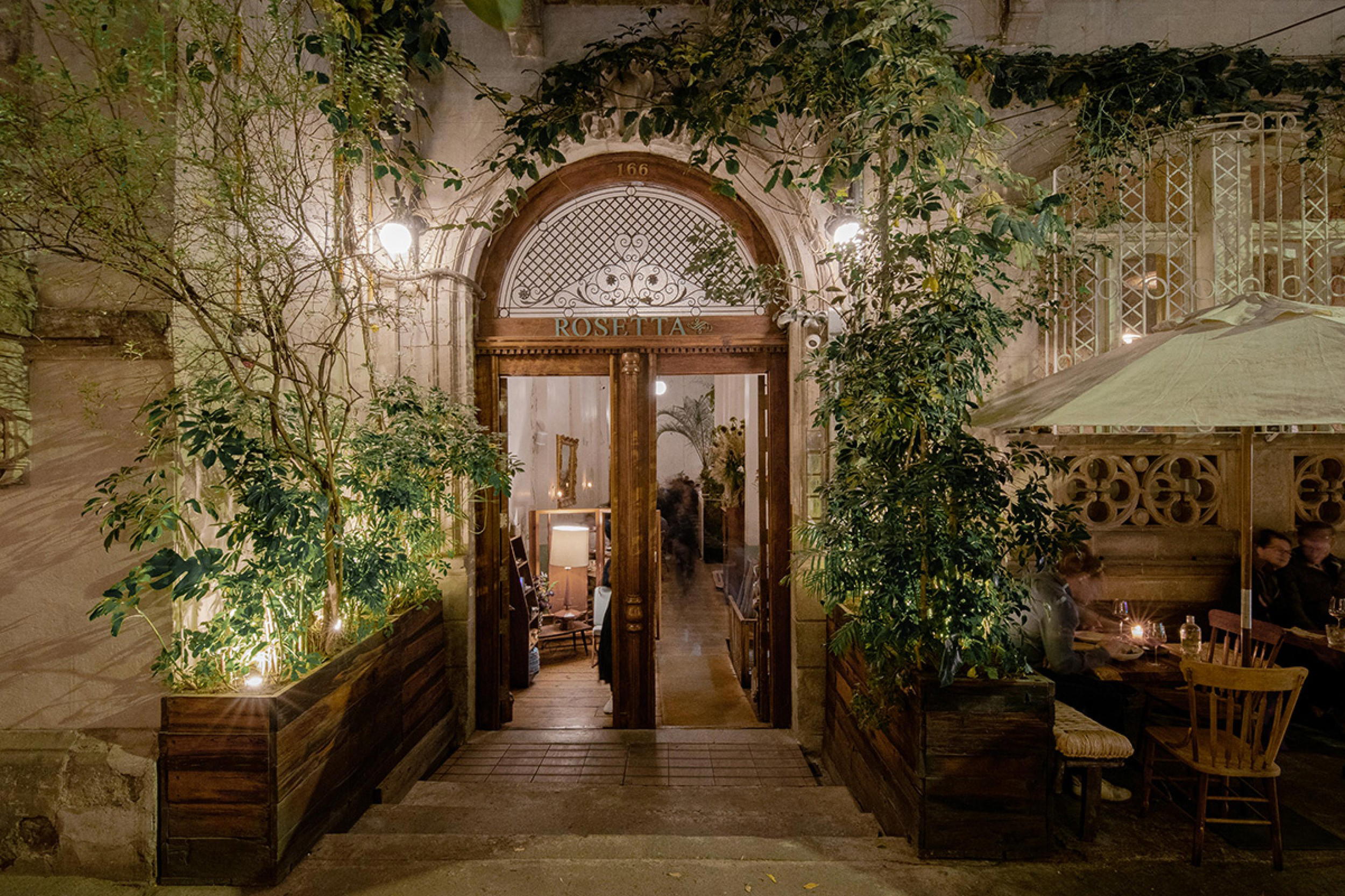
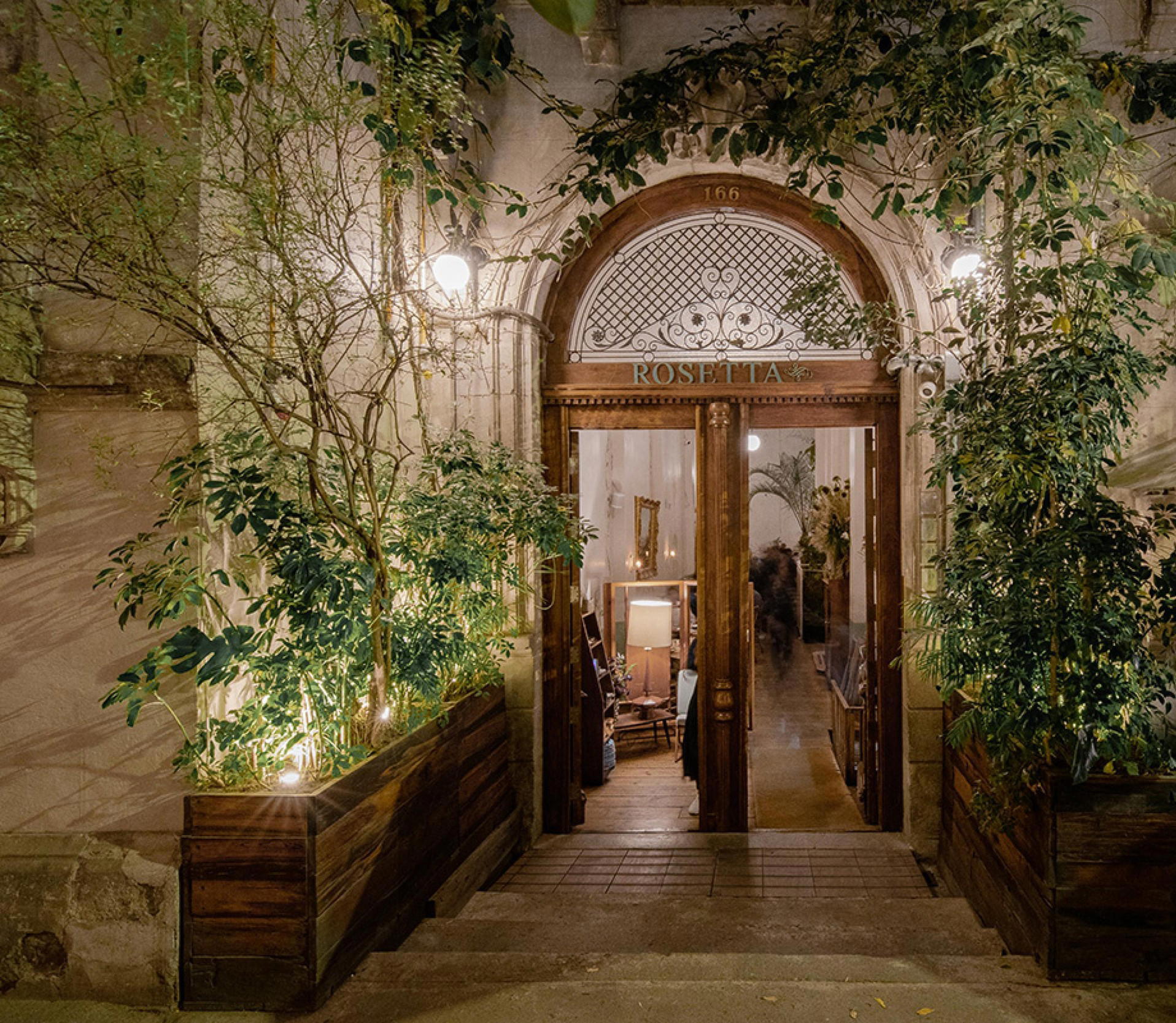
For visitors constructing a Mexico City itinerary, Roma Norte sits naturally between two modes: the high-commitment tasting-menu experiences clustered in Polanco and Condesa, and the more casual but no less considered eating available across the city's street-level food culture. Rosetta on Calle Orizaba offers a useful comparison point for how a neighbourhood-scale restaurant in Roma can command serious critical attention without replicating the format of a destination fine-dining room. Em and Sud 777 extend the picture of how contemporary Mexican cooking spans price points and registers across the city.
Ingredient Sourcing in the Mexican Dining Context
The case for ingredient-sourcing as a primary dining value is stronger in Mexico than in almost any other country. The country's agricultural diversity, encompassing dozens of chile varieties, multiple corn lineages, regional legumes, coastal and highland proteins, and an extraordinary range of citrus and tropical fruit, gives kitchens an unusually wide base to work from without importing anything. The practical implication is that a restaurant drawing on regional Mexican supply chains is not making a philosophical choice so much as a strategic one: the raw material quality available within Mexico's own regions is high enough to compete with any international sourcing alternative.
That context shapes how Roma Norte's better kitchens approach their menus. Rather than organising dishes around technique demonstrations, they tend to organise around the ingredient itself, where it was grown, how it was treated before it arrived in the kitchen, and what preparation leading preserves rather than obscures its character. Producers from Oaxaca, Veracruz, Baja California, and the Yucatán Peninsula increasingly appear on menus not as geographic decoration but as verifiable supply chain references. Animalón in Valle de Guadalupe and Olivea Farm to Table in Ensenada represent how this sourcing logic plays out at the producer end of the country; Roma Norte restaurants like GinGin sit at the urban consumption end of the same chain.
Elsewhere in Mexico, the sourcing conversation takes different regional shapes. Levadura de Olla in Oaxaca works directly within the source region for many ingredients that appear on Mexico City tables. KOLI Cocina de Origen in Monterrey and Alcalde in Guadalajara demonstrate how the same producer-first orientation manifests in cities with distinct culinary identities. On the coasts, HA' in Playa del Carmen, Arca in Tulum, and Le Chique in Puerto Morelos each approach coastal and jungle sourcing from their own angles. Pangea in San Pedro Garza García and Lunario in El Porvenir complete a picture of how geographically distributed the ingredient-driven model has become across the country.
For international visitors whose reference points for sourcing-led dining run through venues like Le Bernardin in New York City or Lazy Bear in San Francisco, the Mexican version of this model offers a meaningful contrast: the supply chains are shorter, the regional variation is more pronounced, and the price-to-quality relationship at the neighbourhood level tends to favour the diner considerably.
What Roma Norte Asks of a Visitor
The neighbourhood rewards patience over efficiency. The leading approach is to treat Roma Norte as a half-day or full-day zone rather than a single-stop destination, moving between a lunch sitting, an afternoon coffee or mezcal break, and an evening meal at a different address. The density of options along and around Avenida Oaxaca makes that kind of itinerary practical without requiring significant transit.
Walking between GinGin's address and the broader Roma Norte grid takes minutes in most directions, which means the venue functions well as an anchor point rather than a standalone pilgrimage. For a fuller map of where GinGin sits within Mexico City's dining picture, the full Mexico City restaurants guide provides neighbourhood-level context across the city's main dining corridors.
Planning Your Visit
Address: Av Oaxaca 87, Roma Norte, Cuauhtémoc, 06700 Ciudad de México. Reservations: Dress: Roma Norte's dominant register is smart-casual; neither formal attire nor purely streetwear is out of place in the neighbourhood's restaurants. Budget: Getting there: Metro Insurgentes (Line 1) provides direct access to Roma Norte; the address on Avenida Oaxaca is walkable from the station in under ten minutes.
Frequently asked questions
What is the signature dish at GinGin?
How far ahead should I plan for GinGin?
What is the signature at GinGin?
Is GinGin suitable for visitors who want to understand Mexico City's neighbourhood dining culture rather than its destination restaurants?
Price Lens
Comparable venues nearby, for context on price, style, and recognition.
| Venue | Cuisine | Price | Awards | Notes |
|---|---|---|---|---|
| GinGinThis venue — the venue you are viewing | Modern International Gin Bar | Not listed | Not listed | Not listed |
| Lilōu | Contemporary International Bistro | Not listed | Wine Spectator Best of Award of Excellence | Polanco Chapultepec, Contemporary International Bistro |
| Quebracho | Authentic Argentinian Steakhouse | $30–50 | Not listed | Cuauhtemoc, Authentic Argentinian Steakhouse |
| Palominos | Sonoran Steakhouse | $30–50 | Not listed | Del Valle Norte, Sonoran Steakhouse |
| Spuntino | Argentine Steakhouse & Pasta | $30–50 | Not listed | Polanco Chapultepec, Argentine Steakhouse & Pasta |
| Ichikani Arcos | Modern Japanese with Hand Rolls | $30–50 | Not listed | Cooperativa Palo Alto, Modern Japanese with Hand Rolls |
Continue exploring
More in Mexico City
Restaurants in Mexico City
Browse all →
Bars in Mexico City
Browse all →




GinGin
The wine
- Wine program
- Curated wine list
- Extensive wine list
- Sake program
- Craft cocktails
Details
- Lively
- Trendy
- Energetic
- Date Night
- Group Dining
- Late Night
- Open Kitchen
- Craft Cocktails
- Extensive Wine List
- Sake Program
- A La Carte
- Gin Cocktails
Current opening hours
- Monday
- 4 PM–3 AM
- Tuesday
- 4 PM–3 AM
- Wednesday
- 4 PM–3 AM
- Thursday
- 4 PM–3 AM
- Friday
- 4 PM–3 AM
- Saturday
- 4 PM–3 AM
- Sunday
- 4 PM–3 AM
Hours can change for holidays and private events. Last verified .
Lively and lively atmosphere with a focus on social gatherings and welcoming high-energy dining.