
Aji no Ogura Honten places Miyazaki’s yoshoku tradition in plain view: everyday pricing, family-friendly seating, and a role in the city’s chicken nanban story. Its Tabelog 100 Yoshoku WEST 2025 selection gives the room a national signal, but the appeal is local in scale, rooted in a regional dish that moved from comfort food to culinary shorthand for Miyazaki.
Pearl is the En Primeur Club membership app — saves, bookings, and concierge access live there. Same editors, same standards.
- Address
- 3 Chome-4-24 Tachibanadorihigashi, Miyazaki, 880-0805, Japan
- Phone
- +81 985-22-2296
- Website
- ogurachain.com
 Saves & bookings on Pearl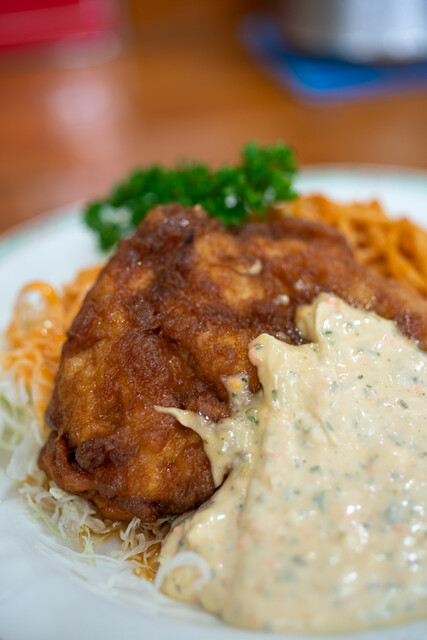
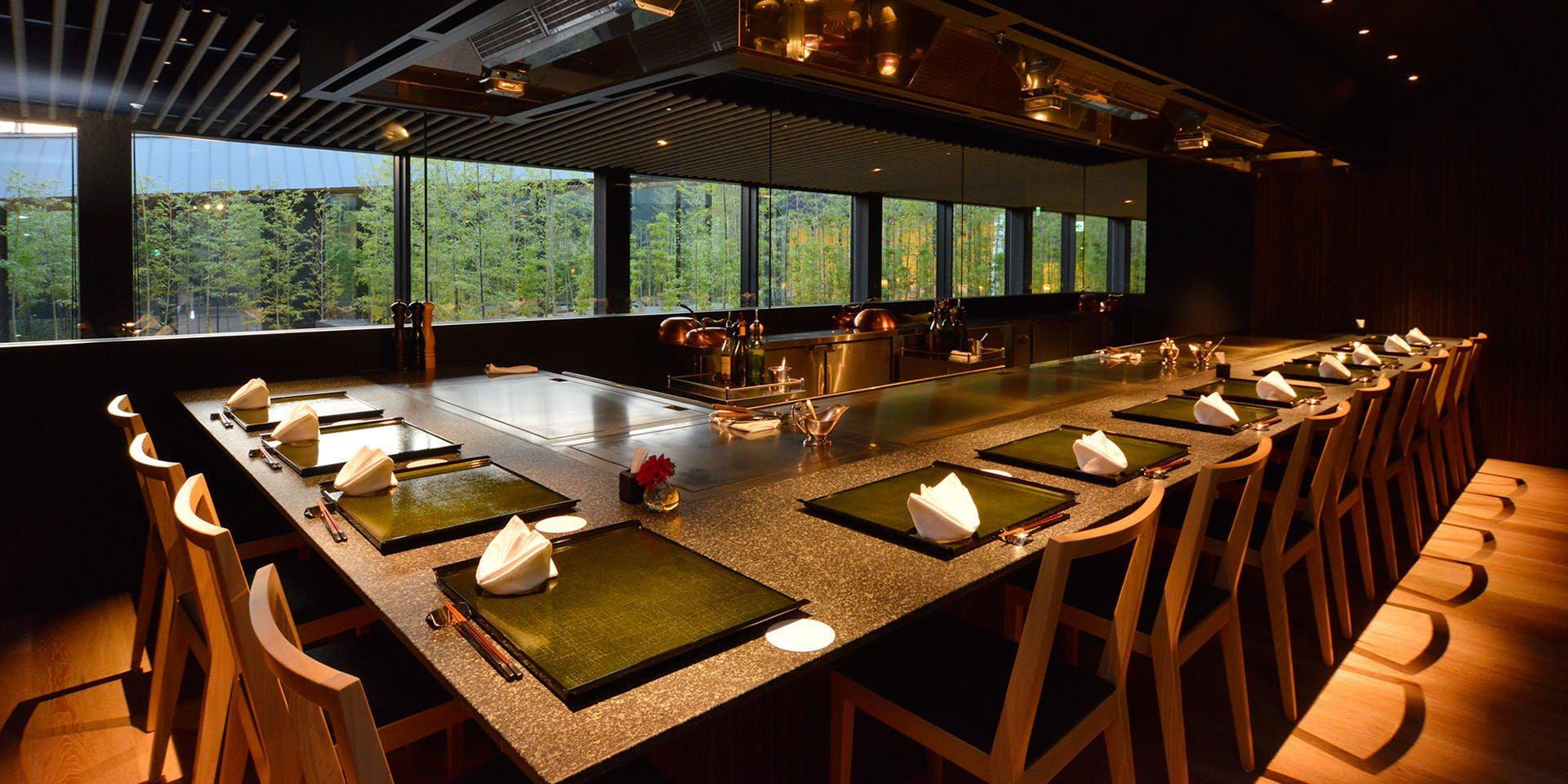
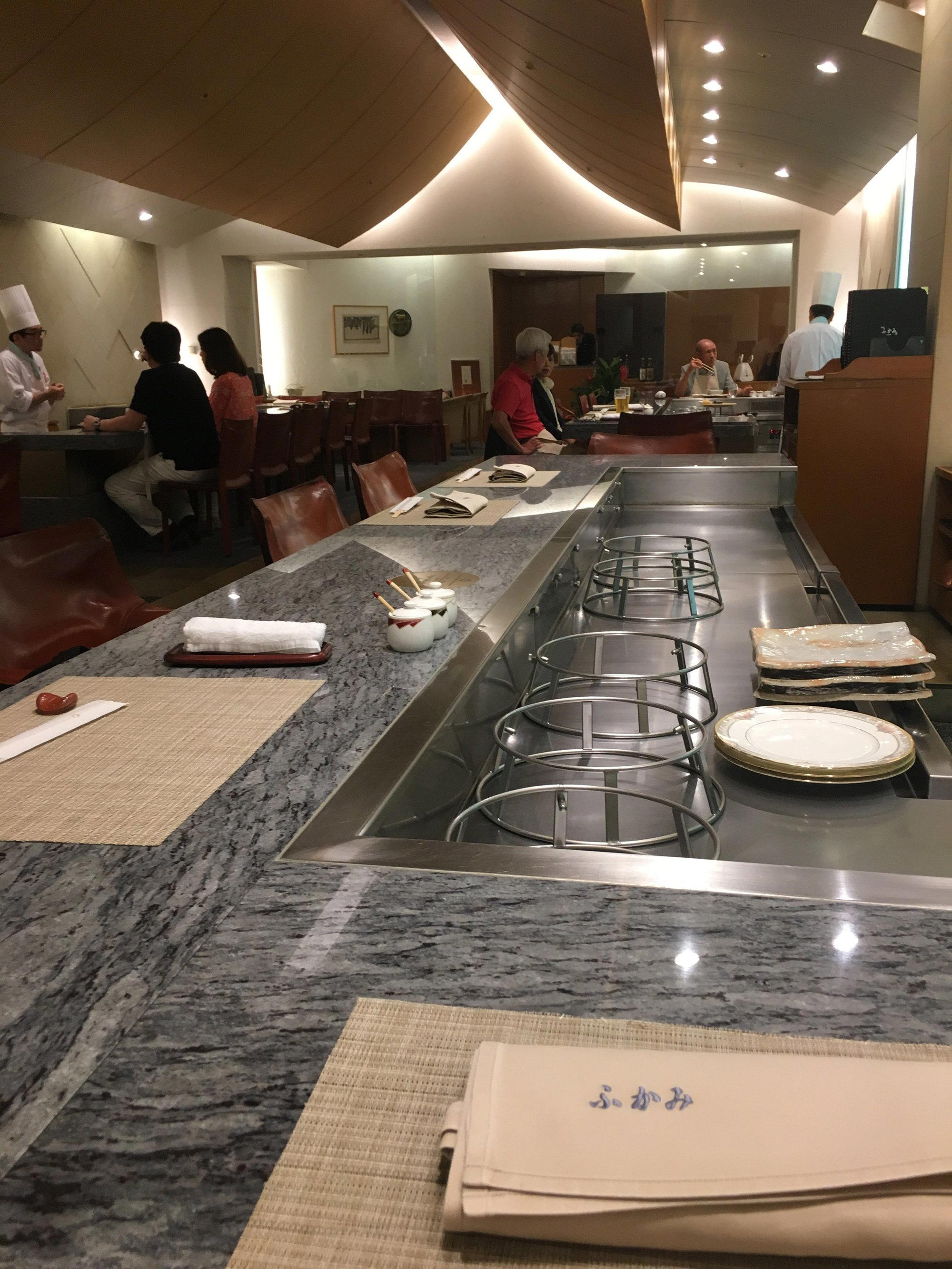
On Tachibana-dori, Miyazaki’s central dining axis, the appeal is not ceremony. The room reads as a working yoshoku address rather than a destination built for performance: counter seats, tables, tatami space, children welcome, and a no-smoking policy. That matters in a city where regional food identity is often carried by casual restaurants rather than formal tasting rooms. Chicken nanban is not an accessory to Miyazaki’s dining culture; it is one of the dishes through which the prefecture explains itself to visitors.
Aji no Ogura Honten sits inside that context with unusual clarity. The restaurant is associated with popularising chicken nanban, the local fried-chicken dish dressed with sweet-sour sauce and tartar sauce, and its recognition in Tabelog 100 Yoshoku WEST 2025 places it among a wider group of Japanese-style Western restaurants judged beyond their neighbourhood following. The useful point is not that Miyazaki has a single defining plate. It is that yoshoku, a cuisine born from Japan’s adaptation of Western cooking, becomes intensely regional here.
Chicken nanban as Miyazaki's everyday yoshoku language
Yoshoku often gets misunderstood abroad as retro Japanese comfort food, a category of cutlets, omelette rice, fried items, sauces, and curry-house habits. In Kyushu, it can carry more local weight. Chicken nanban, with its tart sauce logic and rice-friendly format, belongs to that practical register: filling, casual, and designed for repeat eating rather than spectacle. The dish’s Miyazaki association gives the city a culinary marker that is easier to understand at a lunch table than in a museum display.
That is why the Honten matters more as cultural evidence than as a chef-led story. There is no need to dress the experience in fine-dining language. The restaurant opened in 1956, long enough ago for its format to overlap with postwar yoshoku’s move from novelty to habit. Its current recognition, including Tabelog 100 selections in 2022 and 2025, signals that this older mode of Japanese Western cooking still has critical currency when executed with consistency and a strong regional identity.
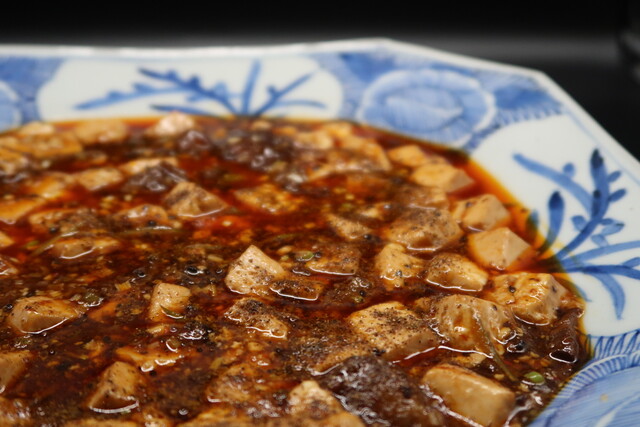
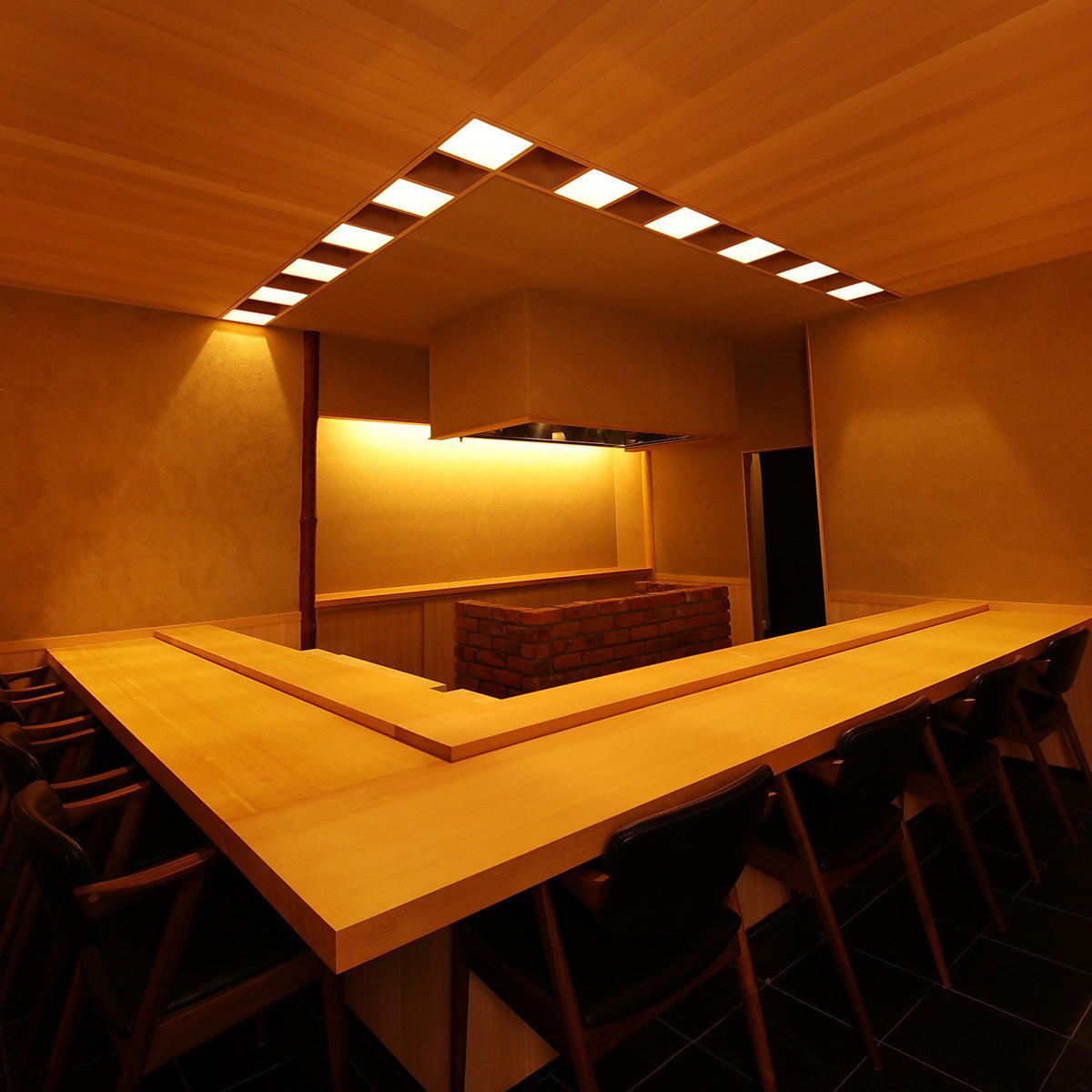
The competitive set in Miyazaki is revealing. A diner choosing between soba, Chinese cooking, izakaya-style drinking, and yoshoku is not choosing between luxury tiers alone, but between different versions of local time. Soba ya Tesshin and Taban Kusano Ya sit in a higher casual spend band than Aji no Ogura Honten, while Chinese Sen operates in a much higher price bracket. That leaves this address in the democratic lane: nationally noticed, locally legible, and priced for ordinary repetition rather than event dining.
The value of an old-school room in a regional capital
Regional Japanese cities reward restaurants that understand their own scale. Miyazaki does not need every notable dining room to mimic Tokyo’s reservation economy. Aji no Ogura Honten runs on a larger, accessible format, with 80 seats across counter and table seating, plus tatami space. Reservations are unavailable, which pushes the experience closer to the rhythm of a public dining room than a curated appointment. The absence of parking and the central location also place it in the city’s walk-and-bus fabric rather than a suburban drive-in model.
For travellers, that distinction is useful. Miyazaki’s food culture is often read through ingredients, especially chicken, beef, citrus, and shochu, but the more revealing question is format. Where does the city eat casually, and which casual rooms have enough history to shape a visitor’s understanding of place? This restaurant answers that question more directly than a polished contemporary room would. It shows how a regional specialty can remain ordinary in use while acquiring destination status for outsiders.
The practical frictions are part of the editorial assessment. Cash planning matters because cards, electronic money, and QR payments are not accepted. The menu pricing sits in the low everyday bracket for both lunch and dinner, and small rice adjustments are treated plainly: a large serving adds JPY 150, while no rice deducts JPY 100. Those details say more about the room than a decorative adjective could. This is a place built around throughput, appetite, and habit.
How to place it in a Miyazaki itinerary
The strongest case for the restaurant is at the start of a Miyazaki food itinerary, before the city is reduced to a checklist of specialties. Pair it with other local addresses to see how broad the dining field is: Aji Kawa, Chinese Sen, Fujiyama Pudding Miyazaki, GIGLI, and GRILL Ranman each point to a different register of the city’s eating culture. For a wider map, use our full Miyazaki restaurants guide, then build around hotel, bar, winery, and experience planning through our full Miyazaki hotels guide, our full Miyazaki bars guide, our full Miyazaki wineries guide, and our full Miyazaki experiences guide.
Seen nationally, the appeal belongs to a broader Japanese habit of taking everyday formats seriously. Travellers comparing casual regional dining across Japan might place it alongside different rooms such as -Grilled beef Sukiyaki- KAMAKURA TANUKIAN 鎌倉 たぬき庵 in Kamakura. 鮪と炭火焼き うお炭 秋葉原店 in Tokyo.cafe in Osaka.know in Kumamoto, (Shoku) Vietnam in Kawasaki, and [Curry Senmon Ten] Maruyama Kyoju. in Sapporo. Outside Japan, the same lesson applies at Jōdo Saké Bar in Los Angeles and Onigiri Time in Pasadena: casual food formats can carry serious cultural information when the context is read correctly.
The verdict is simple: this is not a luxury dining play, and that is the point. For Miyazaki, chicken nanban is both a regional calling card and an everyday order. The restaurant gives that overlap a clear setting, backed by Tabelog recognition, decades of operation, and a format that keeps the focus on the city’s food habits rather than on restaurant theatre.
Budget Reality Check
Comparable venues by cuisine and price in the same metro.
| Venue | Cuisine | Price | Notes |
|---|---|---|---|
| Aji no Ogura HontenThis venue — the venue you are viewing | Not listed | $ | Not listed |
| Maruman Yakitori Honten | Not listed | $$ | Tachibanadori Nishi, Miyazaki City, Traditional Miyazaki yakitori & chicken izakaya |
| Kamaage Udon Odamaki Honten | Chuo-dori, Miyazaki, Japanese Udon | $ | Not listed |
| GRILL Ranman | Not listed | $$ | /, Japanese‑style Western grill (yoshoku) |
| Torimasa | Not listed | $$$ | .null, Yakitori & Miyazaki Chicken Izakaya |
| Fujiyama Pudding Miyazaki | Aoshima, Japanese Curry & Cafe | $$ | Not listed |
Recognition history
Dated appearances from independent guides and award organizations, with the underlying list record or original source where available.
Tabelog 100 #96 · No. 96
Tabelog · Tabelog 100 - Yoshoku - WEST - 2025
Continue exploring
More in Miyazaki
At a Glance
- Classic
- Cozy
- Well Known
- Family
- Casual Hangout
- Group Dining
- Solo
- Standalone
Current opening hours
- Monday
- 11 AM–2:30 PM, 5–7:50 PM
- Tuesday
- Closed
- Wednesday
- 11 AM–2:30 PM, 5–7:50 PM
- Thursday
- 11 AM–2:30 PM, 5–7:50 PM
- Friday
- 11 AM–2:30 PM, 5–7:50 PM
- Saturday
- 11 AM–2:30 PM, 5–7:50 PM
- Sunday
- 11 AM–2:30 PM, 5–7:50 PM
Hours can change for holidays and private events. Last verified .
A busy, nostalgic Japanese-style western restaurant with a traditional, family-friendly feel and a lively, line-prone atmosphere.