Our verdict
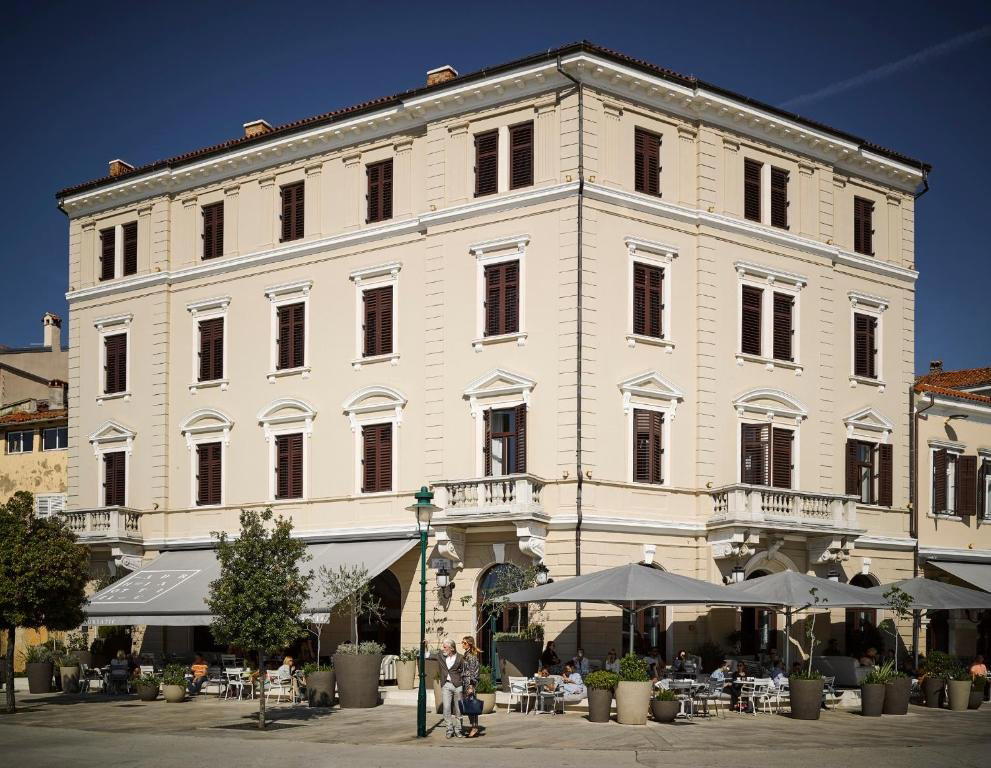
Giannino occupies a corner of Rovinj's old town on Ul. Augusta Ferrija, where the Venetian grid gives way to the Adriatic waterfront. The address places it inside the dense restaurant quarter that defines the town's dining character, competing in a tier where Istrian ingredients and Italian culinary inheritance are table stakes. Booking ahead is advisable during the summer season, when Rovinj's narrow streets fill quickly.

Pearl is the En Primeur Club membership app, where members save venues, book tables and use the concierge.

The menu
What to order
- Rigatoni with lobster
- Noodles mare monti
- Baked sea bass
Rovinj's Old Town Table: Setting the Scene at Giannino
There is a particular architectural logic to Rovinj's old town that shapes how you arrive at any restaurant inside it. The streets narrow as you move uphill from the harbour, stone walls pressing in from both sides, the sound of the Adriatic carrying up through gaps between buildings. Ul. Augusta Ferrija runs through this compressed grid, and it is on this street that Giannino sits. Before any consideration of what arrives on the plate, the physical approach does part of the work: Rovinj's peninsula does not permit the kind of sprawling restaurant formats found on the mainland. Space is finite, settings are earned by location, and proximity to the water is the first thing a diner reads as a signal of seriousness.
Rovinj's dining scene has consolidated around a recognisable tier structure over the past decade. At the upper end, Monte and Agli Amici Rovinj operate at the level where Michelin attention and wine programme depth become part of the competitive conversation. Below that, a mid-upper tier of addresses with strong local reputations and solid ingredient sourcing fills the bulk of the market. Giannino operates within the broader Rovinj dining fabric, at an address well-positioned within the old town's concentrated restaurant quarter. For context on the full range of options across the town, our full Rovinj restaurants guide maps the scene in detail.
What the Menu Reveals: Istrian Inheritance and Adriatic Logic
In Istria, menu architecture tends to be read as a declaration of intent. The peninsula sits at the intersection of Italian and Croatian culinary traditions, and the way a kitchen organises its offer, whether it leans into truffles and hand-rolled pasta or pivots toward raw seafood and coastal simplicity, signals where it locates itself within that dual inheritance. The region's most discussed ingredients, Motovun truffles, Istrian olive oil, Malvazija from local producers, and Adriatic fish drawn from the same waters visible from most dining rooms in Rovinj, appear across kitchens at every price point. The differentiator is usually the edit: how much restraint the kitchen shows, and whether the sourcing is treated as infrastructure or as the actual subject of each dish.
Giannino's name itself carries an Italian register, a diminutive of Gianni that reads more Venetian than Croatian, which is consistent with the town's history. Rovinj spent centuries under Venetian administration, and that influence persists in its architecture, its dialect, and in the Italian-inflected framing of much of its restaurant culture. A name like Giannino signals, at minimum, a position within that tradition rather than against it.
Across Istria's comparable tables, from San Rocco in Brtonigla to the more formal formats at Cave Lab By Monte in Rovinj itself, the tension between rustic regional cooking and more structured contemporary presentation has become the defining creative conversation. Giannino's location in the old town, rather than in a hotel or resort setting, suggests a format closer to the trattoria end of that spectrum, though the address alone cannot confirm the kitchen's current direction.
Rovinj in the Broader Croatian Fine Dining Frame
Understanding Giannino's position requires some sense of where Rovinj fits within Croatia's wider restaurant geography. The country's most decorated addresses are distributed across a wide coastal arc. Pelegrini in Sibenik and Restaurant 360 in Dubrovnik hold Michelin stars and attract visitors specifically for the restaurant rather than incidentally. Further north, Nebo by Deni Srdoč in Rijeka and Alfred Keller in Mali Lošinj operate in the premium Kvarner tier. Inland, Korak in Jastrebarsko and Dubravkin Put in Zagreb anchor the continental Croatian scene. On the Dalmatian islands, LD Restaurant in Korčula and Boskinac in Novalja provide further reference points for what the country's regional kitchens are doing at their most serious. And in Split, Krug has built a strong urban following.
Rovinj, by contrast, draws its restaurant strength from density and location rather than from a single anchor address. The town's small size means that several credible kitchens operate within walking distance of each other, creating a concentrated dining circuit that rewards multiple evenings rather than a single destination meal. Cap Aureo and Dream both contribute to this circuit, alongside the Monte group's various formats. Giannino occupies a position within this local ecosystem rather than above it.
Planning a Visit: Logistics and Timing
Rovinj's high season runs from late June through August, when the town's population multiplies several times over and restaurant queues form early. Any address on Ul. Augusta Ferrija, in the heart of the old town, will feel this pressure directly. Arriving without a reservation during peak weeks is a reasonable gamble only at off-hours; at prime dinner time, it is not. The shoulder months of May, June, and September offer the same town with considerably less competition for tables and a cooler walking temperature that makes the old town's stone streets more comfortable to navigate on foot.
The address, Ul. Augusta Ferrija 38, provides a locating point; arriving in person to enquire or reserve is a reliable fallback in a town where many smaller restaurants still operate without a centralised online booking system. For those combining a Rovinj visit with broader Istrian travel, the drive from Pula airport takes approximately 35 to 40 minutes under normal conditions, making the town an accessible base for multiple days.
Frequently asked questions
What's the address for Giannino?
Giannino is located at Ul. Augusta Ferrija 38, 52210, Rovinj, Croatia, Rovinj.
How does Giannino's location inside Rovinj's old town affect the dining experience?
The address at Ul. Augusta Ferrija 38 places Giannino deep inside Rovinj's car-free old town peninsula, where cobbled lanes narrow as you climb toward the hilltop church of St. Euphemia. Reaching the restaurant requires arriving on foot, which shapes the pace of the evening before you sit down. In practical terms, this also means the kitchen is working within real supply constraints: deliveries happen by hand-trolley, so the freshness of what reaches the table is a considered operational commitment, not a marketing claim.
What dish is Giannino famous for?
The menu at Giannino draws from Istria's dual Italian-Croatian culinary inheritance, which typically centres on local seafood, hand-rolled pasta, and truffle preparations sourced from the peninsula's interior. Augusta Ferrija places it within Rovinj's old town, where menus are shaped by what comes off the Adriatic boats that morning. Expect the kitchen's strengths to follow that seasonal and tidal logic.
What's the best way to book Giannino?
During Rovinj's high season, which runs late June through August, tables inside the old town fill quickly and same-day availability is rare. Arriving in person during off-peak hours or contacting the restaurant through local concierge services at your accommodation are the most reliable options until direct booking details are confirmed.
What has Giannino built its reputation on?
Giannino operates within Rovinj's old town, a setting that draws a discerning mix of Croatian regulars and northern European visitors who return annually to the Istrian coast. Its position on Ul. Augusta Ferrija places it in a neighbourhood where restaurants compete on the quality of their Adriatic sourcing and the depth of their local wine lists. No Michelin recognition or major award is currently documented for Giannino, which means its standing rests on consistent execution rather than external validation.
Do they accommodate allergies at Giannino?
No specific allergy policy is documented for Giannino. In Rovinj, as across Istria broadly, kitchens built around fresh fish, shellfish, and wheat-based pasta represent the baseline of most menus, so guests with shellfish or gluten sensitivities should check the venue's official channels before visiting. Until phone or website details are publicly confirmed, reaching out through your hotel concierge in advance is the most practical approach.
Is Giannino worth the price?
Pricing information for Giannino has not been formally published or documented. Within Rovinj's restaurant tier, the old town commands a premium over harbour-facing competitors partly because of the setting and partly because of the logistical cost of operating inside a medieval street grid. Whether that premium is justified depends on your reference point: Rovinj sits below Dubrovnik's price ceiling but above Split's mid-market average, and Istrian truffle and seafood menus in this postcode typically reflect that positioning.
Where the Accolades Land
Comparable venues nearby, for context on price, style, and recognition.
| Venue | Cuisine | Price | Notes |
|---|---|---|---|
| GianninoThis venue (the venue you are viewing) | Fresh Istrian Seafood with Italian Influences | $50–100 | Not listed |
| Fish House Rovinj | Modern Mediterranean Fish Street Food | $20–30 | Old Town Rovinj |
| Orca | Traditional Istrian Mediterranean | $30–50 | Gripole |
| Male Madlene | Istrian Tapas & Fine Finger Food | $30–50 | Santa Croce |
| Dream | Istrian Fusion Mediterranean | Not listed | old town |
| Tutto Bene | Mediterranean Seafood | $50–100 | old town |
Continue exploring
More in Rovinj
Restaurants in Rovinj
All restaurants in Rovinj →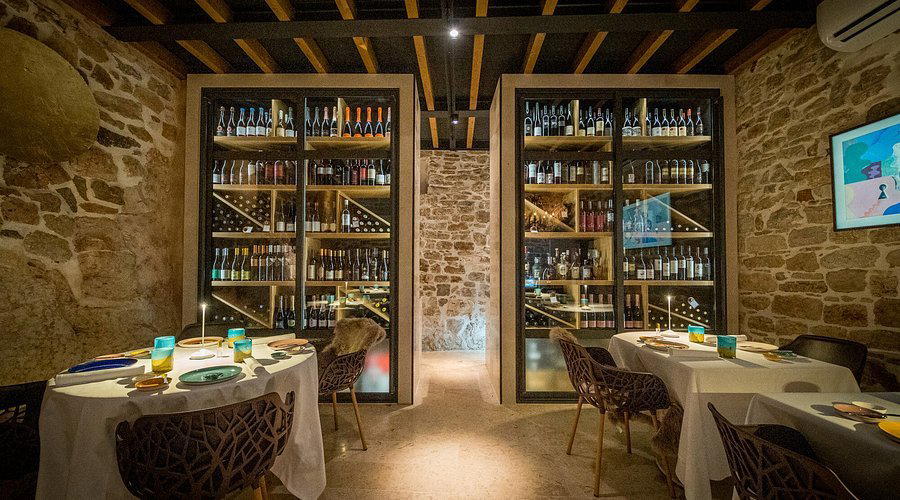
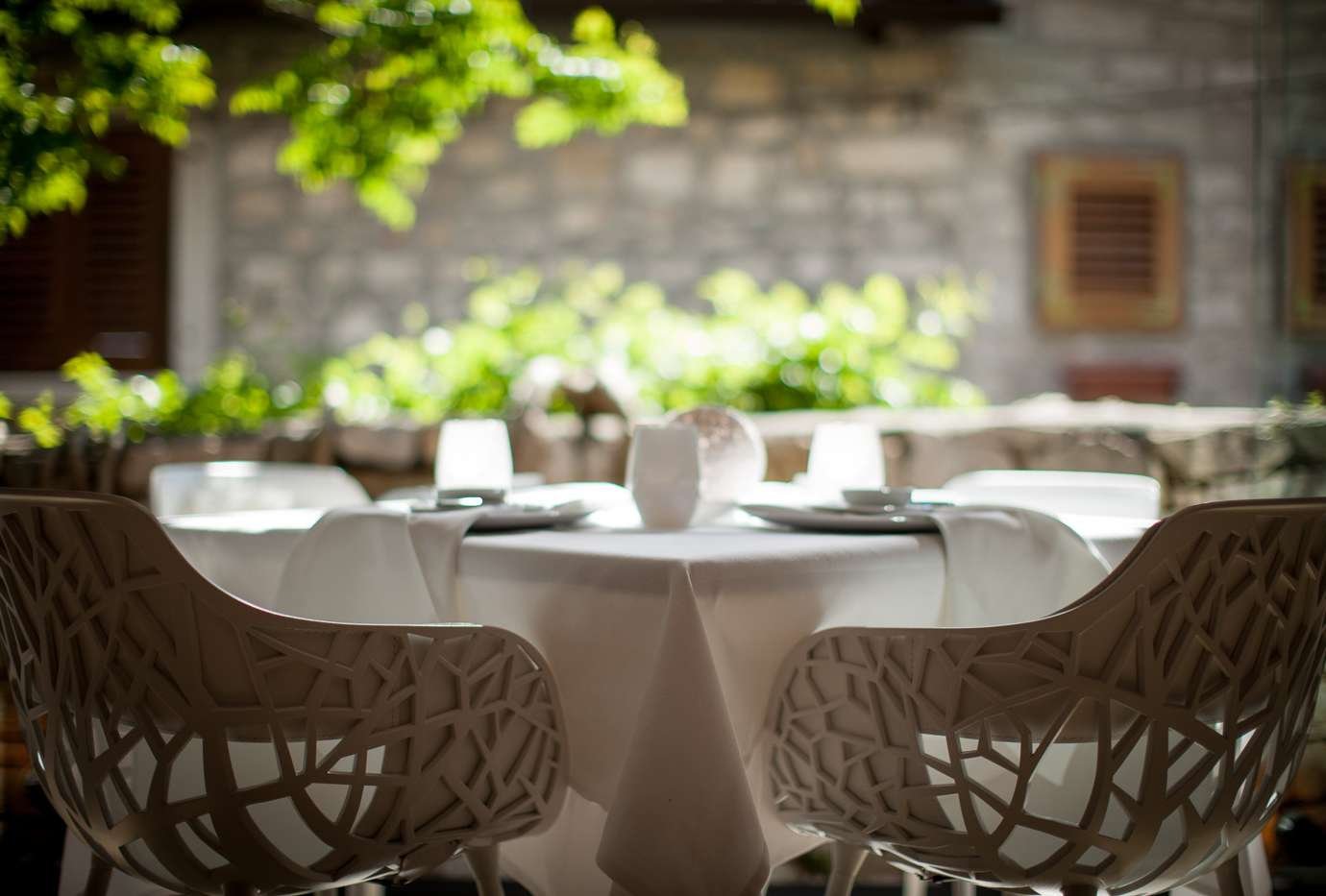
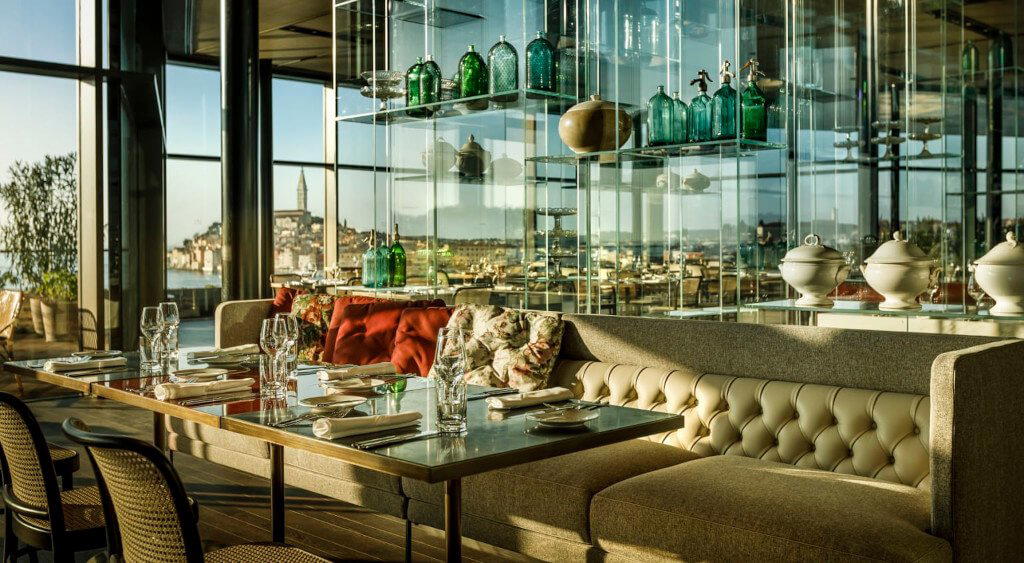
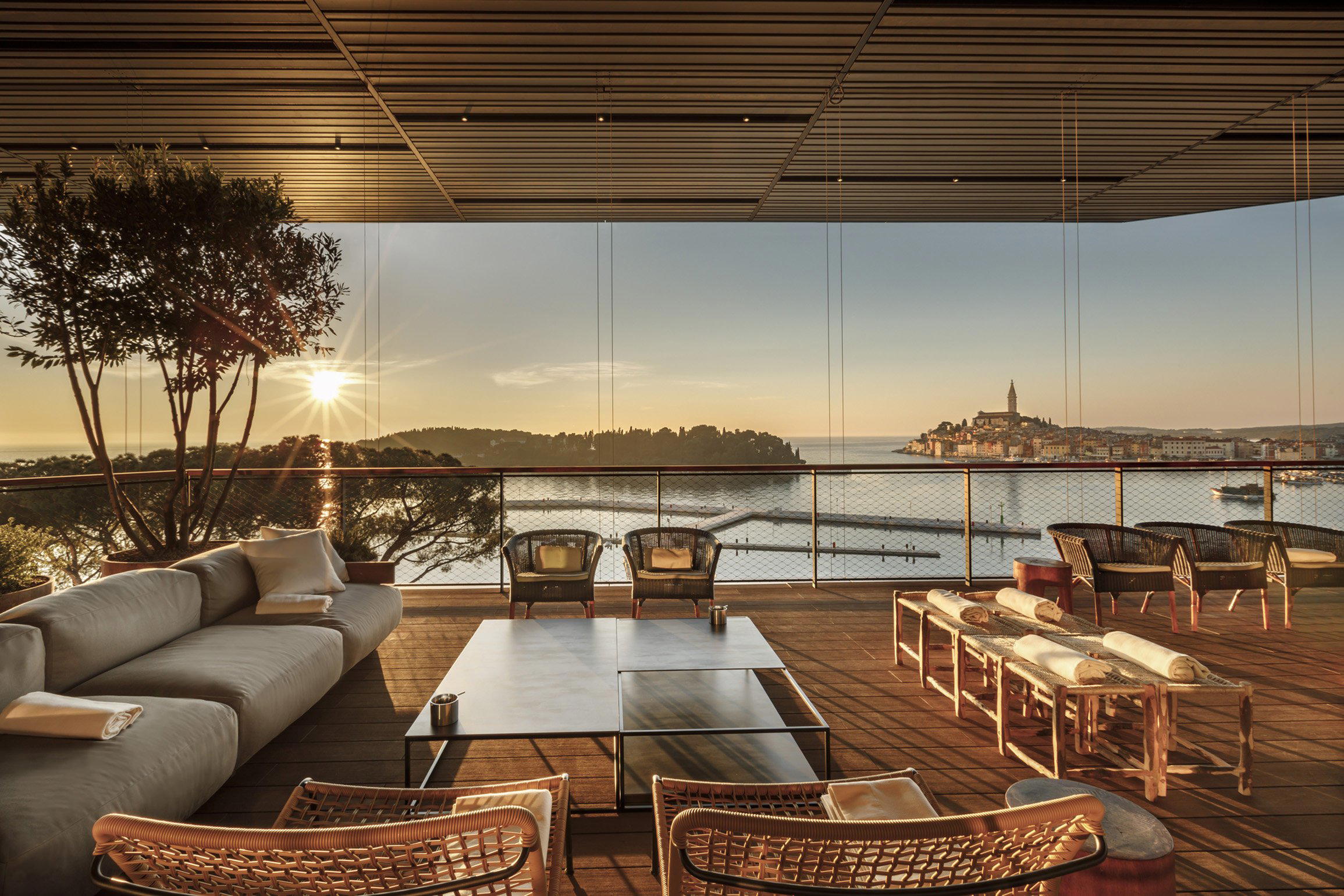
Bars in Rovinj
All bars in Rovinj →

Details
- Classic
- Rustic
- Elegant
- Date Night
- Special Occasion
- Extensive Wine List
- Local Sourcing
- A La Carte
- Wine
- Vegetarian Friendly
- Gluten Free Options
Current opening hours
- Monday
- Closed
- Tuesday
- 6–11 PM
- Wednesday
- 6–11 PM
- Thursday
- 6–11 PM
- Friday
- 6–11 PM
- Saturday
- 12–2 PM, 6–11 PM
- Sunday
- 12–2 PM, 6–11 PM
Hours can change for holidays and private events. Hours as of .
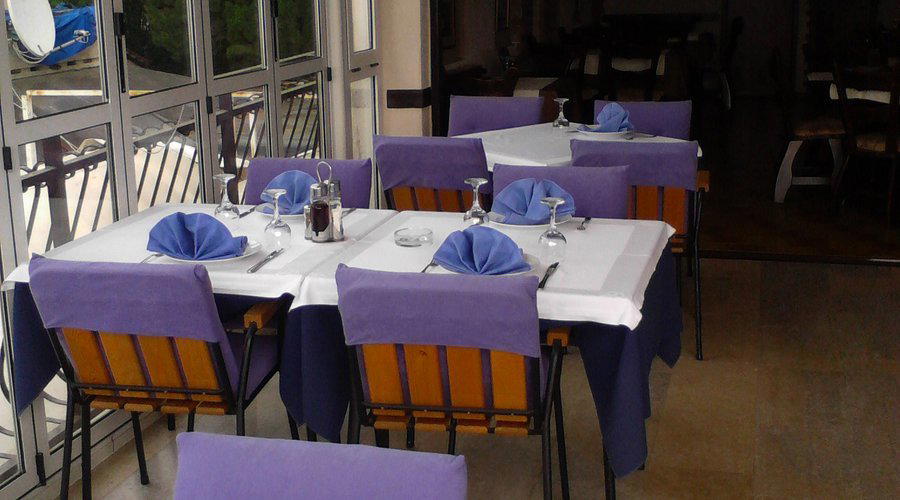
Modern interior with rustic vaulted ceiling gallery, offering a quiet residential old town atmosphere.