


Gia sits in Toronto’s Italian conversation at the plant-forward end of the spectrum, where regional pasta-house expectations meet a more flexible approach to dairy, butter, and Parmesan. Its Michelin Plate recognition in 2025 and price tier place it closer to serious neighbourhood dining than casual red-sauce comfort, with Dundas West giving the room a west-end frame rather than a Yorkville gloss.
Pearl is the En Primeur Club membership app — saves, bookings, and concierge access live there. Same editors, same standards.
- Address
- 1214 Dundas St W, Toronto, ON M6J 1X5, Canada
- Phone
- +1 416-535-8888
- Website
- giarestaurant.ca
- Directions
- Get directions
 Saves & bookings on Pearl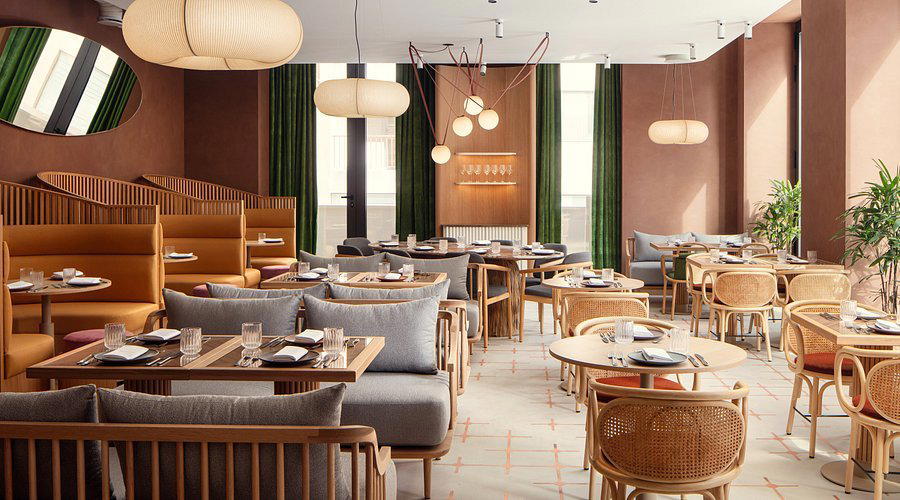
Dundas West sets a useful tone before the menu does: narrow storefronts, late dinners, and a neighbourhood rhythm that has long rewarded restaurants with point of view over polished ceremony. In that context, Gia reads less as a novelty act than as a Toronto answer to a question Italian dining has been circling for years: how far can a kitchen move toward plants without losing the grammar of pasta, fat, acidity, and comfort that makes the cuisine legible?
Toronto’s Italian scene is not a single lane. Ardo speaks to the city’s appetite for regional Italian warmth, Bar Vendetta turns pasta and wine into a tighter west-end format, and Buca helped normalize a more ambitious, ingredient-driven Italian register in the city. Gia belongs in that conversation, but with a different centre of gravity: Italian food filtered through plant-forward choices rather than built around meat, seafood, and dairy as automatic anchors.
Plant-forward Italian, without treating tradition as decoration
The useful way to read the menu is through regional identity rather than dietary category. Roman cooking has long understood the force of pepper, pasta water, and cheese; Tuscan food has a deep relationship with beans, bitter greens, bread, and olive oil; southern Italian cooking often finds intensity in tomato, herbs, preserved vegetables, and texture. Gia’s plant-forward positioning works because Italian tradition already contains these tools. The point is not to imitate a standard trattoria dish and remove its centre. The stronger argument is that vegetables, grains, pulses, and pasta can carry the meal when the kitchen respects the underlying structure.
The public framing is clear about flexibility: Parmesan, butter, and similar ingredients remain part of the vocabulary, but they can be omitted or substituted. That matters in Toronto, where plant-based dining often splits between wellness-coded restaurants and conventional rooms with a token vegan option. Gia occupies a more useful middle ground. It allows diners who want Italian food to eat within familiar patterns, while giving plant-forward guests more than a side salad and a compromise pasta.
Chef Matt Ravenscroft, associated with The Dirty Raven, gives the restaurant a named culinary anchor, but the more interesting story is not biography. It is how a chef-led Italian room in Toronto can treat substitution as part of the design rather than as an apology. In a city with strong immigrant food traditions and an increasingly flexible dining public, that shift feels current without needing theatrical reinvention.
Where it sits in Toronto's Italian hierarchy
Price matters here. With a $$$ positioning, Gia is not competing with the city’s most casual pasta counters, but it is also not in the trophy-dinner bracket occupied by higher-priced Italian dining such as DaNico. Its Michelin Plate recognition in 2025 gives it an external marker of seriousness, while the unusual listing in World’s 50 Best Asia’s Best Restaurants #97 in 2025 is a credential worth noting exactly as stated rather than over-reading. The practical takeaway is simpler: this is a recognized Toronto Italian address with a defined angle, not a generic neighbourhood option.
Compared with Bar Vendetta, the emphasis moves away from wine-bar informality toward a more explicit plant-forward proposition. Compared with buca yorkville, the room belongs to a different part of the city’s dining psychology: less luxury-district Italian, more west-end specificity. Casa Paco is useful as a nearby point of contrast in mood and format, even though the culinary language is Spanish rather than Italian. The comparison clarifies the decision: Gia is for diners who want the comfort of Italian structure with a more contemporary conversation around plants.
That angle also separates it from the broad Canadian dining circuit. A Vancouver tapas room such as ¿CóMO? Taperia in Vancouver, a mountain steakhouse such as 1888 Chop house in Banff, or a Niagara Falls dining room such as 21 Club Steak and Seafood in Niagara Falls all solve different travel-dining problems. Gia is a city restaurant: the pleasure comes from specificity, restraint, and knowing where it sits within Toronto’s west-end Italian map.
How to plan the meal around Dundas West
The restaurant’s schedule makes it more of a dinner address than an all-week fallback, with Sunday adding a daytime and early-evening rhythm. The address on Dundas Street West places it in a corridor where a meal can sit comfortably inside a wider west-end evening, especially for travellers staying outside the financial core. The price tier suggests a planned dinner rather than a casual drop-in, particularly for groups balancing dietary needs across the table.
Families should read the room through timing and budget. Earlier Sunday service is the easier fit for children, while the $$$ positioning makes it better for families who already dine in full-service city restaurants. For adults, the appeal is sharper: Gia gives Toronto’s Italian scene a plant-forward argument that does not abandon regional logic. That is the reason to choose it over a more standard pasta night.
For wider planning, use Our full Toronto restaurants guide to place it against the city’s broader dining field, then pair the meal with Our full Toronto hotels guide, Our full Toronto bars guide, Our full Toronto wineries guide, and Our full Toronto experiences guide. Related Canadian and North American addresses, from 3 Mariachis in Vaughan and 3 Pierres 1 Feu in Montréal to 335 on the Ridge in Ridgeway, 112 Eatery, Italian in Minneapolis, and 8 1/2 Otto e Mezzo Bombana (Hong Kong), Italian in Hong Kong, show how much range sits behind a single cuisine label.
How It Stacks Up
Comparable venues by cuisine and price in the same metro.
| Venue | Cuisine | Price | Awards | Notes |
|---|---|---|---|---|
| GiaThis venue — the venue you are viewing | Plant-Forward Italian | $$$ | Michelin Plate, World's 50 Best #97 | Not listed |
| DaNico | Modern Italian Fine Dining | $$$$ | Michelin 1 Star | Harbord Village |
| Osteria Giulia | Modern Northern Italian (Ligurian) | $$$$ | Michelin 1 Star | Annex |
| Aburi Hana | Modern Japanese Kyō-Kaiseki | $$$$ | Michelin 1 Star | Yorkville |
| Don Alfonso 1890 | Modern Italian Fine Dining | $$$$ | Michelin 1 Star | Harbourfront |
| Enigma Yorkville | Modern Contemporary Fusion | $$$$ | Michelin 1 Star | Bay Street Corridor |
Recognition history
Dated appearances from independent guides and award organizations, with the underlying list record or original source where available.
Michelin Plate
Michelin
We're Smart World 4 Radishes
We're Smart World
World's 50 Best Asia's Best Restaurants #97
World's 50 Best
Continue exploring
More in Toronto
Restaurants in Toronto
Browse all →
Bars in Toronto
Browse all →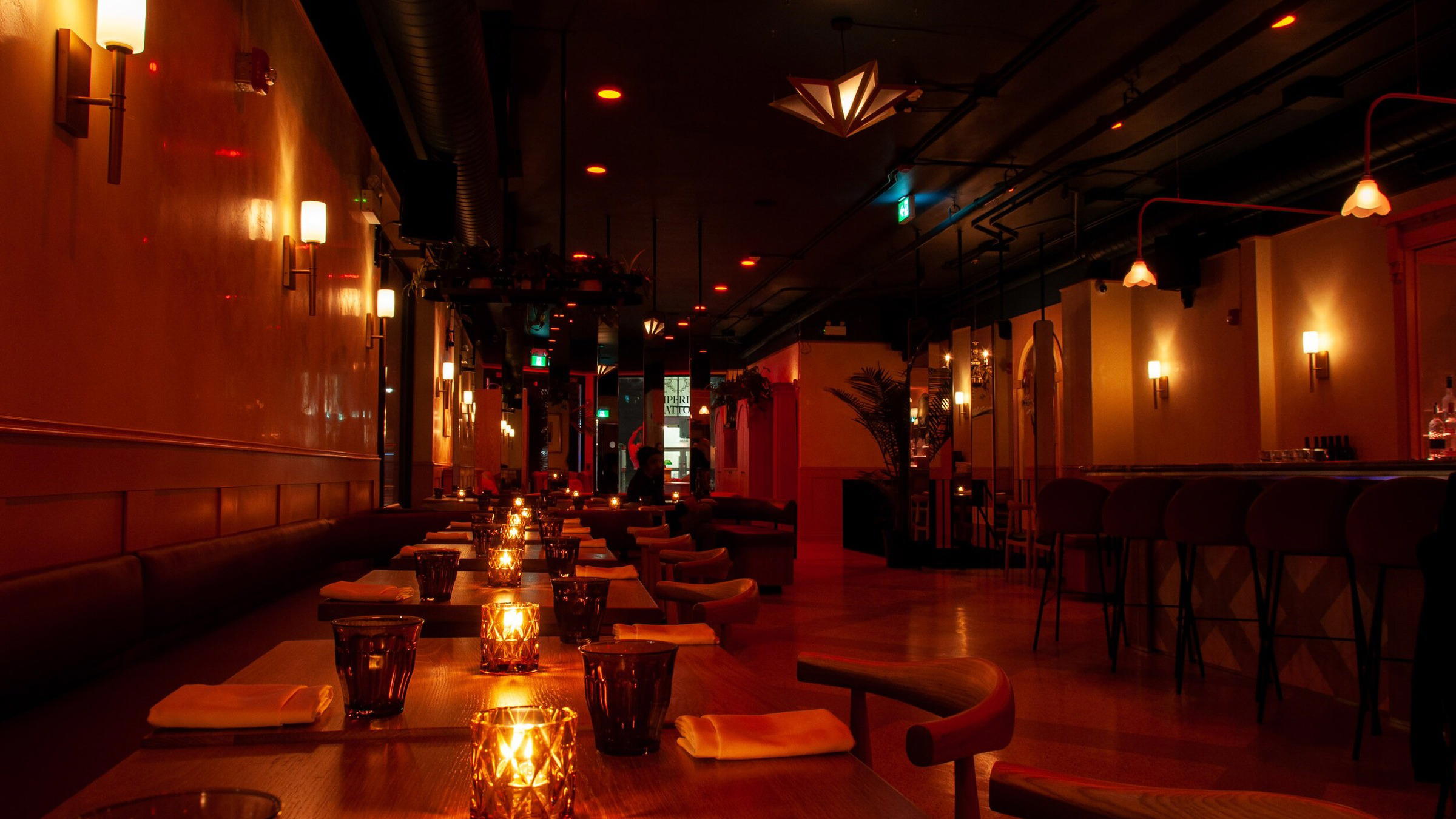

Hotels in Toronto
Browse all →

At a Glance
- Intimate
- Trendy
- Cozy
- Elegant
- Modern
- Date Night
- Special Occasion
- Open Kitchen
- Craft Cocktails
- Extensive Wine List
- Local Sourcing
Current opening hours
- Monday
- 5–10 PM
- Tuesday
- Closed
- Wednesday
- Closed
- Thursday
- Closed
- Friday
- 5–10 PM
- Saturday
- 5–10 PM
- Sunday
- 11:30 AM–2:30 PM, 3–8:30 PM
Hours can change for holidays and private events. Last verified .
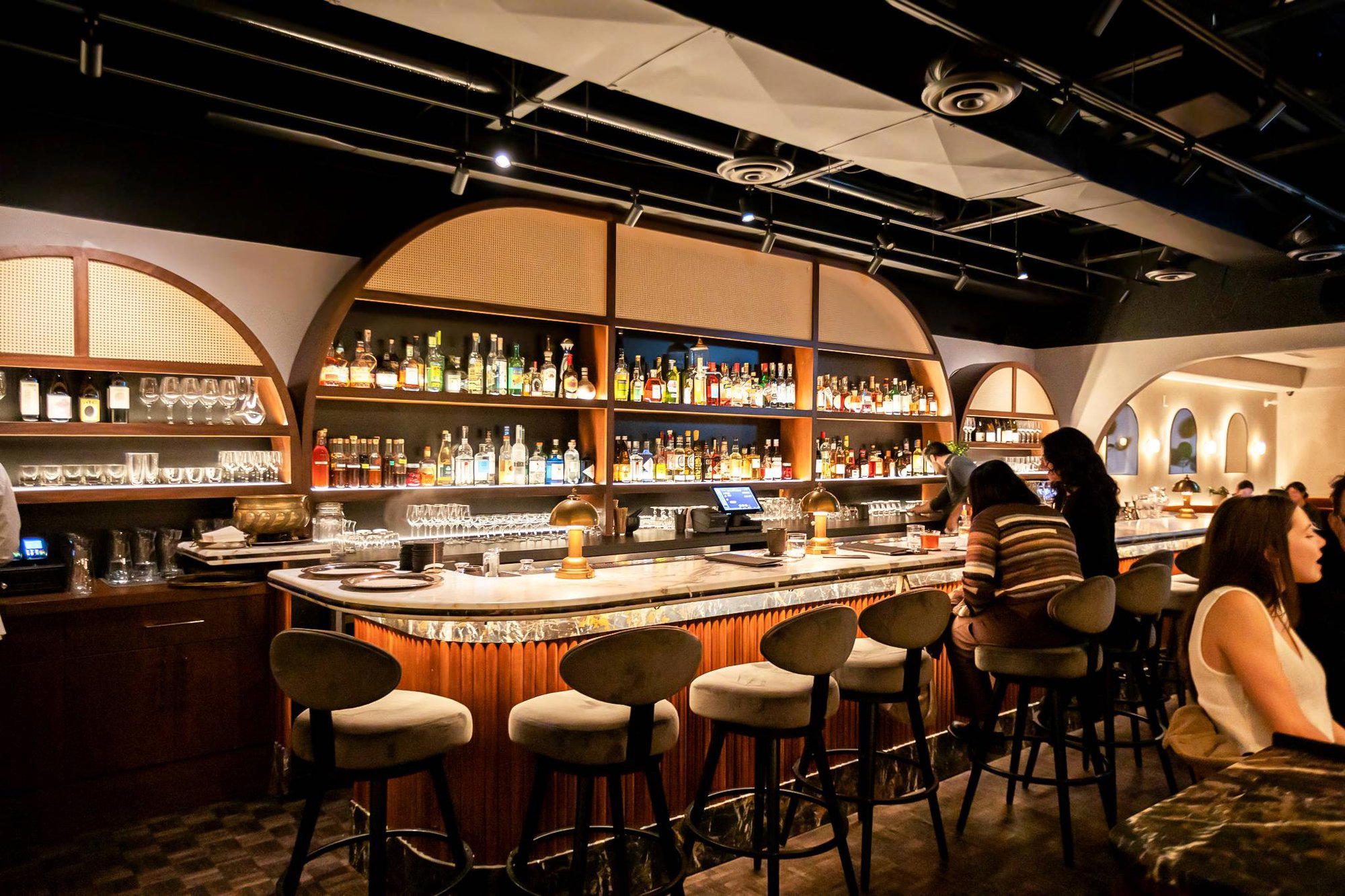
Chic and intimate with soft pink lighting, high ceilings, exposed white brick, and a stylish, chill vibe well-suited for date nights.