Ghee Indian Kitchen - Atlanta
Our verdict
Ghee Indian Kitchen brings considered regional Indian cooking to Atlanta's Westside, occupying a position in the city's dining scene where subcontinental cuisine has historically been underrepresented at the table-service level. Located at 1050 Howell Mill Road, the restaurant draws attention for its approach to Indian flavors in a format that sits outside the traditional buffet-and-curry-house template long dominant in American markets.

Pearl is the En Primeur Club membership app — saves, bookings, and concierge access live there. Same editors, same standards.
- Address
- 1050 Howell Mill Rd, Atlanta, GA 30318
- Phone
- (305) 968-1850
- Hours
- Mon–Thu 5–10 PMFri–Sat 5–11 PMSun 5–10 PM
- Website
- gheeindiankitchen.com
- Directions
- Get directions
- Booking
- Book on OpenTable
The menu
What to order
- Green Papaya Salad
- Samosa Chaat
- Ahi Tuna Bhel
Indian Cooking in Atlanta, Reframed
For most of its restaurant history, Atlanta's Indian dining options followed a pattern recognizable across American cities: buffet-format lunch services, dinner menus organized around Mughal-derived staples, and price points calibrated to compete with fast-casual rather than with the city's serious table-service tier. That template served a function, but it left a gap. Ghee Indian Kitchen, at 1050 Howell Mill Road in Atlanta's Westside corridor, occupies a different register — one that treats Indian cuisine with the same editorial seriousness that Atlanta's leading kitchens apply to New American or contemporary European cooking.
The Westside placement is significant. This stretch of Howell Mill Road has become one of Atlanta's most concentrated blocks of ambitious dining, home to restaurants that hold their own in national conversation. Bacchanalia, long considered the standard-bearer for fine dining in Atlanta, operates nearby, as does Atlas, which pairs modern European ambition with a serious wine program. In that company, Ghee's positioning says something about where Indian cooking in America is heading: toward the same neighborhood, literally and figuratively, as the restaurants that define a city's dining identity.
The Shift Indian Restaurants Are Making
Across American cities, a cohort of Indian restaurants has been quietly rewriting the format expectations that decades of immigrant-economy dining established. The move is away from communal, abundant, and price-accessible toward something closer to what fine dining has always prioritized: restraint, technique visibility, and a tighter, more deliberate menu. This shift is happening in New York, Chicago, and Los Angeles, and Atlanta is part of that national recalibration. Ghee sits inside that broader movement rather than ahead of it or apart from it — which is precisely what makes it worth tracking.
The name itself signals intent. Ghee, clarified butter that has been a cornerstone of South Asian cooking for millennia, is not an exotic ingredient; it is a foundational one. Naming a restaurant after it is a statement about returning to source rather than translating for an assumed audience. That kind of confidence in the cuisine's own vocabulary is relatively new in American Indian restaurant culture, and it mirrors what Korean-American restaurants did in cities like New York before venues like Atomix in New York City brought the format to the highest recognition tier.
Evolution as Competitive Strategy
Atlanta's dining scene has changed materially over the past decade. The arrival of Michelin Guide recognition in Georgia, announced in 2023, accelerated the seriousness with which both chefs and diners approach the city's table-service tier. Restaurants like Lazy Betty and Hayakawa have demonstrated that Atlanta can sustain demanding, high-craft formats. Mujō has shown that even the most specialized Japanese formats find an audience here. The question for Indian cooking in Atlanta has always been whether the audience and the critical infrastructure existed to support a similar evolution.
What Ghee represents, in that context, is a bet that they do. Restaurants that survive and grow in neighborhoods like the Westside do so by iterating: adjusting the menu's scope, refining service cadence, reading which dishes find traction and which don't. The evolution frame is not just about the restaurant's own trajectory, it reflects a broader maturation in how Atlanta eaters engage with Indian cuisine. That maturation is happening faster than it would have before Michelin arrived in the state.
For comparison, consider what similar shifts looked like in other cities. Smyth in Chicago and Lazy Bear in San Francisco each built their reputations through a combination of neighborhood positioning, format discipline, and willingness to evolve menus in response to what the kitchen was learning. Providence in Los Angeles and Blue Hill at Stone Barns in Tarrytown made ingredient sourcing a public part of their identity. The restaurants that endure in competitive American dining cities tend to have a clear point of view and the discipline to deepen it over time rather than broaden indefinitely.
Where Ghee Sits in Atlanta's Price and Format Tier
Atlanta's serious dining tier is currently anchored by restaurants operating at the $$$$ price point, Bacchanalia, Lazy Betty, Atlas, and their peers. Below that sits a range of $$$-tier restaurants offering serious cooking without the full tasting-menu commitment. Indian cuisine in America has historically occupied the $$ tier by default, which is part of why the shift upward is both commercially risky and culturally meaningful. Restaurants like Ghee that position themselves outside the buffet template and inside a neighborhood of ambitious table-service dining are, in effect, making an argument about where the cuisine belongs.
That argument is more convincing when the food earns it. The culinary tradition Ghee draws from is not shallow, regional Indian cooking encompasses some of the most technically complex spice work, fermentation practice, and bread-making traditions in the world. The challenge for any Indian restaurant moving into a higher-commitment format in an American city is translating that complexity into a dining experience that feels focused rather than encyclopedic. The restaurants in Atlanta's peer tier that do this well, whether working with Japanese precision at Hayakawa, contemporary tasting formats at Lazy Betty, or the New American vernacular at Bacchanalia, share a common trait: they edit ruthlessly and let the editing itself become part of the offer.
For readers building an Atlanta itinerary around serious dining, our full Atlanta restaurants guide maps the city's current table-service tier across cuisine types and price bands.
How does Ghee Indian Kitchen fit into Atlanta's broader South Asian dining scene?
Atlanta has a substantial South Asian population concentrated largely in the northern suburbs, where the majority of the metro area's Indian restaurants have historically operated. Ghee's placement in the urban Westside represents a deliberate departure from that geographic and format convention, positioning Indian cooking alongside the city's most recognized table-service restaurants rather than within a subcommunity dining corridor. That positioning makes it a reference point in any serious conversation about where Indian cuisine sits in Atlanta's dining hierarchy, a question that Michelin's 2023 entry into the Georgia market has made more commercially and critically relevant than it was before.
Same-City Peers
Comparable venues nearby, for context on price, style, and recognition.
| Venue | Cuisine | Price | Awards | Notes |
|---|---|---|---|---|
| Ghee Indian Kitchen - AtlantaThis venue — the venue you are viewing | Modern Indian | $50–100 | Not listed | Not listed |
| Campagnolo | Rustic Italian with New American Influences | $30–50 | Not listed | Midtown |
| The Colonnade | Southern Comfort Food | $30–50 | Diners, Drive-Ins and Dives Featured Restaurant | Morningside - Lenox Park |
| McCray's Tavern | American Gastropub | $20–30 | Not listed | Midtown |
| El Viñedo Local | Authentic South American | $20–30 | Not listed | Midtown |
| Glenn's Kitchen | Southern American Comfort Food | $30–50 | Not listed | Downtown Atlanta |

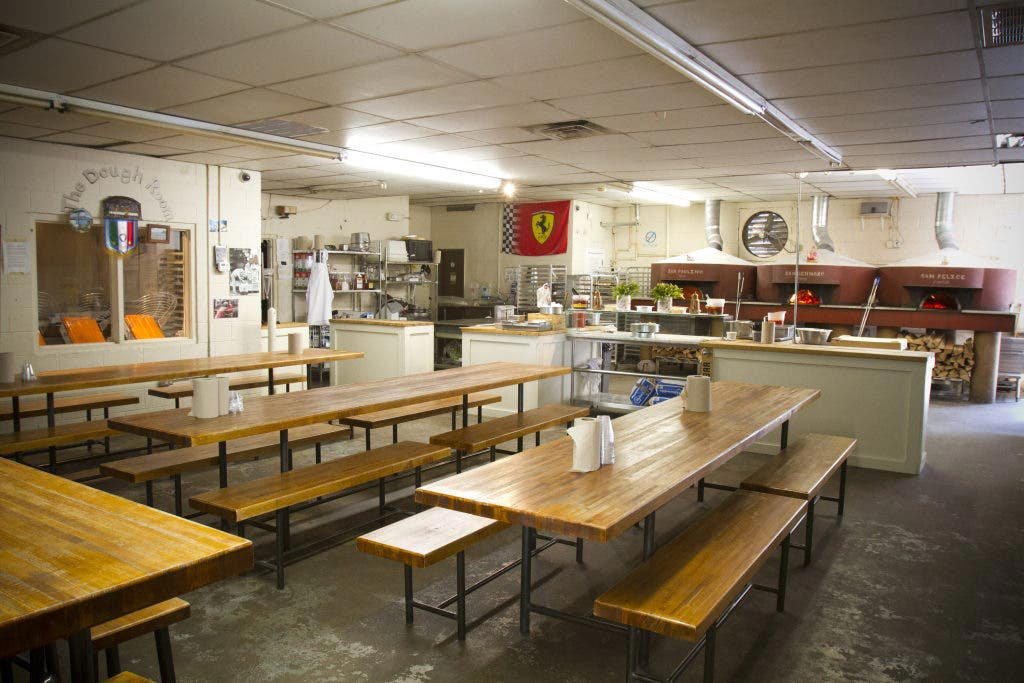
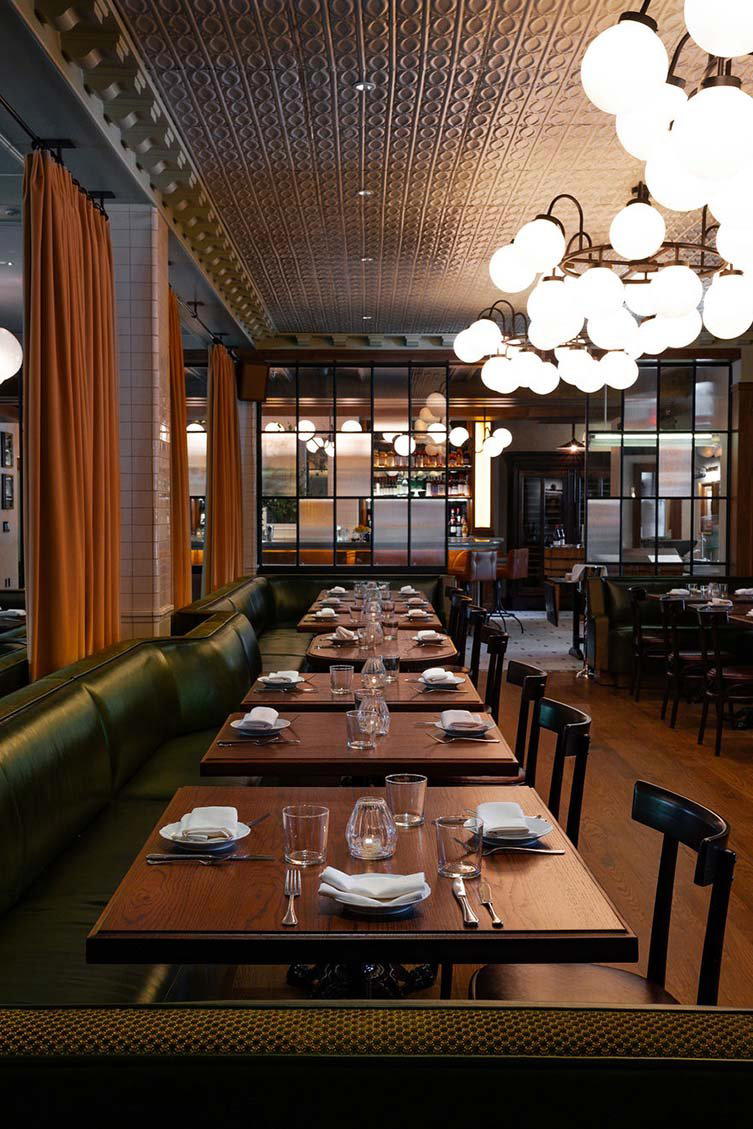
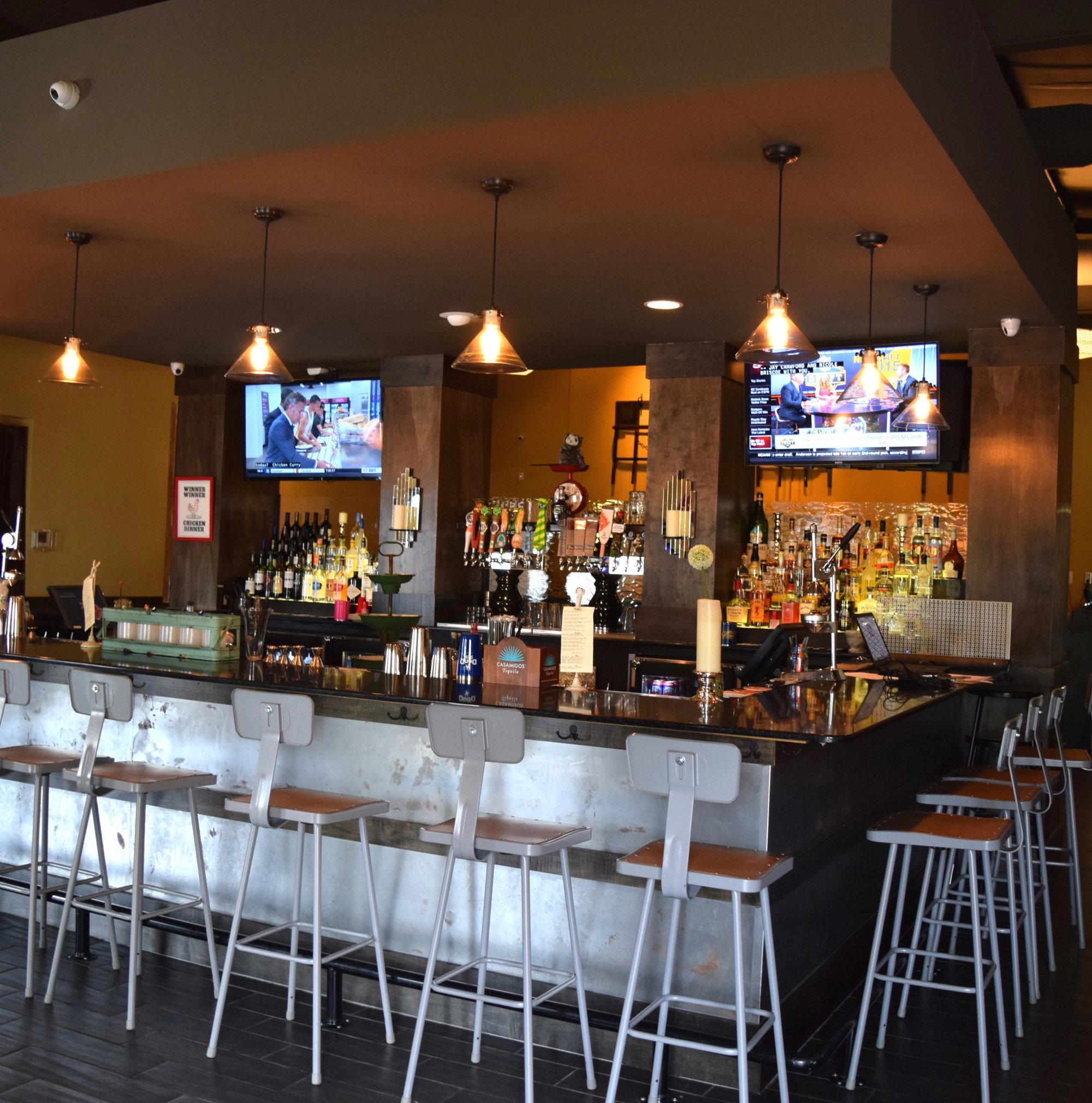
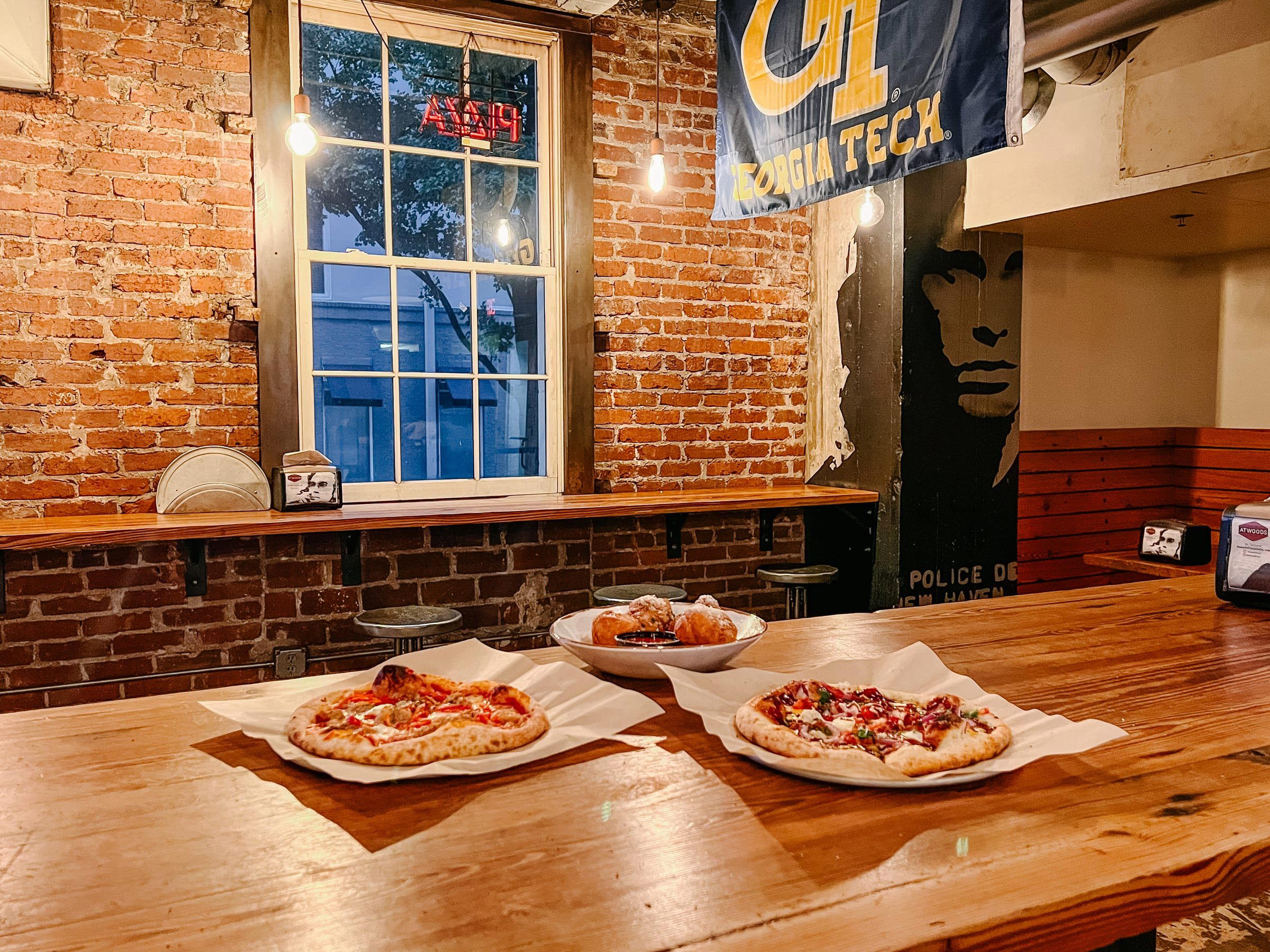



Ghee Indian Kitchen - Atlanta
The wine
- Wine program
- Curated wine list
Details
- Cozy
- Modern
- Sophisticated
- Date Night
- Group Dining
- Special Occasion
- Open Kitchen
- Farm To Table
- Local Sourcing
- Tasting Menu
- Family Style
- A La Carte
- Vegetarian Friendly
Current opening hours
- Monday
- 5–10 PM
- Tuesday
- 5–10 PM
- Wednesday
- 5–10 PM
- Thursday
- 5–10 PM
- Friday
- 5–11 PM
- Saturday
- 5–11 PM
- Sunday
- 5–10 PM
Hours can change for holidays and private events. Last verified .
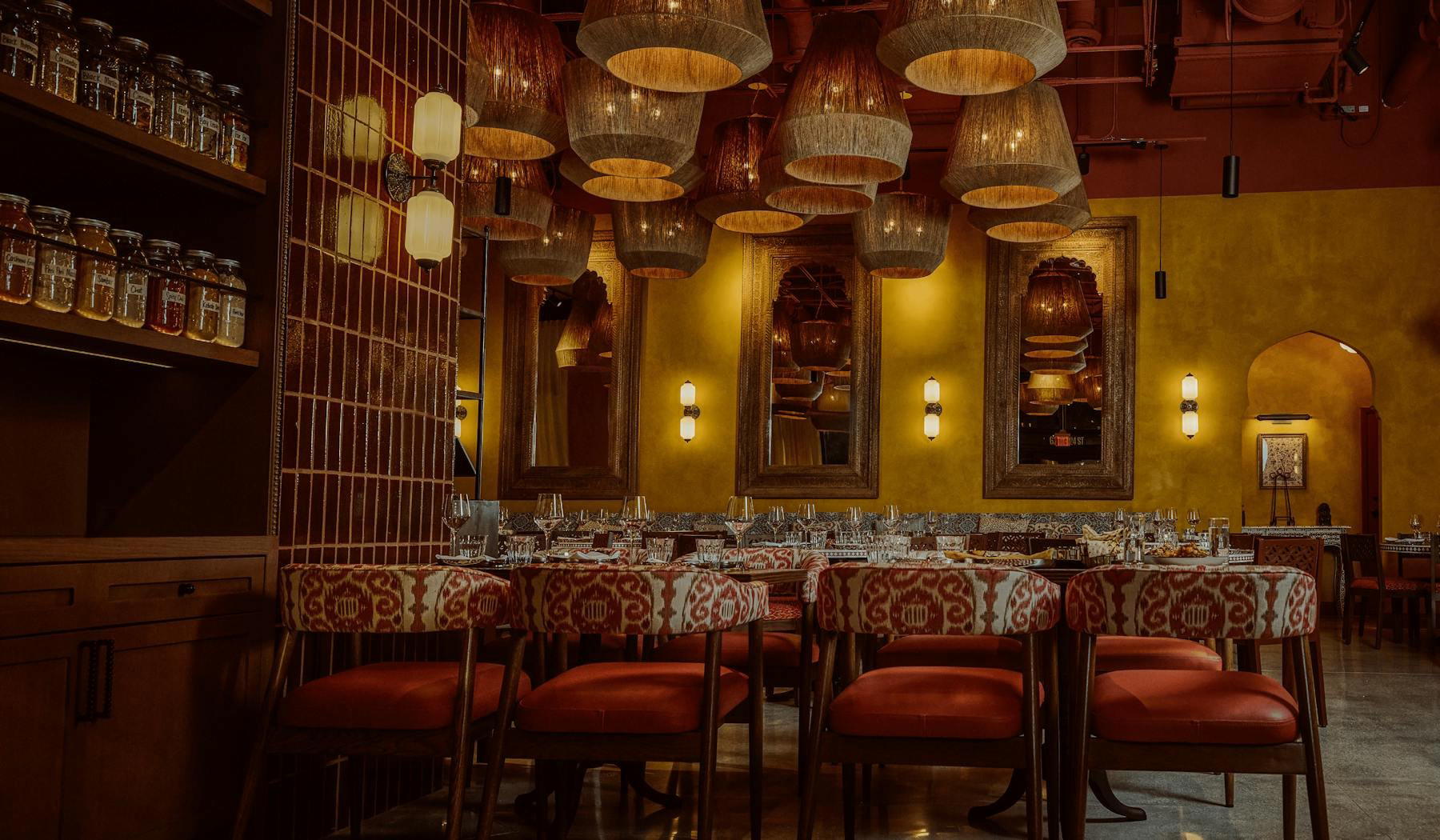
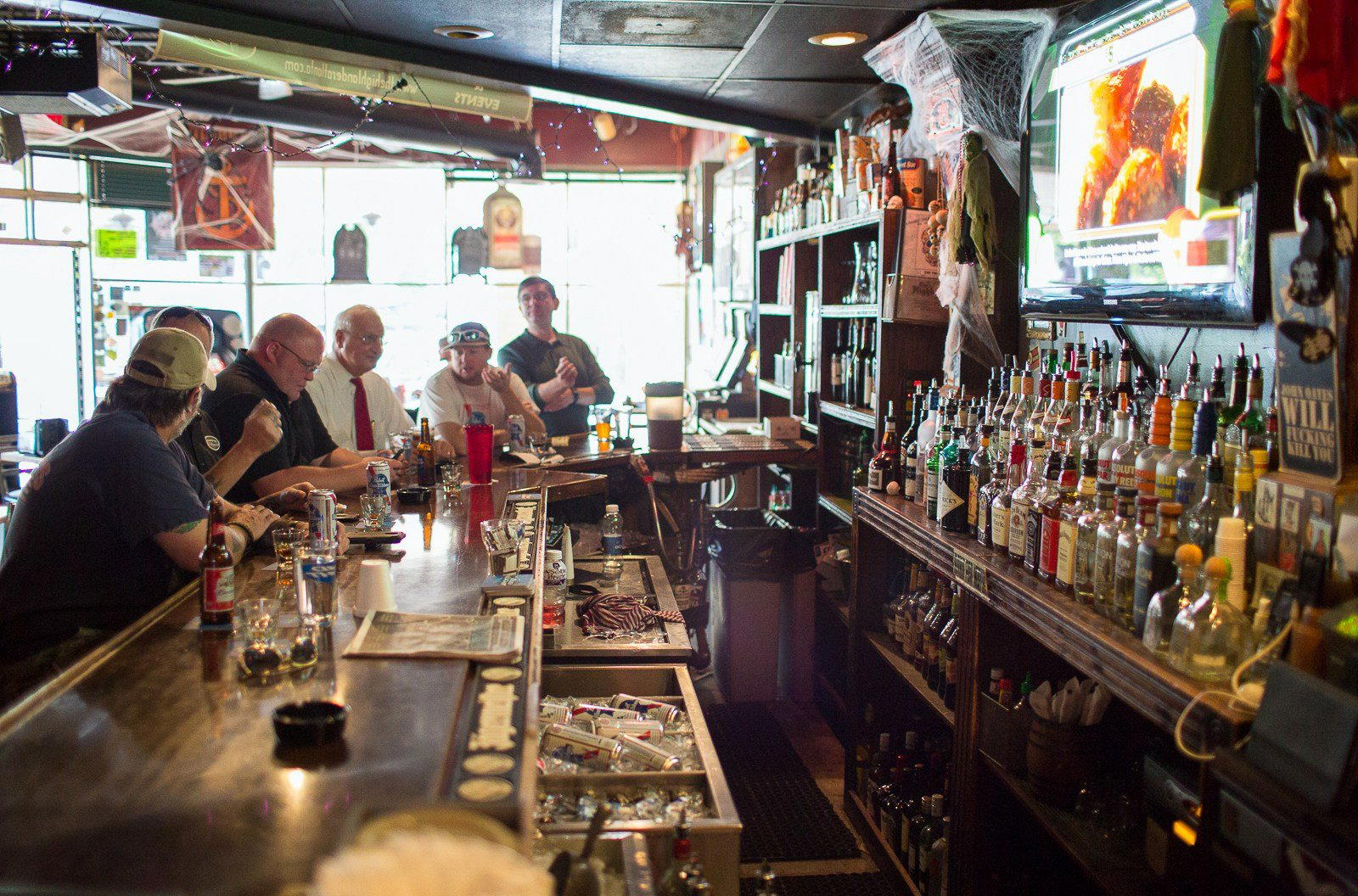
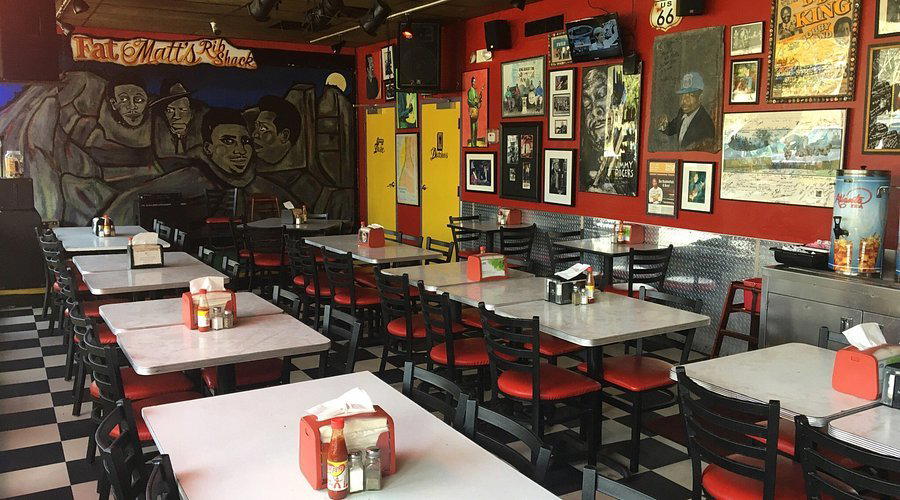
Warm yellow lighting with splashes of dark wood and terracotta creating a plush, welcoming atmosphere.