Campagnolo
Our verdict
Campagnolo sits on Piedmont Avenue in Midtown Atlanta, occupying a corner of the city's increasingly serious fine-dining conversation. The kitchen works at the intersection of imported European technique and the agricultural depth of the American South, placing it in a tier of Atlanta restaurants that treat local sourcing as a structural commitment rather than a menu footnote. It reads as a confident, ingredient-led address in a neighbourhood that rewards deliberate choices.

Pearl is the En Primeur Club membership app — saves, bookings, and concierge access live there. Same editors, same standards.
- Address
- 980 Piedmont Ave NE, Atlanta, GA 30309
- Phone
- (404) 343-2446
- Hours
- Mon–Fri 5–10 PMSat 11:30 AM–10 PMSun 10 AM–9 PM
- Website
- campagnoloatl.com
- Directions
- Get directions
- Booking
- Book on OpenTable
The menu
What to order
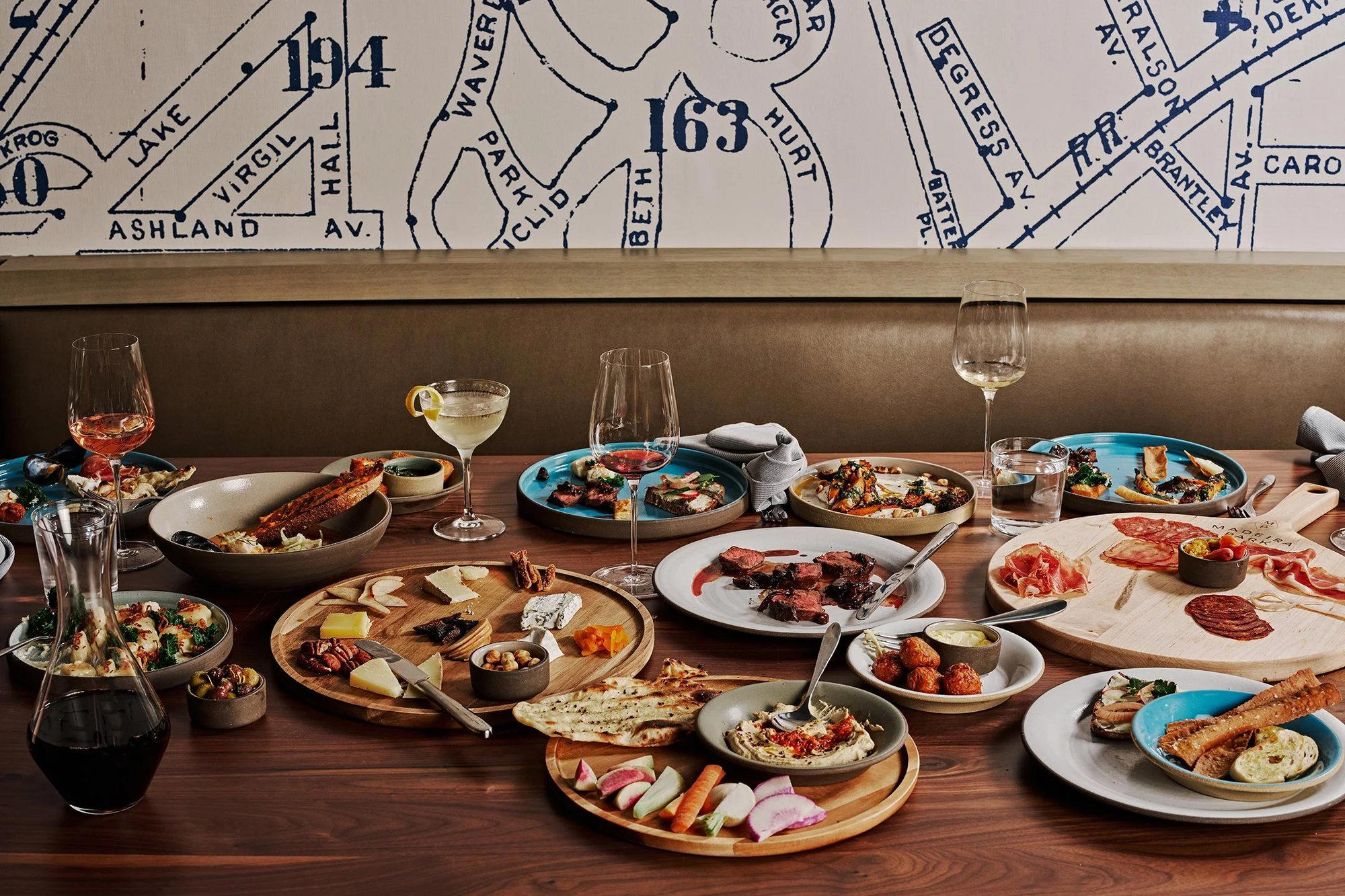
- Lasagna Matta
- Pork Shank with Gremolata
- Trout with Bacon and Sun-Dried Tomato Pesto
Midtown's Approach to Ingredient-Led Cooking
Piedmont Avenue runs through one of Atlanta's most residentially dense corridors, and the restaurants that take root here tend to serve the neighbourhood first and destination diners second. That context matters at Campagnolo. The address at 980 Piedmont Ave NE puts it inside walking distance of Piedmont Park, a location that draws a local crowd with high expectations and genuine culinary literacy. Atlanta's fine-dining tier has expanded significantly over the past decade, and Midtown has absorbed a share of that growth alongside Buckhead and the Westside. The question any serious address on this stretch has to answer is where it sits in that broader picture.
The broader pattern across Atlanta's upper dining tier is a shift toward kitchens that use European classical structure as a frame and Southern agricultural supply as the substance. That model is visible at Bacchanalia and at Lazy Betty, both of which have built recognition around tasting-format cooking that draws on Georgia's farming depth. Atlas approaches a similar space from a luxury-hotel vantage point in Buckhead. Campagnolo operates within this current, bringing an Italian-inflected sensibility — the name itself signals rural Italian tradition — to a city whose food supply increasingly makes that kind of hyper-local, ingredient-first approach coherent.
Technique Imported, Produce Rooted
The Italian countryside cooking tradition that Campagnolo's name evokes is, at its core, a philosophy of restraint and product fidelity. Campagnolo translates loosely as "of the countryside" or "rural," and that etymology carries real weight in how the cuisine reads. The approach places it in a lineage that runs through regional Italian trattorias and into the broader farm-to-table movements that have shaped American fine dining over the past generation. Kitchens at Blue Hill at Stone Barns in Tarrytown and Single Thread Farm in Healdsburg have made ingredient provenance the organizing principle of their menus. Campagnolo works a related vein, though at a scale and in a city context that keeps it grounded in neighbourhood practicality rather than estate-scale spectacle.
What makes this approach legible in Atlanta specifically is the supply chain. Georgia produces year-round vegetables, heritage-breed pork, coastal seafood from the Gulf and the Atlantic, and a growing network of specialty producers who have built relationships with serious restaurant kitchens. That supply gives a kitchen committed to Italian technique real material to work with: the logic of a braise, a cure, or a hand-rolled pasta holds up when the underlying product is traceable and seasonal. The same framework that makes Smyth in Chicago or Providence in Los Angeles legible as serious addresses applies here: the technique is a vehicle for the ingredient, not a substitute for it.
Where Campagnolo Sits in Atlanta's Competitive Tier
Atlanta's upper dining bracket is more varied than its national profile suggests. The city has Michelin-recognized kitchens in Lazy Betty and others, a strong omakase contingent in Mujō and Hayakawa, and a cluster of European-influenced tasting menus that compete directly with comparable programs in cities like New Orleans (see Emeril's) and Washington D.C. (see The Inn at Little Washington). Campagnolo's Italian-countryside positioning sets it apart from the French-leaning formality of Atlas and from the New American tasting format of Bacchanalia. It occupies a niche that is less represented in Atlanta than in cities like New York, where Italian fine dining has a decades-long infrastructure, or San Francisco, where Lazy Bear has demonstrated that format flexibility and culinary seriousness are not in tension.
The Midtown address also separates Campagnolo from the Buckhead concentration of high-end dining. That geography is not incidental. Midtown's demographic skews younger and more mixed-use than Buckhead, which means the room tends to run with less occasion-dining formality and more regular-visitor rhythm. That neighbourhood dynamic suits an Italian-inflected kitchen well: the tradition it draws from is one built around hospitality as daily practice rather than special-event performance. Kitchens that work in this register internationally, from the refined rusticity of Atelier Moessmer Norbert Niederkofler in Brunico to the Korean-American precision of Atomix in New York City, demonstrate that technique-led ingredient cooking can anchor a range of hospitality registers. Campagnolo operates closer to the accessible end of that range.
What the Name Implies About the Menu
Campagnolo cooking in its Italian context means pasta made with regional grain, protein cooked over fire or braised long and slow, vegetables treated as co-equals rather than garnish, and a wine program that follows food rather than leading it. Translated to Atlanta, that template maps onto a kitchen that would logically feature hand-made pasta shapes, cured or roasted Southern-raised meat, and a vegetable rotation driven by what Georgia's seasons produce. The Italian reference point also implies a certain restraint in plating: campagnolo cooking is not minimalist in the Nordic sense, but it is unadorned in the way that confidence in the underlying product permits. That is a meaningful distinction from the more architecturally composed plates that characterize addresses like The French Laundry in Napa or Le Bernardin in New York City.
For a complete orientation to Atlanta's dining tier, the EP Club Atlanta restaurants guide maps the full competitive set across neighbourhood and format. The Addison in San Diego offers a useful comparative reference for understanding how a European-trained, American-sourced kitchen can operate at the highest formal register, a ceiling that Atlanta's more relaxed fine-dining culture approaches from a different angle.
Know Before You Go
Address: 980 Piedmont Ave NE, Atlanta, GA 30309
Neighbourhood: Midtown Atlanta, walkable from Piedmont Park
Price tier: Check current menus for pricing; comparable Midtown addresses (Lyla Lila at $$$, Bacchanalia at $$$$) bracket the likely range
Booking: Verify current reservation availability directly with the venue; no third-party booking data confirmed at time of publication
Leading approach: Midtown is accessible by MARTA (Midtown station, roughly five minutes on foot) or rideshare; street and garage parking available nearby
Timing: Midtown restaurants fill Thursday through Saturday; Tuesday and Wednesday evenings typically offer more room availability at Atlanta's mid-tier and above
Frequently asked questions
Where is Campagnolo in Atlanta?
Campagnolo is located at 980 Piedmont Ave NE, Atlanta, GA 30309, Atlanta.
How does Campagnolo fit into Atlanta's broader Italian dining scene?
Atlanta's upper dining tier includes Michelin-recognized kitchens, and the Italian segment of that bracket tends to split between white-tablecloth formality and ingredient-focused informality. Campagnolo's positioning on Piedmont Ave NE in Midtown places it squarely in the neighbourhood-anchored category, where the room serves regulars as much as destination diners. Its campagna-rooted approach — prioritising slow cooking and local produce over elaborate presentations — occupies a distinct space from the city's more performance-driven Italian options.
What's the must-try dish at Campagnolo?
At an address like 980 Piedmont Ave NE in Midtown Atlanta, the kitchen appears to anchor its menu to those Italian countryside principles. Your best move is to ask the server what's running that week from local sourcing.
What's the best way to book Campagnolo?
Given its Midtown Atlanta location on a residentially active stretch of Piedmont Avenue, walk-in availability may vary sharply on weekend evenings. Checking third-party reservation platforms or visiting in person to enquire is the most reliable approach until direct contact details are confirmed.
What's the defining dish or idea at Campagnolo?
The restaurant's name, derived from the Italian word for countryside or rural, is the clearest statement of intent: restraint, product fidelity, and cooking methods that prioritise the ingredient over technique for its own sake. In the Atlanta context, that means the campagna philosophy intersects with Georgia's agricultural output, which gives the menu a geographic identity that goes beyond imported tradition. The defining idea is less a single dish and more a consistent posture toward produce.
Cuisine and Recognition
Comparable venues nearby, for context on price, style, and recognition.
| Venue | Cuisine | Price | Awards | Notes |
|---|---|---|---|---|
| CampagnoloThis venue — the venue you are viewing | Rustic Italian with New American Influences | $30–50 | Not listed | Not listed |
| Pasta da Pulcinella | Elevated Italian Pasta | $30–50 | Not listed | Midtown |
| Mo's Pizza | New York-Style Pizza | $10–20 | Not listed | Brookhaven |
| Fritti | Authentic Neapolitan Pizza | $20–30 | Not listed | Inman Park |
| Capolinea | Italian-American Fine Dining | $30–50 | Wine Spectator Award of Excellence | Downtown |
| Pricci | Contemporary Italian | $50–100 | Not listed | Buckhead |
Details
- Cozy
- Rustic
- Intimate
- Elegant
- Date Night
- Casual Hangout
- Brunch
- Group Dining
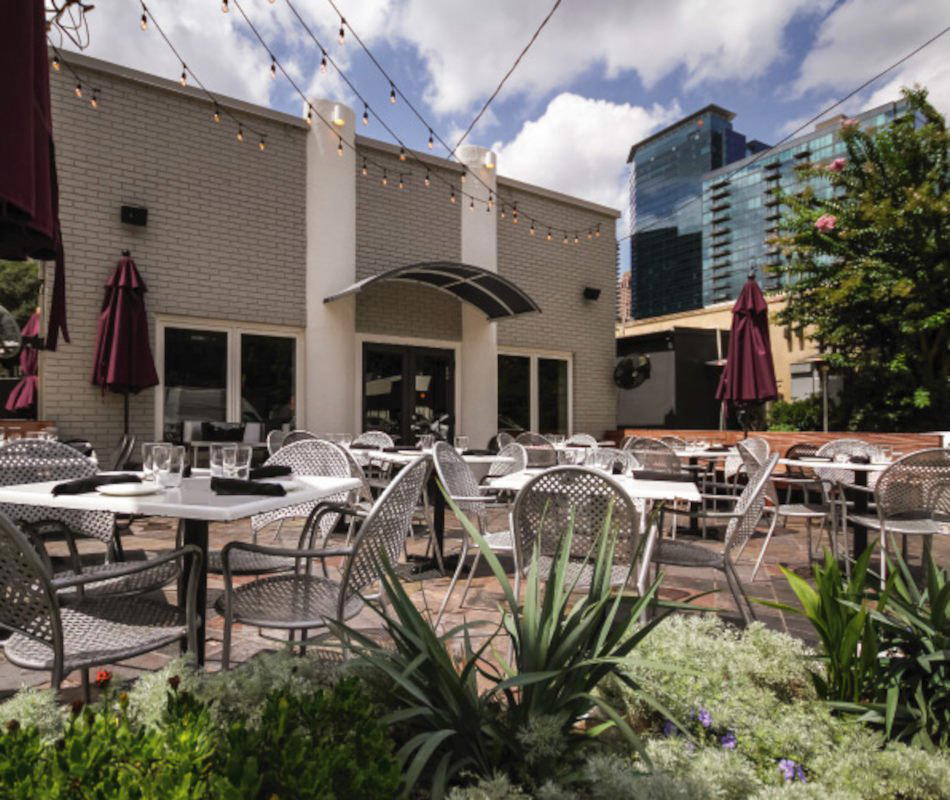
- Terrace
- Standalone
- Craft Cocktails
- Street Scene
- A La Carte
- Craft Cocktails
- Vegetarian Friendly
- Vegan Options
- Gluten Free Options
Current opening hours
- Monday
- 5–10 PM
- Tuesday
- 5–10 PM
- Wednesday
- 5–10 PM
- Thursday
- 5–10 PM
- Friday
- 5–10 PM
- Saturday
- 11:30 AM–10 PM
- Sunday
- 10 AM–9 PM
Hours can change for holidays and private events. Last verified .
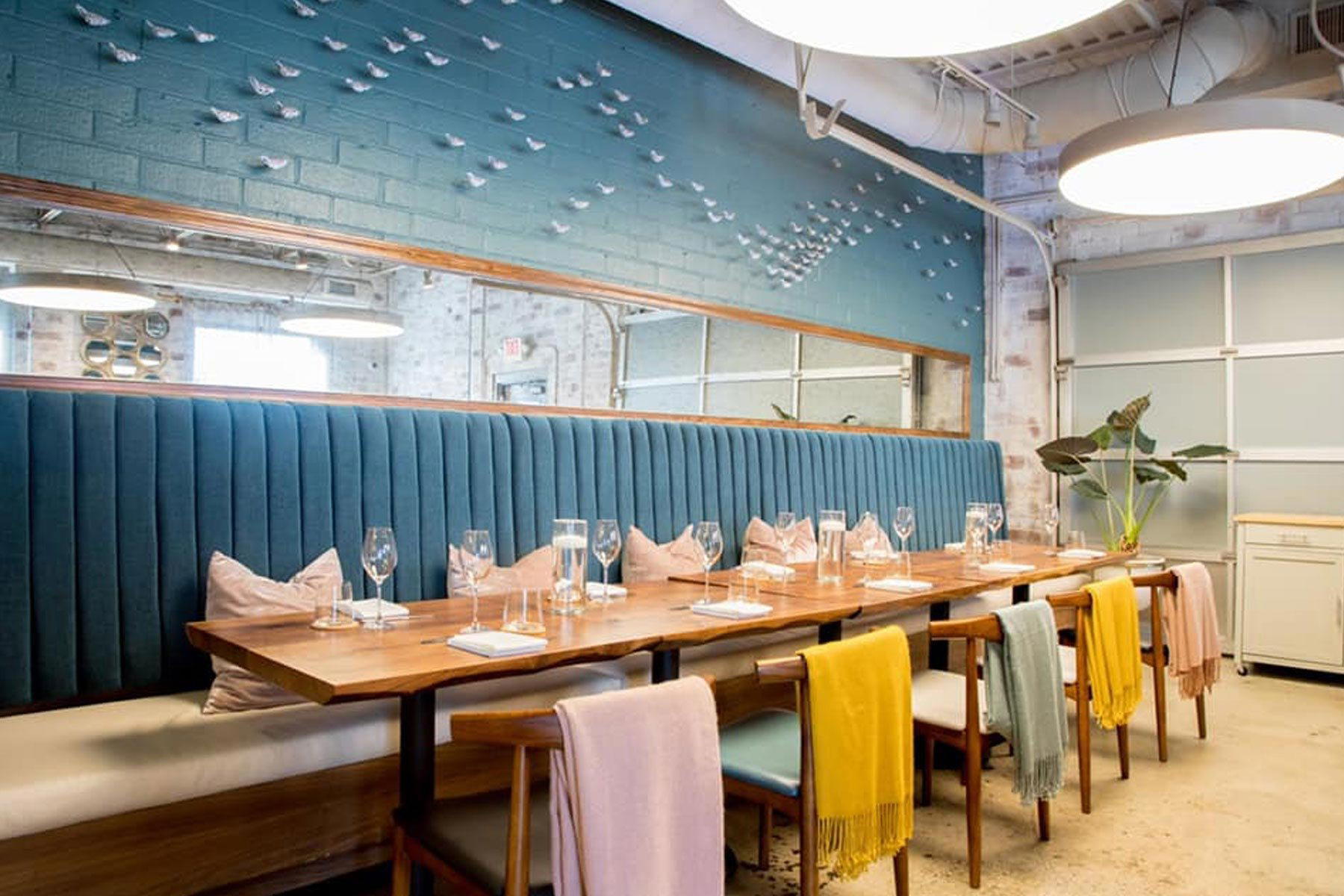
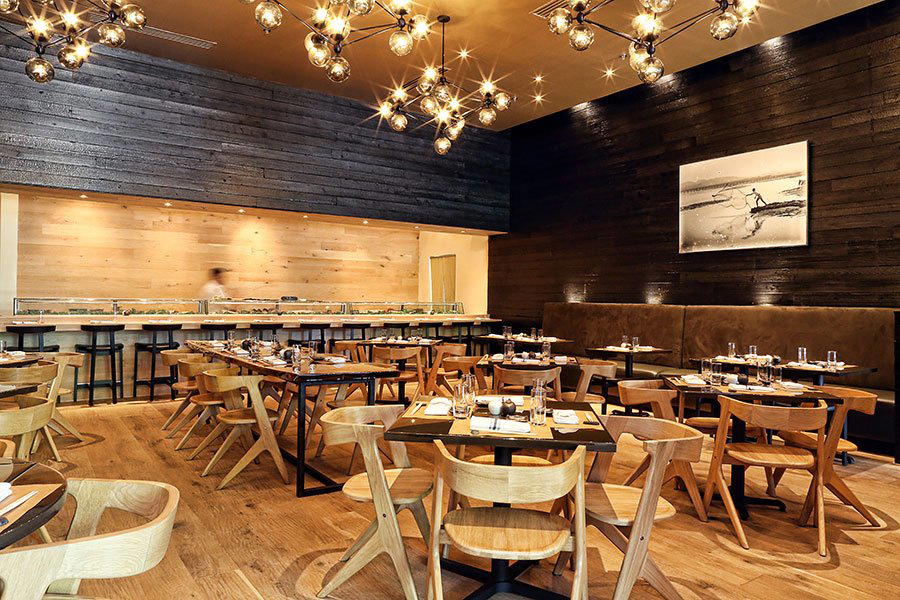
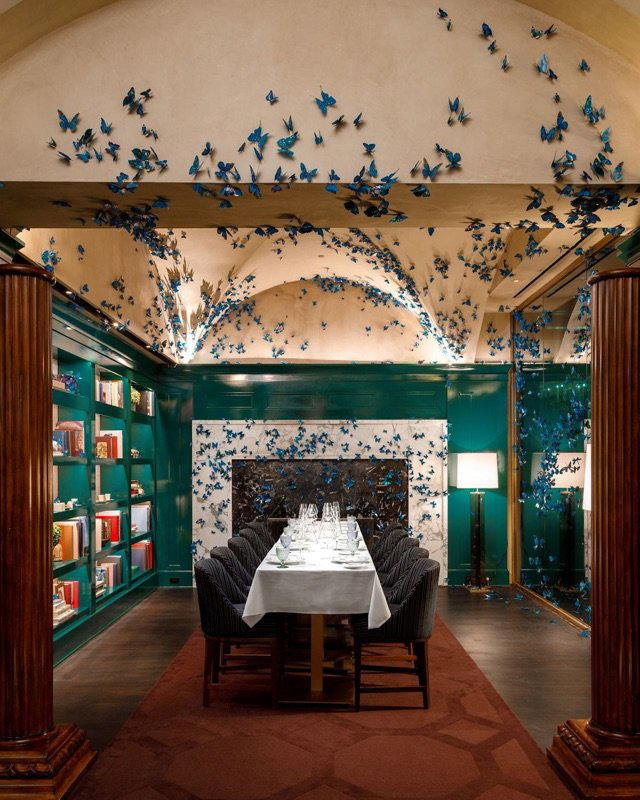
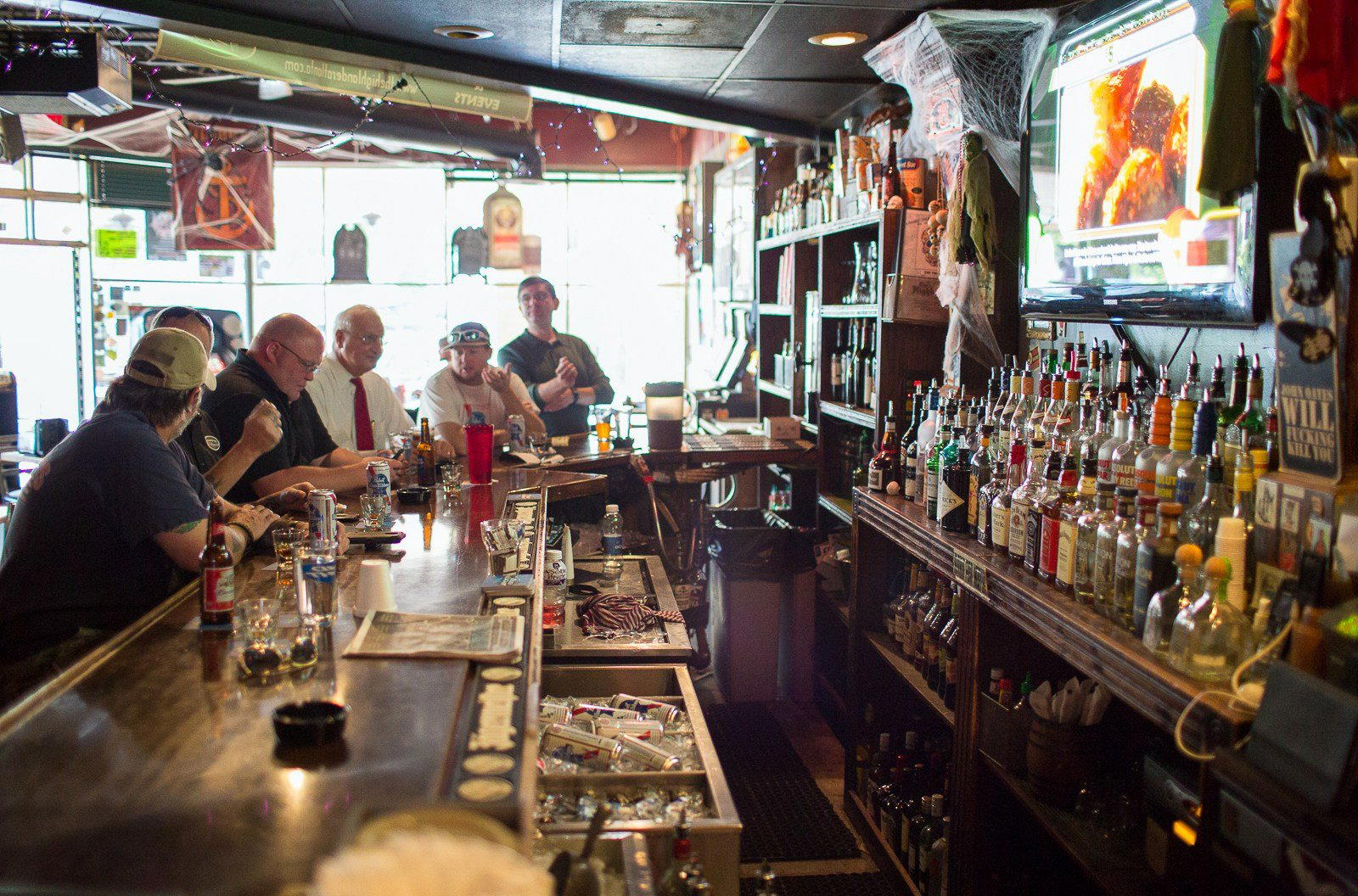
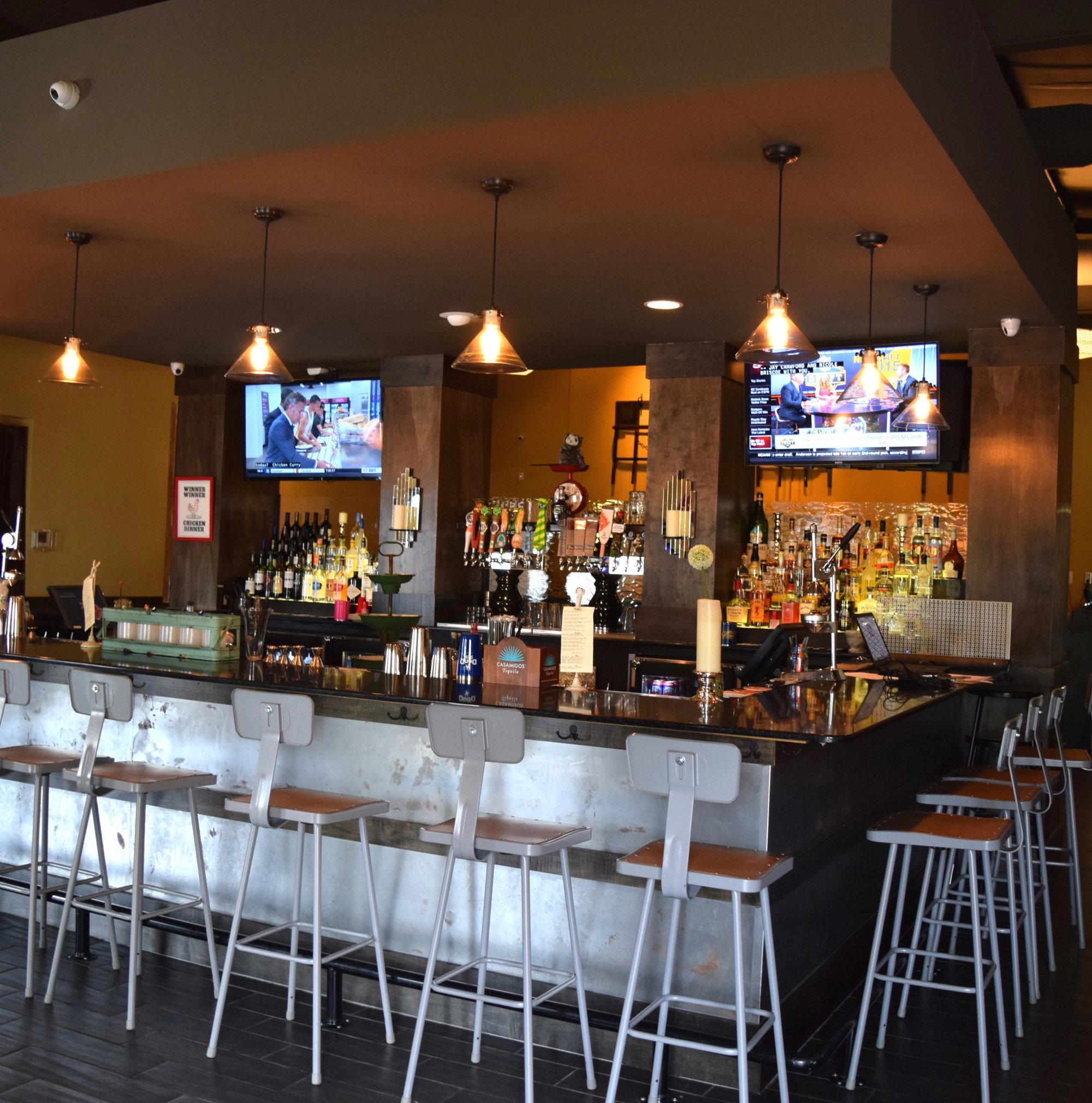
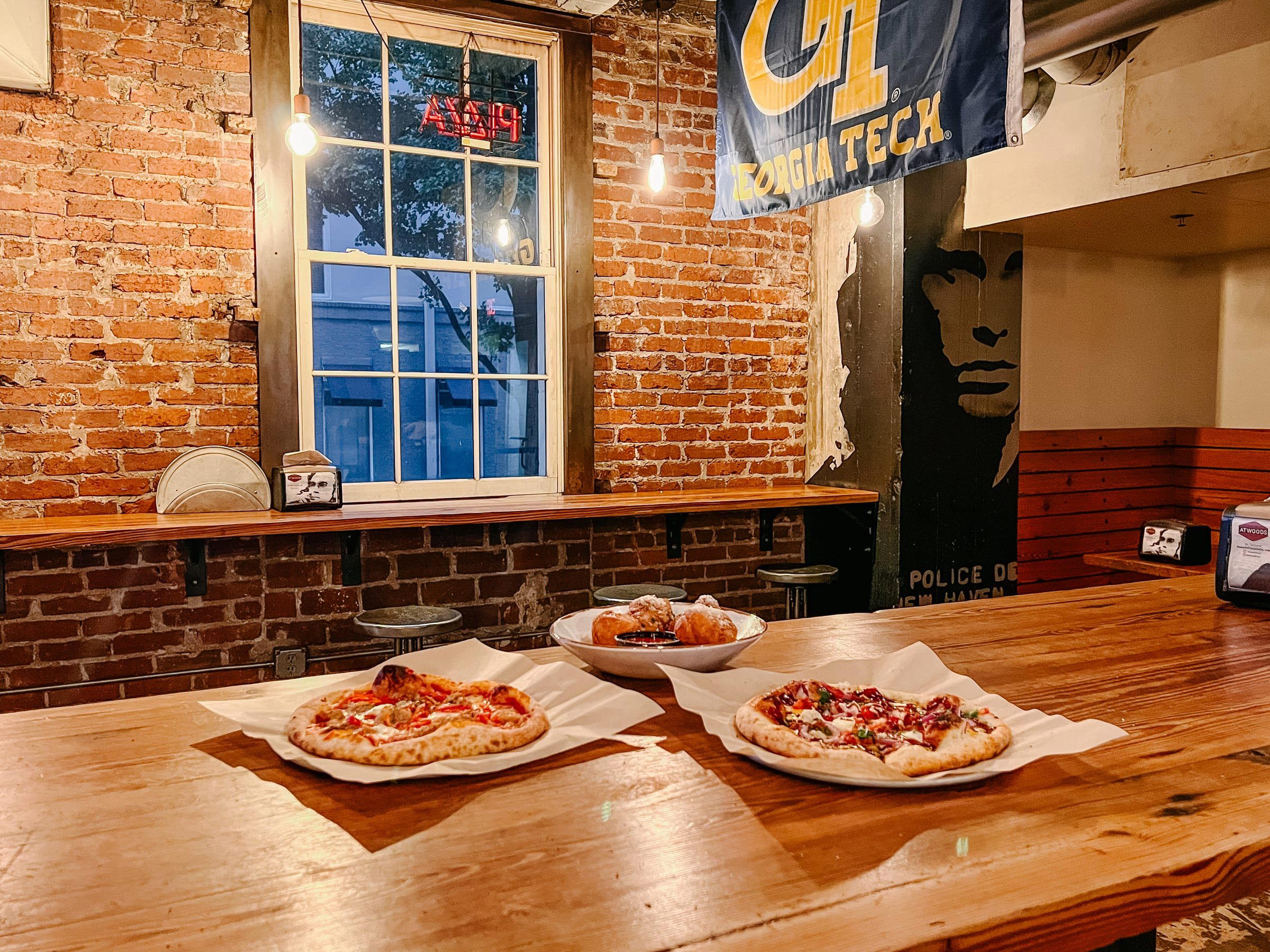
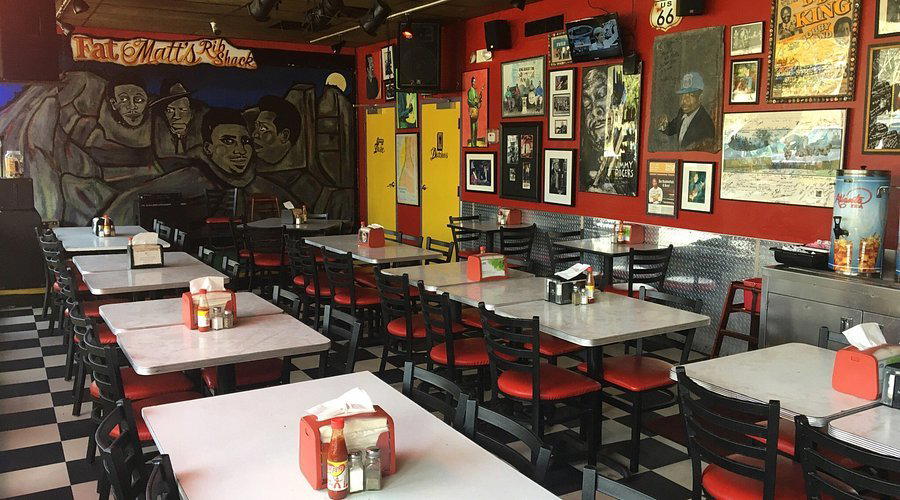
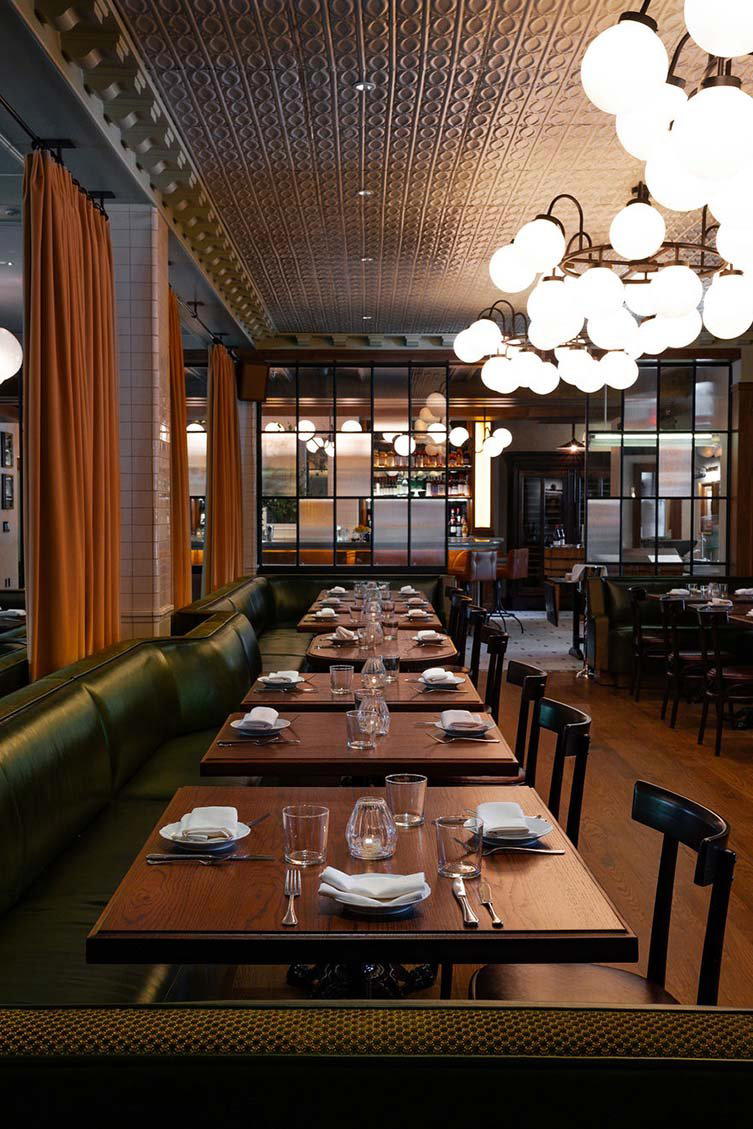
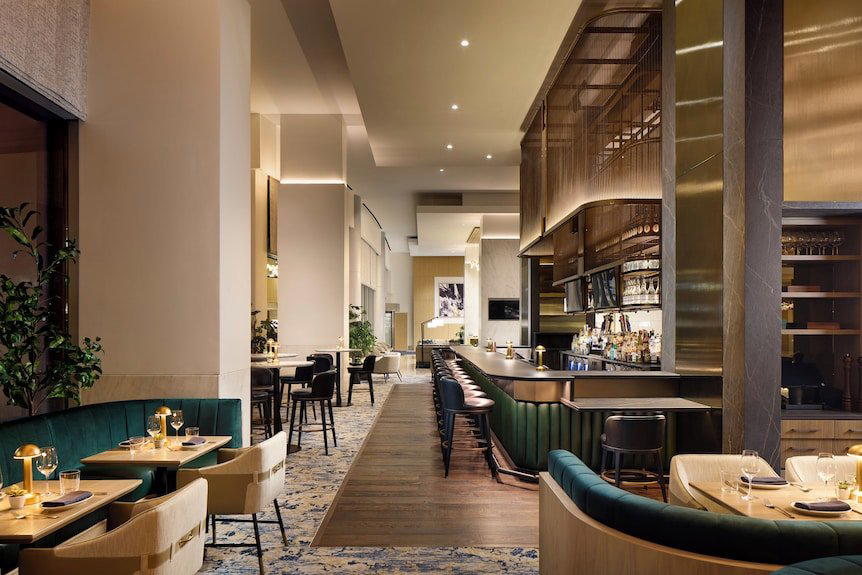
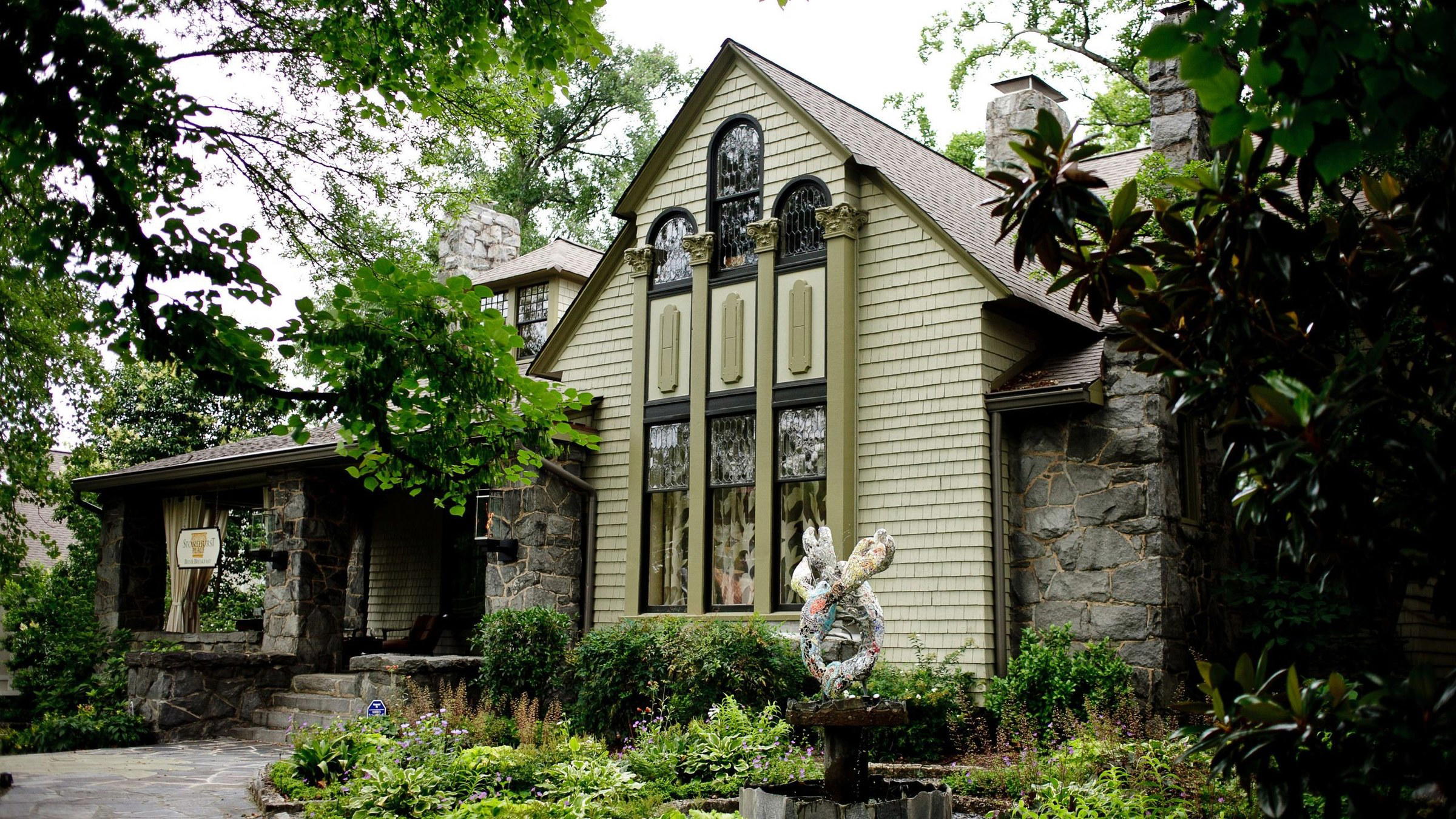
Warm woods and soothing gray walls create an airy, intimate atmosphere with a cozy, inviting interior that balances elegance with casual comfort.