El Viñedo Local
On Peachtree Street in Midtown Atlanta, El Viñedo Local occupies a stretch of the city where the dining scene has matured considerably over the past decade. Against a comparable set that includes high-commitment tasting-menu counters and wine-forward European rooms, El Viñedo Local positions itself as the neighborhood's wine-centric anchor, where the glass leads the meal and the kitchen follows.
Pearl is the En Primeur Club membership app — saves, bookings, and concierge access live there. Same editors, same standards.
- Address
- 730 Peachtree St NE Suite 100, Atlanta, GA 30308
- Phone
- +14045968239
- Website
- elvinedolocal.com
- Directions
- Get directions
 Saves & bookings on Pearl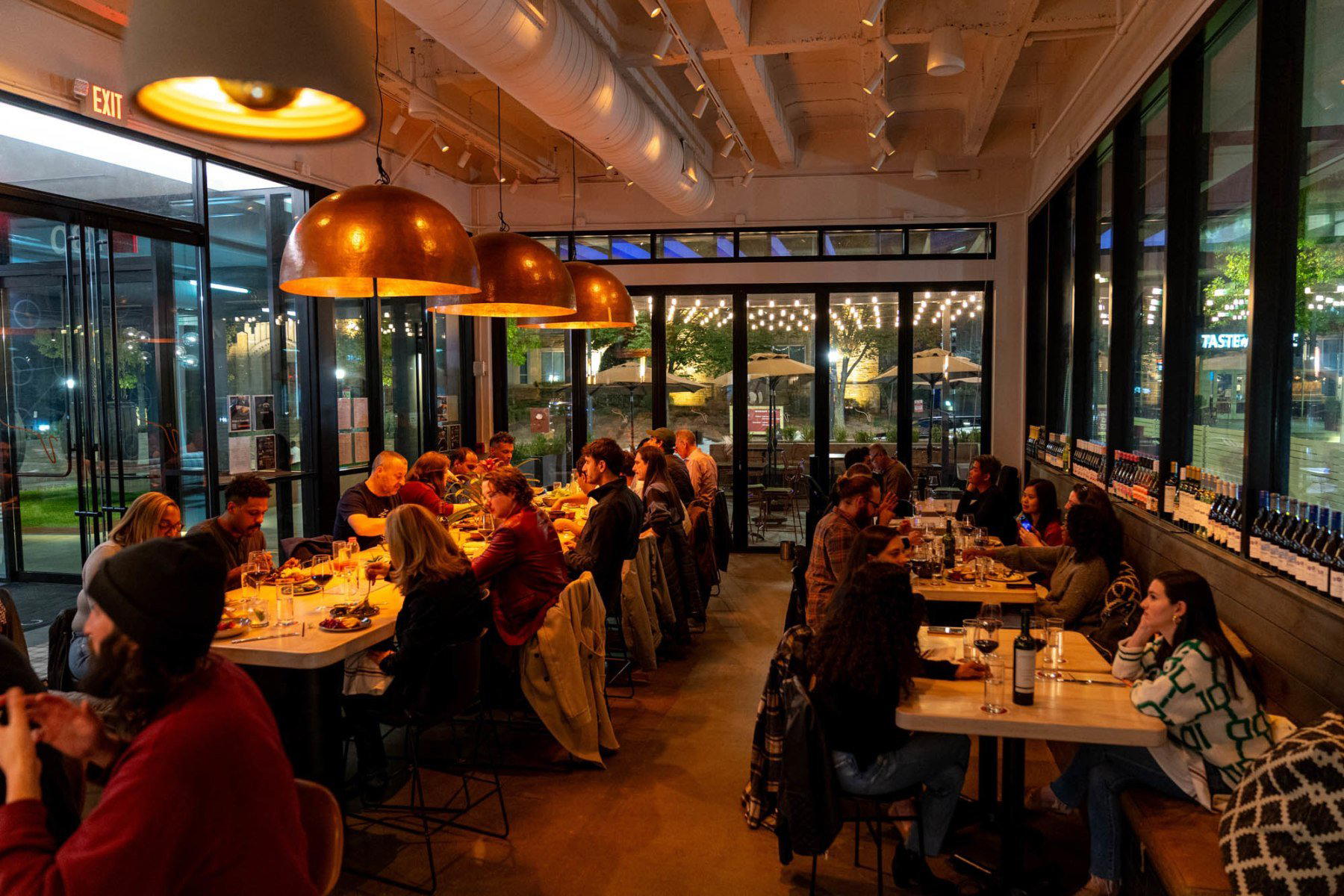
Peachtree Street and the Rhythm of a Wine-Led Meal
Midtown Atlanta's dining corridor along Peachtree Street has shifted in character over the last ten years. What was once a strip defined by hotel dining rooms and volume-driven concepts has given way to a more considered set of independent operators, each staking out a clear identity. El Viñedo Local is a restaurant in Atlanta, serving Authentic South American cuisine at about $25 per person, at 730 Peachtree Street NE, sits inside that evolution. The address places it in Midtown's cultural density, within walking distance of the Fox Theatre and the arts district, and a growing expectation among Atlanta diners that wine should do more than accompany a meal. Here, the sequence of the evening is organized around the glass rather than the plate.
That framing matters because it defines how you should approach the experience. Restaurants that lead with wine rather than cuisine occupy a distinct tier in most American cities: less common than direct tasting-menu rooms, more demanding of the guest's attention, and often more revealing about a city's drinking culture than its cooking tradition. Atlanta has been building toward this kind of hospitality for some time, and Peachtree's density makes it a logical location for a room that asks guests to slow down.
The Ritual of a Wine-First Room
In wine-led dining formats, the pacing is structurally different from a conventional restaurant visit. The meal doesn't build toward a protein course and resolve into dessert on a fixed timeline. Instead, the wine selection, whether guided by a list, a sommelier, or a pairing format, establishes the tempo, and the kitchen calibrates accordingly. Guests who arrive expecting to order quickly and turn the table in ninety minutes tend to resist the format. Those who allow the room to set the rhythm generally leave having learned something about a region, a producer, or a grape variety they hadn't considered before.
This is the dining ritual that wine-centric restaurants in American cities have been refining since the early 2000s, when the sommelier-as-co-author model took hold at rooms like Le Bernardin in New York City and later spread to regional markets. In Atlanta, the conversation has accelerated. Bacchanalia established the template for serious, ingredient-driven dining in the city, and Atlas built one of the South's most serious wine programs alongside its Modern European kitchen. El Viñedo Local arrives at a moment when Atlanta diners are primed to engage with wine at a higher level of specificity.
Atlanta's Fine Dining comparable set
Understanding where El Viñedo Local sits requires a working map of Atlanta's upper dining tier. The city's fine dining rooms cluster into two broad categories: tasting-menu counters that function as chef-driven, progression-focused experiences, and à la carte rooms that prioritize guest autonomy. Lazy Betty represents the former, with its fixed tasting format and creative contemporary cooking. Hayakawa and Mujō operate in the Japanese omakase tradition, where the sequence is entirely in the kitchen's hands.
Wine-forward rooms occupy a different position in this map. They tend to attract a regular clientele that returns for the list rather than the menu, building familiarity with the room's sourcing philosophy over multiple visits. That repeat-visit culture is what separates a wine destination from a restaurant that happens to have a good cellar. Nationally, rooms like Smyth in Chicago, Single Thread Farm in Healdsburg, and Providence in Los Angeles have established that durable fine dining formats are those where wine and food develop in dialogue over years, not just over a single service.
Midtown's Position in Atlanta's Dining Geography
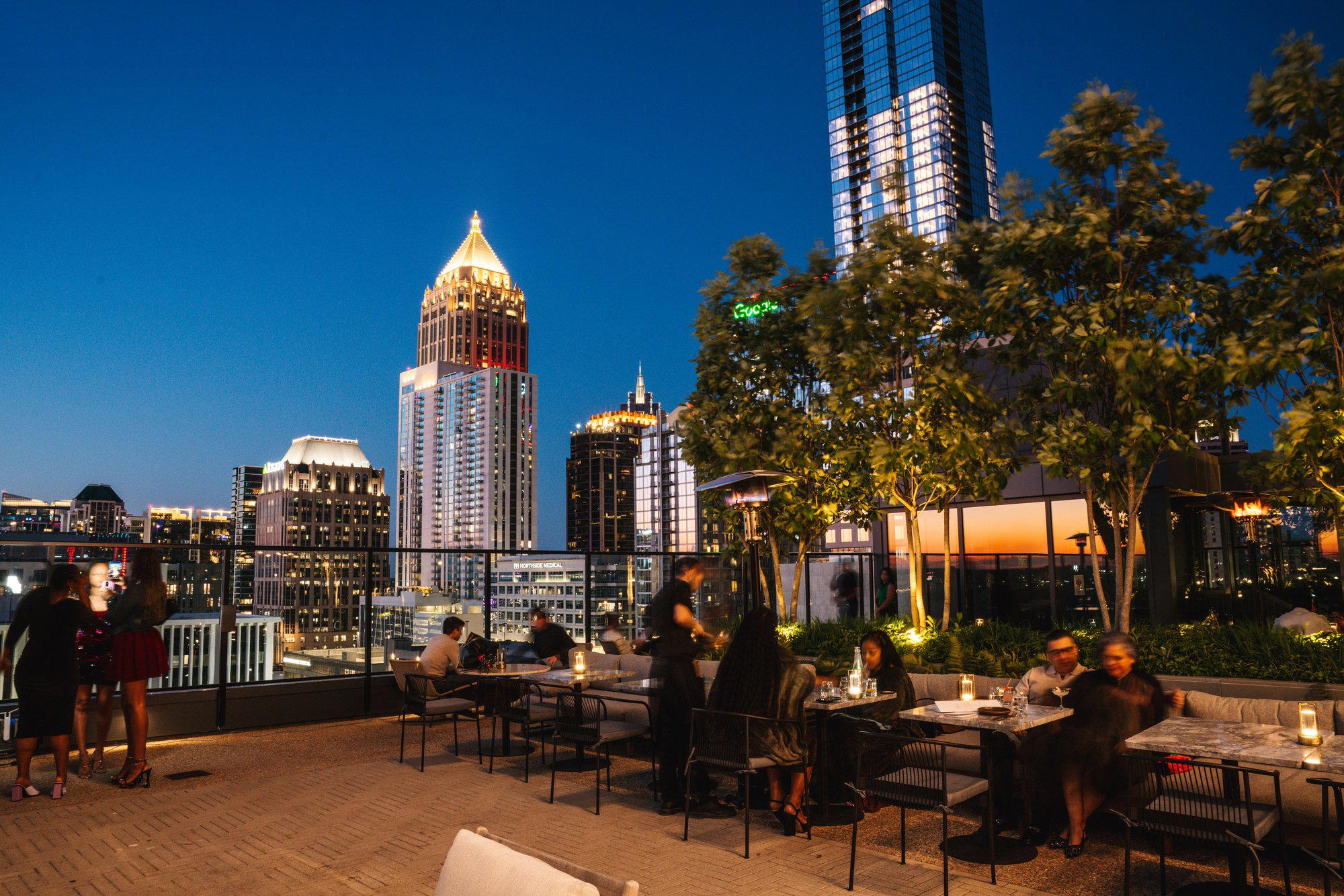
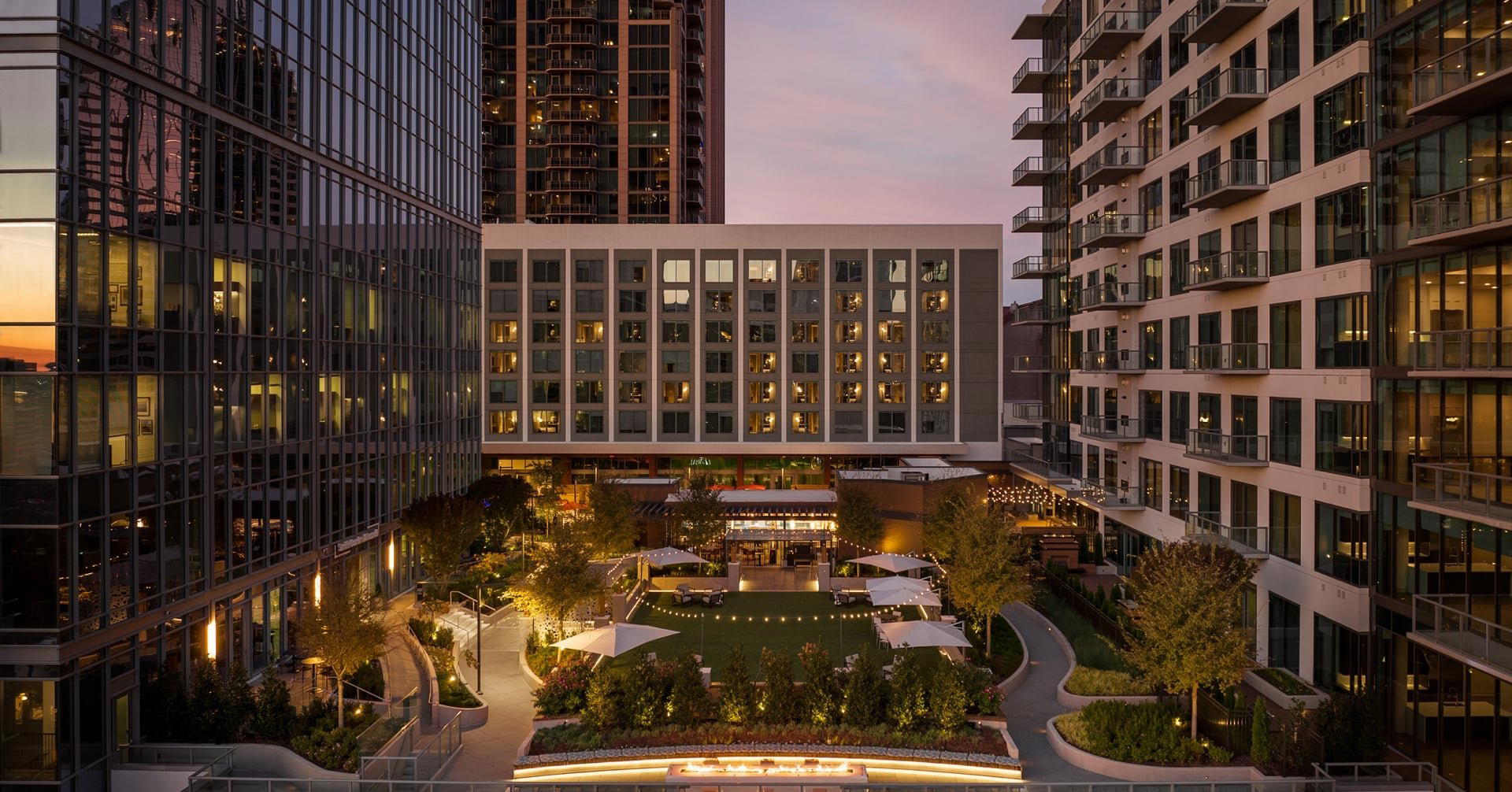
The Midtown address is worth noting as a locational signal. Atlanta's dining energy has historically been distributed across multiple neighborhoods, Buckhead for traditional fine dining, Inman Park and Ponce City Market for the more adventurous independent scene, West Midtown for volume-driven concepts. Peachtree Street in Midtown sits between these poles, drawing from the hotel and arts district crowd while also pulling regulars from the broader city. For a wine-led room, foot traffic and neighborhood character both matter: guests who arrive after a performance at the Fox Theatre or a visit to the High Museum are already in a contemplative frame of mind, which aligns well with a slower, wine-organized dinner.
This positioning mirrors what has worked in other American cities where fine dining and cultural infrastructure share geography. Atomix in New York City operates in a similar zone, where the surrounding neighborhood's cultural density amplifies the intentionality of the dining experience. Blue Hill at Stone Barns in Tarrytown and The Inn at Little Washington both demonstrate that destination dining thrives when the physical context reinforces the meal's sense of occasion. On Peachtree Street, El Viñedo Local inherits that context without needing to manufacture it.
What the Format Asks of the Guest
Wine-first rooms make specific demands. The guest who engages most productively is one who arrives with some curiosity about producers, regions, or grape varieties, and who is willing to let the room's expertise shape the direction of the evening. This is not a passive experience in the way that a tasting-menu dinner can be, where the kitchen drives every decision. In a wine-led format, the conversation between guest and sommelier or list is active, and the quality of that conversation determines the quality of the experience.
Nationally, this format has proven most durable at rooms where the wine program is built around a clear sourcing philosophy, natural producers, a specific region, allocated Burgundy, or domestic Pinot, rather than a generalist cellar. Rooms like Lazy Bear in San Francisco, Addison in San Diego, and Atelier Moessmer Norbert Niederkofler in Brunico each anchor their wine approach to a defined point of view, which gives regulars a reason to return and a framework for building knowledge over time. Emeril's in New Orleans and The French Laundry in Napa similarly demonstrate that longevity in fine dining comes from a consistent curatorial identity, not from menu novelty alone.
Know Before You Go
Address: 730 Peachtree St NE, Suite 100, Atlanta, GA 30308
Neighborhood: Midtown Atlanta
Price range: about $25 per person
Reservations: recommended
Hours: Mon: 8 AM to 9 PM; Tue: 8 AM to 10 PM; Wed: 8 AM to 10 PM; Thu: 8 AM to 10 PM; Fri: 8 AM to 10 PM; Sat: 8 AM to 10 PM; Sun: 8 AM to 9 PM
Compact Comparison
Comparable venues nearby, for context on price, style, and recognition.
| Venue | Cuisine | Price | Notes |
|---|---|---|---|
| El Viñedo LocalThis venue — the venue you are viewing | Midtown, Authentic South American | $$ | Not listed |
| Holeman and Finch | Midtown, Modern American Gastropub | $$ | Not listed |
| Java Jive | Not listed | $$ | Virginia-Highland, Retro American Breakfast Cafe |
| The James Room | Not listed | $$ | Old Fourth Ward, American Small Plates & Cocktails |
| Jerk Chicken Grill | Atlanta, Jamaican Jerk Chicken | $$ | Not listed |
| Eclipse di Luna | Buckhead, Spanish Tapas | $$ | Not listed |
At a Glance
- Cozy
- Rustic
- Intimate
- Casual Hangout
- Brunch
- Date Night
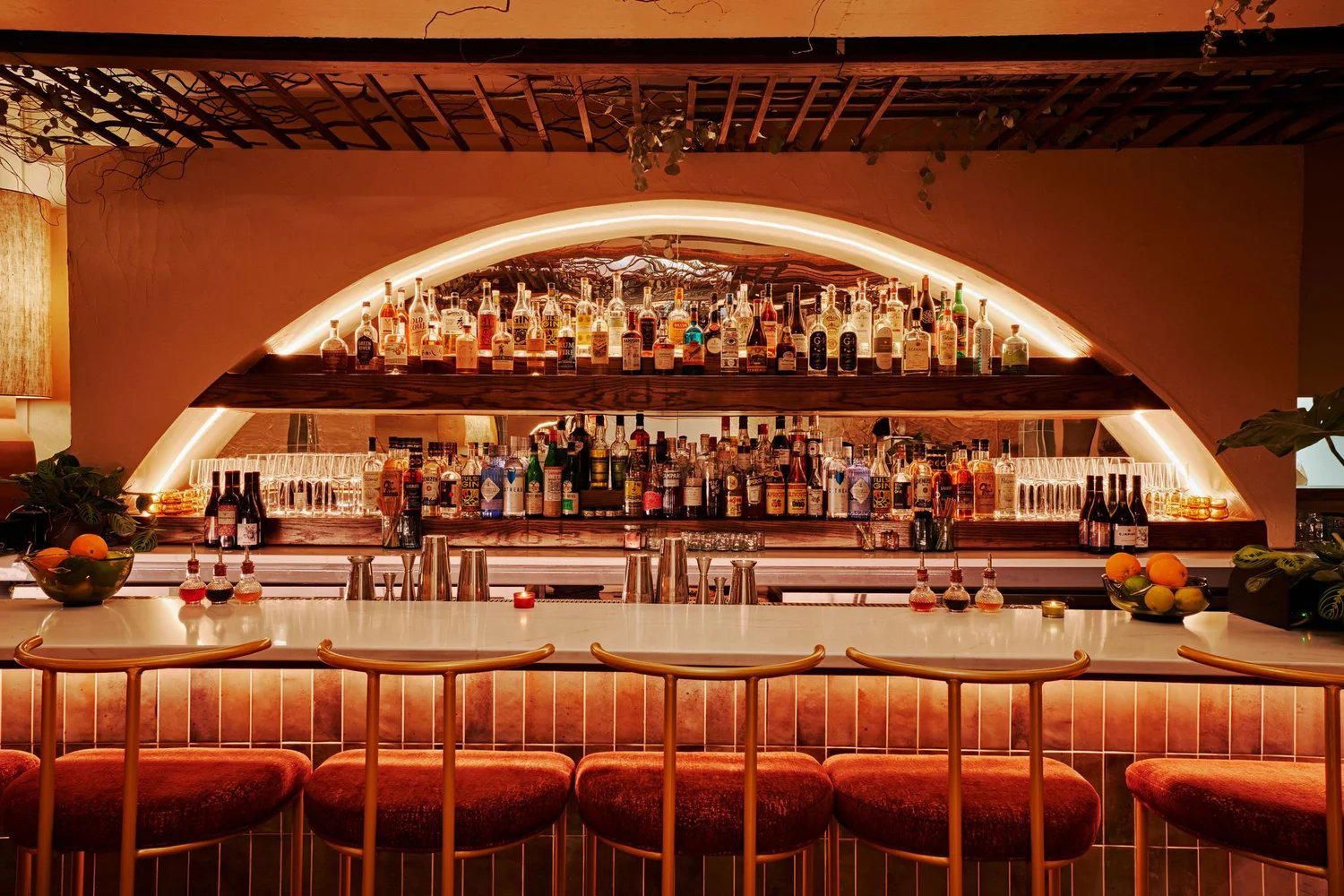
- Extensive Wine List
- Local Sourcing
Current opening hours
- Monday
- 8 AM–9 PM
- Tuesday
- 8 AM–10 PM
- Wednesday
- 8 AM–10 PM
- Thursday
- 8 AM–10 PM
- Friday
- 8 AM–10 PM
- Saturday
- 8 AM–10 PM
- Sunday
- 8 AM–9 PM
Hours can change for holidays and private events. Last verified .
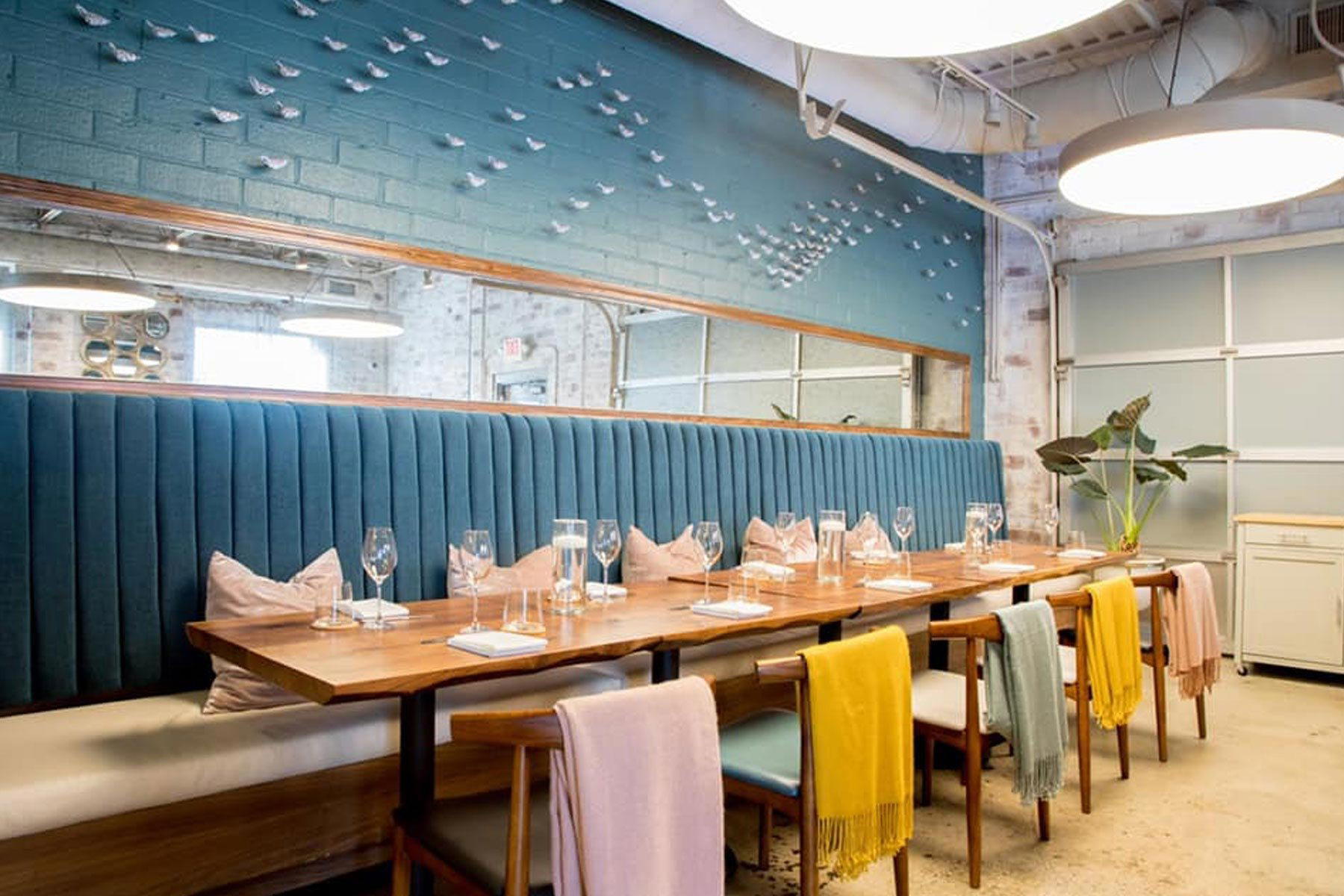
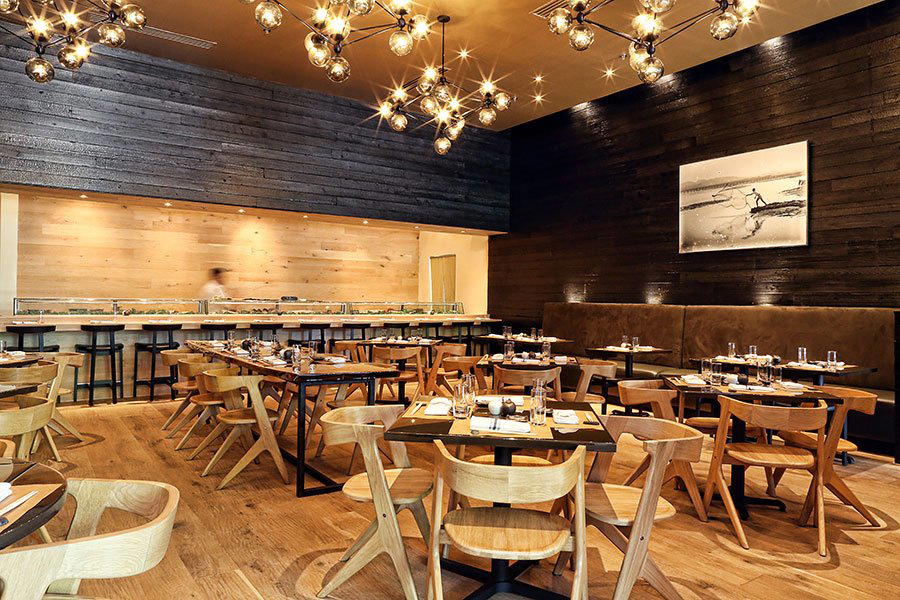
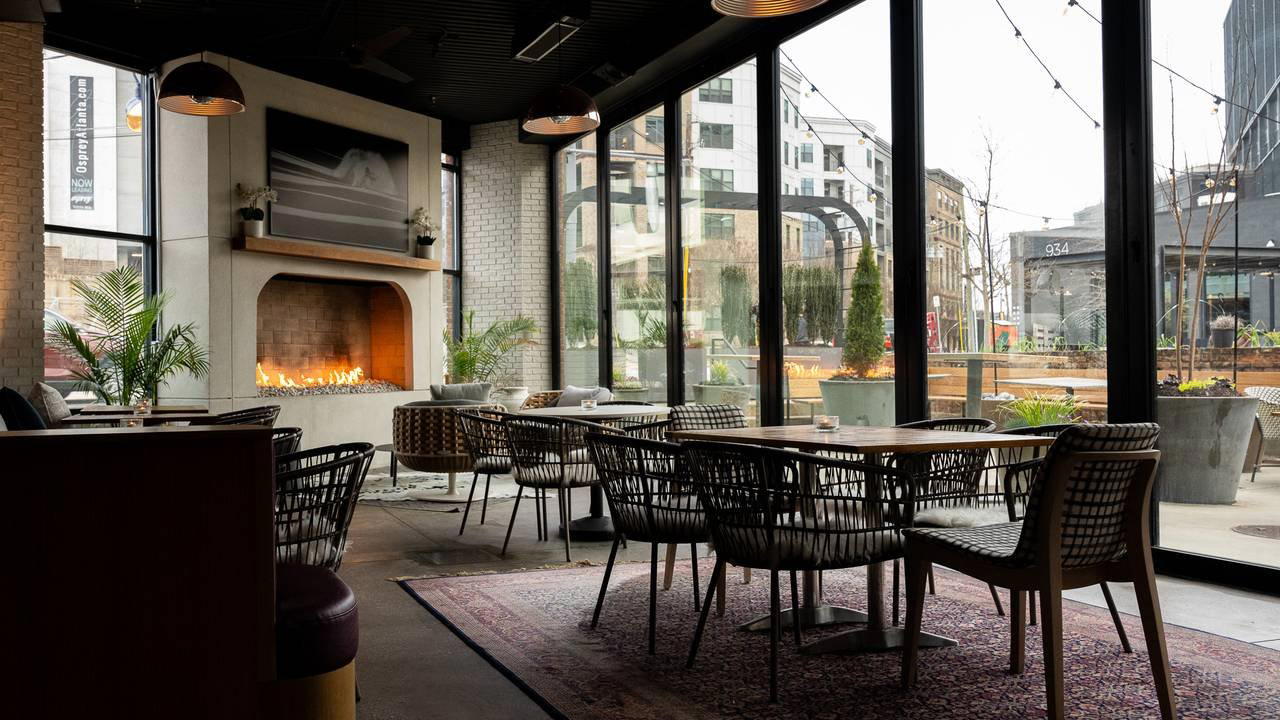
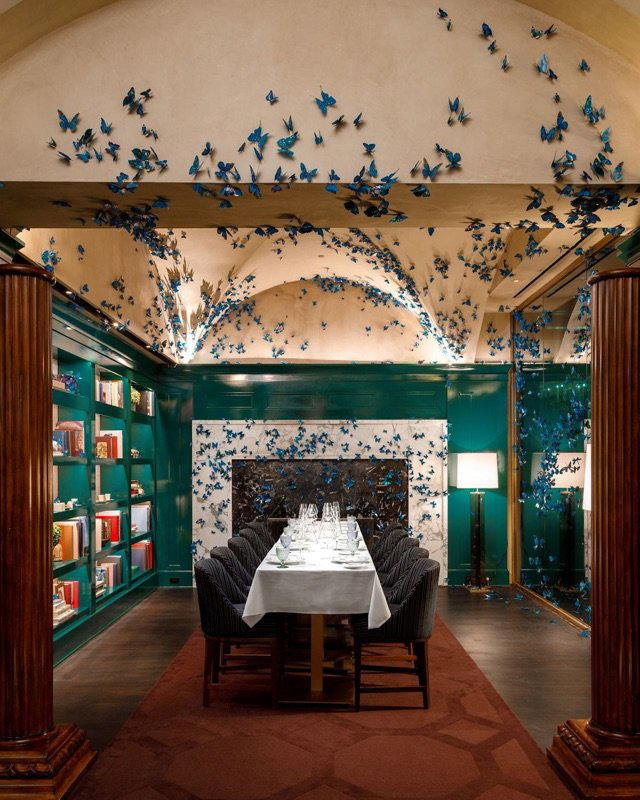
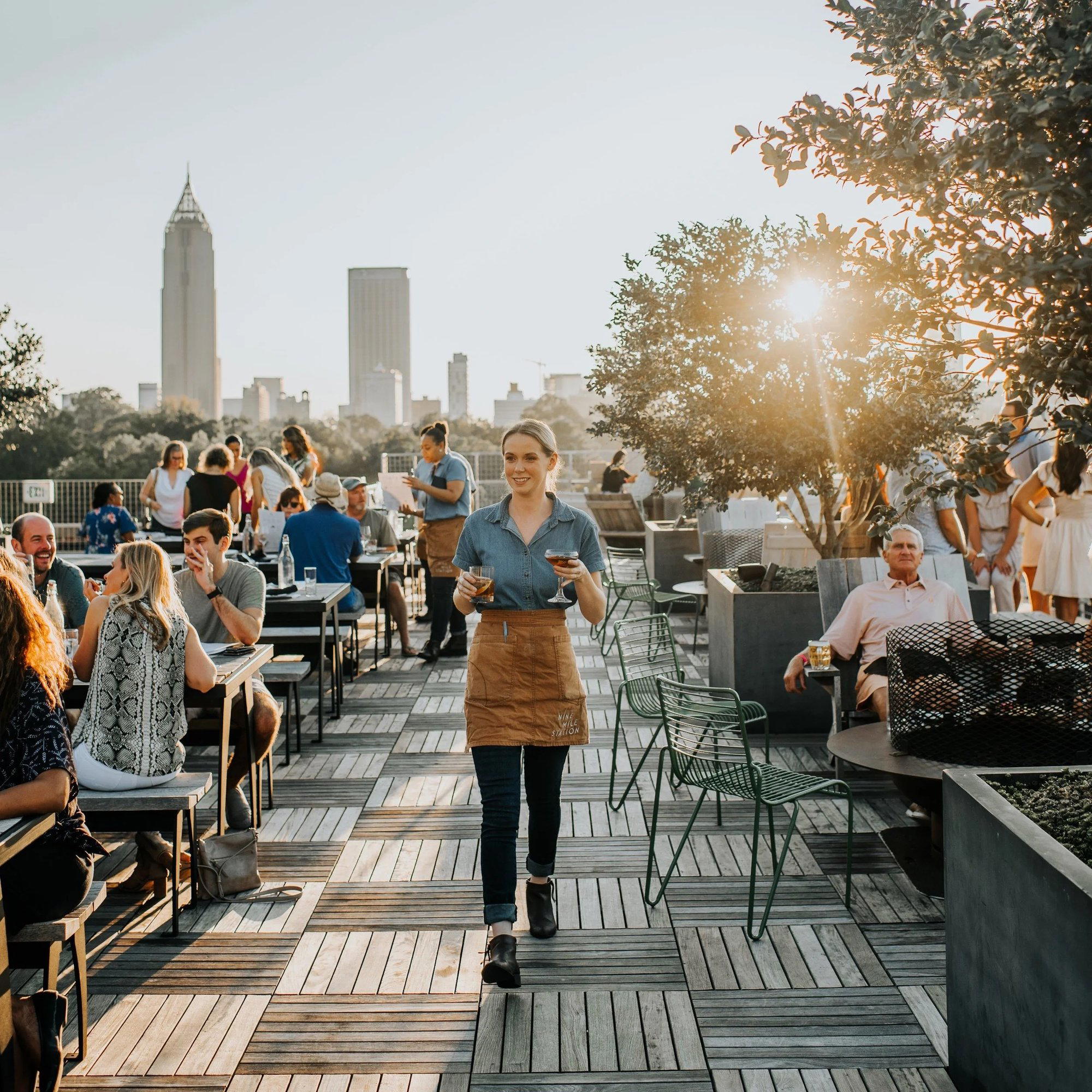
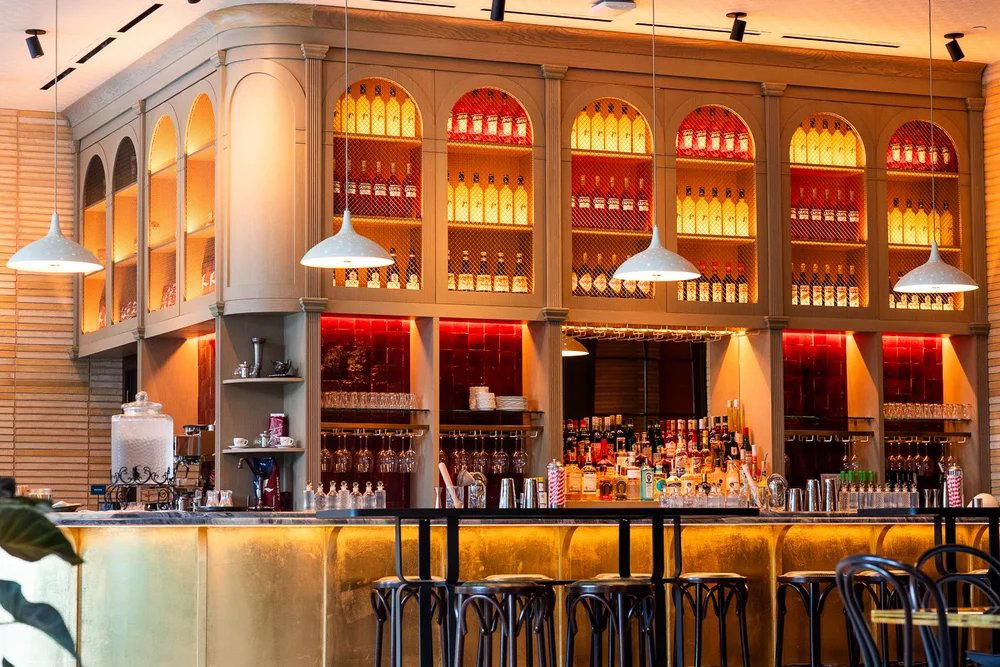
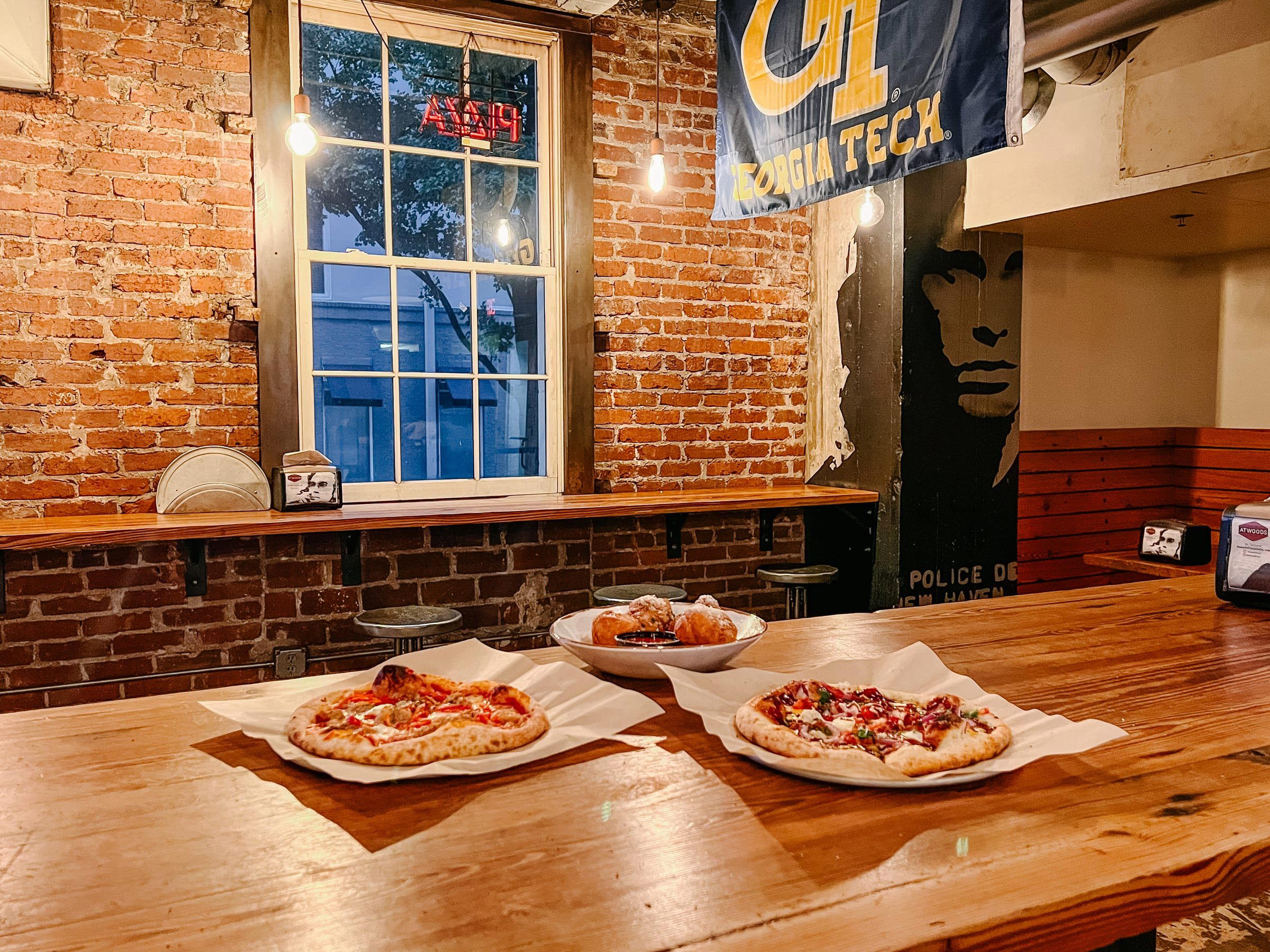
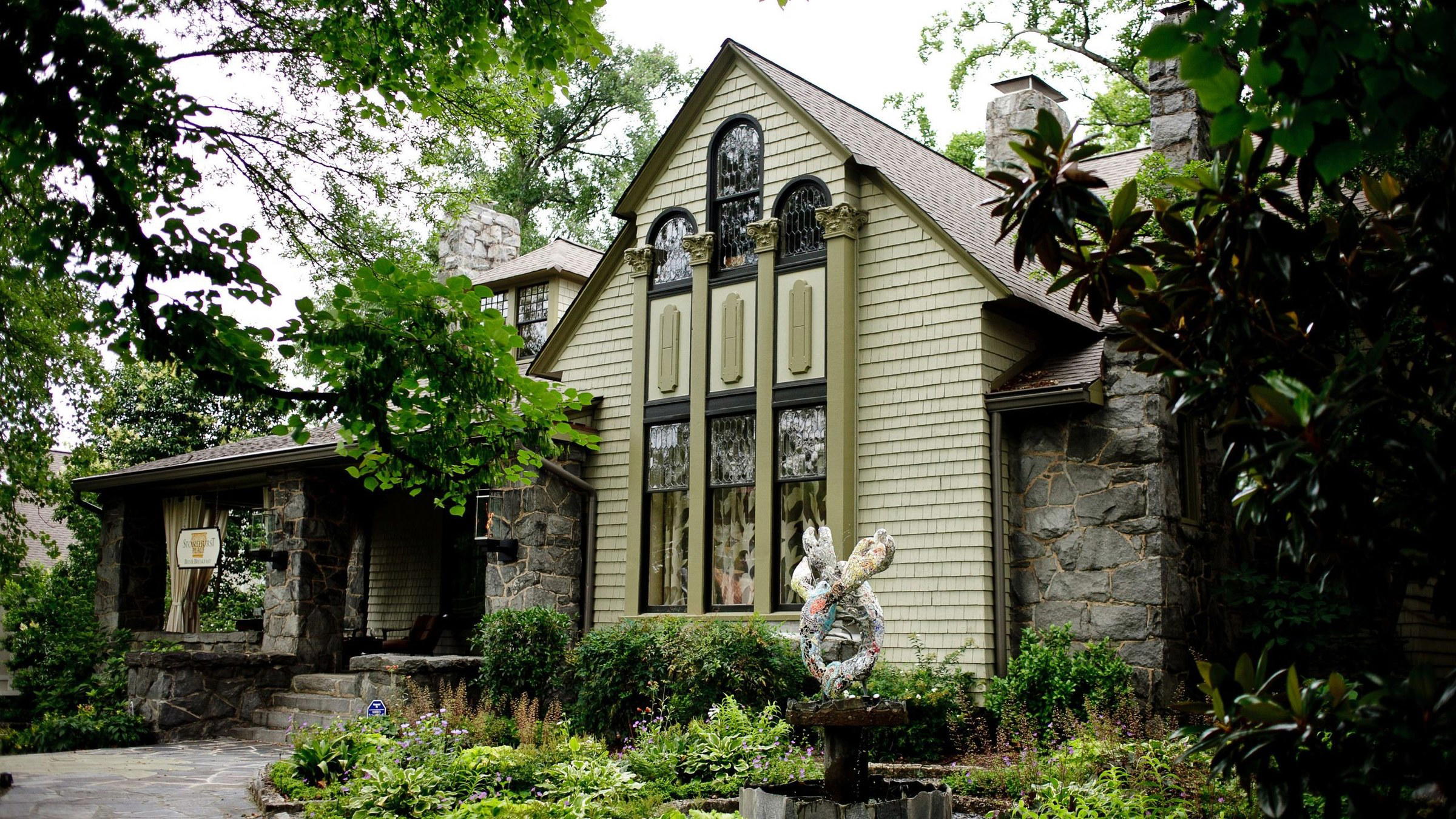
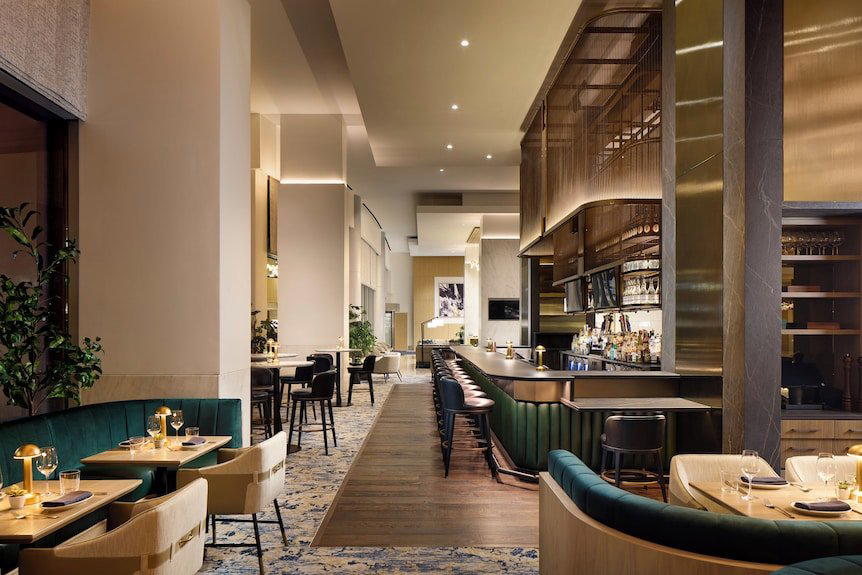
Warm and inviting atmosphere with a distinctive, relaxed vibe.