Geylang Claypot Rice
A Singaporean claypot rice specialist operating out of a Las Vegas address, Geylang Claypot Rice brings one of Southeast Asia's most disciplined cooking formats to a city better known for buffet excess. The format is deliberate and time-intensive, placing it at an interesting angle to the Strip's dominant dining culture. For visitors seeking a specific regional tradition rather than spectacle, it occupies a different tier entirely.
Pearl is the En Primeur Club membership app — saves, bookings, and concierge access live there. Same editors, same standards.
- Address
- 3000 S Las Vegas Blvd, Las Vegas, NV 89109
- Website
- zoukgrouplv.com
- Directions
- Get directions
 Saves & bookings on Pearl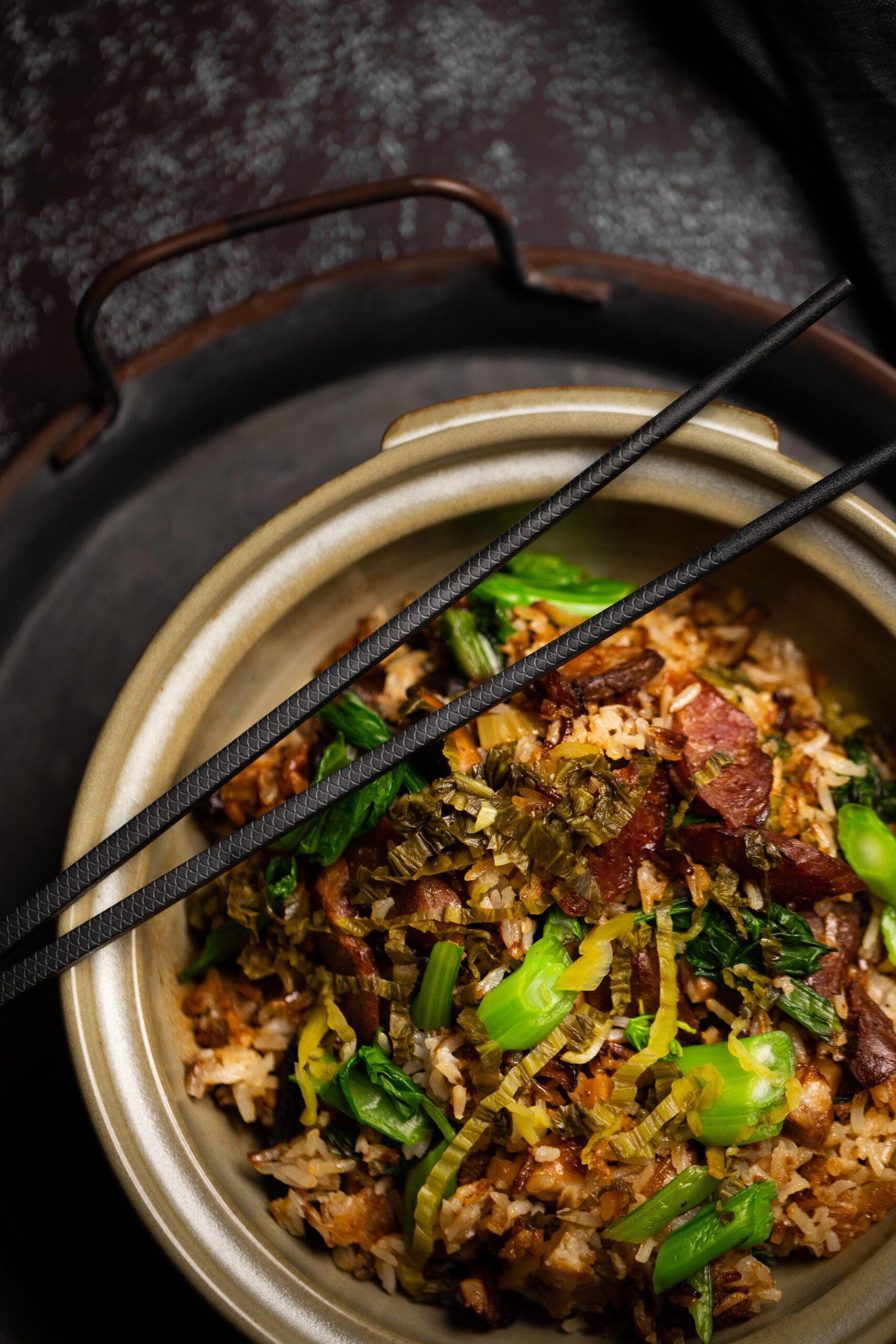
Claypot Rice on the Strip: A Format That Doesn't Rush
Las Vegas dining has long been organized around scale. The city's most-visited food operations serve hundreds of covers a night, and the buffet remains one of the most recognizable formats the Strip has ever produced. Against that backdrop, claypot rice cooking operates by an entirely different logic. The dish demands patience: raw ingredients go into the pot together, and the heat does its work gradually, building a charred crust at the base called socarrat in Spanish rice traditions and, in Southeast Asian claypot cooking, prized under different local names but equally non-negotiable. The technique cannot be hurried without losing what makes it worth eating.
Geylang Claypot Rice takes its name from Geylang, the district in Singapore long associated with this cooking tradition. In Singapore, claypot rice stalls often operate at night, the cooking done over charcoal, and the wait measured in the slow darkening of the bottom layer. That original context matters because it explains what kind of operation this is: a format-first restaurant where the dish's requirements set the terms, not the other way around.
Where This Sits in Las Vegas's Broader Dining Pattern
The Strip at 3000 S Las Vegas Blvd places Geylang Claypot Rice in the middle of one of the highest-traffic food corridors in the country. Most venues at this address or near it compete on volume and variety. Singapore-style claypot rice is narrower in focus than nearly any other format at comparable addresses, which makes the positioning either a liability or a signal of confidence in a specific audience. Visitors who know the dish will recognize immediately whether the kitchen is executing correctly; those unfamiliar with the tradition may need orientation before ordering.
The comparison venues operating in a similar part of the city illustrate how varied Las Vegas's mid-to-high dining tier has become. Kabuto and Yui Edomae Sushi represent the city's serious Japanese counter culture, where format discipline and sourcing precision define the experience. Sinatra commits to a specific Italian-American register. Chica runs a Latin kitchen with a broad regional scope. Each of these venues wins by mastery of a defined format, not by covering all bases. Geylang Claypot Rice belongs in that company by operating logic, even if its price point and visibility differ.
For a fuller picture of what Las Vegas's restaurant scene looks like across categories and neighborhoods, the EP Club Las Vegas restaurants guide maps the city's dining in more detail. Nearby venues worth considering alongside any visit include 108 Eats, 18bin, and A Different Beast, each operating at a different register within the city's increasingly varied dining culture. 777 Korean Restaurant and Craftsteak round out a picture of how Asian and American cooking traditions coexist at the higher end of the market here.
The Team Dynamic in a Format-Driven Kitchen
Claypot rice restaurants, at their most disciplined, are not chef-showcase operations in the conventional sense. The dish's requirements distribute responsibility differently across a kitchen team. Timing is collective: someone manages fire and heat progression, another tracks the pot at each stage, and front-of-house must communicate wait times honestly and in real time, because the dish's quality depends on service at the exact right moment. A claypot rice kitchen where front-of-house and kitchen operate independently will produce inconsistent results regardless of ingredient quality.
This is worth understanding as a diner. The experience at a well-run claypot operation is not like ordering from a menu and receiving a finished plate. It involves a negotiation with time, and the team's coordination is visible in whether you receive the dish at its peak or slightly past it. At the leading Singapore-style operations, that coordination is the product as much as the rice itself. The quality of the crust, the evenness of the cook, and the moment the pot reaches the table are all outcomes of team execution, not individual brilliance.
This format dynamic connects Geylang Claypot Rice to a broader category of restaurants that EP Club covers across the country, where format discipline and service coordination matter as much as individual culinary talent. Places like Smyth in Chicago, Lazy Bear in San Francisco, or Single Thread Farm in Healdsburg operate at a very different price tier and formality level, but share the principle that front-of-house integration into the cooking process shapes the final result. The same logic applies at a claypot rice counter, scaled down considerably. At the far end of that spectrum, venues like Le Bernardin in New York City, The French Laundry in Napa, Atomix in New York City, and Blue Hill at Stone Barns in Tarrytown have made team choreography a defining feature of the modern fine dining experience. Geylang Claypot Rice operates in a different register entirely, but the underlying principle, that a dish arrives correctly only when all parts of the team are working in sequence, applies across price points.
What Distinguishes This Cooking Tradition
Claypot rice as a dish has no shortcut version that works. The pot itself is part of the cooking vessel and the serving vessel simultaneously. Cooking in clay retains and distributes heat differently from metal, which produces a different crust texture and a different rate of moisture absorption in the rice. Authentic preparation requires the pot to be seasoned over time, which is why older pots at long-running operations often produce better results than new equipment. The dish's components, typically a protein such as Chinese sausage, salted fish, or chicken alongside aromatics, cook together with the rice so that the fat and seasoning from the protein absorb into the grain as it cooks.
In Singapore's Geylang district, operators who have run the same pots for decades are often considered to produce the reference standard. That lineage matters when a restaurant names itself after the district: it signals a claim about authenticity and technique that the kitchen either validates or fails to support through execution.
Other regional cooking traditions with similar disciplines, including the Korean dolsot rice and the Persian tahdig, demonstrate how widely the charred-crust rice format appears across Asian and Middle Eastern cuisines. Each has its own technical requirements and cultural context. The Singapore claypot version is its own tradition, not a subset of any of these, and Geylang Claypot Rice positions itself squarely within that specific lineage.
For readers interested in how format-specific cooking operates across different culinary traditions, the EP Club coverage of venues like Providence in Los Angeles, Addison in San Diego, Emeril's in New Orleans, The Inn at Little Washington, and Atelier Moessmer Norbert Niederkofler in Brunico tracks how different cuisines use format as a primary quality signal.
Know Before You Go
| Address | 3000 S Las Vegas Blvd, Las Vegas, NV 89109 |
| Hours | |
| Price Range | Not confirmed — no current published pricing available |
| Reservations | Booking format not confirmed, walk-in availability unknown |
| Dress Code | Not specified |
| Website | Not currently listed |
How Geylang Claypot Rice Las Vegas compares with similar nearby venues.
| Venue | Cuisine |
|---|---|
| Genting Palace | Cantonese Chinese |
Continue exploring
More in Las Vegas
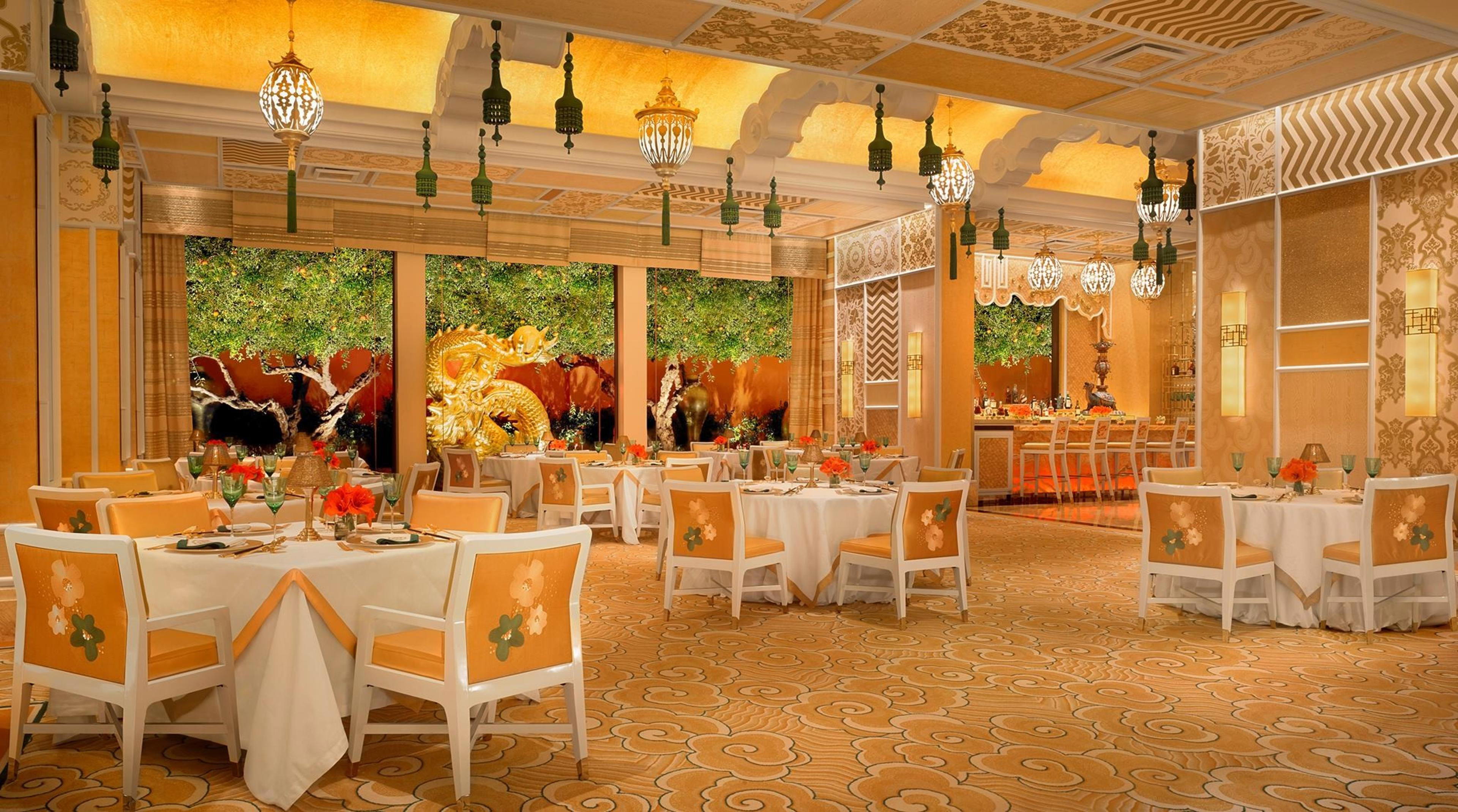
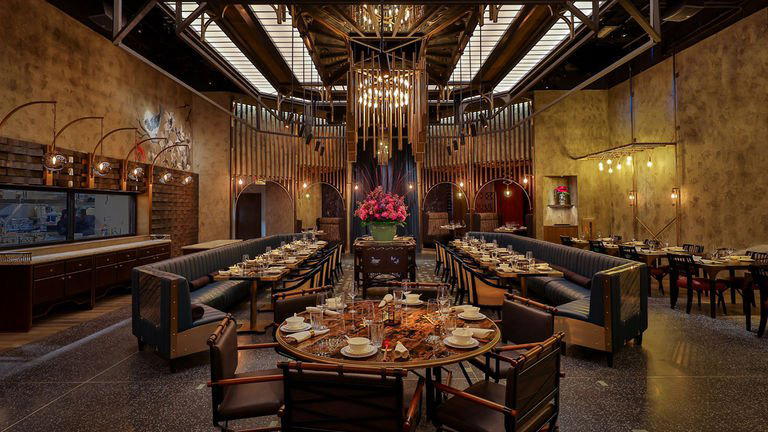
Restaurants in Las Vegas
Browse all →
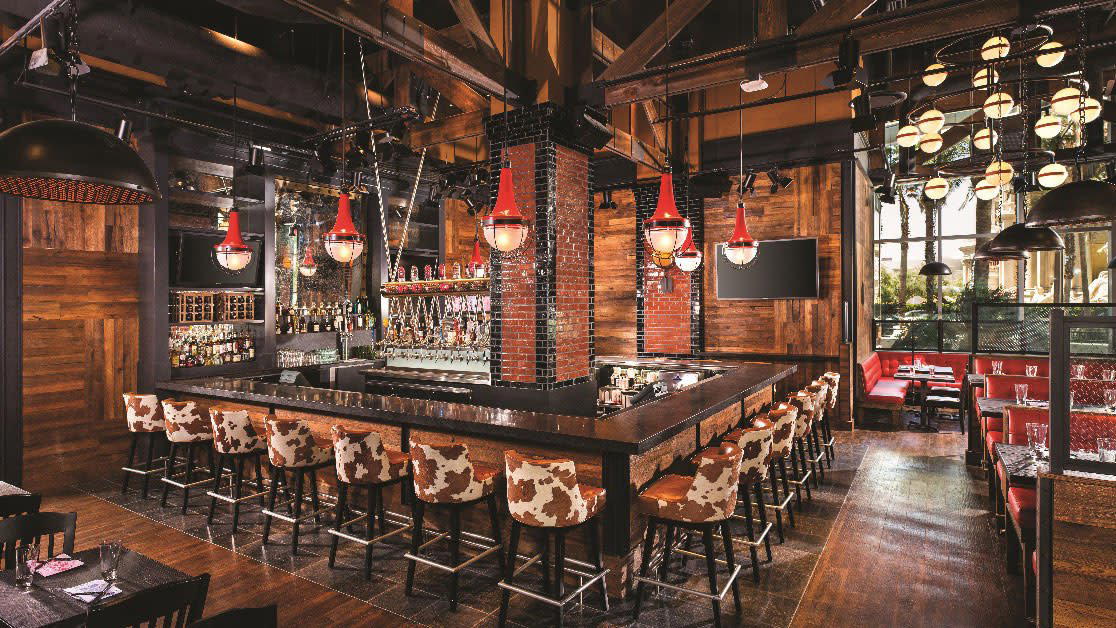
Bars in Las Vegas
Browse all →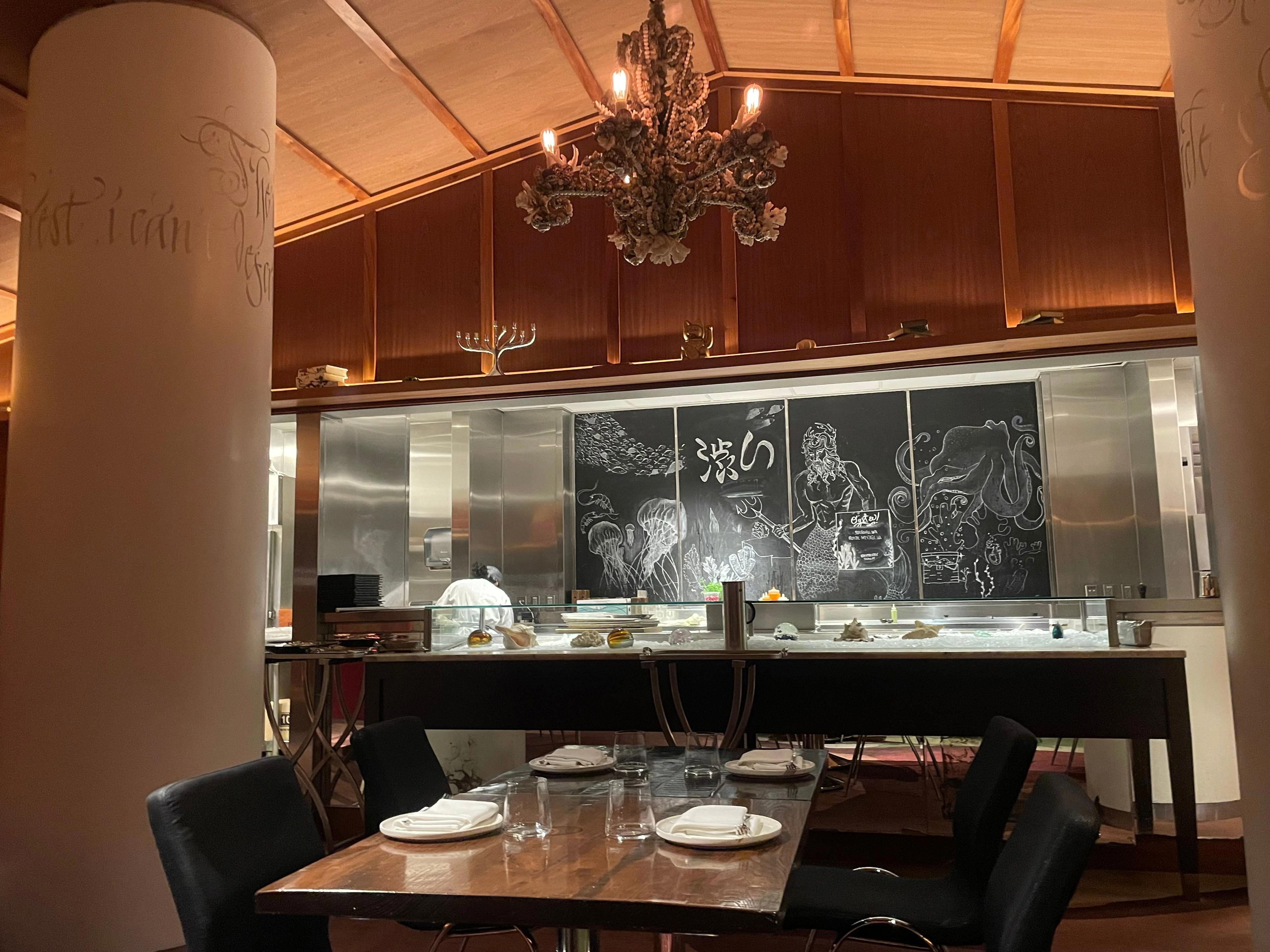

At a Glance
- Casual
- Lively
- Casual Hangout
- Group Dining
- Hotel Restaurant
- Open Kitchen
Current opening hours
- Monday
- 11 AM–10 PM
- Tuesday
- 11 AM–10 PM
- Wednesday
- 11 AM–10 PM
- Thursday
- 11 AM–10 PM
- Friday
- 11 AM–11 PM
- Saturday
- 11 AM–11 PM
- Sunday
- 11 AM–10 PM
Hours can change for holidays and private events. Last verified .
Casual hawker-style food court atmosphere with energetic service and authentic street food energy.
Know Before You Go
- Getting there
- 3000 S Las Vegas Blvd, Las Vegas, NV 89109