Our verdict
For visitors tracing the city's culinary history, it remains a legible data point.

Pearl is the En Primeur Club membership app — saves, bookings, and concierge access live there. Same editors, same standards.
- Address
- V N Rd, Churchgate, Mumbai, Maharashtra 400020, India
- Phone
- +91 70455 56060
- Hours
- Daily 9:30 AM–12 AM
- Website
- gaylord.co.in
- Directions
- Get directions
The menu
What to order
- Chicken puffs
- Stuffed croissants
- Artisan breads
- Croissants
- Desserts
What a Place Like This Offers the Visiting Diner
The case for visiting Gaylord is not built on awards or chef credentials. The available record carries no Michelin recognition, no 50 Best placement, no recent critical citations that would place it in the conversation alongside, say, Avartana in Chennai or Bukhara in New Delhi, which has operated in the top tier of tandoor cooking for long enough to have a documented legacy. For a certain kind of traveller, the one who uses restaurants as a way of reading a city's social and economic history rather than purely as a contemporary food experience, the interest is real. It is the same impulse that draws a visitor to an Irani café in the same neighbourhood rather than to a specialty coffee bar in Bandra: the point is the time capsule, not the technical execution.
That framing matters because it sets accurate expectations. Visitors who arrive at Gaylord hoping for the kind of rigorous, produce-led cooking that defines Farmlore in Bangalore or the mountain-influenced minimalism of Naar in Kasauli will be reading the room incorrectly. The restaurant's value is contextual and historical, not competitive on the metrics that contemporary food media uses to rank experiences.enprimeurclub.enprimeurclub.com/restaurants/atomix">Atomix in New York City
or the seafood rigour of Le Bernardin in New York City is not just geographic. It is a reminder of how many different things a restaurant can be asked to do, and how different the criteria for success look depending on which question you are asking. Similarly, the gap betweenFrequently asked questions
What's Gaylord's location?
Gaylord is located at V N Rd, Churchgate, Mumbai, Maharashtra 400020, India, Mumbai.
Is Gaylord in Churchgate one of Mumbai's older surviving restaurants?
Gaylord's V N Road address in Churchgate places it within a stretch of South Mumbai that housed some of the city's earliest Western-style and Mughlai dining rooms, several of which have since closed. No founding year is on formal record for this listing, but the venue's continued presence in a neighbourhood that has lost much of its mid-century restaurant fabric gives it a specific kind of scarcity value that newer Mumbai openings cannot replicate.
What's the best thing to order at Gaylord?
No menu data is on public record in sufficient detail to make a single dish recommendation with confidence. Gaylord sits on V N Road in Churchgate, a corridor associated with long-standing North Indian and Continental cooking traditions in Mumbai, so those categories are the logical starting point. Ask staff what has been on the menu the longest — longevity in a kitchen usually signals what the house does consistently well.
Should I book Gaylord in advance?
For a Churchgate institution of this standing, arriving early or calling ahead through the venue's own channels is the safer approach, particularly during weekday lunch hours when South Mumbai's office crowd converges on the area.
What's Gaylord best at?
Gaylord's clearest claim is persistence: it occupies a dining address in Churchgate at a time when South Mumbai's original restaurant stock has thinned considerably. The case for visiting is rooted in continuity rather than awards or a named-chef kitchen, which means the draw is the room, the neighbourhood context, and whatever the house has been cooking long enough to get right.
What if I have allergies at Gaylord?
No allergen documentation or menu data is publicly available for Gaylord at V N Road, Churchgate, Mumbai. check the venue's official channels before visiting to confirm ingredient detail — this is standard practice at any Mumbai dining room without a published allergen menu, and staff at long-established venues of this type can usually accommodate requests made in advance.
The Quick Read
A short peer table to compare basics side-by-side.
| Venue | Cuisine | Price | Awards | Notes |
|---|---|---|---|---|
| GaylordThis venue — the venue you are viewing | Classic Indian, Continental and Bakery Cafe | Not listed | Not listed | Not listed |
| O Pedro | Modern Goan-Portuguese | $30–50 | Not listed | Goan |
| Ziya | Modern Indian Fine Dining | $50–100 | La Liste Top Restaurants | Indian |
| The Bombay Canteen | Modern Regional Indian | $30–50 | World's 50 Best #91 · La Liste Top Restaurants | Indian |
| Masque | Modern Indian Tasting Menu | $100–150 | World's 50 Best #15 · La Liste Top Restaurants | Contemporary Indian |
| Indigo | Modern Italian Deli | $30–50 | Not listed | Indian |
Details
- Well Known
- Classic
- Elegant
- Lively
- Celebration
- Family
- Special Occasion
- Casual Hangout
- Historic Building
- Live Music
- Garden
- Standalone
- A La Carte
- Vegetarian Friendly
Current opening hours
- Monday
- 9:30 AM–12 AM
- Tuesday
- 9:30 AM–12 AM
- Wednesday
- 9:30 AM–12 AM
- Thursday
- 9:30 AM–12 AM
- Friday
- 9:30 AM–12 AM
- Saturday
- 9:30 AM–12 AM
- Sunday
- 9:30 AM–12 AM
Hours can change for holidays and private events. Last verified .
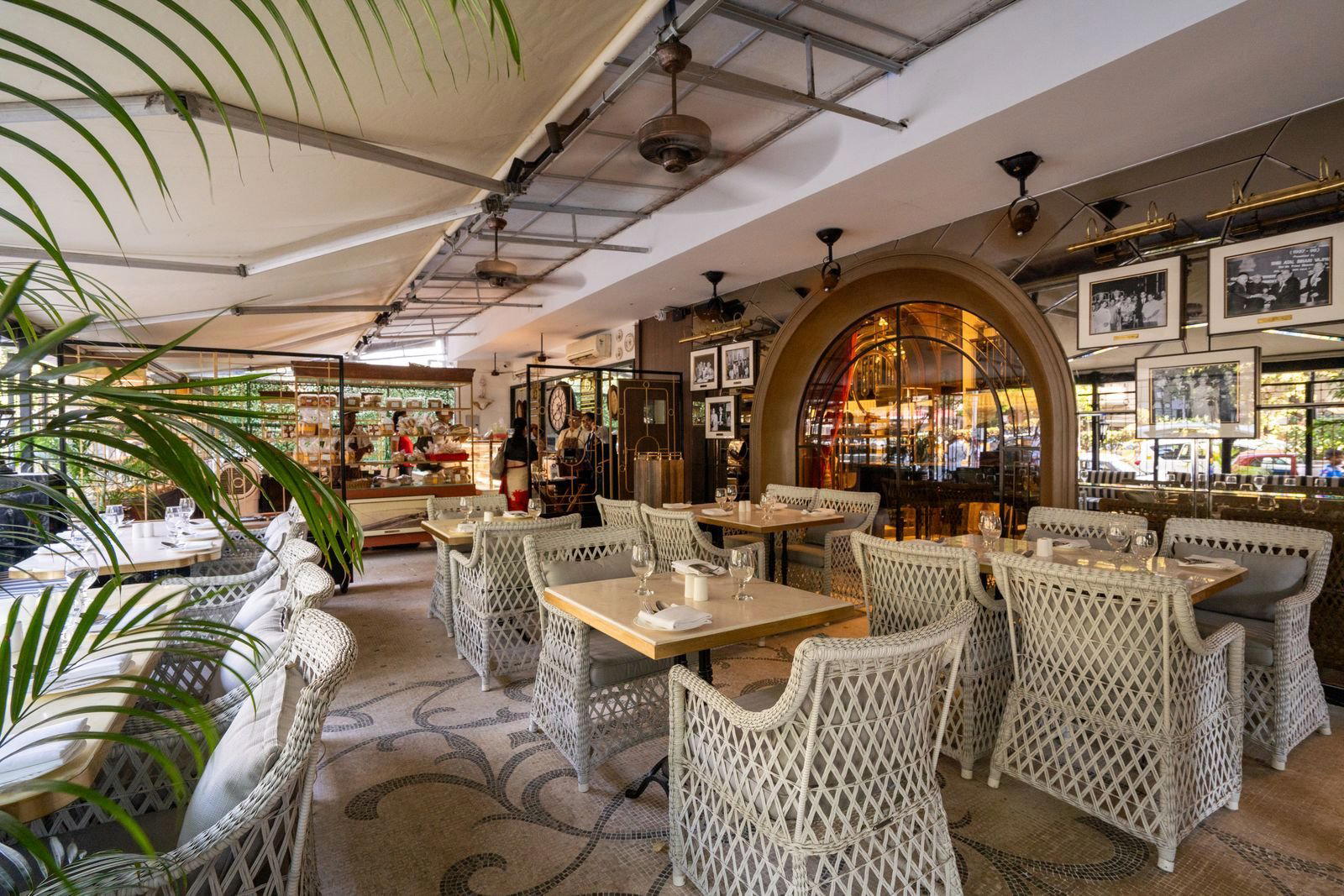
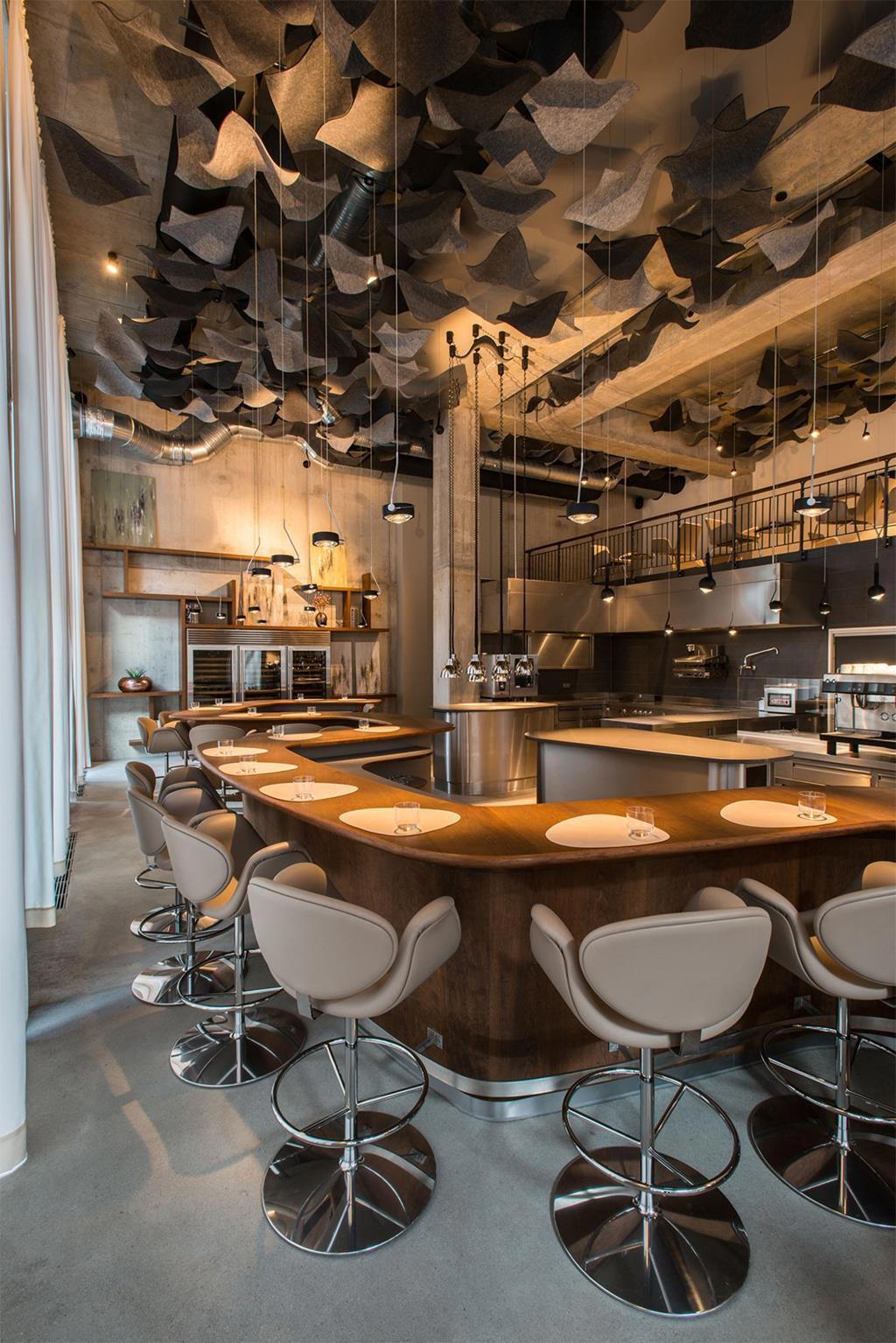
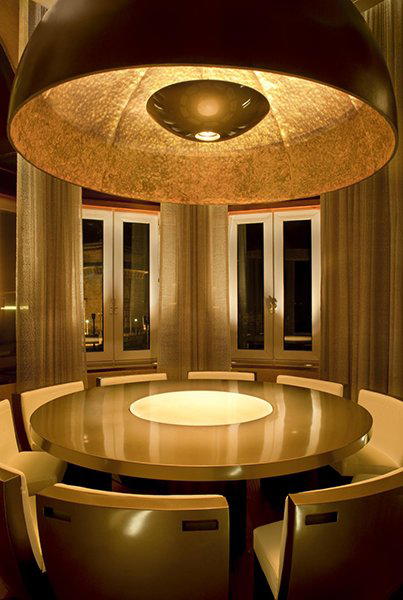
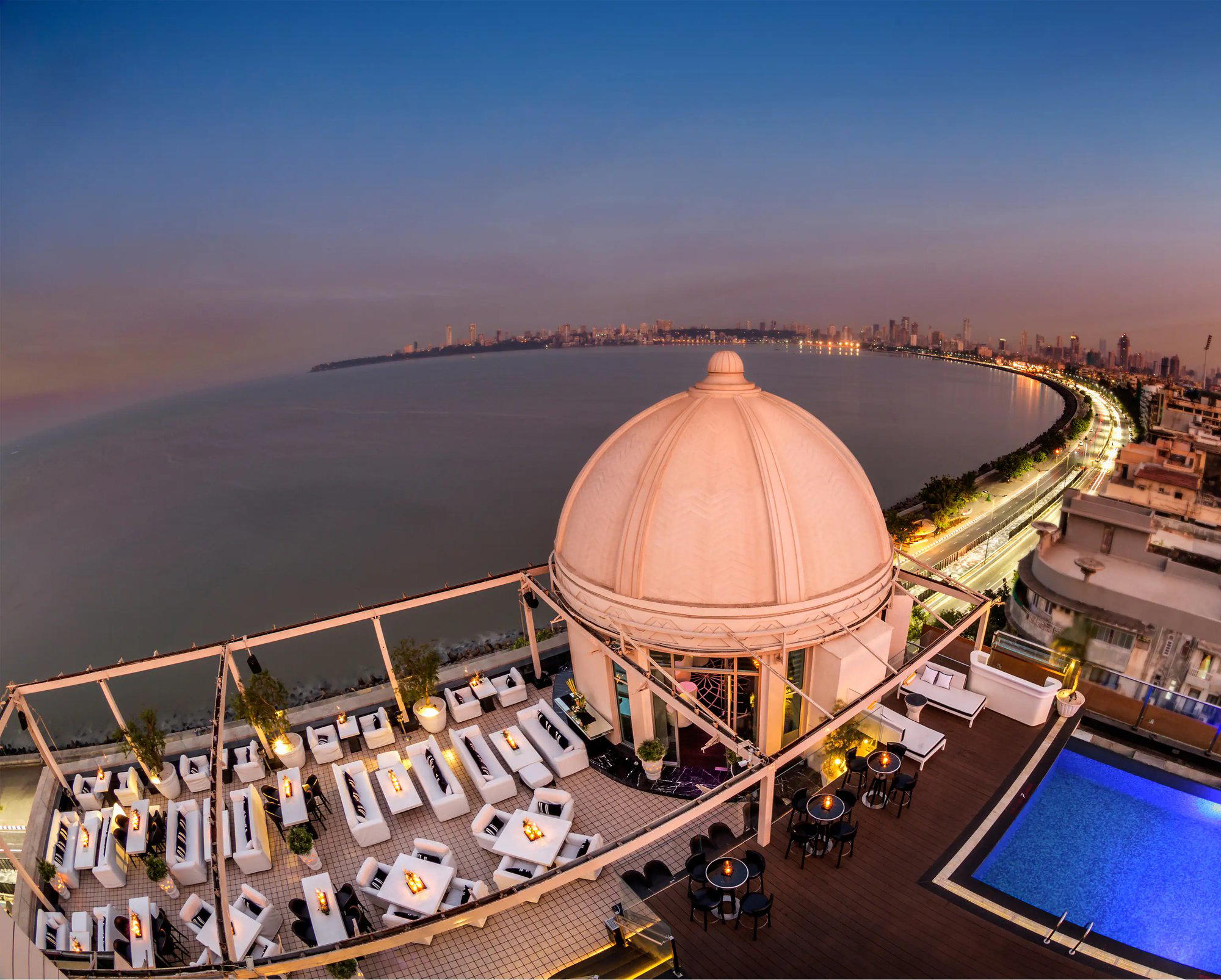
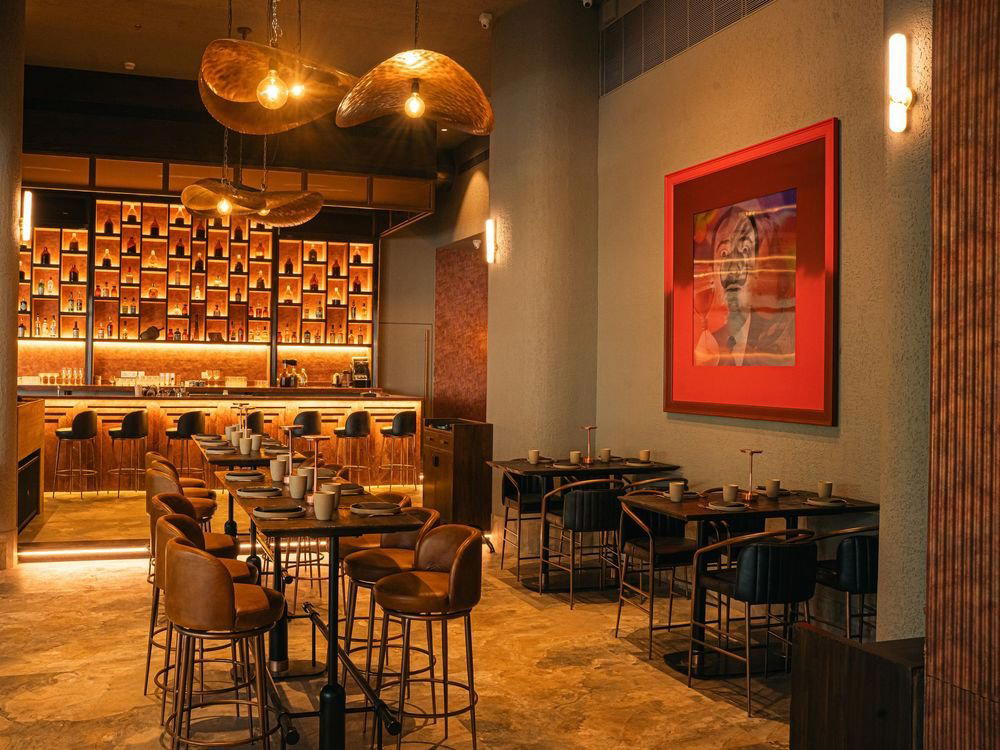
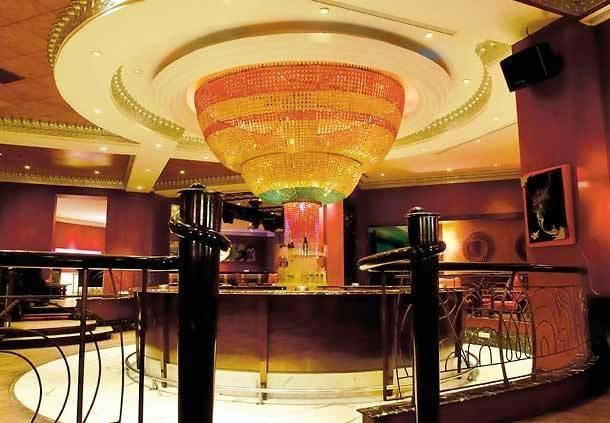
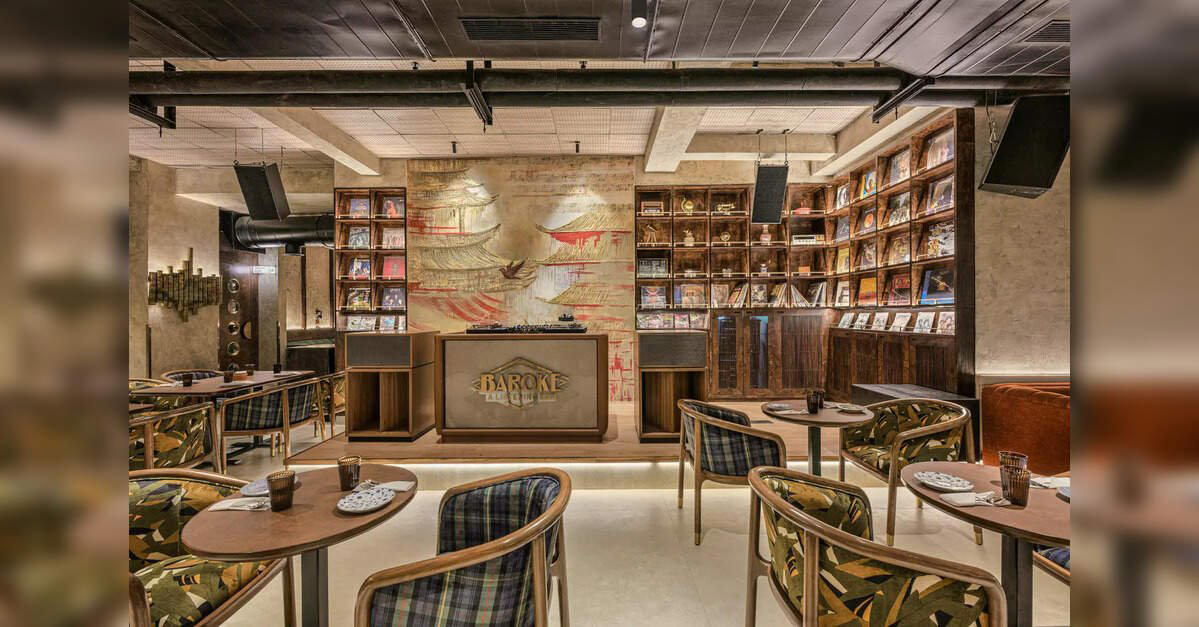
Recently renovated but intentionally nostalgic, with vintage interiors, black-and-white photographs, a piano area, and a polished old-world atmosphere.