Gastromé occupies a quiet address on Grenåvej in Risskov, the residential suburb that sits between Aarhus and the Djursland coast. The kitchen works within Denmark's broader tradition of sourcing-led fine dining, placing it in a regional tier of destination restaurants that rewards deliberate travel beyond the capital. For visitors already planning around Jutland's coastal and forest larder, it belongs in the same itinerary as the area's most considered tables.
 Discover on Pearl
Pearl is the En Primeur Club membership app — saves, bookings, and concierge access live there. Same editors, same standards.
- Address
- Grenåvej 127, 8240 Risskov, Denmark
- Phone
- +4528781617
- Website
- gastrome.dk
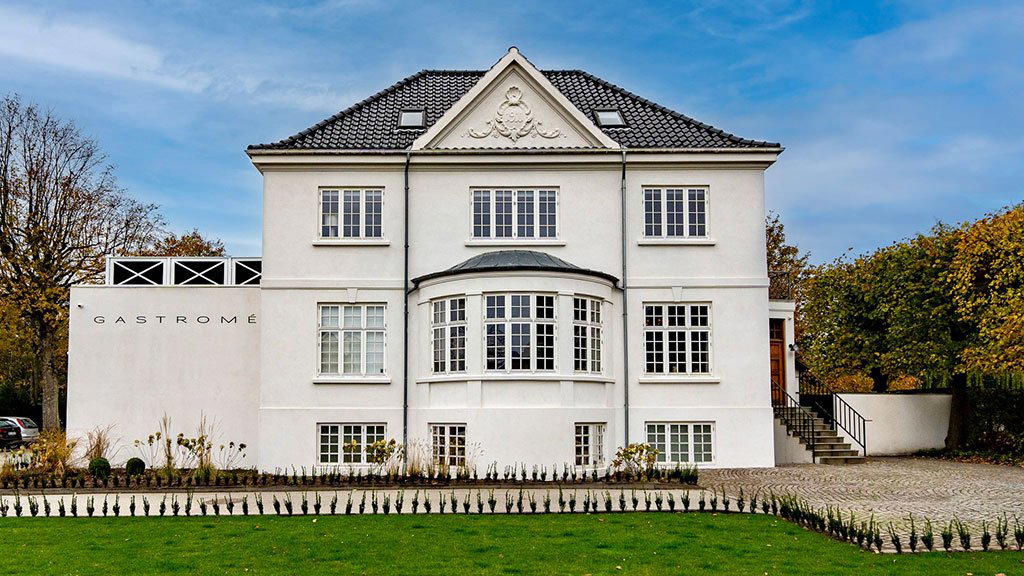
Where Risskov Sits in Denmark's Fine Dining Conversation
Denmark's fine dining geography has never been exclusively a Copenhagen story, even if the capital's restaurants draw the most international attention. The Jutland peninsula and its coastal fringe have produced a clutch of kitchens that work from a different larder, Kattegat seafood, Djursland forest produce, Aarhus Bugt coastline, and build menus around proximity rather than abstraction. Risskov, the leafy suburb that runs north from Aarhus along the bay, sits inside that geography. Gastromé, at Grenåvej 127, is one of the addresses that places this neighbourhood on the map for travellers who read a city's restaurant scene the way they read its architecture: as an argument about values.
The broader Danish model that restaurants like Geranium in Copenhagen and Frederikshøj in Aarhus helped establish, ingredient-first menus, seasonal constraint as a form of discipline rather than limitation, sourcing relationships treated as foundational rather than decorative, has filtered through to regional tables that execute the same principles at a smaller scale. Gastromé works within this tradition. Understanding that context is the right starting point for any visit.
The Sourcing Logic Behind the Menu
The ingredient-sourcing philosophy that defines the better end of Danish regional cooking is not incidental to the food, it is the food's structure. In kitchens operating along the Aarhus Bay corridor, proximity to the coast and to Jutland's agricultural interior creates a sourcing situation that differs meaningfully from what Copenhagen chefs deal with. Shellfish from Kattegat, game from Djursland, dairy from the peninsula's smaller producers: these are not marketing points but constraints that shape what a kitchen can put on a plate in December versus May. The seasonal gap is real and wide, and the menus at restaurants working honestly within it look very different across the year.
This is the tradition Gastromé operates inside. The address in Risskov places the kitchen close enough to both the coast and the agricultural hinterland to make direct sourcing relationships practicable. Denmark's broader farm-to-table infrastructure means that even a neighbourhood-scale restaurant has access to supplier networks that would have been difficult to sustain a generation ago. The result, for diners, is that a menu here reads as a seasonal document rather than a static proposition. What appears in spring will not be what appears in autumn, and that variability is the point. For visitors comparing this to larger-format experiences like Henne Kirkeby Kro in Henne or Dragsholm Slot Gourmet in Hørve, the emphasis on local geography as culinary logic is a consistent thread across the tier.
The Risskov Setting
Risskov itself is worth a word. The neighbourhood runs between the northern edge of Aarhus and the Marselisborg forests, with the bay visible through the trees at its eastern edge. It is residential and quiet, not a dining district in the way that Aarhus's Latin Quarter operates, but an address that rewards deliberate travel rather than casual passing. Arriving at Grenåvej 127 requires intention. That is, in the context of Danish destination dining, entirely appropriate. Some of the country's most considered tables, including Tri in Agger and Pearl by Paul Proffitt in Kruså, operate from locations that require the same kind of purposeful arrival. The setting communicates priorities: the focus here is the food, not the footfall.
For those travelling from Aarhus's city centre, the journey north is direct by car or taxi, with the address sitting roughly at the city's residential periphery. Visitors combining Gastromé with Aarhus's broader restaurant scene, which includes Frederikshøj, should plan the evening around this location rather than assuming it connects easily to other late-night activity. Risskov quiets early.
Where Gastromé Sits in the Regional Tier
Denmark's fine dining map below Copenhagen's top tier comprises a set of regional restaurants that share sourcing philosophies and seasonal discipline but differ in format, scale, and the specific geography they draw from. In Jutland alone, this bracket includes names like LYST in Vejle, Ti Trin Ned in Fredericia, and Alimentum in Aalborg. Each draws from a different slice of the peninsula's larder. Gastromé's position near Aarhus gives it access to one of the country's most productive coastal and agricultural zones, which is a material advantage in a cuisine where sourcing proximity directly shapes what the kitchen can achieve.
Internationally, the model has parallels. Kitchens like Lazy Bear in San Francisco demonstrate how a sourcing-first philosophy can operate at intimate scale, creating a format where the ingredient logic is legible in every course. At the other end of technical ambition, Le Bernardin in New York City shows what happens when ingredient quality becomes the explicit organising principle of a serious kitchen. Gastromé operates at a different scale and register from both, but the underlying argument, that what a kitchen sources determines what it can honestly say, is the same.
Within the Aarhus region specifically, diners with comparative appetite might also consider what Domæne in Herning and ARO in Odense are doing in their respective cities, and how the regional sourcing logic shifts when the geography changes. The Jutland interior differs from the coast; Funen differs from both. Placing Gastromé inside that comparative frame is more useful than treating it as a standalone proposition.
Planning a Visit
Gastromé sits at Grenåvej 127 in Risskov, most practically reached from Aarhus by car. Those travelling from Copenhagen can combine a Gastromé evening with the capital's top tier, Jordnær in Gentofte, Geranium, and treat the Aarhus leg as a deliberate extension into the regional circuit. Timing matters: the kitchen's sourcing logic means the menu in late summer and early autumn draws from peak Jutland produce, while winter and early spring present a leaner, more austere version of the same philosophy. Both are instructive. For those also considering eastern Denmark, Frederiksminde in Præstø, Syttende in Sønderborg, and Parsley Salon in Hellerup complete a picture of how the sourcing-first model plays across different Danish geographies.
Side-by-Side Snapshot
Comparable venues nearby, for context on price, style, and recognition.
| Venue | Cuisine | Price | Awards | Notes |
|---|---|---|---|---|
| GastroméThis venue — the venue you are viewing | Modern Nordic Fine Dining | $$$$ | , | |
| Restaurant V | Modern Danish Brasserie | $$$ | , | Aarhus C |
| Lille Mølle | Modern Nordic Fine Dining | $$$$ | , | Indre By |
| Sortebro Kro | Classic Danish Nordic Cuisine | $$$$ | , | Funen Village (Den Fynske Landsby) |
| Grønbech Churchill | Innovative Nordic Fine Dining | $$$$ | , | Indre By |
| Østergade | French-inspired Fine Dining with Seasonal Danish Produce | $$$$ | , | Randers C |
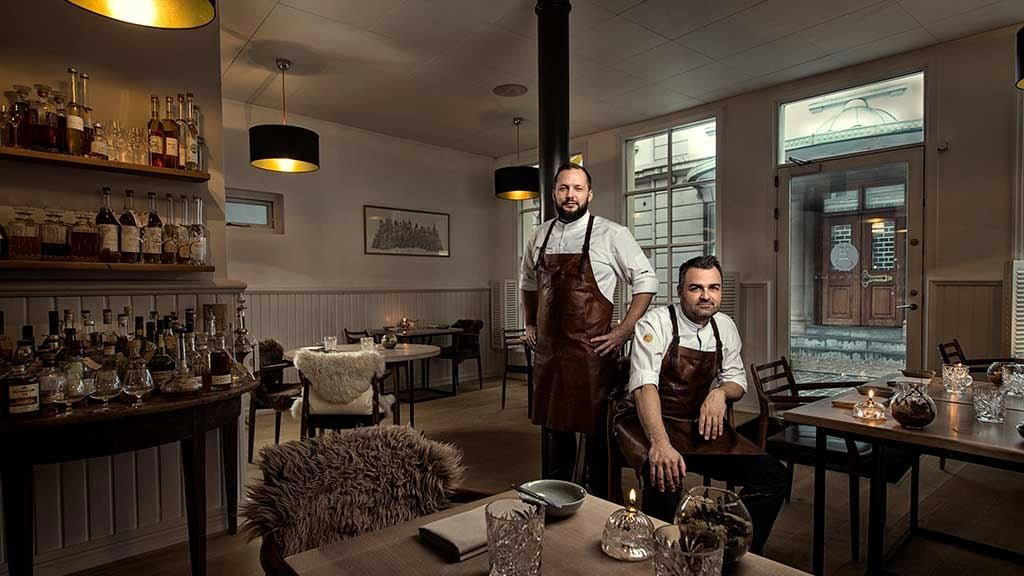
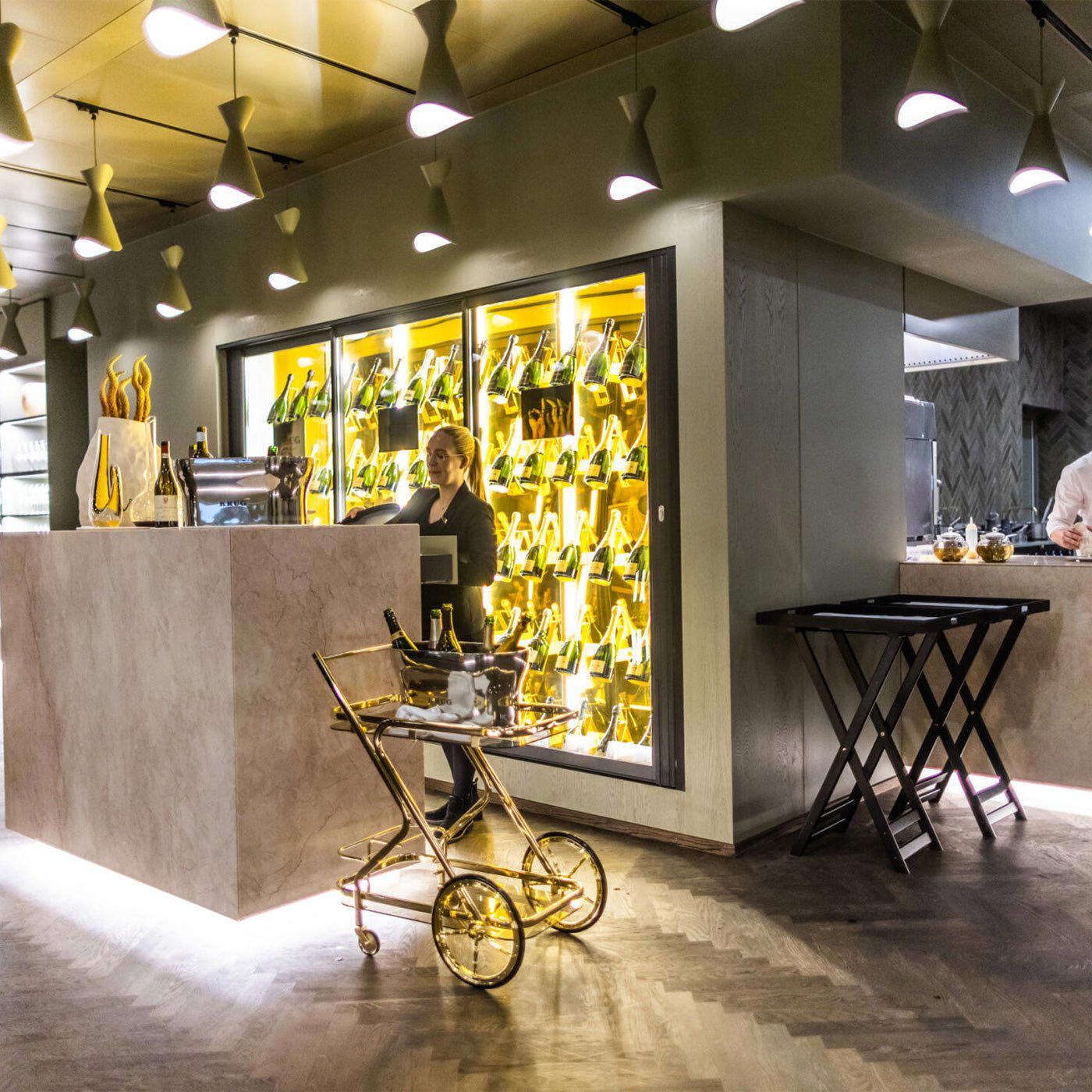
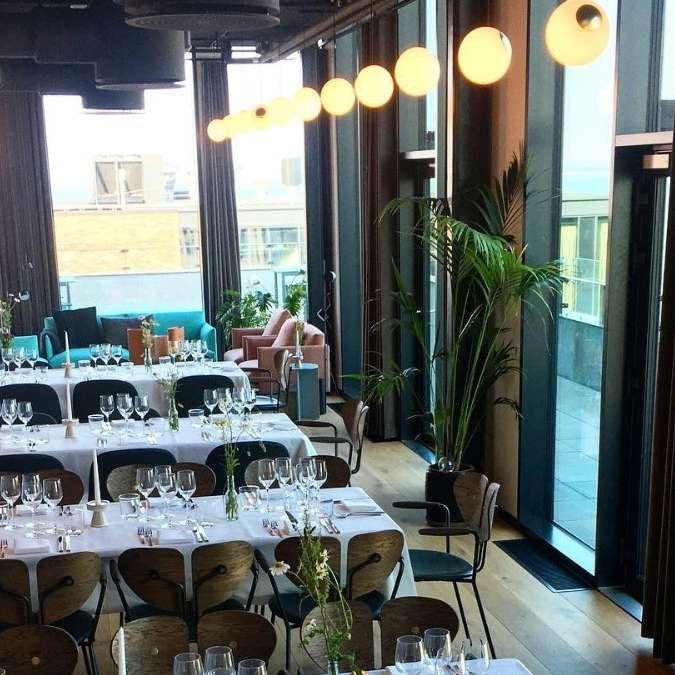
At a Glance
- Elegant
- Intimate
- Sophisticated
- Modern
- Date Night
- Special Occasion
- Open Kitchen
- Extensive Wine List
- Local Sourcing
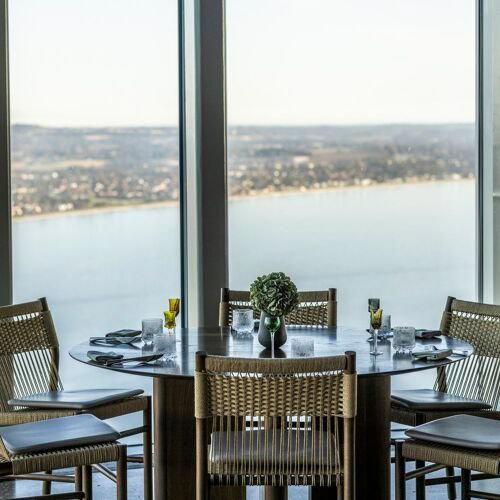
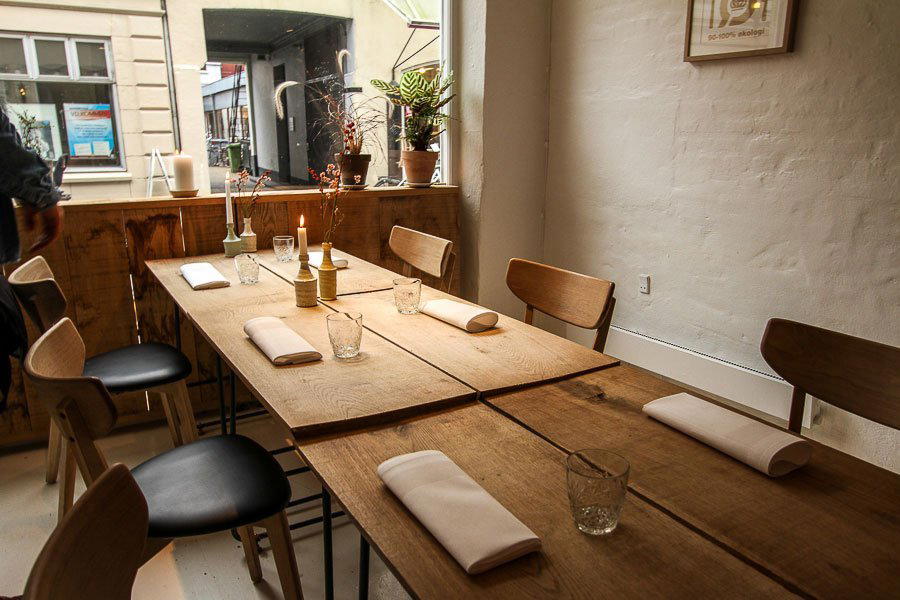
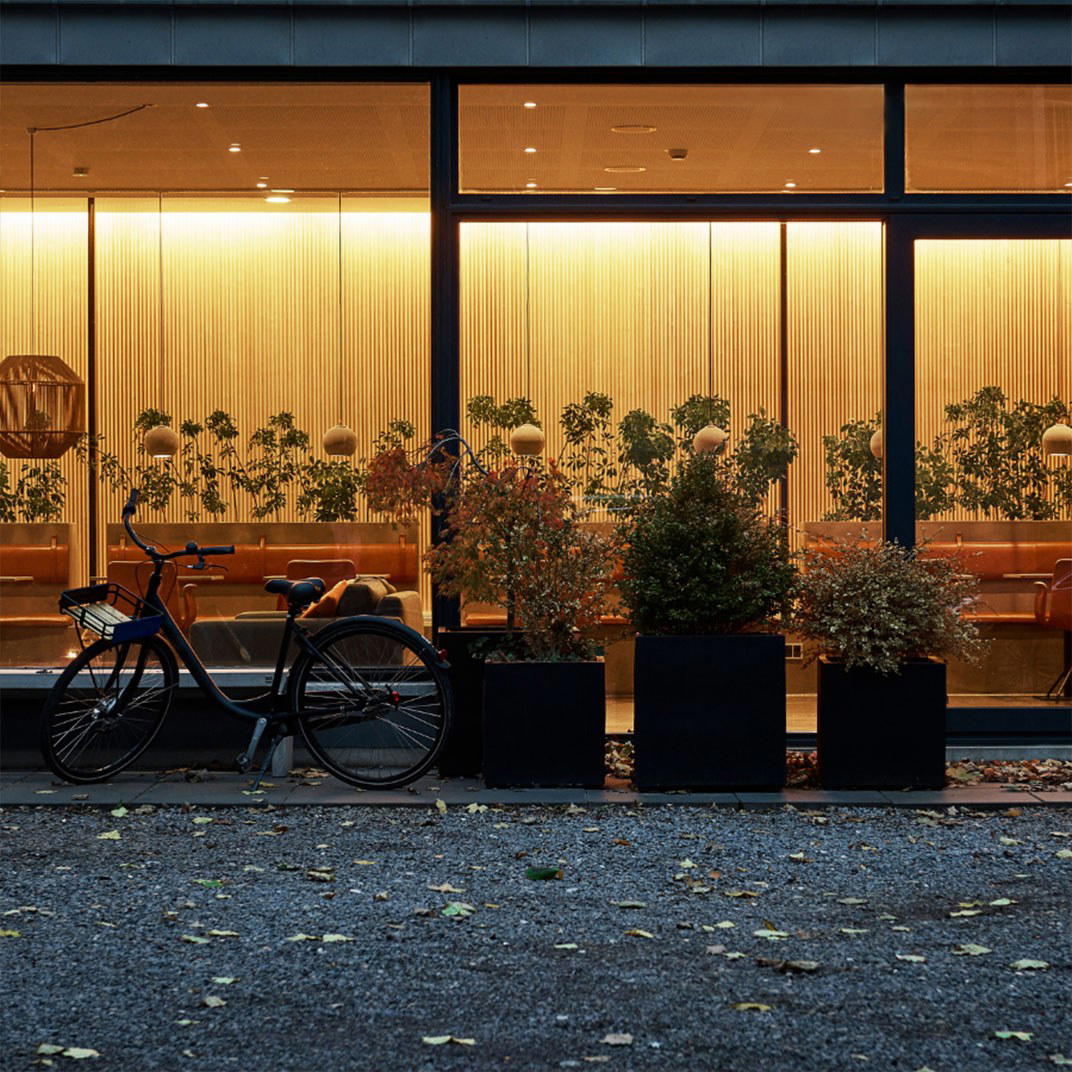
Intimate and elegant atmosphere in a smartly refurbished 1911 villa with warm, inviting Nordic feel and attentive service.