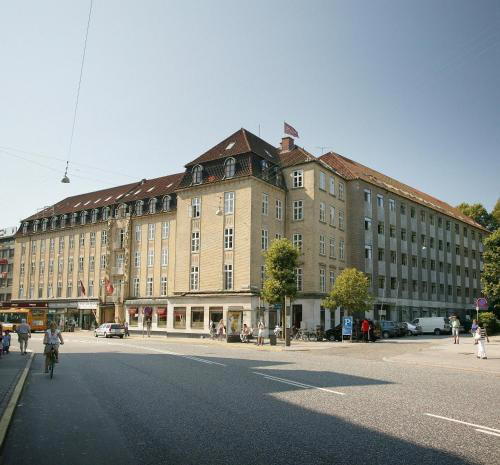
Restaurant V occupies a address on Værkmestergade in central Aarhus, placing it within the city's tightly contested fine-dining corridor. The restaurant sits in a broader Nordic conversation about ethical sourcing and waste-conscious kitchens, a direction that has become as much a structural commitment as a seasonal talking point. For visitors cross-referencing Aarhus's serious dining options, it belongs on the same shortlist as the city's Michelin-tracked houses.
Pearl is the En Primeur Club membership app — saves, bookings, and concierge access live there. Same editors, same standards.
- Address
- Værkmestergade 2, 8000 Aarhus, Denmark
- Phone
- +4586728000
- Website
- comwell.com
- Directions
- Get directions
 Saves & bookings on Pearl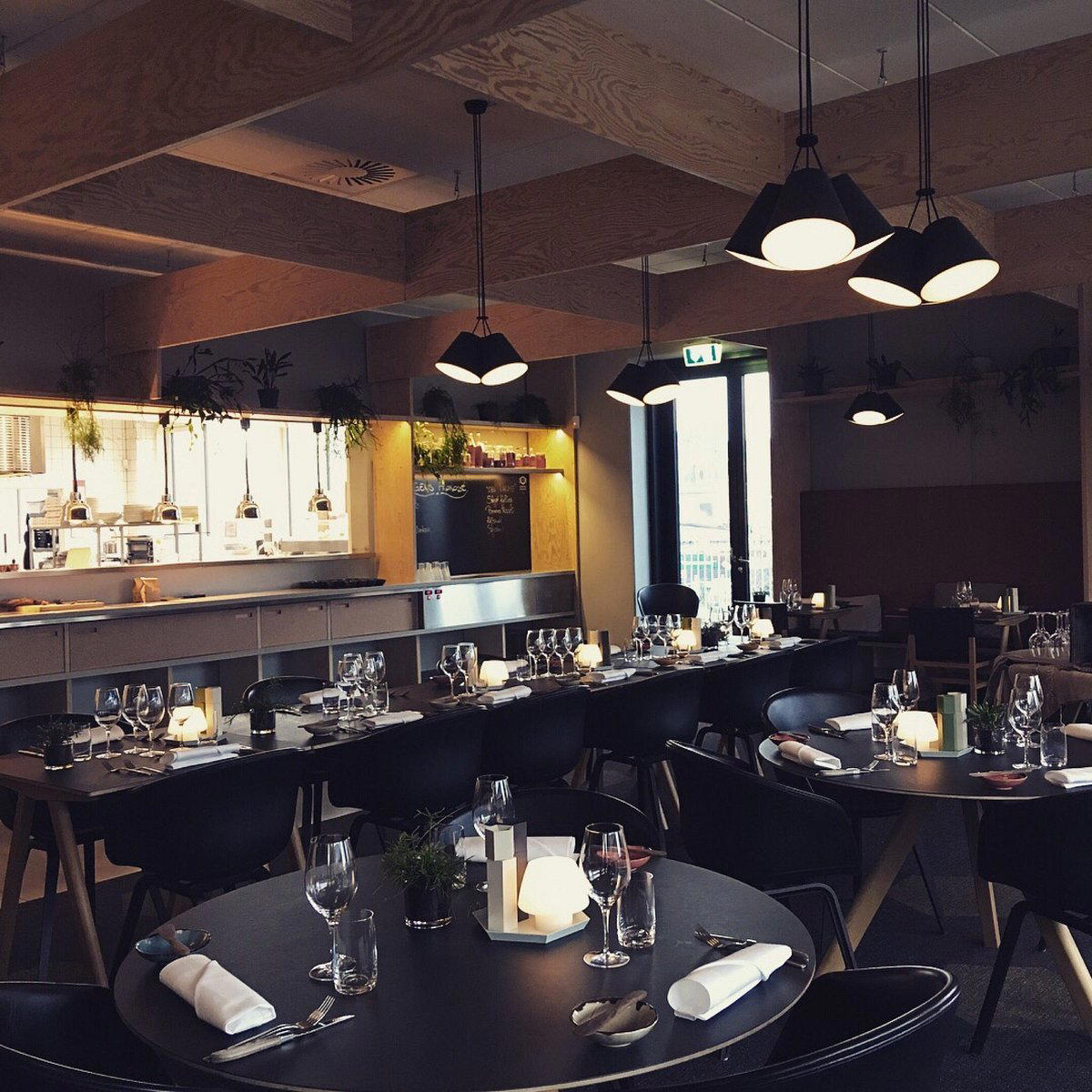
Aarhus and the Ethics of the Plate
Scandinavian fine dining has spent the last two decades exporting a philosophy: that rigorous sourcing, seasonal constraint, and minimal waste are not handicaps but disciplines that sharpen a kitchen's output. Copenhagen carried that argument internationally, but Aarhus has built its own version of the same conversation at street level. The city's serious dining rooms are concentrated in a relatively compact area, and Værkmestergade 2 sits inside that geography.
The broader Nordic sustainability argument is worth framing precisely because it has moved well past trend status. What began as forager-led aesthetics at a handful of Copenhagen addresses has, across roughly fifteen years, become structural kitchen policy at serious restaurants across the country. Fermentation cellars, direct farmer relationships, zero-waste prep protocols, and hyper-local ingredient sourcing are now baseline expectations at the higher tiers of Danish dining, not differentiators. Aarhus venues such as Domestic and Frederikshøj have built their reputations partly on how seriously they take that infrastructure. Restaurant V enters that context.
The Fine-Dining Corridor on Værkmestergade
Aarhus is a compact city, and its premium dining options cluster in a way that makes neighbourhood positioning meaningful. Værkmestergade sits in the central zone that connects the Latin Quarter's older restaurant stock to the newer addresses that have accumulated around the harbour redevelopment. That positioning is not incidental: restaurants that open in this stretch are self-selecting into a competitive set that includes Gastromé and Substans, both of which operate at the higher end of the city's price and format spectrum.
For a city of roughly 350,000 people, Aarhus punches considerably above its weight in terms of Michelin attention and Nordic culinary credibility. That density of serious restaurants in a small geography means that new additions are assessed quickly by a local dining public that tracks the category carefully. It also means that a restaurant's sourcing commitments, menu format, and relationship to seasonal produce are scrutinised in ways that would be unusual in larger, more diluted markets.
Sustainability as Kitchen Architecture
The sustainability framing at top-tier Nordic restaurants is worth examining structurally rather than rhetorically. The restaurants that have made the most durable commitments tend to share specific operational features: they work with a defined supplier base and maintain those relationships across years rather than seasons; they design menus around what the land or sea yields rather than around what the menu concept requires; and they treat fermentation, curing, and preservation not as techniques but as tools for extending the usability of a harvest.
This approach contrasts with the more performative version that appeared at mid-market restaurants during the height of the New Nordic movement, where foraged garnishes and regional ingredient names on menus served primarily as signals rather than as genuine structural commitments. The restaurants in Aarhus that have sustained critical attention, including those in the same neighbourhood tier as Restaurant V, tend to operate closer to the former model. Across Denmark, that pattern holds: Geranium in Copenhagen and Henne Kirkeby Kro in Henne have both built sourcing frameworks that are effectively multi-year agricultural relationships rather than seasonal purchasing decisions.
Within Jutland, the same seriousness extends to addresses such as Alimentum in Aalborg and LYST in Vejle, both of which reflect a regional confidence that Danish fine dining does not require Copenhagen proximity to carry weight. ARO in Odense and Domæne in Herning extend that pattern further across the peninsula. The overall picture is of a national dining culture that has distributed its ambition fairly evenly across geography.
Where Restaurant V Sits in the Aarhus Picture
Aarhus dining at the serious level now occupies a fairly legible tiering. At the leading sit the city's Michelin-starred houses, where tasting menus run at price points that align with Copenhagen peers. Below that, a second tier of ambitious restaurants operates with comparable technical intention but lighter format obligations, sometimes running à la carte alongside tasting options, sometimes adjusting format seasonally. A third tier covers the city's more accessible creative kitchens, including addresses like A-Kin Thai, which bring international reference points into the local picture.
Restaurant V's precise position within that structure is leading assessed by visiting rather than assumed from address alone. What the Værkmestergade location suggests is an awareness of competitive context: a restaurant opening in that corridor in 2024 or 2025 is making a statement about the tier it intends to occupy. The sustainability angle, where it is genuine, functions as both a values position and a quality signal in the Aarhus market, where diners at the higher price tiers expect sourcing provenance to be auditable, not aspirational.
For visitors cross-referencing the Danish restaurant scene more broadly, the Aarhus picture is now substantial enough to anchor a trip independently, without treating the city as a secondary stop after Copenhagen. Jordnær in Gentofte, Dragsholm Slot Gourmet in Hørve, Frederiksminde in Præstø, and MOTA in Nykøbing Sjælland each hold their own in the national conversation, but so do the Aarhus rooms. For those exploring the city's full dining range, our full Aarhus restaurants guide maps the landscape across price tiers and format types.
Planning a Visit
Restaurant V is located at Værkmestergade 2 in central Aarhus, reachable on foot from the main station in under ten minutes and well-positioned relative to the Latin Quarter's broader dining and drinking options. Given the density of serious restaurants in the immediate area and the relatively small scale at which most Nordic fine-dining rooms operate, booking ahead is advisable regardless of day of the week. Aarhus's dining audience is attentive and local turnover at this tier is lower than at more tourist-facing addresses, which means tables at the higher end of the market move on local reservation patterns rather than walk-in availability. For practical booking details, hours, and current menu format, checking directly with the restaurant is the most reliable route, as format and pricing at this tier evolve with the seasons.
What It’s Closest To
| Venue | Cuisine | Price | Awards |
|---|---|---|---|
| Restaurant VThis venue — the venue you are viewing | This venue | Not listed | Not listed |
| Domestic | New Nordic, Modern Cuisine | €€€ | Michelin 1 Star |
| Frederikshøj | Creative | €€€€ | Michelin 2 Star |
| Gastromé | Modern Cuisine | €€€€ | Michelin 1 Star |
| La Cabra Coffee Roasters | Coffee Shop | Not listed | Coffee Shop |
| Restaurant ET | French | Not listed | French, € |
Continue exploring
More in Aarhus
Restaurants in Aarhus
Browse all →
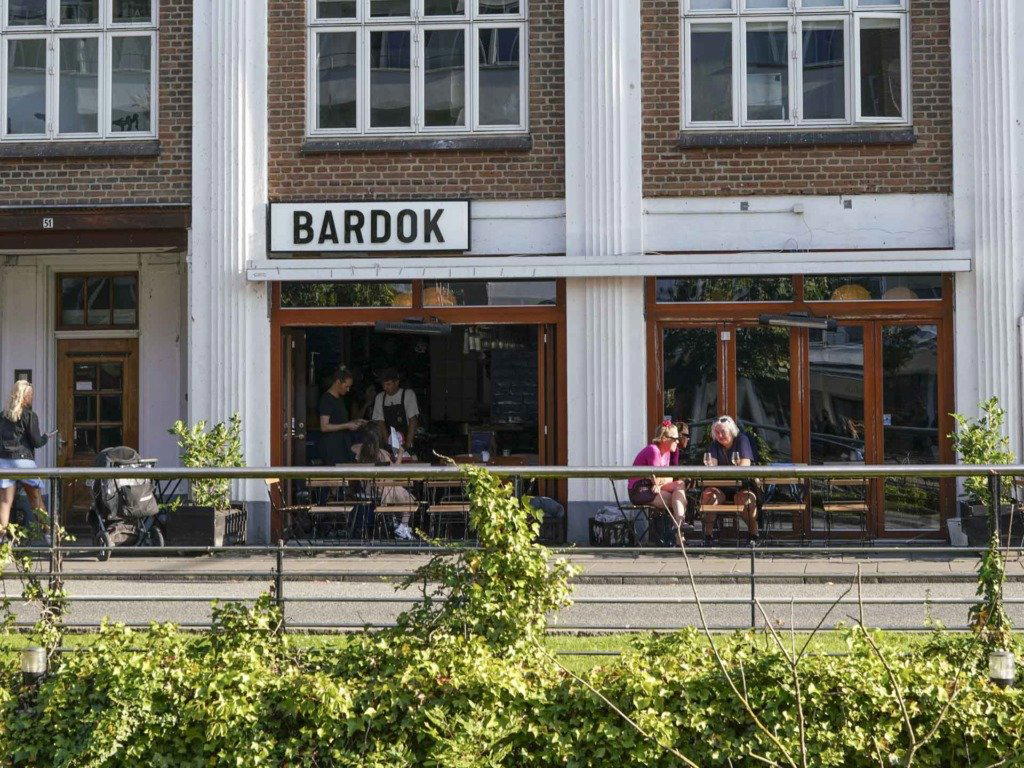
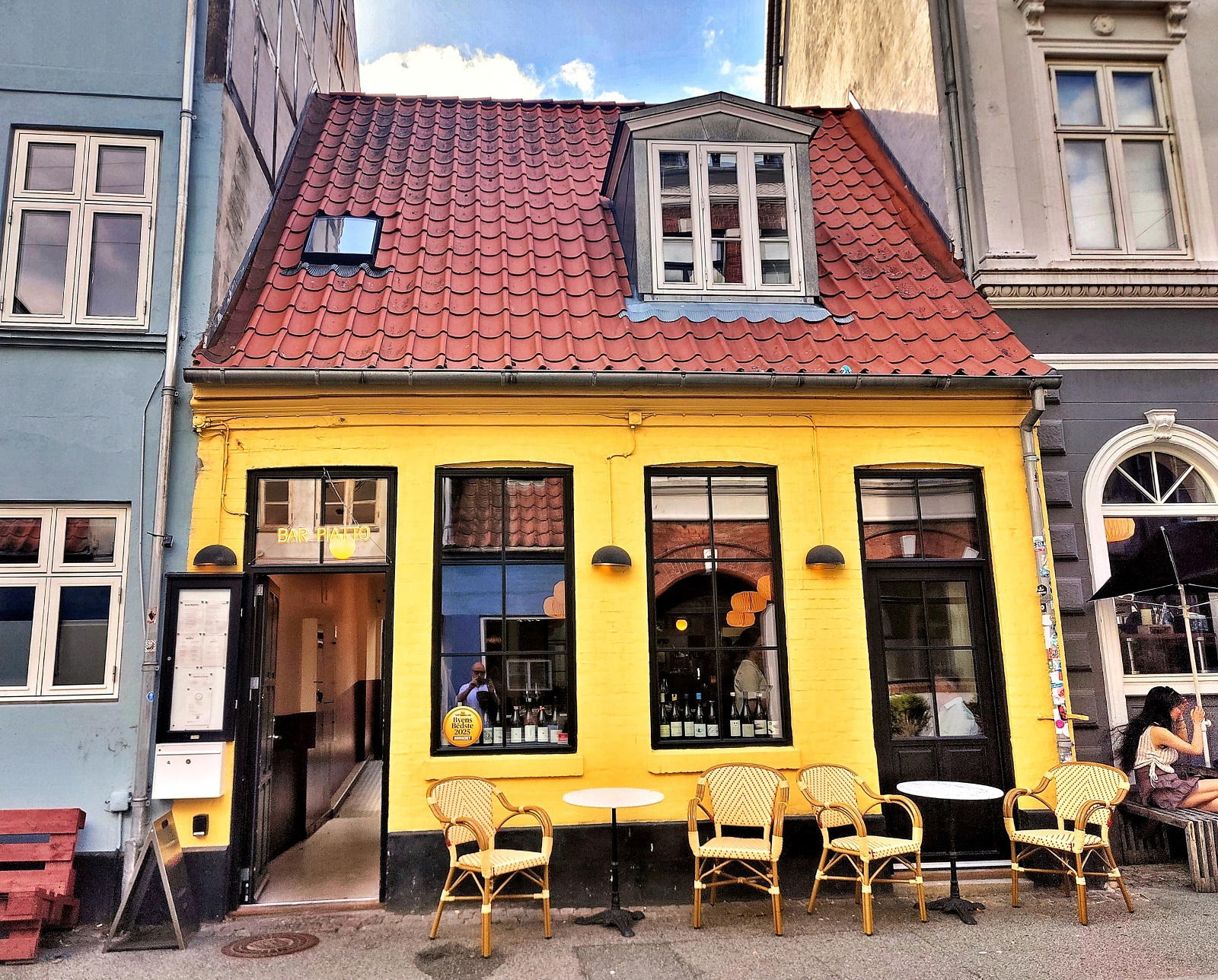
Bars in Aarhus
Browse all →
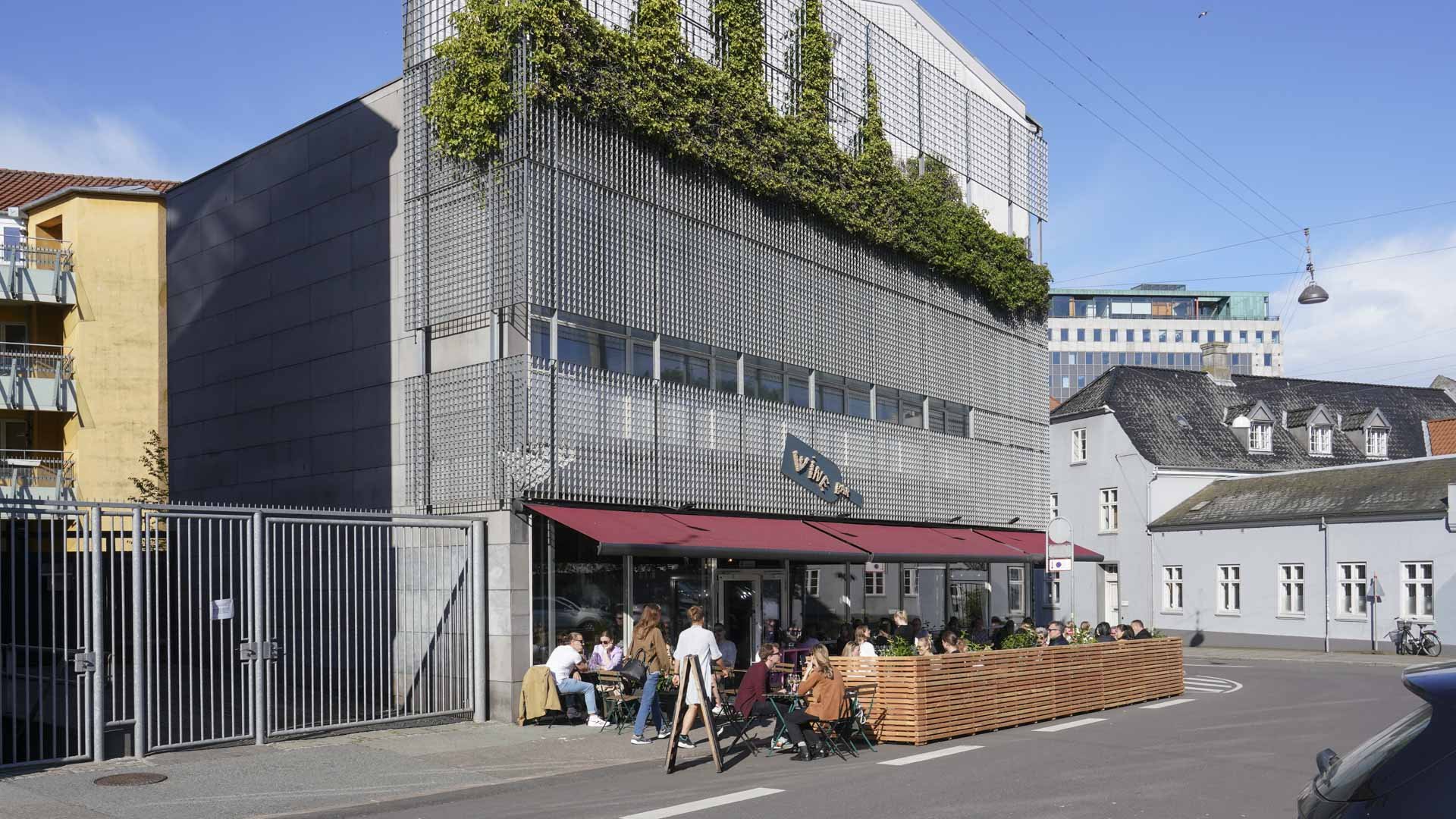
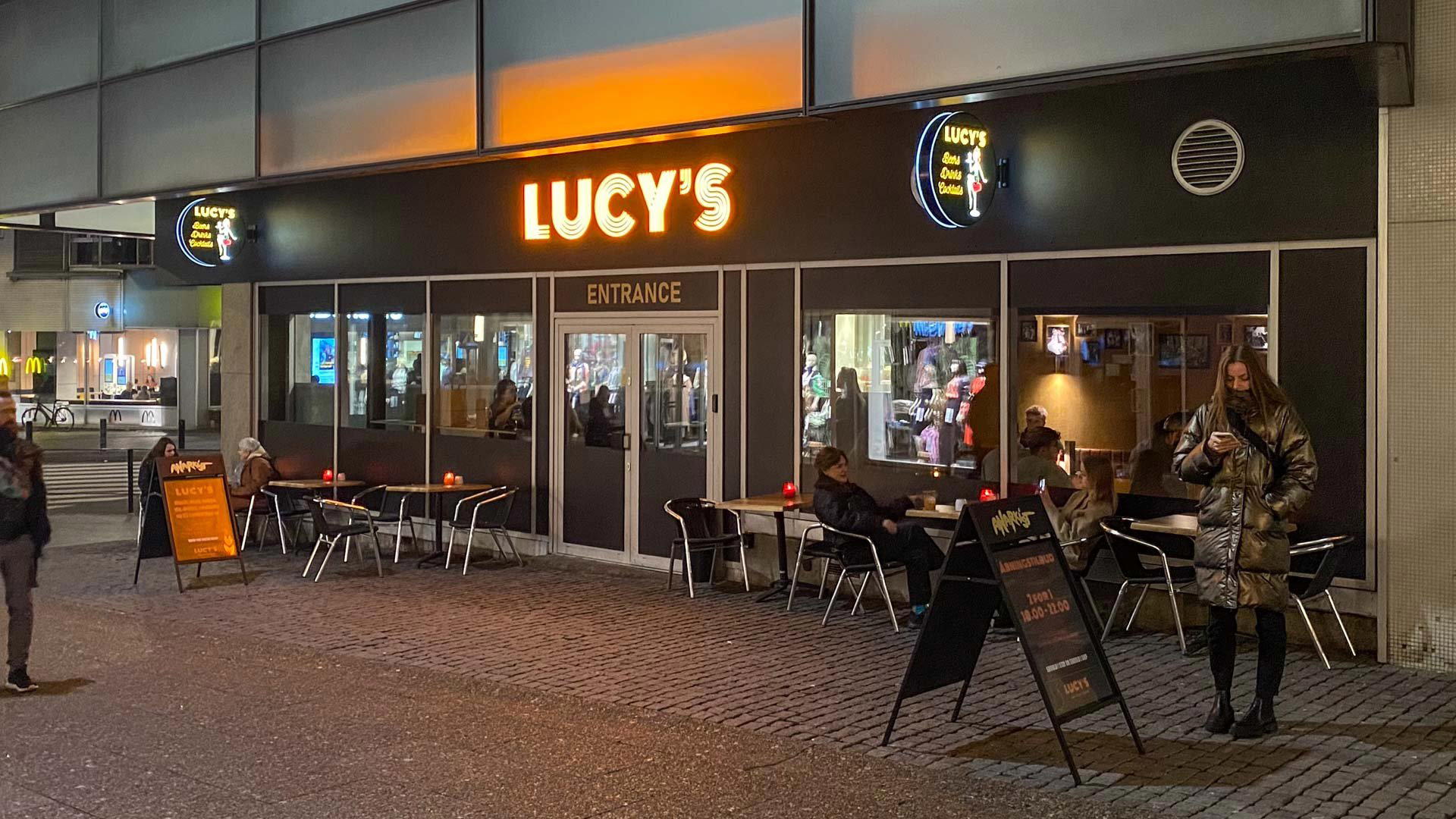
Hotels in Aarhus
Browse all →
Wineries in Aarhus
Browse all →
At a Glance
- Cozy
- Modern
- Business Dinner
- Casual Hangout
- Hotel Restaurant
- Open Kitchen
- Standalone
- Extensive Wine List
- Local Sourcing
- Organic
- Street Scene
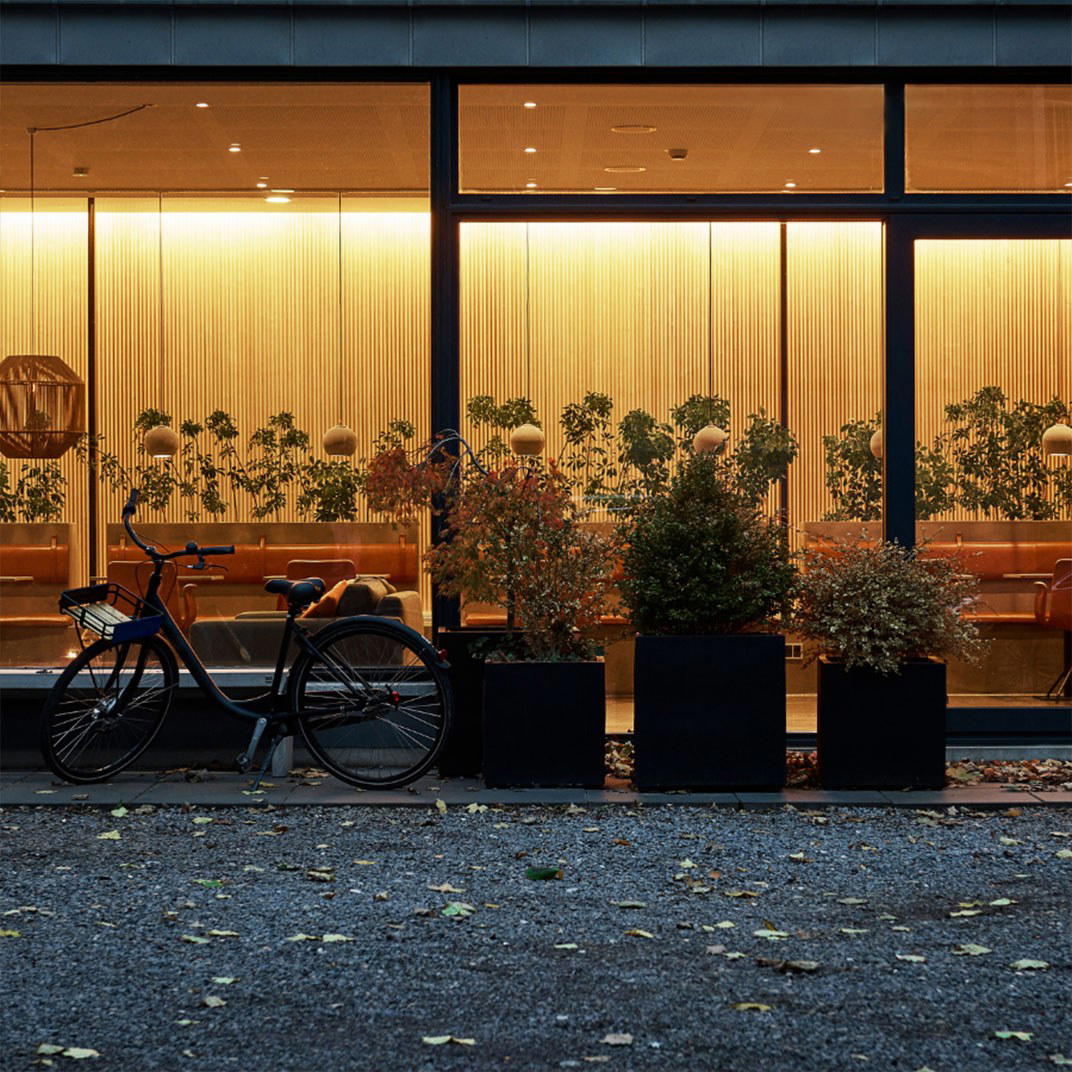
Cosy, urban hotel-restaurant atmosphere with an open kitchen.
Know Before You Go
- Getting there
- Værkmestergade 2, 8000 Aarhus, Denmark