Gasthof zum Kranz

A Michelin Plate-recognised Gasthof on the Swiss-German border, Gasthof zum Kranz brings seasonal cooking to a village setting in Lottstetten. The mid-range price point and traditional format make it one of the more accessible Michelin-acknowledged tables in the region. For seasonal, ingredient-led cooking in the southern Black Forest fringe, it is a serious option.
Pearl is the En Primeur Club membership app — saves, bookings, and concierge access live there. Same editors, same standards.
- Address
- Dorfstraße 23, 79807 Lottstetten, Germany
- Phone
- +49 7745 7302
- Website
- gasthof-zum-kranz.de
- Directions
- Get directions
 Saves & bookings on Pearl
A Village Table on the Swiss-German Border
The road into Lottstetten from the Rhine flatlands gives little away. The village sits in a quiet pocket of Baden-Württemberg, closer to Schaffhausen than to Freiburg, in the kind of agricultural corridor where the southern Black Forest meets the Swiss plateau. It is not a dining destination in the conventional sense, which is precisely why a Michelin-recognised address here carries more weight than it might in a city. Gasthof zum Kranz occupies Dorfstraße 23, the main village street, in the physical form of a traditional German Gasthof: a building type that has housed travellers, farmers, and locals for generations and that, in its better iterations, keeps that social function while tightening considerably in the kitchen.
The Gasthof format is worth understanding before arriving. Unlike the tasting-menu restaurant, which removes itself from everyday life to create a controlled experience, the Gasthof operates inside community life. It is a place where the same room can seat a table of retirees at lunch and a more deliberate dinner booking in the evening. That dual register is a feature, not a compromise. The leading Gasthöfe in the German-speaking world, and the alpine reaches of Austria and Switzerland that share the tradition, use their rootedness as an editorial position: the sourcing is local because the relationships are local, not because a marketing brief demanded provenance.
What the Michelin Plate Actually Means Here
Gasthof zum Kranz held the Michelin Plate in both 2024 and 2025. The Plate designation, introduced by Michelin as a category below the star tiers, signals that inspectors consider the cooking to be good by the standards of its type and price point, not merely adequate. In a region where three-star tables like Schwarzwaldstube in Baiersbronn and multi-star operations such as Aqua in Wolfsburg define the upper tier of German fine dining, the Plate at a mid-range Gasthof represents a different conversation entirely. The comparison set is not Vendôme in Bergisch Gladbach or CODA Dessert Dining in Berlin. It is the broader population of regional restaurants at the €€ price band, most of which receive no Michelin attention at all.
Consistency matters here. A single-year Plate could reflect an inspector's good evening. Two consecutive years, 2024 and 2025, suggests the kitchen is operating at a repeatable standard. The two signals together, institutional recognition and sustained public scoring, point in the same direction.
Seasonal Cooking in an Agricultural Border Region
The cuisine type listed for Gasthof zum Kranz is seasonal, which in this part of Germany carries specific geographic meaning. The Rhine Valley and the Black Forest fringe produce ingredients that move through the calendar in distinct phases: asparagus in spring, wild mushrooms and game in autumn, root vegetables and preserved preparations through winter. The Swiss border proximity adds another dimension, cross-border sourcing in this area is a practical reality rather than a talking point, with Swiss dairy traditions and Alsatian agricultural patterns both within reach.
Seasonal cooking at the Gasthof level differs structurally from the seasonal tasting menus at starred addresses like ES:SENZ in Grassau or Schanz in Piesport. There, seasonality is curated into a fixed progression. At a Gasthof, it tends to express itself through the à la carte or daily-changing sections of a menu that otherwise anchors itself in regional classics. The skill lies in knowing which seasonal ingredients the kitchen can handle with confidence and which to leave to specialists. A Michelin Plate two years running suggests that judgement is being exercised well.
For comparable seasonal cooking at the Gasthof scale in the broader alpine region, Kirchenwirt in Leogang offers a useful parallel, a traditional inn format making a serious case through ingredient sourcing rather than technical ambition. Across the border in Luxembourg, Fields by René Mathieu operates at a different scale but shares the same foundational argument: that proximity to primary ingredients produces a different kind of cooking than urban supply chains allow.
The Case for Sourcing at This Price Point
The €€ price range is significant context. At the upper tiers of German fine dining, the tables covered by Restaurant Haerlin in Hamburg, Victor's Fine Dining by Christian Bau in Perl, or Waldhotel Sonnora in Dreis, sourcing budgets allow for premium producers at every line of the menu. At €€, the sourcing decisions are more constrained, which makes the choices more revealing. Prioritising local seasonal produce at a mid-range price point means accepting trade-offs elsewhere: portion architecture, labour-intensive preparations, or imported luxury items all cost money that has to come from somewhere.
That the kitchen at the restaurant maintains Michelin recognition at this price band implies it is making those trade-offs in favour of ingredient quality rather than against it. That is not a universal choice in the category, and it is what distinguishes a Plate-worthy Gasthof from a competent one.
Planning Your Visit
Lottstetten is a small municipality, and visitors arriving from outside the immediate region will typically approach via the A98 or through the Swiss border crossing near Jestetten. Reservations are recommended, particularly at weekends. Equally, a day trip from the Basel or Schaffhausen side of the border makes geographic sense, the drive is short and the cross-border wine and food culture of this corridor gives the meal additional context.
Fast Comparison
Comparable venues nearby, for context on price, style, and recognition.
| Venue | Cuisine | Price | Awards | Notes |
|---|---|---|---|---|
| Gasthof zum KranzThis venue — the venue you are viewing | Modern German Regional | $$$ | Michelin Plate | Not listed |
| Die Klosterschänke | German Regional with Italian Influences | $$$ | Michelin Plate | Baden-Baden Weinberge |
| Meet & Eat by Sandro | Modern German Fine Dining | $$$ | Michelin Plate | City Center |
| Adler Stuben | Regional Baden & International Fine Dining | $$$ | Michelin Plate | Hinterzarten |
| Torkel | Modern German Fine Dining with Mediterranean Influences | $$$ | Michelin Plate | Nonnenhorn |
| Winzerhaus Rebstock | Traditional Badisch-Alsatian Regional Cuisine | $$$ | Michelin Plate | Vogtsburg im Kaiserstuhl |
Recognition history
Dated appearances from independent guides and award organizations, with the underlying list record or original source where available.
Michelin Plate
Michelin · 2026 Michelin Plate
Michelin Plate
Michelin
Michelin Plate
Michelin
Continue exploring
More in Lottstetten
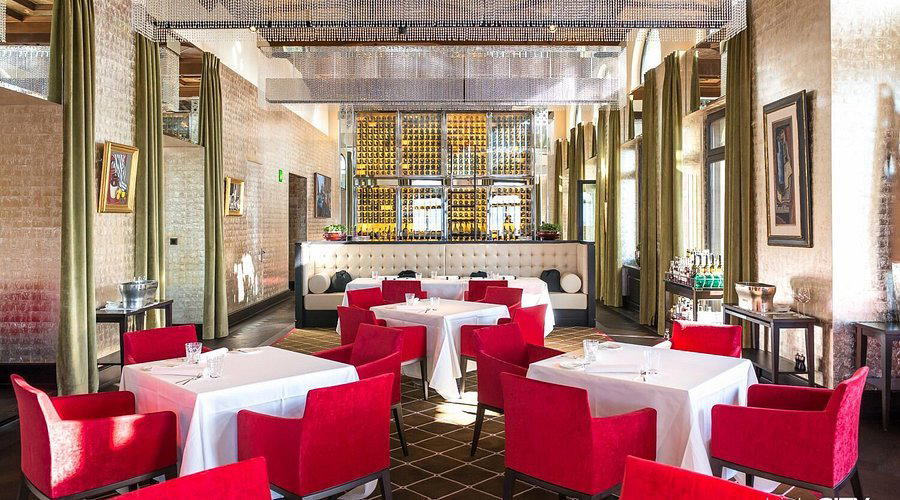
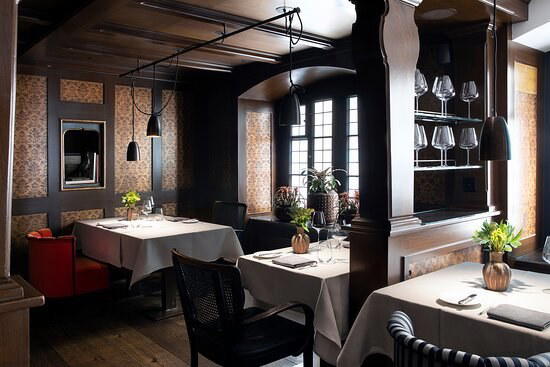
Restaurants in Lottstetten
Browse all →
Bars in Lottstetten
Browse all →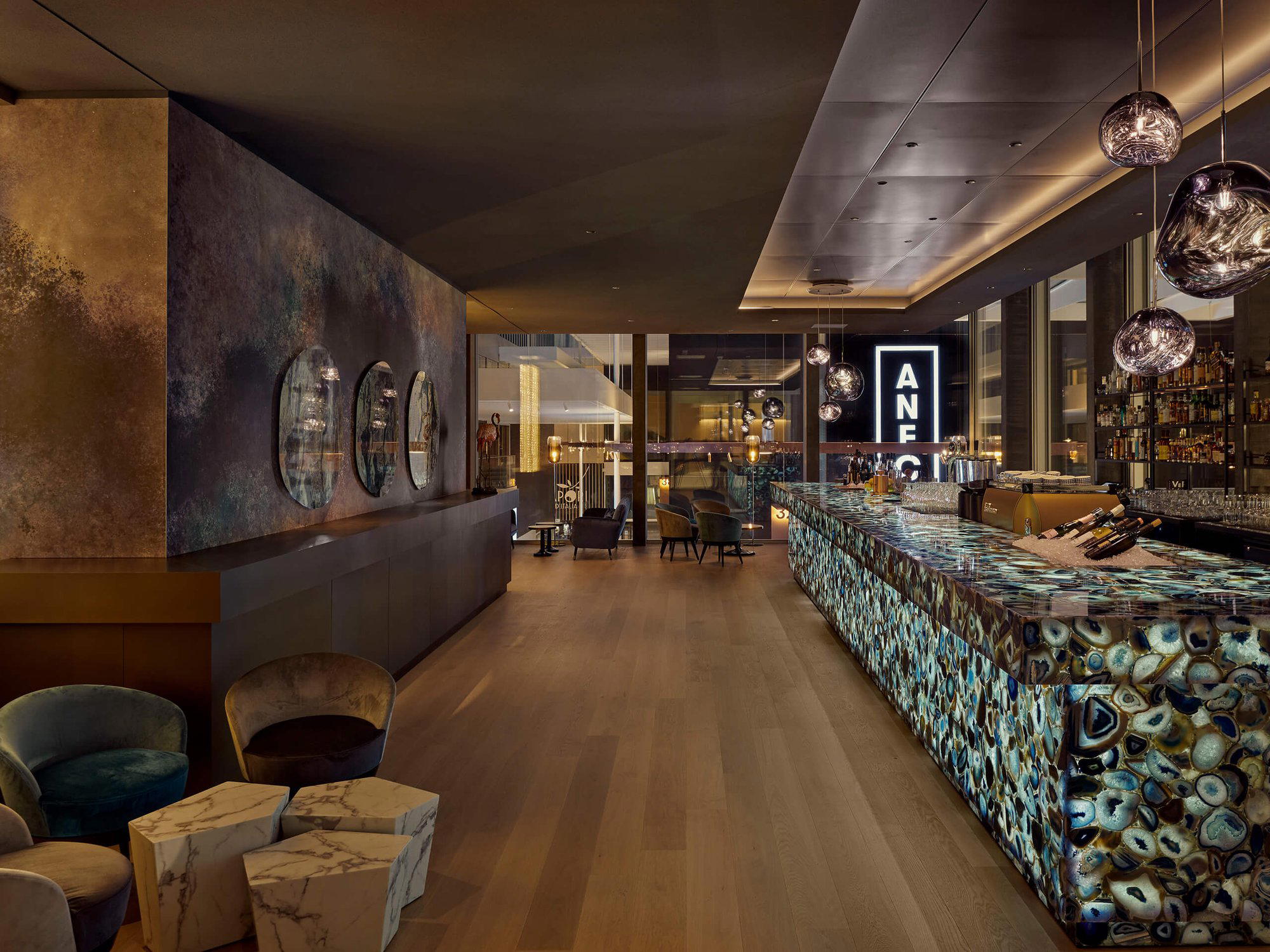
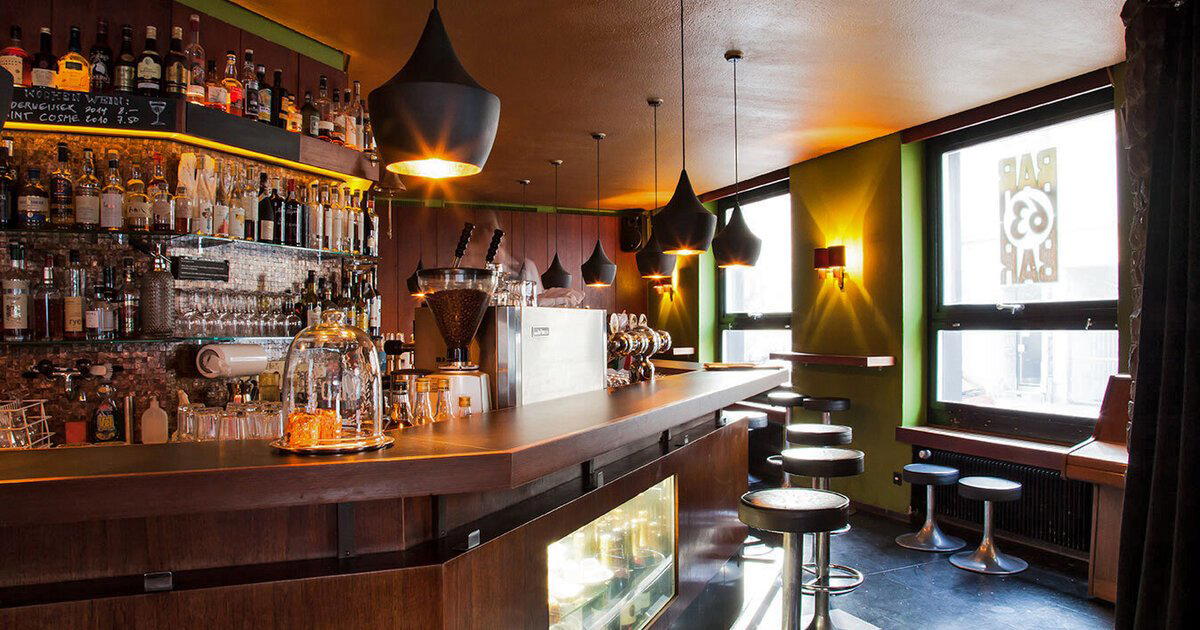
Hotels in Lottstetten
Browse all →
At a Glance
- Cozy
- Rustic
- Elegant
- Classic
- Date Night
- Family
- Special Occasion
- Group Dining
- Terrace
- Historic Building
- Extensive Wine List
- Local Sourcing
Current opening hours
- Monday
- 11 AM–2:30 PM, 5:30 PM–12 AM
- Tuesday
- Closed
- Wednesday
- Closed
- Thursday
- 11 AM–2:30 PM, 5:30 PM–12 AM
- Friday
- 11 AM–2:30 PM, 5:30 PM–12 AM
- Saturday
- 11 AM–2:30 PM, 5:30 PM–12 AM
- Sunday
- 11 AM–2:30 PM, 5:30 PM–12 AM
Hours can change for holidays and private events. Last verified .
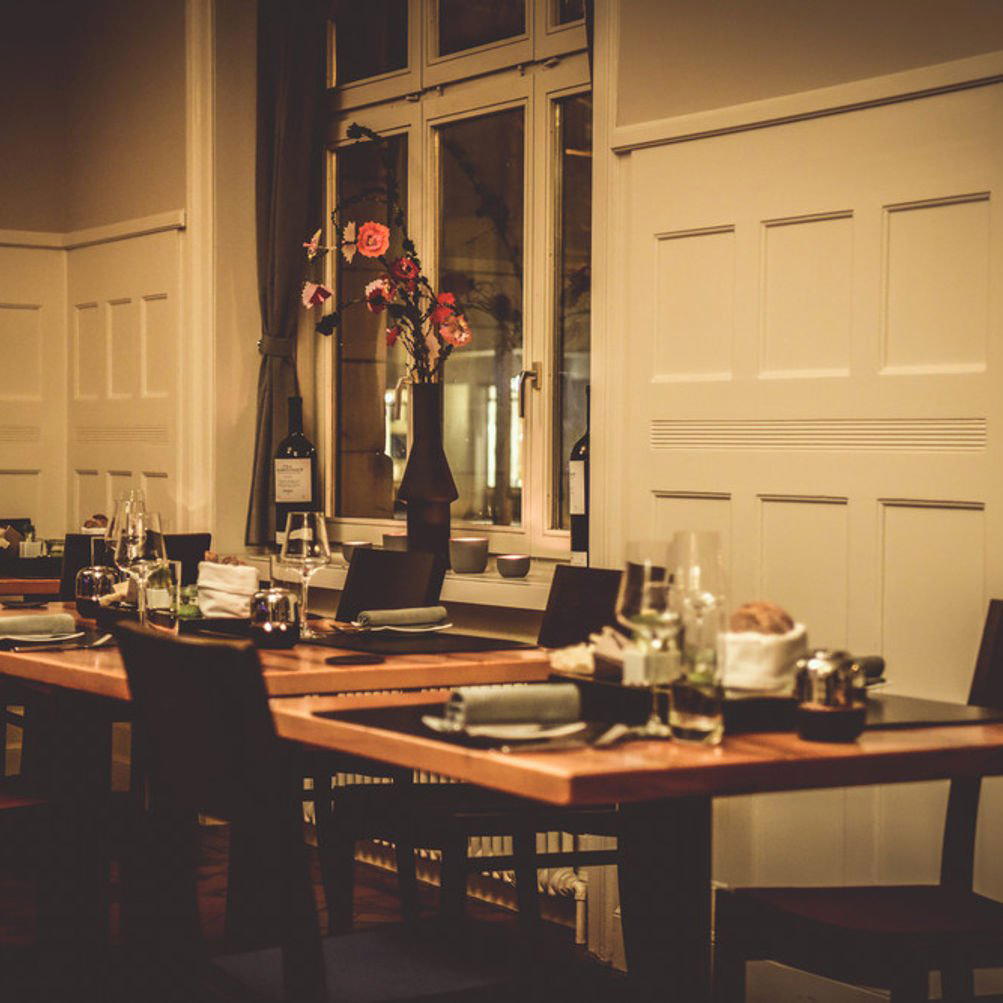
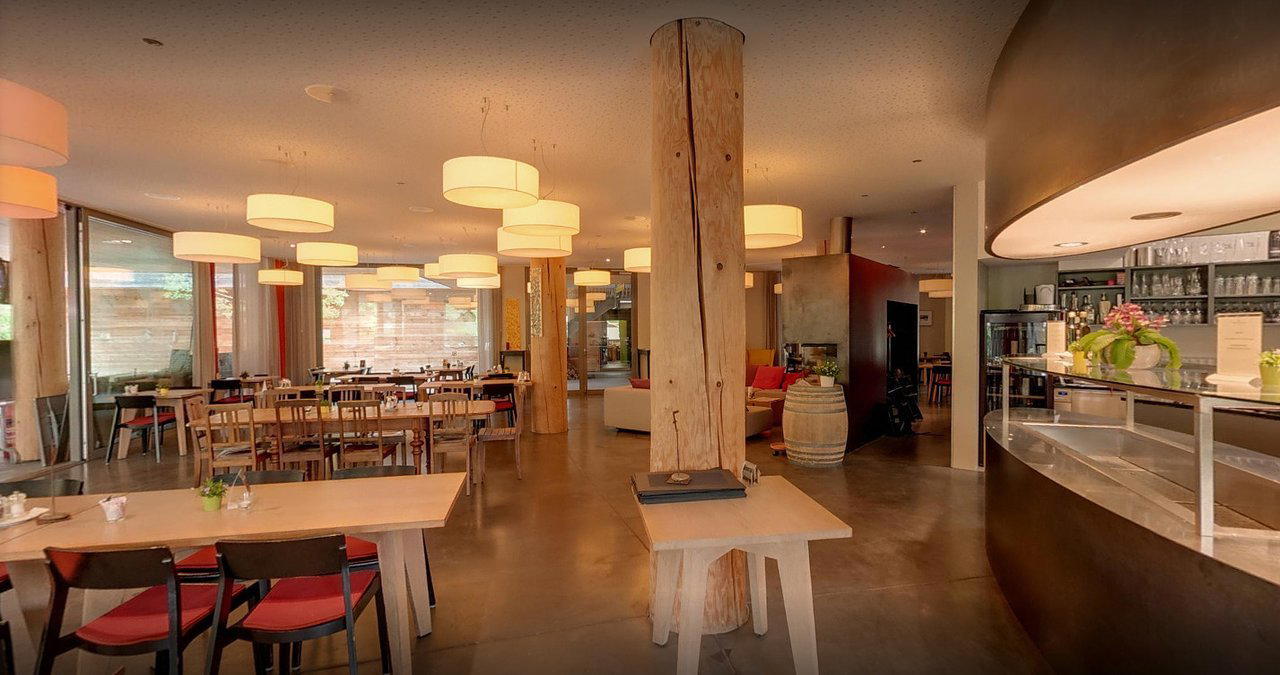
Modern minimalist interior with elegant white tablecloths, tea lights, fresh flowers, and a mix of eichenholz, nussbaum, and loden for cozy gemütlichkeit.