Die Klosterschänke

A family-run restaurant a few kilometres outside Baden-Baden's centre, Die Klosterschänke holds a 2024 Michelin Plate for regional and seasonal cooking that draws from both Black Forest tradition and Italian technique. The terrace looks across the Rhine plain, and the menu runs from classic cordon bleu with Black Forest ham and Alpine cheese to saltimbocca alla romana.
Pearl is the En Primeur Club membership app — saves, bookings, and concierge access live there. Same editors, same standards.
- Address
- Klosterschänke 1, 76530 Baden-Baden, Germany
- Phone
- +49 7221 25854
- Directions
- Get directions
 Saves & bookings on Pearl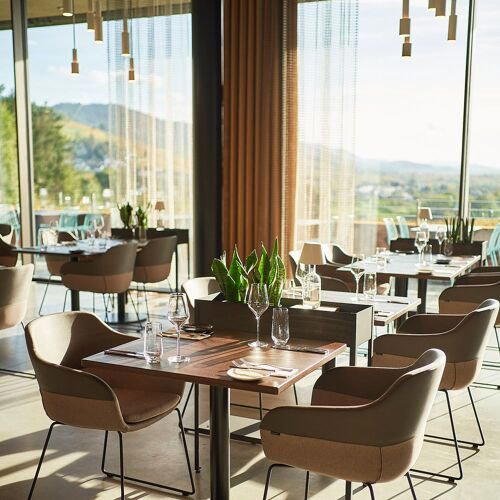
Where the Black Forest Meets the Rhine Plain
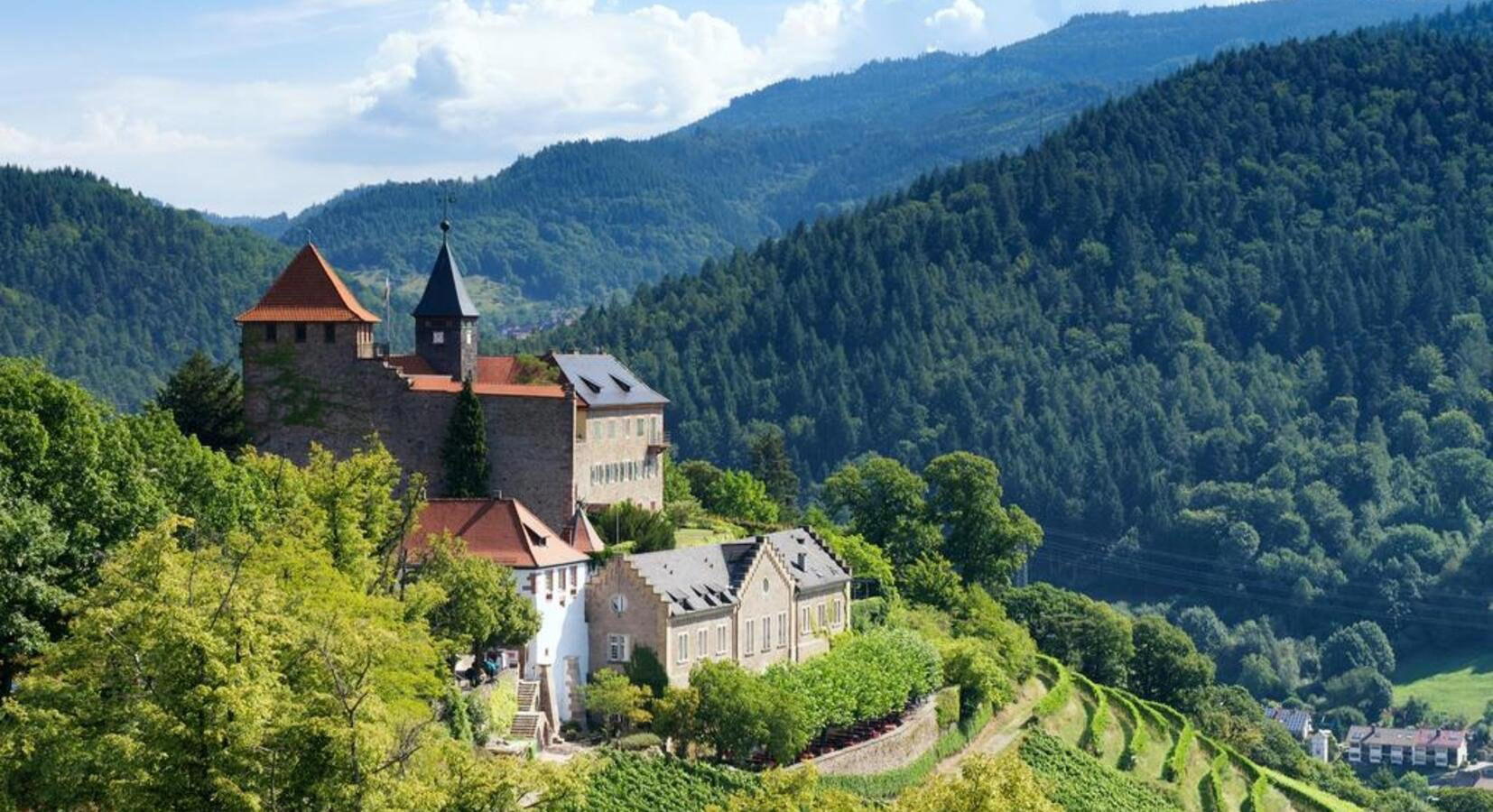
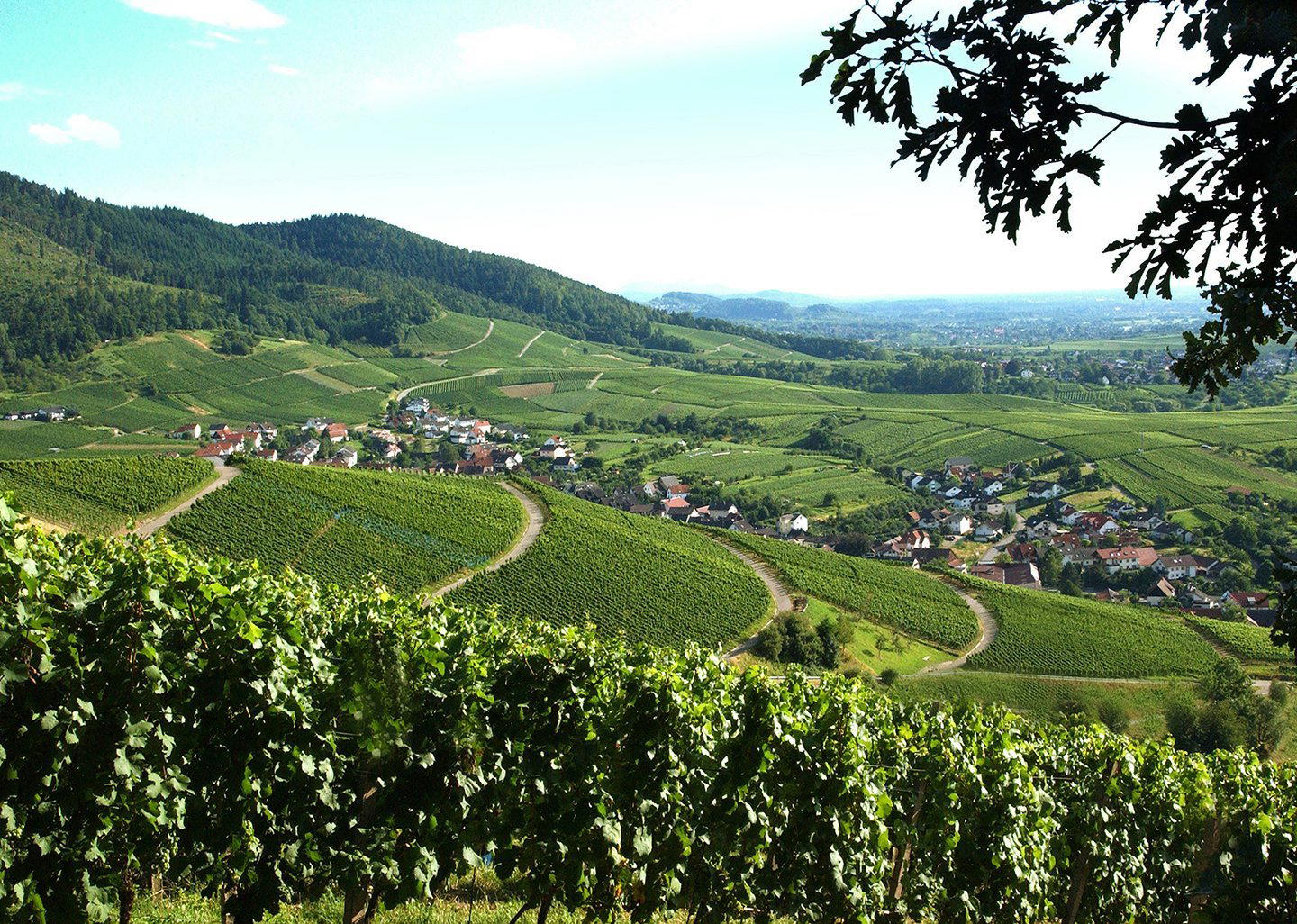
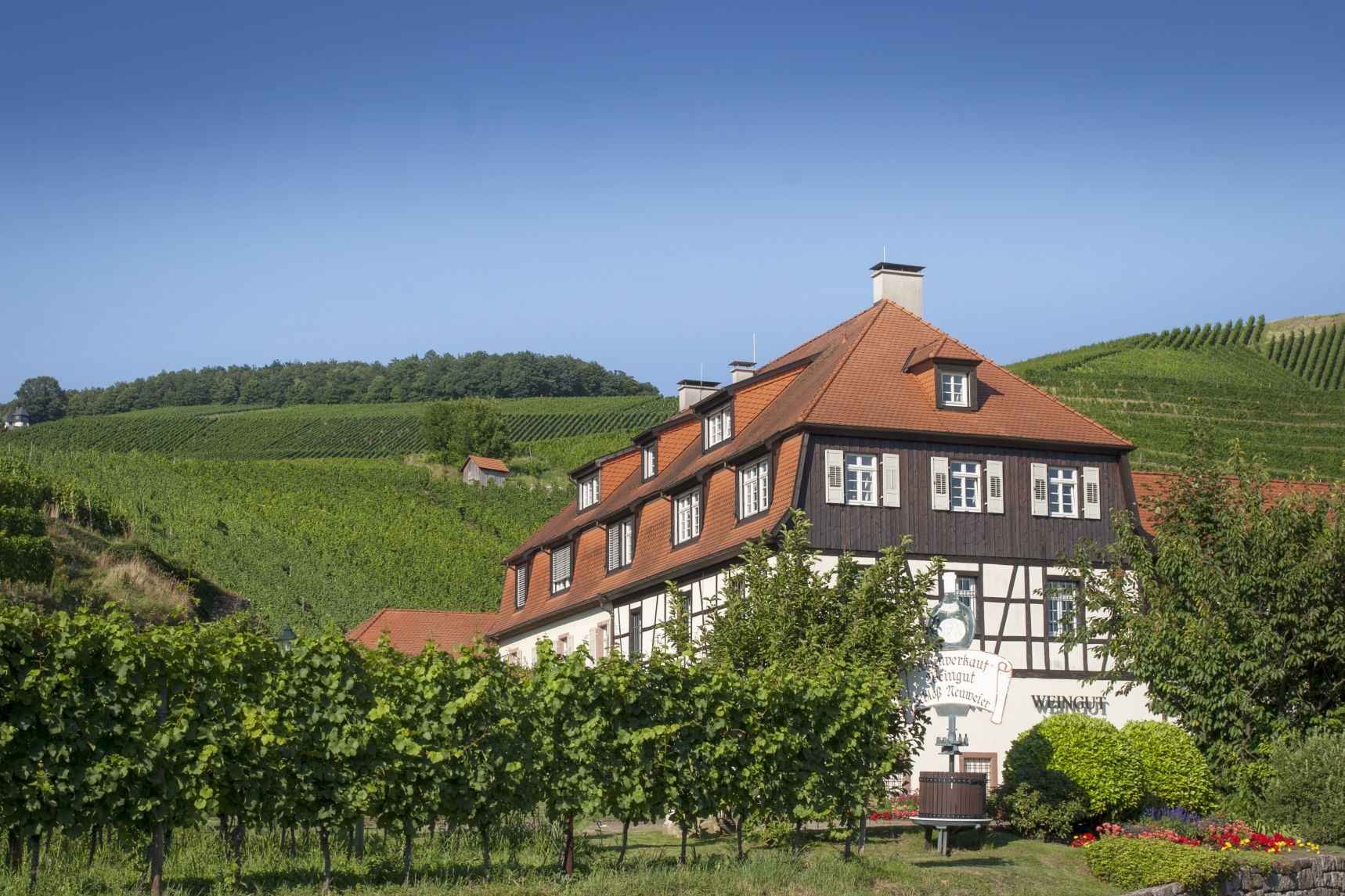
A few kilometres outside Baden-Baden's spa-town centre, the road climbs through vineyard and forest before opening onto the kind of view that clarifies why this corner of Baden-Württemberg has drawn visitors for centuries. The Rhine plain stretches westward from the terrace at Die Klosterschänke, and on a clear day the Alsatian hills resolve in the distance beyond the river. This is not the curated grandeur of a hotel dining room: it is a working agricultural landscape seen from a table, and the food served here is in honest conversation with that setting.
Baden-Baden's restaurant scene divides fairly cleanly between the high-format end, where Le Jardin de France im Stahlbad and Maltes hidden kitchen operate Michelin-starred rooms at the €€€€ tier, and a cluster of mid-price regional tables that serve the town's substantial local dining population rather than solely its international spa guests. Die Klosterschänke belongs to the second group, sharing that tier with Heiligenstein, and the 2024 Michelin Plate signals that the guide's inspectors consider the kitchen here worth noting within that competitive set.
Regional Sourcing as the Kitchen's Foundation
The Black Forest and the Upper Rhine valley together form one of Germany's most productive larders. Black Forest ham is not a marketing category here but a cured product with a defined regional identity: cold-smoked over fir and spruce, dried in the forest air, and tied to a specific altitude and climate that separates it from lowland equivalents. When a kitchen in this geography puts cordon bleu on the menu, the choice of Black Forest ham as the filling is an ingredient decision with meaning, one that places the dish inside a sourcing logic rather than simply a comfort-food tradition.
The Alpine cheese component extends that logic further. Baden-Württemberg sits at the junction of three cheese-producing Alpine cultures: German, Swiss, and Austrian. Choosing Alpine cheese over a generic gruyère or emmental reflects the same sourcing instinct that distinguishes regional cooking across the German-speaking south from the more generic European brasserie format. Restaurants further south in the Black Forest, such as Schwarzwaldstube in Baiersbronn, have long demonstrated how seriously this region's kitchens can take local ingredient identity; Die Klosterschänke applies the same principle at a different price point and in a more accessible format.
Seasonal cooking in this latitude follows a pronounced rhythm. Spring brings asparagus from the sandy Rhine plain soils, white asparagus cultivation has a centuries-long history on the German side of the Upper Rhine, while autumn pulls in game, mushroom, and late stone fruit. A menu described as regional and seasonal in Baden-Württemberg is therefore not a vague marketing claim but a kitchen commitment that changes what appears on the plate depending on when you visit. For travellers working through Baden-Baden's broader restaurant options, understanding this seasonal logic helps set expectations: the menu in April will not match the menu in October, and that variation is precisely the point.
The Italian Thread
The restaurant's saltimbocca alla romana represents a second strand in the kitchen's identity, one that reflects the chef's background. This is not fusion or novelty; saltimbocca, veal, prosciutto, sage, finished in white wine, is a preparation with a specific Roman origin and a technique that demands precise timing on the veal to prevent the prosciutto from over-crisping before the meat is cooked through. On a menu that also carries Black Forest cordon bleu, the Italian dishes function as a parallel track rather than a decorative addition, suggesting a kitchen genuinely fluent in both traditions rather than deploying one as a foil for the other.
This kind of regional-plus-Italian pairing appears with some frequency in southern German restaurants, particularly in Baden-Württemberg and Bavaria, where proximity to the Alps and historical trade and migration routes have made Italian ingredients and techniques a natural kitchen influence. The pattern appears at different price tiers across the region, including at Haubentaucher in Rottach-Egern and, at the sharper end of modern cooking, in kitchens like Loumi in Berlin, where Italian and central European references intersect. At the restaurant, the combination reads as earned rather than borrowed.
The Terrace and the Setting
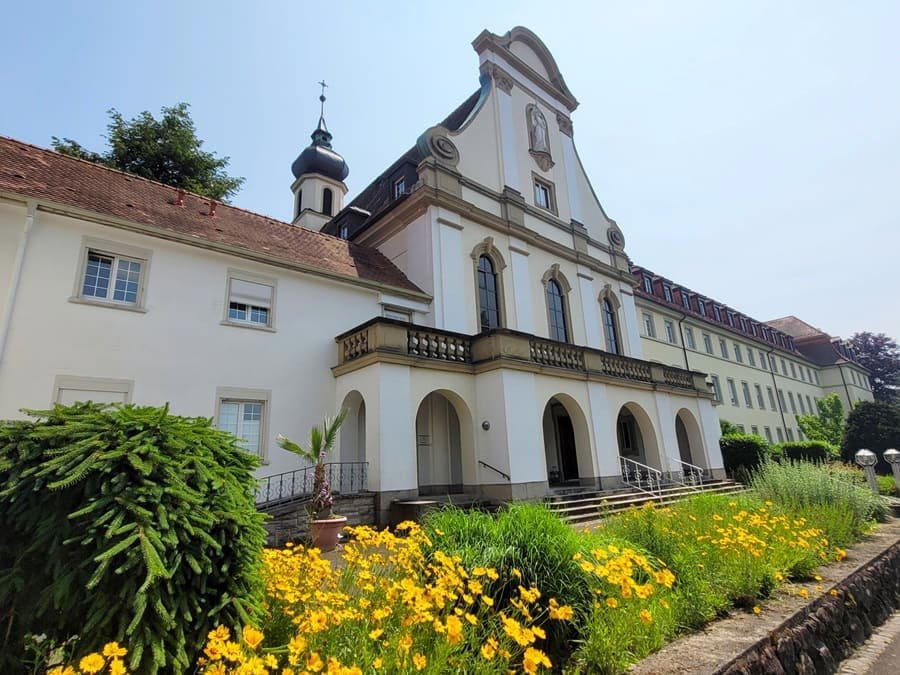
The terrace is the feature that separates the restaurant from comparable mid-price regional tables in Baden-Baden's centre. The view across the Rhine plain is a genuine draw, and the family-run character of the operation suggests consistent hospitality rather than the variable quality that can affect independently operated restaurants without a stable management structure.
For comparison, Nigrum and moriki address different registers of Baden-Baden's dining scene, the former in contemporary European territory, the latter in Asian cuisine at the €€€ tier, and neither competes directly with the restaurant's outdoor-terrace, regional-family-restaurant position. The Michelin Plate, awarded in 2024, is the guide's signal that a restaurant is producing good cooking without yet reaching the starred tiers; within the €€ price bracket, it is a meaningful differentiator.
Planning Your Visit
The restaurant sits a few kilometres from Baden-Baden's central thermal district, which means it requires a short drive or taxi rather than a post-spa walk. That mild inconvenience filters out the casual drop-in traffic and contributes to the sense that guests at the restaurant have chosen to be there specifically, rather than arrived because it was the closest option.
Side-by-Side Snapshot
Comparable venues nearby, for context on price, style, and recognition.
| Venue | Cuisine | Price | Awards | Notes |
|---|---|---|---|---|
| Die KlosterschänkeThis venue — the venue you are viewing | German Regional with Italian Influences | $$$ | Michelin Plate | Not listed |
| Weinstube zum Engel | Modern Regional Baden Cuisine | $$$ | Bib Gourmand | Neuweier |
| Weinstube Baldreit | Traditional German Wine Tavern | $$ | Michelin Plate | old town |
| Fritz & Felix | Modern Black Forest Fine Dining | $$$ | Not listed | Baden-Baden Center |
| moriki | Japanese Fusion Sushi | $$$ | Michelin Plate | city center |
| Heiligenstein | Classic Seasonal German | $$$ | Michelin Plate | Rebland |
Recognition history
Dated appearances from independent guides and award organizations, with the underlying list record or original source where available.
Michelin Plate
Michelin · 2026 Michelin Plate
Michelin Plate
Michelin
Michelin Plate
Michelin
Continue exploring
More in Baden-Baden
Restaurants in Baden-Baden
Browse all →
Bars in Baden-Baden
Browse all →
Hotels in Baden-Baden
Browse all →
At a Glance
- Cozy
- Rustic
- Scenic
- Date Night
- Family
- Business Dinner
- Terrace
- Historic Building
- Extensive Wine List
- Local Sourcing
- Vineyard
- Street Scene
Current opening hours
- Monday
- Closed
- Tuesday
- Closed
- Wednesday
- 5:30–9:30 PM
- Thursday
- 5:30–9:30 PM
- Friday
- 5:30–9:30 PM
- Saturday
- 5:30–9 PM
- Sunday
- 11:30 AM–2 PM, 5:30–9:30 PM
Hours can change for holidays and private events. Last verified .
Warm, welcoming, cozy atmosphere with beautiful terrace views.