Gasthof Schütte

Michelin Plate
Our verdict
Gasthof Schütte holds consecutive Michelin Plate recognition (2024 and 2025), placing it among the more consistently regarded regional tables in the Sauerland. The kitchen draws on the agricultural traditions of the surrounding hills, making it a reliable address for guests who want Westphalian cooking grounded in local produce rather than imported technique.

Pearl is the En Primeur Club membership app, where members save venues, book tables and use the concierge.
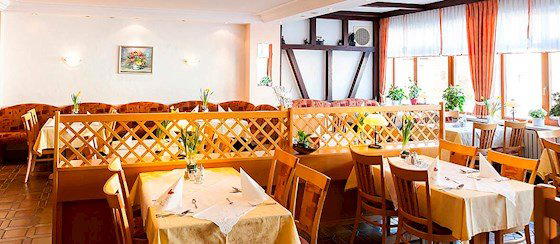
Where the Sauerland Comes to the Table
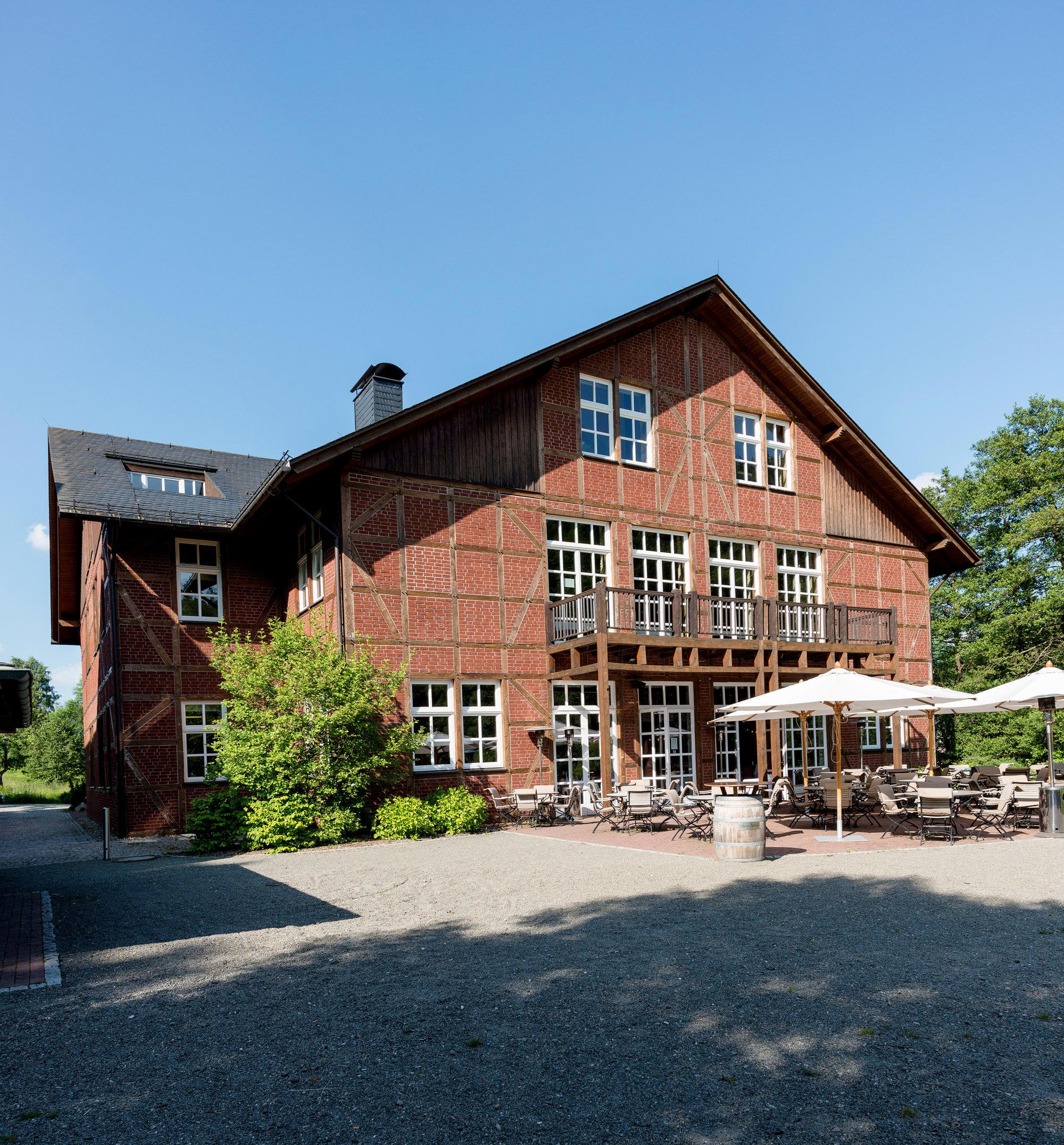
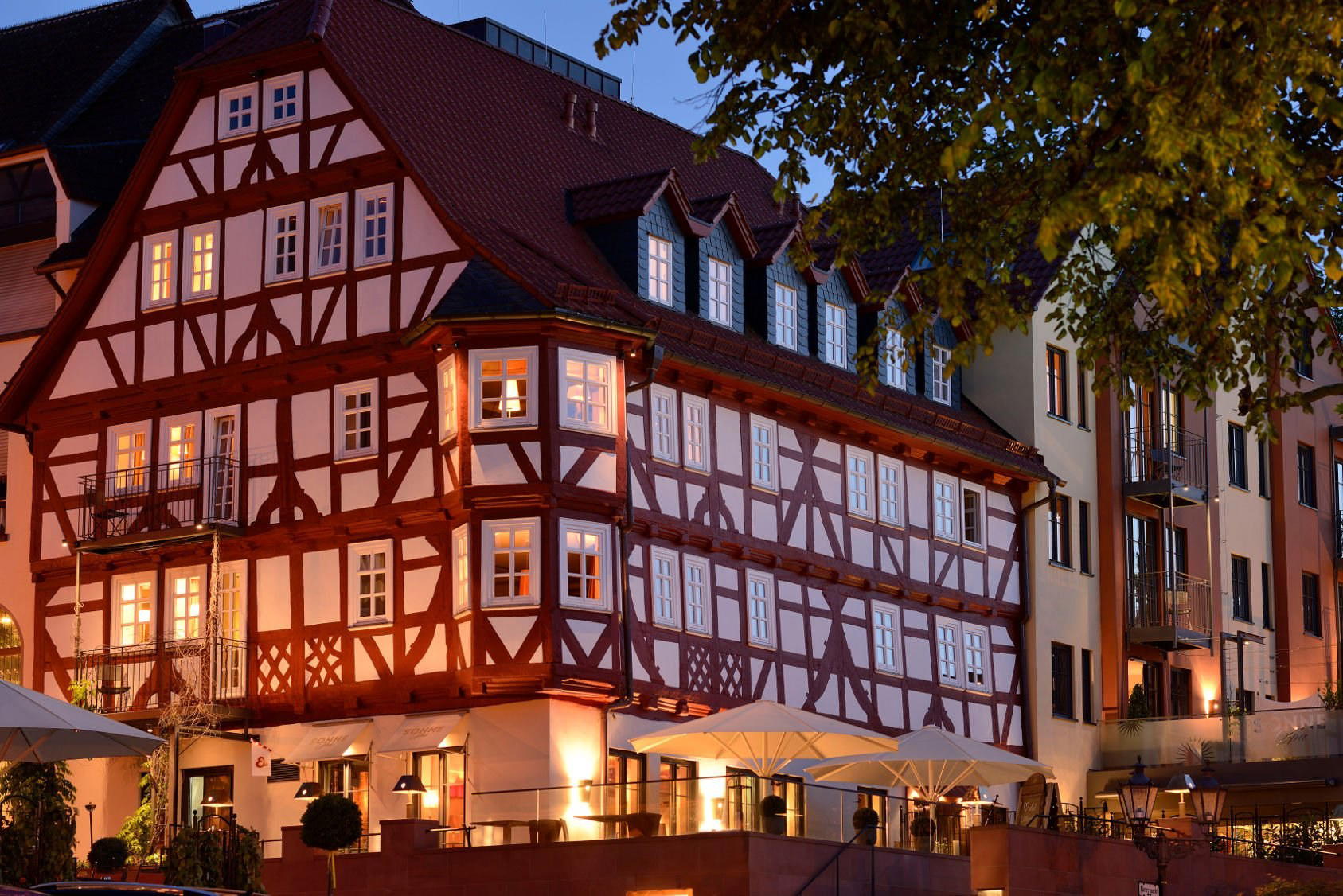
Approaching Eggeweg 2 in Schmallenberg, the setting does the framing work before the food arrives. The Sauerland's rolling forested hills press close to the town, and the visual logic of a traditional Gasthof, solid, pitched-roof, rooted, reads as a promise about what will follow. This is a part of Germany where the landscape has always shaped the plate, and regional kitchens like Gasthof Schütte operate as an argument that proximity to source still matters in an era when supply chains have made geography largely optional. In that sense, the dining room is less a departure point and more a destination in itself.
Regional Cuisine and What It Actually Means in the Sauerland
German regional cuisine carries a specific set of pressures. The category has to resist two competing gravitational pulls: the nostalgic, heavy-handed version that tourists expect, and the fully modernised version that loses local identity in the process of refinement. The Sauerland sits within a broader Westphalian culinary tradition defined by game, freshwater fish, rye breads, and dairy from upland pastures, ingredients that reflect altitude, climate, and a farming culture shaped more by cattle and forest than by river-valley viticulture.
Gasthof Schütte holds consecutive Michelin Plate awards for 2024 and 2025, a recognition tier that signals consistent quality at the table rather than aspirational fine dining. The Michelin Plate is not the same credential as a star, but it is a deliberate editorial position by the guide: this kitchen cooks well and delivers on what it promises. For a regional Gasthof in a town of fewer than 25,000 people, back-to-back Plate recognition is a meaningful signal about consistency and seriousness of kitchen intent. For context on what the top end of German restaurant culture looks like, venues such as Aqua in Wolfsburg and Schwarzwaldstube in Baiersbronn operate at three Michelin stars, a different price tier and format altogether. Gasthof Schütte's position at €€ pricing anchors it as everyday-serious rather than occasion-extravagant.
Ingredient Sourcing as the Kitchen's Core Logic
In a region like the Sauerland, the sourcing argument is not a marketing posture, it is a structural reality. The hills around Schmallenberg support cattle farming, game hunting, and the kind of small-scale dairy and produce cultivation that has supplied local kitchens for generations. A Gasthof that draws on these inputs is not importing a philosophy from somewhere else; it is expressing what the immediate geography offers.
This matters because the alternative, flying in produce to dress up a regional menu, has become increasingly common at aspirational German addresses. The integrity of a kitchen at this price point often depends precisely on whether its sourcing is genuinely local or merely locally themed. The Sauerland's relative insularity as a destination, sitting inland from the Rhine-Ruhr corridor without the tourist saturation of the Moselle or Black Forest, has kept its food culture closer to agricultural rhythm. Compare this to kitchens such as Schanz in Piesport or Waldhotel Sonnora in Dreis, which operate within wine country settings that pull kitchen identity toward pairing-driven cuisine. Sauerland cooking has no such anchor; it is shaped by land rather than vine, which gives its regional kitchens a different set of primary ingredients to work with.
For a useful peer comparison beyond Germany's borders, Gannerhof in Innervillgraten and Fahr in Künten-Sulz represent the Alpine and Swiss-regional equivalents of this format: kitchens where local sourcing is a structural condition of cooking rather than a stated aspiration. Gasthof Schütte belongs to the same tradition, adapted to a Westphalian rather than Alpine context.
Standing in the Schmallenberg Dining Scene
Schmallenberg's restaurant offering is narrow by urban standards, but it includes more serious cooking than a town of its scale would typically support. The local tourism draw, concentrated around outdoor recreation and spa culture in the Rothaargebirge hills, creates a guest base willing to pay for good food without necessarily demanding formal fine dining. Hofstube Deimann represents the modern cuisine end of the local range; Gasthof Schütte occupies the regional, grounded end. Together they map out a dining scene that punches above its demographic weight.
High average ratings on large review samples tend to reflect consistency more than peak performance, guests return reliably and find what they expected. That pattern aligns with the Michelin Plate designation, which itself rewards consistency and honest delivery over ambition or spectacle.
For those building a wider trip around German restaurant culture, the contrast between Schmallenberg's regional kitchens and the creative fine dining concentrated in Germany's cities, places like CODA Dessert Dining in Berlin, JAN in Munich, or Vendôme in Bergisch Gladbach, is instructive. Urban German fine dining has moved toward international technique and global influence. Sauerland cooking at its better addresses moves in the opposite direction, toward specificity of place. Both are serious, but they are asking different questions.
Planning Your Visit
Gasthof Schütte sits at €€ pricing, which in the German Gasthof context means honest regional cooking at moderate cost, a meal with multiple courses will not require the advance financial planning of a starred urban tasting menu. The address at Eggeweg 2 places it in Schmallenberg proper, accessible by car from the wider Sauerland region. Schmallenberg is not served by direct rail links at the town level, so arriving by car from Cologne or Dortmund (each roughly 90 to 100 kilometres) is the practical route for most visitors. Booking in advance is advisable, particularly on weekends when the local and regional tourism trade increases. Those spending longer in the area will find the EP Club's full Schmallenberg restaurants guide, hotels guide, bars guide, wineries guide, and experiences guide useful for building out the visit beyond a single meal. For Germany-wide reference points at the decorated end of the spectrum, Restaurant Haerlin in Hamburg, Victor's Fine Dining by Christian Bau in Perl, and ES:SENZ in Grassau represent the country's top tier by Michelin count.
What Should I Eat at Gasthof Schütte?
Gasthof Schütte's Michelin Plate recognition and regional cuisine classification point toward Westphalian cooking built around local agricultural produce: expect the Sauerland's game, upland dairy, and seasonal field crops to anchor the menu rather than imported luxury ingredients. The €€ price point suggests a format where the interest lies in honest regional execution, well-sourced, properly cooked, without the theatrical scaffolding of urban tasting menus.
Frequently asked questions
Is Gasthof Schütte Michelin-listed?
Gasthof Schütte has received recognition including: Michelin Plate (2025); Michelin Plate (2024).
What should I eat at Gasthof Schütte?
Gasthof Schütte's two consecutive Michelin Plate awards (2024 and 2025) reflect cooking grounded in the Sauerland's own agricultural output: expect Westphalian-rooted dishes built around the region's pastoral and forest larder. The €€ price range signals multiple-course meals at moderate cost rather than a single-dish format, so ordering across the menu makes sense. The regional cuisine classification points toward preparations that follow seasonal availability in this part of the Hochsauerland.
What price level is Gasthof Schütte?
Pricing at Gasthof Schütte is listed as €€.
Quick Comparison
| Venue | Cuisine | Price | Awards | Notes |
|---|---|---|---|---|
| Gasthof SchütteThis venue (the venue you are viewing) | Regional German Classic Cuisine | Not listed | Michelin Plate | Not listed |
| Schwarzwaldstube | Modern French Fine Dining | $150–200 | 3 Michelin Stars · World's 50 Best #47 | French, Classic French |
| Aqua | Contemporary German, Italian/Japanese, Creative | Not listed | Michelin 3 Star | Not listed |
| CODA Dessert Dining | Dessert-Inspired Fine Dining | $200–300 | 2 Michelin Stars · World's 50 Best #79 | Creative |
| Tantris | Modern French, French Contemporary | Not listed | Michelin 2 Star | Not listed |
| Vendôme | Modern German Haute Cuisine | $200–300 | 2 Michelin Stars · World's 50 Best #47 | Modern European, Creative |
Recognition history
Dated appearances from independent guides and award organizations, with the underlying list record or original source where available.
Michelin Plate
Michelin
Full recognition history (3 entries)
Michelin Plate
Michelin
Michelin Plate
Michelin
Continue exploring
More in Schmallenberg
Details
- Rustic
- Cozy
- Classic
- Family
- Celebration
- Special Occasion
- Historic Building
- Extensive Wine List
- Local Sourcing
- A La Carte
- Vegetarian Friendly
- Gluten Free Options
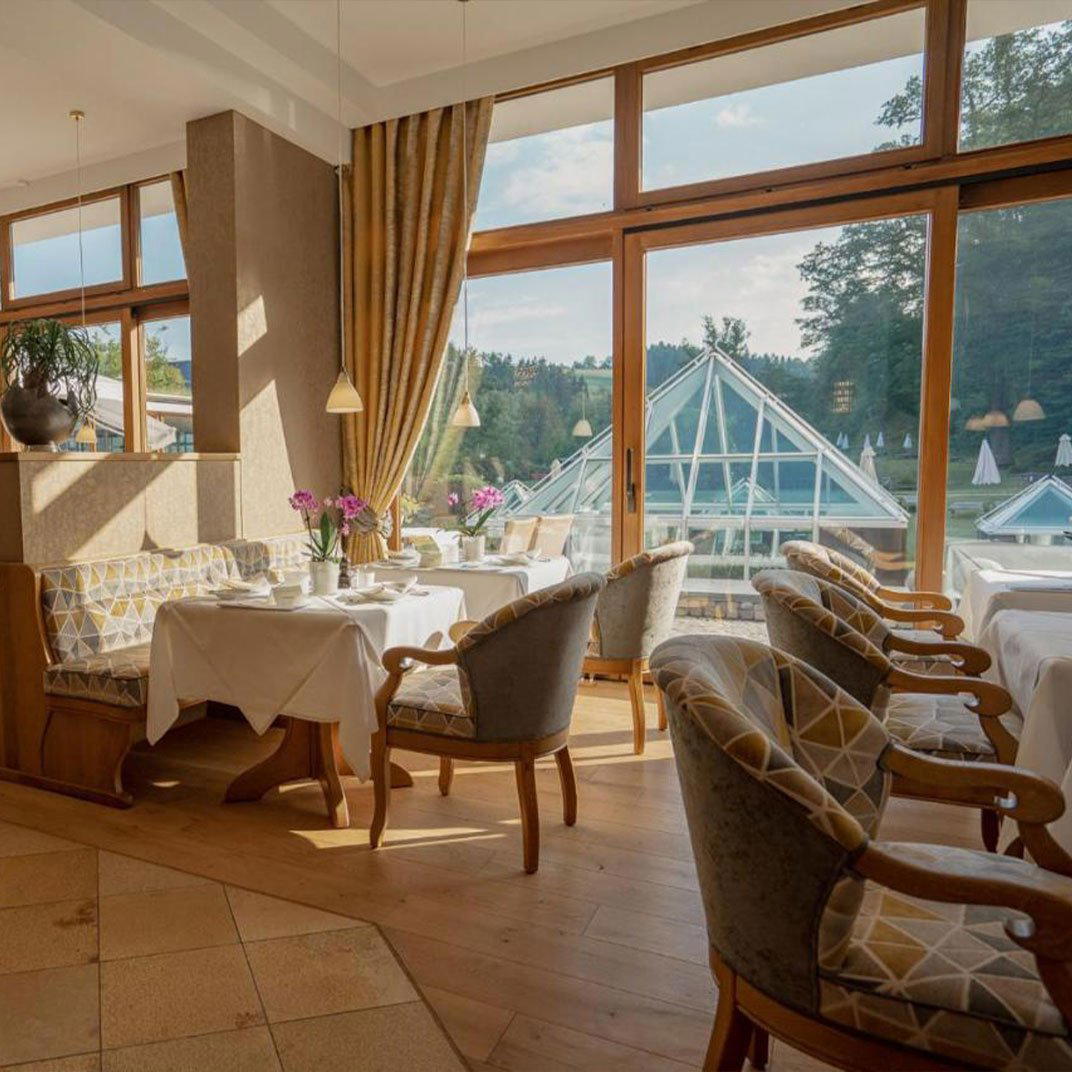
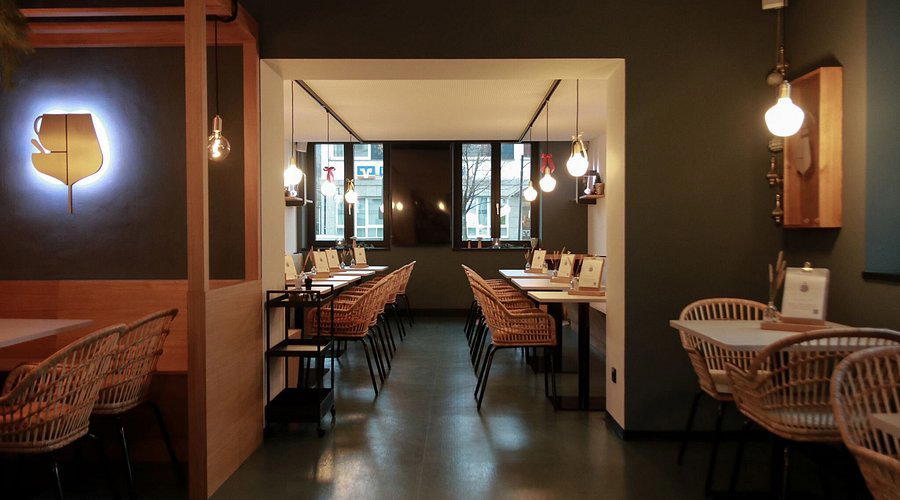
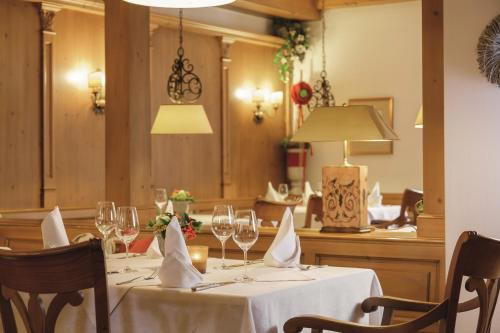
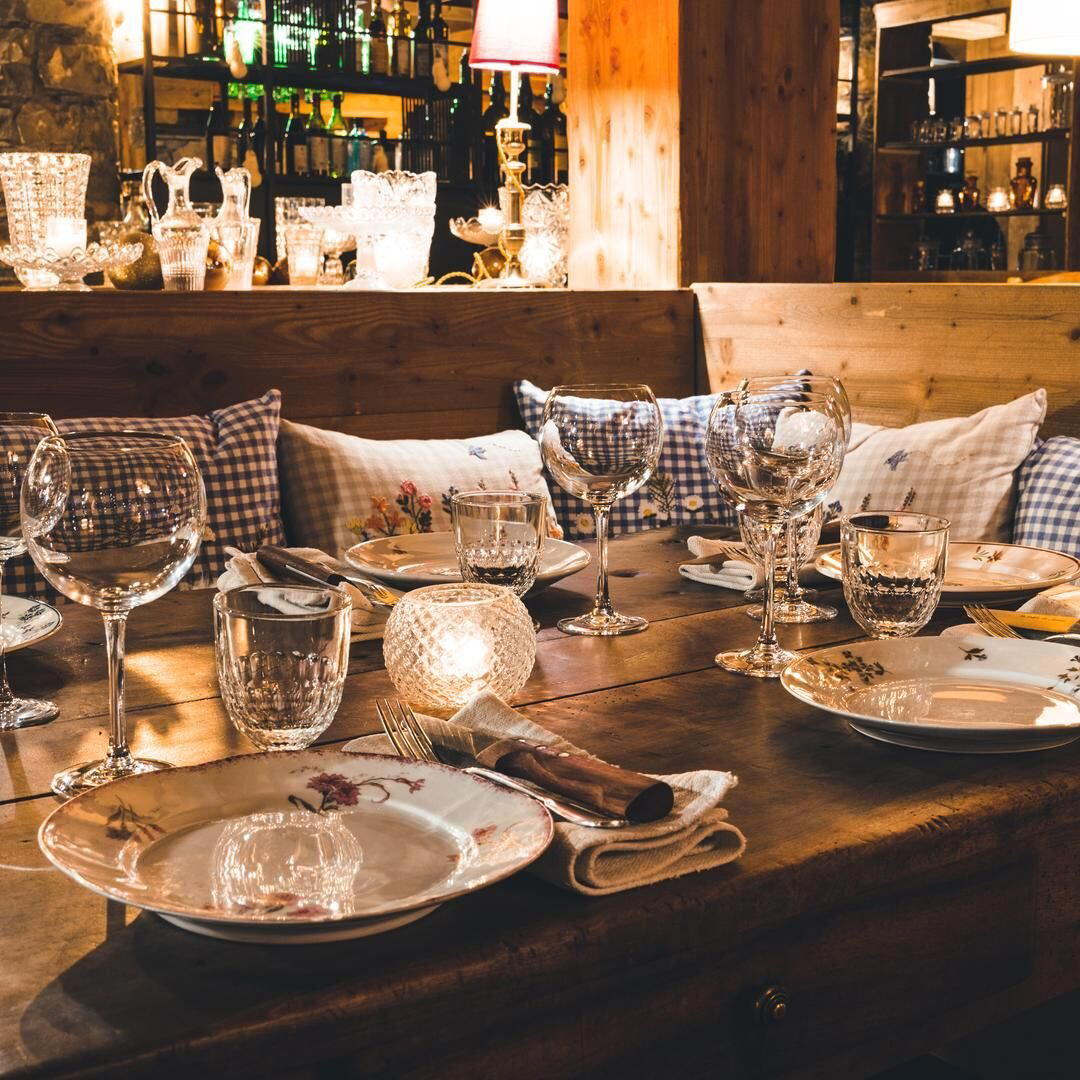
Charming rustic atmosphere with wood panelling, cosy booths, open fireplace in winter, and beer garden under chestnut tree in summer.