Hotel Die Sonne Frankenberg

1 Michelin Key
Three restored 16th-century buildings on Frankenberg's market square, unified into a 59-room hotel with a Michelin-starred restaurant, spa, and suites ranging from timber-ceilinged retreats to apartment-scale grand rooms. At around $193 per night, it sits at the serious end of Hessian hospitality, positioned directly beside the town's 500-year-old ten-towered town hall on the Deutsche Märchenstraße.

Pearl is the En Primeur Club membership app, where members save venues, book tables and use the concierge.
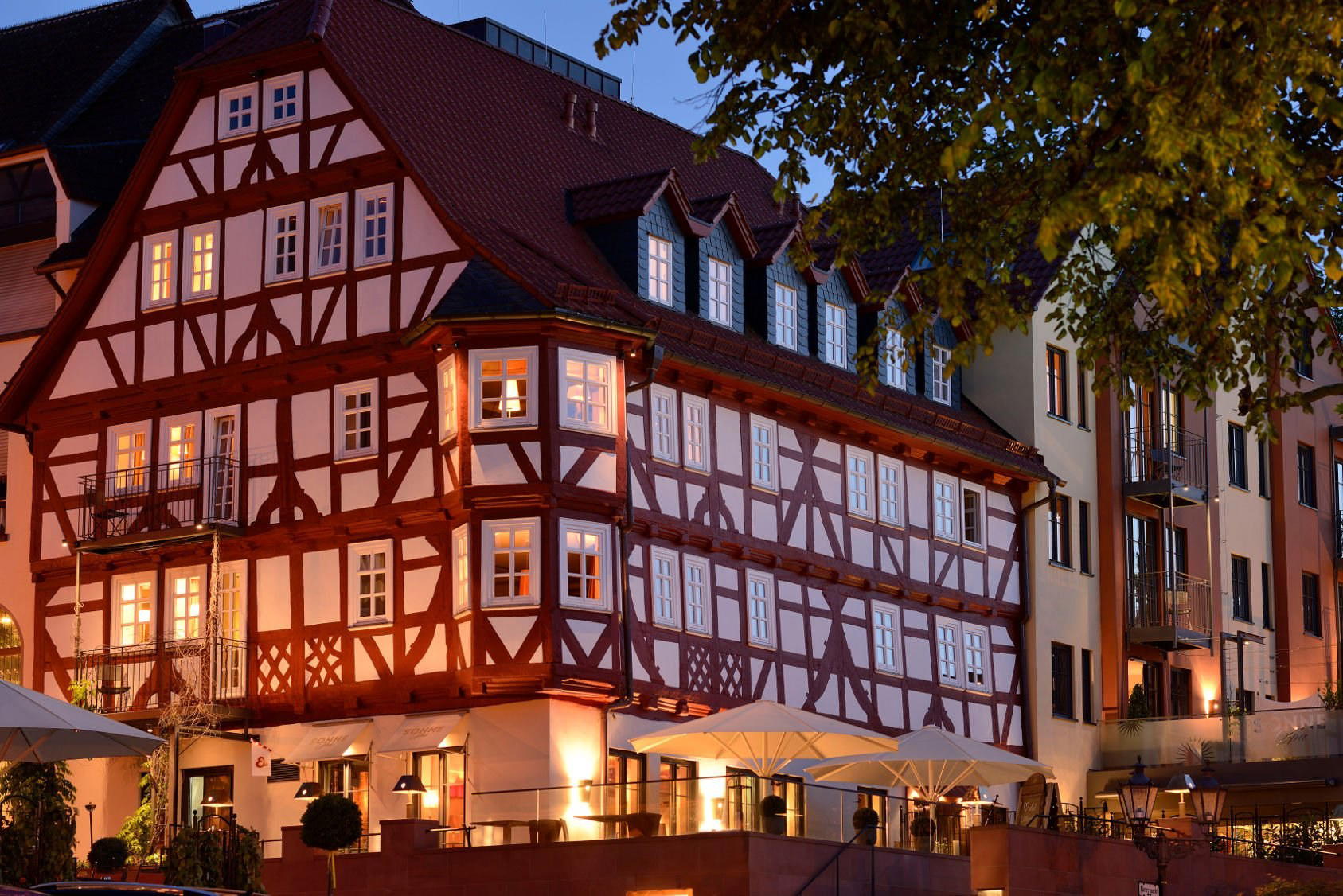
Three Buildings, One Argument for German Provincial Luxury
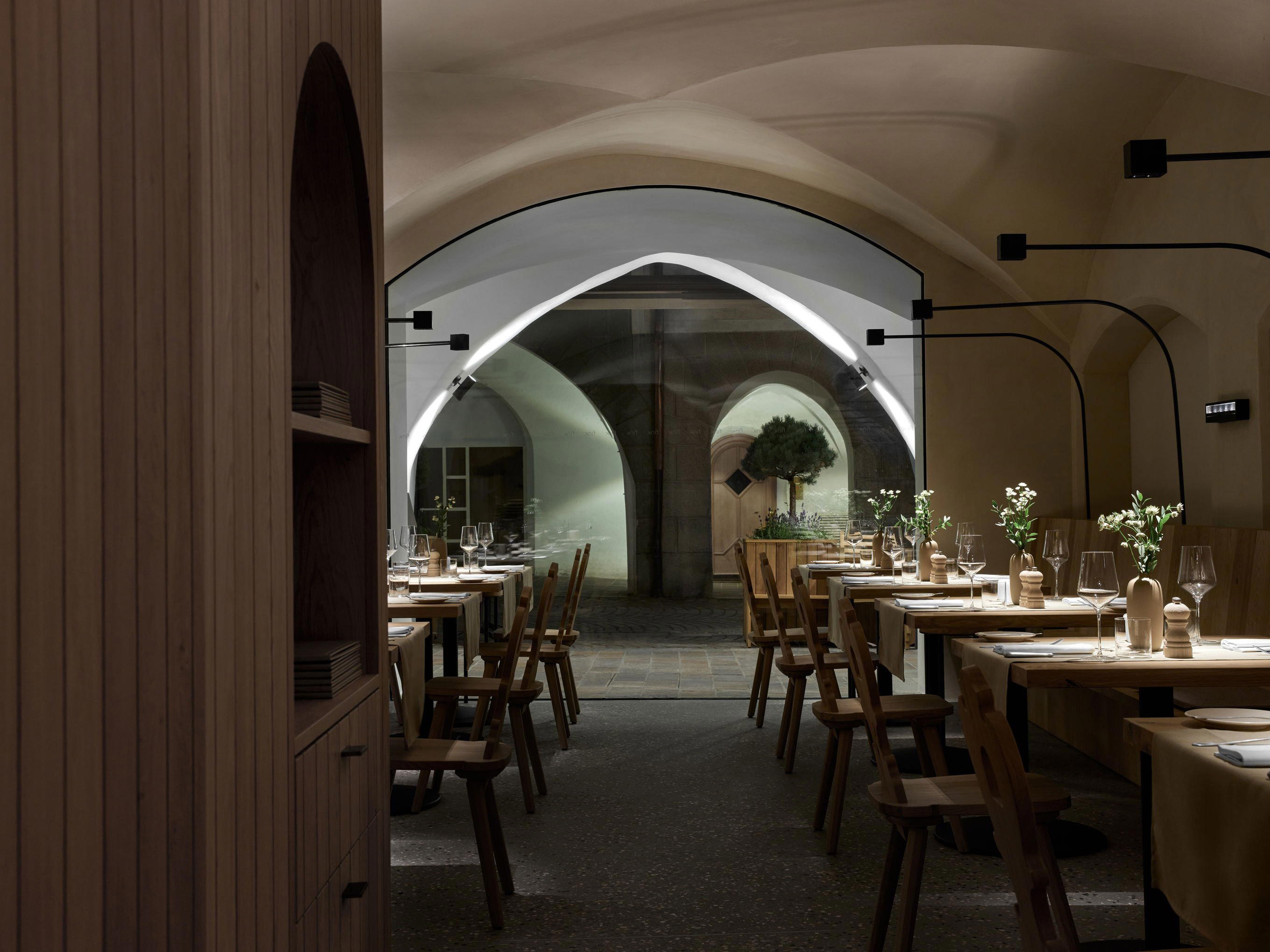
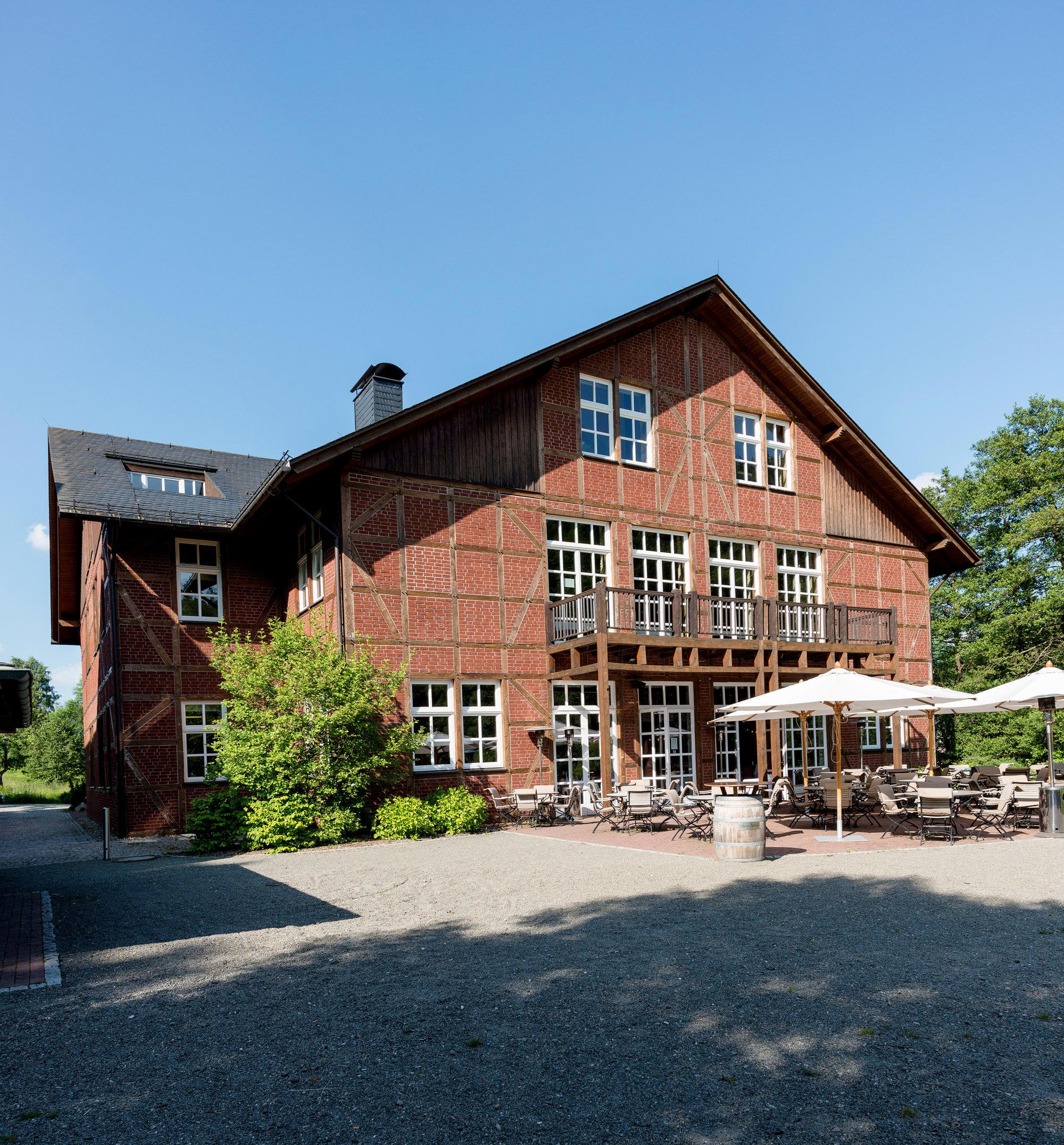
Approaching Frankenberg's Marktplatz, the eye settles on the town hall first: a 500-year-old structure with ten towers that has anchored this small Hessian city for half a millennium. The building immediately adjacent is Hotel Die Sonne Frankenberg, and the juxtaposition is telling. Here, three 16th-century structures, a former brewery, a former wine shop, and a former civic auditorium, have been restored and joined into a single 59-room property. The architecture does not pretend those histories never happened. Each building retains its own footprint and character, visible in the variation of ceiling heights, timber placement, and room proportions across the property.
That kind of layered, adaptive reuse is rarer than it sounds in German hospitality. Comparable historic conversions in the country tend toward one of two approaches: aggressive modernisation that scrubs the past clean, or preservation-as-museum that keeps the bones but forgets the comfort. Die Sonne threads between them. Properties like Bülow Palais in Dresden and Hotel de Rome in Berlin occupy a similar position in the conversion category, historic shells given a functioning luxury interior, though those operate in major metropolitan contexts where the surrounding city does much of the storytelling. In Frankenberg, a town of modest scale on the Deutsche Märchenstraße (the German Fairy Tale Route), the hotel is itself one of the primary arguments for being there at all.
What the Architecture Actually Tells You About the Rooms
The suite categories at Die Sonne are not arbitrary marketing tiers; they reflect the structural logic of three distinct buildings. The cozier suites, presumably from the denser original structures, feature exposed timber ceilings and separate living rooms, with bathrooms large enough to accommodate freestanding tubs. The mid-range rooms lean into the civic building's proportions: four-poster beds sit under higher ceilings, bay windows push out toward street-level views, and fireplaces become functional rather than decorative. The grandest configurations read less like hotel suites and more like serviced apartments, with fully equipped kitchens, dining rooms, and reading nooks. All 59 rooms across the property are described as sun-filled and quiet, with many orienting toward the market square.
That last detail matters more than it might seem. Frankenberg's Marktplatz is not a high-traffic urban square with the noise problems that entails; it is a small-city focal point that animates gently, especially during the warmer months when the town's medieval character becomes most legible. A room facing it offers context rather than spectacle, which suits the property's overall register.
For comparison, the kind of room variety Die Sonne offers across its three-building campus is more commonly found at larger resort properties. Hotel Bareiss in Baiersbronn and Schloss Elmau in Elmau both manage this kind of internal typological variety, though across very different scales and settings. Die Sonne achieves something similar at a more contained size, where the variation feels structural rather than manufactured.
The Dining Tier and What It Signals
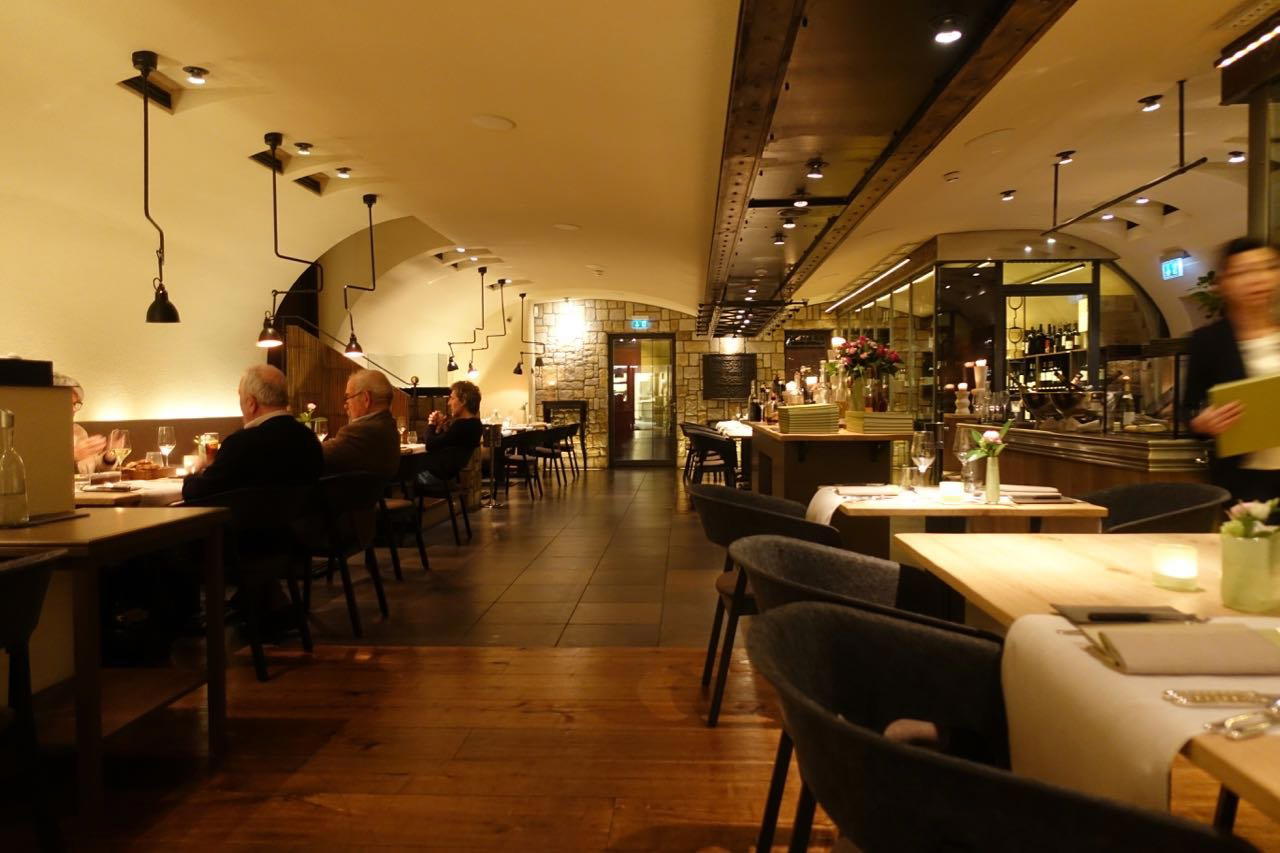
Within the Deutsche Märchenstraße corridor, a Michelin-starred restaurant attached to a hotel of this size is a significant signal. It places Die Sonne in a competitive set that extends well beyond its immediate geography, into the category of German properties where serious food is part of the overnight proposition, not a secondary amenity. Althoff Seehotel Überfahrt in Rottach-Egern and Hotel Ketschauer Hof in Deidesheim both operate within this hotel-with-serious-kitchen category, though in wine regions where gastronomy carries additional geographic weight. Die Sonne makes a comparable case in central Hesse, where that alignment is less expected and therefore more distinctive as a travel proposition.
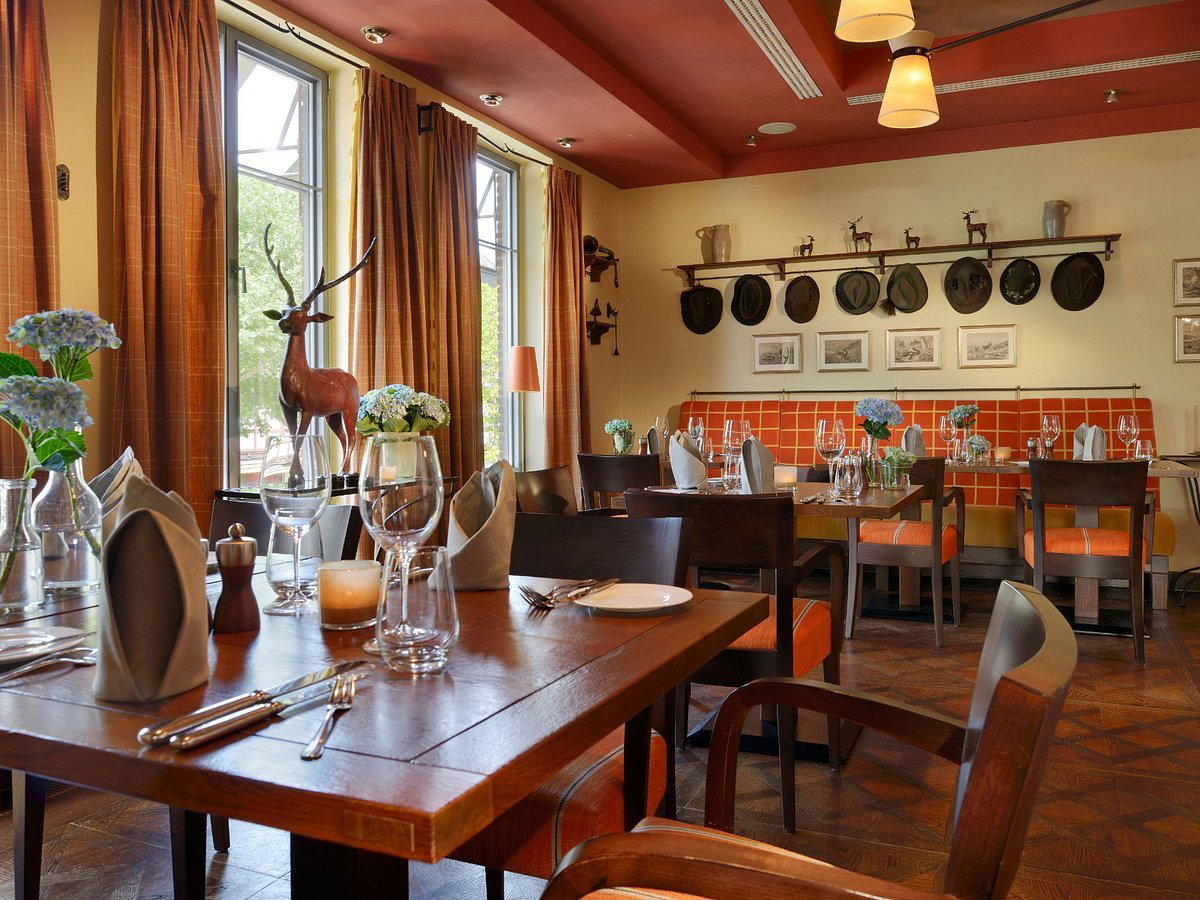
Beyond the starred restaurant, the property runs multiple bars and dining venues, meaning the food-and-drink offering functions with some internal depth: different rooms for different occasions, different registers of formality. The Philippo Lounge, warmed by a fireplace and named after the medieval sculptor responsible for the carved figures on the adjacent town hall, occupies the guest-exclusive tier alongside a breakfast room where a buffet is served each morning. These spaces are positioned as residential amenities rather than public dining assets, which shapes the pace of a stay considerably.
Positioning Within German Boutique Hotel Category
At approximately $193 per night, Die Sonne sits at the serious end of provincial German hotel pricing without reaching the rates of the country's major resort destinations. Fairmont Hotel Vier Jahreszeiten in Hamburg, Mandarin Oriental Munich, and Breidenbacher Hof in Düsseldorf all operate in major commercial cities where rates carry urban premiums. Die Sonne's price point instead compares more naturally to properties like Esplanade Saarbrücken or LA MAISON in Saarlouis: luxury hotels in smaller German cities where the value proposition rests on quality and specificity rather than metropolitan convenience.
What the property does confirm is that its luxury credentials rest primarily on architectural character, room variety, Michelin-recognised dining, and direct placement on one of Germany's most storied tourist routes. For travelers approaching via the Fairy Tale Route, the address on Marktplatz 2 positions the hotel as the most direct access point to Frankenberg's medieval core. For those considering it purely as a destination stay, the starred dining and suite-level accommodation make the case independently of the surrounding route. See our full Frankenberg restaurants guide for broader context on eating and drinking in the area.
Other German properties worth considering alongside Die Sonne, depending on the kind of stay you're structuring: Weissenhaus Private Nature Luxury Resort on the Baltic coast, BUDERSAND Hotel in Hörnum on Sylt, Das Kranzbach in Kranzbach, Gut Steinbach in Reit im Winkl, Luisenhöhe in Horben, Der Öschberghof in Donaueschingen, Villa Contessa in Bad Saarow, Kempinski Hotel Berchtesgaden, and Landhaus Stricker on Sylt. For international reference points in the adaptive-reuse luxury category, Aman Venice and The Fifth Avenue Hotel in New York City both demonstrate how historic structures can be converted without losing their architectural argument. Aman New York takes a different approach at a different scale, but the underlying logic of building identity informing room character is comparable.
Planning Your Stay
The hotel's 59 rooms span a range of suite types, and the more architecturally characterful configurations, those with fireplaces, bay windows, or full kitchen setups, are worth requesting specifically at booking. Frankenberg is a seasonal draw on the Fairy Tale Route, so summer and school-holiday periods in Germany will apply the most pressure to availability. The Michelin-starred restaurant, as a separate reservation from the room, deserves early booking independently of when you arrive. The address at Marktplatz 2 places guests within immediate walking distance of the town hall and the broader medieval quarter, which means arrival and orientation are simple regardless of transport mode.
Side-by-Side Snapshot
| Venue | Price | Awards |
|---|---|---|
| Hotel Die Sonne FrankenbergThis venue (the venue you are viewing) | Not listed | 1 Michelin Key |
| Fairmont Hotel Vier Jahreszeiten | $300–500 | 3 Michelin Keys · La Liste Top Hotels |
| Kempinski Hotel Berchtesgaden | $500–750 | 2 Michelin Keys |
| Kempinski Hotel Taschenbergpalais | $300–500 | 2 Michelin Keys · Virtuoso Luxury Hotel Partner |
| Mandarin Oriental Munich | Not listed | 2 Michelin Keys · La Liste Top Hotels |
| Rocco Forte Charles Hotel | $300–500 | 2 Michelin Keys · La Liste Top Hotels |
Recognition history
Dated appearances from independent guides and award organizations, with the underlying list record or original source where available.
Michelin 1 Key
Michelin
Continue exploring
More in Frankenberg
Hotels in Frankenberg
All hotels in Frankenberg →
Bars in Frankenberg
Browse all →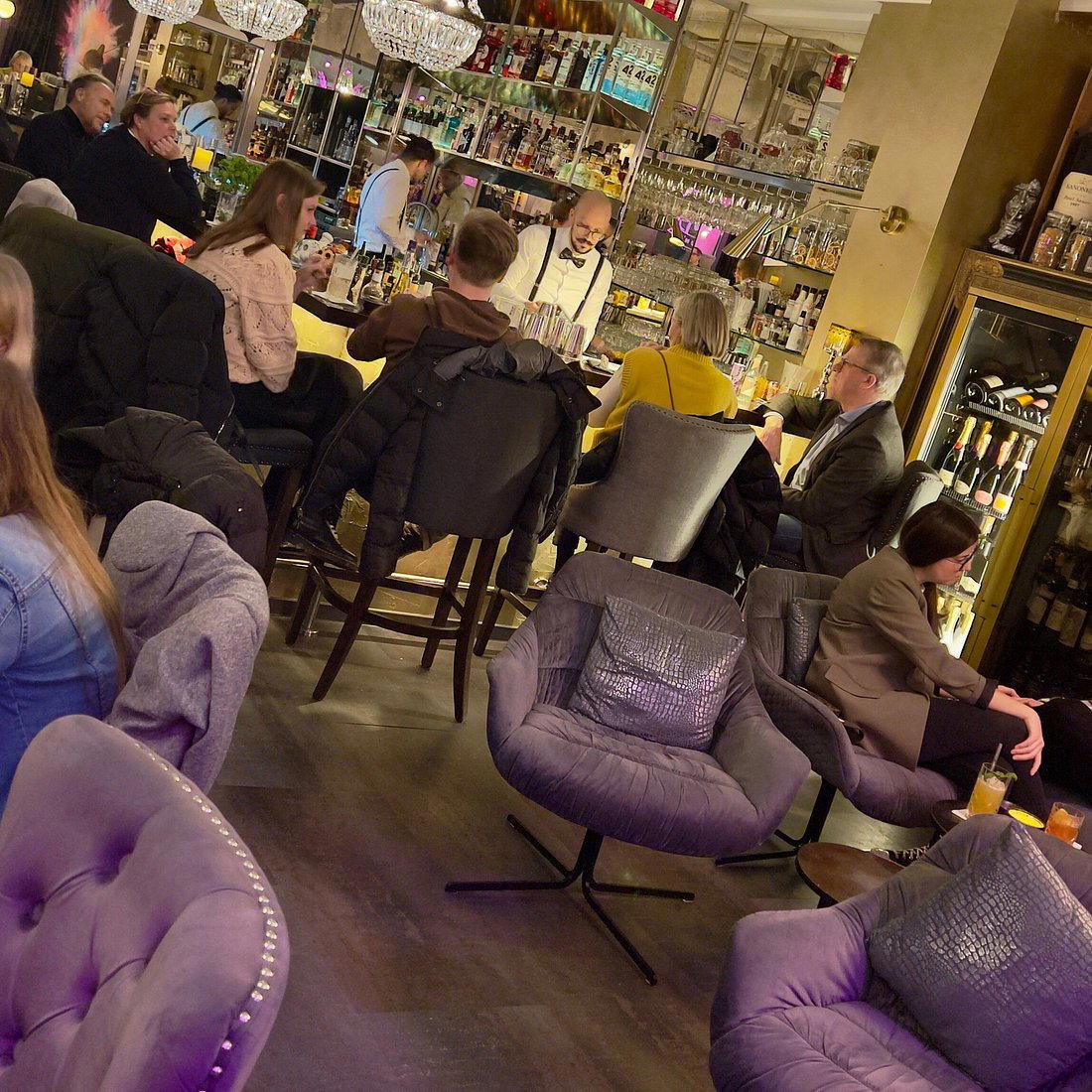
Details
- Elegant
- Sophisticated
- Quiet
- Classic
- Historic
- Romantic
- Wellness Retreat
- Romantic Getaway
- Weekend Escape
- Anniversary
- Business Trip
- Destination Spa
- Historic Building
- Design Destination
- Private Dining
- Spa
- Pool
- Wi Fi
- Concierge
- Room Service
- Restaurant
- Bar
- Street Scene
- Elevator
Modern, warm, and sophisticated atmosphere with a lively but refined feel; historic half-timbered spaces are paired with contemporary design and sun-filled, quiet suites.