Gasthaus Zur Traube
Gasthaus Zur Traube sits on Hauptstraße in Weiler-Simmerberg, a small market town in the Westallgäu region of Bavaria close to the Austrian border. The address places it firmly in a tradition of Bavarian and Allgäu country cooking rooted in agricultural land that produces some of southern Germany's most dependable dairy and livestock. For visitors travelling the Allgäu, it represents the kind of address where the regional pantry does most of the talking.
Pearl is the En Primeur Club membership app — saves, bookings, and concierge access live there. Same editors, same standards.
- Address
- Hauptstraße 1, 88171 Weiler-Simmerberg, Germany
- Phone
- +4983873920090
- Website
- gasthauszurtraube.com
- Directions
- Get directions
 Saves & bookings on Pearl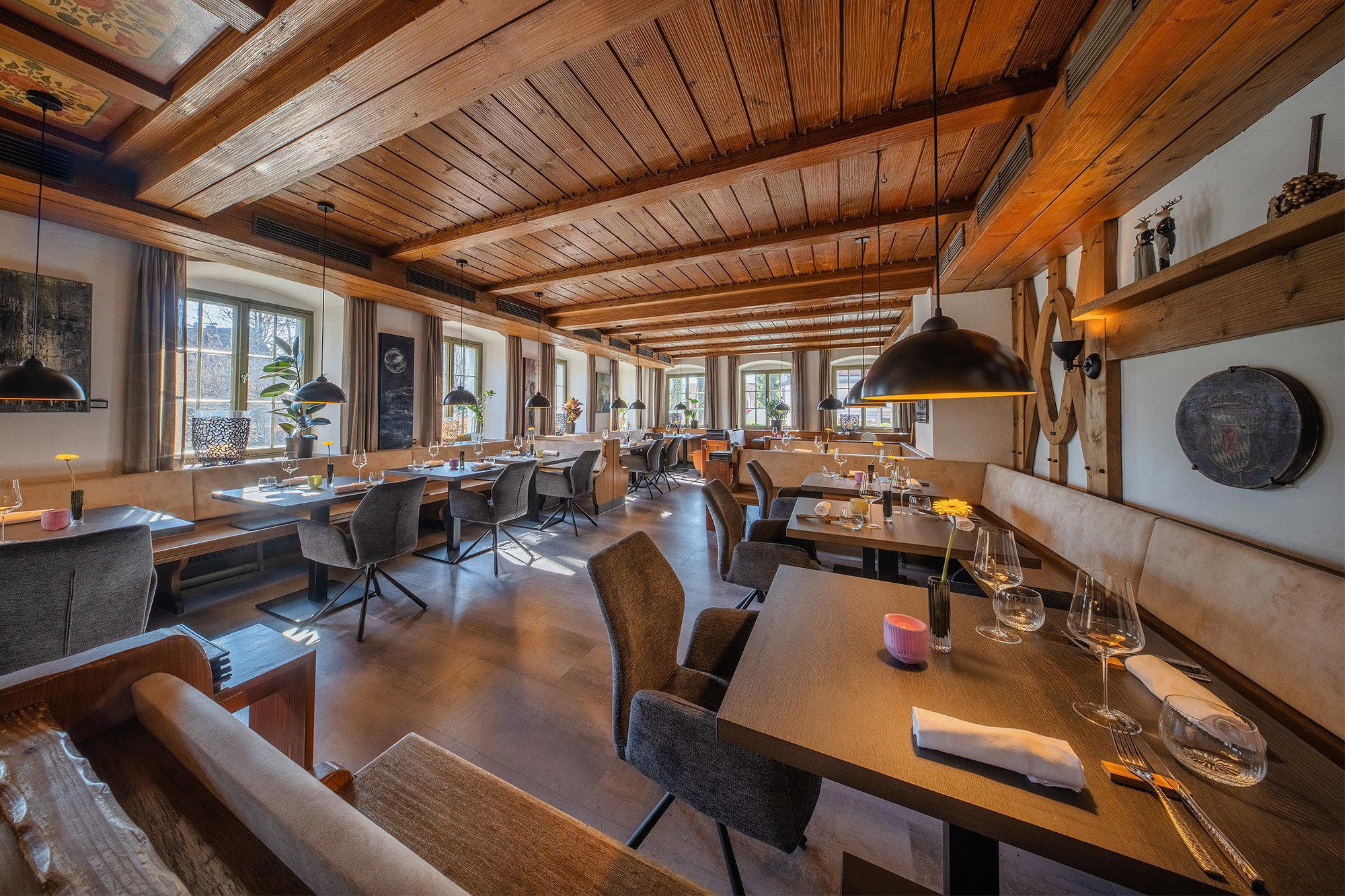
Where the Allgäu Pantry Sets the Terms
Gasthaus Zur Traube is a restaurant in Weiler-Simmerberg, Germany, serving Modern Southern German Bourgeois cuisine. The Westallgäu's pastures sit at elevations that slow growth and concentrate flavour in dairy cattle, and the area's small producers have supplied local kitchens for generations without much fanfare from the wider food press. Gasthaus Zur Traube occupies a central address on Hauptstraße in Weiler-Simmerberg, a compact market town that functions as a quiet hub for this corner of the Allgäu. The building's position on the main street rather than tucked into a farm lane signals something about its role: this is a place for the town, not a destination engineered for passing tourists.
In southern German gastronomy, the Gasthaus format carries weight that the English translation of "guesthouse" or "inn" tends to flatten. A functioning Gasthaus in a town this size is simultaneously a community dining room, a repository of regional cooking knowledge, and, in the better examples, a quiet argument for why local sourcing matters more than seasonal menu theatre. The Allgäu's claim on that argument is substantial: the region's Emmentaler and mountain cheeses, its Swabian beef, and the game from surrounding forests give a kitchen working in this format genuinely strong raw material to anchor a menu.
The Ingredient Case for the Westallgäu
Understanding why an address like Gasthaus Zur Traube matters requires placing it against the broader geography of German regional cooking. Germany's fine-dining conversation tends to cluster around a handful of reference points: the three-Michelin-star concentration in cities and destination restaurants like Schwarzwaldstube in Baiersbronn, the urban creative programmes at places like Aqua in Wolfsburg or JAN in Munich, and the destination formats represented by Vendôme in Bergisch Gladbach. At that end of the market, sourcing stories are carefully curated and the ingredient provenance is often part of an explicit narrative strategy.
The Gasthaus tradition operates differently. Here, sourcing is structural rather than performative. Farms in the Westallgäu are small enough that supply relationships are local by default, not by marketing decision. The Allgäu's designation as Germany's most productive dairy region is not incidental: the combination of altitude, meadow quality, and the area's long history of alpine farming produces milk and cheese with a fat profile and complexity that distinguishes it from lowland alternatives. A kitchen working with these ingredients at this scale does not need to travel far or spend heavily to access genuinely good produce.
For context on how German regional cooking sits globally, the tradition shares structural similarities with what places like Lazy Bear in San Francisco have formalized as a premium offer: locally rooted, seasonally disciplined cooking where the sourcing story precedes the plate. The Gasthaus format simply strips the ceremony and delivers the same underlying logic at a community scale.
Atmosphere and the Physical Address
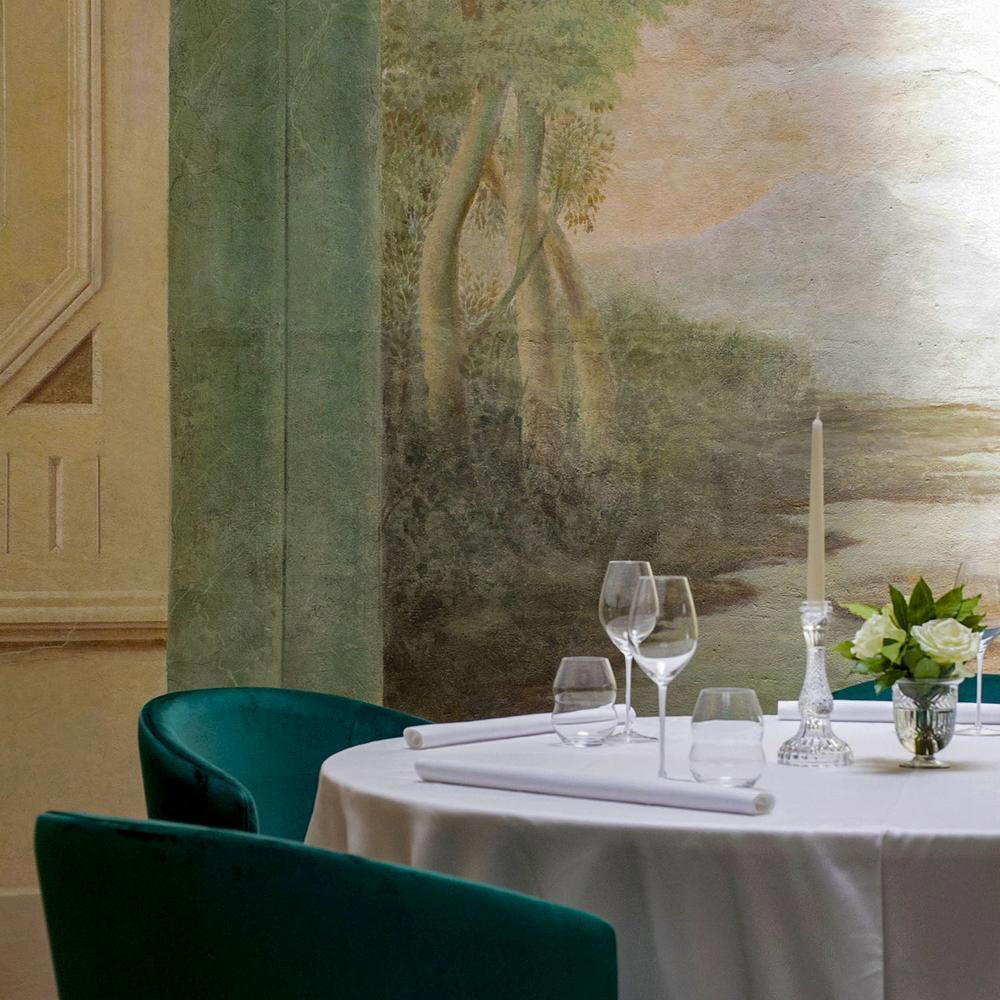
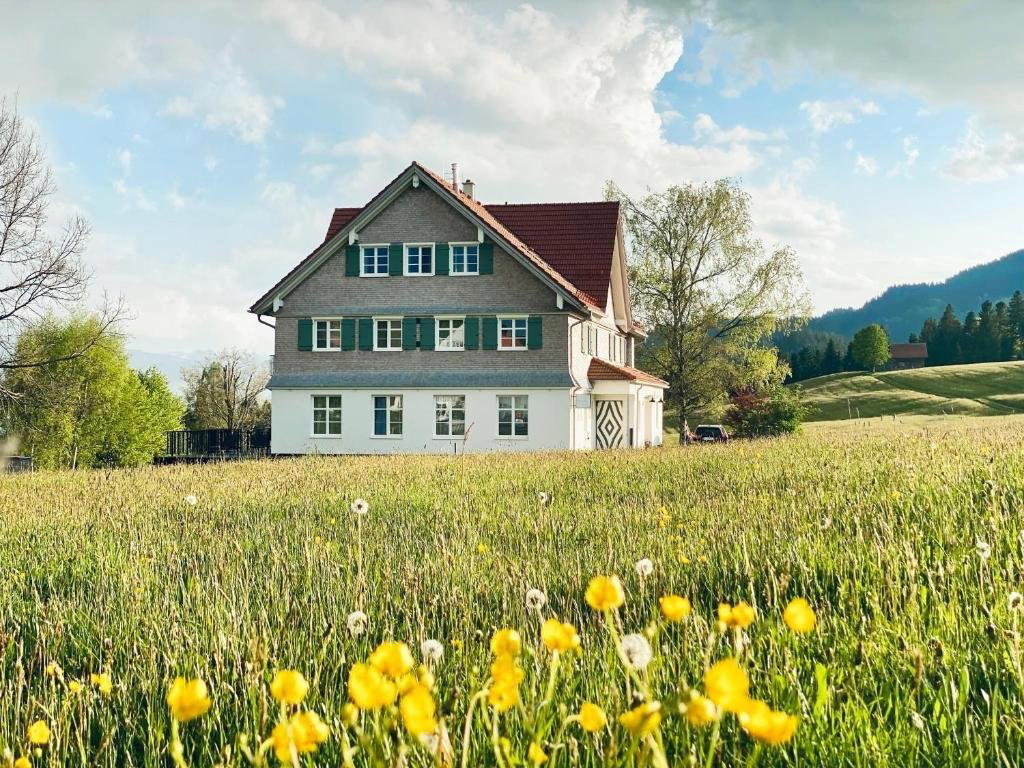
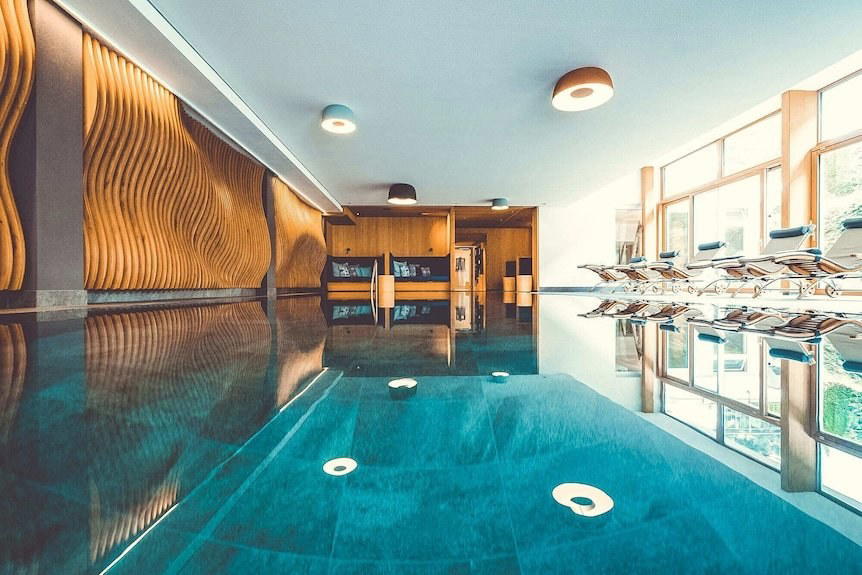
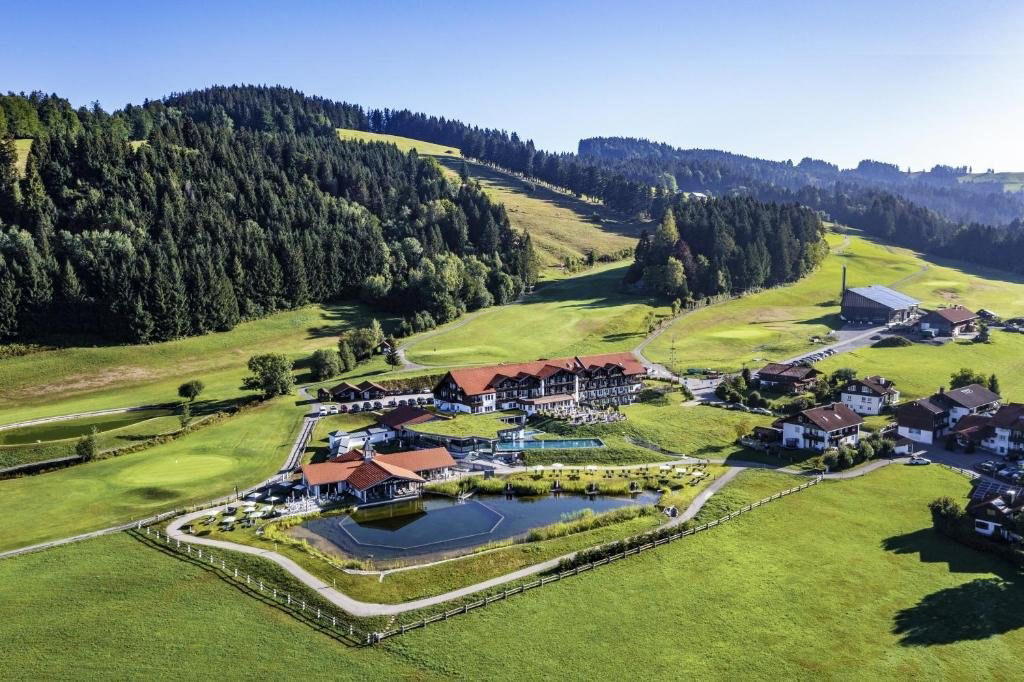
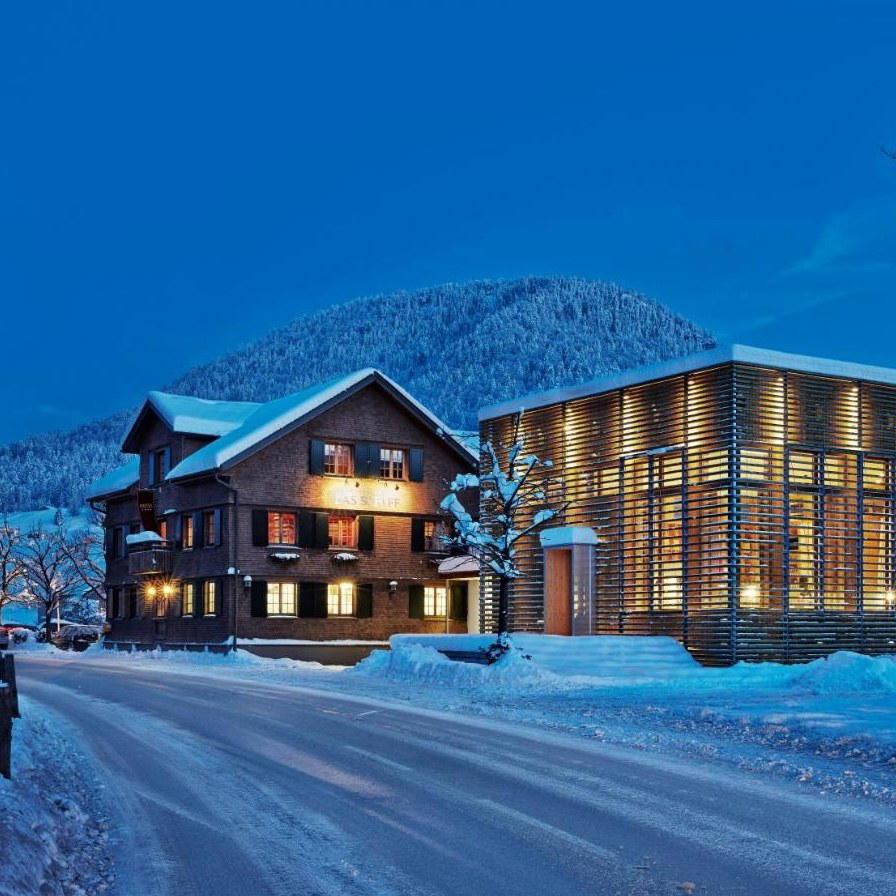
Weiler-Simmerberg is a town of roughly 6,000 residents in a landscape shaped by the pre-Alps, the Bregenzerwald to the south, and the Bodensee basin to the west. Arriving on Hauptstraße, the built environment is distinctly Allgäu in character: rendered facades, moderate scale, a pace that reflects the working agricultural community around it. A Gasthaus on a main street in this context is not making an architectural statement. Its function is legible from the outside and the interior carries that same directness.
This contrasts with Germany's more theatrically staged dining experiences, from the precision of CODA Dessert Dining in Berlin to the formal settings at Victor's Fine Dining by Christian Bau in Perl or Waldhotel Sonnora in Dreis. Those addresses are built around controlled sensory experiences and extended menus. A Gasthaus like Zur Traube offers something else: the specific pleasure of eating regional food in its actual region, without the mediation of a tasting menu format. For the right traveller, that directness is the point.
Placing Zur Traube in the Allgäu Dining Context
The Allgäu does not carry the same density of Michelin recognition as Baden-Württemberg or the Mosel, but the region has its own culinary coherence. Addresses in the broader southern German Alpine corridor, such as ES:SENZ in Grassau, show how Allgäu and pre-Alpine ingredients can operate at a premium level with full critical recognition. Gasthaus Zur Traube operates in a different register, but draws from the same underlying larder.
For visitors using Weiler-Simmerberg as a base for the Vorarlberg border region, the Bodensee, or the skiing around Oberstaufen and Balderschwang, this kind of address fills a specific gap. The alternative is often driving to the nearest town with a more obviously tourist-facing offer, which in this part of Bavaria tends to mean generic Alpine fare without genuine local specificity. The Gasthaus format at its functional leading is precisely the antidote to that.
Travellers who have used destinations like Schanz in Piesport or Restaurant Haerlin in Hamburg as anchors for regional wine-and-food trips will recognize the logic: the ideal way to understand a region's food culture is often through addresses that serve the local population rather than those calibrated for arriving guests.
Planning a Visit
Weiler-Simmerberg sits in the far southwest of Bavaria, approximately equidistant between Lindau on the Bodensee and the Austrian border crossing at Hörbranz. Road access from Munich takes roughly ninety minutes via the A96 and B308. Reservations are recommended, and the restaurant is open Monday and Tuesday from 11:30 AM to 1:30 PM and 5:30 to 9:30 PM, Friday and Saturday from 11:30 AM to 1:30 PM and 5:30 to 9:30 PM, and Sunday from 11:30 AM to 7 PM; it is closed Wednesday and Thursday. Visitors arriving from across Germany will find comparable Gasthaus-format reference points in addresses such as Bagatelle in Trier or L.A. Jordan in Deidesheim for context on how regional German dining traditions translate across different wine and agricultural zones.
For those whose German regional dining reference points extend to the internationally facing end of the market, addresses like GästeHaus Klaus Erfort in Saarbrücken, Ösch Noir in Donaueschingen, Jante in Hanover, or even the fish-forward discipline of Le Bernardin in New York City share a commitment to ingredient primacy that the leading Gasthaus cooking also holds, even at a fraction of the price point and ceremony.
Quick Comparison
Comparable venues nearby, for context on price, style, and recognition.
| Venue | Cuisine | Price | Notes |
|---|---|---|---|
| Gasthaus Zur TraubeThis venue — the venue you are viewing | Modern Southern German Bourgeois | $$$ | Not listed |
| Biohotel Mohren | Organic German | $$$ | Deggenhausertal-Limpach |
| Design Hotel Restaurant Löwen Ulm | Swabian-International Seasonal Cuisine | $$$ | Söflingen |
| Haxnbauer | Traditional Bavarian | $$$ | Altstadt |
| Platzhirsch Restaurant | Alpine Steakhouse | $$$ | Olching |
| Restaurant Ofenhaus | Modern German Crossover | $$$ | Oberhausen |
Continue exploring
More in Weiler Simmerberg
Restaurants in Weiler Simmerberg
Browse all →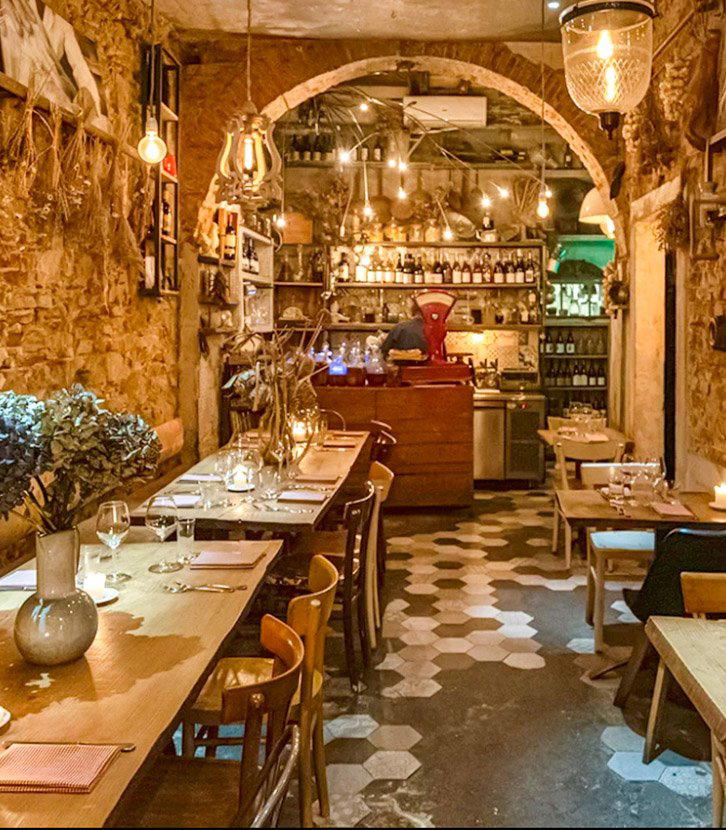
At a Glance
- Cozy
- Rustic
- Classic
- Intimate
- Date Night
- Special Occasion
- Historic Building
- Beer Garden
Current opening hours
- Monday
- 11:30 AM–1:30 PM, 5:30–9:30 PM
- Tuesday
- 11:30 AM–1:30 PM, 5:30–9:30 PM
- Wednesday
- Closed
- Thursday
- Closed
- Friday
- 11:30 AM–1:30 PM, 5:30–9:30 PM
- Saturday
- 11:30 AM–1:30 PM, 5:30–9:30 PM
- Sunday
- 11:30 AM–7 PM
Hours can change for holidays and private events. Last verified .
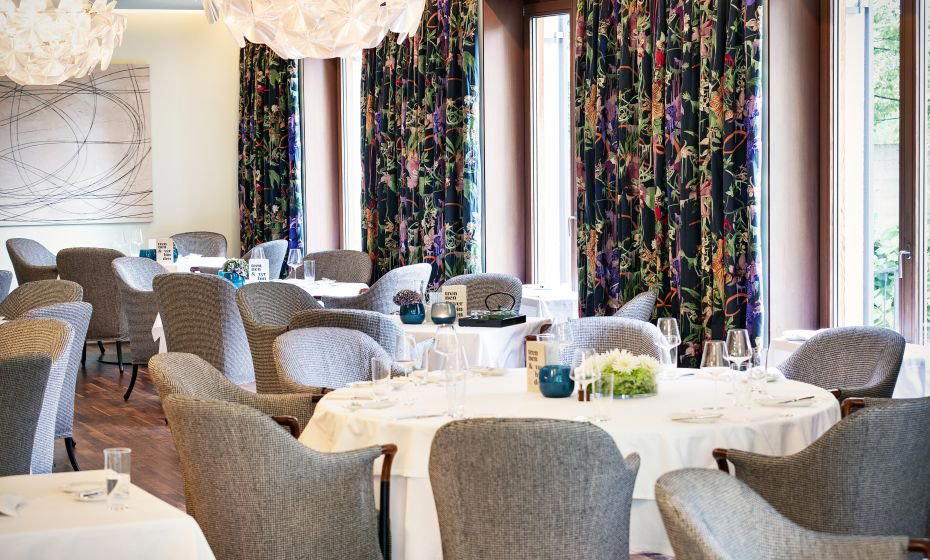
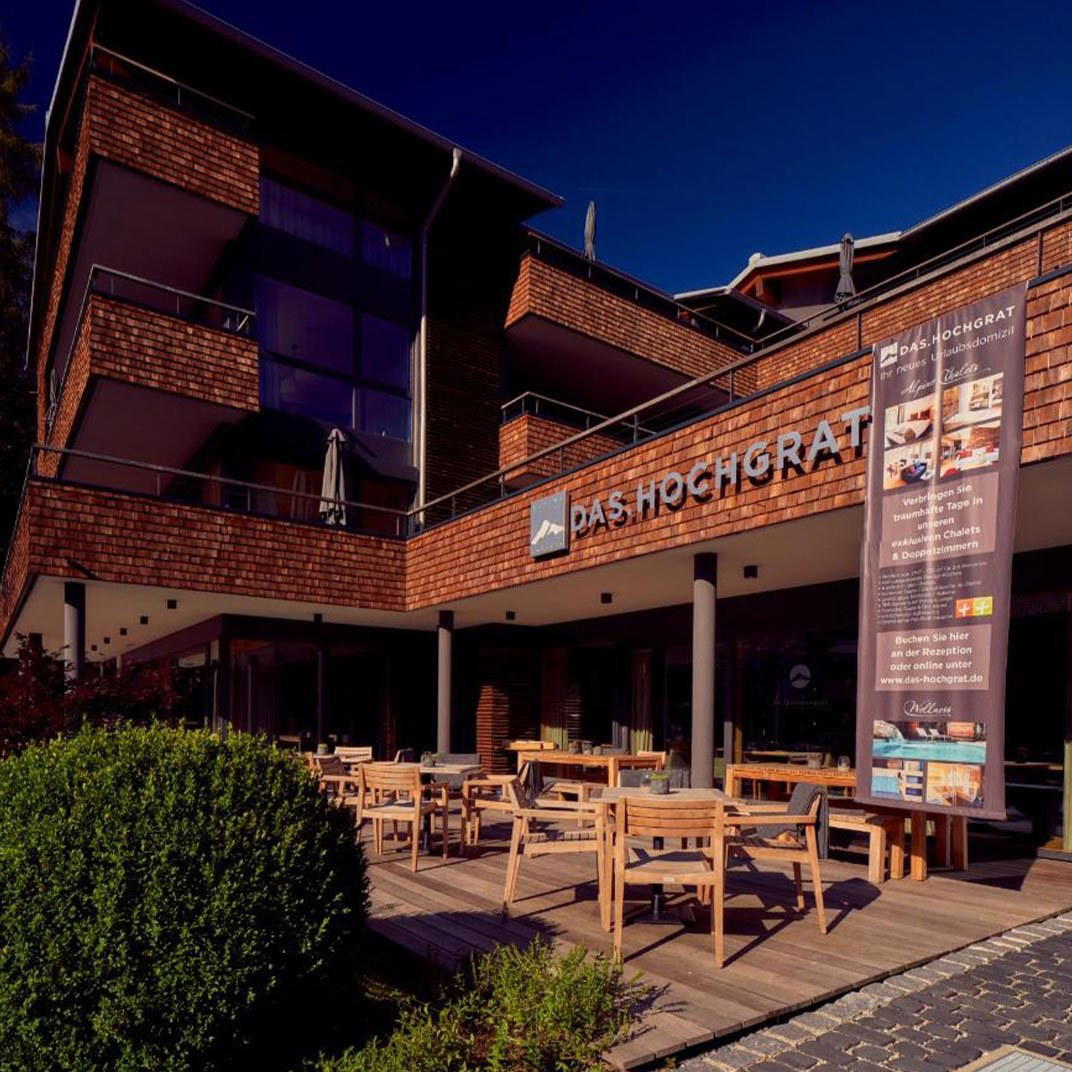
Cozy open-plan dining room in an old inn with discreet decoration, beautiful ambience, and a small adjacent beer garden for summer.