Garni
Our verdict
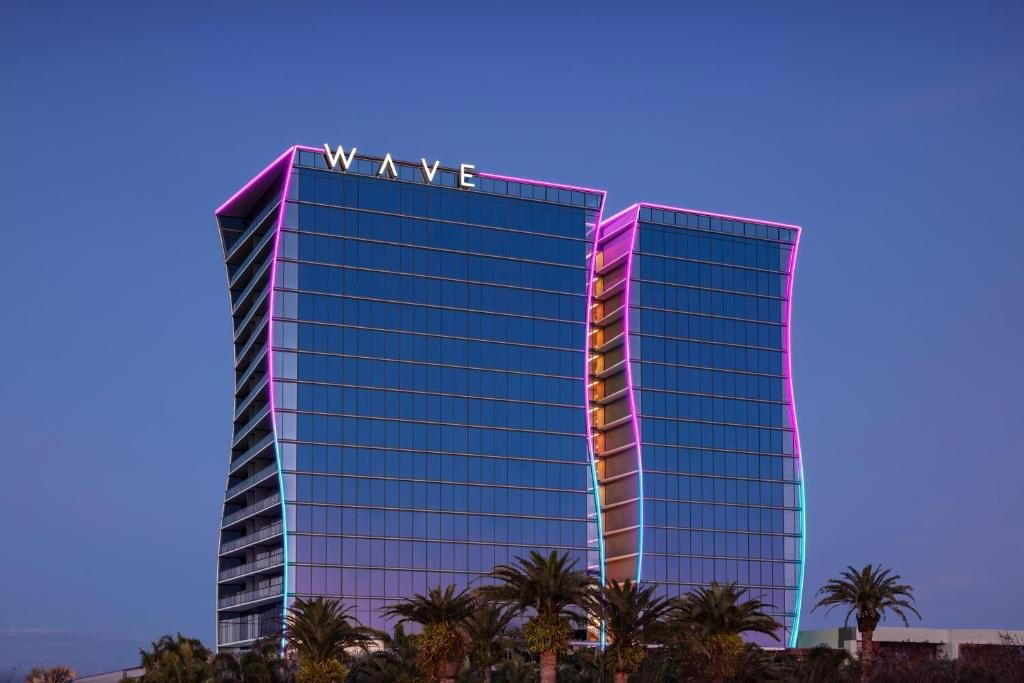
Garni occupies a considered position in Orlando's emerging fine-dining tier, operating from the Wave Hotel address in Lake Nona and drawing on a kitchen approach that brings global technical discipline to bear on Florida's distinct ingredient geography. The restaurant sits alongside a new cohort of Orlando venues pushing beyond the city's theme-park dining gravity toward genuinely place-specific cooking.

Pearl is the En Primeur Club membership app — saves, bookings, and concierge access live there. Same editors, same standards.
The menu
What to order
- Garni Big Mec Burger
- Croque Madame
- Avocado Crost
Where Lake Nona's Dining Ambitions Land
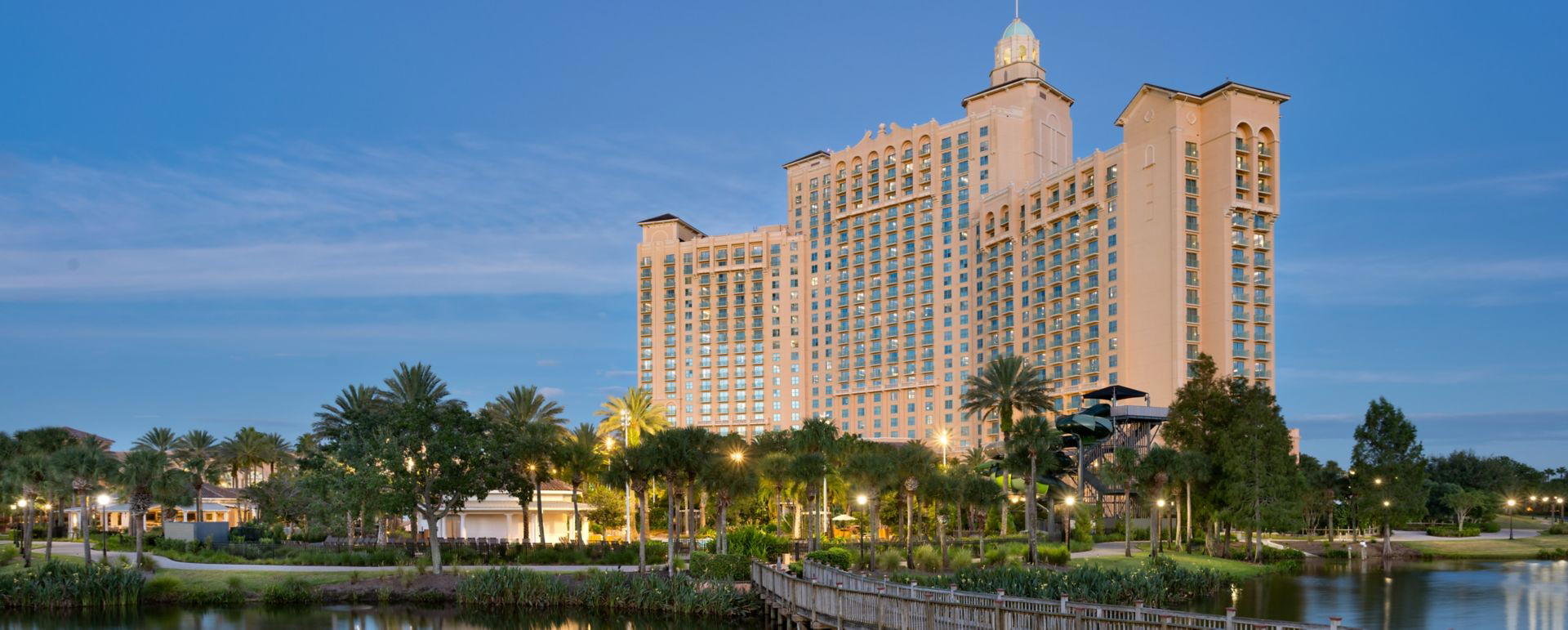
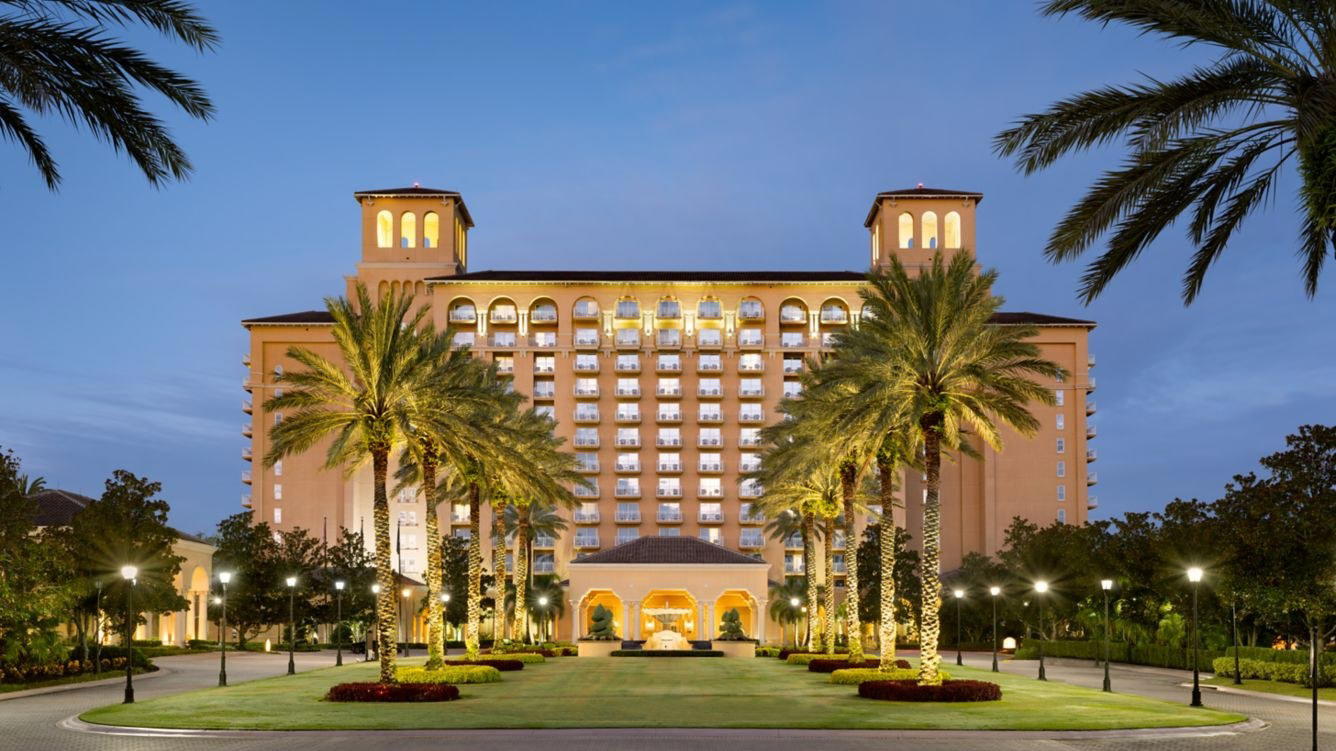
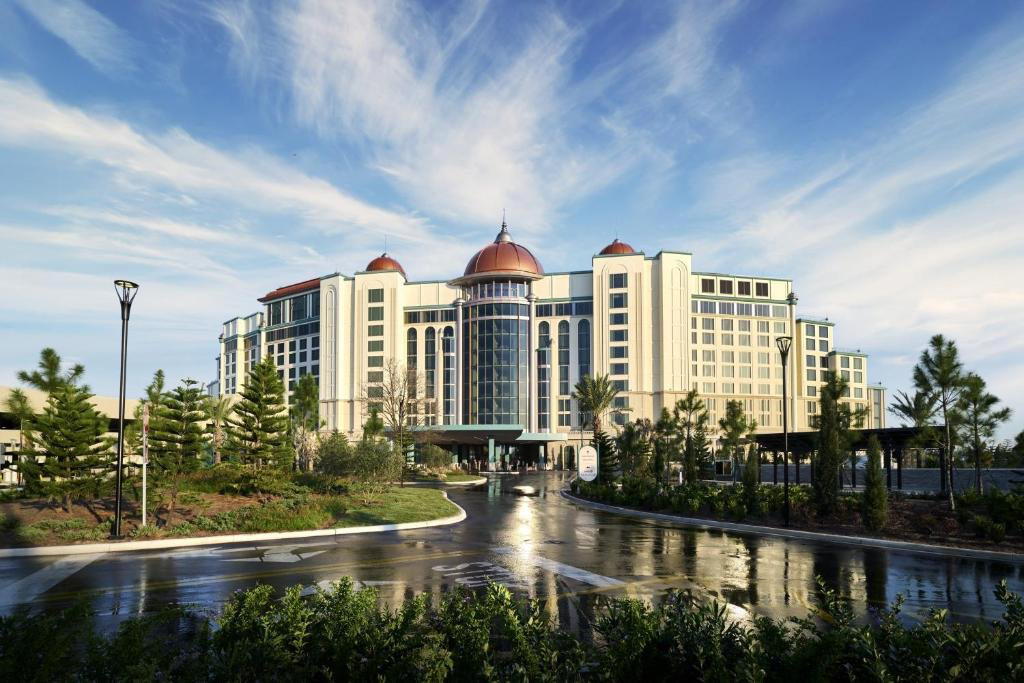
Orlando's serious dining conversation has, for most of its history, been conducted in two registers: the grand theatrical formats attached to resort complexes, and the scattered independent operators working neighborhoods like Mills 50 and Audubon Park. The emergence of Lake Nona as a planned urban district introduced a third register, one where purpose-built hospitality infrastructure gives restaurants room to operate at a different scale. Garni, addressed at 6100 Wave Hotel Drive, sits inside that framework. The Wave Hotel context matters here not as a branding signal but as a physical fact: hotel-anchored restaurants in newly developed districts carry a different set of expectations than freestanding independents, and the best of them use that stability to take culinary positions that more precarious operations cannot afford to hold.
The broader Orlando fine-dining tier has grown measurably more specific in its ambitions over the past several years. Venues like Kadence and Sorekara have established that the city supports omakase-format Japanese cooking at a serious level of commitment, while Camille has demonstrated appetite for Vietnamese cooking executed with the same precision. Capa anchors the steakhouse end of the premium market from its Four Seasons position. Garni enters this picture at the Lake Nona end, where the audience skews toward the district's professional and medical-research community rather than the tourism corridor further north. That audience tends to reward consistency and sourcing transparency over spectacle.
The Case for Local-Ingredient Cooking in Florida
Florida's ingredient geography is genuinely underused by the fine-dining kitchens that operate here. The state produces year-round citrus, winter vegetables, stone crab from October through May, Gulf grouper, and a range of subtropical produce that has no real equivalent in the northern American kitchen. The chefs who have engaged most seriously with this pantry, rather than treating it as a warm-weather supplement to classical European frameworks, have found that the constraint sharpens their work. At the national level, the conversation about local-ingredient cooking has moved well past novelty: restaurants like Blue Hill at Stone Barns in Tarrytown and SingleThread Farm in Healdsburg have made ingredient provenance a structural principle rather than a menu annotation. In Florida, that level of commitment has been slower to develop, partly because of the state's agricultural complexity and partly because the dominant dining market here has historically prioritized volume and accessibility over sourcing depth.
The editorial angle that applies to a restaurant like Garni is the intersection of imported technical methods and genuinely local products. This is not a novel framework globally: Atelier Moessmer Norbert Niederkofler in Brunico built an entire culinary philosophy around Alpine ingredients interpreted through haute technique, and Smyth in Chicago has demonstrated how urban fine dining can maintain rigorous connections to specific regional producers. The question for any Florida restaurant attempting this is whether the kitchen's technical formation is deep enough to make the local product the argument rather than the garnish. Imported technique without genuine product knowledge produces a kind of decorative localism. The reverse, product knowledge without technique, produces cooking that is interesting at the farmers' market but underpowered at the table. The restaurants that get this balance right tend to emerge as reference points for their region.
The American fine-dining restaurants that have most successfully resolved the local-ingredient, global-technique tension share certain structural features. They operate with small teams, maintain direct supplier relationships, and run menus that change in response to what the season actually produces rather than what a predetermined format requires. Providence in Los Angeles built its reputation on California seafood handled with French technical rigor. Addison in San Diego operates at a Michelin level while keeping its sourcing rooted in Southern California and Baja. Le Bernardin in New York remains the clearest American example of how classical European technique can be directed entirely toward a specific ingredient category without the product ever feeling subordinate to the method.
Further along the spectrum toward experiential format, Lazy Bear in San Francisco and The French Laundry in Napa represent what happens when technical ambition and local product knowledge compound over years of consistent operation. Atomix in New York City adds another dimension to this conversation by filtering Korean ingredient logic through European fine-dining structure, demonstrating that the technique-product dialogue does not have to be anchored in a single culinary tradition. The Inn at Little Washington in Virginia and Emeril's in New Orleans each made regional identity a primary signal rather than background context. These are the precedents that define what a restaurant in Garni's position could aspire to become as Lake Nona's dining culture matures.
What the Lake Nona Setting Implies
Restaurants attached to purpose-built hospitality projects in new urban districts tend to run a specific risk: they can become polished without becoming specific, serving technically competent food that reads as place-less. The district's demographics, heavily weighted toward healthcare, technology, and international residents connected to the nearby Medical City and USTA training facilities, create genuine demand for the kind of kitchen that takes technique seriously. That demand exists whether or not the dining press has formally documented it yet. Lake Nona is not a peripheral suburb in the traditional Orlando sense; it is a planned district with its own economic gravity, and restaurants that establish early positions in that district benefit from the loyalty patterns of a resident-heavy audience rather than the transient attention of tourist traffic.
For context on how Orlando's restaurant scene is developing across neighborhoods and price tiers, the full Orlando restaurants guide maps the current picture in more detail. Garni sits at an address that gives it access to an audience that most of Orlando's established fine-dining operators cannot reach from their current positions. Whether that translates into a sustained culinary identity will depend on the kitchen's willingness to commit to the sourcing and technique disciplines that distinguish the restaurants worth tracking from those that merely perform ambition.
Know Before You Go
Planning Your Visit
- Address: 6100 Wave Hotel Dr, Orlando, FL 32827
- Location: Lake Nona district, within the Wave Hotel
- Reservations: Contact the Wave Hotel directly for current booking availability
- Access: Lake Nona sits southeast of central Orlando, accessible via SR-417; the district is car-dependent from most Orlando neighborhoods
- Context: Positioned within a hotel property, which typically means consistent hours and the infrastructure for dietary accommodation requests handled at the reservation stage
Frequently asked questions
Where do I go for Garni?
Garni is located at 6100 Wave Hotel Dr, Orlando, FL 32827, Orlando.
How does Garni compare to other dining options inside the Wave Hotel in Lake Nona?
Garni occupies the primary restaurant position at 6100 Wave Hotel Dr, placing it at the top of the Wave Hotel's own food-and-beverage hierarchy in Orlando's Lake Nona district. For visitors staying at the property, it functions as both the destination dining option and the default dinner choice, which is a different operating pressure than a standalone restaurant with a purely self-selecting clientele. That dual role is worth accounting for when reading the room on any given visit.
What's the best thing to order at Garni?
Garni sits inside the Wave Hotel at 6100 Wave Hotel Dr, which puts it in a kitchen category where Florida's year-round ingredient calendar — citrus, winter vegetables, Gulf seafood — tends to drive the menu direction. Hotel restaurants at this address tier typically rotate specials around seasonal availability rather than holding a fixed signature dish.
Do I need a reservation for Garni?
Garni operates in Lake Nona, a district whose dining audience skews toward Medical City professionals, USTA campus visitors, and business travelers rather than high-volume tourist traffic. That profile means walk-in availability is more realistic here than at a resort-corridor restaurant in Orlando proper, though weekend evenings and hotel peak periods are a different calculation. Booking ahead by a day or two covers most scenarios.
What's the standout thing about Garni?
The address inside Lake Nona separates Garni from Orlando's two established dining registers: the resort-corridor theatrical format and the tourist-dependent strip. Operating from the Wave Hotel at 6100 Wave Hotel Dr places it in a newer urban district that draws a resident and professional audience, which tends to produce a dining room with less performative energy and more consistent output than venues running on visitor cycles.
Can Garni adjust for dietary needs?
Hotel-anchored restaurants structurally handle dietary accommodations with more consistency than freestanding independents, given access to broader kitchen infrastructure and the operational expectation of serving mixed-profile hotel guests. Garni's Wave Hotel address supports that assumption. Contacting the hotel directly ahead of your visit is the practical way to confirm specific requirements rather than relying on day-of requests.
Is Garni overpriced or worth every penny?
The Wave Hotel address in Lake Nona and the hotel-restaurant format together suggest a price point consistent with Orlando's upper-mid to fine-dining tier, likely comparable to hotel restaurants of similar positioning in Florida's newer hospitality districts. The more useful question is whether the local-ingredient focus — if the kitchen is executing it seriously — closes the gap between hotel-restaurant expectations and independent-restaurant standards.
Category Peers
Comparable venues nearby, for context on price, style, and recognition.
| Venue | Cuisine | Price | Notes |
|---|---|---|---|
| GarniThis venue — the venue you are viewing | Casual French Café | $30–50 | Not listed |
| Mamak Asian Street Food | Malaysian Street Food | $20–30 | Mills 50 |
| Burntwood Tavern | Chef-Driven American Tavern | $30–50 | Metro West |
| Chefs de France | Nouvelle French Brasserie | $50–100 | World Showcase, EPCOT |
| Havana Café. | Authentic Cuban | $20–30 | Lake Buena Vista |
| East End Market | Diverse Food Hall | $20–30 | Audubon Park Garden District |
Continue exploring
More in Orlando
Restaurants in Orlando
All restaurants in Orlando →
Bars in Orlando
All bars in Orlando →

Details
- Cozy
- Elegant
- Modern
- Brunch
- Casual Hangout
- Hotel Restaurant
- Terrace
- A La Carte
- Vegetarian Friendly
- Gluten Free Options
- Allergy Accommodating
Current opening hours
- Monday
- 6:30 AM–10 PM
- Tuesday
- 6:30 AM–10 PM
- Wednesday
- 6:30 AM–10 PM
- Thursday
- 6:30 AM–10 PM
- Friday
- 6:30 AM–11 PM
- Saturday
- 6:30 AM–11 PM
- Sunday
- 6:30 AM–10 PM
Hours can change for holidays and private events. Last verified .
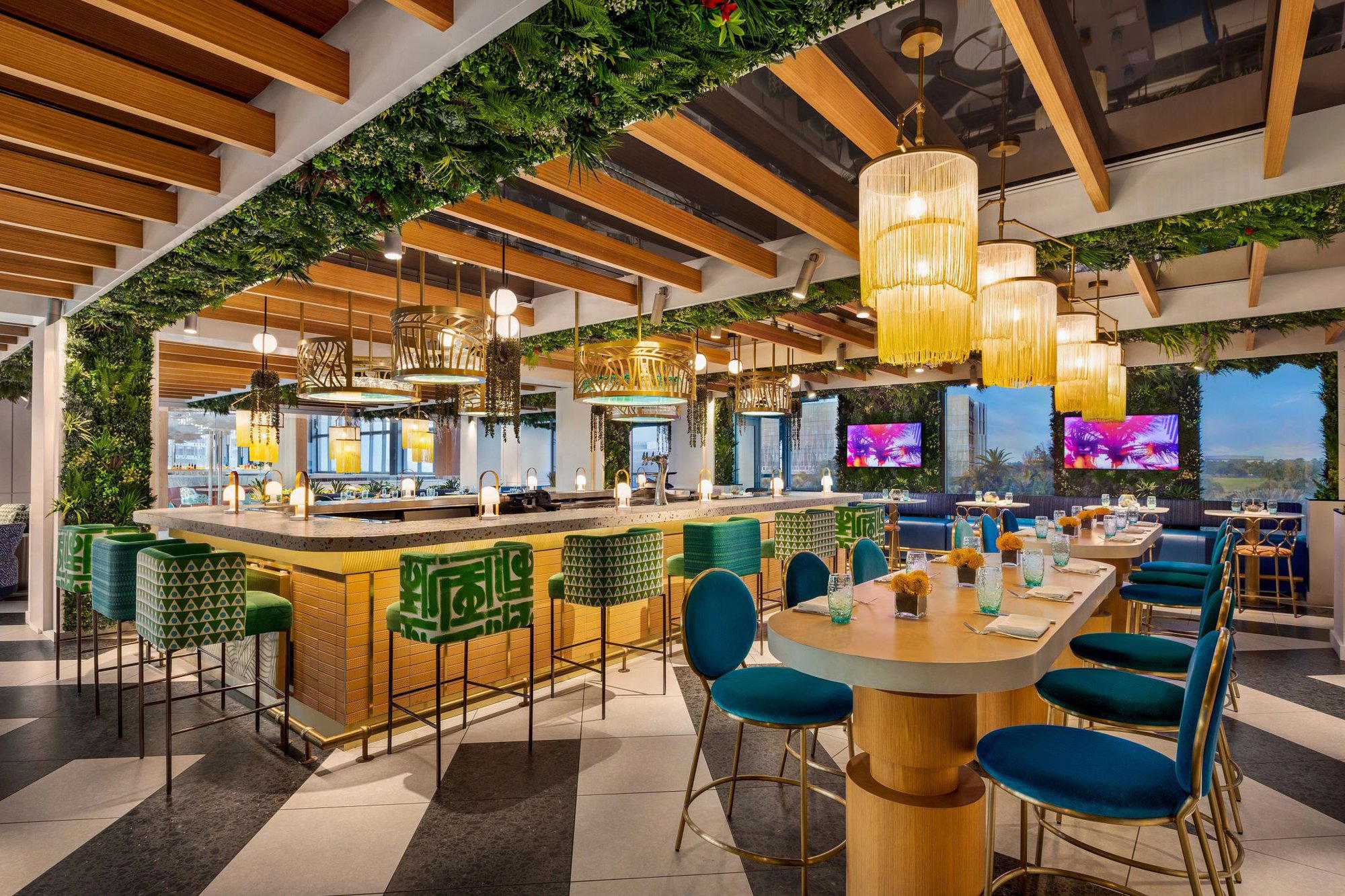
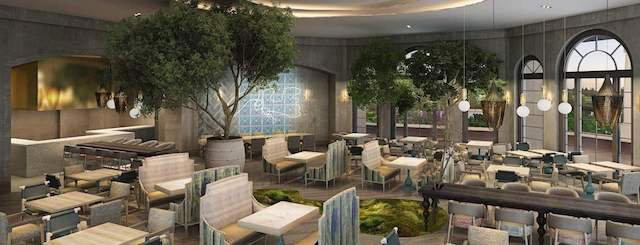
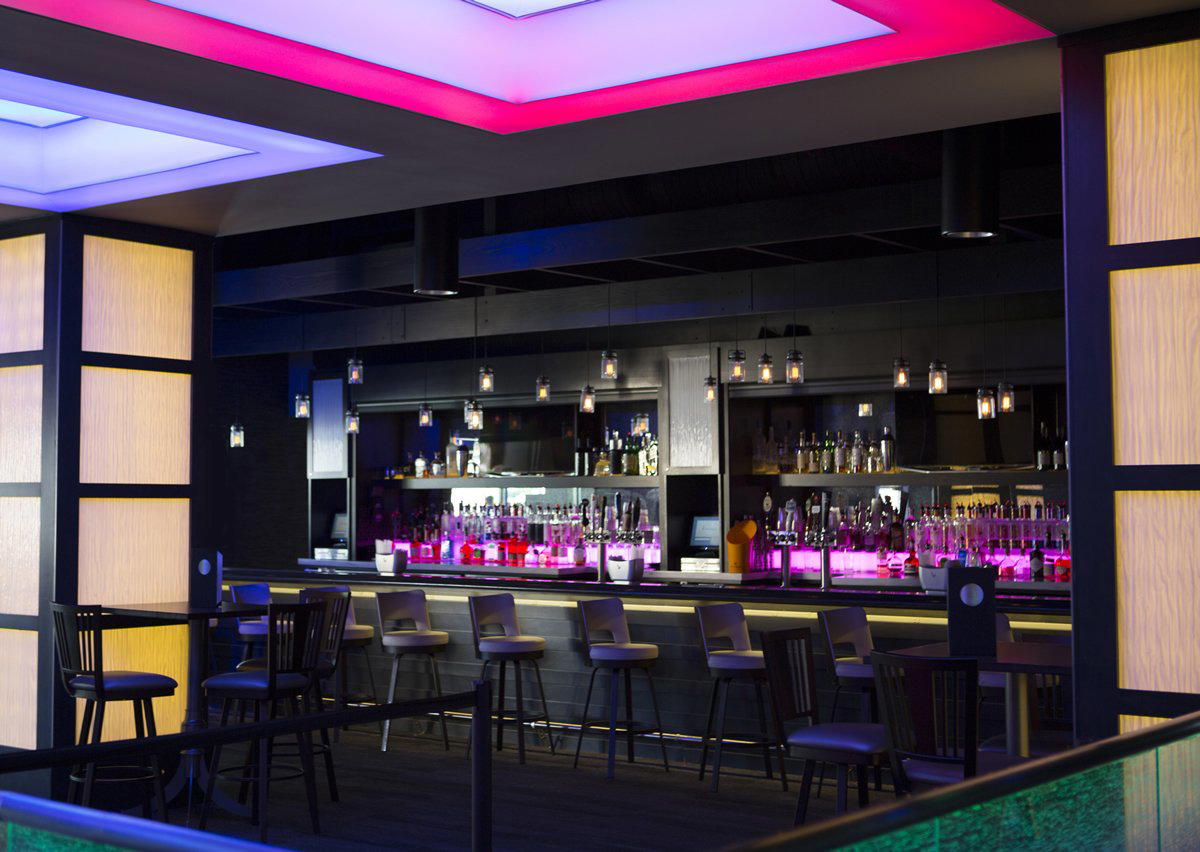
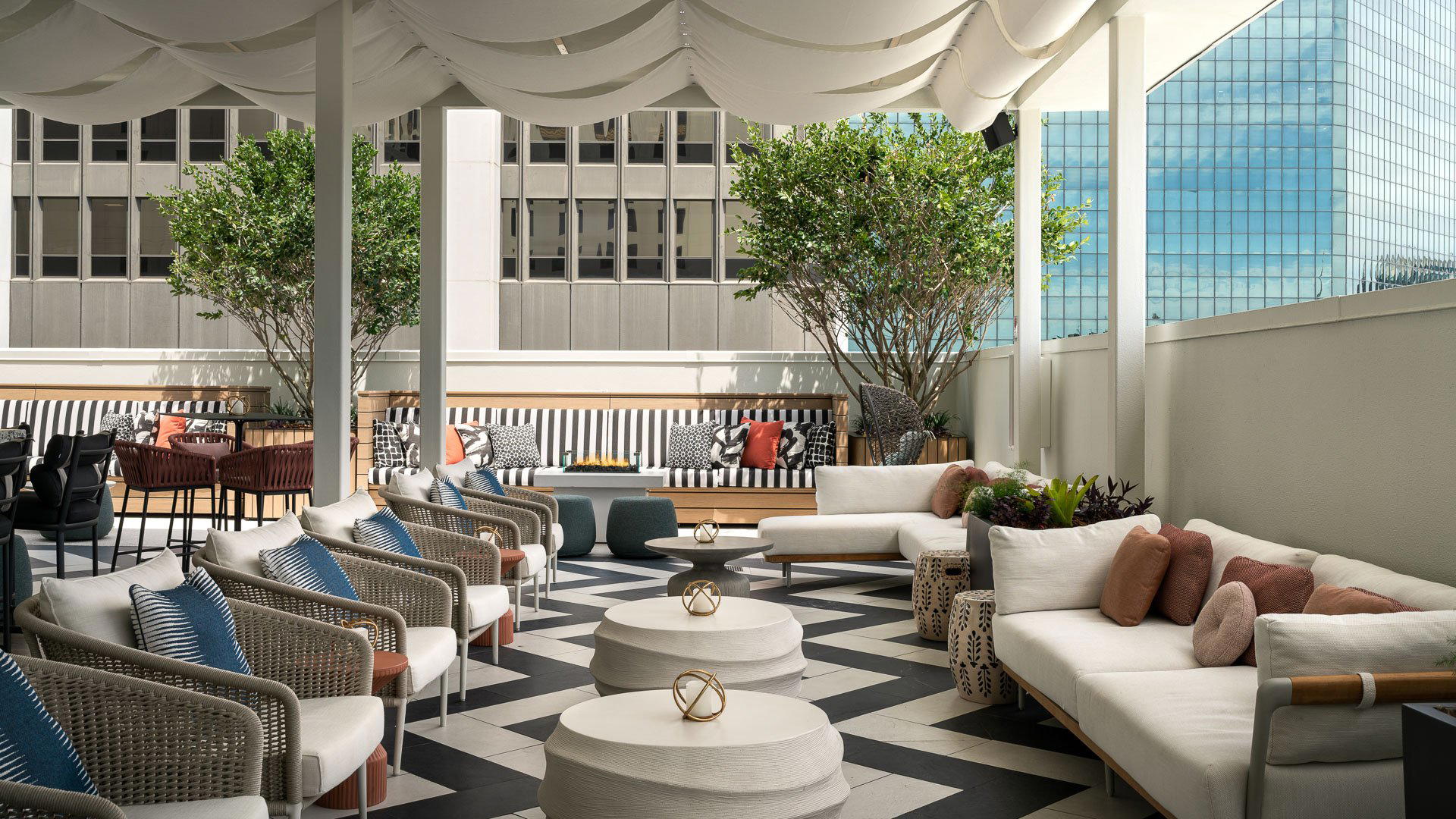
Chic, inviting, and relaxed yet sophisticated with a botanical-inspired atmosphere.