Gamushara Nara

Gamushara Nara places Yamatokoriyama’s ramen culture in the low-cost, high-specialisation lane: a counter-only ramen and dumpling shop selected for Tabelog Ramen WEST “Tabelog 100” across multiple years, including 2025. The appeal is not ceremony but concentration: a small room, a narrow format, and a regional ramen audience that rewards consistency over theatrics.
Pearl is the En Primeur Club membership app — saves, bookings, and concierge access live there. Same editors, same standards.
- Address
- 152-1 Kamimitsuhashicho, Yamatokoriyama, Nara 639-1102, Japan
- Phone
- +81 743-52-6440
- Website
- muteppou.com
 Saves & bookings on Pearl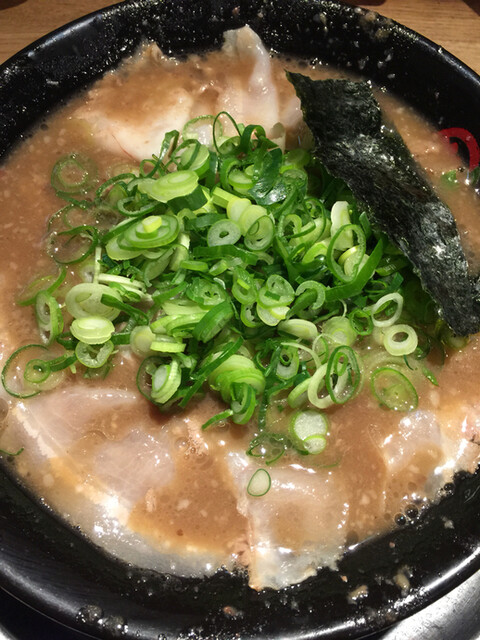
At the ramen end of Nara’s dining map, the signals change fast: fewer choreographed rooms, more counters, sharper turnover, and bowls judged by regulars who know what they came for. Gamushara Nara is the kind of Japanese restaurant where the room is part of the argument. Counter seating compresses kitchen rhythm and guest into close range, keeping attention on ramen and dumplings rather than the extended pacing of a formal meal.
That matters in Yamatokoriyama, a city many travellers know more as a Nara-side base than a dining spectacle. Ramen here works differently from temple-district eating in central Nara or destination omakase in larger cities. It is a local habit, a quick meal, and, at its serious end, a test of sourcing discipline: stock, noodles, seasoning, and sides must justify repeat visits without luxury service.
Ramen in Nara rewards supply-chain discipline, not dining-room theatre
Japan’s ramen hierarchy is often misunderstood from abroad. Price alone says little. A modest ticket can sit beside years of specialised repetition, especially in regional shops where procurement, broth management, and noodle handling carry the weight that wine lists and course counts carry elsewhere. Gamushara Nara’s repeated selection for Tabelog Ramen WEST “Tabelog 100” in 2017, 2018, 2020, 2021, 2022, 2023, 2024, and 2025 places it in western Japan’s competitive ramen conversation, not a casual neighbourhood-only bracket.
The category listing is direct: ramen and dumplings. The pairing reveals the operating logic. Dumplings are not decorative here; they belong to the same high-volume, ingredient-sensitive economy, where mince, wrappers, frying or steaming control, and timing must keep pace with the noodle counter. Take-out service also points to a format built for everyday use, not only sit-down destination dining.
Ingredient sourcing is the quiet subject. Ramen depends on extraction and balance: animal or seafood bases, tare, fat, noodles, toppings, and condiments have to work as a system. The supplied public details do not name a farm, noodle maker, or producer, so the safer conclusion is structural rather than romantic: recognition at this level usually follows consistency across components, not one luxury ingredient. Serious ramen differs from prestige dining here; the craft is less about rarity than making perishable, repetitive work taste controlled across service.
For travellers comparing options in Nara Prefecture, the reference point is not a kaiseki room or hotel dining room. It is the specialist ramen lane occupied by Men Shokudo 88, Menya Eguchi, and MENYA BIBIRI, where spend stays low and scrutiny sits on the bowl. Yakiniku Hachina and Tempura Hattori belong to different price and format conversations, which is precisely the point: ramen’s seriousness in western Japan does not require the same financial threshold as grilled beef or tempura counters.
A 13-seat counter changes the way the meal reads
The small counter format makes the experience functional rather than leisurely. In Japanese ramen culture, that is not a flaw. A counter-only room shortens the distance between ordering, cooking, serving, and leaving, and makes solo dining socially easy. Families are not excluded, and children are welcomed, but the room’s shape matters. Groups should read it as a compact ramen counter first, not a long-table restaurant for lingering.
The atmosphere reflects regional ramen’s wider appeal: democratic, concentrated, and unsentimental. The Tabelog score of 3.68 and the 2025 Ramen WEST selection are trust signals, but the more telling operational details are 13 seats, a non-smoking interior, and a counter-focused setup. These are not luxury markers. They mark a shop where the meal is measured by execution under pressure.
That pressure is part of the pleasure. At small ramen counters, a bowl is not insulated by ceremony; flaws show quickly. Noodle texture, broth weight, seasoning, side-order timing, and table turnover happen in plain view. Without named menu details, it would be careless to invent a house style, but the category sets expectations: come for a focused ramen-and-gyoza meal, not a broad izakaya spread.
Yamatokoriyama travellers should place this stop within a broader local map, not treat it as a standalone trophy. For city planning, start with Our full Yamatokoriyama restaurants guide, then compare non-restaurant decisions through Our full Yamatokoriyama hotels guide, Our full Yamatokoriyama bars guide, Our full Yamatokoriyama wineries guide, and Our full Yamatokoriyama experiences guide. The better reading of the city is cumulative: ramen counter, local transport rhythm, modest dining budgets, and short-format meals all share the same travel pattern.
How to read this stop against Japan's broader casual dining culture
Ramen remains essential to eating well in Japan because it resists the idea that prestige must be expensive. A shop can be inexpensive, compact, and highly specialised. Gamushara Nara fits that model through recognition, repeat selection, and a narrow format rather than chef biography or decorative luxury.
For a wider sense of how specialised Japanese casual dining changes by region, compare it with -Grilled beef Sukiyaki- KAMAKURA TANUKIAN 鎌倉 たぬき庵 in Kamakura, . 鮪と炭火焼き うお炭 秋葉原店 in Tokyo, .cafe in Osaka, .know in Kumamoto, (Shoku) Vietnam in Kawasaki, [Curry Senmon Ten] Maruyama Kyoju. in Sapporo, [ki:] in Kyoto, #肉といえば松田 奈良本店 in Kashihara, 1/3 HAMBURGER FACTORY in Kanazawa, 1000 in Yokohama, and 1000mヒュッテ 1000m Hut in Kutchan. Outside Japan, Jōdo Saké Bar in Los Angeles and Onigiri Time in Pasadena show how Japanese formats travel, adapt, and often lose some compressed local logic that makes a 13-seat ramen counter in Nara feel so specific.
The editorial read is simple: this is a specialist ramen stop for travellers who understand that casual dining can carry serious technique. The draw is not a long menu or staged occasion. It is the Japanese counter meal at its leanest: narrow category, repeat recognition, modest spend, and enough operational focus to make a small shop matter beyond its immediate neighbourhood.
At-a-Glance Comparison
Comparable venues by cuisine and price in the same metro.
| Venue | Cuisine | Price | Notes |
|---|---|---|---|
| Gamushara NaraThis venue — the venue you are viewing | Pork-bone ramen shop | $ | Not listed |
| ラーメン チョンマゲ 大阪天六店 | Traditional Japanese Soy Sauce Ramen | $ | Tenjinbashi |
| 屋宜家 | Traditional Okinawan Soba | $ | 八重瀬町大頓 |
| こってり和歌山らーめん 清乃 | Wakayama Ramen | $ | Wakayama City Center |
| Curry Daiya | Classic Japanese curry house | $ | Asahi |
| Gokuraku Udon Ah-Men | Casual Udon Noodle Shop | $ | Ikuno |
Recognition history
Dated appearances from independent guides and award organizations, with the underlying list record or original source where available.
Tabelog 100 #42 · No. 42
Tabelog · Tabelog 100 - Ramen - WEST - 2025
Continue exploring
More in Yamatokoriyama
Restaurants in Yamatokoriyama
Browse all →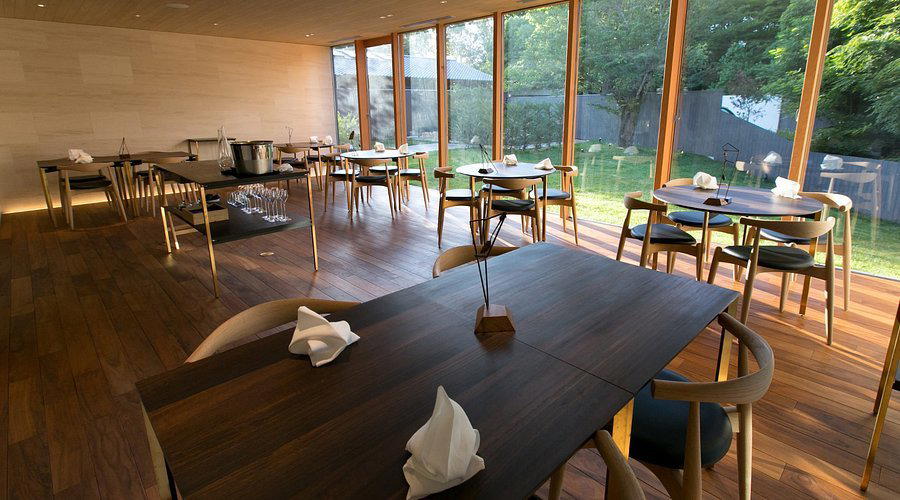




Bars in Yamatokoriyama
Browse all →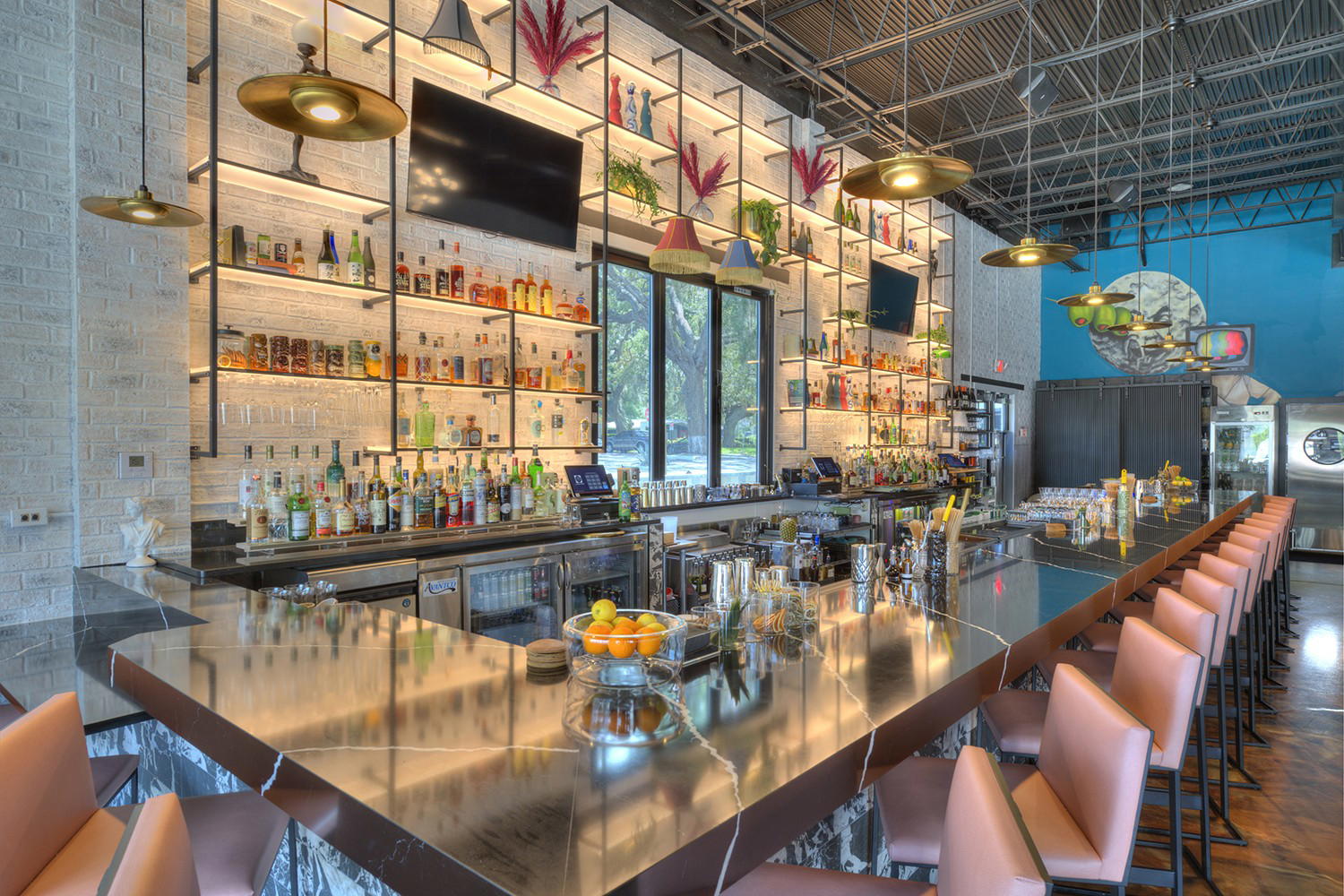
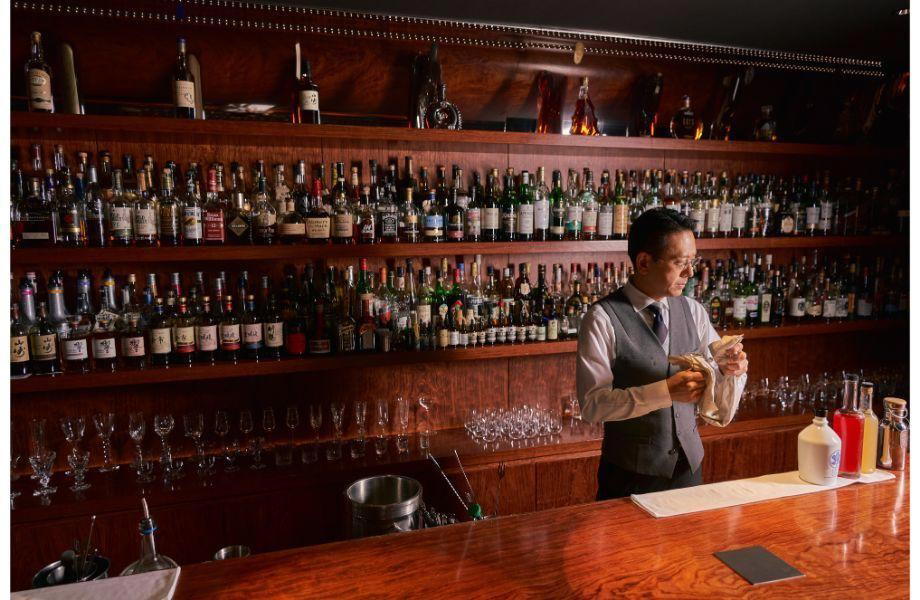

Hotels in Yamatokoriyama
Browse all →



Wineries in Yamatokoriyama
Browse all →
At a Glance
- Lively
- Cozy
- Solo
- Casual Hangout
- Late Night
- Family
- Chefs Counter
- Standalone
Current opening hours
- Monday
- Closed
- Tuesday
- 11 AM–3 PM, 6–10 PM
- Wednesday
- 11 AM–3 PM, 6–10 PM
- Thursday
- 11 AM–3 PM, 6–10 PM
- Friday
- 11 AM–3 PM, 6–10 PM
- Saturday
- 11 AM–3 PM, 6–10 PM
- Sunday
- 11 AM–3 PM, 6–10 PM
Hours can change for holidays and private events. Last verified .
A compact, counter-only ramen shop with a simple house-like exterior, bright but unpretentious lighting, and a bustling, ramen-ya atmosphere focused on hearty bowls rather than decor.