On Vernazza's harborfront piazza, Gambero Roso occupies one of the Cinque Terre's most recognizable dining positions, with tables facing directly onto the sea. The kitchen draws from the deep Ligurian tradition of seafood-led cooking, shaped by the same fishing culture that has defined this coastline for centuries. For visitors to our full Vernazza restaurants guide, it represents one of the most direct expressions of place available in the village.
Pearl is the En Primeur Club membership app — saves, bookings, and concierge access live there. Same editors, same standards.
- Address
- Piazza Guglielmo Marconi, 7, 19017 Vernazza SP, Italy
- Phone
- +39187812265
- Website
- ristorantegamberorosso.net
 Saves & bookings on Pearl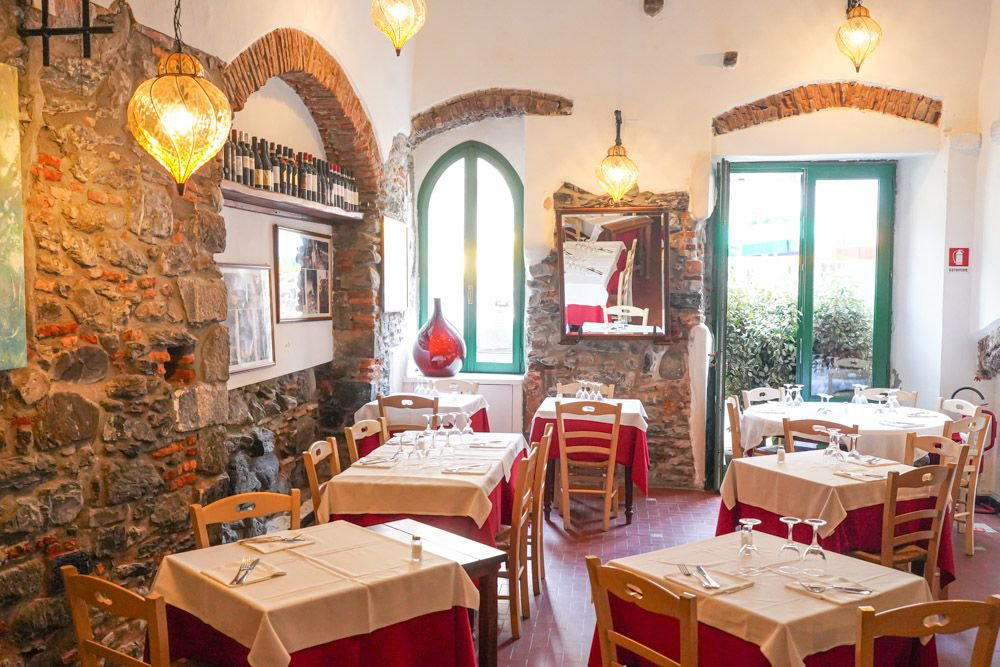
Where the Piazza Meets the Water
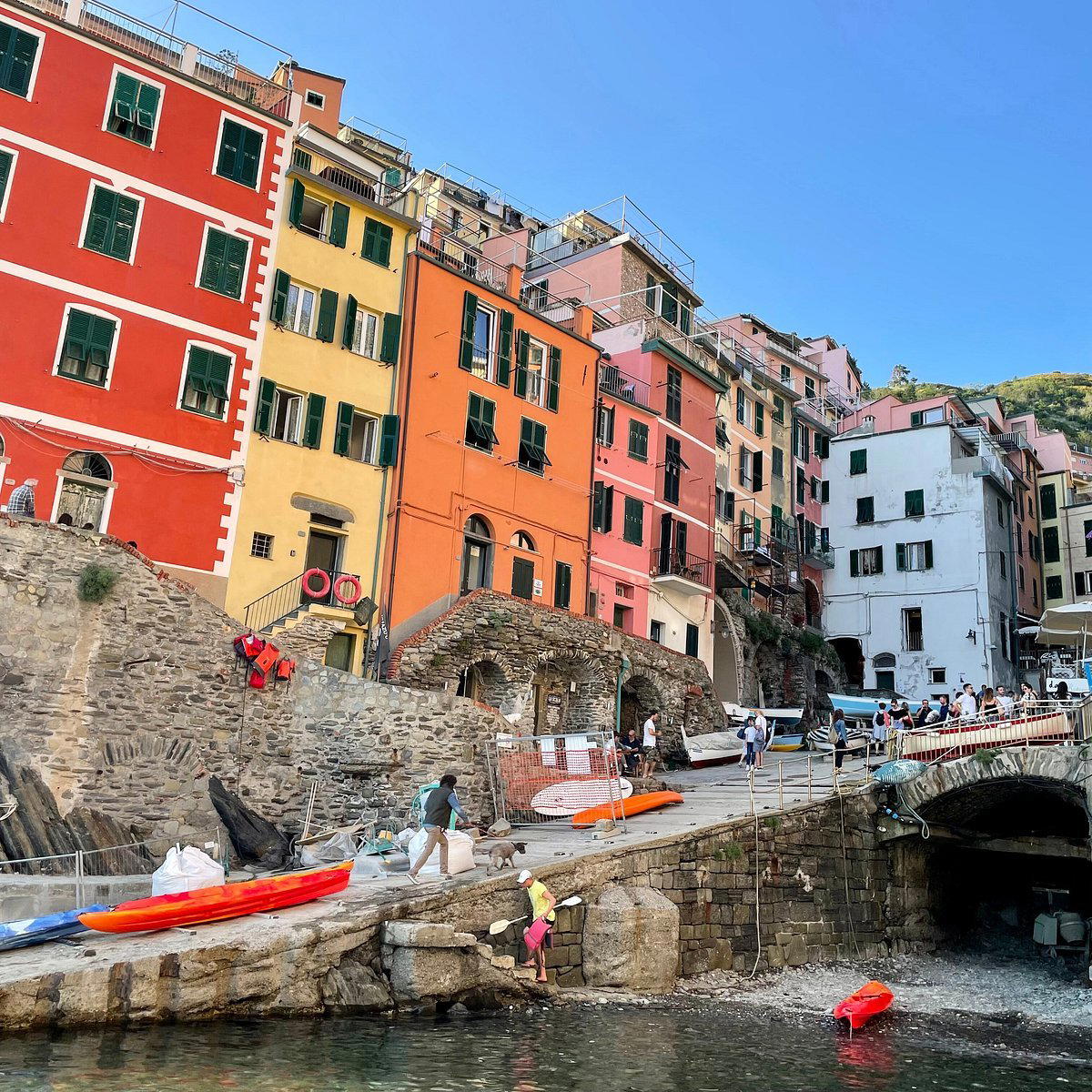
Arriving at Vernazza's harbor on foot, as most visitors do after descending the coastal trail from Monterosso or climbing up from Corniglia, the geometry of Piazza Guglielmo Marconi resolves gradually. The tower, the church, the clustered facades in faded terracotta and ochre, and then the sea itself, filling the far end of the piazza like a wall of light. Gambero Roso sits at that junction, on the square at number 7, with a frontage that places it directly within the visual logic of the village rather than apart from it. This is not incidental to the dining experience. In Ligurian coastal towns, the relationship between a restaurant and its piazza is often the most legible signal of its standing within the community.
Vernazza is the only one of the five Cinque Terre villages with a natural harbor, which has historically made it both a fishing base and a trading point. That fishing identity is not merely picturesque backdrop. It has shaped a specific culinary tradition: preparations that treat the catch with economy and precision, sauces built on olive oil and local herbs rather than cream or reduction, and a preference for anchovies, sea bass, and shellfish over the heavier proteins that dominate Italian menus further inland. Gambero Roso, as its name suggests (the red prawn, a recurring figure in Ligurian coastal cooking), positions itself within that tradition.
The Ligurian Table in Its Coastal Form
Ligurian cuisine is among the most internally coherent regional traditions in Italy, and the coastal variant differs from the inland version in ways that matter to anyone paying attention. Inland Liguria gravitates toward chestnut, mushroom, and the aromatic compounds of the Apennine hillsides. The coast, particularly the eastern stretch from Levanto to La Spezia that encompasses the Cinque Terre, runs toward the sea absolutely. Anchovies appear in multiple registers, cured and fresh. Pesto, which originated in the Genoese hills to the west, arrives here in versions that tend to use less basil and more local variation. Trofie, the short twisted pasta characteristic of the region, carries pesto in a way that flat pasta cannot, holding the sauce in its coils rather than letting it slide.
The seafood-led approach that defines this stretch of coastline has a logic that runs deeper than menu composition. Cinque Terre fishing communities operated under significant geographic constraint: no road access until the twentieth century, steep terrain limiting agriculture, and an economy built almost entirely around fishing and the terraced vineyards that climb the cliffs above the villages. That scarcity produced a cuisine of resourcefulness. Nothing from the sea is wasted, and the flavors are clear because the ingredients cannot afford to be obscured. Places like Uliassi in Senigallia and Quattro Passi in Marina del Cantone represent the more technically ambitious end of Italian coastal seafood cooking, each holding Michelin recognition and operating at price points that reflect a formal fine dining position. Gambero Roso occupies a different register: the trattoria end of that same coastal tradition, where the point is fidelity to place rather than technical transformation of it.
For a comparative frame at the highest end of Italian fine dining, restaurants such as Osteria Francescana in Modena, Le Calandre in Rubano, and La Pergola in Rome define what Italian restaurant cooking looks like at its most formally ambitious. The Cinque Terre sits at the opposite pole of that spectrum, deliberately and productively so. The tradition here is not about transformation but about presentation: the Ligurian coastline on a plate, with as little interference as possible. Other Italian coastal traditions worth knowing in this context include Dal Pescatore in Runate and Reale in Castel di Sangro, both of which show how far Italian regional cooking can travel when given the right conditions.
The Village as Context
Vernazza receives significant visitor volume across the spring and summer months, with the hiking trail between the five villages generating a concentrated flow of foot traffic from April through October. The piazza fills by midday on clear days, and restaurants on the harbor square operate under considerable pressure during peak season. This is worth understanding before arrival. Dining on the piazza in high summer is an exercise in patience as much as pleasure. The reward, on the right evening when the light drops and the harbor quiets, is a setting that few piazzas in Italy can match for sheer physical coherence.
The Cinque Terre was inscribed as a UNESCO World Heritage Site in 1997, a designation that recognized both the natural landscape and the human construction of the terraced vineyards. That formal recognition has shaped visitor patterns significantly, concentrating travel into an already narrow window and placing pressure on the villages that the infrastructure, built for fishing communities rather than tourism, was not designed to absorb. For visitors making a considered decision about where and how to eat in Vernazza, timing matters as much as choice of venue. Lunch service in shoulder season, or dinner on a weekday rather than a weekend, shifts the experience materially.
Belforte represents the other anchor address in Vernazza's small restaurant selection, positioned on the medieval tower above the harbor with a different vantage point and a slightly more formal tone. The two restaurants define the parameters of serious dining in the village.
For context on what Italian creative cooking looks like in the mountain direction, Atelier Moessmer Norbert Niederkofler in Brunico represents the alpine pole of Italian regional identity, as different from Ligurian coastal cooking as it is possible to be while remaining within the same national tradition. Both ends of that spectrum are worth knowing. Elsewhere in the Italian north, Enrico Bartolini in Milan, Piazza Duomo in Alba, Enoteca Pinchiorri in Florence, Da Vittorio in Brusaporto, Villa Crespi in Orta San Giulio, and Casa Perbellini 12 Apostoli in Verona represent a different register of Italian dining ambition. And for international seafood comparison at the highest formal level, Le Bernardin in New York City and Lazy Bear in San Francisco show how seafood-led cooking translates across different culinary cultures.
Planning Your Visit
Vernazza is accessible by train on the La Spezia to Levanto line, with frequent service from both directions. The village has no car access for visitors, and parking at the tunnel entrance above the town requires a walk down into the piazza. Arriving by train directly to Vernazza station, which deposits you at the harbor within a two-minute walk of the piazza, is the practical choice. Gambero Roso is at Piazza Guglielmo Marconi 7, in plain sight from the station exit.
Booking and Cost Snapshot
Comparable venues nearby, for context on price, style, and recognition.
| Venue | Cuisine | Price | Awards | Notes |
|---|---|---|---|---|
| Gambero RosoThis venue — the venue you are viewing | Vernazza, Modern Ligurian Seafood | $$$ | , | |
| Belforte | Vernazza, Traditional Ligurian Seafood | $$$ | , | |
| Renzo | $$$ | , | Cadenabbia di Griante, Contemporary Italian | |
| Costa Sigieri | Pta Romana, Sardinian Seafood | $$$ | , | |
| Ristorante Il Guscio | San Frediano, Authentic Tuscan Trattoria | $$$ | , | |
| Innocenti Wines | Poggibonsi, Modern Tuscan Wine Bar | $$$ | , |
At a Glance
- Rustic
- Scenic
- Cozy
- Date Night
- Special Occasion
- Waterfront
- Terrace
- Extensive Wine List
- Local Sourcing
- Waterfront
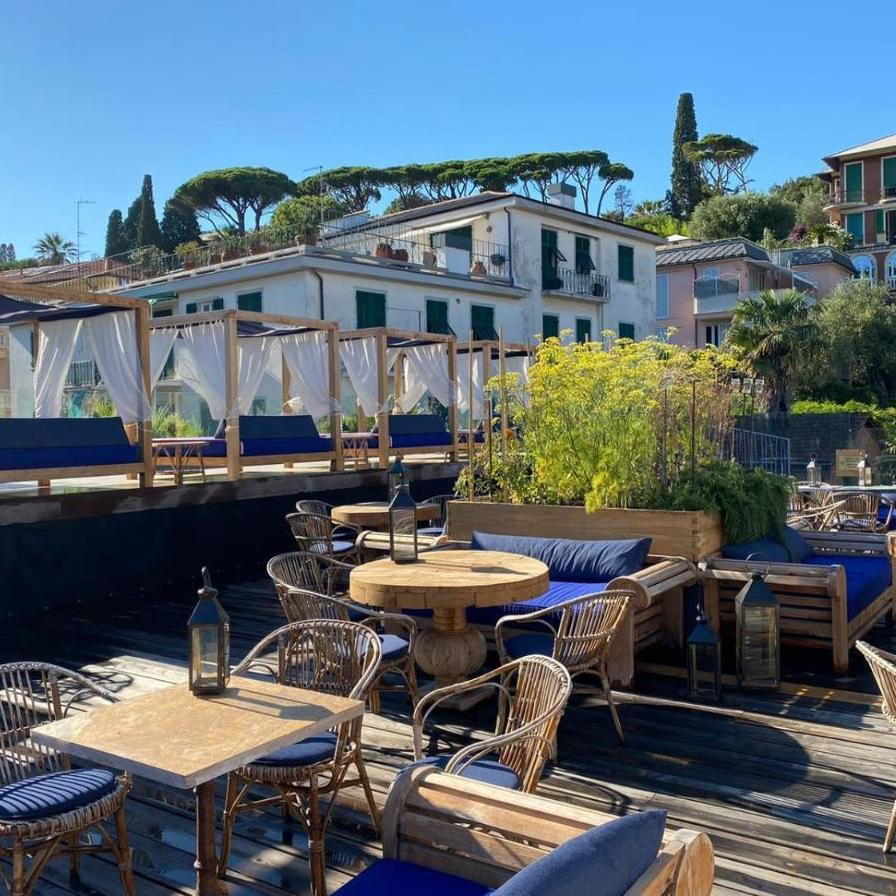
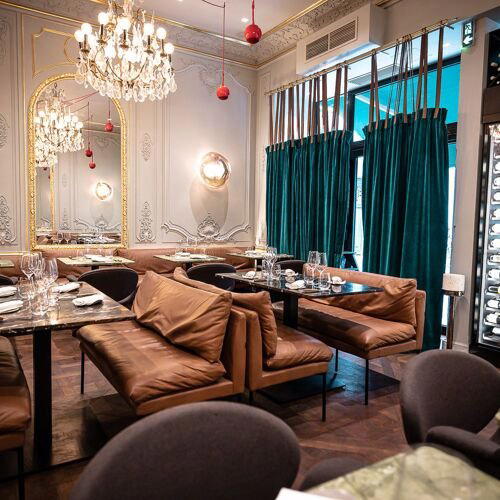
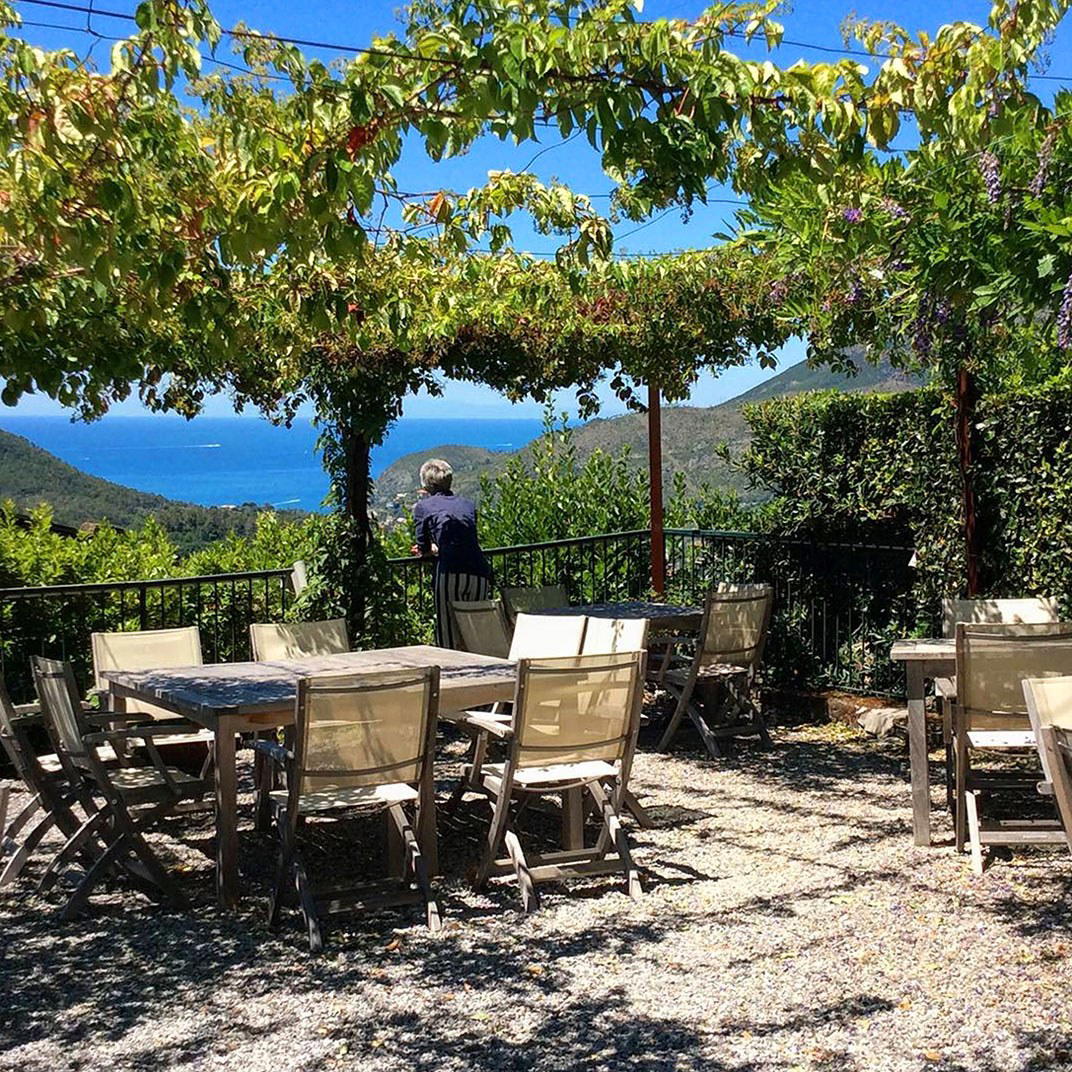
Rustic rooms inspired by old Ligurian houses with colorful tables, flowers, and a welcoming home-like atmosphere.