
La Sosta di Ottone III suits travelers who prefer Liguria at village scale rather than resort scale. In Levanto, its Michelin Selected hotel recognition places it in a curated hospitality tier, with the appeal tied less to spectacle than to the discipline of a small Italian coastal stay shaped by stone, hillside context, and access to the Cinque Terre edge.
Pearl is the En Primeur Club membership app — saves, bookings, and concierge access live there. Same editors, same standards.
- Address
- Località Chiesanuova, 39, 19015 Levanto SP, Italy
- Phone
- +39 351 886 0251
- Website
- lasosta.com
- Directions
- Get directions
 Saves & bookings on Pearl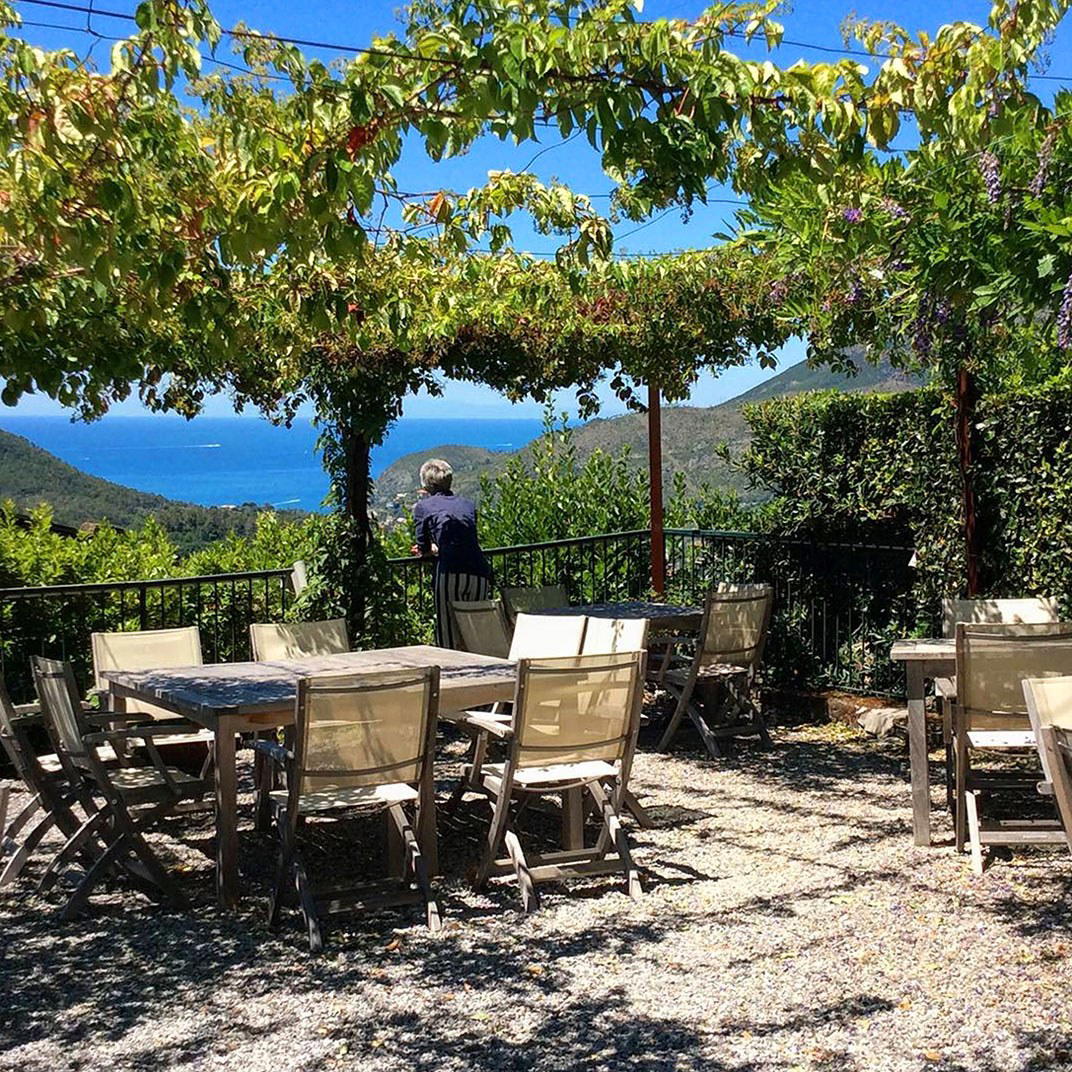
Approaching La Sosta di Ottone III, the useful reference point is Levanto itself: a Ligurian base that invites a slower reading than particularly overtly resort-led parts of the coast. Levanto has long worked as a practical counterweight to the Cinque Terre towns, close enough for regional movement yet less defined by the day-trip crush. In that setting, a small hotel has to earn its place through proportion. Scale, atmosphere, and restraint matter more than lobby theatre.
This is where La Sosta di Ottone III fits the current Italian boutique-hotel conversation. Across Italy, the more persuasive small stays are not trying to imitate resort hardware. They work with compact footprints, careful pacing, and a slower relationship to the surrounding town. MICHELIN Selected recognition gives the property an external trust signal, but the more interesting point is what that selection implies: hospitality judged on coherence rather than size.
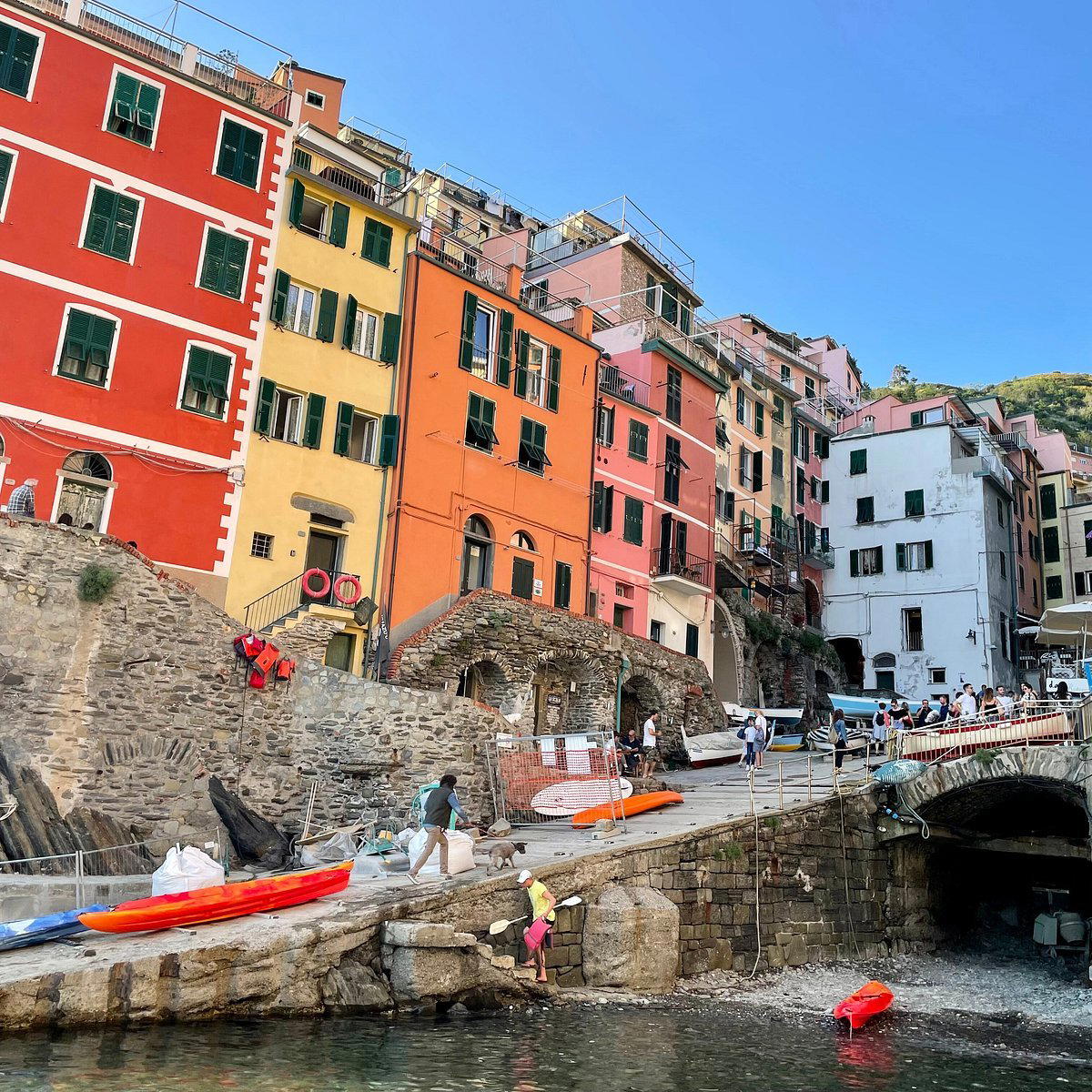
Stone-village Liguria, not resort Liguria
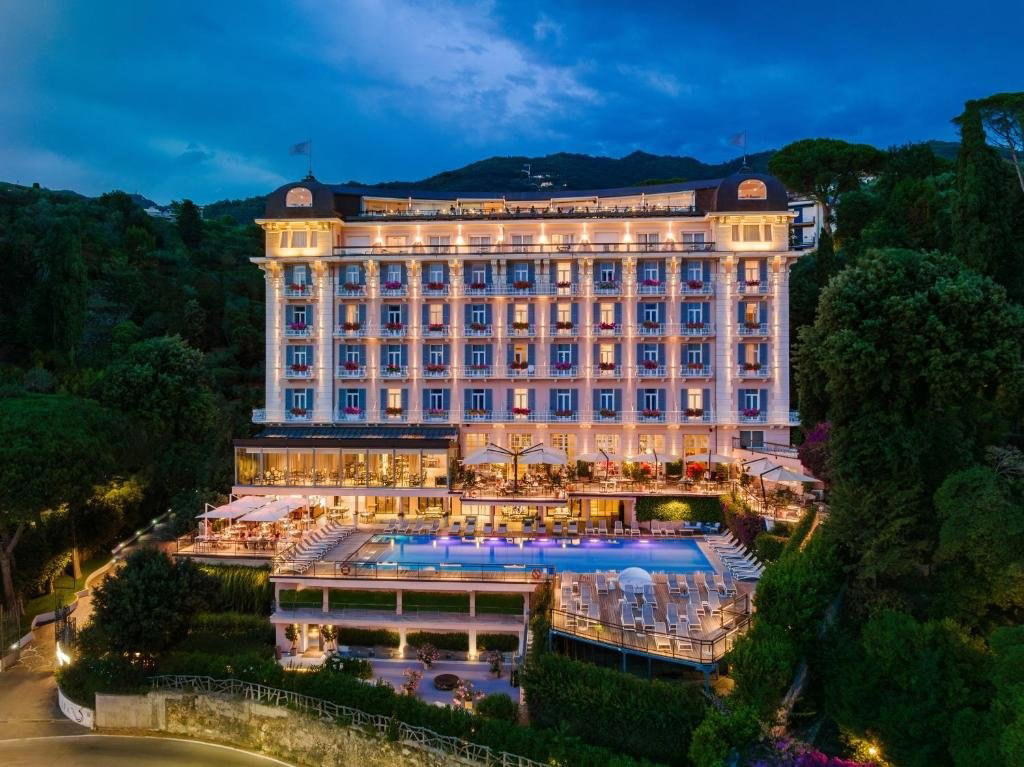
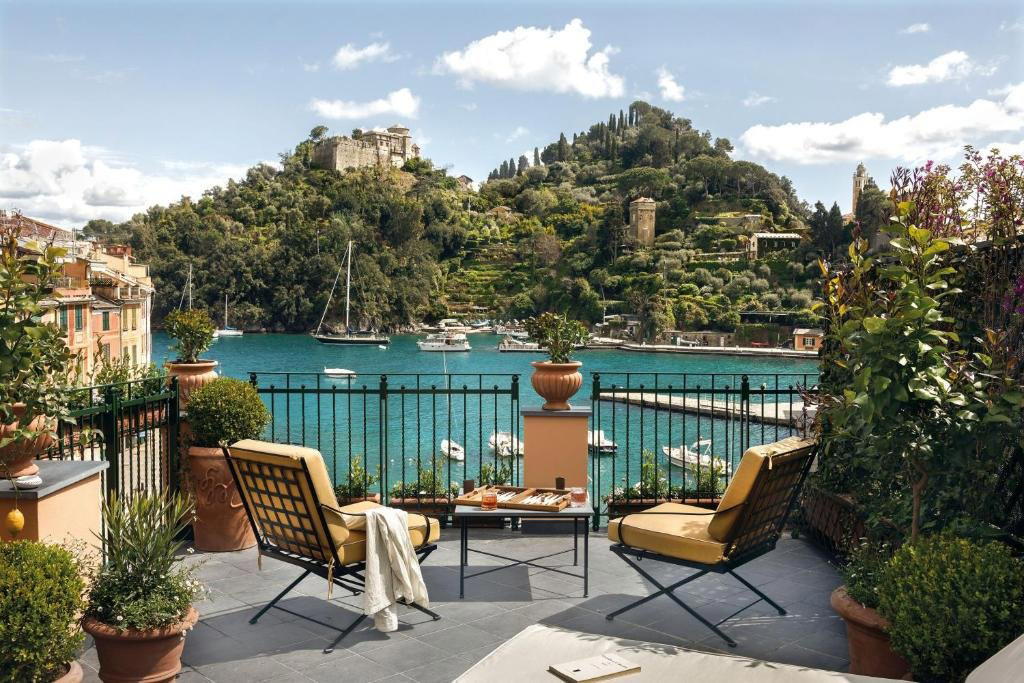
Levanto occupies a useful position on the Ligurian map. It is a coastal base, but its hospitality character is softer than the trophy addresses around Portofino. Grand Hotel Portovenere, Grand Hotel Bristol Spa Resort, Splendido Mare, a Belmond Hotel, Portofino, and Splendido, a Belmond Hotel operate in a more declarative Riviera register: waterfront visibility, destination-hotel recognition, and a higher-gloss relationship to the coast. La Sosta di Ottone III belongs to a quieter category, where the appeal sits in the hotel’s relationship to Levanto and the guest’s relationship to the region.
That distinction matters because Liguria can punish lazy hotel choices. A seafront address may sound convenient, yet the stronger stay for some travelers is often a little removed from the main coastal flow, particularly when the plan includes moving between nearby towns and returning to somewhere calmer. The hotel’s Levanto setting makes it part of that practical rhythm: coast by day, smaller-scale return by night.
Design-led Italian hospitality now splits into several lanes. Some urban properties use city density and concept-driven interiors as their frame, while smaller and more locally rooted stays lean on restoration, locality, and older civic fabric. The hotel is closer to that latter sensibility than to the branded urban set: less about concept as performance, more about how a place in Levanto can hold a stay without needing to over-explain itself.
The design value is proportion
The architectural lesson here is not excess. Ligurian settings do not need decorative overstatement; their strength is often found in compression, texture, and the way a town changes across the day. For a traveler choosing between a large coastal resort and a smaller Levanto hotel, this is the central trade: fewer grand gestures, more immediate context. The experience is less about arriving at a self-contained compound and more about reading the place around the hotel.
That puts the hotel in a different lane from resort-led properties elsewhere in Italy. Larger coastal, spa, or mountain hotels often speak through infrastructure, programming, or landscape scale. The Levanto choice is more edited: the town and the regional access do a larger share of the work. The hotel’s value is not in competing amenity for amenity, but in giving the region a quieter frame.
For food-minded travelers, this also changes the shape of a stay. Levanto is not presented here as a city of endless late-night options, and that can be part of its value for the right guest. The better approach is to treat the hotel as a base for Ligurian pacing: breakfast without hurry, a day structured around the coast or nearby towns, then a return to a smaller setting where dinner can be planned without surrendering to the busiest lanes elsewhere. For broader planning, compare other dining in Levanto, local bars, wineries, and experiences generically rather than treating the town like a checklist.
Who should choose this kind of stay
The right guest is not chasing the fullest amenity list. This is a stay for travelers who care about where a hotel sits, how a town feels after the day traffic fades, and whether a property supports a regional itinerary without taking over the trip. MICHELIN Selected status adds reassurance for quality control, while the Levanto address gives the stay a practical role on a Ligurian route.
It is also a useful reminder that Italy’s small-hotel culture is not one thing. Some stays read through Alpine sport and mountain design; others through wellness, southern coastal scale, agrarian hospitality, or deeply local restoration. Internationally, remote-format stays show how strongly context can define a hotel. The hotel makes the same argument in Ligurian form: the stay is not separated from its setting; it is one way the place reads clearly.
Use a broader Levanto hotels comparison to weigh the city’s lodging options before committing. The decision should be less about chasing a generic luxury label and more about choosing the version of Liguria wanted: resort coast, town base, or a quieter pause with the Cinque Terre close enough to shape the itinerary without overwhelming it.
A Quick Peer Check
Comparable venues by cuisine and price in the same metro.
| Venue | Cuisine | Price | Awards | Notes |
|---|---|---|---|---|
| La Sosta di Ottone IIIThis venue — the venue you are viewing | Historic boutique inn in 16th-century building blending medieval charm with modern luxury. | $$$ | 2-Star | Not listed |
| Villa Monty Banks | Restored 1939 historical villa with British Liberty and Art Deco influences. | $$$ | 4-Star | hills of Cesena |
| Villa Svetoni Wine Resort | Historic Tuscan estate reimagined as luxury wine resort; blends 18th-century architectural heritage with contemporary hospitality and wellness focus. | $$$ | 4-Star | Montepulciano |
| Nhow Milan | Fashion & Design hotel in a repurposed industrial building | $$$ | 4-Star | Tortona |
| Villa Gina | Independent heritage villa apartments offering self-catering accommodations with historical charm and modern renovations. | $$$ | 4-Star | Varenna |
| Villa Rosmarino | Historic Ligurian palazzo with modern Italian design | $$$$ | 2-Star | Camogli |
Recognition history
Dated appearances from independent guides and award organizations, with the underlying list record or original source where available.
Michelin Selected
Michelin
At a Glance
- Romantic
- Cozy
- Intimate
- Historic
- Scenic
- Elegant
- Romantic Getaway
- Honeymoon
- Weekend Escape
- Historic Building
- Panoramic View
- Terrace
- Wi Fi
- Restaurant
- Garden
- Air Conditioning
- Concierge
- Garden
- Mountain
- Wi Fi
- Restaurant
- Garden
- Air Conditioning
- Concierge
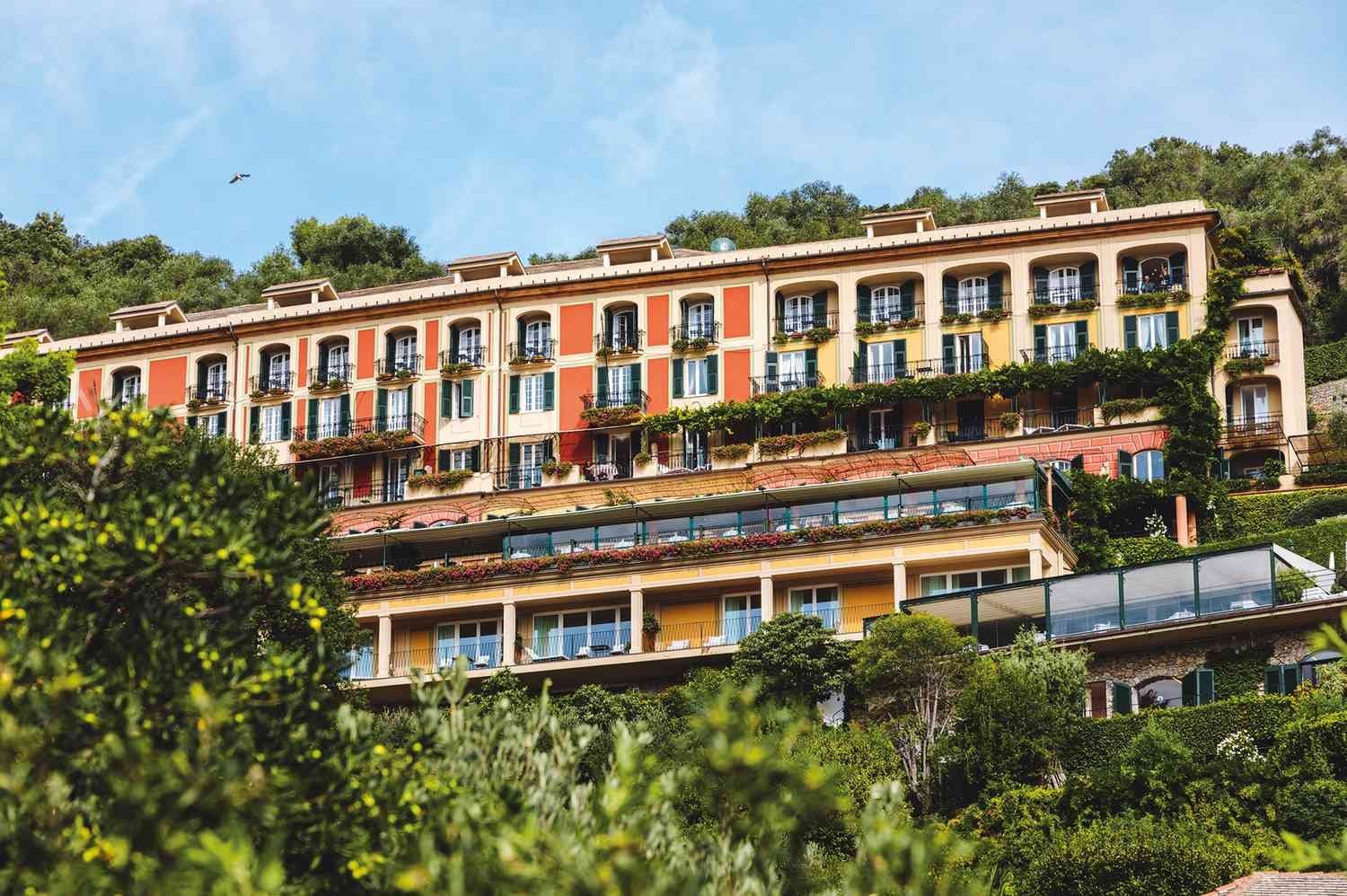
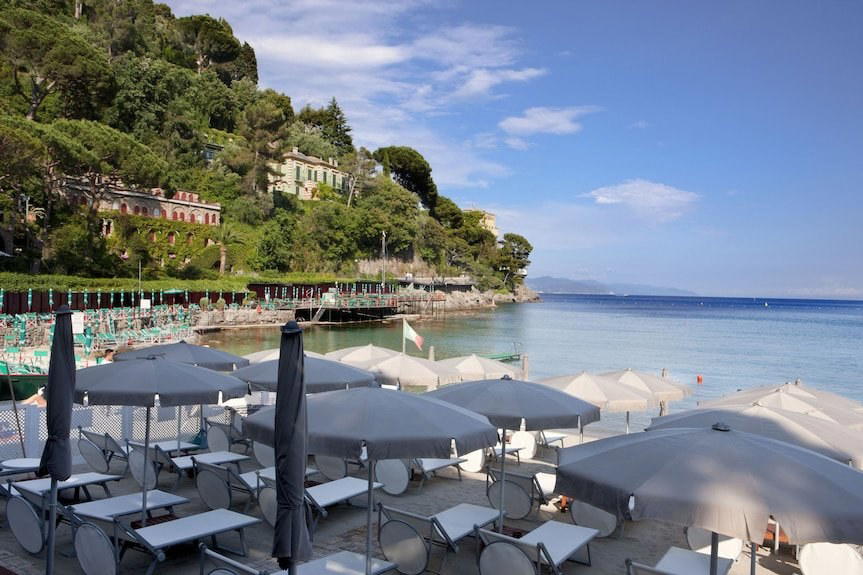
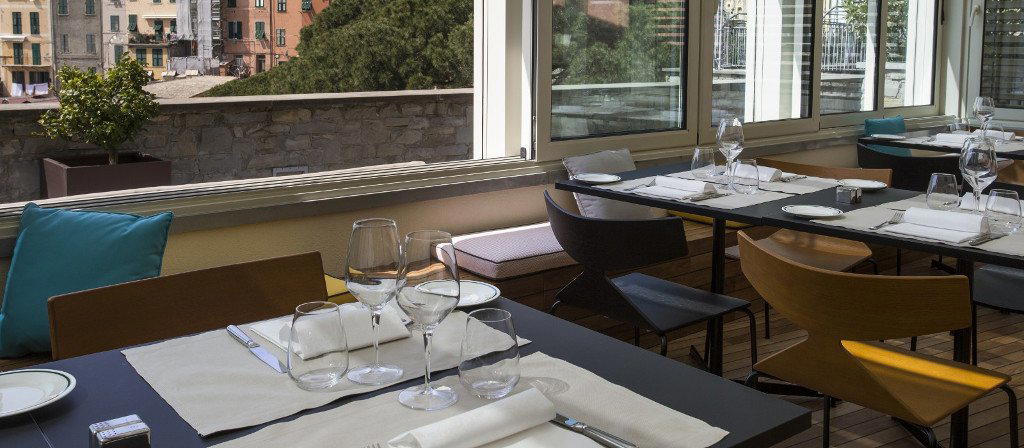
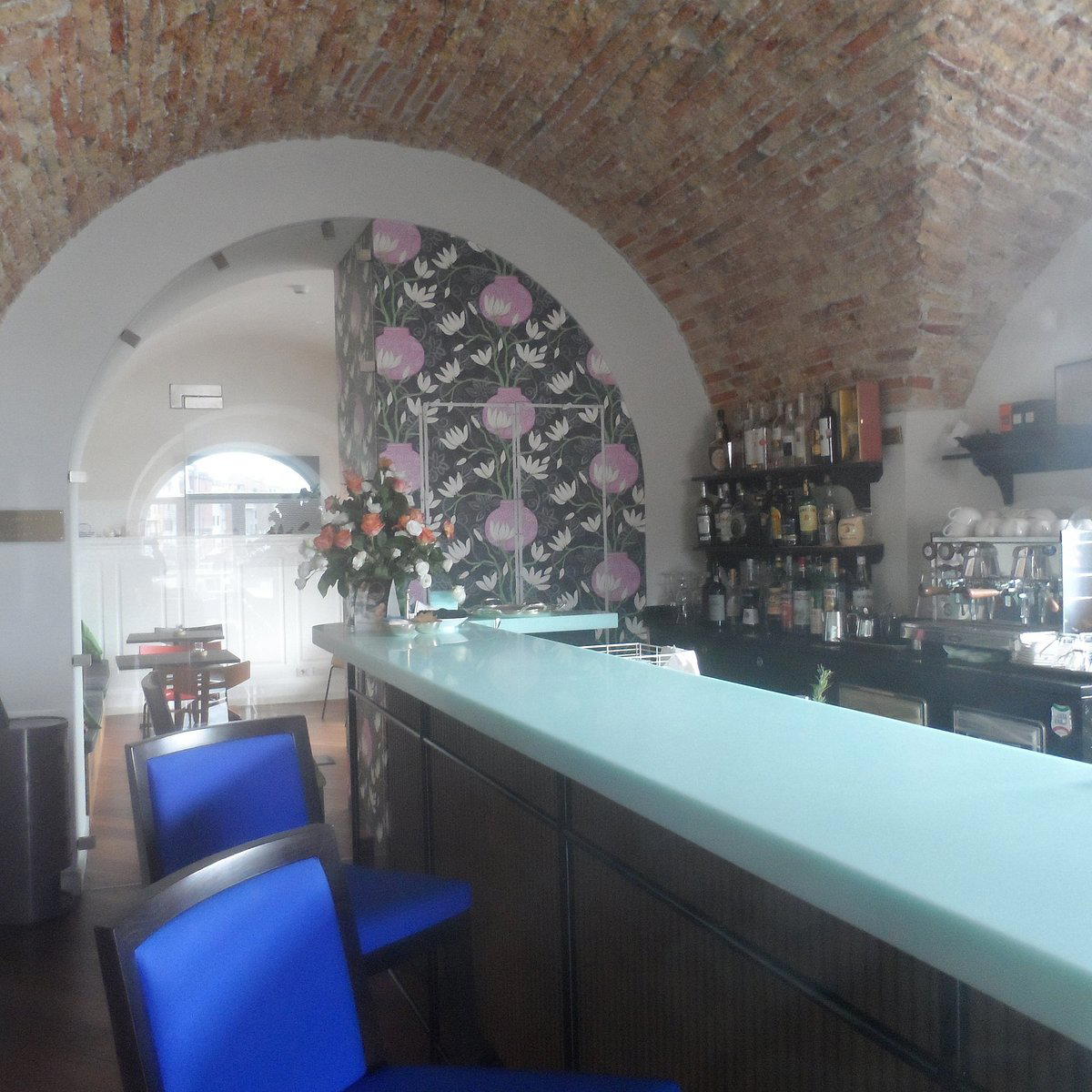
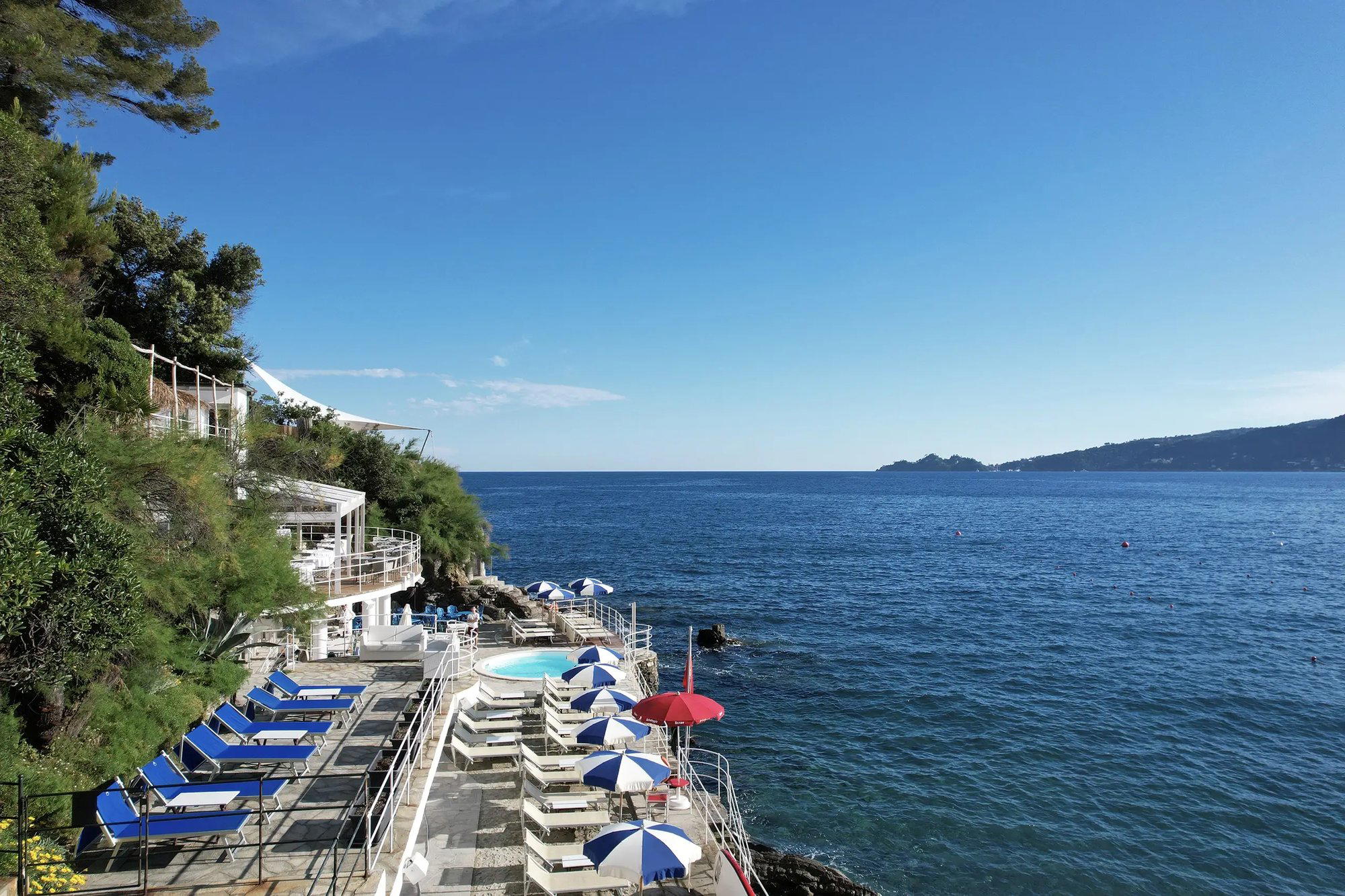
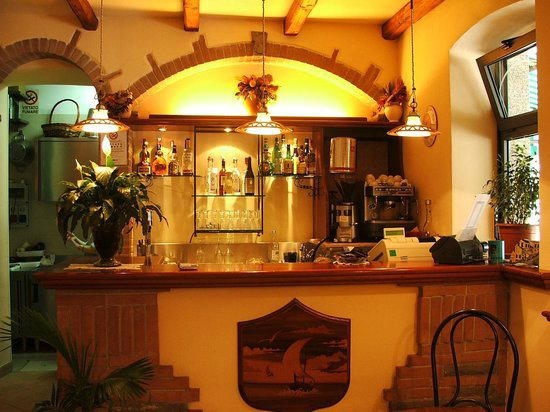
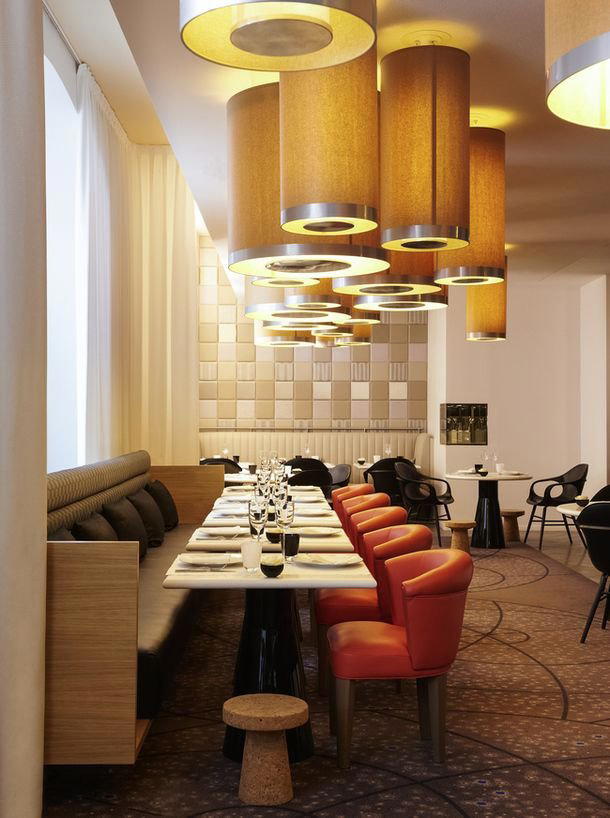
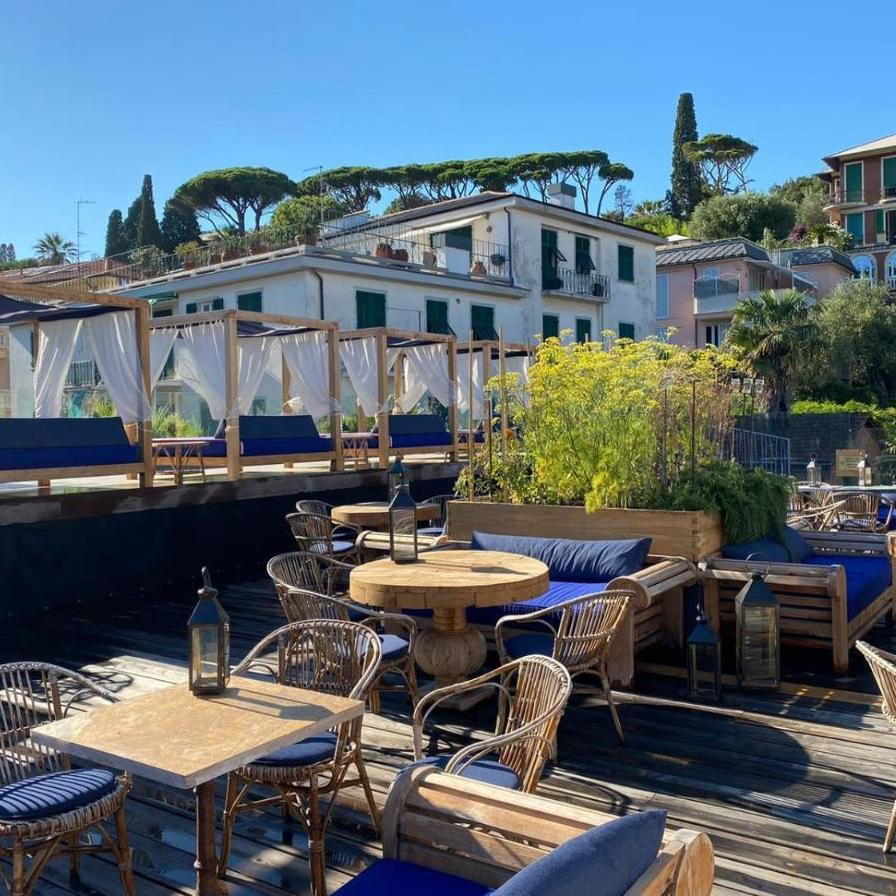
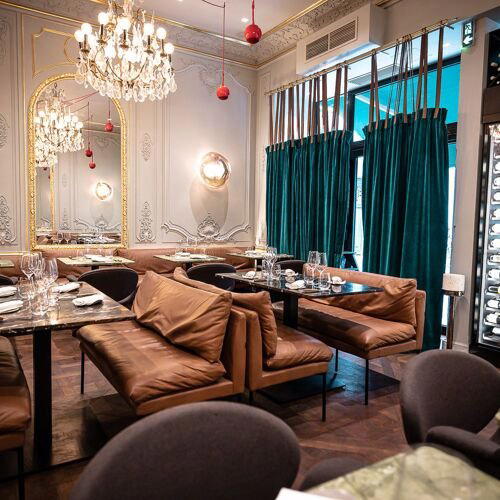
Cozy and authentic with soft Ligurian colors, antiques blended with designer pieces, warm lighting, and a timeless romantic atmosphere enhanced by terraces overlooking olive groves and the sea.