Fusion Ceviche

Dubai's ceviche-focused dining sits within a broader regional shift toward Latin-inflected seafood formats that balance acid-forward technique with Gulf palate expectations. Fusion Ceviche enters that conversation at a moment when the city's mid-tier seafood category is expanding beyond sushi and Mediterranean templates. The address places it inside Dubai's competitive casual-to-mid dining tier, where concept clarity tends to separate the durable operations from the seasonal ones.
Pearl is the En Primeur Club membership app — saves, bookings, and concierge access live there. Same editors, same standards.
- Address
- 𝐉𝐋𝐓 𝐂𝐋𝐔𝐒𝐓𝐄𝐑 𝐐 𝐒𝐀𝐁𝐀 𝟑 𝐒𝐇𝐎𝐏 #𝟒 - Dubai - United Arab Emirates
- Phone
- +97144496292
- Website
- zomato.com
- Directions
- Get directions
 Saves & bookings on Pearl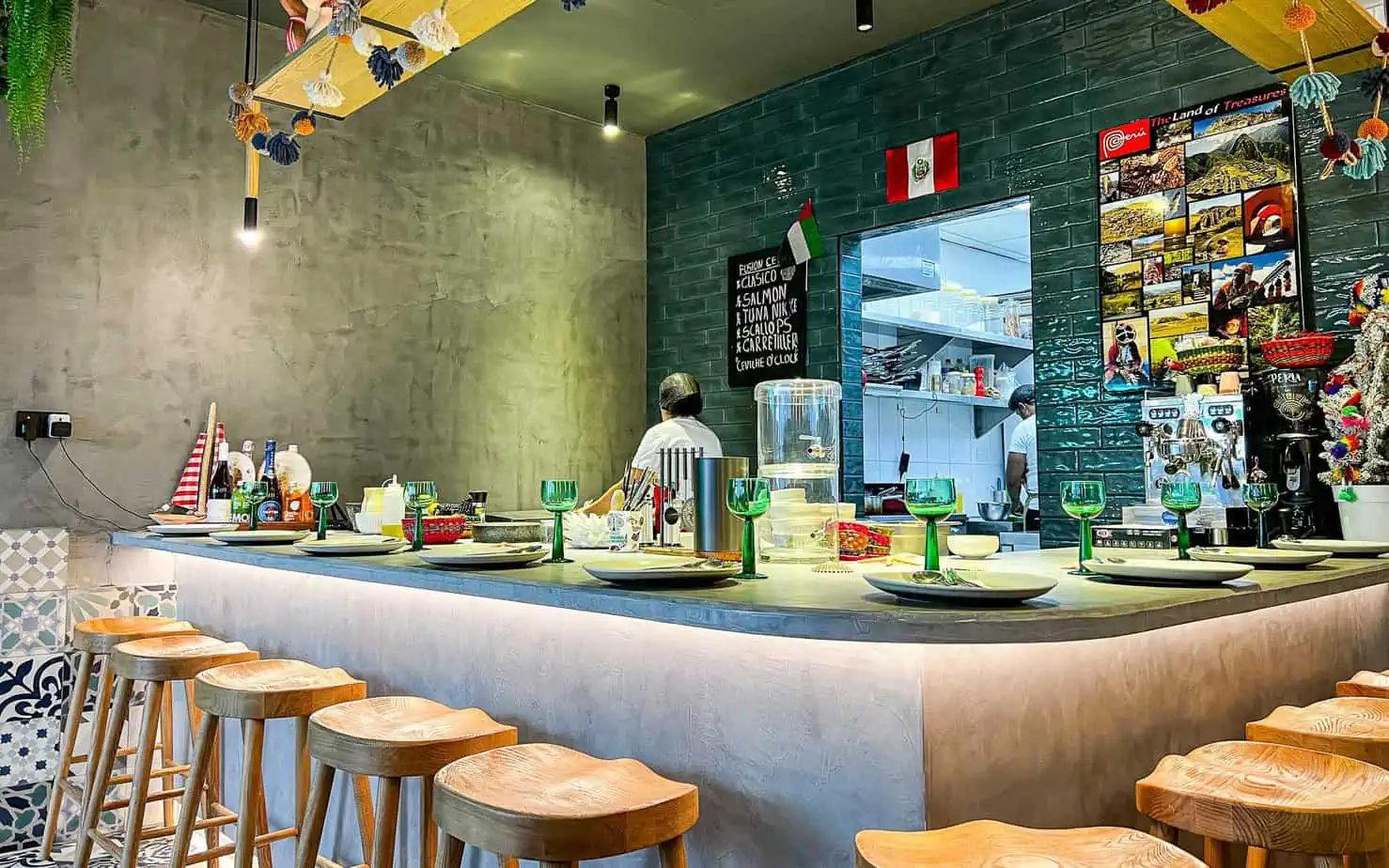
Dubai's Acid-Forward Moment: Where Ceviche Fits in the City's Seafood Story
Dubai's seafood dining has spent the last decade consolidating around two poles: the grand hotel dining room format, where venues like Al Mahara anchor the ultra-premium end with theatrical aquarium settings and multi-course prix fixe menus, and the fast-casual fish concept that clusters around JBR and Downtown. Fusion Ceviche is a Dubai restaurant serving authentic Peruvian ceviche at a price of about US$64 per person. What has been slower to develop is the middle register, concepts built around a single technical tradition, executed with enough seriousness to justify a destination visit, but without the ceremony of a full tasting menu. Ceviche, as a format, fits that gap with unusual precision. It requires genuine technique, acid calibration, protein quality, timing discipline, but carries none of the tableside theatre that inflates covers and costs at the higher end. Fusion Ceviche enters Dubai's dining at exactly this inflection point.
The broader Latin American seafood wave that reshaped dining in London, New York, and Sydney through the 2010s arrived in the Gulf later and more unevenly. At its most rigorous, the format produces something close to what Le Bernardin in New York City demonstrates at the haute end of fish cookery: restraint, precision, and an insistence that the protein speaks without being buried. Ceviche, at its core, is that same philosophy expressed through citrus chemistry rather than classical French technique. Whether Dubai's version of that tradition has arrived at the same level of discipline is the more interesting editorial question.
The Evolution of a Concept: Fusion as Method, Not Marketing
The word "fusion" carries genuine baggage in dining criticism. Through the 1990s and into the 2000s, fusion became shorthand for culinary confusion, the anything-goes eclecticism that produced lemongrass-scented pasta and miso-glazed everything without much underlying logic. The more serious operators working in cross-cultural seafood today have moved well past that moment. The credible iteration of fusion in 2024 means a defined primary tradition, in this case, Peruvian or broadly Latin American ceviche technique, with secondary influences that are traceable and purposeful rather than decorative.
This evolution is visible across the city's more ambitious creative programs. Trèsind Studio has demonstrated that a rigorously defined primary cuisine can absorb influence from other traditions without losing its identity. Moonrise works a similarly clear editorial line within its creative format. The lesson both offer is that "fusion" only holds up when the kitchen has a clear point of origin. For a ceviche-led concept, the question is always: does the leche de tigre, the tiger's milk base of citrus, chilli, and fish stock, read as the controlling flavour logic, or has it been so heavily modified that the dish becomes something without a clear tradition behind it?
For context on what disciplined cross-cultural seafood looks like at the highest level, Uliassi in Senigallia and Quattro Passi in Marina del Cantone both show how coastal Italian kitchens have absorbed technique from beyond their own tradition while remaining legibly regional. The principle applies across geographies: provenance of method matters as much as provenance of ingredient.
Dubai's Mid-Tier Seafood: Where the Real Competition Sits
Pricing and format place Fusion Ceviche in a different competitive bracket from the city's tasting-menu seafood operations. At the high end, FZN by Björn Frantzén and Row on 45 occupy a tier defined by multi-course commitment and international chef credentials. 11 Woodfire works a more accessible creative format with a defined technical methodology around live-fire cooking. The space the restaurant occupies is more democratically priced and more format-specific, which is both its asset and its exposure. A concept this narrowly defined succeeds when execution is consistent and ingredient sourcing is honest; it struggles when the kitchen drifts toward safe, crowd-pleasing modifications that blunt the acid and heat that make the format interesting in the first place.
Across the UAE, the regional picture is similarly developing. Erth in Abu Dhabi has shown that a clearly articulated culinary identity can sustain a restaurant over time in the Gulf market. AL NAWAB RESTAURANT LLC in Sharjah serves a reminder that the region's most durable dining operations often anchor in tradition rather than novelty. The ceviche format, if treated seriously, sits closer to the former model than the latter, it has deep technique behind it, even if that technique is less visible to a casual diner than, say, the drama of a robata grill or a tableside trolley.
For those mapping the broader international ceviche and seafood-forward dining scene, reference points like Atomix in New York City and Lazy Bear in San Francisco demonstrate how tightly defined culinary identities build long-term recognition. Closer in spirit, HAJIME in Osaka shows what happens when a kitchen commits fully to a single philosophical direction over years. These are not direct comparisons to the restaurant, they operate in different tier sets entirely, but they establish a useful benchmark for what disciplined concept clarity produces over time.
Planning Your Visit
Dubai's restaurant scene operates across a wide booking spectrum: the city's most sought-after omakase and tasting-menu counters require weeks of advance planning, while mid-tier concept restaurants like this one tend to be more accessible, particularly at lunch. The general pattern in Dubai's casual-to-mid dining tier is that weekend evenings, particularly Thursday and Friday nights, fill fastest. Arriving with a reservation, or contacting the venue directly through available channels, is the sensible approach regardless of perceived demand. Dress expectations across Dubai's mid-tier dining are smart casual by default, with the city's tendency toward slightly more formal presentation than equivalent Western markets.
Recognition Snapshot
Comparable venues nearby, for context on price, style, and recognition.
| Venue | Cuisine | Price | Notes |
|---|---|---|---|
| Fusion CevicheThis venue — the venue you are viewing | Authentic Peruvian Ceviche | $$ | Not listed |
| Moon Slice Pizza | Modern Neapolitan Pizza | $$ | Jumeira |
| SALT Kite Beach | American Beach Burgers and Sliders | $$ | Umm Suqeim |
| Mythos Kouzina & Grill | Authentic Greek Taverna | $$ | Jumeirah Lake Towers |
| Maisan15 | Modern Lebanese Café | $$ | Al Barsha South 1 |
| Samosa House | Indian Street Food Samosas | $ | City of Arabia |
Recognition history
Dated appearances from independent guides and award organizations, with the underlying list record or original source where available.
Gault & Millau UAE Selected Restaurant
Gault & Millau · Gault & Millau UAE 2026 - Selected Restaurant



At a Glance
- Cozy
- Lively
- Trendy
- Date Night
- Casual Hangout
- Craft Cocktails
- Sustainable Seafood
Current opening hours
- Monday
- 1–11 PM
- Tuesday
- 1–11 PM
- Wednesday
- 1–11 PM
- Thursday
- 1–11 PM
- Friday
- 1–11 PM
- Saturday
- 1–11 PM
- Sunday
- 1–10 PM
Hours can change for holidays and private events. Last verified .
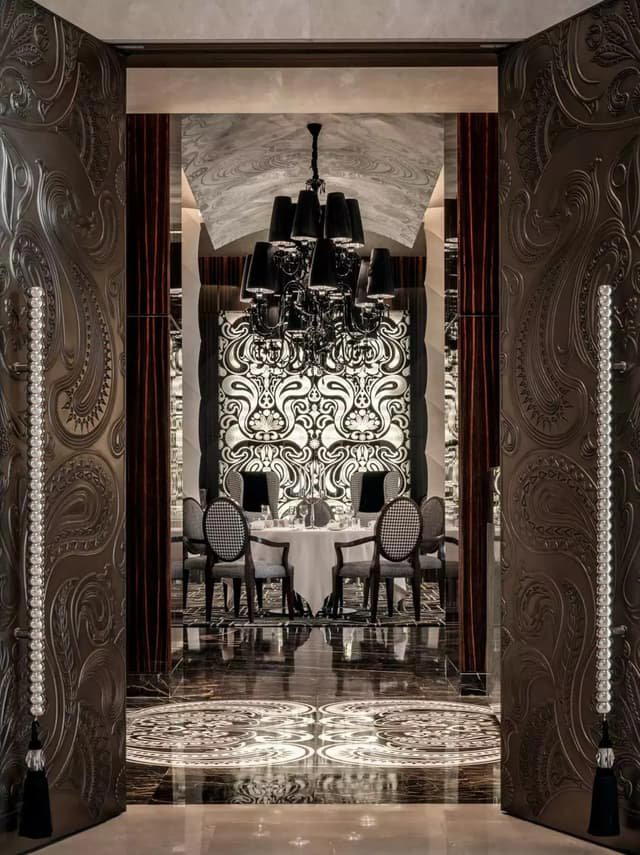
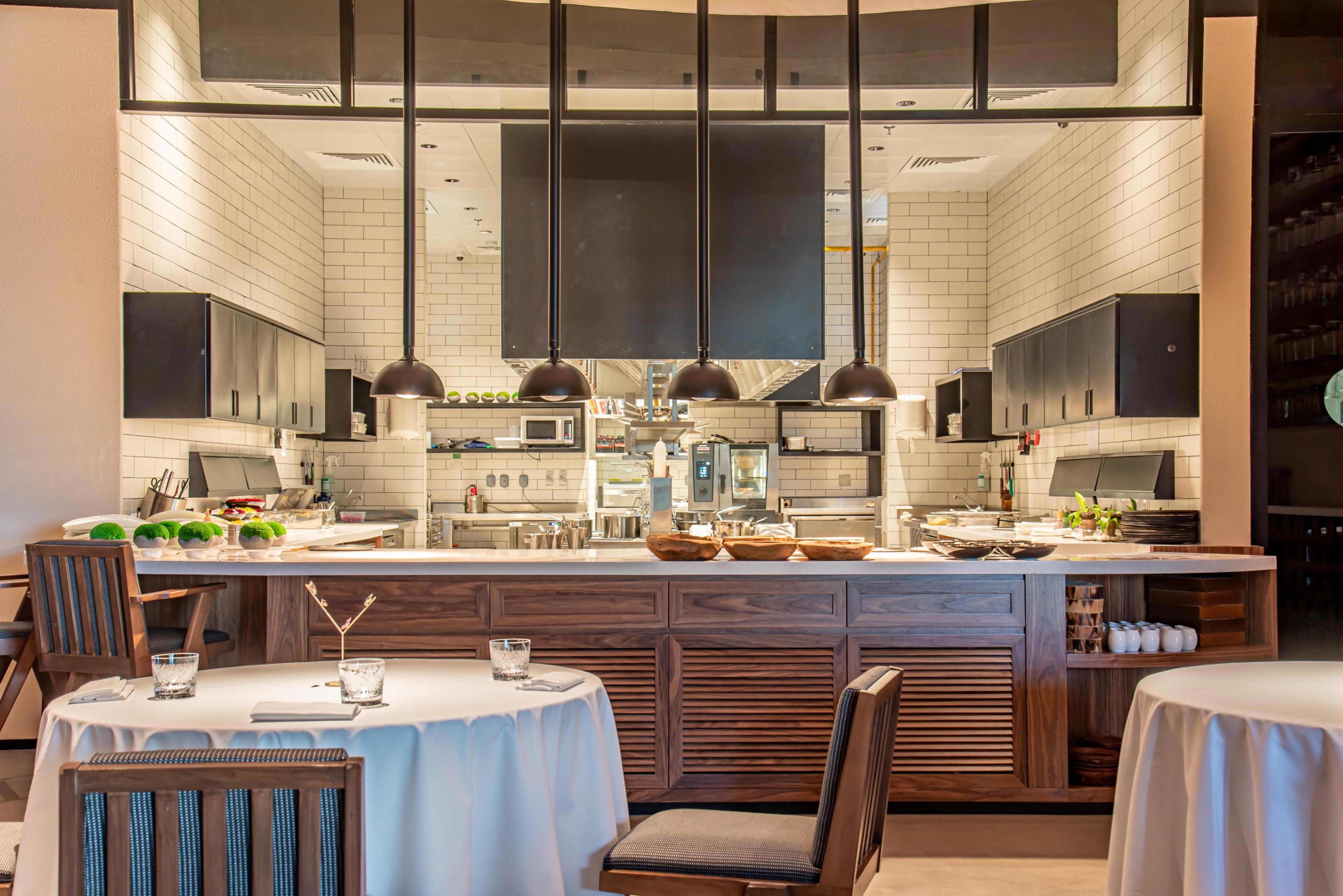
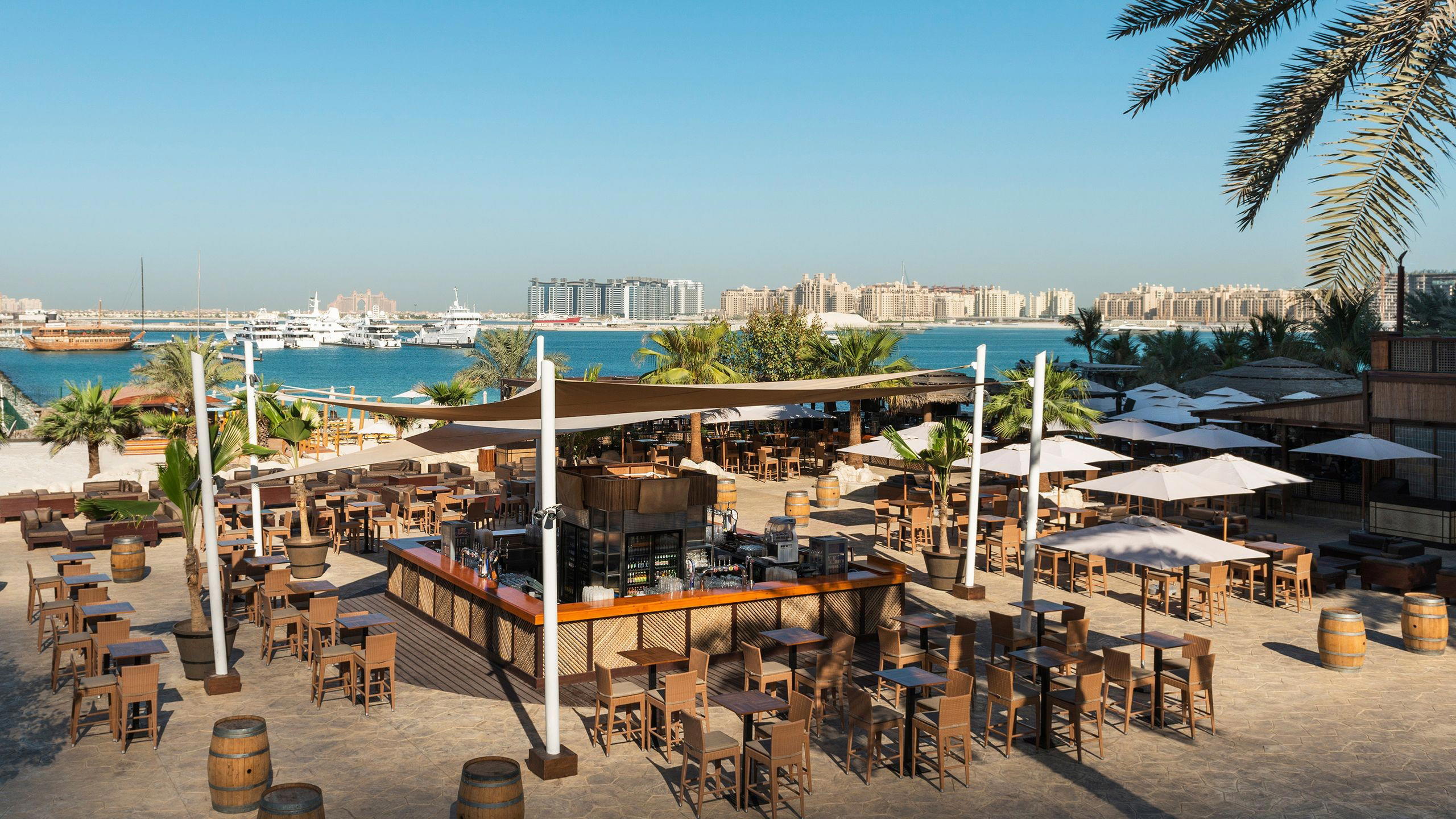
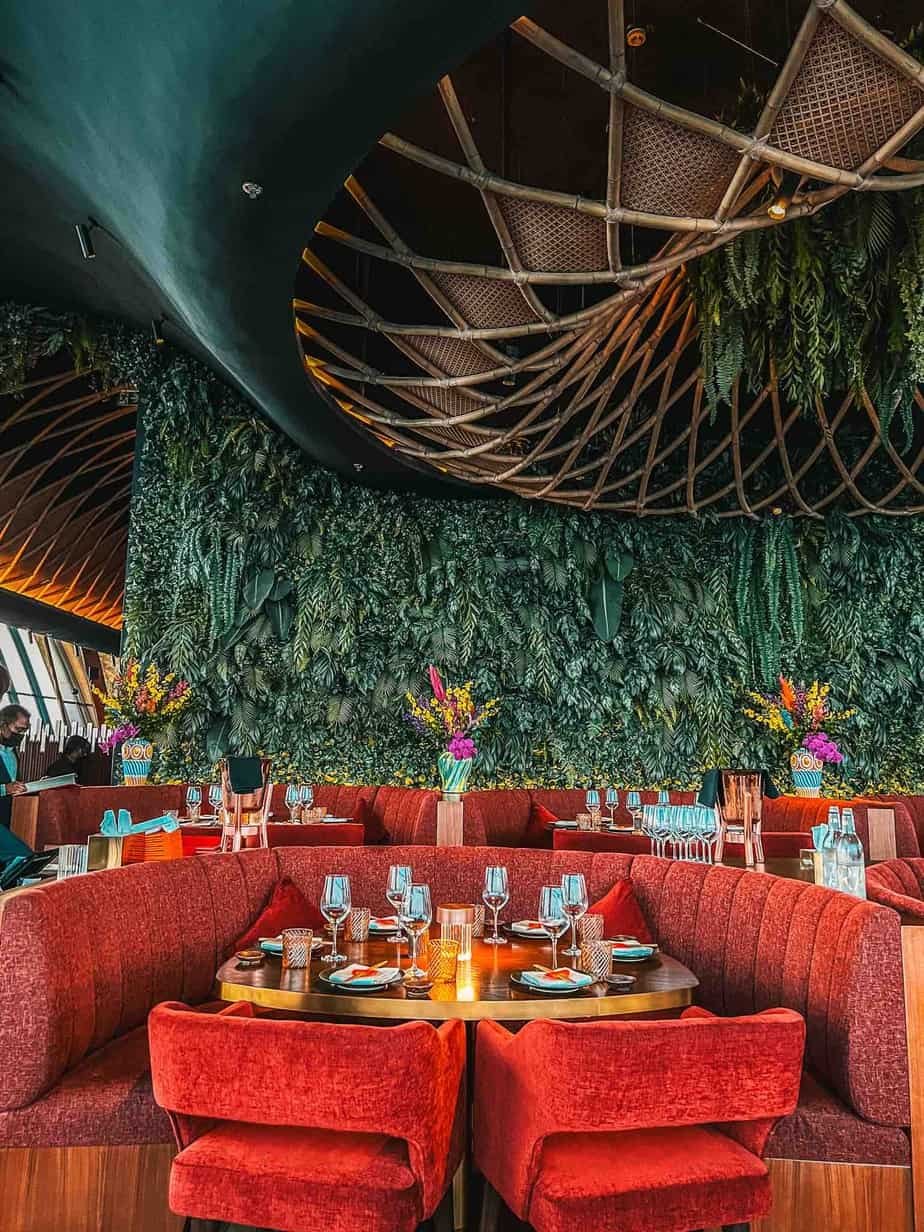
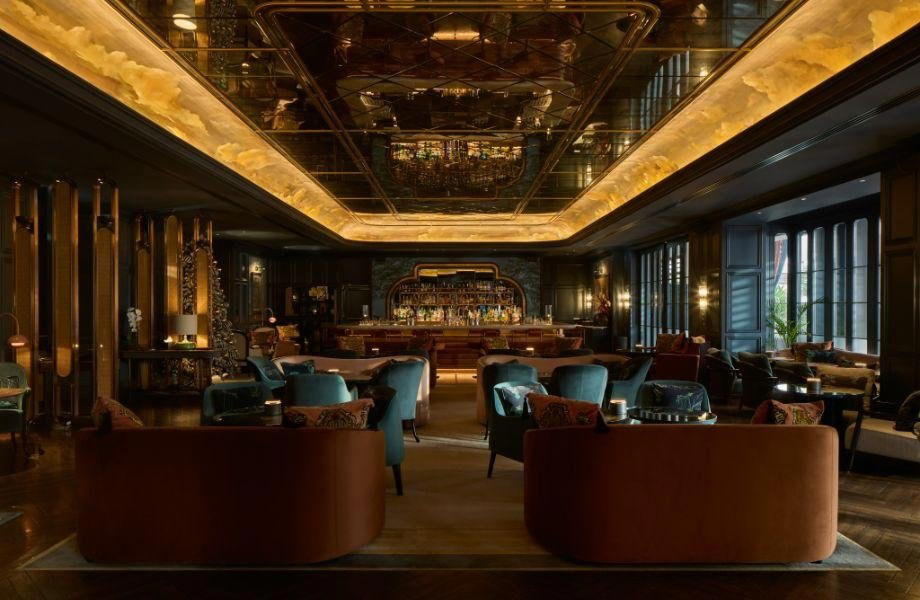
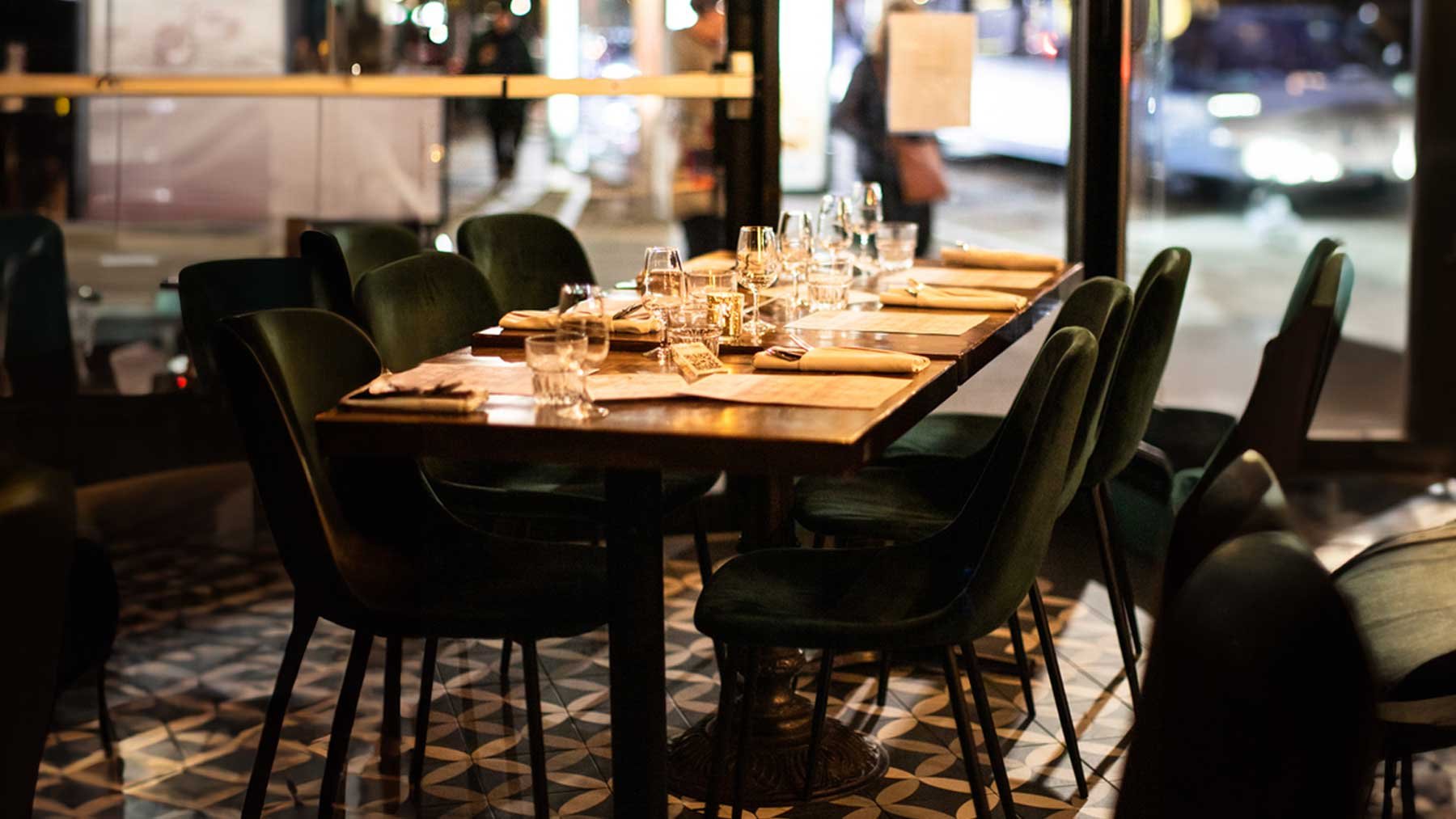
Cozy and relaxed atmosphere in a cute little space with lively yet intimate vibes.