Maisan15
Maisan15 occupies Al Barsha South, one of Dubai's quieter residential dining corridors, removed from the marina spectacle and downtown density. The address signals a neighbourhood-rooted format rather than a destination-dining exercise, placing it in a tier of Dubai restaurants that earn their following through repeat local custom rather than tourist footfall. Practical details including booking, hours, and pricing are best confirmed directly with the venue before visiting.
Pearl is the En Primeur Club membership app — saves, bookings, and concierge access live there. Same editors, same standards.
- Address
- Al Barsha - Al Barsha South - Dubai - United Arab Emirates
- Phone
- +97142447291
- Website
- instagram.com
- Directions
- Get directions
 Saves & bookings on Pearl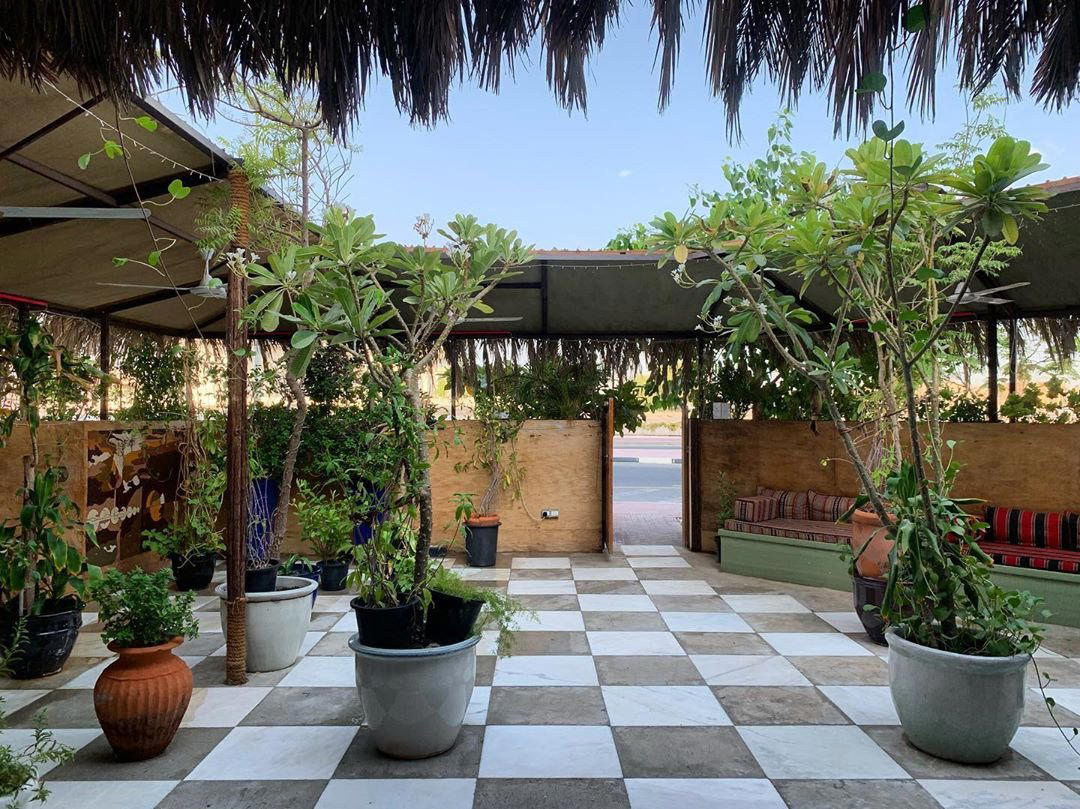
Al Barsha and the Neighbourhood Dining Tier
Dubai's restaurant map tends to collapse, in most international coverage, into a handful of postcard addresses: the Burj Khalifa corridor, the marina waterfront, DIFC's finance-district towers. That framing leaves out a substantial mid-city dining culture spread across residential neighbourhoods where the audience is neither tourist nor expense-account luncher. Al Barsha South sits in this quieter band of the city, a district where restaurants succeed by becoming regulars' habits rather than one-time experiences. Maisan15 is addressed here, on the Al Barsha side of the arterial roads that divide the neighbourhood.
This is not the Dubai of FZN by Björn Frantzén or Trèsind Studio, both of which operate in the high-concept tier that draws visitors specifically for the meal. The Al Barsha residential corridor operates on different terms: lower ambient noise around the dining ritual, fewer cameras on tables, and a guest profile that tends to arrive knowing what it wants rather than performing the act of dining out.
The Rhythm of the Meal in Dubai's Neighbourhood Format
There is a dining ritual particular to neighbourhood restaurants in Gulf cities that differs markedly from the paced, ticketed tasting formats common at Dubai's destination venues. Meals here tend to move at the table's pace rather than the kitchen's. Dishes arrive in rounds shaped by conversation and appetite rather than a pre-set sequence. The culture of lingering, of returning to the table after a gap, of ordering a second or third wave of food, is more pronounced in locally-rooted formats than in the structured service of, say, Row on 45 or moonrise, where the kitchen's progression sets the pace.
That ritual distinction matters when assessing what a venue in Al Barsha South is actually offering. The comparison set is not the city's Michelin roster. It is the category of restaurants where a table is held loosely, where the greeting at the door carries genuine recognition for returning guests, and where the meal's success is measured in hours spent rather than courses consumed. Understanding that frame is the starting point for understanding Maisan15's position in Dubai's broader dining picture.
Neighbourhood restaurants like Maisan15 occupy a different function in the city's food culture: they are the infrastructure of daily eating for residents, not the destination infrastructure for visitors.
What the Address Signals About Format
Al Barsha South's dining strip tends to favour formats that work across multiple occasions: lunch with colleagues, family dinners on weekday evenings, weekend gatherings that extend into the late hours common in Gulf social culture. Restaurants that survive here do so because their format accommodates these multiple use cases without forcing a single occasion type. Compare that with the highly specific occasion design of 11 Woodfire, whose wood-fire-centred format and $$$$ positioning make it a deliberate destination meal rather than a habitual one.
The neighbourhood restaurant format across Dubai, Abu Dhabi, and Sharjah shares some common structural features. A useful comparison exists in venues like Erth in Abu Dhabi and AL NAWAB RESTAURANT LLC in Sharjah, both of which operate in residential or semi-residential catchments with menus built around cultural familiarity rather than novelty. The guest relationship in these venues is cumulative. Trust is built across visits, not established by a single theatrical meal.
Dining Rituals and the Guest Experience
In the broader category of neighbourhood dining across global cities, the ritual of the meal is often more conservative than at destination restaurants. At venues like Le Bernardin in New York City or Alain Ducasse at Louis XV in Monte Carlo, the meal's pacing is an authored experience, controlled by the kitchen and service team. At neighbourhood restaurants, the guest controls more of the experience's shape. That is, for many diners, the more comfortable register.
Dubai's neighbourhood restaurants also reflect the city's demographic mix more accurately than its destination venues. The restaurants that thrive here are those whose menus and service culture speak to that demographic composition rather than to the international tourism market that drives the DIFC and Jumeirah dining strips. That means different spice registers, different portion logics, different price sensitivities, and a different relationship between the kitchen and the regular.
Planning a Visit: What to Know Before You Go
Maisan15 is a modern Lebanese café in Al Barsha South, open daily from 8 AM to 11 PM. It is walk-in friendly and priced at about $40 per person. Dubai's neighbourhood restaurant sector does not operate on the advance-booking culture of the city's Michelin-tier venues. Most Al Barsha neighbourhood restaurants accept same-day reservations or walk-ins, though weekend evenings in the Gulf's social calendar can fill tables quickly.
Al Barsha South is accessible by car and sits within the reach of Dubai's metro network, with the Mall of the Emirates station serving the broader Al Barsha district. Parking in the area is generally available at street level or in nearby retail lots, which is a practical consideration in a city where driving to dinner remains the dominant pattern. The absence of the valet theatre common at Dubai's luxury-hotel restaurants is itself a signal about the format: this is a neighbourhood you arrive in, not a destination you are received at.
Maisan15 fits Dubai's broader dining map as a neighbourhood restaurant serving residents and regulars. Visitors whose trip centres on the high-concept end of Dubai dining should cross-reference entries for Trèsind Studio and Row on 45 for the structural opposite of the neighbourhood format. For those whose interest lies in how Gulf cities eat day to day, Al Barsha is a more instructive address than the marina.
What It’s Closest To
Comparable venues nearby, for context on price, style, and recognition.
| Venue | Cuisine | Price | Notes |
|---|---|---|---|
| Maisan15This venue — the venue you are viewing | Modern Lebanese Café | $$ | Not listed |
| Askim Restaurant and Cafe | Mediterranean & Turkish Grill | $$ | Downtown Dubai |
| Ashiana | Dining | Not listed | Nadd Al Shiba |
| ZouZou Turkish & Lebanese Restaurant | Turkish & Lebanese Fusion | $$$ | Al Sufouh 2 |
| Zaatar w Zeit - Sheikh Zayed Road | Lebanese Street Food | $$ | Al Satwa |
| Barrafina | Modern Spanish Tapas Counter Dining | $$$ | DIFC |
At a Glance
- Cozy
- Modern
- Trendy
- Intimate
- Casual Hangout
- Brunch
- Solo
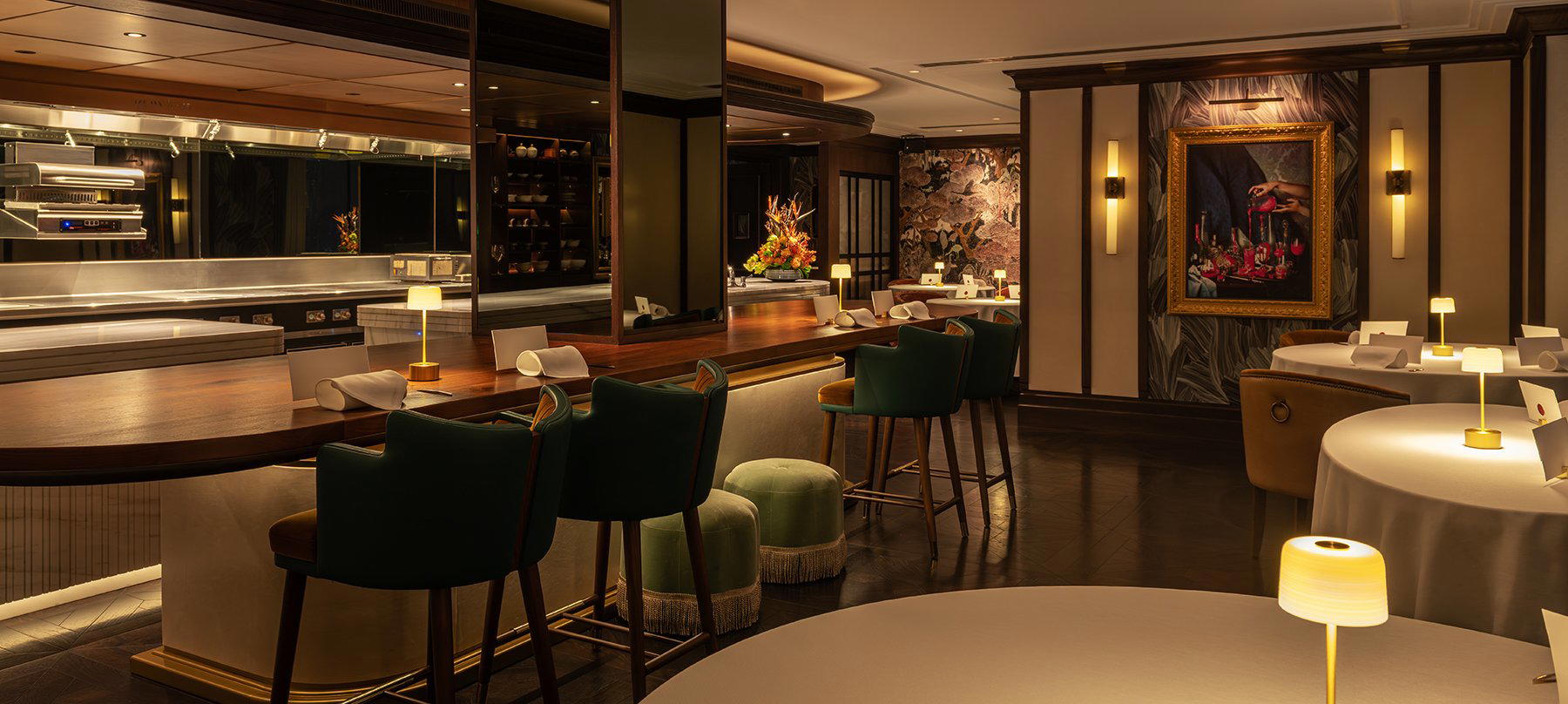
- Open Kitchen
- Garden
- Local Sourcing
- Garden
Current opening hours
- Monday
- 8 AM–11 PM
- Tuesday
- 8 AM–11 PM
- Wednesday
- 8 AM–11 PM
- Thursday
- 8 AM–11 PM
- Friday
- 8 AM–11 PM
- Saturday
- 8 AM–11 PM
- Sunday
- 8 AM–11 PM
Hours can change for holidays and private events. Last verified .
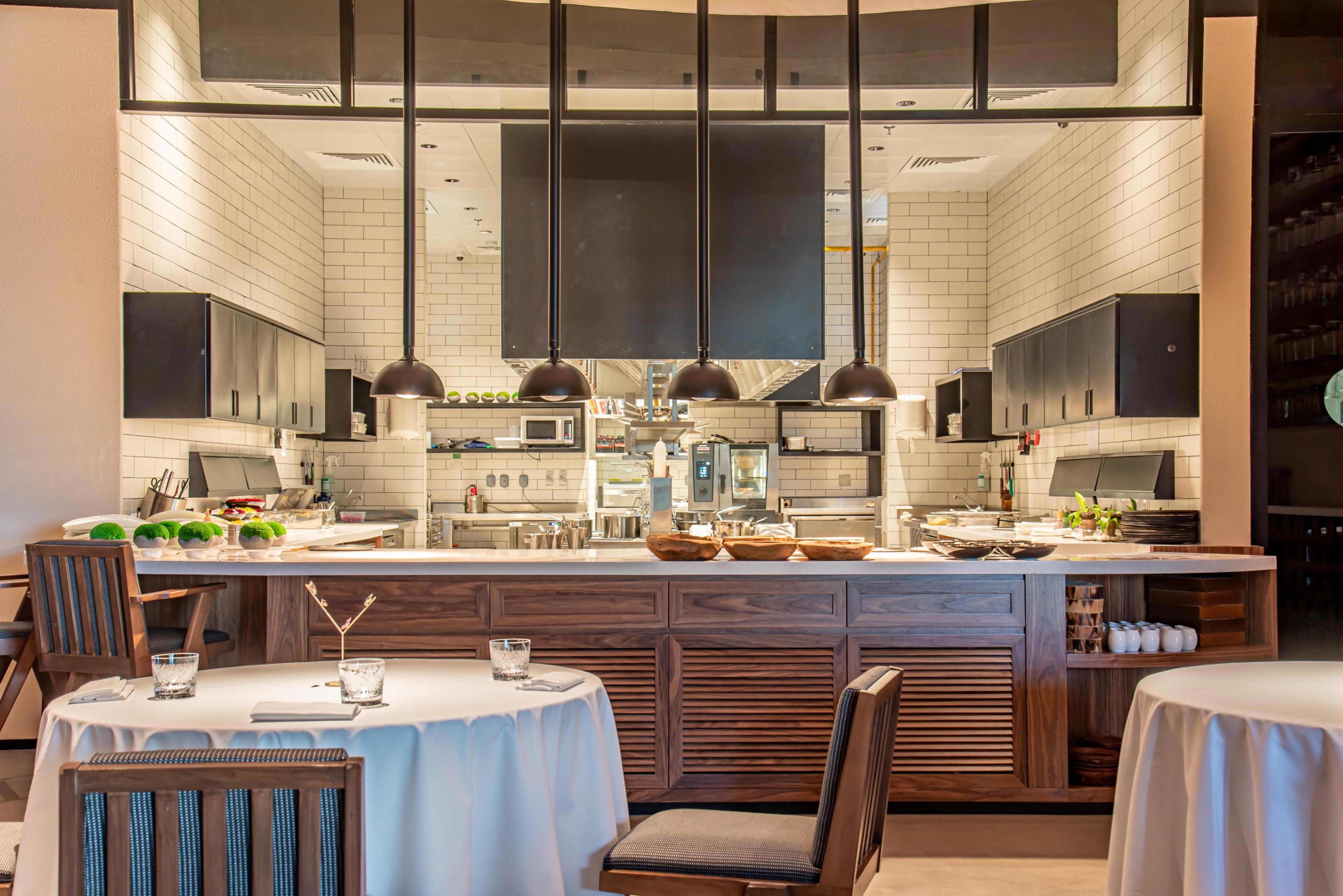
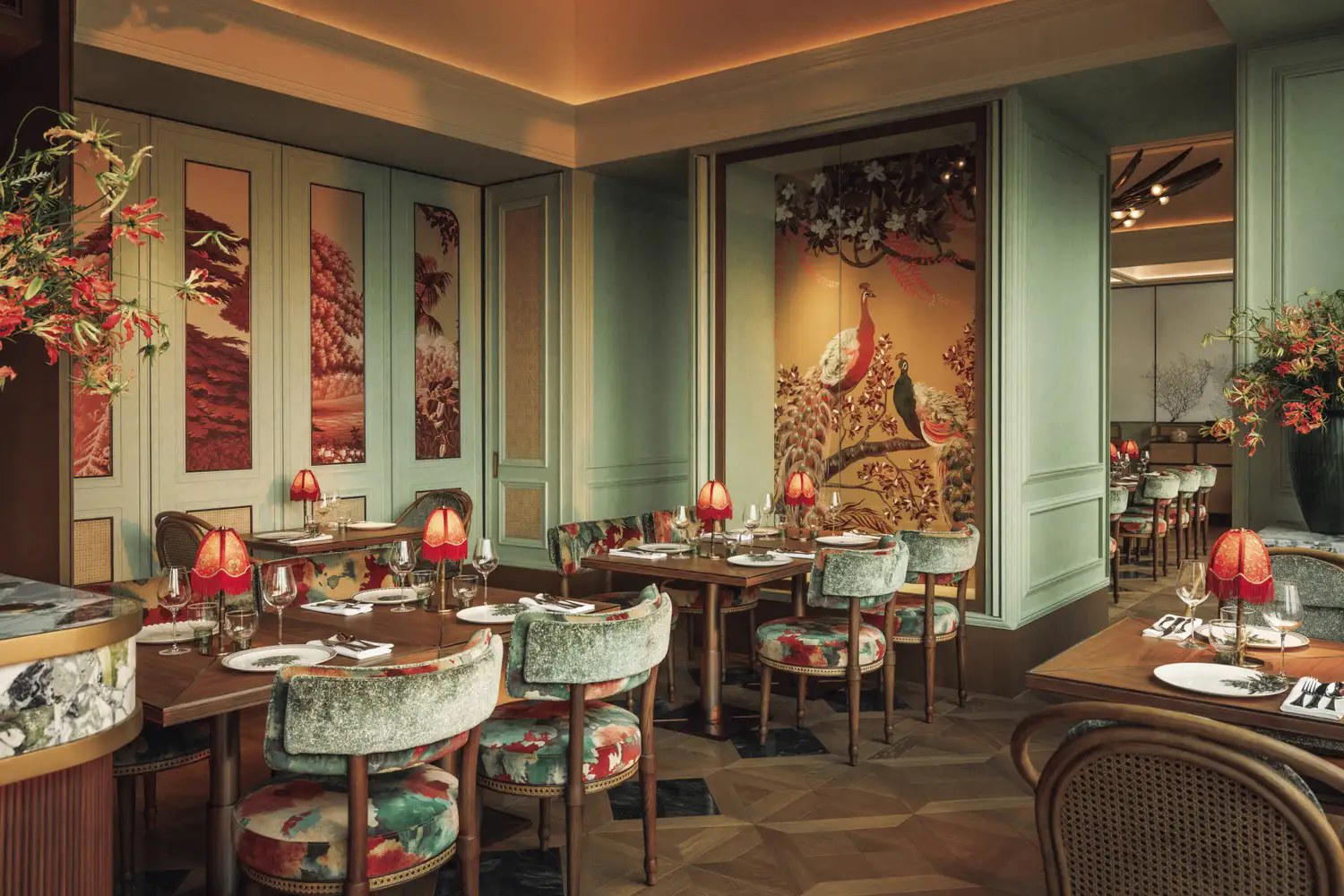
Minimalist yet warm with laidback charm, art on walls, plants, and a friendly, inspiring atmosphere.