
Fukusuke gives Tonami’s soba culture a serious rural counterpoint: domestic buckwheat, in-house milling the day before service, and a farmhouse setting tied to Kurobe mountain architecture. Its Tabelog Soba WEST 100 selections in 2024 and 2025 place it among the region’s stronger specialist noodle rooms, while the format remains modest and lunch-driven rather than ceremony-heavy.
Pearl is the En Primeur Club membership app — saves, bookings, and concierge access live there. Same editors, same standards.
- Address
- 947-1 Hayashi, Tonami, Toyama 939-1345, Japan
- Phone
- +81 763-33-2770
- Website
- tonami-fukusuke.com
 Saves & bookings on Pearl
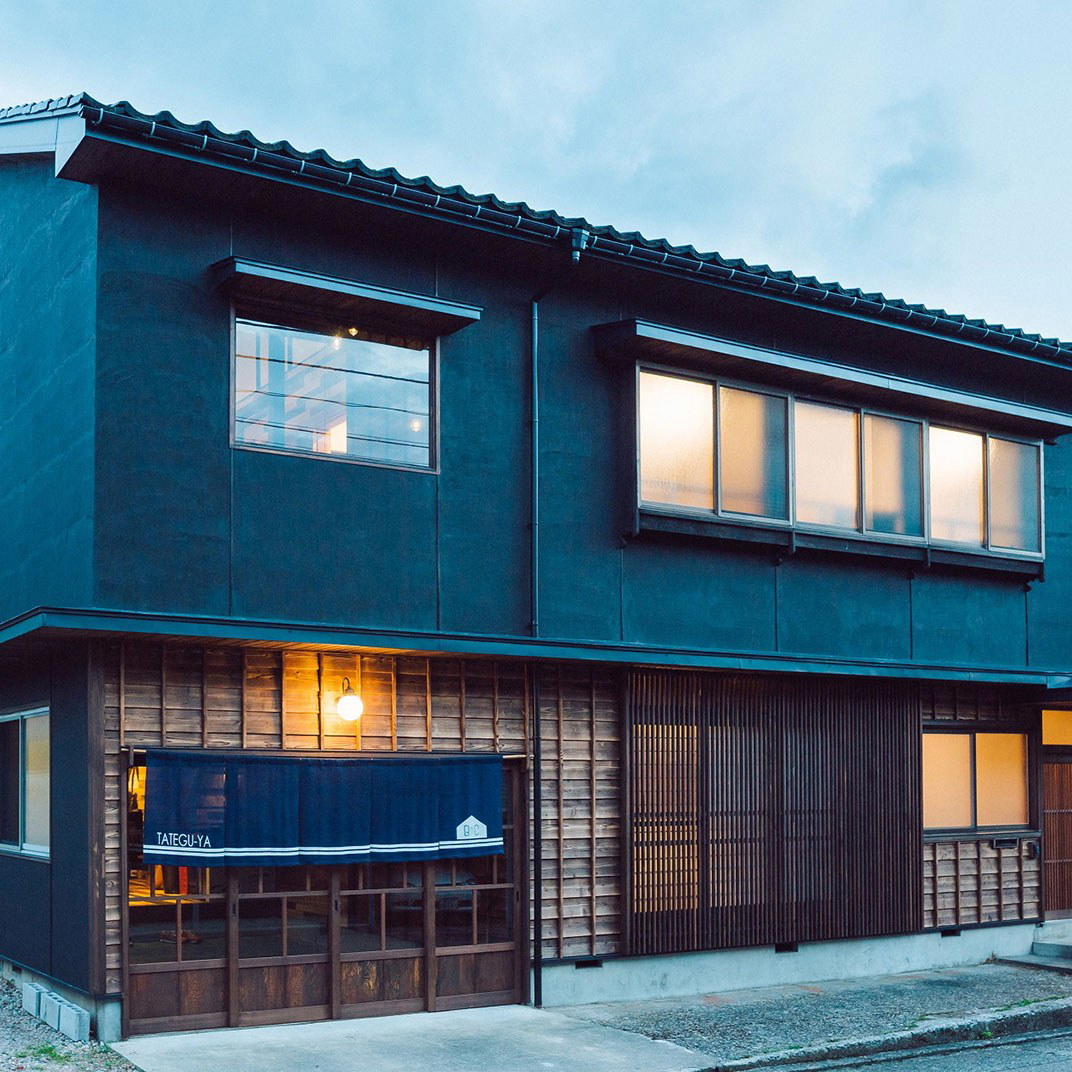
The first signal is architectural rather than culinary: a relocated farmhouse from the mountainous Kurobe area, set in Tonami with the scale and timbered calm of rural Toyama. That matters because soba in regional Japan is rarely just a noodle category. It is tied to grain, water, milling rhythm, and the pace of a room that does not need the theatre of a metropolitan counter. Fukusuke belongs to that tradition, where the work starts before the pot boils: domestic buckwheat is ground in-house the day before service, and the menu’s center of gravity is soba rather than a broad washoku spread.
Toyama is better known to many travellers for seafood, rice, and alpine access than for destination soba, which makes Tonami’s specialist rooms useful corrective reading. The city’s dining scene sits outside the usual Tokyo-Kyoto-Osaka circuit, but that distance is part of the point. A soba house here is judged less by imported luxury signals and more by whether the grain, dipping sauce, room, and service cadence hold together. Fukusuke’s selection for Tabelog Soba WEST 100 in both 2024 and 2025 gives it a public credential within that regional specialist field, with a Tabelog score of 3.73 adding a second indicator of sustained diner attention.
Domestic buckwheat and a narrow soba vocabulary
The strongest editorial reason to pay attention is sourcing discipline. Freshly milled buckwheat has a short aromatic window, and restaurants that grind close to service are making a choice that affects labor, storage, and consistency. Here, the emphasis on domestic buckwheat and in-house milling the day before service places the meal in the grain-first school of soba rather than the garnish-heavy or variety-menu school. The listed use of hon-mirin in the dipping sauce also points toward a classical structure: sweetness and depth supporting the noodle, not masking it.
The core vocabulary is direct: kake and seiro. That split is useful for understanding the house. Seiro tests texture, aroma, and the dipping sauce with fewer distractions; kake asks whether the broth and noodle can hold warmth without losing definition. No elaborate tasting format is needed for either reading. In Japan’s soba culture, restraint is not austerity by default. It is a way of making the mill, the dough, and the sauce carry the argument.
That ingredient-led clarity also separates this sort of meal from the premium Japanese restaurants that dominate international planning lists. A traveller comparing regional dining options might see higher budgets attached to out-of-metro peers such as Yakitori Saneyuki, but soba operates on a different value logic: short menu, short service window, and a sharper link between agricultural source and finished bowl. For broader planning around the city’s dining pattern, Our full Tonami restaurants guide gives the wider context, while nearby itinerary scaffolding can come from Our full Tonami hotels guide, Our full Tonami bars guide, Our full Tonami wineries guide, and Our full Tonami experiences guide.
A farmhouse room that changes the tempo of lunch
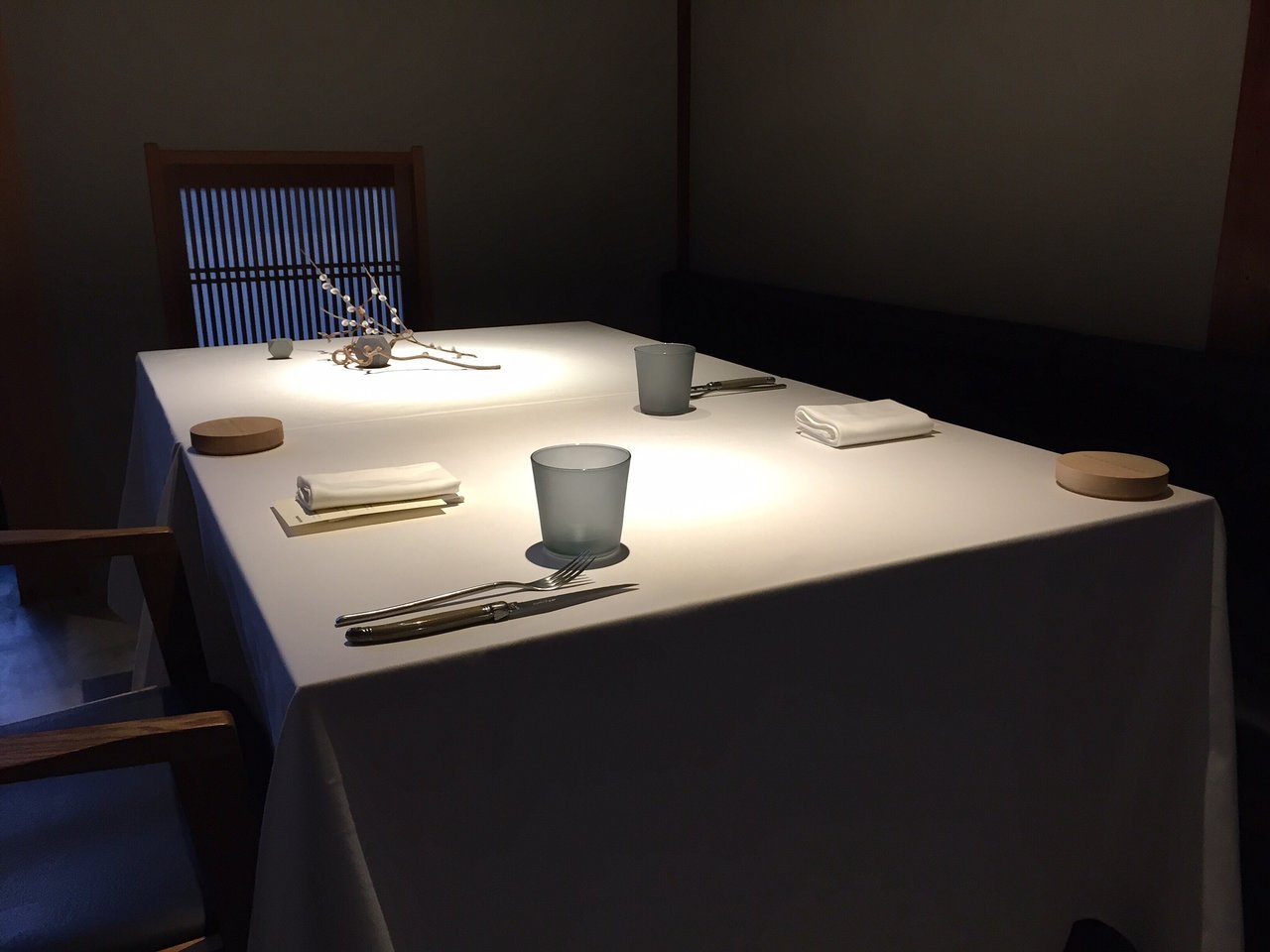
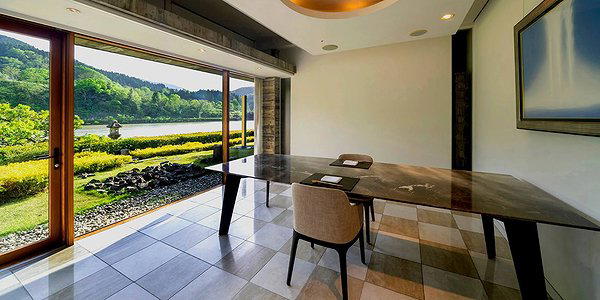
The room’s farmhouse character is not decorative trivia. Soba tastes different, and is judged differently, in a space that slows the meal down without turning it formal. High ceilings, a garden view, and spacious seating create a rural lunch tempo: less counter intensity, more table conversation, and a clearer sense that this is a house restaurant rather than a station-adjacent noodle stop. The listed 32-seat scale keeps the operation compact enough to feel specialist while still allowing small groups to dine without the pressure of an eight-seat counter.
That makes the experience particularly suited to travellers who read restaurants through place. Tonami’s tulip reputation can pull attention toward seasonal sightseeing, but its better food addresses a quieter question: what does inland Toyama taste like when the meal is built around grain rather than fish? Fukusuke answers through buckwheat and format. The restaurant’s non-smoking policy, semi-private room for up to four, and no-private-use stance define it as a public dining room with some flexibility, not a sealed-off occasion venue.
The drinks list also hints at a broader regional Japanese meal without dragging soba into excess. Sake, shochu, and wine are all listed, with particular attention to each category. For soba, this matters because the pairing logic differs from sushi or kaiseki. Earthy grain, mirin-led sauce, and warm or cold noodle formats can handle more than one drinking style, but the food remains the anchor.
How to place it within a Japan itinerary
Fukusuke is not a substitute for a high-ceremony tasting menu, and that is its strength. It belongs in an itinerary when the goal is to understand regional Japanese specialization at modest scale: a focused lunch, a farmhouse setting, and a noodle tradition built around milling and source. The public recognition matters because soba specialists can be hard to evaluate from the outside; the Tabelog Soba WEST 100 selections in consecutive years place it within a defined regional benchmark rather than a generic local recommendation.
Travellers building a Japan dining route can use it as a contrast point against urban and cross-regional formats. For range across the country, compare the planning texture with -Grilled beef Sukiyaki- KAMAKURA TANUKIAN 鎌倉 たぬき庵 in Kamakura, . 鮪と炭火焼き うお炭 秋葉原店 in Tokyo, .cafe in Osaka, .know in Kumamoto, (Shoku) Vietnam in Kawasaki, [Curry Senmon Ten] Maruyama Kyoju. in Sapporo, [ki:] in Kyoto, #肉といえば松田 奈良本店 in Kashihara, 1/3 HAMBURGER FACTORY in Kanazawa, 1000 in Yokohama, and 1000mヒュッテ 1000m Hut in Kutchan. For Japanese food culture beyond Japan, Jōdo Saké Bar in Los Angeles and Onigiri Time in Pasadena show how narrower formats travel and change abroad.
The editorial read is clear: choose it for soba as agriculture, not soba as convenience. The farmhouse, the domestic buckwheat, the day-before milling, and the WEST 100 recognition all point in the same direction. This is a compact argument for regional Japanese dining at human scale, where the meal’s seriousness comes from grain and timing rather than luxury display.
In Context: Similar Options
Comparable venues by cuisine and price in the same metro.
| Venue | Cuisine | Price | Notes |
|---|---|---|---|
| FukusukeThis venue — the venue you are viewing | Traditional handmade soba | $$ | Not listed |
| Ikkaku | Kagawa Honetsukidori Grilled Chicken | $$ | Takamatsu |
| Kawakami-an (軽井沢 川上庵) | Traditional Japanese Soba | $$ | Karuizawa |
| 香屋 | Hiroshima Okonomiyaki Izakaya | $$ | 城町 |
| Restaurant Hagi | Traditional Japanese Family Dining | $$ | Nagato City |
| 伊達翁 | Traditional Soba Noodles | $$ | Natsukumachi |
Recognition history
Dated appearances from independent guides and award organizations, with the underlying list record or original source where available.
Tabelog 100 #96 · No. 96
Tabelog · Tabelog 100 - Soba - WEST - 2025
Continue exploring
More in Tonami
Restaurants in Tonami
Browse all →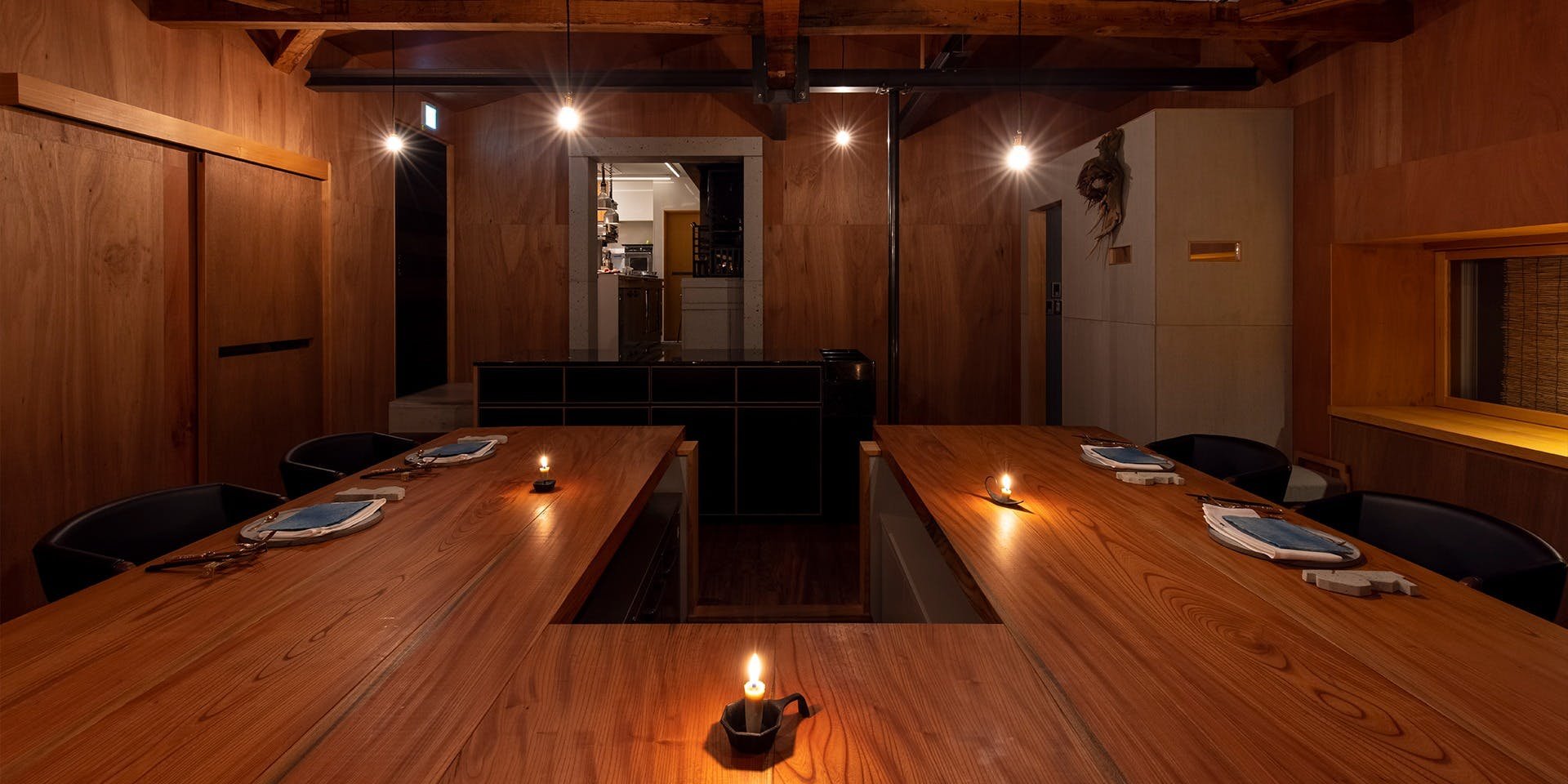
At a Glance
- Rustic
- Cozy
- Classic
- Scenic
- Solo
- Family
- Casual Hangout
- Group Dining
- Garden
- Historic Building
- Design Destination
- Standalone
- Sake Program
- Local Sourcing
- Garden
Current opening hours
- Monday
- Closed
- Tuesday
- 11:30 AM–2 PM
- Wednesday
- 11:30 AM–2 PM
- Thursday
- 11:30 AM–2 PM
- Friday
- 11:30 AM–2 PM
- Saturday
- 11:30 AM–2 PM
- Sunday
- 11:30 AM–2 PM
Hours can change for holidays and private events. Last verified .
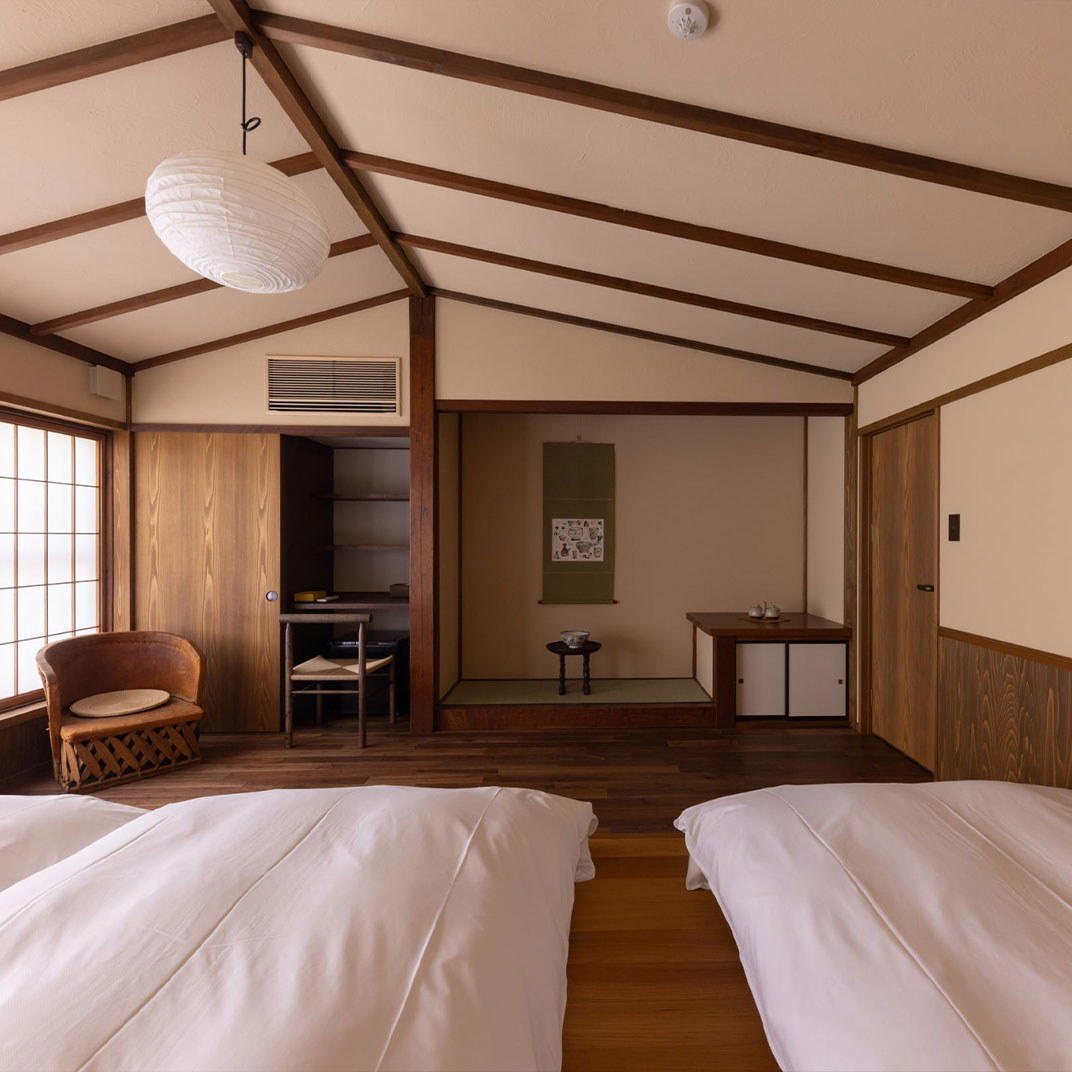
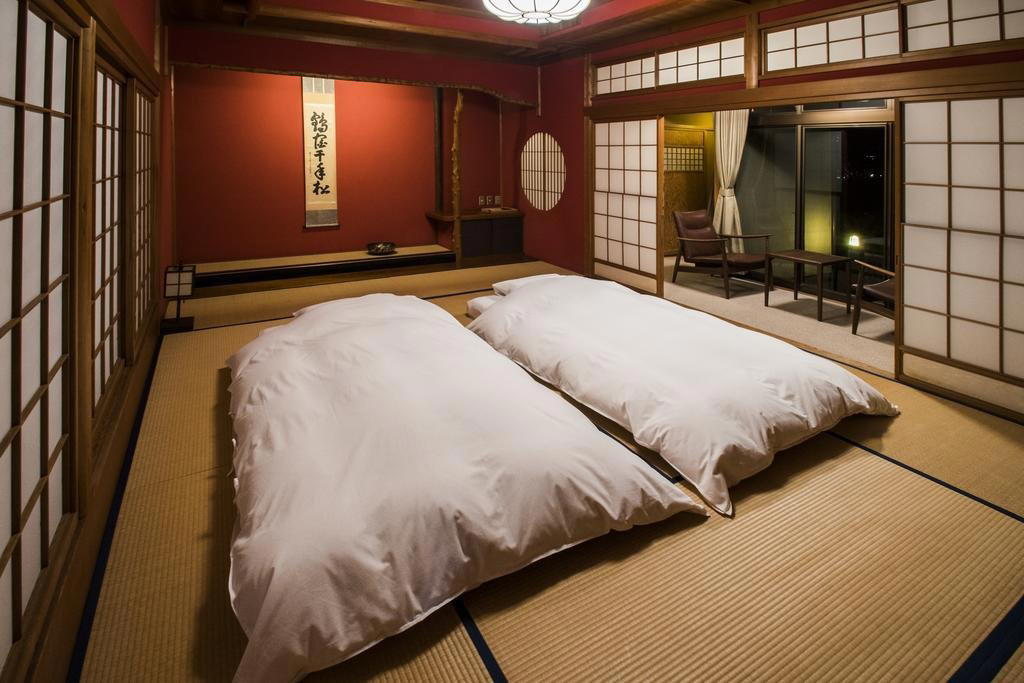
The restaurant has the open, high-ceilinged feel of a renovated old farmhouse, with warm, traditional furnishings and a view of a Japanese garden that creates a calm, slightly upscale but relaxed soba-house atmosphere.