Our verdict
Fuior serves Modern Moldovan Fusion with local sourcing and a duck with cherry sauce, in a leisurely, conversational setting suited to lunch or dinner.

Pearl is the En Primeur Club membership app — saves, bookings, and concierge access live there. Same editors, same standards.
- Address
- Str. Pușkin, 30 (Str. Mitropolit Varlaam), 2012 Chișinău
- Website
- fuior.md
- Directions
- Get directions
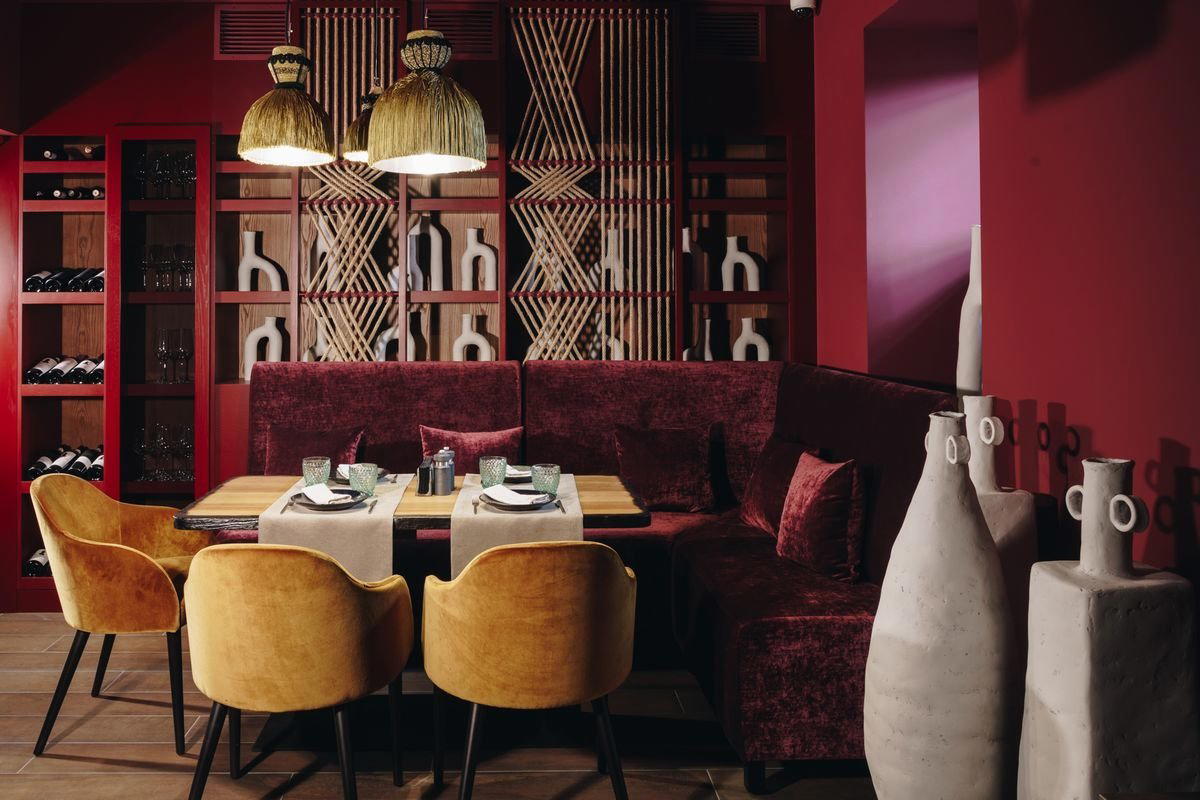
A Street Address and a Reputation: What Fuior Signals in Chisinau's Dining Scene
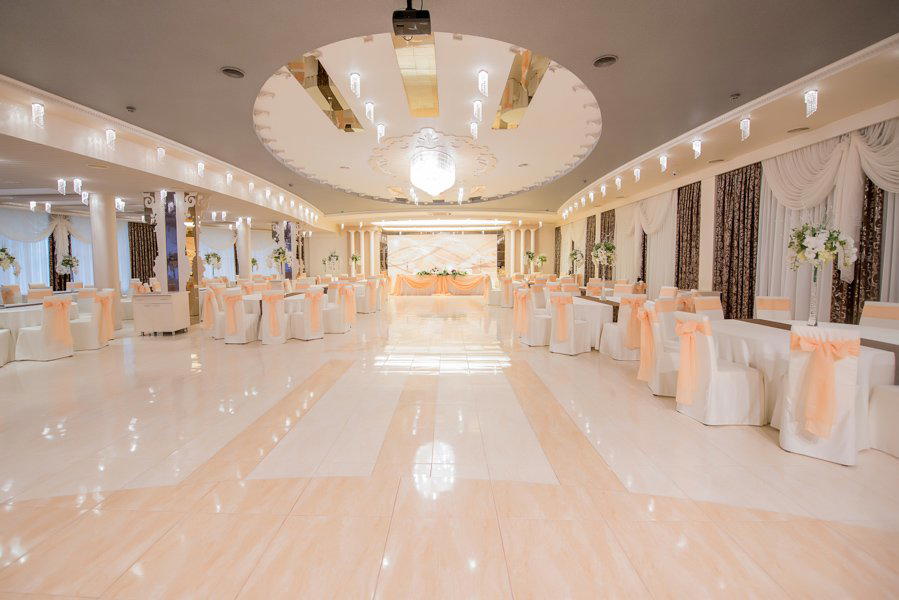
Str. Pușkin in central Chisinau is one of those addresses that functions as a shorthand for a certain kind of seriousness. The tree-lined boulevard, running parallel to the city's main commercial artery, has gradually accumulated restaurants and wine bars that position themselves above the casual lunch trade without reaching for the theatrical excess found at event spaces like Casa Nunții "Noroc". Fuior occupies space on that spectrum: a Chisinau address that carries enough local recognition to draw visitors specifically to this corner of the city rather than to the city's more tourist-mapped center.
Moldova's dining scene has undergone a quiet but measurable shift over the past decade. The country's wine industry, long its primary export identity, began attracting international attention, and restaurants followed by investing in programs that matched local viticulture with food that could hold the comparison. That context matters for understanding where a venue on Str. Pușkin sits: this is a city where the better restaurants increasingly define themselves through their relationship with Moldovan wine and ingredient culture, not simply by Western approximation. For a broader orientation across the capital's dining options, the full Chisinau restaurants guide maps that range in useful detail.
The Cultural Root: Moldovan Cuisine as a Working Argument
Moldovan food exists at a crossroads that resists easy categorisation. It draws from Romanian, Ukrainian, Russian, and Ottoman culinary traditions without fully belonging to any of them. Mămăligă, the cornmeal staple that functions the way polenta does in northern Italy, appears across contexts from farmhouse tables to refined city dining rooms. Pickled and fermented vegetables, slow-cooked meats, fresh sheep's milk cheeses, and the distinctly local use of sunflower and walnut oils all contribute to a cuisine that is genuinely regional rather than derivative.
What that means for a Chisinau restaurant taking this tradition seriously is that the cultural argument is already embedded in the ingredients, provided the kitchen chooses to make it. The more interesting restaurants in the capital are not those importing technique to dress up local produce; they are those that treat the produce as the argument itself.
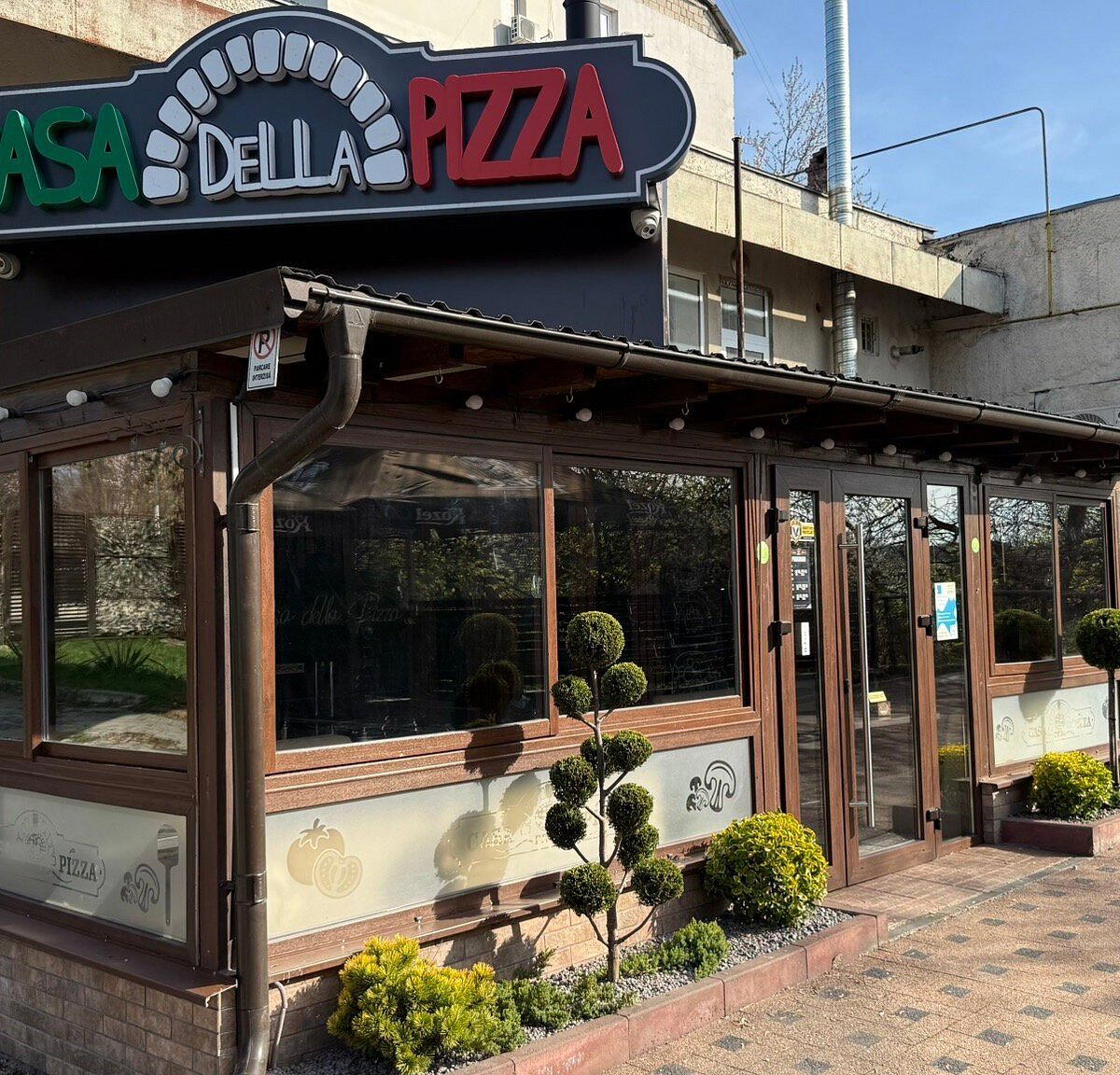
The more instructive comparisons at a regional scale might be kitchens like Epoca de Piatră in Branesti, which operates outside Chisinau and takes a distinctly countryside approach to Moldovan ingredients, or Casa della Pizza in Ialoveni, which addresses a different format entirely. Within the capital, Marlène represents another node in the city's mid-to-upper dining range, allowing visitors to triangulate where different venues sit relative to one another.
Format and Setting: Reading the Room
The physical environment of a Chisinau restaurant in this part of the city tends toward interiors that balance preserved architectural detail, common in Soviet-era buildings throughout the center, with contemporary dining room sensibility. The effect, when executed well, is that the space itself becomes a kind of argument about the city's relationship with its own history: neither nostalgic pastiche nor a complete erasure of context.
Internationally, the venues that handle this tension most fluently, places like Reale in Castel di Sangro or Piazza Duomo in Alba, tend to be those where the setting reinforces rather than competes with the food's identity. The ambition in Chisinau's better dining rooms follows a similar logic, even if the scale and budget for execution differ considerably. At venues like Waterside Inn in Bray, Dal Pescatore in Runate, or Uliassi in Senigallia, decades of consistency have turned setting and food into a unified statement. In a younger dining culture like Chisinau's, that coherence is still being established, which makes the choices individual restaurants make about their physical environment all the more consequential.
Planning a Visit: What the Address Tells You
Fuior sits on Str. Pușkin, 30, also listed as Str. Mitropolit Varlaam, in the 2012 postal district of Chisinau, placing it within reasonable walking distance of the city's central park area and well within the core of the capital where most visitor accommodation concentrates. This is a pattern common to many independent restaurants in the city, which tend to operate with limited digital presence relative to their actual reputation on the ground. For visitors also considering venues at the grander end of Moldova's food and event culture, Casa Nunții "Noroc" occupies a very different format and occasion. Those building a longer itinerary through the region might also consider the drive to Atelier Moessmer Norbert Niederkofler in Brunico or Quattro Passi in Marina del Cantone as reference points for how regional ingredient-led cooking operates at a different level of international recognition, useful framing for understanding what Chisinau's own scene is working toward. For a San Francisco parallel in the community-table, ticketed-dinner format, Lazy Bear and Emeril's in New Orleans show how chef-driven rooms with strong local identity can build durable reputations. Chisinau's path is its own, but the dynamic is recognisable.
Frequently asked questions
What part of town is Fuior in?
Fuior is located at Str. Pușkin, 30 (Str. Mitropolit Varlaam), 2012 Chișinău, Chisinau.
Is Fuior on Str. Pușkin close to other Chisinau attractions worth combining in one visit?
The address at Str. Pușkin 30, also cross-listed as Str. Mitropolit Varlaam in the 2012 district, places Fuior within the walkable core of central Chisinau, close to the city's main cultural and civic institutions. The street itself is one of the few in the Moldovan capital where a serious meal, a gallery, and an evening walk form a coherent itinerary without needing transport.
What's the best thing to order at Fuior?
Fuior sits in a part of Chisinau where the kitchen tradition leans on Moldovan staples shaped by Romanian, Ottoman, and Slavic influences — expect dishes built around seasonal produce, fermented elements, and slow-cooked proteins. Without a published menu on record, the safer approach is to arrive and ask what the kitchen is running that day. In this neighbourhood, the house specials tend to be the point.
How hard is it to get a table at Fuior?
No booking data is publicly documented for Fuior at this stage, which means walk-in is likely possible, though Str. Pușkin is Chisinau's most visible dining corridor and foot traffic is consistent. Contacting the venue directly before arrival is advisable, particularly on weekends when central Chisinau restaurants fill quickly.
What's the signature at Fuior?
Pușkin 30 — a street that anchors Chisinau's more considered restaurant tier — signals a kitchen with a defined point of view rather than a broad crowd-pleasing menu. Moldovan dining at this level typically centres a signature around local wine-adjacent flavours and preserved or fermented preparations.
How does Fuior handle allergies?
Given the address is in the 2012 postal district of central Chisinau, where restaurants are accustomed to international visitors, it is worth raising dietary requirements directly when booking or on arrival — Moldovan kitchens at this tier generally adapt rather than refuse.
Does Fuior justify its prices?
Pușkin restaurants rarely publish tariffs in advance. Moldova remains one of the most affordable dining destinations in Eastern Europe, so even the upper tier of central Chisinau restaurants typically sits well below equivalent venues in Bucharest or Kyiv.
Budget Reality Check
| Venue | Cuisine | Price |
|---|---|---|
| FuiorThis venue — the venue you are viewing | Modern Moldovan Fusion | Not listed |
| Casa Nunții "Noroc" | Traditional Moldovan with European influences | Not listed |
| Marlène | Craft Cocktails | $30–50 |
| Atlantis Kebab | Middle Eastern Kebab | Not listed |
Continue exploring
More in Chisinau
Restaurants in Chisinau
Browse all →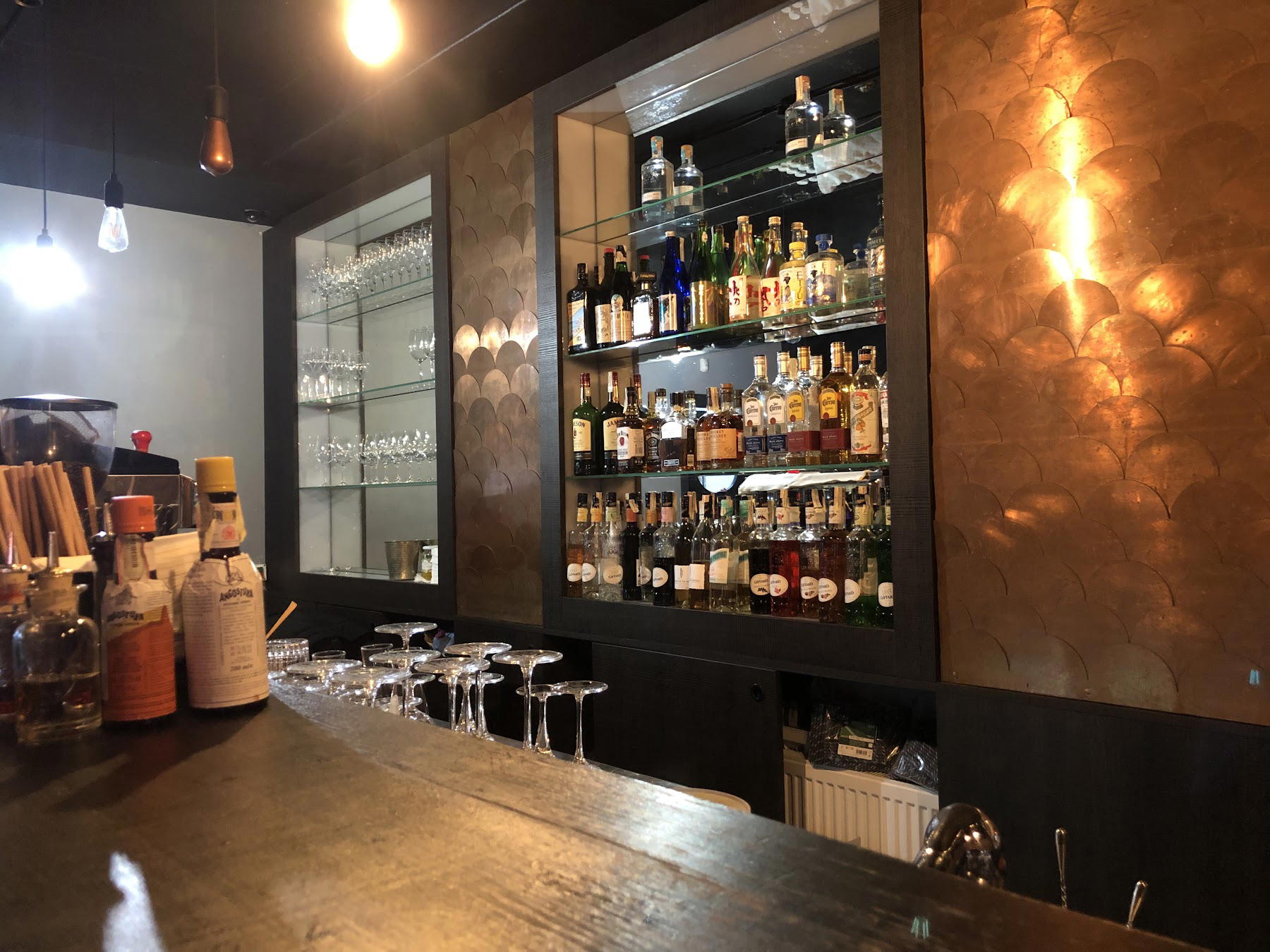
Hotels in Chisinau
Browse all →
Wineries in Chisinau
Browse all →
Details
- Modern
- Minimalist
- Elegant
- Sophisticated
- Date Night
- Special Occasion
- Business Dinner
- Live Music
- Local Sourcing
- A La Carte
- Authentic Wines
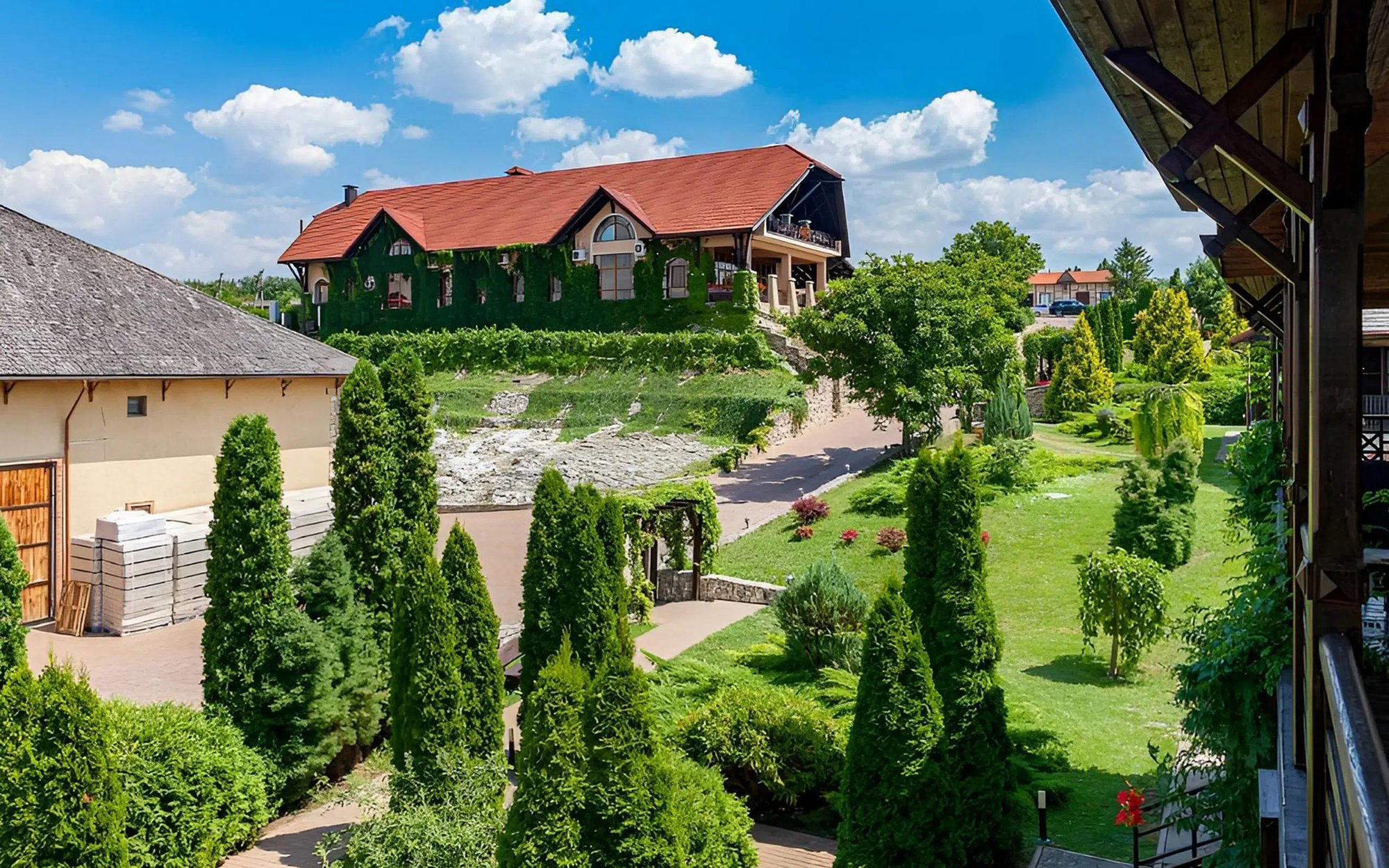
Elegant and sophisticated atmosphere with minimalist design combined with modern technologies and outstanding ambiance.