Our verdict
Positioned at Chisinau's Central Bus Terminal on Str. Mitropolit Varlaam, Atlantis Kebab is a fixture of the city's working-lunch circuit, where transit-adjacent eating has a logic all its own. The format is built around speed and simplicity, placing it at the informal end of a Moldovan dining scene that ranges from wedding-hall banquets to modernist tasting menus. For travellers moving through the capital, it represents the most direct read of what street-adjacent eating looks like here.

Pearl is the En Primeur Club membership app — saves, bookings, and concierge access live there. Same editors, same standards.
The menu
What to order
- Meat kebabs
Transit Food as a Culinary Category: What Chisinau's Bus Station District Tells You
In cities where public transport infrastructure doubles as a social hub, the eating options that grow up around bus terminals and central stations tend to be honest in a way that restaurant-district dining rarely is. Chișinău's Autogara Centrală, the main bus terminal on Str. Mitropolit Varlaam, is that kind of place: functional, high-traffic, and entirely uninterested in performance. Atlantis Kebab occupies a position within this ecosystem, serving a clientele shaped by schedules rather than leisure, which imposes its own discipline on what gets cooked and how.
This matters for understanding the kebab format in post-Soviet Eastern Europe more broadly. Unlike Western European döner shops that evolved from Turkish-German migration patterns in the 1970s and 1980s, the kebab as it appears in Chișinău arrived through a different route: a combination of regional fast-food imports, Balkan grill culture, and the general collapse of Soviet canteen infrastructure that left a gap in affordable, protein-forward eating. What filled that gap was the grill-and-wrap format, which requires minimal equipment, scales easily, and produces food that travels well, literally, for people about to board a bus or who have just stepped off one.
The Ingredient Logic of Grill-Centered Eating
The kebab format's persistence across the post-Soviet world has less to do with fashion and more to do with supply chains. Moldova's agricultural base, dominated by smallholder farming, produces pork, chicken, and lamb that move through informal and semi-formal distribution networks into urban kitchens. For a transit-adjacent operation like Atlantis Kebab, sourcing is typically governed by proximity and price consistency, which in Moldova's context means leaning on domestic suppliers rather than import chains. This has a real effect on the product: Moldovan pork in particular tends toward older regional breeds with a higher fat ratio than commodity-bred equivalents, which responds well to open-grill cooking.
The flatbread component of any kebab operation is equally telling. In Moldova, lavash and similar thin breads have a regional history that predates the kebab format's arrival, rooted in connections with Caucasian and Balkan baking traditions. Whether a venue sources its bread locally or brings it in pre-packaged is one of the clearest indicators of how seriously the kitchen takes the ingredient chain. At the informal, high-turnover end of the market where transit-adjacent venues operate, the bread is almost always sourced fresh daily given that it cannot be held over, which is one area where even budget operations tend to maintain quality by necessity rather than intention.
Where Atlantis Kebab Sits in Chișinău's Eating Map
Chișinău's restaurant scene has been pulling in two directions simultaneously. On one side, a wave of modernist and European-influenced venues has emerged in the city centre, with places like Marlène and Fuior representing an upward shift in ambition and price. On the other, the everyday eating infrastructure, canteens, grill houses, and transit-point operations, continues to serve the majority of the city's population at price points that the modernist tier cannot approach. Atlantis Kebab operates firmly in this second category, and that positioning is not a limitation so much as a function: it exists to feed people who are moving, not people who are pausing.
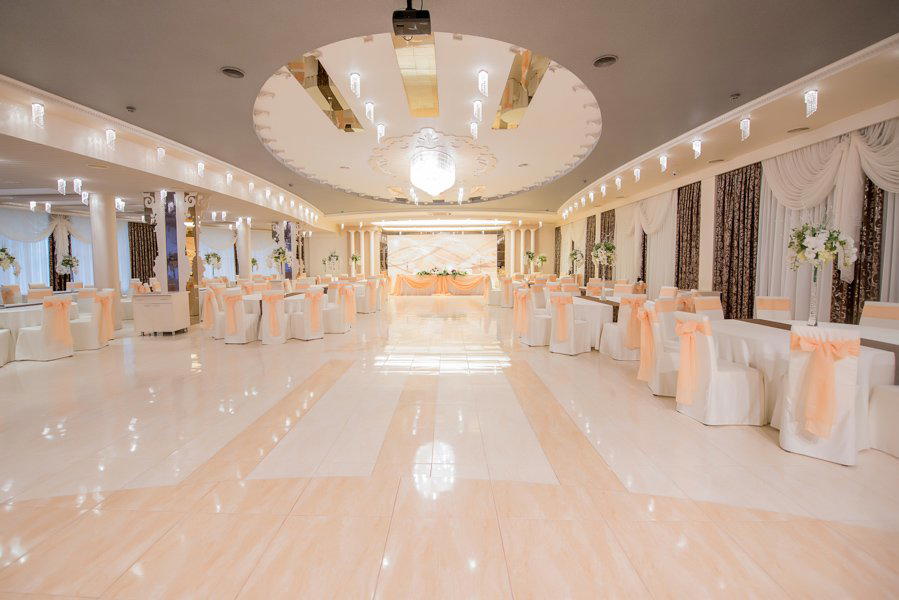
The contrast with celebration-format dining is instructive. Venues like Casa Nunții "Noroc" represent the other pole of Moldovan eating culture, where meals are events measured in hours and courses. Atlantis Kebab represents the opposite logic entirely: eating as a transaction, fast, satisfying, and calibrated to get someone back on their feet. Both formats are essential to understanding how a city actually feeds itself, and neither should be dismissed as peripheral.
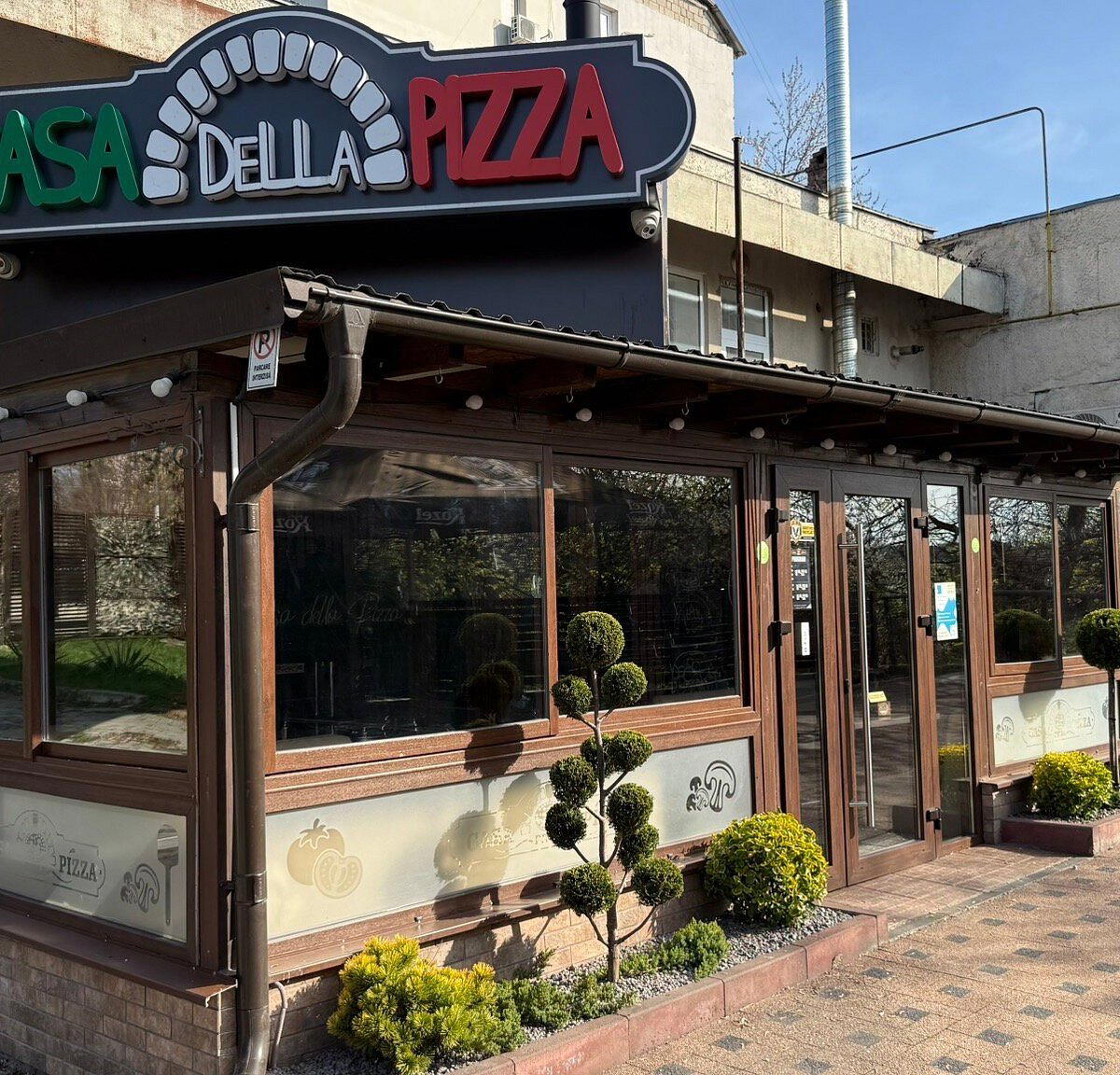
For visitors arriving at or departing from the Autogara Centrală, the venue's location on Str. Mitropolit Varlaam, 58 is directly convenient. This is practical information as much as editorial: bus station proximity means the clientele is mixed between locals on daily commutes and travellers connecting between Chișinău and regional towns, which gives the venue a social cross-section rarely found in either the tourist-track or the upscale-local tiers of city dining. If you are curious about how the city eats when it is not performing for an audience, this is a reasonable place to observe it. For those exploring further afield, Epoca de Piatră in Branesti and Casa della Pizza in Ialoveni offer comparison points for how Moldova's informal dining culture shifts once you move outside the capital.
The Broader Context: Informal Eating and Culinary Credibility
There is a tendency in premium travel writing to skip past transit-point eating entirely, or to treat it as a category beneath editorial attention. The more useful frame is to recognise that street-adjacent and transport-hub food represents a direct expression of what a city values when it is not dressing up. In that sense, Atlantis Kebab is a data point, not a destination, but a data point worth reading carefully.
The kebab's position in global food culture has been validated repeatedly at the highest levels of editorial and awards attention. Publications covering venues like Le Bernardin in New York City, Alinea in Chicago, or Alain Ducasse at Louis XV in Monte Carlo have increasingly acknowledged that the distance between a three-Michelin-star kitchen and a well-run grill stand is not a hierarchy so much as a different problem set. Both require sourcing discipline, timing, and an understanding of what the customer needs in that particular moment. The kebab format solves a specific problem with considerable efficiency.
For a broader sweep of where Chișinău's eating scene is heading across all price tiers and formats, our full Chisinau restaurants guide maps the city more completely. Venues at the technical and creative end of the spectrum, from Atomix in New York City to Arpège in Paris, offer useful reference points for understanding what ambition looks like at scale, but the Chișinău dining story is still being written, and the informal tier is as much a part of that narrative as any tasting menu.
Planning a Visit
Atlantis Kebab is located at Str. Mitropolit Varlaam, 58, at the Autogara Centrală in Chișinău. Given its position at the city's main bus terminal, it is most logically visited in combination with transit through that hub rather than as a standalone destination. No dress code applies, and the format is self-evidently casual. For visitors cross-referencing Moldova against larger dining scenes, reference points like Lazy Bear in San Francisco, Emeril's in New Orleans, or Amber in Hong Kong clarify how different the formal end of the global restaurant spectrum looks from where Atlantis Kebab operates, which is a useful calibration rather than a dismissal.
Frequently asked questions
Is Atlantis Kebab a family-friendly restaurant?
The format works for families in the same way most transit-adjacent grill counters do in Chișinău: low formality, accessible pricing, and fast service mean children fit without friction. There are no tasting menus or lengthy sittings to manage. The location at Autogara Centrală, the city's main bus terminal on Str. Mitropolit Varlaam, keeps the pace practical rather than precious.
What kind of setting is Atlantis Kebab?
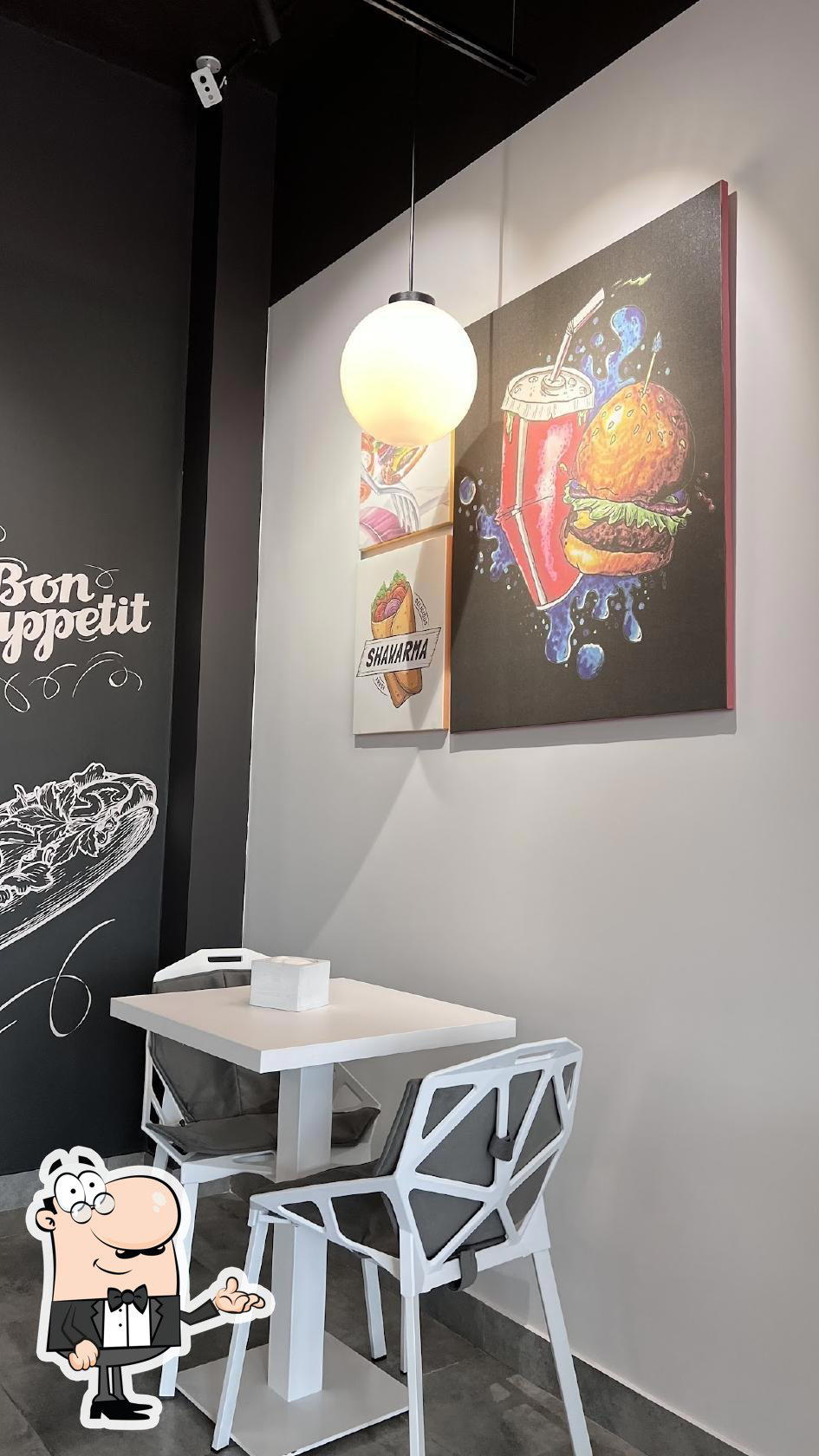
Atlantis Kebab occupies a transit-adjacent position at Chișinău's Autogara Centrală, which dictates the atmosphere more than any interior design decision. The setting follows the utilitarian logic of bus terminal eating: fast turnover, functional seating, and a clientele that ranges from commuters to city residents who know where to stop. This is counter-format eating, not a dining room.
Is Atlantis Kebab worth stopping at if you're passing through Chișinău by bus?
Its address at Str. Mitropolit Varlaam 58 places it directly at Autogara Centrală, Chișinău's main intercity bus terminal, which removes any detour from the equation. For travellers with a connection to catch, the transit-point grill format is designed for exactly that situation: fast service, no reservation required, and pricing in line with Chișinău's informal eating tier. Few venues in the city are as logistically convenient for passengers in transit.
What do regulars order at Atlantis Kebab?
Across Chișinău's grill-format venues, the kebab itself is the anchor order, typically with bread and salad components reflecting Moldova's agricultural produce base. The venue's position at the central bus terminal on Str. Mitropolit Varlaam suggests a menu built around speed and repeatability rather than rotating specials.
Where is Atlantis Kebab located?
Atlantis Kebab is located at Str. Mitropolit Varlaam, 58 (Autogara Centrală), Chișinău, Chisinau.
Side-by-Side Snapshot
Comparable venues nearby, for context on price, style, and recognition.
| Venue | Cuisine | Price | Notes |
|---|---|---|---|
| Atlantis KebabThis venue — the venue you are viewing | Middle Eastern Kebab | Not listed | Not listed |
| Casa Nunții "Noroc" | Traditional Moldovan with European influences | Not listed | Chișinău |
| Madam Wong | Contemporary Pan-Asian Fusion | Not listed | Central Chisinau |
| Marlène | Craft Cocktails | $30–50 | Buiucani |
| Fuior | Modern Moldovan Fusion | Not listed | city center |
| Epoca de Piatră | Traditional Moldovan | $10–20 | Brăneşti |
Continue exploring
More in Chisinau
Restaurants in Chisinau
All restaurants in Chisinau →
Wineries in Chisinau
All wineries in Chisinau →
Details
- Casual Hangout
- A La Carte
Casual fast food atmosphere with enjoyable service.