Stone Age, Underground: Dining Inside Moldova's Cave Winery The approach to Vinăria Brănești tells you something before you have eaten a single bite. The winery sits in Brănești, a village roughly 20 kilometres north of Chișinău, and the road in...
Pearl is the En Primeur Club membership app — saves, bookings, and concierge access live there. Same editors, same standards.
- Address
- Vinăria Brănești, Brănești
- Directions
- Get directions
 Saves & bookings on Pearl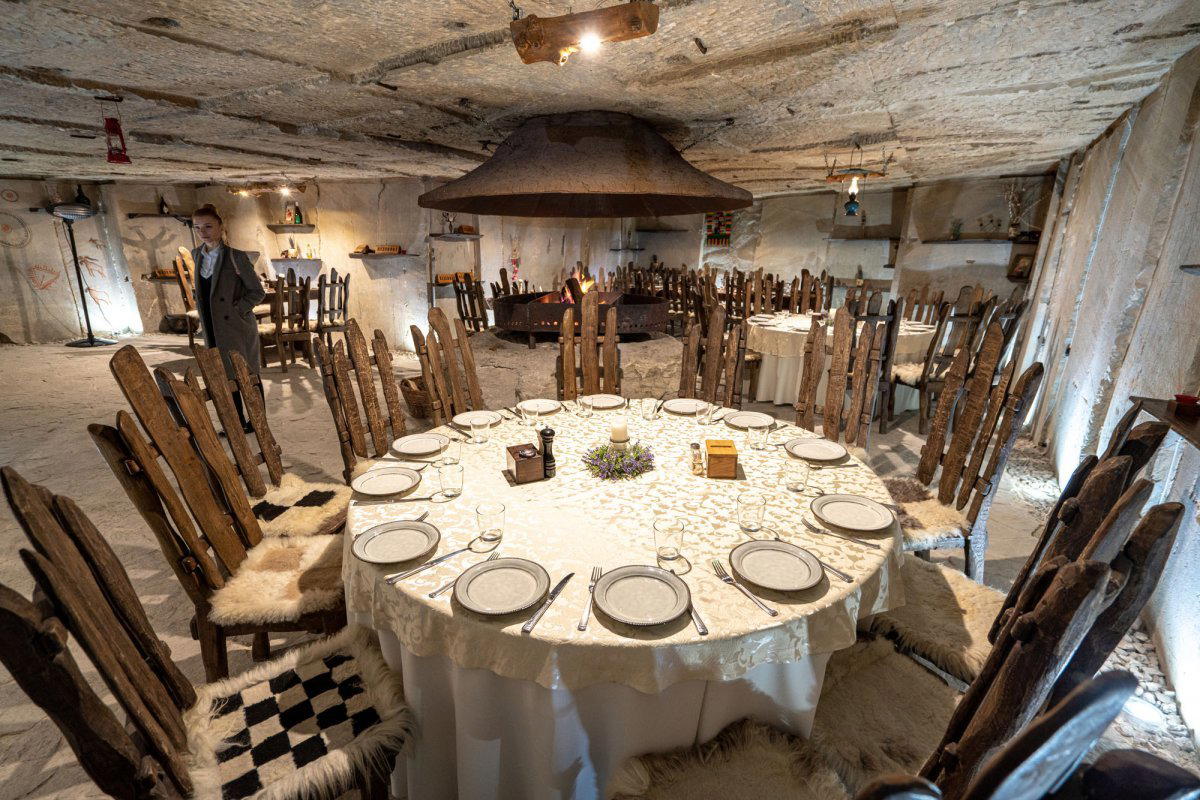
Stone Age, Underground: Dining Inside Moldova's Cave Winery
The approach to Vinăria Brănești tells you something before you have eaten a single bite. The winery sits in Brănești, a village roughly 20 kilometres north of Chișinău, and the road in passes through agricultural flatlands that have fed Moldovan communities for centuries. What lies beneath that surface is harder to anticipate: a vast network of subterranean limestone galleries, carved out over decades, where temperature and humidity remain almost perfectly stable year-round. Epoca de Piatră, the name translates directly as "Stone Age", operates within this underground environment, and the setting shapes everything about how the meal reads.
Moldova's restaurant scene has been fragmenting into distinct tiers over the past decade. Chișinău holds the majority of the country's more formal dining addresses, from event-focused venues like Casa Nunții "Noroc" to casual neighbourhood formats. What Brănești offers is categorically different: a destination that pulls its logic from the land and the geology beneath it rather than from urban dining convention. The question worth asking about any winery restaurant in this mould is not simply whether the food is good, but whether the food reflects where it comes from. At Epoca de Piatră, that connection between provenance and plate is the central proposition.
What the Cellar Asks of the Ingredients
Winery restaurants attached to estate production carry a built-in editorial pressure. The wine program anchors the sourcing story, but the kitchen must extend that logic into what it serves. Across the region, coherent winery dining experiences, think of how Atelier Moessmer Norbert Niederkofler in the South Tyrol frames its whole menu around Alpine proximity, or how Dal Pescatore in Runate built its reputation on the agricultural particularity of the Po Valley, are the ones where sourcing decisions are treated as an argument, not an afterthought.
Moldova sits at the junction of several agricultural traditions. The country's Black Earth soil produces wheat, sunflower, orchard fruit, and table vegetables at a scale that makes local sourcing a practical reality rather than a marketing posture. The Codru and Ștefan Vodă regions supply established wine grape varieties, but the food culture around those wines has been slower to receive international attention. For contrast in how a kitchen integrates hyper-local sourcing into a formally structured menu, the work at Reale in Castel di Sangro and Piazza Duomo in Alba offers a useful frame, both kitchens treat the surrounding terrain as an active editorial voice, not a backdrop.
The Physical Experience of Eating Underground
Dining inside a limestone cellar changes the sensory calibration of a meal in ways that are difficult to replicate at street level. Sound behaves differently. Ambient temperature holds steady regardless of the season above ground, which means a winter visit and a summer visit produce an almost identical thermal environment in the gallery spaces. Light sources are entirely artificial, which places the visual staging of the table entirely in the hands of whoever is designing the experience. These are not incidental details, they are the conditions that define what kind of meal this is.
Winery dining in Eastern Europe has historically defaulted toward one of two registers: the casual, poured-from-a-barrel format aimed at tourists on group visits, or the banquet-style event catering that fills large underground spaces with long tables. The more interesting development in recent years has been the emergence of smaller-format, sourcing-driven meals within these same cellar environments, where the geology becomes context rather than novelty. Whether Epoca de Piatră sits at the more considered end of that spectrum is something visitors can assess directly, and that assessment is worth making against the backdrop of what Moldova's food culture is capable of producing when it operates at its own register rather than approximating Western European formats.
For a sense of how far winery-adjacent dining can travel at the highest level of formality, the extended tasting formats at Le Calandre in Rubano or the coastal sourcing logic at Uliassi in Senigallia are instructive reference points, not because Moldova operates at the same price tier or institutional weight, but because they demonstrate what it looks like when terroir becomes the organising principle of a meal from first course to last.
Reaching Brănești and Planning the Visit
Brănești is accessible from Chișinău in under 30 minutes by car, making it a workable half-day or full-day excursion from the capital. The winery itself, Vinăria Brănești, is the primary anchor for the visit, and the dining component at the restaurant should be treated as part of a broader engagement with the estate. Group visits to the cellar galleries are the standard format for most international wineries of this type.
Moldova's wine tourism infrastructure has been expanding steadily, and Brănești sits within a cluster of estate visits that reward planning. The limestone galleries here are among the largest in the country by volume, which places Vinăria Brănești in a distinct category even within a wine region that includes several well-established underground cellars. Comparable destination-dining propositions in other geographies, Quattro Passi in Marina del Cantone and Waterside Inn in Bray, operate in settings where the physical location is itself part of the argument for the visit. The restaurant makes the same claim, rooted not in coastline or river but in the particular geology of Moldovan limestone.
A Quick Peer Check
Comparable venues nearby, for context on price, style, and recognition.
| Venue | Cuisine | Price | Notes |
|---|---|---|---|
| Epoca de PiatrăThis venue — the venue you are viewing | Traditional Moldovan | $$ | Not listed |
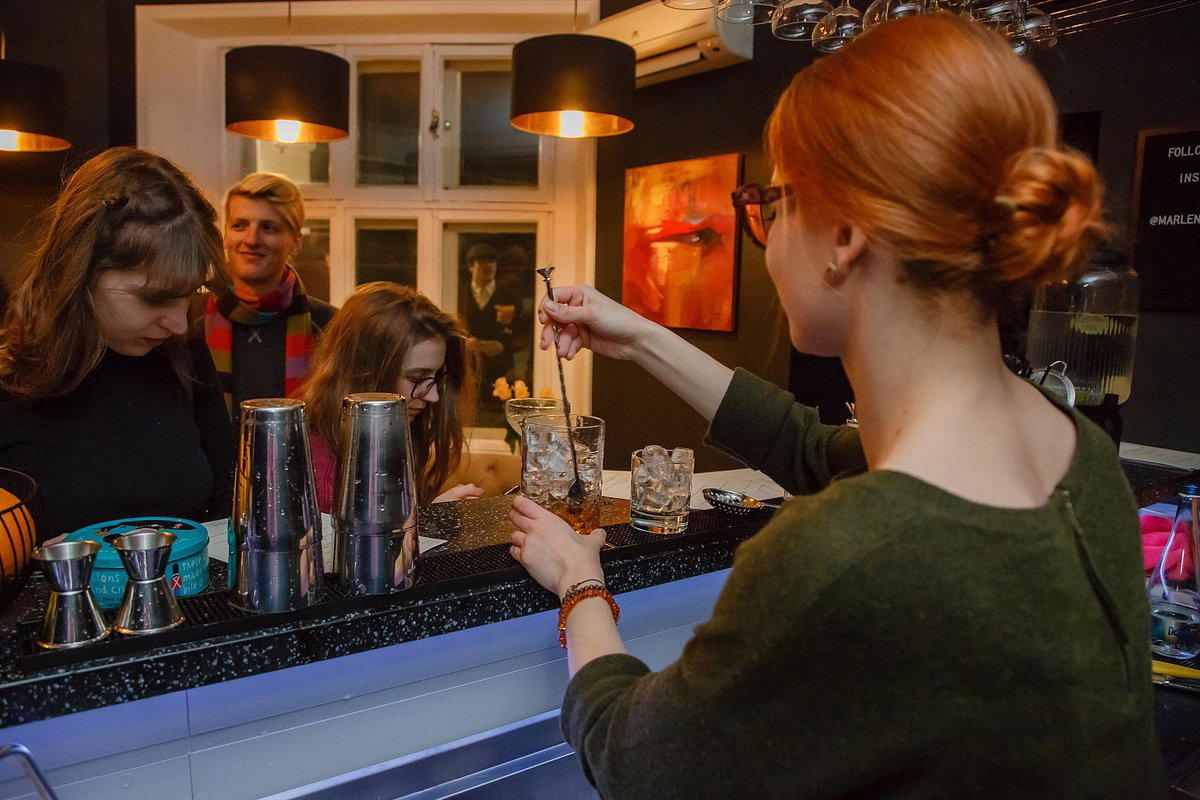
| Marlène | Craft Cocktails | $$$ | Buiucani |
| Casa Nunții "Noroc" | Traditional Moldovan with European influences | $$$ | Chișinău |
| Atlantis Kebab | Middle Eastern Kebab | $$ | Central Chisinau |
| Madam Wong | Contemporary Pan-Asian Fusion | $$$ | Central Chisinau |
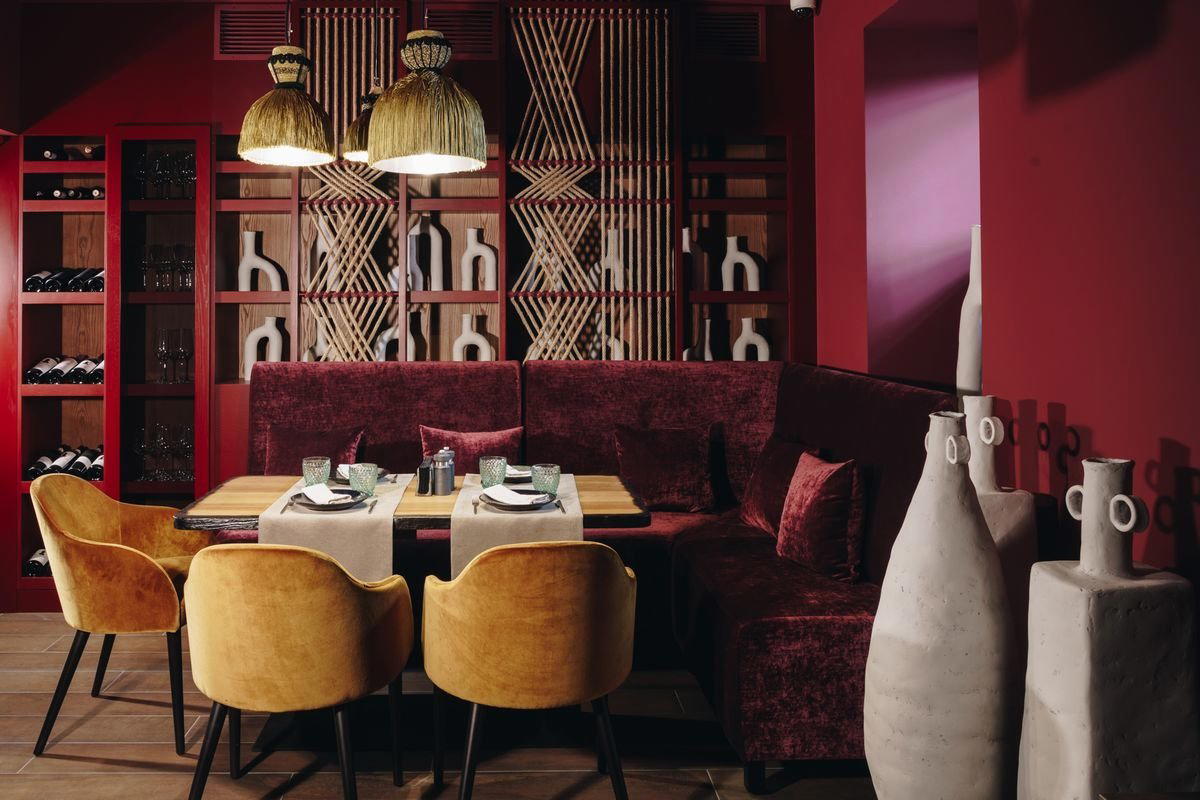
| Fuior | Modern Moldovan Fusion | $$$ | city center |
Continue exploring
More in Branesti
Restaurants in Branesti
Browse all →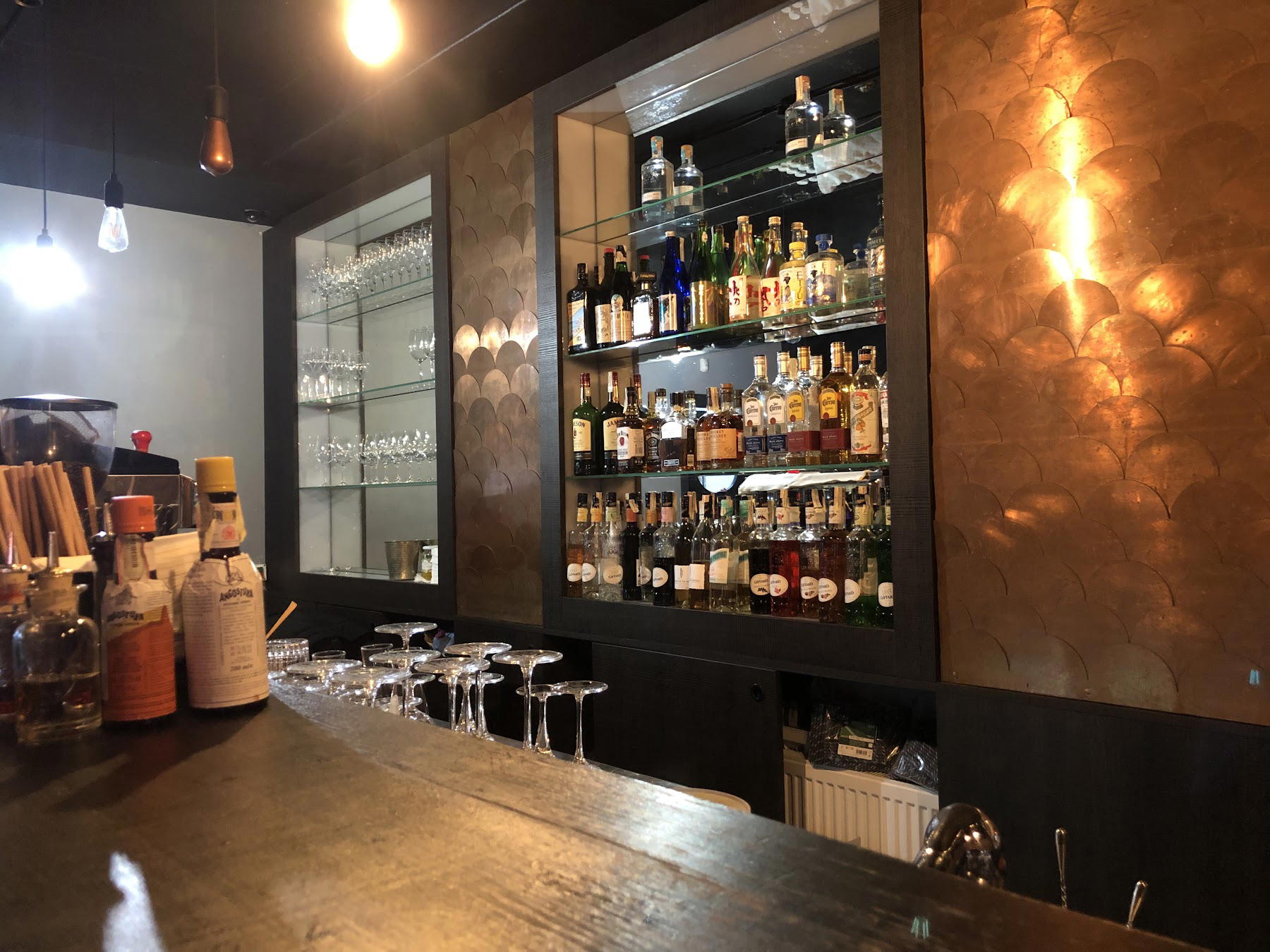
Hotels in Branesti
Browse all →
Wineries in Branesti
Browse all →
At a Glance
- Rustic
- Cozy
- Casual Hangout
- Celebration
- Historic Building
- Extensive Wine List
- Local Sourcing
Warm, rustic decor with special atmosphere from wall murals and light wood smoke smell in cave-like setting.