On Strada București in central Chisinau, Marlène occupies a city where post-Soviet dining is being quietly rewritten. The restaurant sits within a restaurant scene that is expanding faster than outside coverage acknowledges, making it a useful reference point for understanding where Moldovan dining is heading, and how far it has already come.
Pearl is the En Primeur Club membership app — saves, bookings, and concierge access live there. Same editors, same standards.
- Address
- Strada București 75, MD-2012, Chișinău, Moldova
- Phone
- +37369000524
- Website
- marlene.md
- Directions
- Get directions
 Saves & bookings on Pearl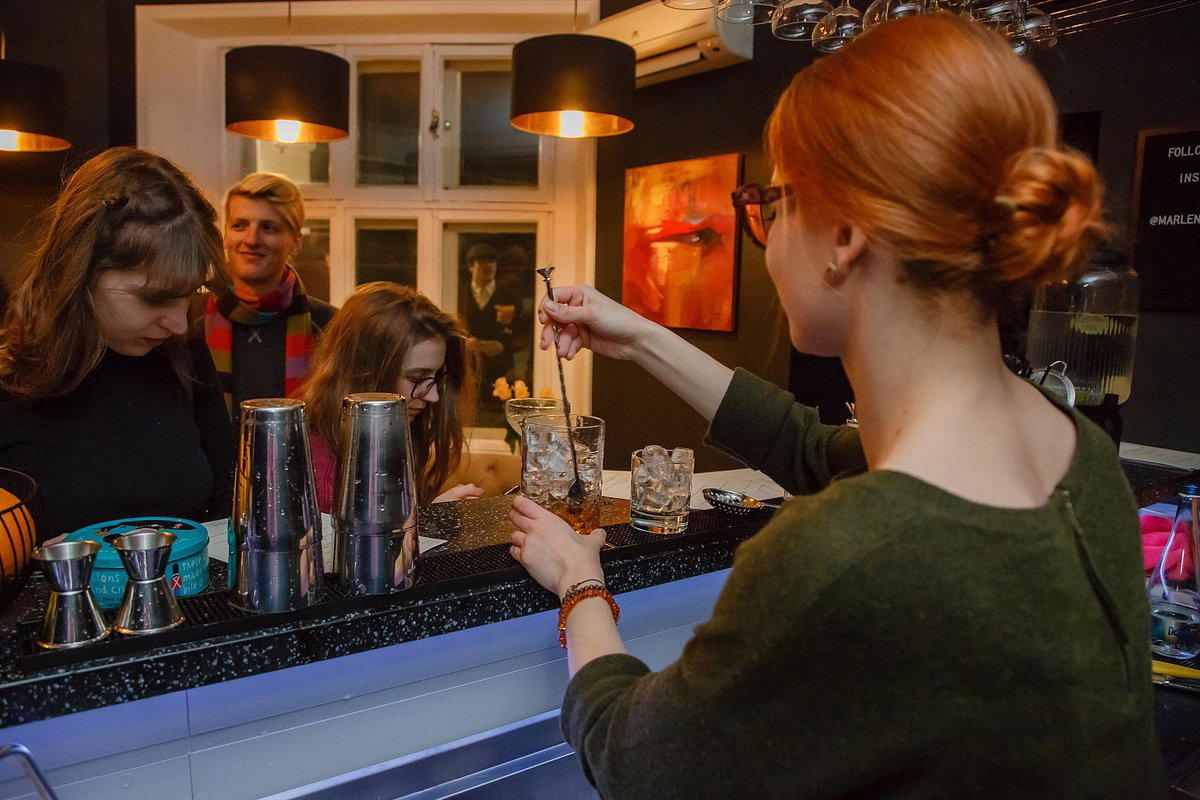
Marlène is a restaurant at Strada București 75 in Chișinău, Moldova, known for Craft Cocktails and priced at about $35 per person. Strada București runs through the middle of Chisinau like a spine, and the address at number 75 places Marlène in a part of the city where the Soviet-era building stock and the new-money renovation impulse exist in close, sometimes awkward, proximity. Arriving here for the first time, you feel the particular energy of a dining scene that is self-conscious in the leading sense: aware that it is being watched, aware that it is changing, and pressing forward anyway.
A City Rewriting Its Own Dining Script
Moldova sits at an unusual intersection in European food culture. Its cuisine draws from Romanian, Ukrainian, and Turkish traditions, filtered through decades of Soviet standardization that flattened regional distinctions across the whole of the former Eastern Bloc. The recovery from that flattening has been uneven and slow in some cities, but Chisinau has moved with more urgency than most. The restaurant scene here now spans a wider range than most Western visitors expect: from grilled street-format meat counters like Atlantis Kebab at the informal end, through mid-tier dining rooms, to venues that are visibly calibrating themselves against European fine-dining conventions.
That calibration is visible in how Chisinau restaurants handle the tension between local culinary identity and international format expectations. The restaurants that resolve this tension most effectively tend to treat Moldovan and Romanian ingredients as a starting point rather than a constraint, building from the grain and vegetable traditions of the country's agricultural interior while adopting European techniques and service frameworks. This is the approach that defines the more serious end of the current Chisinau dining moment, and it is the context in which a venue like Marlène makes sense.
The Cultural Weight of the Name
The name Marlène carries European resonance, specifically French resonance, that is deliberate in a certain kind of Chisinau restaurant. Since the early 2010s, a strand of Moldovan restaurateurs has looked to France and to Western European fine dining as a reference point, less out of deference than out of a pragmatic recognition that those frameworks carry legibility for the business travelers, diplomats, and diaspora visitors who form a significant part of Chisinau's higher-spending dining market. This is not distinctive to Moldova: the same dynamic shaped early fine-dining development in cities across Central and Eastern Europe, from Bucharest to Tbilisi. What distinguishes the more thoughtful venues in this tradition is whether they use that European framework as a genuine structural scaffold or merely as decorative register, whether the kitchen is actually trained in the techniques the menu implies, or whether the presentation is largely atmospheric.
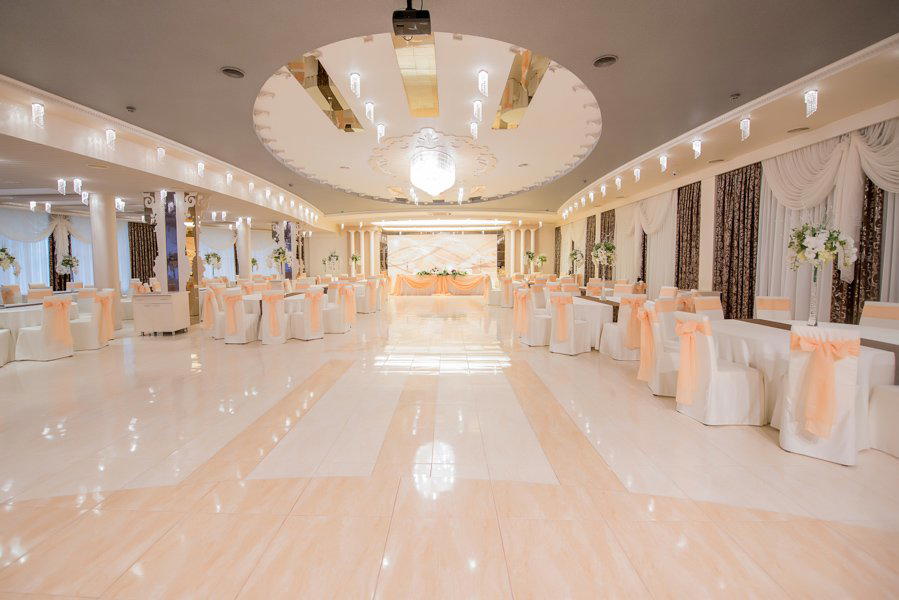
Across the broader Chisinau restaurant scene, you can find both versions. Venues like Fuior occupy a different register, and celebration-format spaces like Casa Nunții "Noroc" serve an entirely different function in the social life of the city. Marlène operates at a remove from both of those categories, in the tier where the experience is structured around the meal itself rather than around occasion or speed.
Moldova's Wine Advantage and What It Means for a Restaurant Table
Any serious restaurant in Chisinau operates with an advantage that most European cities cannot replicate: proximity to among the more productive wine regions in Eastern Europe. Moldova's wine industry predates Soviet collectivization by centuries, and while collectivization damaged the sector's quality orientation significantly, the post-independence revival has been genuine. The country now produces Cabernet Sauvignon, Merlot, Fetească Neagră, and Rară Neagră across several distinct sub-regions, with the leading examples drawing attention from buyers in Western Europe and East Asia. A restaurant at Strada București 75 is, geographically and logistically, better positioned to build a serious local wine list than almost any comparable venue in the region.
For a frame of reference on what serious European wine-integrated dining looks like at the summit of the market, venues like Alain Ducasse at Louis XV in Monte Carlo or Alléno Paris au Pavillon Ledoyen set one end of the spectrum. Marlène, like most Chisinau restaurants, operates nowhere near that tier of resource or recognition, but it exists within a city that is incrementally building the infrastructure, the producer relationships, and the guest expectations that serious dining requires.
What the Address Tells You About the Format
Strada București is a central artery with a mix of commercial and residential use. A restaurant at number 75 is accessible on foot from the main hotel cluster around Stefan cel Mare Boulevard, and from the central government and business district. This is not a destination-neighborhood location in the way that, say, Lazy Bear in San Francisco or Alinea in Chicago are destinations that justify cross-city travel. It is a central-city address serving a central-city clientele, which suggests a format built around reliability and accessibility rather than pilgrimage. For the traveling visitor, that means Marlène is a practical option to consider alongside a broader exploration of the city's dining range, ideally cross-referenced with.
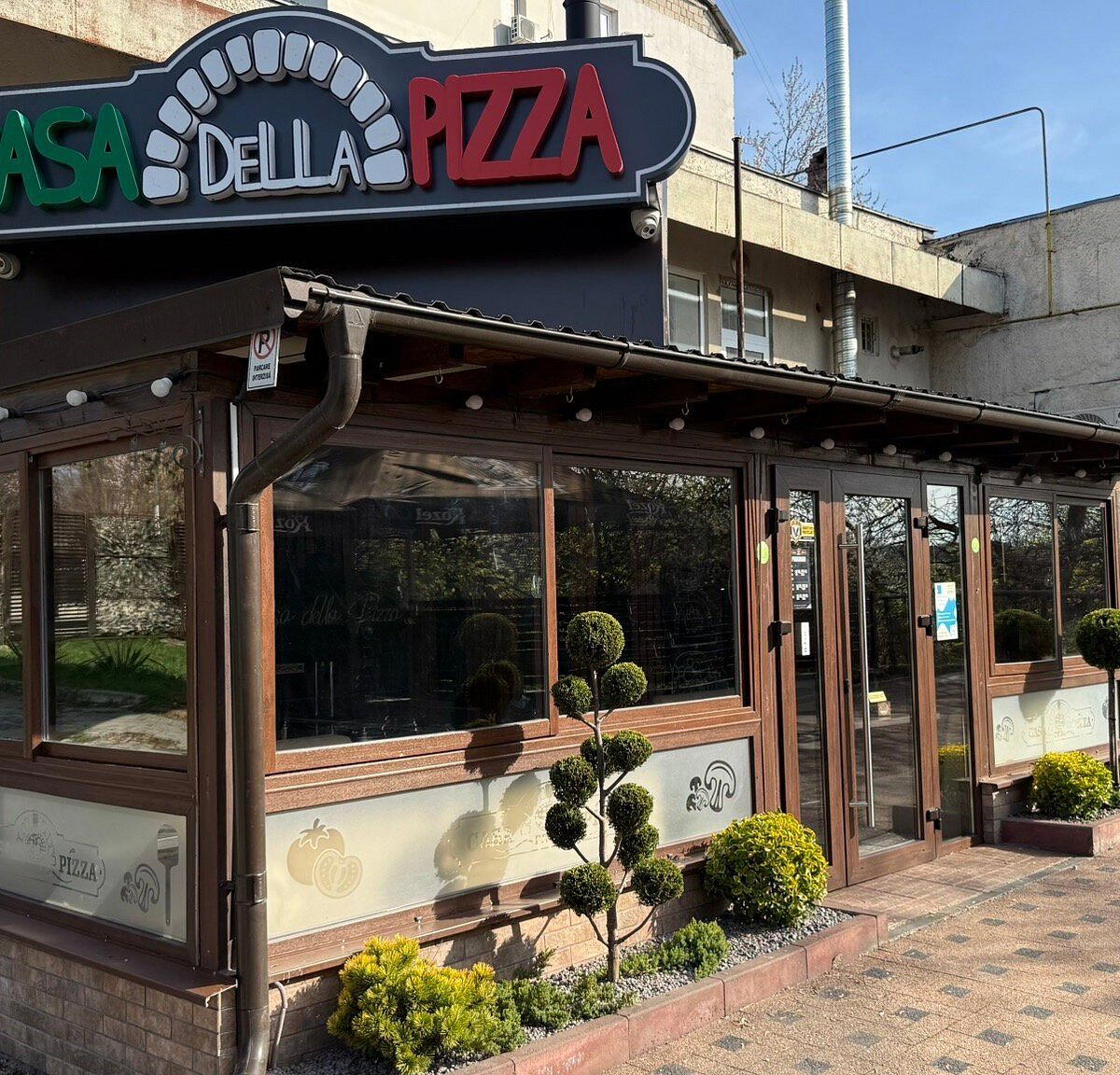
For those willing to travel beyond the capital, the Moldovan countryside offers dining in entirely different registers. Epoca de Piatră in Branesti and Casa della Pizza in Ialoveni represent the kind of regional variation that makes Moldova worth exploring beyond Chisinau alone.
Planning Your Visit
Central Chisinau restaurants in this category tend to operate dinner service from early evening and lunch on weekdays, but hours shift seasonally. Given Chisinau's relatively compact dining scene at the more formal end of the market, booking a day or two ahead is generally adequate outside of public holidays and major events on the national calendar. Dress code expectations at venues of this style in Chisinau run toward smart casual as a baseline, though the specific standard varies by room and by evening. Arriving without a reservation is possible at quieter periods but carries the risk of limited seating, particularly if the room is small.
Price and Recognition
Comparable venues nearby, for context on price, style, and recognition.
| Venue | Cuisine | Price | Notes |
|---|---|---|---|
| MarlèneThis venue — the venue you are viewing | Buiucani, Craft Cocktails | $$$ | Not listed |
| Madam Wong | Not listed | $$$ | Central Chisinau, Contemporary Pan-Asian Fusion |
| Casa Nunții "Noroc" | Not listed | $$$ | Chișinău, Traditional Moldovan with European influences |
| Fuior | city center, Modern Moldovan Fusion | $$$ | Not listed |
| Atlantis Kebab | Central Chisinau, Middle Eastern Kebab | $$ | Not listed |
| Epoca de Piatră | Brăneşti, Traditional Moldovan | $$ | Not listed |
Continue exploring
More in Chisinau
Restaurants in Chisinau
Browse all →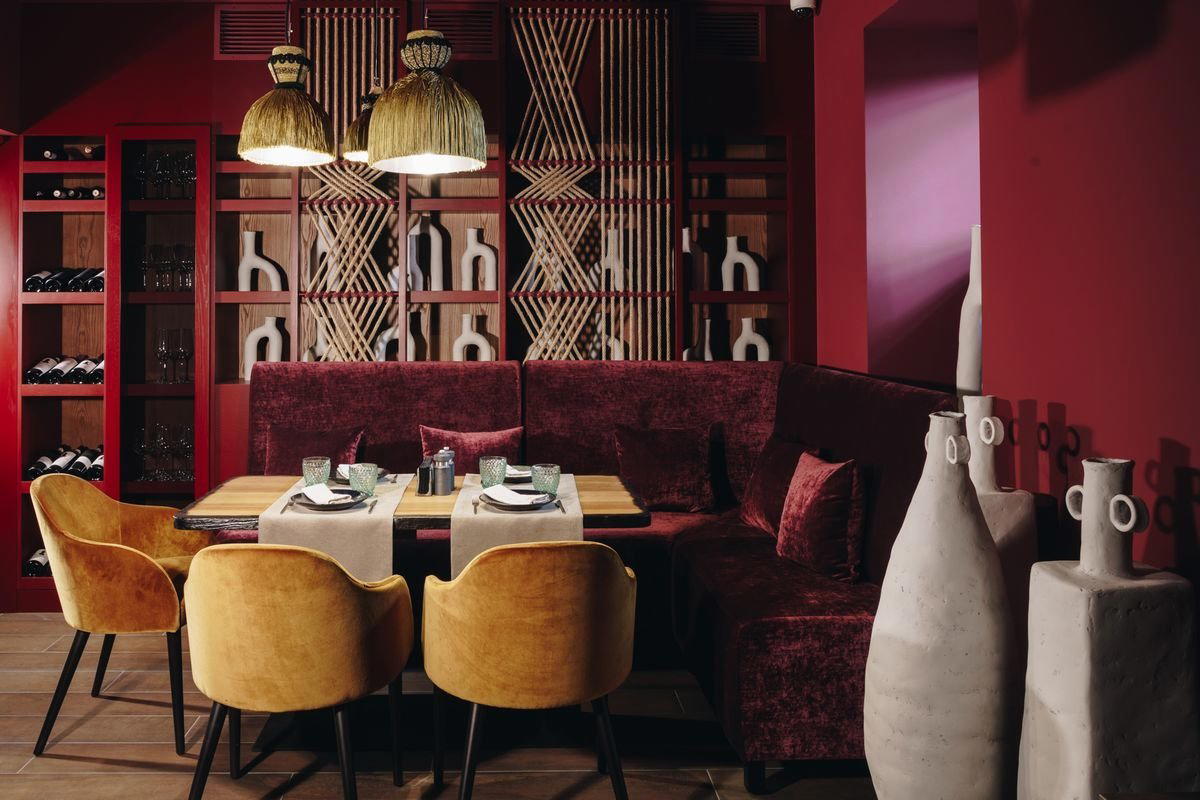
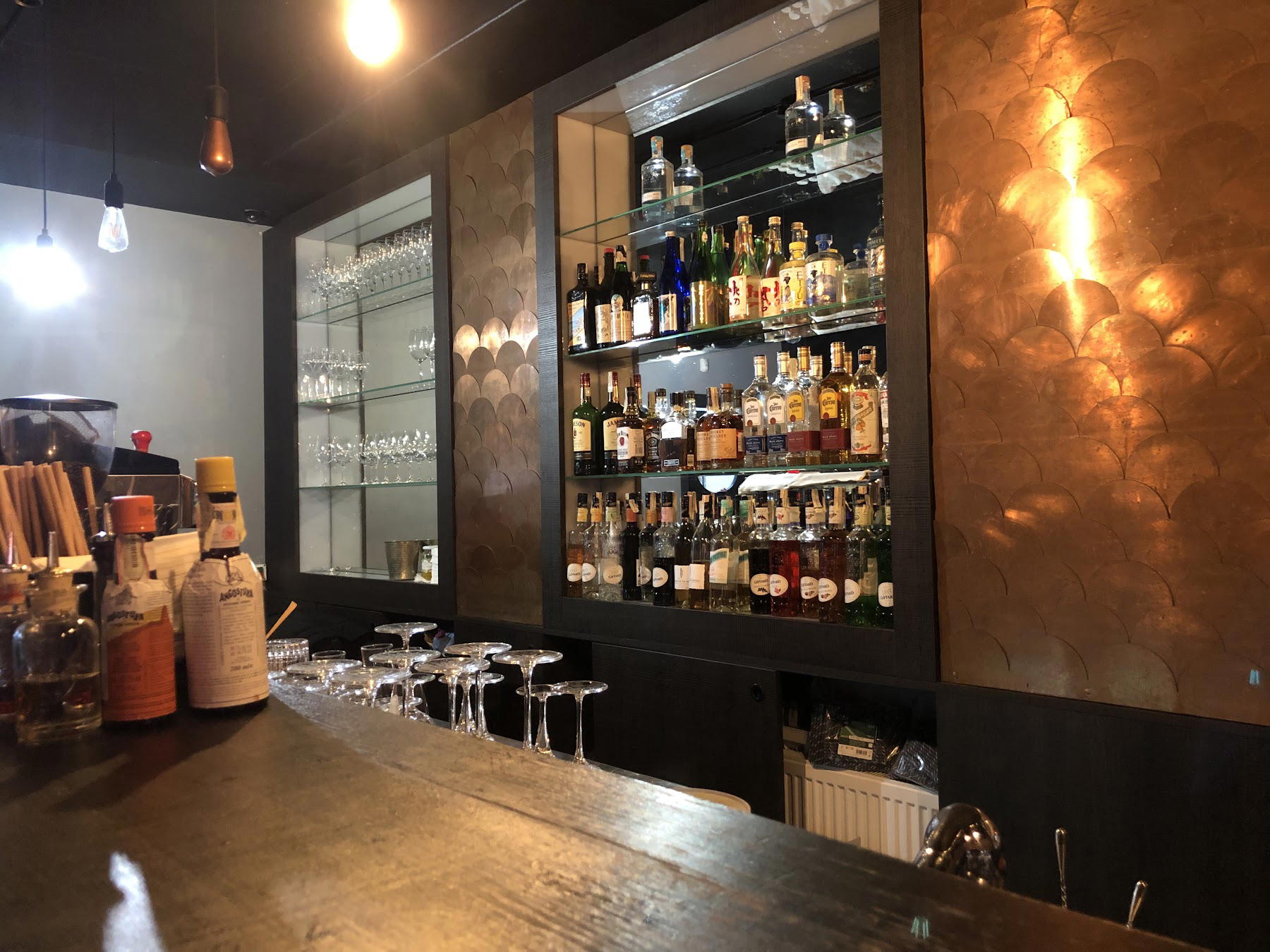
Hotels in Chisinau
Browse all →
Wineries in Chisinau
Browse all →
At a Glance
- Trendy
- Elegant
- Sophisticated
- Lively
- Date Night
- Casual Hangout
- After Work
- Celebration
- Live Music
- Terrace
- Craft Cocktails
- Local Sourcing
Current opening hours
- Monday
- 4–11 PM
- Tuesday
- 4–11 PM
- Wednesday
- 4–11 PM
- Thursday
- 4–11 PM
- Friday
- 4 PM–12 AM
- Saturday
- 4 PM–12 AM
- Sunday
- 4 PM–12 AM
Hours can change for holidays and private events. Last verified .
Stylish and chic with inviting decor; lively evening atmosphere that comes alive after dark with a sophisticated yet approachable vibe.