Casa Nunții "Noroc" on Sucevița Street occupies the Chisinau banquet-hall tradition, a format built around Moldovan celebration culture, where long tables, local ingredients, and communal festivity set the terms. For visitors curious about how the city marks its milestones, this is a working example of that format in the residential southwest of the capital.
Pearl is the En Primeur Club membership app — saves, bookings, and concierge access live there. Same editors, same standards.
- Address
- Sucevita St 34, MD-2051, Chișinău, Moldova
- Phone
- +37378738555
- Website
- m.me
- Directions
- Get directions
 Saves & bookings on Pearl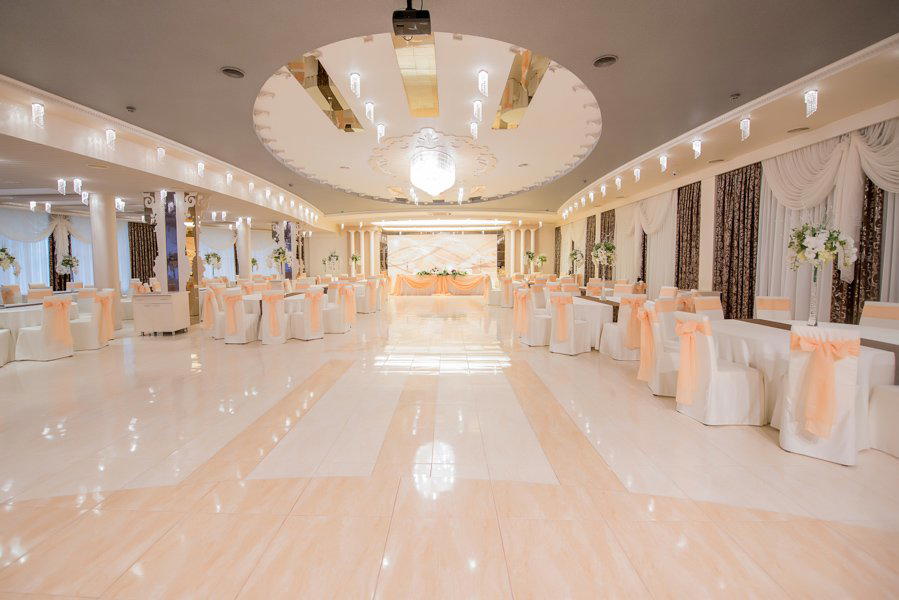
Where Chisinau Celebrates: The Banquet Hall as Cultural Institution
Approach Sucevița Street in the southwestern residential districts of Chisinau and the urban register shifts quickly. The broad Soviet-era apartment blocks give way to a quieter neighbourhood fabric, and within it, buildings like Casa Nunții "Noroc" serve a function that sits at the centre of Moldovan social life: the wedding house, or casa nunții. They are purpose-built celebration halls, calibrated for the multi-hour, multi-course Moldovan feast that marks weddings, christenings, and significant family gatherings. Understanding what they are, and why they persist, tells you something specific about how Chisinau eats and marks time.
Moldova's banquet-hall culture is distinct from Western European or North American dining. The model is pre-ordered, collectively organised, and deeply seasonal in its sourcing logic. Menus are typically assembled weeks in advance in conversation with the family hosting the event, which means the kitchen's relationship with local suppliers is built around volume and reliability rather than the à la carte spontaneity of restaurant cooking. That constraint, paradoxically, produces particularly grounded ingredient sourcing in the Moldovan food system: producers who can guarantee quantities across a growing season, farmers supplying pork, poultry, and vegetables in predictable volumes. The food that arrives at a Moldovan wedding table tends to reflect what the surrounding countryside can actually provide at that moment.
Ingredient Logic in the Moldovan Celebration Kitchen
Moldova sits at the intersection of Romanian, Ukrainian, and broader Black Sea culinary traditions, and that geography shapes what lands on the table at any serious celebration. The country's agricultural output, sunflowers, maize, stone fruit, wine grapes, cured meats, forms the backbone of celebration cooking in a way that is more direct than in most European capitals. Chisinau's banquet halls, including those at the price and format tier that Casa Nunții "Noroc" occupies, typically work with a supply chain that is geographically short by necessity: the country's modest size and the concentration of production in the central and southern regions mean local sourcing is often simply one practical route.
The dishes that define these celebrations draw from that supply. Răcituri (a pork or poultry aspic), stuffed cabbage rolls using locally grown cabbage and mixed meat, roasted meats with seasonal accompaniments, and layered pastries built from local dairy and orchard fruit appear across Chisinau's banquet circuit. For visitors more familiar with ingredient-forward restaurant formats, the comparison point is less a Michelin-tracked tasting menu and more the kind of regional cooking that restaurants like Fuior have worked to position in a more formal dining register. The banquet hall operates below that self-conscious level, but the ingredient geography is often identical.
The wine question is worth addressing directly. Moldova is a wine-producing country with a claim to some of the oldest viticultural traditions in the region, and celebration tables here are almost never dry. House wines, often sourced from producers in the Codru or Stefan Voda regions, accompany the meal from early courses through to the sweet table at the end. This is not a sommelier-led experience, but the presence of local wine as a structural element of the meal reflects an agricultural reality that the country's dining scene, from banquet halls to the more edited rooms like Marlène, shares across price points.
The Format and What It Demands of the Guest
Casa Nunții "Noroc" functions as an event venue rather than a walk-in restaurant, and arriving with that expectation adjusted makes the experience legible. Attendance is typically by invitation through the hosting family or through direct booking for a private event. The address at Sucevița St 34, MD-2051, places the venue in the quieter periphery of the capital, reachable by taxi or the city's marshrutka network, though the residential location is better suited to private car arrival, particularly for evening events when public transport schedules thin out.
The format itself is long by the standards of most restaurant meals. Moldovan celebrations routinely extend across four to six hours, with courses arriving in waves rather than in the sequential precision of a tasting menu. The pacing is social rather than culinary, and guests are expected to move between table, dance floor, and conversation rather than to sit through a structured progression. For a visitor used to the compressed formats of somewhere like Lazy Bear in San Francisco or the counter discipline of Atomix in New York, the contrast in temporal structure is significant. Moldovan celebration dining is explicitly communal and durational, the length is part of the hospitality, not incidental to it.
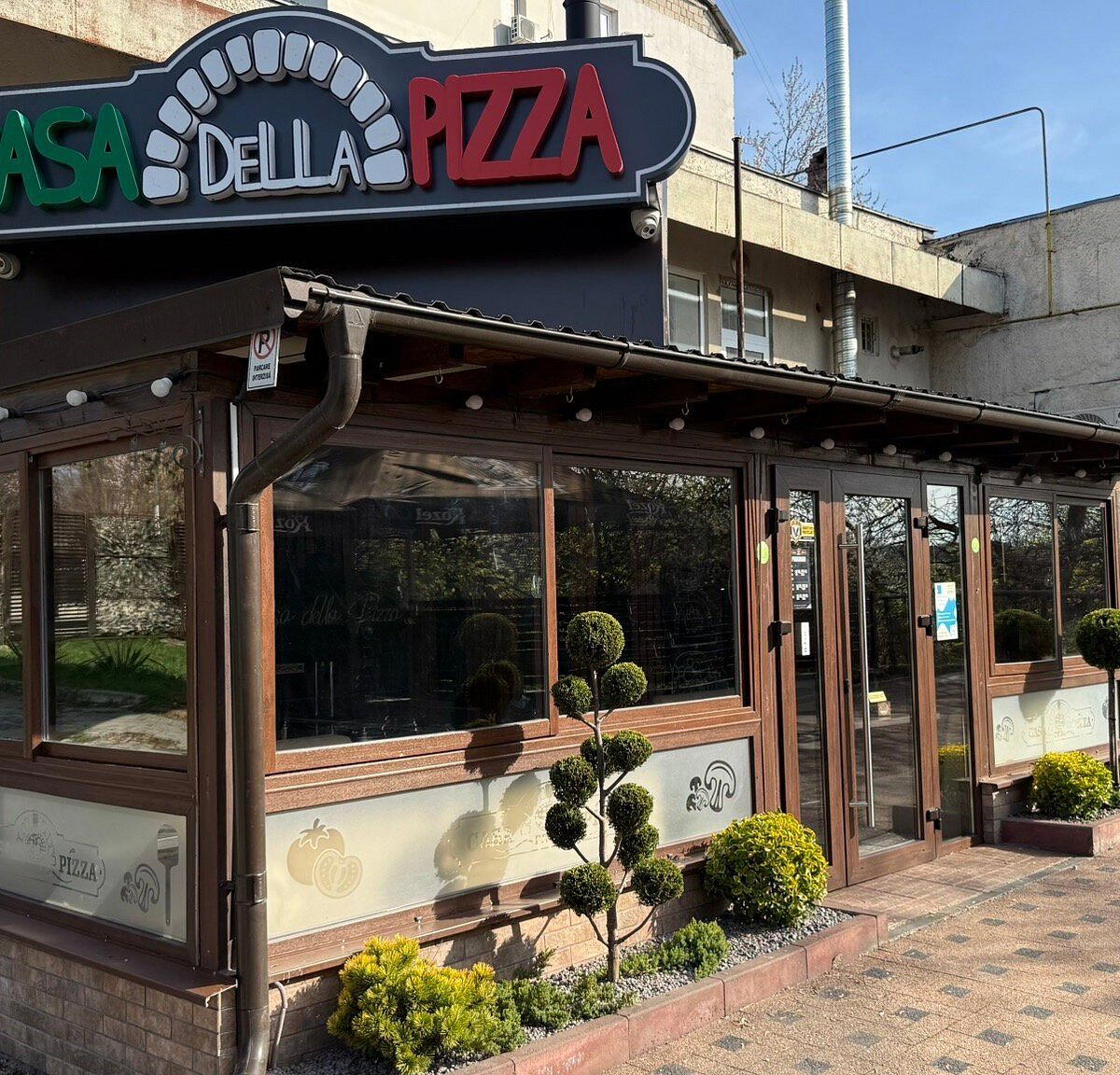
Chisinau's restaurant scene has diversified considerably in the past decade. Places like Atlantis Kebab represent the city's growing casual dining segment, while the banquet-hall tier represented by venues on the Sucevița Street model serves a function that the restaurant sector does not replace. They are parallel systems, not competing ones. Beyond the capital, the celebration-dining tradition extends into the surrounding region: venues like Casa della Pizza in Ialoveni and Epoca de Piatră in Branesti represent the event-dining options available within a short drive of Chisinau.
Planning Considerations
Because the venue operates on an event and private-booking model, planning begins well in advance of any visit. Public booking details are not currently listed, and the appropriate route for those interested in hosting an event here is direct contact through the address or through a local intermediary. The venue is most active during the traditional Moldovan wedding season, which concentrates in late spring and early autumn, when local produce is at its widest availability and the weather accommodates guests moving between interior and any exterior spaces.
The broader context of what European celebration dining looks like at its most elaborated, the multi-course formality of venues like Waterside Inn in Bray or the regional-ingredient depth of Dal Pescatore in Runate, Piazza Duomo in Alba, Uliassi in Senigallia, Quattro Passi in Marina del Cantone, Reale in Castel di Sangro, Atelier Moessmer Norbert Niederkofler in Brunico, HAJIME in Osaka, Le Bernardin in New York City, and Emeril's in New Orleans, sits in a different category entirely. Moldova's banquet hall tradition is not trying to reach that register and should not be measured against it. Its logic is communal, agricultural, and cultural. On those terms, it is a coherent and deeply local expression of how a country celebrates.
In Context: Similar Options
Comparable venues nearby, for context on price, style, and recognition.
| Venue | Cuisine | Price | Notes |
|---|---|---|---|
| Casa Nunții "Noroc"This venue — the venue you are viewing | Traditional Moldovan with European influences | $$$ | Not listed |
| Madam Wong | Contemporary Pan-Asian Fusion | $$$ | Central Chisinau |
| Marlène | Craft Cocktails | $$$ | Buiucani |
| Atlantis Kebab | Middle Eastern Kebab | $$ | Central Chisinau |
| Fuior | Modern Moldovan Fusion | $$$ | city center |
| Epoca de Piatră | Traditional Moldovan | $$ | Brăneşti |
Continue exploring
More in Chisinau
Restaurants in Chisinau
Browse all →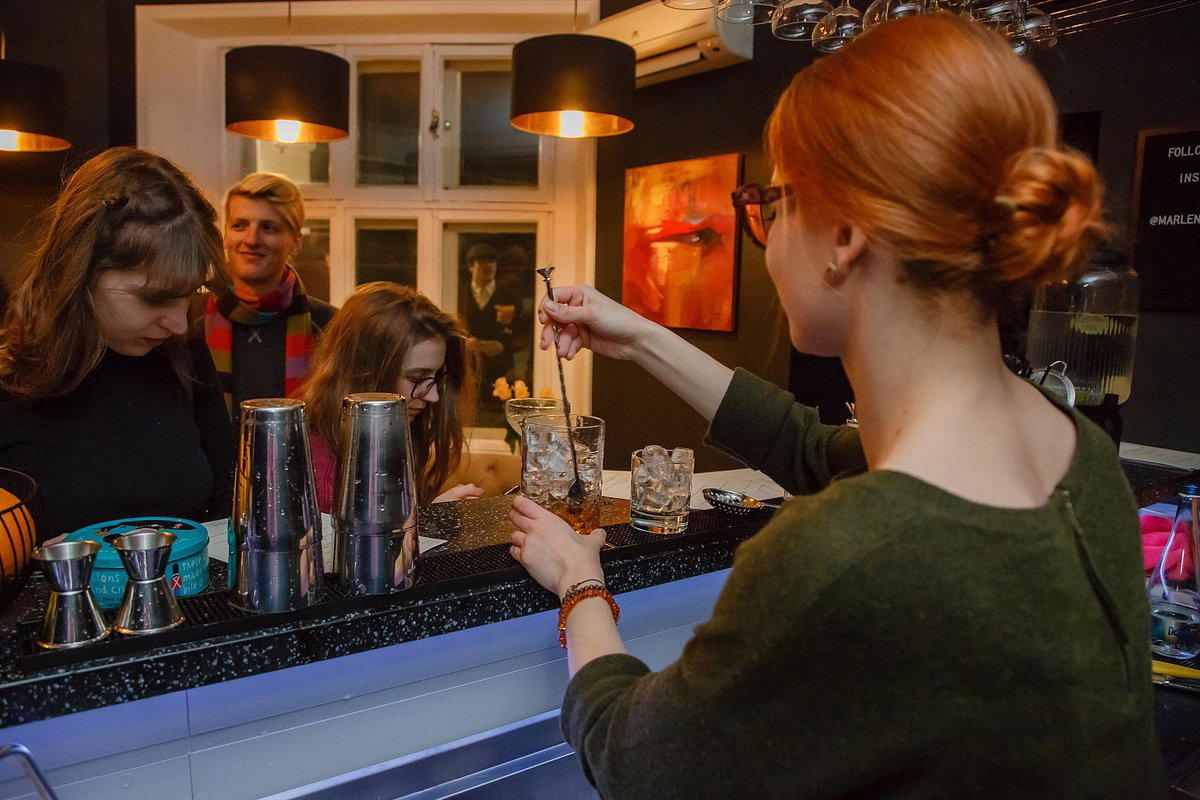
Hotels in Chisinau
Browse all →
Wineries in Chisinau
Browse all →
At a Glance
- Elegant
- Classic
- Celebration
- Group Dining
- Special Occasion
- Private Event
- Garden
- Garden
Current opening hours
- Monday
- Closed
- Tuesday
- 10 AM–6 PM
- Wednesday
- 10 AM–6 PM
- Thursday
- 10 AM–6 PM
- Friday
- 10 AM–6 PM
- Saturday
- 10 AM–6 PM
- Sunday
- 10 AM–6 PM
Hours can change for holidays and private events. Last verified .
Pleasant atmosphere with fabulous design, nice garden, and modernized interiors blending tradition and comfort.