Tabelog 100 #66
Our verdict
FUGLEN TOKYO brings Tokyo’s café-bar crossover into sharp focus: coffee by day, cocktails and sake by night, with bread in the mix rather than a token pastry case. Its Tabelog Cafe EAST “Tabelog 100” 2025 selection, 3.71 score, 23-seat scale, and Tomigaya setting place it in the serious end of the city’s casual café culture.

Pearl is the En Primeur Club membership app, where members save venues, book tables and use the concierge.
The menu
What to order
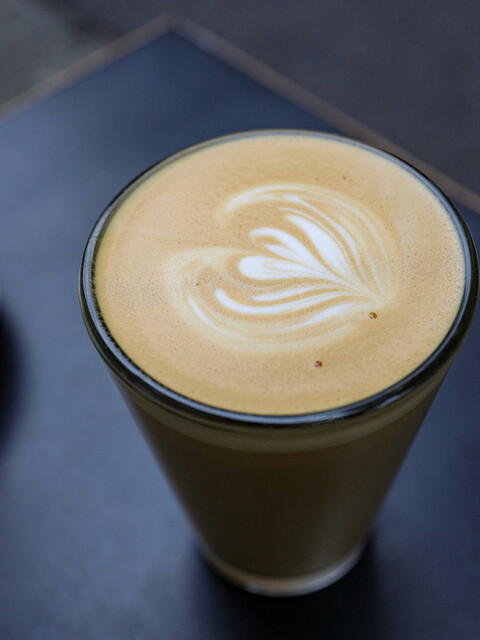
- Scandinavian-style light roast coffee
- Coffee cocktails
- Drip bag coffees featuring single origins
Tokyo changes register quickly: the city’s commercial rhythm softens around its quieter café routines, and the café scene tends to reward places that work across the day rather than peak only at lunch or dinner. FUGLEN TOKYO fits that pattern with a compact café-bar identity, but the more useful point is structural. Tokyo cafés at this level are no longer judged only by a single order; they are judged by how convincingly they carry daytime pauses, solo afternoon use, informal meetups, and evening drinks without becoming thin at any hour.
The menu architecture explains the appeal. Cafe, bar, and bread are not separate identities competing for attention; they create a day-to-night system. The café category anchors the daytime, bread gives the food side a practical spine, and the bar category extends the room beyond a simple daytime stop. That combination places it apart from dessert-led addresses such as Theobroma Shibuya honten and single-product snack culture in the lane of Nata de Cristiano's, while keeping the spend in the casual bracket rather than the serious-occasion tier occupied by Sushi Rizaki Shibuya.
A café-bar format built for Tokyo's long day
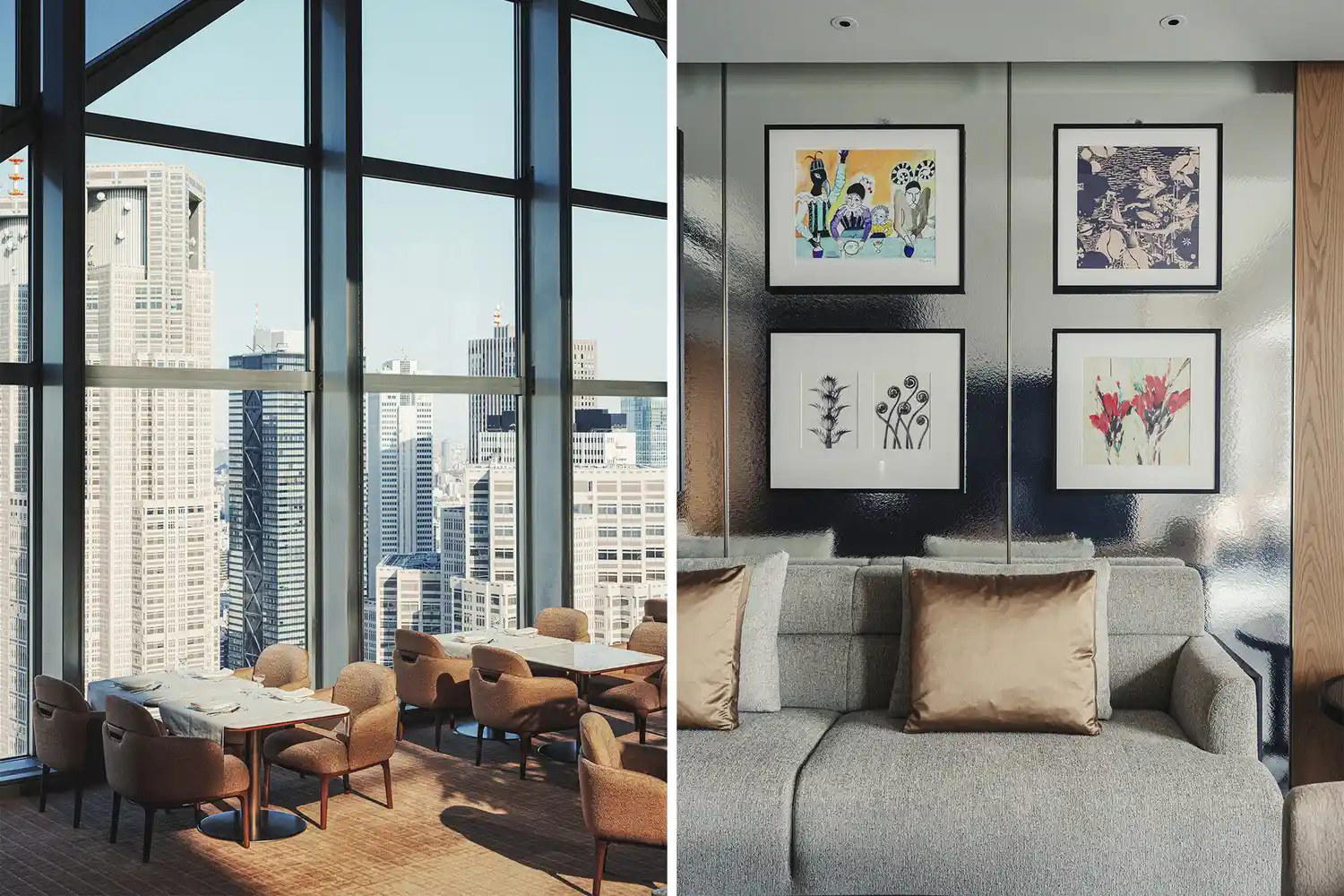
Tokyo has a deep café tradition, but the contemporary café has moved in several directions: design-conscious rooms, dessert-driven stops, bread-forward counters, and hybrid bars that keep café culture from ending at sunset. FUGLEN TOKYO belongs to the hybrid group. The service cues are practical rather than ceremonial, and the experience reads as a focused café-bar rather than a large dining room built around a formal sequence.
That compactness matters in Tokyo. The strongest casual addresses often function as everyday infrastructure: somewhere for solo pauses, friends, and informal bites rather than a destination that demands a fixed sequence. The cafe, bar, and bread categories are useful signals because they describe a flexible Tokyo café rather than a restaurant trying to turn every visit into a set-piece meal. The format also suits travellers using cafés as work breaks, daytime anchors, or low-key evening stops.
The Tabelog 2025 recognition gives the place a public quality marker in a category where prestige can be harder to read than in more formal dining genres. The 3.71 Tabelog score is strong in a Japanese rating culture where scores above the mid-threes are meaningful. The lesson for visitors is not that this is formal dining; it is that Tokyo’s casual café tier has its own filters, and this address has cleared a visible one.
Tokyo's café culture, measured against the city
Location shapes the way a café is used. Some Tokyo cafés are tied to shopping routes, others to transit density, and others to retail-led lifestyle traffic. FUGLEN TOKYO works within that wider city rhythm: it can operate as both a local stop and a visitor’s pause between heavier meals. That flexibility is central to the appeal of a café-bar hybrid in a city where dining days can easily become over-scheduled.
For a broader Tokyo eating day, the contrast is useful. A traveller might treat other Tokyo dining rooms as category-specific stops, depending on the itinerary. This café sits in the spaces between those commitments, the point in the day when a café stop, a simple bite, or a low-key evening drink makes more sense than another full restaurant booking.
That same comparison helps separate it from more visual-concept cafés, where the draw is more graphic and social. Here, the editorial interest is functional range. Bread gives the food offering daily usefulness; the bar category prevents the room from becoming a morning-only stop. It is a restrained model, but restraint is precisely what keeps hybrid cafés from feeling gimmicky.
How to place it in a Tokyo itinerary
The strongest use case is not to build a day around one café. It is to use it as a hinge: before a walk, after shopping, or between a dense afternoon and a later reservation. Travellers mapping a fuller dining run can use Our full Tokyo restaurants guide for restaurant planning, then layer in Our full Tokyo bars guide if the evening needs a more drinks-led finish. For hotel positioning, Our full Tokyo hotels guide helps separate quieter stays from station-heavy bases.
Tokyo’s casual food scene also rewards cross-city thinking. A café-bar in Tokyo plays a different role from other dining in Tokyo, just as a day snack in Tokyo differs from casual dining elsewhere in Japan. Regional comparisons sharpen the point: Japan’s café category is broad, but the stronger addresses declare their purpose through format, not through lengthy menus.
The same logic applies beyond Japan. Japanese drinking and casual-food formats can travel widely, while other restaurants sit in more category-specific lanes. FUGLEN TOKYO’s value is different: it reads Tokyo through a café-bar grammar, with enough recognition to matter and enough informality to use without ceremony. For adjacent planning beyond restaurants, Our full Tokyo wineries guide and Our full Tokyo experiences guide fill in the city around the table.
Frequently asked questions
What's FUGLEN TOKYO's location?
FUGLEN TOKYO is located in Tokyo.
What should I budget for a meal at FUGLEN TOKYO?
Pricing at FUGLEN TOKYO is listed as - JPY 999 - JPY 999 View spending breakdown.
When can I go to FUGLEN TOKYO?
Check the venue's official channels for the latest opening details before visiting FUGLEN TOKYO.
What is FUGLEN TOKYO known for?
FUGLEN TOKYO is a café, bar and bread address in Tokyo, and it has 2025 Tabelog recognition with a listed score of 3.71. The format works as a flexible café-bar stop rather than a formal dining room.
How does FUGLEN TOKYO handle allergies?
For allergies, the practical approach is to check the venue's official channels before ordering so ingredient questions can be handled against the current service setup. Check the venue's official channels for the latest details.
Is FUGLEN TOKYO good for families?
FUGLEN TOKYO’s café, bar and bread format makes it a workable stop for daytime café use or a low-key bite rather than a formal dining room. Check the venue's official channels for the latest details if visiting with children.
Fast Comparison
Comparable venues for context, by category and price tier.
| Venue | Cuisine | Price | Awards | Notes |
|---|---|---|---|---|
| FUGLEN TOKYOThis venue (the venue you are viewing) | Specialty coffee bar with Scandinavian influence | $10–20 | Tabelog 100 #66 | Not listed |
| Minimal Tomigaya honten | Bean-to-Bar Chocolate Cafe | $10–20 | Tabelog 100 #43 | Shibuya |
| Boulangerie et Cafe Main Mano | French-style Boulangerie & Café | $10–20 | Tabelog 100 #44 | Shibuya |
| Azabu Kogaiken Hiroo honten | Japanese-style Western (yoshoku) restaurant | $20–30 | Tabelog 100 #44 | Minato |
| Ginza Swiss Honten | Classic yoshoku (Japanese Western-style) & katsu curry | $20–30 | Tabelog 100 #61 | Chūō |
| BANDARA LANKA | Authentic Sri Lankan Cuisine & Ceylon Tea | $30–50 | Tabelog 100 #57 | Shinjuku |
Recognition history
Dated appearances from independent guides and award organizations, with the underlying list record or original source where available.
Tabelog 100 #66 · No. 66
Tabelog · Tabelog 100 - Cafe - EAST - 2025