
Tabelog 100 #61
Our verdict
Its draw is not luxury theater but continuity, with curry, omurice, and family-friendly service sitting inside Ginza’s broader split between grand dining rooms and everyday institutions.

Pearl is the En Primeur Club membership app, where members save venues, book tables and use the concierge.
The menu
What to order
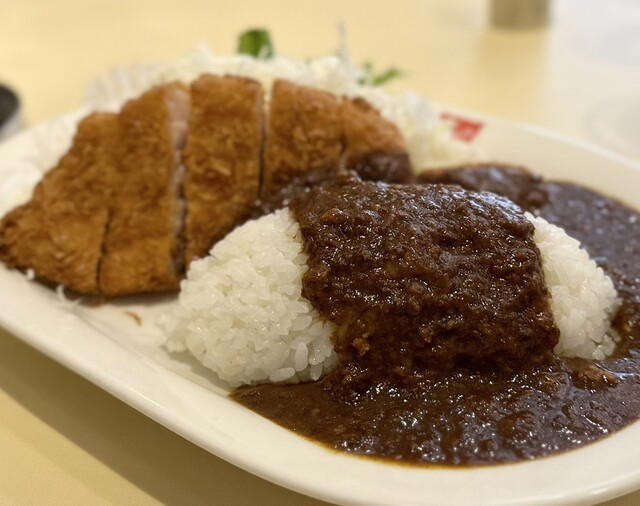
- Katsu curry
- Hamburg steak
- Fried shrimp
- Omu-rice
Ginza Swiss Honten sits squarely in that lineage. The room is best read through the practical grammar of a yoshoku house rather than the codes of a luxury dining room. Yoshoku occupies another lane. Curry and omurice are not side notes to the city’s dining culture; they are part of how office workers, families, and shoppers eat between appointments and train transfers. A closer editorial frame is the older yoshoku counter and dining-room model, where Renga Tei remains a natural reference point for category history and price positioning. Ginza Swiss Honten operates in a more accessible band, with listed lunch pricing at JPY 1,000–1,999 and dinner at JPY 2,000–2,999.
The venue’s Tabelog 100 - Yoshoku - EAST - 2025 selection gives the category claim weight. Tabelog’s Hyakumeiten lists tend to reward depth inside a genre rather than spectacle across genres, which suits yoshoku particularly well. A restaurant can matter here because it protects a format, not because it reinvents dinner.
The service rhythm is part of the appeal
Assigned story here is less about a named chef than about team mechanics. Yoshoku depends on kitchen timing and floor discipline: curry that can move at lunch pace, omelette rice that cannot sit too long, and a room that can absorb different kinds of diners without losing flow. The public category listing, yoshoku, curry, and omurice, points to a venue built around familiar dishes and repeatable comfort rather than a single ceremonial script. A restaurant does not need a long tasting menu to show standards; it needs a kitchen and front-of-house team that can repeat familiar dishes under pressure. Ginza Swiss Honten’s category mix tells experienced diners how to read the meal: order within the house’s comfort zone, expect a practical room, and judge the experience by consistency rather than surprise.
The appeal is also historical in a broader sense.
There is also a city argument. It is familiar enough for an easy meal, structured enough for a proper sit-down lunch, and old-fashioned enough to resist the city’s faster concept cycles.
For broader planning, see
Frequently asked questions
Would Ginza Swiss Honten be comfortable with kids?
Read it as a practical Tokyo yoshoku restaurant, and check the venue's official channels for the latest details before visiting with children.
How would you describe the vibe at Ginza Swiss Honten?
It feels like a classic Tokyo yoshoku room with a practical rhythm, built around Japanese-style Western cuisine, curry, and omurice. The award list, Tabelog 100 Yoshoku EAST 2025, places it in a serious local bracket without turning it into a special-occasion dining room.
What does dinner at Ginza Swiss Honten typically cost?
Dinner at Ginza Swiss Honten is listed at JPY 2,000 - JPY 2,999; lunch is listed at JPY 1,000 - JPY 1,999.
When is Ginza Swiss Honten open?
Check the venue's official channels for current hours before visiting.
Where is Ginza Swiss Honten in Tokyo?
Tokyo.
What's the standout thing about Ginza Swiss Honten?
Its place in Tokyo’s yoshoku landscape is the hook, backed by the Tabelog 100 Yoshoku EAST 2025 selection, a provided Tabelog score of 3.49, and accessible listed pricing for lunch and dinner.
Comparison Snapshot
Comparable venues at a glance for context.
| Venue | Cuisine | Price | Awards | Notes |
|---|---|---|---|---|
| Ginza Swiss HontenThis venue (the venue you are viewing) | Classic yoshoku (Japanese Western-style) & katsu curry | $20–30 | Tabelog 100 #61 | Not listed |
| Levain Tomigaya ten | Natural-yeast bakery & café | $10–20 | Tabelog 100 #63 | Shibuya |
| Iyoshi Cola | Craft Cola Specialty | $1–10 | Not listed | Jingumae, Shibuya |
| Fruits de Saison | Seasonal Fruit Parlor & Cafe | $20–30 | Tabelog 100 #100 | Chiyoda |
| Jikaseibaisen Coffee Mijinko | Specialty coffee café with hotcakes and pudding | $20–30 | Tabelog 100 #65 | Bunkyō |
| 懐石 小室 | Traditional Cha-Kaiseki | $200–300 | 1 Michelin Star · La Liste Top Restaurants | Shinjuku |
Recognition history
Dated appearances from independent guides and award organizations, with the underlying list record or original source where available.
Tabelog 100 #61 · No. 61
Tabelog · Tabelog 100 - Yoshoku - EAST - 2025
Continue exploring
More in Tokyo
Restaurants in Tokyo
All restaurants in Tokyo →







Details
- Classic
- Cozy
- Well Known
- Solo
- Family
- Group Dining
- After Work
- Casual Hangout
- Private Event
- Historic Building
- Standalone
- Private Dining
- A La Carte
- Set Menu
Current opening hours
- Monday
- 11 AM–8:30 PM
- Tuesday
- 11 AM–8:30 PM
- Wednesday
- 11 AM–8:30 PM
- Thursday
- 11 AM–8:30 PM
- Friday
- 11 AM–8:30 PM
- Saturday
- 11 AM–8:30 PM
- Sunday
- 11 AM–8:30 PM
Hours can change for holidays and private events. Hours as of .
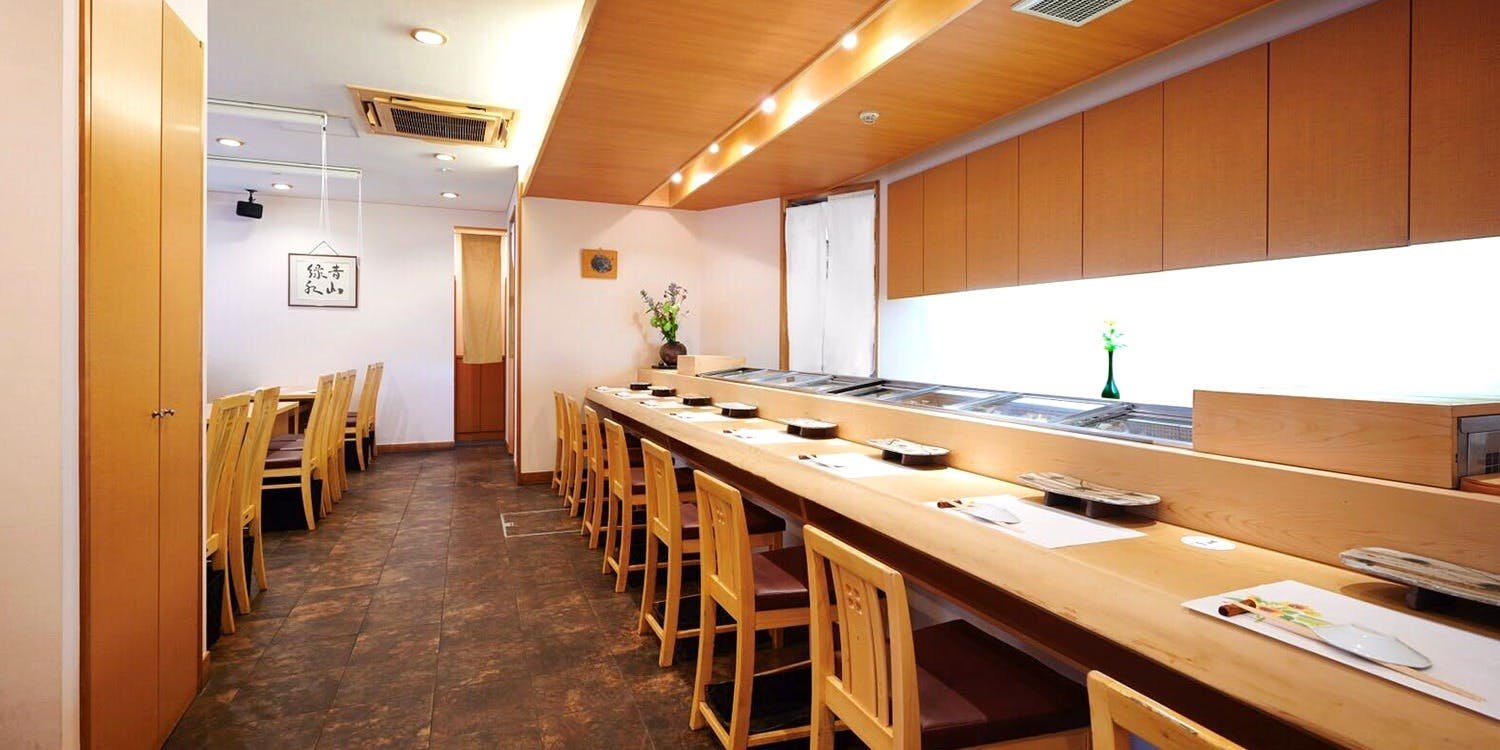
A nostalgic yoshoku dining room with simple, cozy seating and a relaxed, down-to-earth atmosphere that feels like a classic postwar Ginza Western restaurant rather than a modern design-driven space.