FT33
Our verdict
FT33 occupies a converted space on Hi Line Drive in Dallas's Design District, a corridor that has become the city's most concentrated stretch of ambitious cooking. The kitchen operates in a register that positions it alongside the upper tier of Dallas fine dining, drawing comparisons to destination restaurants rather than neighborhood staples. Advance reservations are advisable, particularly for evening service.
- Address
- 1617 Hi Line Dr, Dallas, TX 75207
- Phone
- (214) 741-2629
- Website
- ft33dallas.com
- Directions
- Get directions
The menu
What to order
- Smoked Trout with Lardo
- Charcuterie Plate
The Design District as a Frame for Serious Dining
Hi Line Drive in Dallas's Design District does not look like a restaurant row. The buildings are low and industrial, the signage minimal, and the street itself reads more like a logistics corridor than a culinary address. That tension is, increasingly, the point. Over the past decade, this stretch of Dallas has absorbed some of the city's most technically demanding kitchens, a pattern that mirrors the warehouse-district dining clusters that took hold in cities like Chicago and San Francisco before Dallas caught up. FT33, at 1617 Hi Line Dr, sits inside that pattern. The address is less a destination than a signal: you are in the part of Dallas where cooking is taken seriously enough to survive without foot traffic.
That positioning matters because Dallas dining in 2024 is genuinely split between two operating registers. On one end, there are the legacy steakhouses and Tex-Mex institutions that define the city's popular identity. On the other, a smaller cohort of kitchens running tasting menus or composed plating formats that benchmark themselves against national peers rather than local competition. Restaurants like Tatsu Dallas and Mamani occupy the upper bracket of that second tier. FT33 has historically occupied a similar position in that conversation, a kitchen whose reference points lean toward precision and restraint rather than portion and tradition.
Lunch vs. Dinner: Two Different Contracts
The lunch-versus-dinner divide at ambitious restaurants in the American South rarely gets enough critical attention, but it shapes the entire experience calculus. Dinner service at this tier of Dallas dining tends to run as a complete program: longer menus, more structured pacing, a room that fills with intentional diners who have planned the evening. The atmosphere is composed, the lighting lower, and the expectation of ceremony considerably higher.
Lunch, when offered at a restaurant operating in this register, is a different contract entirely. The format is typically abbreviated, the room less formally occupied, and the price point adjusted to reflect a midday context. For a first visit to a kitchen of this caliber, a lunch sitting can serve as a practical entry point: lower financial commitment, shorter time investment, and enough of the kitchen's vocabulary to inform whether a return dinner booking makes sense. This approach to sequencing visits is well-established among the kind of reader who also considers Smyth in Chicago or Addison in San Diego part of their broader dining itinerary.
The Design District's lunch trade is also practically distinct from its dinner crowd. Midday visitors here are often from the surrounding creative and architecture firms that give the neighborhood its character, which produces a less ceremonially charged room than the evening brings. For restaurants in this tier, that can actually be a feature rather than a drawback: the kitchen's technique reads more clearly when the room is less charged with occasion.
Where FT33 Sits in the Dallas Fine Dining Conversation
Dallas's upper dining tier is smaller than the city's population and culinary reputation might suggest. The restaurants that operate at the level of, say, Le Bernardin in New York City or Providence in Los Angeles are fewer in number here, which means each one carries more representative weight within the local conversation. FT33 has been part of that conversation long enough to function as a reference point rather than a discovery, which is a meaningful distinction in a city where restaurant turnover at the ambitious end of the market is higher than the national average.
The comparison set that frames FT33 most usefully is not the local steakhouse tier, where 12 Cuts Brazilian Steakhouse and similar venues operate, but rather the national cohort of independently driven fine dining rooms that have survived multiple service evolutions. Restaurants like Lazy Bear in San Francisco or Single Thread Farm in Healdsburg represent what sustained ambition looks like at this tier over time. FT33's longevity on Hi Line Drive places it in a similar category of endurance, even if the scale and format differ.
For readers building a broader itinerary that includes Dallas alongside other American fine dining destinations, the city's upper tier also includes 3Eleven Kitchen and Cocktails and the Southwestern-inflected programming at Fearing's. FT33 reads as more technique-forward than the Southwestern tradition and more focused than a broader contemporary American format, which places it in a narrower but more clearly defined niche.
The Broader Texas Context
Texas fine dining has an ongoing credibility problem in certain critical circles, a bias that treats the state's restaurant culture as beginning and ending with barbecue. That framing ignores a genuine and growing technical dining scene that has been developing in Dallas and Houston for the better part of two decades. The restaurants that have pushed that scene forward are the ones that declined to define themselves against local tradition and instead positioned their kitchens against national benchmarks. Blue Hill at Stone Barns in Tarrytown and The Inn at Little Washington represent the kind of destination-restaurant commitment that this tier of American dining has historically required. FT33's address on Hi Line Drive is its own version of that commitment: choosing a neighborhood on the basis of what it could become rather than what it already was.
For those approaching Dallas with the same itinerary discipline applied to visits to Atomix in New York City or Atelier Moessmer Norbert Niederkofler in Brunico, FT33 warrants inclusion in the pre-trip research phase. It is not a supplementary stop on a Dallas dining itinerary. It is one of the addresses that justifies treating Dallas as a dining destination in the first place.
Planning a Visit
The Design District is most practically reached by car or rideshare; the neighborhood's industrial layout does not encourage walking from downtown Dallas, though the two areas are close in distance. For readers also considering 360 Brunch House or other daytime formats in the area, Hi Line Drive can be covered in a single concentrated afternoon. Reservation lead times at this tier of Dallas dining typically run several weeks for weekend evenings, shorter for weekday lunch. Our full Dallas restaurants guide covers the broader Design District dining picture, including comparable addresses and how to sequence visits across the neighborhood. For peer-level comparison outside Texas, the national fine dining tier also includes Emeril's in New Orleans and The French Laundry in Napa, both useful benchmarks for calibrating expectations at the upper end of American restaurant programming.
Frequently asked questions
What's the address for FT33?
FT33 is located at 1617 Hi Line Dr, Dallas, TX 75207, Dallas.
How does FT33 compare to other fine dining options in the Dallas Design District?
The Design District at 1617 Hi Line Drive is not a dining cluster — FT33 is one of the few restaurants in the area operating at a fine dining register, which makes direct neighborhood comparisons limited.
What's the best thing to order at FT33?
FT33 does not publish a static menu that travels well between seasons, so specific dish recommendations go stale quickly. The stronger approach is to ask your server what the kitchen is most focused on that week — at this level of Dallas fine dining, the answer will reflect what's current rather than what's been photographed for press.
Should I book FT33 in advance?
Yes. FT33 operates at the upper tier of Dallas dining, where tables at dinner move well before the week begins. Lunch tends to open up later, but dinner on Thursday through Saturday is where demand concentrates. Book as far ahead as the reservation system allows, particularly for groups of three or more.
What's the standout thing about FT33?
The location is part of the identity. Hi Line Drive in Dallas's Design District is not a natural restaurant corridor — low industrial buildings, minimal signage, no foot traffic — which means the room self-selects for guests who came specifically for the food rather than proximity to anything else. That focus tends to shape the atmosphere inside.
What if I have allergies at FT33?
check the venue's official channels before your visit rather than noting allergies at the door. At this level of Dallas fine dining, the kitchen can typically accommodate serious dietary restrictions with advance notice, but the timeline matters — same-day requests limit what's possible when courses are built around specific preparations.
Is FT33 worth it?
Dallas's upper dining tier is a shorter list than the city's size might suggest, and FT33 holds a position in that conversation that most Texas restaurants outside Houston don't reach. Whether the price-to-experience ratio works for a given diner depends on what they're comparing it against — within Dallas, the reference points are few.
Cuisine and Credentials
| Venue | Cuisine | Price | Awards | Notes |
|---|---|---|---|---|
| FT33This venue — the venue you are viewing | Modern American Fine Dining | Not listed | Not listed | Not listed |
| Lucia | Contemporary Italian | $50–100 | Michelin Bib Gourmand · James Beard Award Semi Finalist | Not listed |
| Tei-An | Japanese Soba House | $100–150 | Michelin Plate | Not listed |
| Fearing's | Southwestern American Steakhouse | $100–150 | Michelin Plate · Wine Spectator Award of Excellence | Not listed |
| Tatsu Dallas | Traditional Edomae Omakase | $150–200 | 1 Michelin Star | Japanese |
| Pecan Lodge | Texas BBQ | $20–30 | Diners, Drive-Ins and Dives Featured Restaurant | Not listed |
Details
- Modern
- Elegant
- Sophisticated
- Industrial
- Minimalist
- Date Night
- Special Occasion
- Open Kitchen
- Local Sourcing
- A La Carte
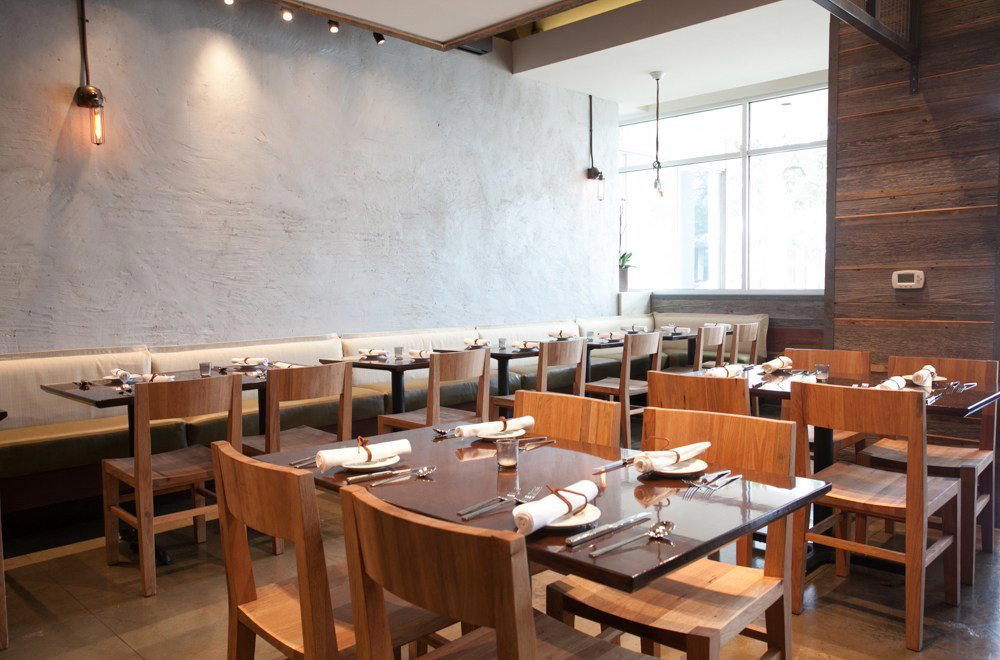
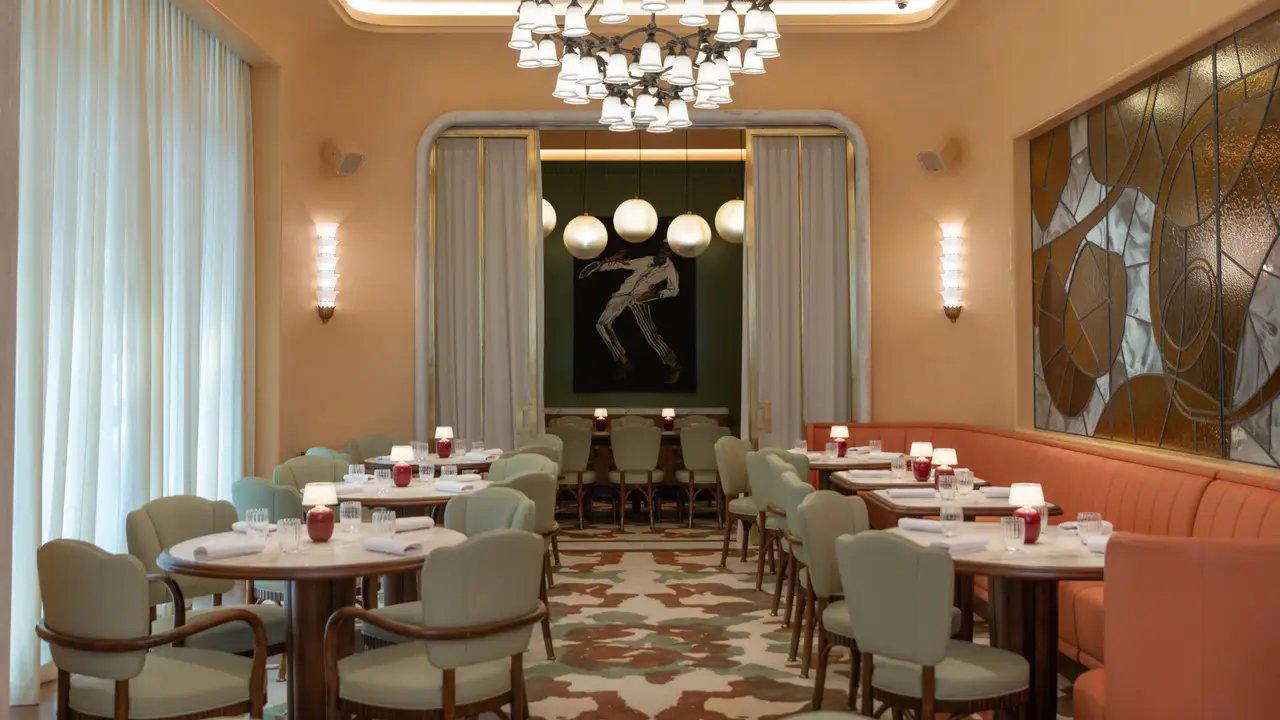
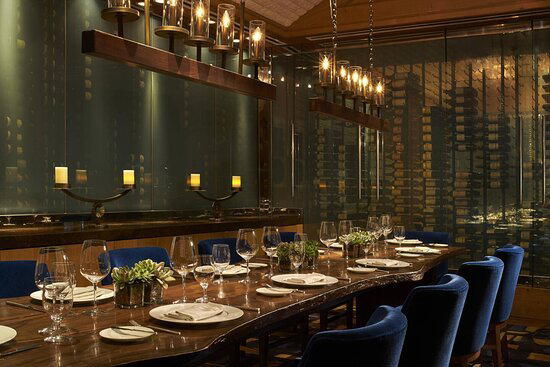
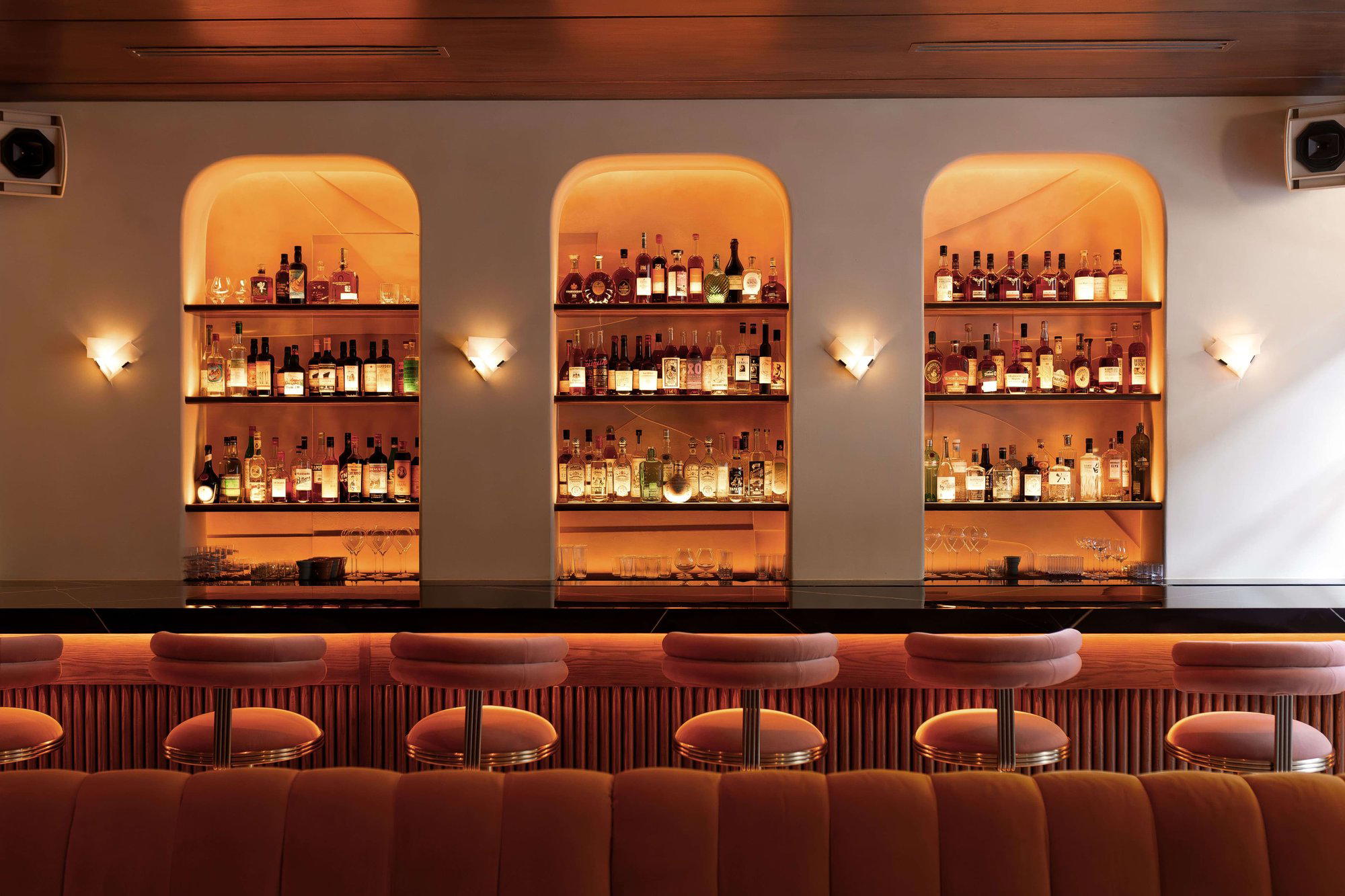
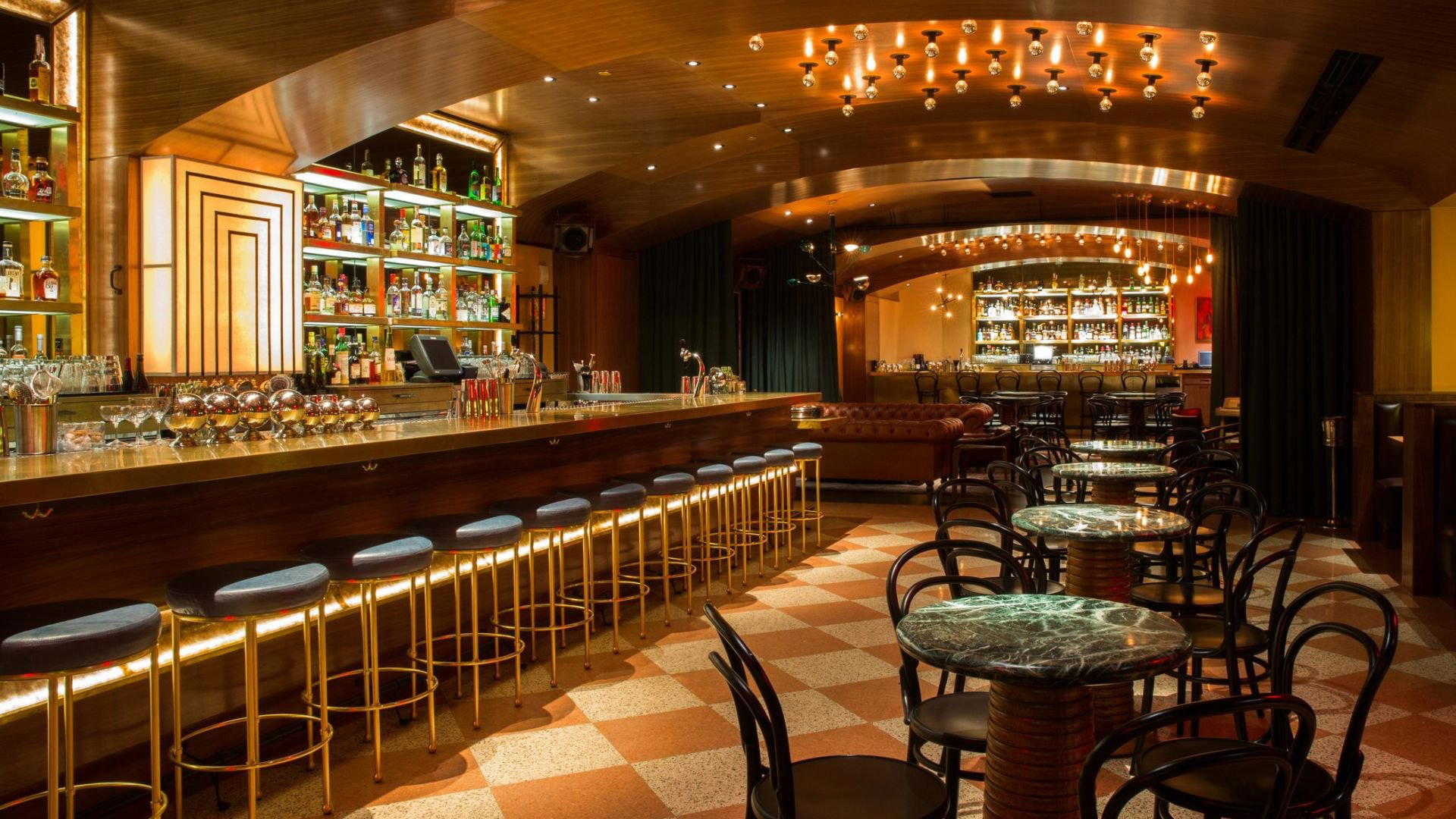
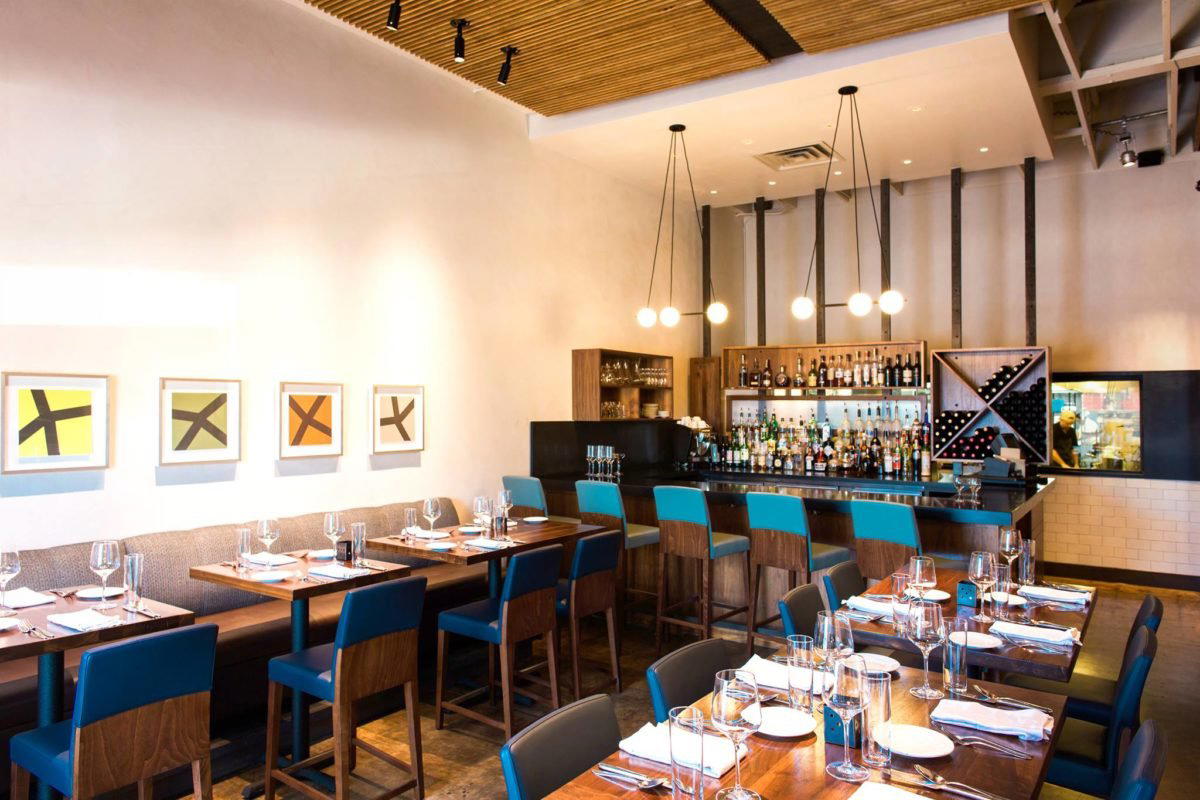
Sleek, modern-industrial aesthetic with pared-down perfection, granite slab for watching food preparation, and openness showcasing the kitchen action.