Fritten Piet
On Hunsrückenstraße in Düsseldorf's Altstadt, Fritten Piet is the kind of counter that the city's street-food culture quietly depends on: direct, unfussy, and rooted in the Central European tradition of the frituur. In a neighbourhood where the Rhine-side bar crawl runs long, the frites format earns its place as the essential late-night anchor between rounds of Altbier.
Pearl is the En Primeur Club membership app — saves, bookings, and concierge access live there. Same editors, same standards.
- Address
- Hunsrückenstraße 41, 40213 Düsseldorf, Germany
- Phone
- +4917678526750
- Directions
- Get directions
 Saves & bookings on Pearl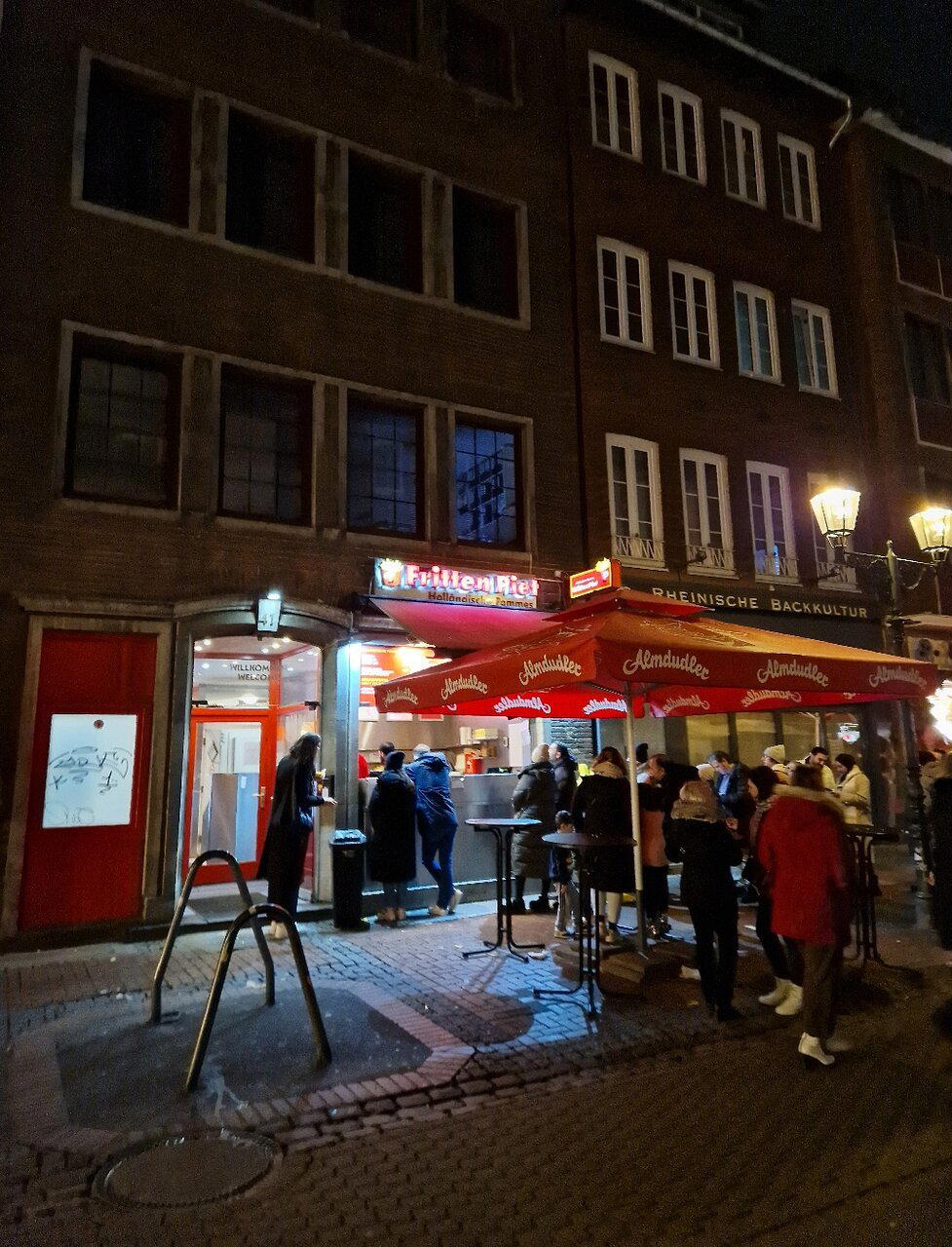
Where Düsseldorf's Altstadt Runs on Fries
Hunsrückenstraße sits inside the compressed grid of Düsseldorf's Altstadt, a district that packs more bars per square metre than almost anywhere else in Germany and runs on a particular rhythm: Altbier early, harder rounds later, and something solid in between. The street-food counters that survive here do so on merit — not atmosphere, not Instagram reach, but on the quality of what comes out of the fryer and the speed with which it arrives. Fritten Piet, at number 41, occupies exactly this position in the neighbourhood's informal food economy.
The name alone signals the lineage. "Fritten" is the German shorthand for frites, carrying the whole Central European and Flemish tradition of the chip shop with it — the Belgian frituur, the Dutch snackbar, the German Imbiss. These are formats built around a single ingredient treated seriously: the potato, cut, rested, and fried twice until the interior stays fluffy while the exterior holds a clean, audible snap. That discipline is what separates a serious frites counter from a burger-chain side dish, and it is the discipline that street-food culture in the Altstadt quietly demands of anything that lasts.
The Potato as Serious Ingredient
The editorial angle on any frites counter worth writing about is ingredient sourcing, because the potato is far more variable than most diners assume. Variety, starch content, country of origin, time in storage, and fat type for frying all produce meaningfully different results. The Flemish tradition that underlies the leading European frites counters has long favoured high-starch, low-moisture varieties, Bintje being the classic reference point, precisely because they hold their structure under heat while releasing moisture fast enough to prevent sogginess. Whether a given Düsseldorf Imbiss traces back to that tradition or has arrived at similar conclusions through local practice, the result is a product whose quality is determined long before the customer arrives at the counter.
This matters more than it might seem in a neighbourhood context. The Altstadt's food offering splits broadly between sit-down restaurants serving Rhenish classics, the Japanese dining district on Immermannstraße a short walk north, and a dense informal tier of takeaway counters that serve the bar-crawl crowd. Within that informal tier, differentiation is almost entirely product-driven. There is no tableside service, no sommelier, no room design to carry a mediocre plate. The fries either hold up or they do not.
For broader context on where Fritten Piet fits within Düsseldorf's wider dining range, the full Düsseldorf restaurants guide maps the city's offer across price points and neighbourhoods. The gap between a counter like this and Germany's Michelin-tier rooms is considerable: at one end of the national spectrum sit rooms like Aqua in Wolfsburg, JAN in Munich, and Schwarzwaldstube in Baiersbronn, each operating at the furthest remove from the street-food format. The contrast is instructive: both ends of the spectrum require ingredient rigour, just expressed through entirely different registers.
The Altstadt Context
Understanding Fritten Piet means understanding the Altstadt as a specific kind of eating and drinking environment. This is not a neighbourhood built around destination dining in the conventional sense. The pull here is the density of the bar scene, the Sticke and Uerige taverns, the long Bolkerstraße run, the Rhine promenade a few minutes on foot. Food counters in this zone function as punctuation within a longer evening, and they are judged accordingly: can they deliver quickly, does the product satisfy at the end of a long night, and does the price hold up against the cost of another round?
This positions the Altstadt's informal food tier in direct contrast to Düsseldorf's more considered restaurant options. Places like Amuni Wein- und Käsebar, Anfora, and Arca Alacati each ask something different of the diner, slower pace, a table, engagement with a wine list or a longer menu. The frites counter asks nothing except that you are hungry. Within that informal category, Düsseldorf's Altstadt has its own competitive set: Alanya Döner, 3h's burger & chicken, and various Imbiss counters that occupy the same late-night function. What differentiates them, at this level, is product quality and consistency.
Germany's broader fast-casual and street-food scene has been nudging upward in quality for the better part of a decade. The same shift that produced serious döner research and premium burger programs has also produced a reconsideration of the fried-potato format, a belated acknowledgment that the frituur tradition, taken seriously, produces something worth eating on its own terms rather than purely as ballast. Düsseldorf, with its historical trade connections to the Low Countries and its dense Altstadt culture, is a logical city for that conversation.
For those interested in how ingredient-led thinking manifests at the furthest end of the formality spectrum, the comparison points within Germany are spread across the country: Vendôme in Bergisch Gladbach, Victor's Fine Dining by Christian Bau in Perl, Waldhotel Sonnora in Dreis, ES:SENZ in Grassau, and Schanz in Piesport. Internationally, the ingredient-rigour argument runs just as strongly at counters on the opposite end of format from rooms like Le Bernardin in New York City or Atomix in New York City, the gap is in register, not in the underlying commitment to sourcing well. Closer to home, CODA Dessert Dining in Berlin and Restaurant Haerlin in Hamburg represent the kind of considered, single-focus format that shares at least a structural kinship with what a serious frites counter attempts, clarity of purpose, one thing done with full attention.
Planning a Visit
Fritten Piet is at Hunsrückenstraße 41, 40213 Düsseldorf, placing it squarely within walking distance of the main Altstadt bar axis. No booking is required or possible at a counter of this type; arrival is a matter of timing the Altstadt evening correctly. The format is walk-in, counter-service, and quick-turnover by design, which is precisely the point when the Rhine wind is cold and the evening still has some way to go.
Same-City Peers
| Venue | Cuisine |
|---|---|
| Fritten PietThis venue — the venue you are viewing | This venue |
Continue exploring
More in Düsseldorf
Restaurants in Düsseldorf
Browse all →
Bars in Düsseldorf
Browse all →
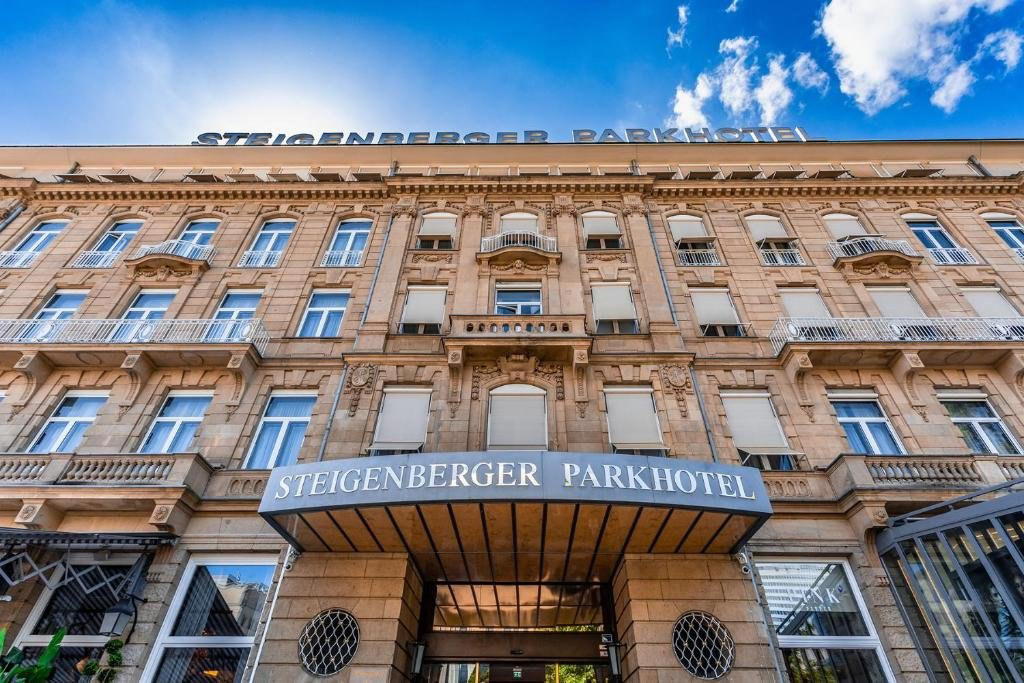
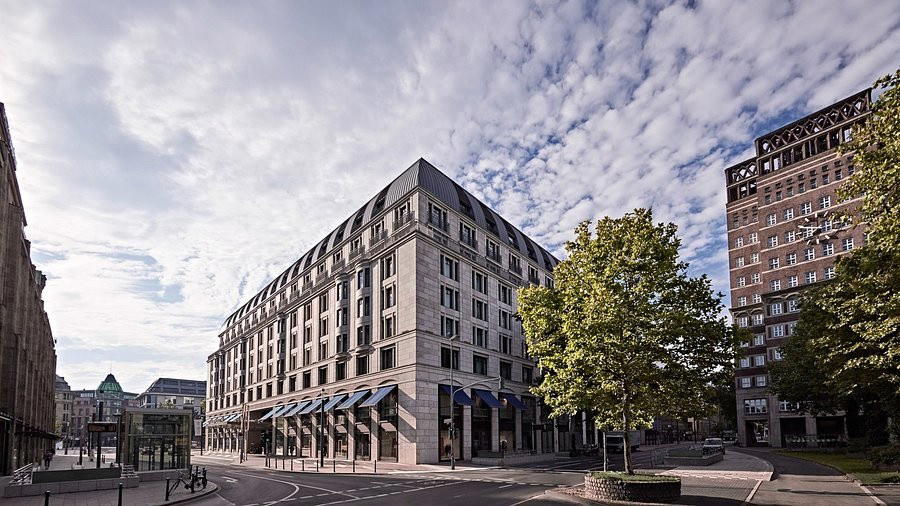
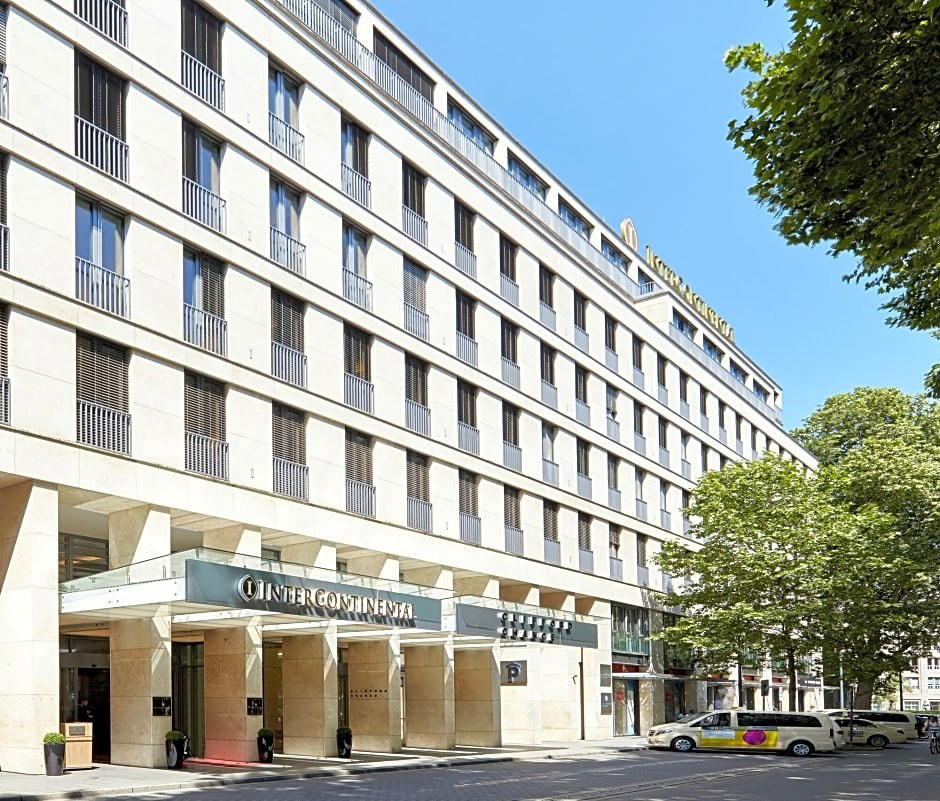
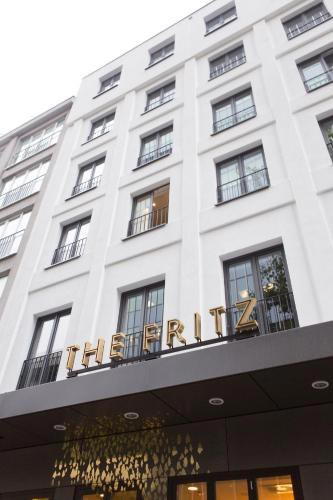
Hotels in Düsseldorf
Browse all →
Wineries in Düsseldorf
Browse all →
At a Glance
- Lively
- Casual
- Late Night
- Casual Hangout
- Standalone
- Street Scene
Current opening hours
- Monday
- 11 AM–10 PM
- Tuesday
- 11 AM–10 PM
- Wednesday
- 11 AM–10 PM
- Thursday
- 11 AM–10 PM
- Friday
- 11 AM–12 AM
- Saturday
- 11 AM–12 AM
- Sunday
- 11 AM–10 PM
Hours can change for holidays and private events. Last verified .
Fast-paced casual street food spot with standing tables outside, spotlessly clean interior, and a lively late-night atmosphere near pubs.
Know Before You Go
- Getting there
- Hunsrückenstraße 41, 40213 Düsseldorf, Germany