Frisone Pazzo
Frisone Pazzo sits on Burgemeester Falkenaweg in Heerenveen, a Frisian city better known for speed skating than restaurant culture. The address alone signals something worth investigating: a kitchen operating in a market where ingredient provenance and local sourcing carry more weight than the usual urban dining cues. For visitors exploring the wider Dutch dining circuit, it represents an entry point into the quieter northern tier of the Netherlands' food scene.
Pearl is the En Primeur Club membership app — saves, bookings, and concierge access live there. Same editors, same standards.
- Address
- Burgemeester Falkenaweg 56, 8442 LE Heerenveen, Netherlands
- Phone
- +31513232172
- Website
- frisonepazzo.nl
- Directions
- Get directions
 Saves & bookings on Pearl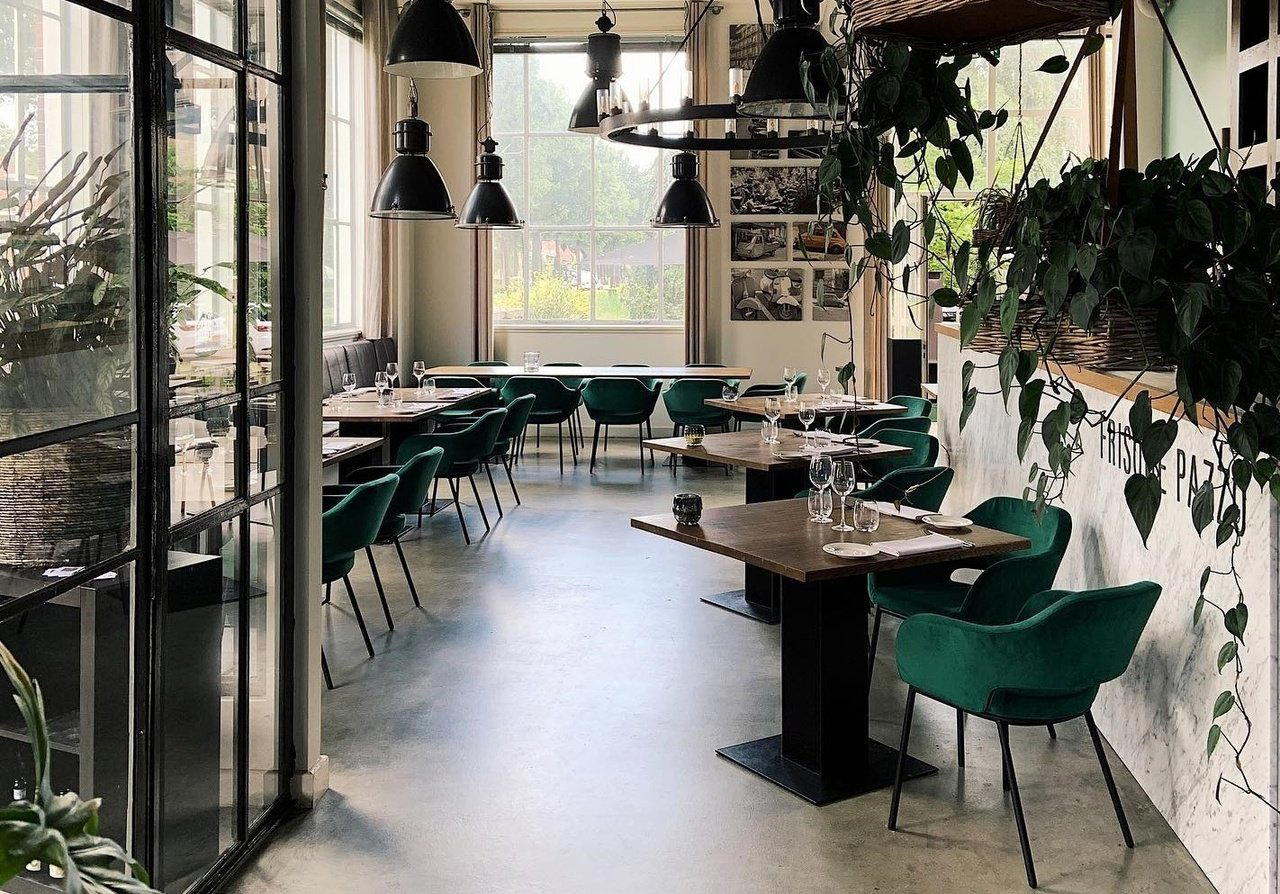
Heerenveen and the Northern Dutch Dining Question
Frisone Pazzo is an Italian Trattoria at Burgemeester Falkenaweg 56, 8442 LE Heerenveen, Netherlands. De Librije in Zwolle and Inter Scaldes in Kruiningen anchor the country's critical conversation, while Heerenveen sits inside that quieter northern band, a mid-sized Frisian city whose civic identity is tied to speed skating rather than gastronomy. That context matters when reading Frisone Pazzo.
In smaller Dutch cities, sourcing decisions tend to define a restaurant's character more sharply than format or decor. Operators either default to broadline distributors or build direct relationships with regional producers. The latter approach, common across the northern agricultural belt, tends to produce shorter menus with stronger seasonal logic, a pattern visible at acclaimed addresses across the country, from De Nieuwe Winkel in Nijmegen to De Lindenhof in Giethoorn, where what grows nearby and what arrives this week shapes the plate more than a fixed concept does.
The Frisian Supply Belt
Friesland's agricultural output runs deep: dairy from grass-fed herds on polder land, freshwater fish from the IJsselmeer and surrounding waterways, and root vegetables from particularly fertile clay soil in the Netherlands. For a kitchen located in Heerenveen, that supply proximity is a structural advantage, not a talking point. The region's lamb, for instance, has a distinct profile shaped by coastal grasses, the same environmental logic that distinguishes pre-salé lamb in France or salt-marsh lamb in Wales. Any kitchen serious about ingredient quality at this location would find those connections readily available and commercially sensible to pursue.
This is the broader pattern across the northern Netherlands' better kitchens: the distance from urban supply hubs becomes an asset rather than a constraint when the kitchen treats it that way. Compare the sourcing philosophies evident at De Groene Lantaarn in Staphorst or Brut172 in Reijmerstok, both of which operate in smaller Dutch towns and both of which have built reputations partly on how deliberately they engage with local producers. A kitchen in Heerenveen occupies a comparable position.
Placing Frisone Pazzo in Its Competitive Context
Heerenveen does not have a saturated dining market. The city's restaurant tier is modest by Randstad standards, which means a kitchen with genuine technical ambition occupies a different position here than it would in Amsterdam or Eindhoven, where De Lindehof in Nuenen, Tribeca in Heeze, and De Treeswijkhoeve in Waalre represent a dense, competitive southern bracket. In the north, a kitchen distinguishes itself not against dozens of neighbours but against the assumption that serious dining happens elsewhere.
That dynamic shapes expectations for visitors. Arriving at Frisone Pazzo from a broader Dutch dining itinerary, one that might also include Ciel Bleu in Amsterdam, 't Nonnetje in Harderwijk, or Aan de Poel in Amstelveen, requires a recalibration of register. The northern circuit rewards a different kind of attention: less about format theatre or critical cachet, more about what a kitchen does with what surrounds it.
Atmosphere and Address
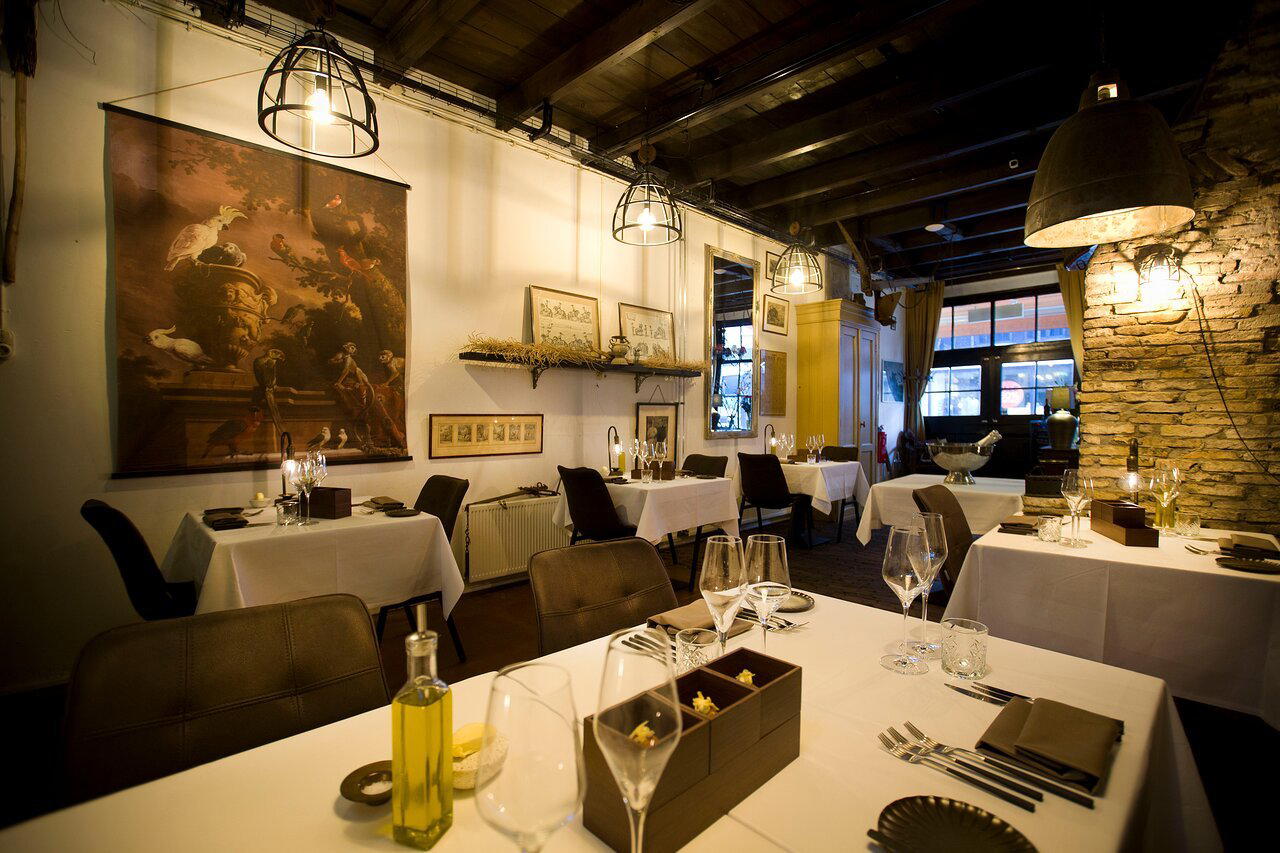
Burgemeester Falkenaweg 56 is a civic-sounding address, the kind that places a restaurant in a neighbourhood rather than in a destination district. Heerenveen's built environment is functional and Dutch in the particular post-war sense: wide roads, pragmatic architecture, occasional older streetscapes around the centre. A restaurant on a named-after-a-mayor avenue is working with context that demands the interior do its own atmospheric work, rather than borrowing from a photogenic canal or a heritage building facade.
That physical context places the restaurant in a category familiar across provincial Dutch dining: the restaurant that earns its reputation without a location advantage, where the room and the plate carry the full weight of the experience. For comparison, FG - François Geurds in Rotterdam and Central Park in Voorburg both operate in settings that require the kitchen's own identity to overcome an unremarkable physical approach. The parallel is instructive without being exact.
Planning a Visit
Heerenveen is accessible by direct rail from Amsterdam Centraal, with journey times typically under two hours via Zwolle. The city is compact and the Burgemeester Falkenaweg address is reachable from the central station by local bus or a short taxi. Visitors combining the trip with broader Frisian exploration might pair it with time in Leeuwarden, the regional capital, or use Heerenveen as a waypoint on a northward drive from the Randstad. The restaurant is recommended for reservations.
The Wider Dutch Context for Ingredient-Led Kitchens
Dutch fine dining has shifted substantially over the past decade. The category once defined by French-inflected formality has fractured into a more varied set of approaches, with organic sourcing and vegetable-forward cooking gaining institutional recognition, as evidenced by De Nieuwe Winkel in Nijmegen's Michelin recognition and the broader European traction of ingredient-provenance arguments. International reference points for this shift include addresses like Lazy Bear in San Francisco, where sourcing transparency and format experimentation reshaped what a serious dinner could look like outside a conventional fine-dining frame, and Le Bernardin in New York City, which built a sustained reputation on the premise that sourcing discipline in one category (seafood) could define an entire kitchen's identity.
The argument applies across formats and geographies: where food comes from, and how deliberately a kitchen engages with that question, now functions as a primary signal of intent. For a restaurant in Heerenveen, surrounded by one of the Netherlands' most productive agricultural regions, that argument is structurally available in a way it simply isn't for a kitchen in a dense urban centre buying from the same suppliers as fifty neighbours.
How It Stacks Up
Comparable venues nearby, for context on price, style, and recognition.
| Venue | Cuisine | Price | Notes |
|---|---|---|---|
| Frisone PazzoThis venue — the venue you are viewing | Italian Trattoria | $$ | Not listed |
| De Waard van Napels | Napolitan Italian with Frisian Fusion | $$ | Centrum |
| Sapori e Ricordi | Authentic Puglian Trattoria | $$ | City |
| Verso | Authentic Italian with Seafood | $$ | Deurningerstraat |
| Gustatio | Authentic Roman Italian Osteria | $$ | Binnenstad-Zuid |
| La Maschera | Authentic Italian | $$ | Anjeliersbuurt Noord |
Continue exploring
More in Heerenveen
Restaurants in Heerenveen
Browse all →
Hotels in Heerenveen
Browse all →
At a Glance
- Romantic
- Cozy
- Date Night
- Group Dining
- Extensive Wine List
Current opening hours
- Monday
- Closed
- Tuesday
- 5–10 PM
- Wednesday
- 5–10 PM
- Thursday
- 5–10 PM
- Friday
- 5–10 PM
- Saturday
- 5–10 PM
- Sunday
- Closed
Hours can change for holidays and private events. Last verified .
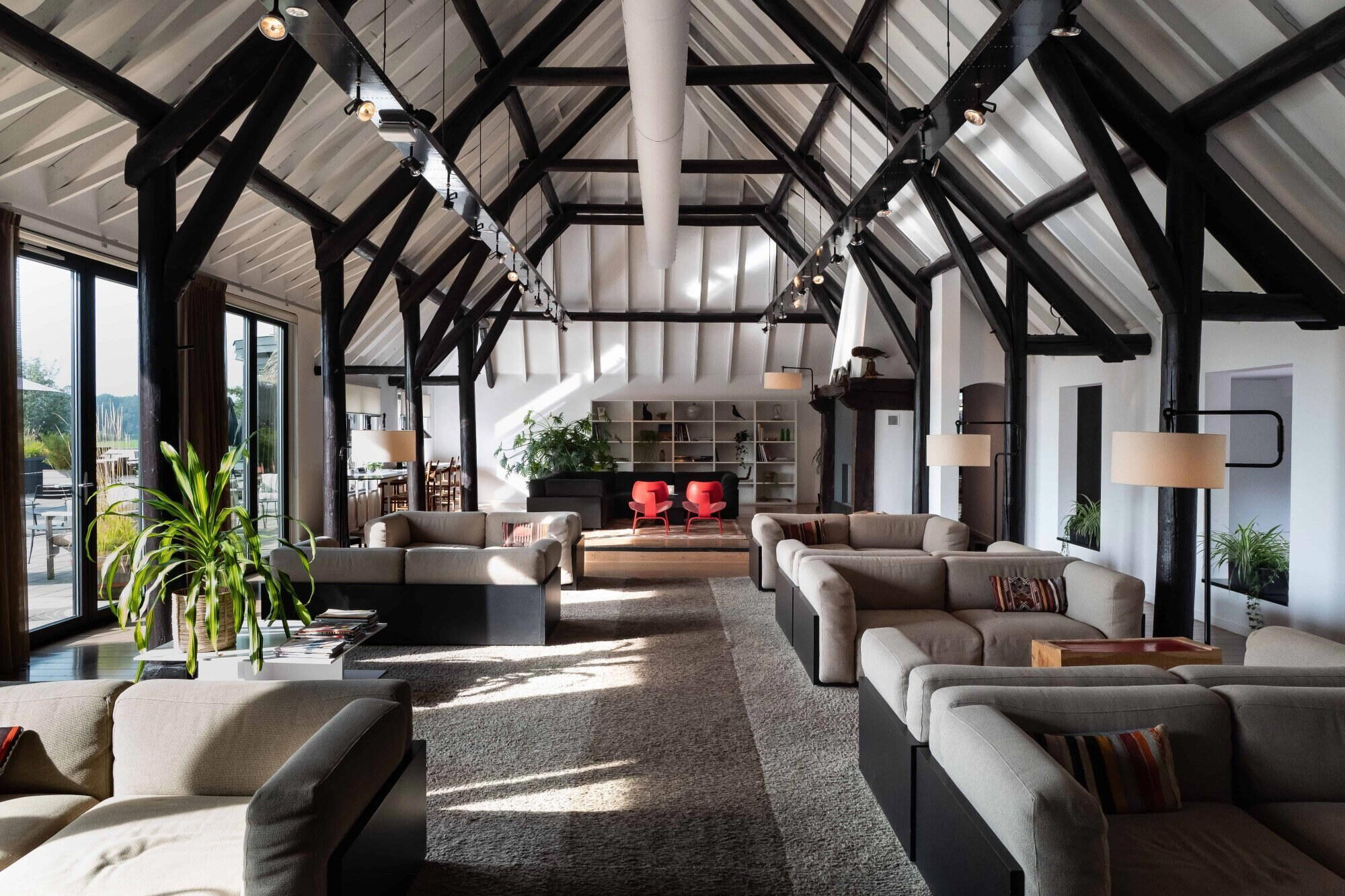
Charming atmosphere suitable for romantic dining with carefully presented dishes.