Gustatio
On Oosterstraat, one of Groningen's main commercial streets, Gustatio occupies a position that invites comparison with the city's growing cohort of ingredient-led kitchens. The address places it within walking distance of the university quarter and the Grote Markt, giving it both a neighbourhood crowd and a destination pull. For a city increasingly taken seriously on the Dutch fine-dining map, it represents the kind of address worth tracking.
Pearl is the En Primeur Club membership app — saves, bookings, and concierge access live there. Same editors, same standards.
- Address
- Oosterstraat 3, 9711 NN Groningen, Netherlands
- Phone
- +31503136400
- Website
- gustatiogroningen.nl
- Directions
- Get directions
 Saves & bookings on Pearl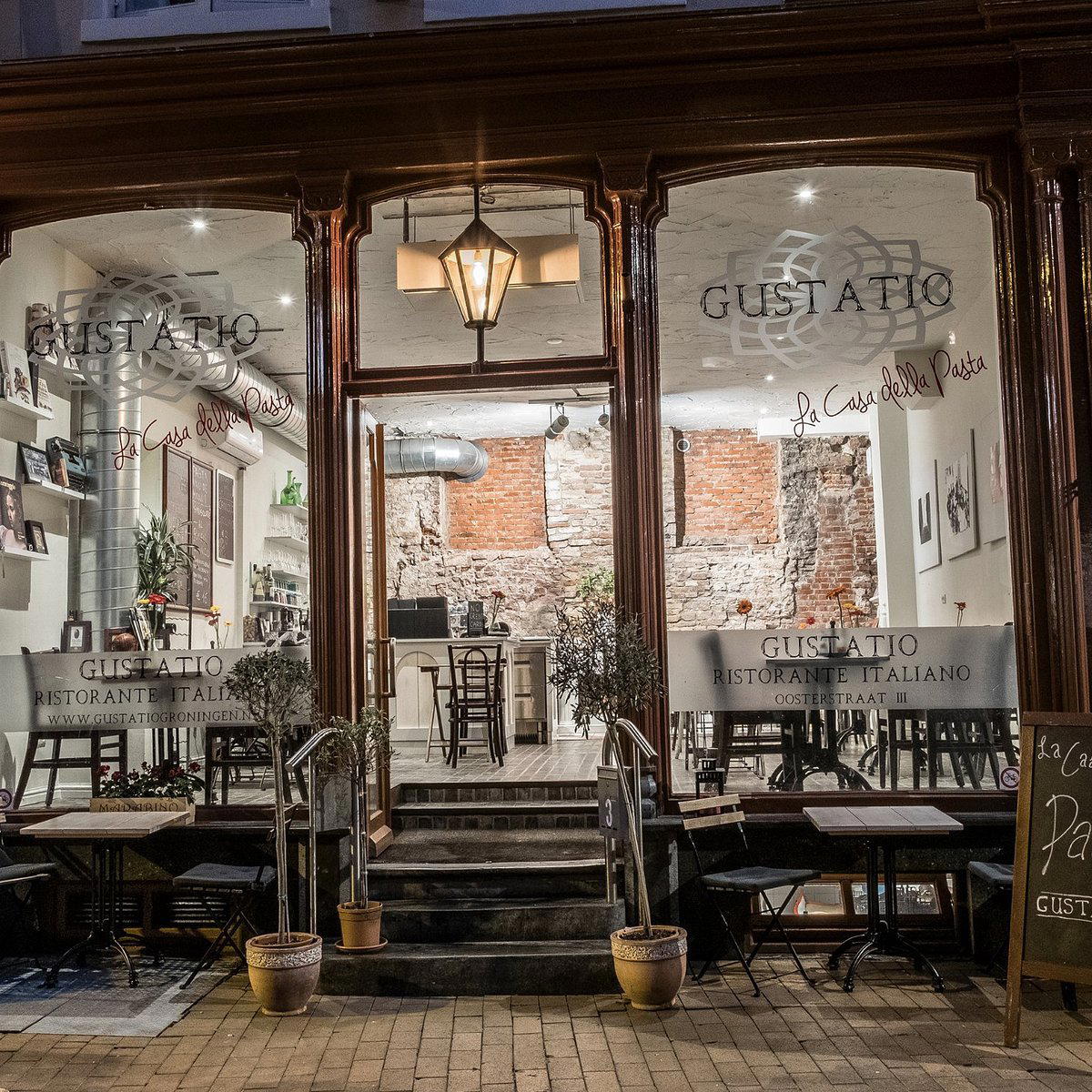
Oosterstraat and the Question of Provenance
Groningen has spent the better part of the last decade quietly assembling a restaurant scene that punches well above the expectations set by its size. The city's population sits around 230,000, yet its dining options increasingly mirror the ingredient-consciousness you find in Amsterdam or Utrecht. Oosterstraat, where Gustatio holds its address at number 3, runs through the commercial core of the city and connects the shopping district to the older canal-side neighbourhoods. It is not a quiet, tucked-away street; it is a main artery, which makes the presence of a kitchen focused on sourcing all the more deliberate a statement.
Across the Netherlands, the conversation about where ingredients come from has moved from niche to near-mainstream in serious kitchens. What was once the territory of a handful of farm-to-table pioneers, such as those at De Nieuwe Winkel in Nijmegen, has filtered outward into regional cities. Groningen's position in the northeast, close to the agricultural provinces of Drenthe and Friesland and within reach of the Wadden Sea coast, gives its kitchens a genuine geographic argument for local sourcing, not merely a marketing posture.
Where Gustatio Sits in Groningen's Dining Tiers
Groningen's restaurant scene currently divides into a few recognisable tiers. At the more accessible end, farm-to-table bistros like De Grote Frederik work within an €€ bracket and emphasise casual, produce-led cooking. Creative kitchens such as Dokjard occupy a similar price point with a more experimental bent. A step up, Bisque (€€€ · Modern French) and Blumé (€€€ · Modern French) represent the city's formal French-influenced tier, where technique and presentation carry the weight. Gustatio's Oosterstraat address places it in this broader competitive conversation, and the address alone signals that it is not trying to be a neighbourhood bistro.
For comparison, the Dutch fine-dining benchmark is set by addresses like Ciel Bleu in Amsterdam and De Librije in Zwolle, both of which carry Michelin recognition and operate at a national level. Regional restaurants outside the Randstad tend to position themselves either as aspirants to that tier or as deliberate alternatives to it, focused on local identity rather than metropolitan prestige. Groningen's better kitchens, increasingly, are choosing the latter path.
The Sourcing Logic of the Northeast
The ingredient-sourcing argument is stronger in the northeast than it is in most Dutch cities. The province of Groningen borders Friesland to the west, where dairy production defines the agricultural economy, and Drenthe to the south, known for its market gardens and livestock. The Wadden Sea, a UNESCO World Heritage site, brings Groningen's coastline into proximity with particularly ecologically significant shellfish and seabird habitat in northern Europe, and the fishing villages along the Lauwersmeer provide access to freshwater and coastal catch that few Dutch cities can rival geographically.
This is the context in which ingredient-focused kitchens in Groningen operate. When a restaurant on Oosterstraat draws on regional supply chains, the claim has weight that it might lack in a city more distant from its agricultural hinterland. The comparison is instructive: kitchens in Amsterdam sourcing local produce do so despite the city's geography; kitchens in Groningen do so because of it.
Internationally, the model for this kind of regionally anchored sourcing is well-established. Atomix in New York City and Le Bernardin in New York City both demonstrate, in different registers, how sourcing decisions function as editorial statements about a kitchen's identity. In the Dutch context, addresses like De Groene Lantaarn in Staphorst and De Lindenhof in Giethoorn have built reputations around exactly this kind of regional commitment.
The Groningen Scene Around It
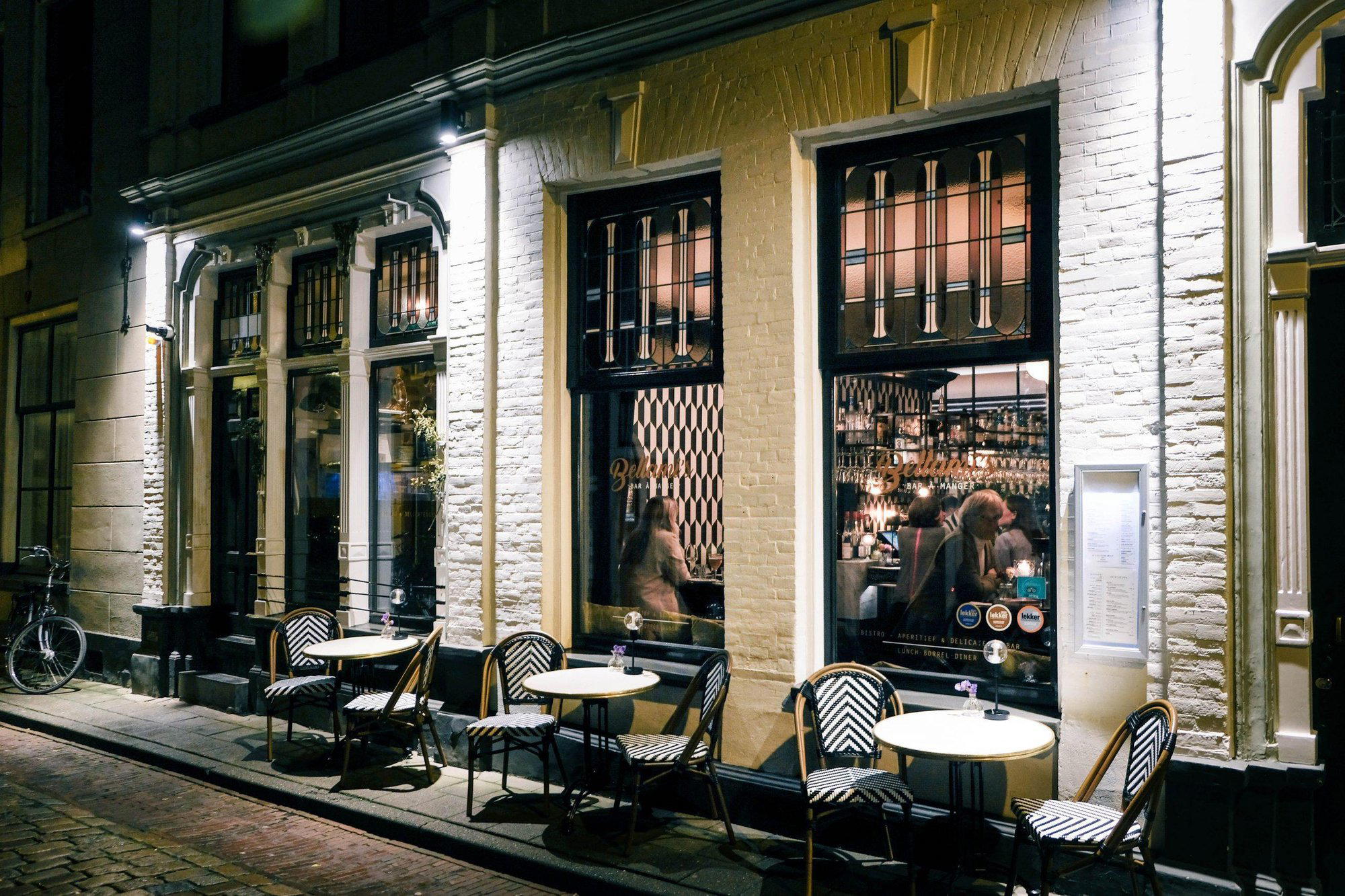
Gustatio does not sit in isolation. The Oosterstraat address places it within reach of several of Groningen's more considered dining options. Argo and Bramble both represent the city's appetite for kitchens that think carefully about what they serve and where it comes from. Bellami's - Bar à Manger occupies the more relaxed end of the same sensibility. Together, these addresses make the case that Groningen is developing a dining identity distinct from the Randstad, one grounded in northern Dutch produce and a relative lack of the trend-chasing that can make Amsterdam's scene feel reactive.
Further afield, the comparison set broadens to include kitchens like Aan de Poel in Amstelveen, Brut172 in Reijmerstok, De Bokkedoorns in Overveen, De Lindehof in Nuenen, and 't Nonnetje in Harderwijk, all of which demonstrate how Dutch kitchens outside Amsterdam have built credibility through regional specificity rather than metropolitan adjacency. Groningen's trajectory follows this pattern.
Planning a Visit
Gustatio's address at Oosterstraat 3 in the 9711 NN postcode puts it in the walkable centre of Groningen, reachable on foot from Groningen Centraal station in roughly ten minutes. The street is accessible by public transport and well-served by city cycling infrastructure, which in Groningen means practical rather than aspirational. For visitors travelling from Amsterdam, the direct intercity train takes approximately two hours and fifteen minutes. Those arriving from the south, via Zwolle or Meppel, connect easily through regional rail.
Fast Comparison
Comparable venues nearby, for context on price, style, and recognition.
| Venue | Cuisine | Price | Notes |
|---|---|---|---|
| GustatioThis venue — the venue you are viewing | Authentic Roman Italian Osteria | $$ | Not listed |
| CICCI'S | Modern Venetian Italian | $$ | City Center |
| Rabenhaupt | Dutch & European Gastropub | $$ | Gedempte Zuiderdiep, City Centre |
| Bramble | Cocktail Bar & Café | $$ | Orange neighbourhood |
| Argo | Greek Cafe | $ | city center |
| La Ca Viet streetfood | Vietnamese Streetfood | $$ | City Center |
Continue exploring
More in Groningen
Restaurants in Groningen
Browse all →
At a Glance
- Cozy
- Intimate
- Modern
- Date Night
- Casual Hangout
- Open Kitchen
Current opening hours
- Monday
- 1–4 PM, 5–10 PM
- Tuesday
- 12–4 PM, 5–10 PM
- Wednesday
- 5–10 PM
- Thursday
- 12–4 PM, 5–10 PM
- Friday
- 12–4 PM, 5–10 PM
- Saturday
- 12–4 PM, 5–10 PM
- Sunday
- 1–4 PM, 5–10 PM
Hours can change for holidays and private events. Last verified .
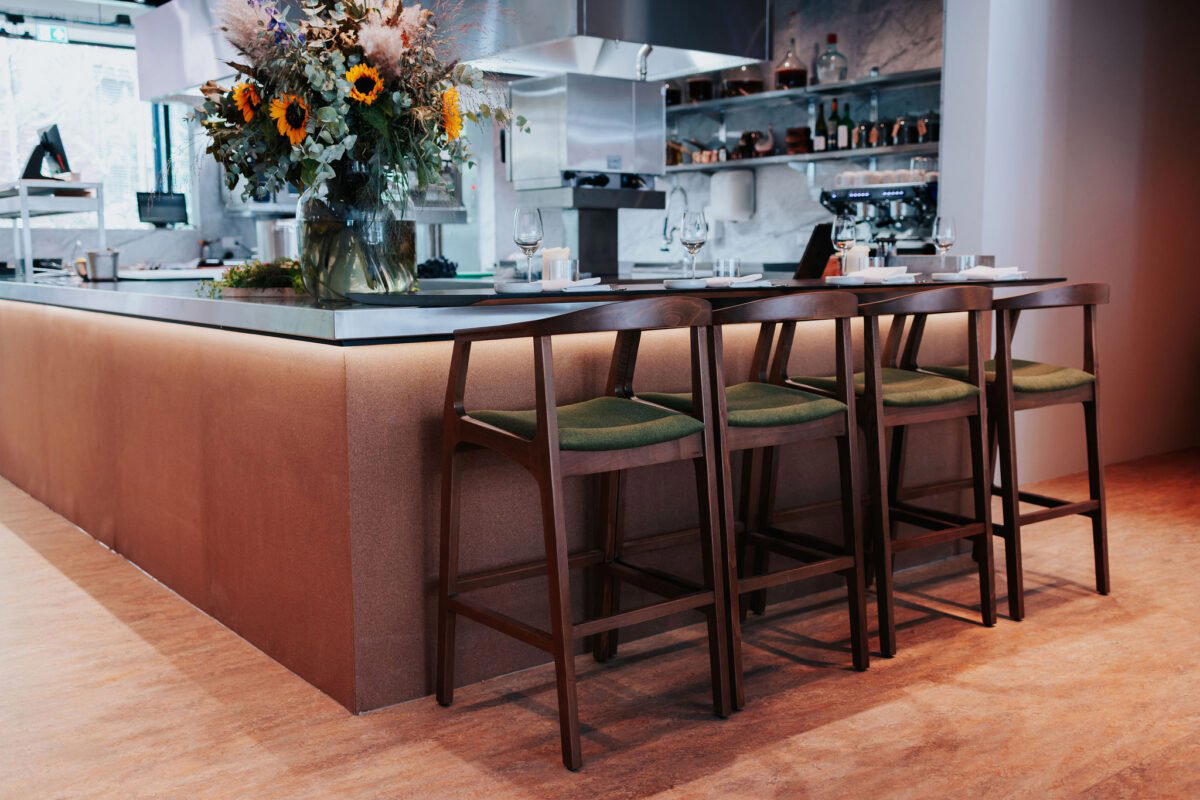
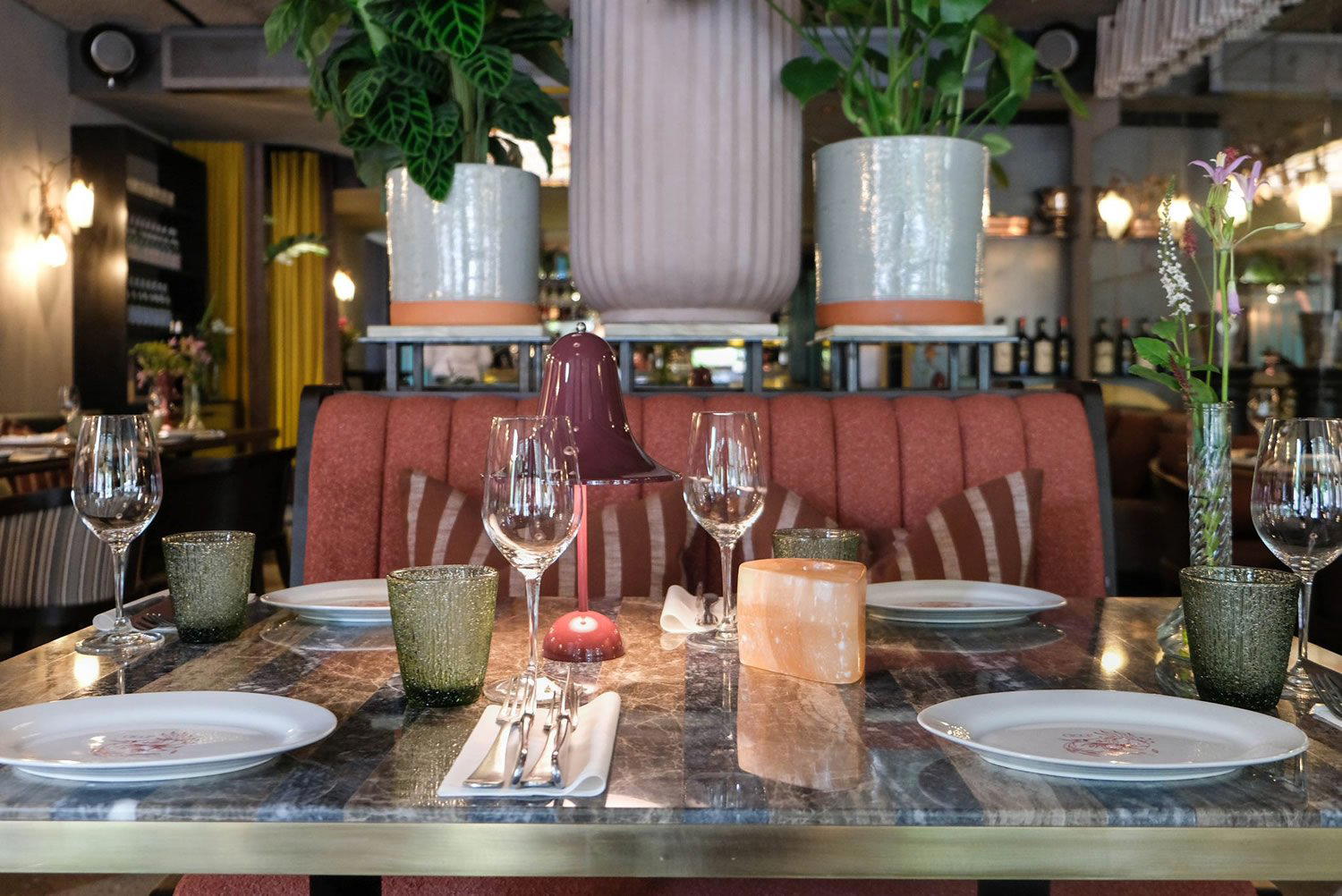
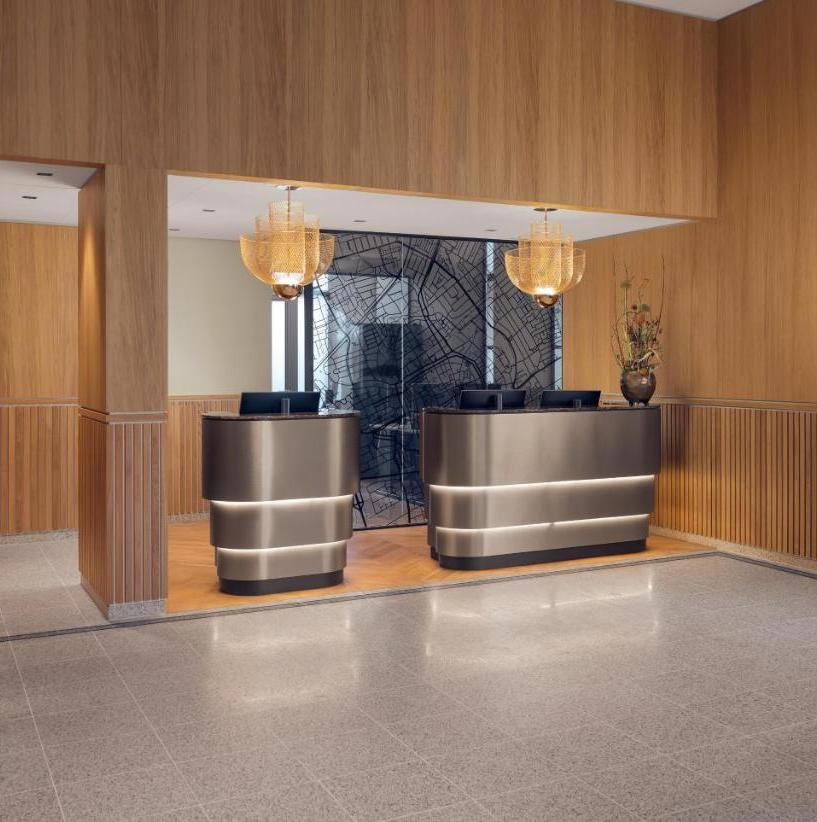
Intimate and cozy small space with modern decor, creating a genuine Italian atmosphere though acoustics could be improved.