Verso
Verso occupies a quiet address on Deurningerstraat in Enschede, a city whose restaurant scene has grown more ambitious than its national profile suggests. Sitting within a local dining tier that includes creative kitchens like Joann and Bistro Bruut, Verso represents the kind of neighbourhood-rooted dining that rewards planning ahead and rewards curiosity about what eastern Netherlands can put on a plate.
Pearl is the En Primeur Club membership app — saves, bookings, and concierge access live there. Same editors, same standards.
- Address
- Deurningerstraat 11, 7514 BC Enschede, Netherlands
- Phone
- +31537271023
- Website
- restaurantverso.nl
- Directions
- Get directions
 Saves & bookings on Pearl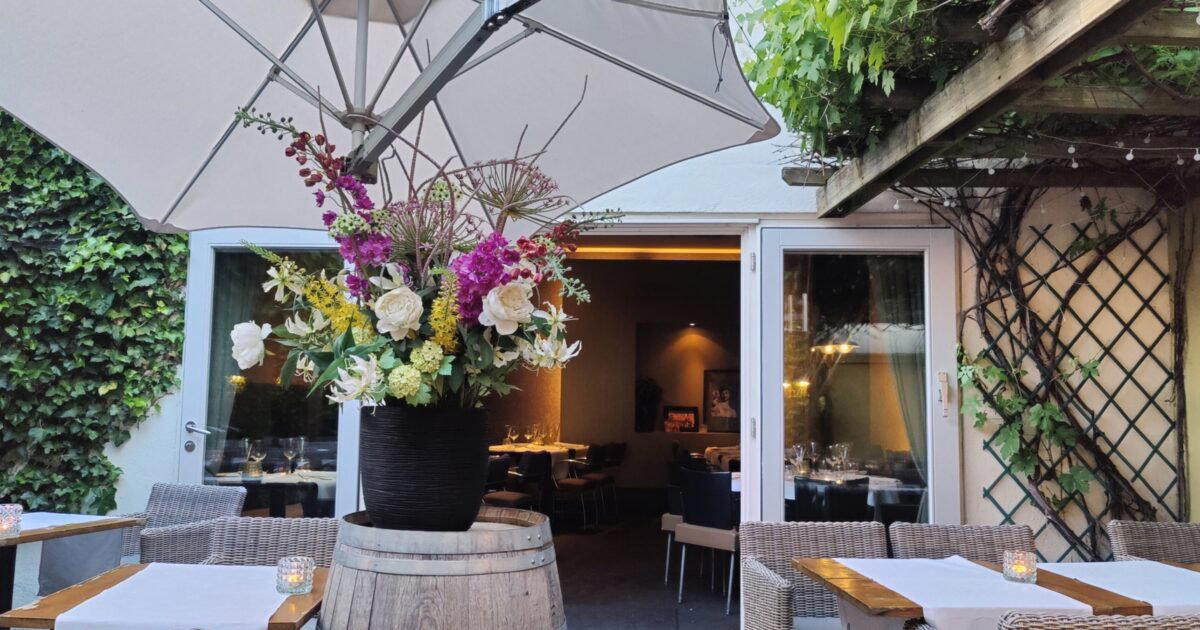
Where Enschede's Dining Ambition Quietly Takes Shape
Enschede does not attract the same restaurant commentary as Amsterdam or The Hague, but the city's dining scene has been consolidating around a distinct identity over the past decade. The eastern Netherlands, close to the German border and rooted in textile-era prosperity, has developed a cohort of kitchens that draw on regional producers, seasonal discipline, and a quieter form of ambition that rarely courts national headlines. Verso, at Deurningerstraat 11, sits inside that pattern. The address itself signals something: a city-side street rather than a tourist-facing square, the kind of location that functions as a neighbourhood restaurant for residents who know where to eat.
That positioning matters when reading what Verso represents in the local context. Enschede's creative dining tier, which includes Joann (€€€ · Creative) and Bistro Bruut (€€€ · Creative), has been growing without the infrastructure of major culinary awards or international press coverage. These are kitchens whose credibility comes from regulars and regional recognition rather than Michelin footnotes, and Verso operates in that same register.
The Ingredient Logic Behind Eastern Dutch Cooking
Across the Netherlands, the most consequential shift in restaurant kitchens over the last fifteen years has been sourcing. The country's agricultural density gives chefs access to producers at a granularity that larger European food cultures sometimes lack: dairy from small-scale farms in Twente, game from the Veluwe, river fish from waterways that cross the eastern provinces. The restaurants that have made the most of this are not always the ones with international profiles. Often they are mid-sized city kitchens with the relationships and the patience to work seasonally without the pressure of tourist throughput to fill covers.
This is the culinary tradition in which Verso operates. The Twente region, which Enschede anchors, has a food culture shaped by proximity to German Westphalia as much as by Dutch convention. That cross-border influence appears in the handling of preserved and cured products, in the preference for hearty but precise preparation, and in the willingness to treat ingredients as the point of the menu rather than the backdrop to technique. Where Amsterdam kitchens often lead with method, eastern Dutch restaurants tend to lead with material. The leading comparisons elsewhere in the country are places like De Groene Lantaarn in Staphorst and De Lindehof in Nuenen, both of which have built reputations on regional product rather than imported prestige.
Enschede in the Wider Dutch Fine Dining Map
The Netherlands punches above its size in serious dining. Holders of multiple Michelin stars include De Librije in Zwolle, roughly an hour northwest of Enschede, and Ciel Bleu in Amsterdam, while coastal institutions like De Bokkedoorns in Overveen represent a different mode of Dutch luxury dining. Enschede does not compete in that register, and the city's most interesting kitchens do not try to. The comparison set for Verso is closer to the thoughtful neighbourhood restaurants of mid-sized Dutch cities: places where the food is taken seriously without the formality or the price architecture of destination dining.
That places Verso in a peer group that also includes more casual but ingredient-focused venues like Foodbar RAUW and Frank & Charlie on the accessible side, and the city's creative-tier kitchens on the more considered end. Carlina's represents another local point of reference. Together these venues suggest a city that has built a restaurant culture with enough range to sustain genuine choice. Our full Enschede restaurants guide maps all of these in relation to each other.
For a broader sense of what eastern and central Dutch kitchens are doing with regional product, the work coming out of places like Aan de Poel in Amstelveen, 't Nonnetje in Harderwijk, and De Nieuwe Winkel in Nijmegen provides useful context. De Nieuwe Winkel in particular has become a reference point for plant-forward sourcing discipline that influences how younger Dutch kitchens think about the relationship between farm and plate.
Planning a Visit
Verso is located at Deurningerstraat 11 in the 7514 BC postal district of Enschede, a walkable part of the city that sits between the central station and the outer residential neighbourhoods. For visitors arriving from outside the city, Enschede Centraal connects to the national rail network, with direct services from Amsterdam Centraal typically running around two hours. The address is within reasonable walking distance of the city centre, though local taxis and cycling infrastructure make the last mile direct.
Specific booking details, current hours, and pricing were not available at time of publication. Given the appetite for creative dining in Enschede's relatively compact market, venues in this tier tend to fill midweek tables two to three weeks ahead and weekend slots further in advance. Contacting the restaurant directly through any listed channels remains the most reliable approach to securing a reservation and confirming current menu format and dietary accommodation options.
Visitors with allergy or dietary requirements should communicate these directly with the restaurant ahead of arrival. Eastern Dutch kitchens working with seasonal and regional product typically build menus around what is available rather than fixed à la carte structures, which means the kitchen's ability to adapt depends on advance notice. This is standard practice across the creative dining tier in the Netherlands, from Enschede to venues like Brut172 in Reijmerstok and beyond.
What the Scene Tells You
The most instructive thing about a restaurant like Verso is what its existence says about Enschede's dining culture rather than what any single dish or format communicates. Cities of Enschede's size, roughly 160,000 residents, typically support one or two kitchens with serious ambitions and fill the rest of the market with reliable but undifferentiated options. That Enschede has a discernible creative tier, with multiple kitchens working at a similar level of intention, is a marker of local culinary maturity. The comparison internationally would be smaller German cities like Münster or Freiburg, where civic scale has not prevented the emergence of a genuine dining identity.
For a reader calibrating against reference points further afield, the gap between what Enschede's leading kitchens offer and what appears at three-Michelin-star level at places like Le Bernardin in New York City or the technically driven tasting menus at Atomix in New York City is substantial. But that comparison is beside the point. Verso and its peer kitchens are not competing in a global register; they are building the case that eastern Netherlands is worth a dedicated dining trip on its own terms. That case is increasingly convincing.
Continue exploring
More in Enschede
At a Glance
- Romantic
- Elegant
- Cozy
- Date Night
- Special Occasion
- Garden
- Terrace
- Garden
Current opening hours
- Monday
- Closed
- Tuesday
- Closed
- Wednesday
- 6–10 PM
- Thursday
- 6–10 PM
- Friday
- 6–10 PM
- Saturday
- 6–10 PM
- Sunday
- 5–10 PM
Hours can change for holidays and private events. Last verified .
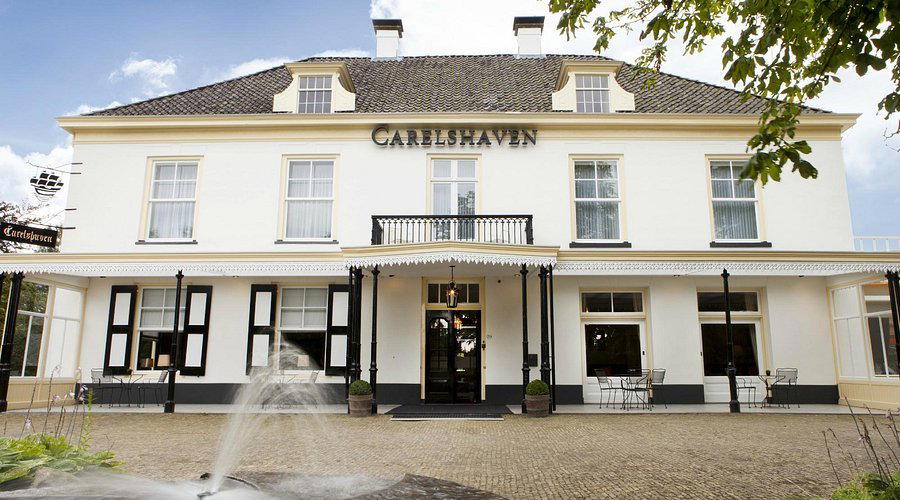
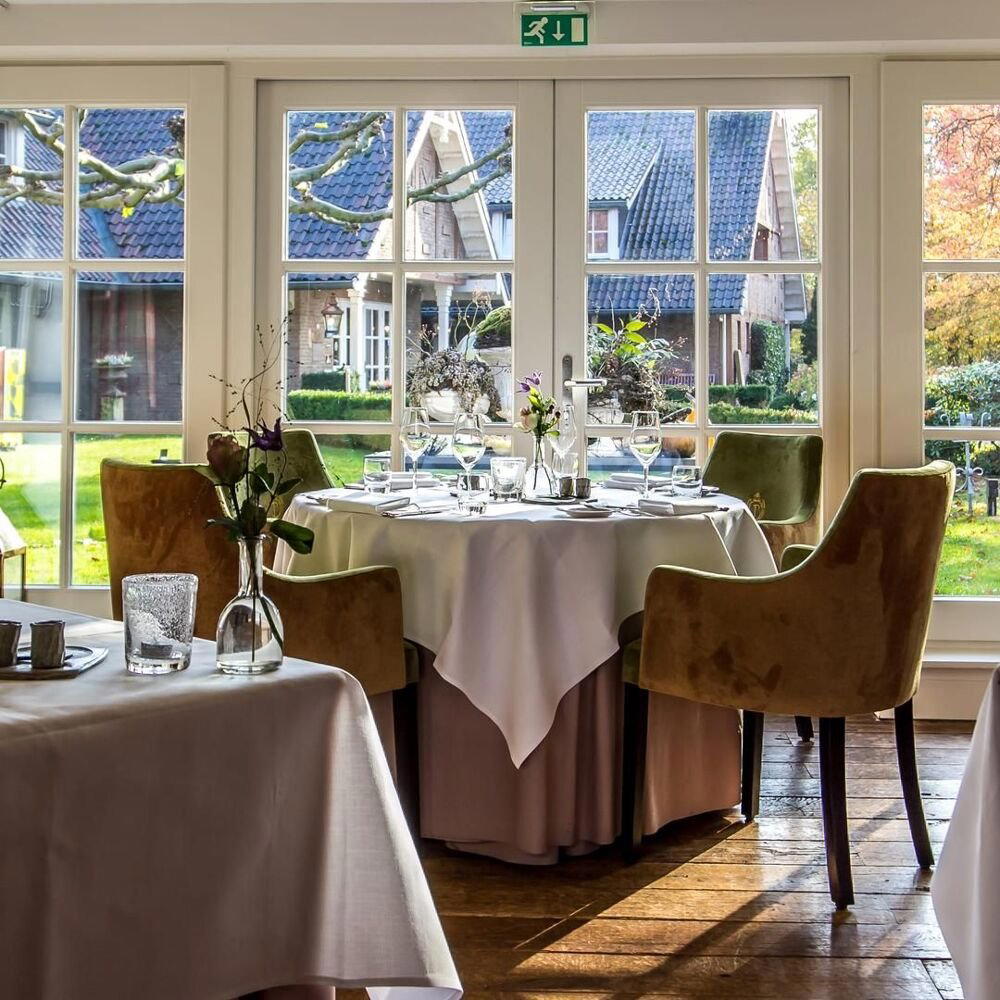
Classy and romantic atmosphere with garden terrace dining under vines.
Know Before You Go
- Getting there
- Deurningerstraat 11, 7514 BC Enschede, Netherlands