Our verdict
A fixture on Freising's Obere Hauptstraße, Freisinger Augustiner sits within the deep-rooted tradition of Bavarian beer-hall dining that has defined this historic city for centuries. The address places it in the heart of a town shaped by Weihenstephan's brewing heritage and a strong civic appetite for communal eating. For visitors tracing Germany's enduring gasthaus culture, Freising offers a concentrated example of how that tradition persists.

Pearl is the En Primeur Club membership app — saves, bookings, and concierge access live there. Same editors, same standards.
- Address
- Ob. Hauptstraße 24, 85354 Freising, Germany
- Phone
- +4981611483470
- Hours
- Daily 11:30 AM–11 PM
- Website
- freisinger-augustiner.de
- Directions
- Get directions
- Booking
- Book on OpenTable
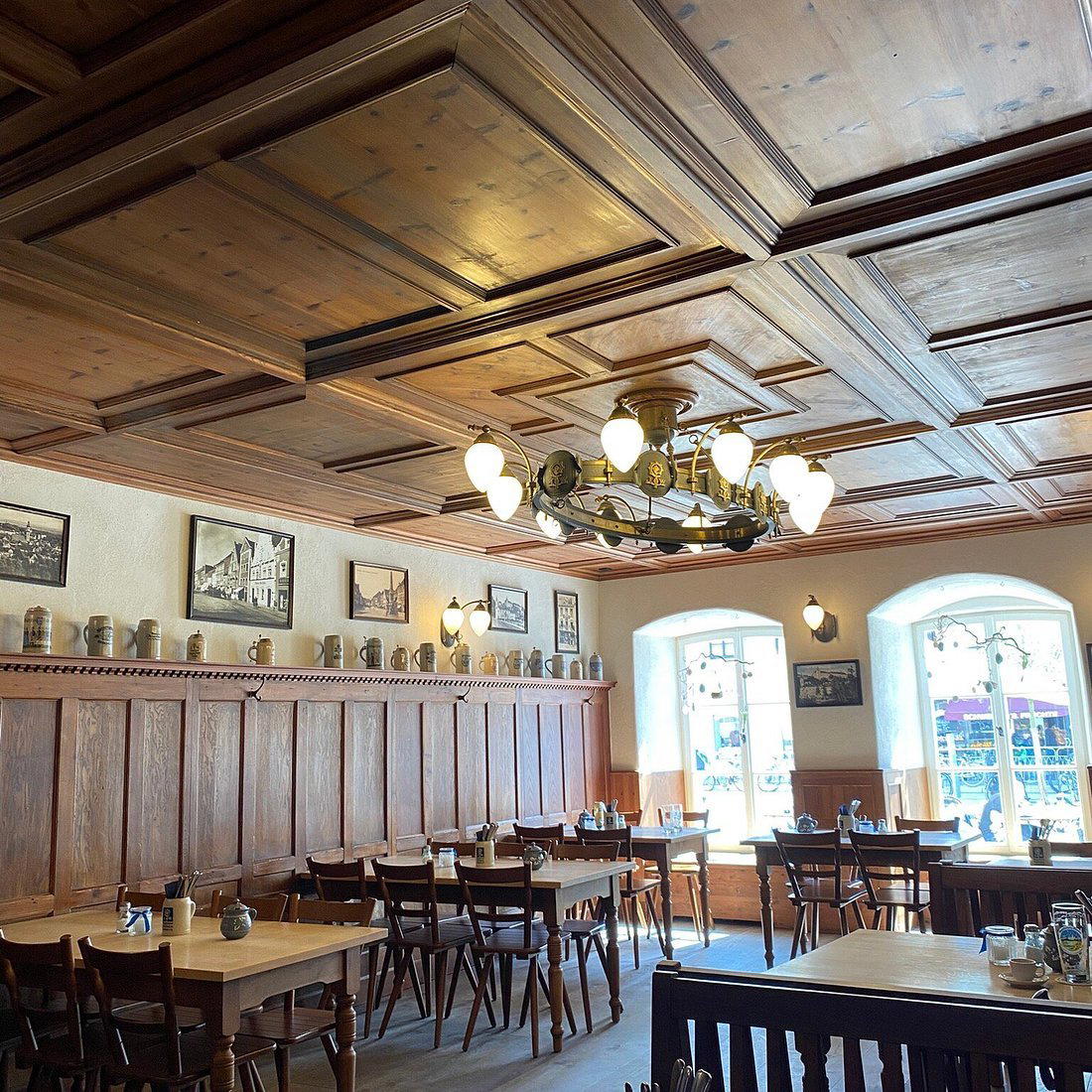
Where Bavarian Beer-Hall Culture Takes Its Most Literal Form
Freising is not a city that announces itself loudly. Positioned roughly 35 kilometres north of Munich, it holds a different kind of authority: one built over more than a millennium of ecclesiastical history, brewing tradition, and the kind of civic identity that places the communal table at the centre of daily life. The Obere Hauptstraße, where Freisinger Augustiner sits at number 24, is the artery of that identity. Walk it on a weekday afternoon and the rhythm is unhurried, the architecture dense with memory. The beer-hall format that dominates this street is not a revival or a curated nostalgia project. It is the original form, still operating.
Bavarian gasthaus culture draws a sharp distinction from the fine-dining tradition that prevails at Germany's most decorated restaurants. Where venues like Schwarzwaldstube in Baiersbronn or Aqua in Wolfsburg occupy a rarefied tier shaped by Michelin recognition and long tasting menus, the Bavarian gasthaus tradition operates on an entirely different logic: seasonal, regional, communal, and rooted in the agricultural calendar rather than the international fine-dining circuit. That distinction matters when choosing where to eat in a city like Freising, which has its own culinary identity shaped more by the brewing monastery on the hill than by the urban fine-dining pressures of Munich.
The Augustiner Connection and What It Means in Context
The Augustiner name carries specific weight in Bavaria. Augustiner-Bräu, founded in Munich in 1328, is the oldest brewery still operating within the city's historic boundaries and holds a particular status among Munich's six traditional Oktoberfest breweries. That heritage, when attached to a dining address like Freisinger Augustiner, signals a specific kind of positioning: the beer is the anchor, and the food exists in conversation with it. This is not the model of JAN in Munich or Vendôme in Bergisch Gladbach, where the kitchen sets the terms and the cellar follows. Here, the relationship inverts.
That inversion has cultural roots worth understanding. Bavaria's drinking culture is inseparable from its eating culture in a way that does not translate directly to other German regions. The beer garden and beer hall are civic spaces as much as hospitality venues, which explains why the format has survived industrialisation, two world wars, and the full force of global restaurant homogenisation. Freising's dining scene reflects this persistence. Alongside addresses like Bräustüberl Weihenstephan, which operates within the grounds of the world's oldest brewery, Freisinger Augustiner represents the civic end of that tradition: a permanent fixture on the main street rather than a destination embedded in an institution.
Freising's Culinary Positioning Within Bavaria
Visitors arriving from Munich often underestimate how self-contained Freising's food culture is. The city's proximity to the Bavarian capital and to Munich Airport creates a flow of international travellers, but the dining scene has not reconfigured itself around that traffic in the way that airport-adjacent districts elsewhere tend to do. The addresses on Obere Hauptstraße remain oriented toward local use. That orientation shows in format and atmosphere: communal seating, volume-driven kitchens, menus that track the agricultural season rather than the international ingredient market.
The comparison to farm-to-table formats operating at the other end of the spectrum is instructive. Gasthaus Landbrecht, operating in the farm-to-table tier at an accessible price point, represents one contemporary response to Bavarian culinary identity. Freisinger Augustiner represents an older response: the direct gasthaus that pre-dates the farm-to-table framing by several generations. Both belong to the same regional logic; they simply arrived at different moments in culinary history.
For visitors interested in how Germany's broader fine-dining conversation operates, the contrast with decorated restaurants across the country is clarifying. Waldhotel Sonnora in Dreis, Restaurant Haerlin in Hamburg, and Victor's Fine Dining by Christian Bau in Perl all operate within Germany's top tier of formality and technique. The Bavarian gasthaus tradition, by contrast, has always measured success differently: by the steadiness of the pour, the consistency of the kitchen through a long lunch service, and the willingness of locals to occupy the same table for three hours on a Tuesday.
What to Eat and Drink, and When to Go
The Bavarian gasthaus repertoire is not wide, but it is deep. Schweinshaxe (roasted pork knuckle), Obazda (a Camembert-based cheese preparation), Weißwurst served before noon as tradition dictates, and the full range of pretzel formats are the grammar of this cuisine. The kitchen at a house operating under the Augustiner banner is expected to execute these reliably rather than reinterpret them. That expectation shapes the entire dining proposition. If your frame of reference runs toward destinations like CODA Dessert Dining in Berlin or ES:SENZ in Grassau, you are reading from an entirely different playbook.
The practical question of when to visit Freising is shaped by the brewing calendar and the civic events calendar rather than by any individual restaurant's schedule. The weeks surrounding the Freisinger Stadtgeburtstag, the city's annual celebration of its founding, draw concentrated local attendance. Weekday lunch service in a city this size tends to be quieter than weekend evenings. For those arriving from Munich, the S1 S-Bahn line connects Munich Hauptbahnhof to Freising in approximately 40 minutes, making the city a practical half-day from the city centre.
Visitors interested in the broader arc of German dining, from the classical technique of Schanz in Piesport or the wine-country positioning of L.A. Jordan in Deidesheim to the communal format of the Bavarian gasthaus, will find Freisinger Augustiner occupies a specific and irreplaceable position in that range. It does not compete with Bagatelle in Trier on culinary ambition, any more than Le Bernardin in New York City competes with a neighbourhood tavern. The comparison does not apply. What matters is whether the format matches your intention.
For the full picture of what Freising offers across price points and formats, see our full Freising restaurants guide. For visitors whose appetite runs toward the steakhouse tier, Kathi's Steakhaus represents the alternative on Freising's dining map. And for those drawn specifically to the beer-culture dimension of this city, the walk between Obere Hauptstraße and the Weihenstephan hilltop takes roughly twenty minutes and covers more brewing history per metre than almost anywhere else in Germany.
Frequently asked questions
What's the address for Freisinger Augustiner?
Freisinger Augustiner is located at Ob. Hauptstraße 24, 85354 Freising, Germany, Freising.
Is Freisinger Augustiner a practical stop if I have a layover at Munich Airport?
Freising sits roughly 10 kilometres from Munich Airport, and the S1 S-Bahn line connects the terminal directly to Freising's city centre, making it one of the closest historic towns to the airport. Ob. Hauptstraße 24, where Freisinger Augustiner is located, is within walking distance of the station. For travellers with two or more hours between flights, this is a realistic option for a full Bavarian gasthaus meal rather than airport catering.
What's the best thing to order at Freisinger Augustiner?
The gasthaus format points directly toward Bavarian classics: Schweinshaxe, pretzel, Obazda, and Weißwurst if you arrive before noon, as tradition dictates the sausage is not served after midday. Pair any of these with Augustiner-Bräu, which is the brewery's specific draw at this Freising address. The repertoire is not wide, but it is consistent with what the gasthaus format has anchored across Bavaria for generations.
Can I walk in to Freisinger Augustiner?
Beer halls and gasthaus-format restaurants in Bavarian cities typically operate on a walk-in basis rather than an advance reservation model, particularly outside peak festival periods. Freisinger Augustiner, located at Ob. Hauptstraße 24 in Freising, follows this format. For large groups or visits during busy local events, checking ahead by phone or in person is the practical approach.
What is Freisinger Augustiner known for?
Freisinger Augustiner is identified with the Bavarian gasthaus tradition, centred on communal beer-hall dining and the Augustiner-Bräu connection. Augustiner-Bräu, founded in Munich in 1328, is the oldest brewery still operating within the city, which gives the association specific historic weight. The address on Ob. Hauptstraße places the venue in Freising's Old Town, a city with its own distinct food culture separate from Munich's.
Price and Positioning
Comparable venues nearby, for context on price, style, and recognition.
| Venue | Cuisine | Price | Awards | Notes |
|---|---|---|---|---|
| Freisinger AugustinerThis venue — the venue you are viewing | Traditional Bavarian Beer Restaurant | $20–30 | Not listed | Not listed |
| Bräustüberl Weihenstephan | Traditional Bavarian Beer Hall | $20–30 | Not listed | Weihenstephaner Berg, Traditional Bavarian Beer Hall |
| Gasthaus Landbrecht | Traditional Bavarian Regional | $30–50 | Michelin Plate | Haindlfing, Traditional Bavarian Regional |
| Kathi's Steakhaus | Premium German Steakhouse | $50–100 | Not listed | Freising, Premium German Steakhouse |
| Wirtshaus zur Rennbahn | Bavarian-Modern German | $20–30 | Not listed | Riem, Bavarian-Modern German |
| Purfinger Haberer | Traditional Bavarian with Modern Raffinesse | $20–30 | Not listed | Vaterstetten, Traditional Bavarian with Modern Raffinesse |

Details
- Rustic
- Classic
- Cozy
- Casual Hangout
- Group Dining
- Historic Building
- Beer Program
- A La Carte
- Beer Program
- Vegetarian Friendly
Current opening hours
- Monday
- 11:30 AM–11 PM
- Tuesday
- 11:30 AM–11 PM
- Wednesday
- 11:30 AM–11 PM
- Thursday
- 11:30 AM–11 PM
- Friday
- 11:30 AM–11 PM
- Saturday
- 11:30 AM–11 PM
- Sunday
- 11:30 AM–11 PM
Hours can change for holidays and private events. Last verified .
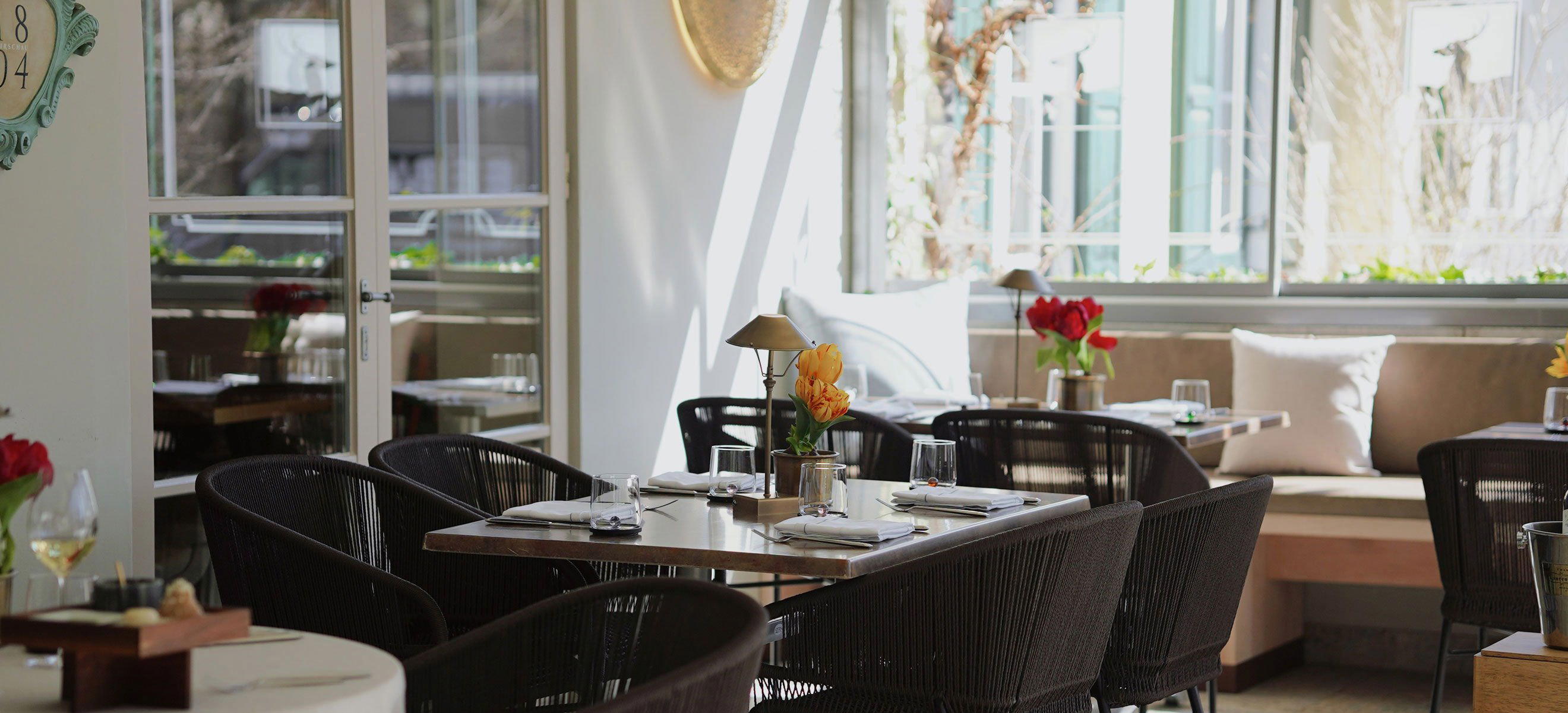
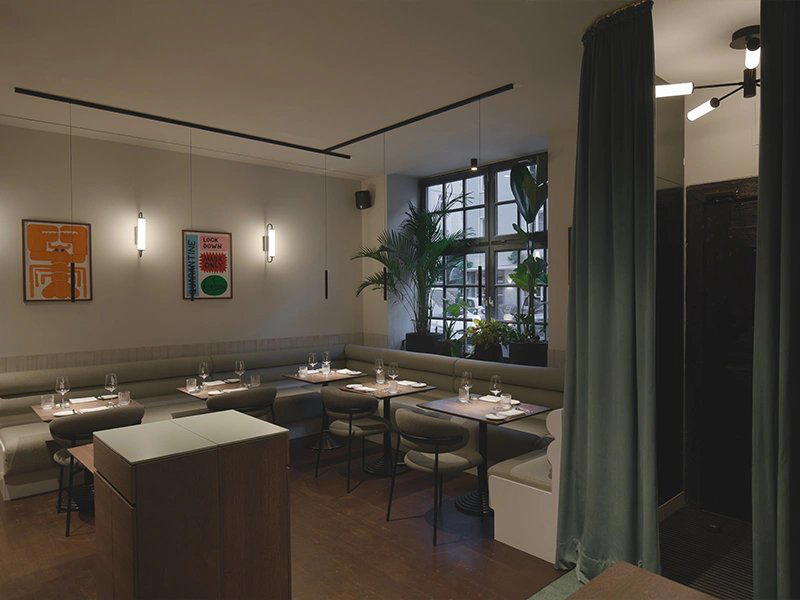
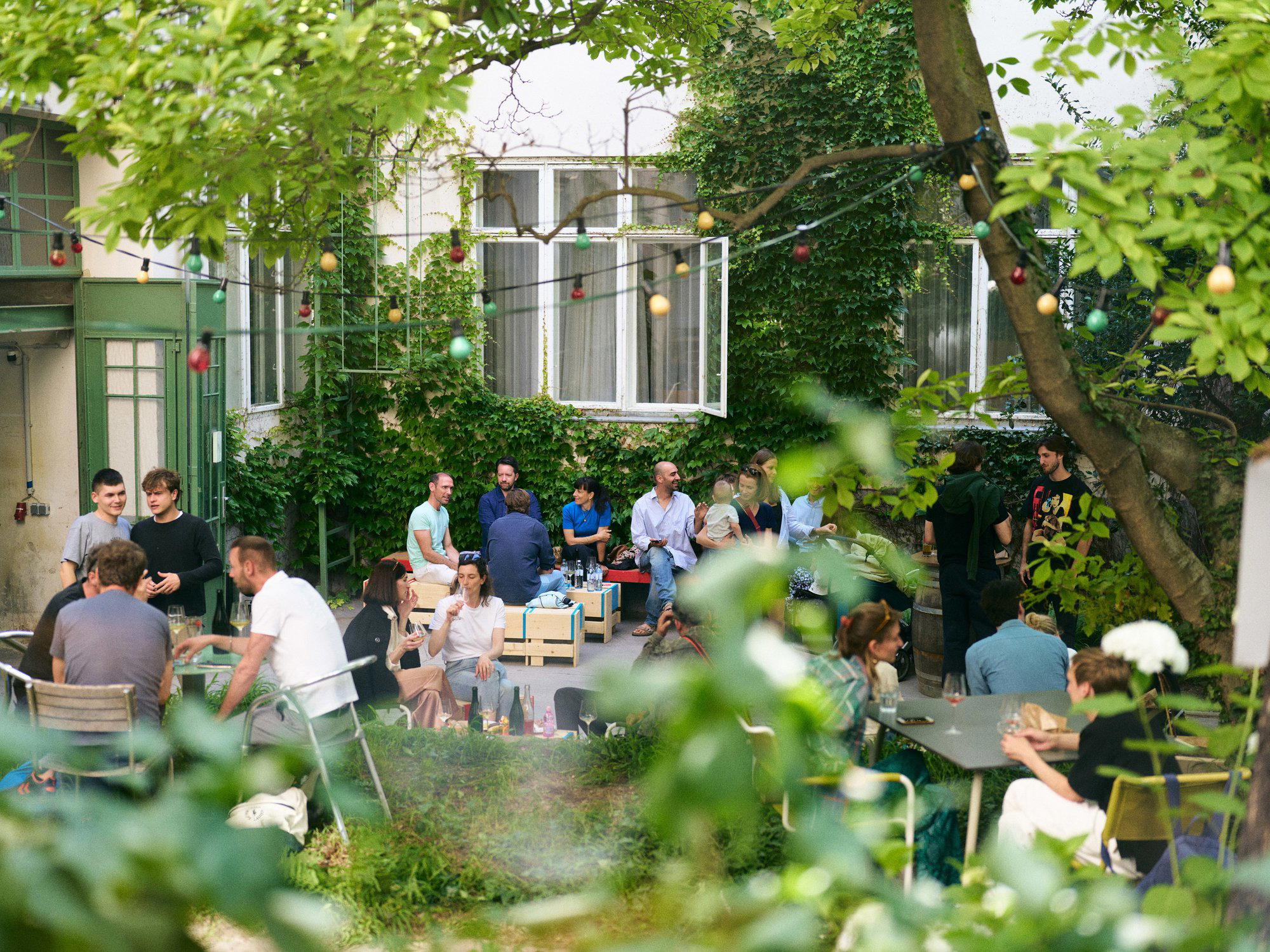
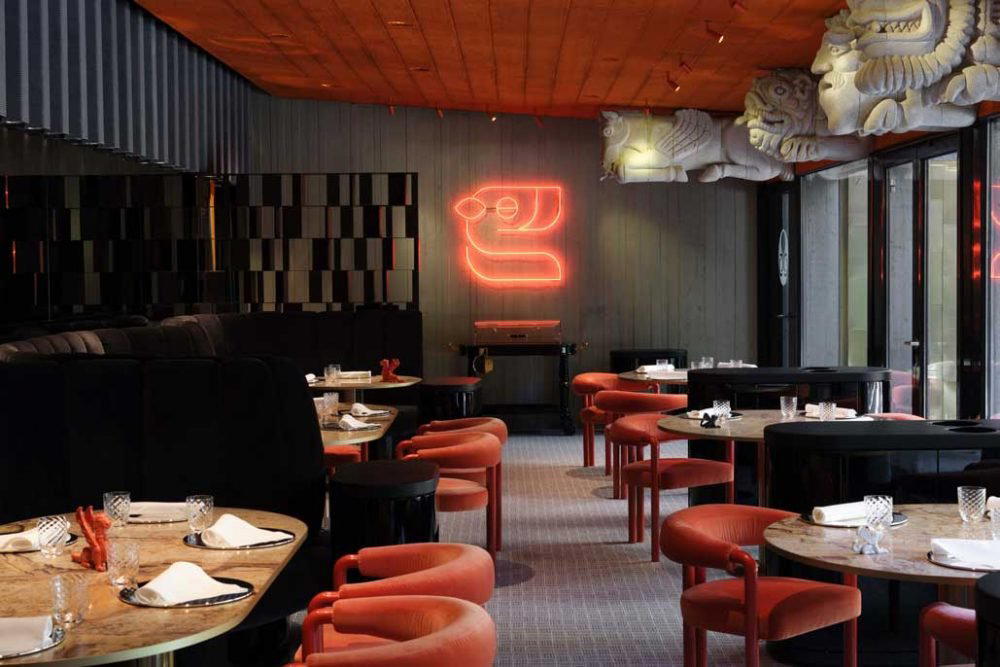
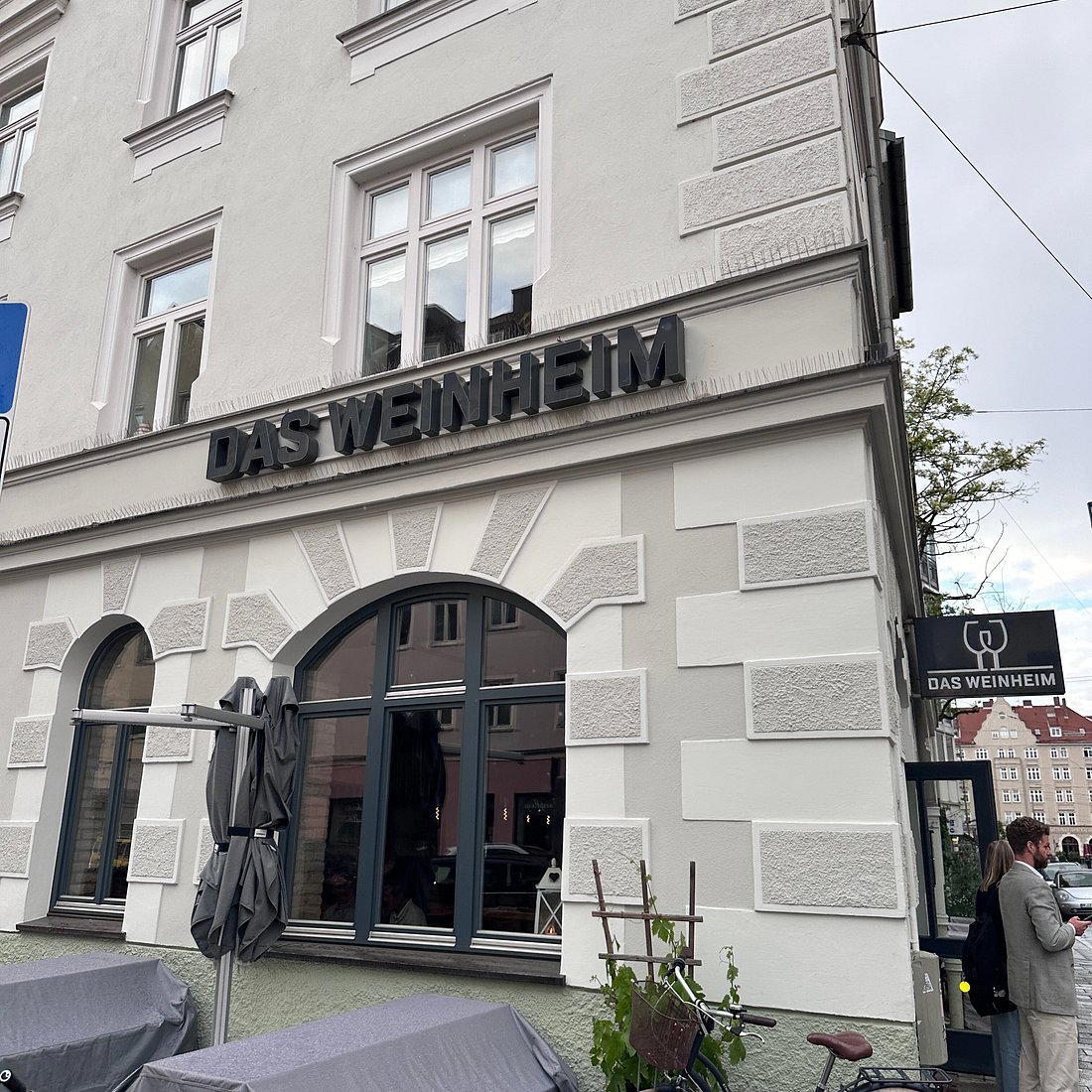
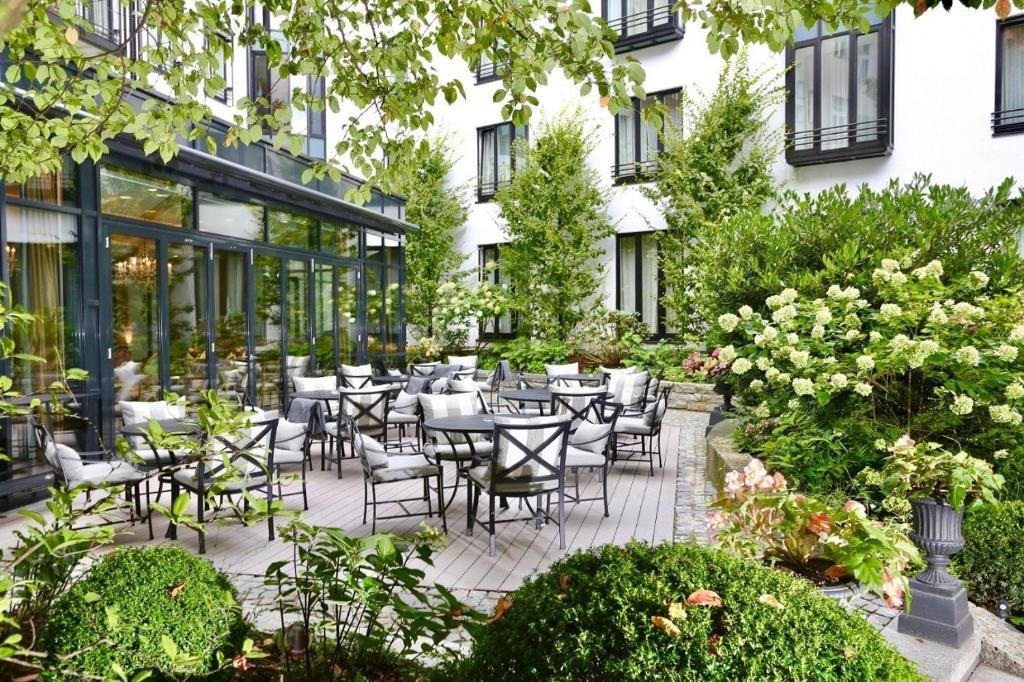
Rustic Bavarian atmosphere with warm, welcoming vibe in a beautifully renovated historic building.