Frankie & Johnnie’s Steakhouse

World's Best Wine Lists Awards WBWL 1-Star
Our verdict
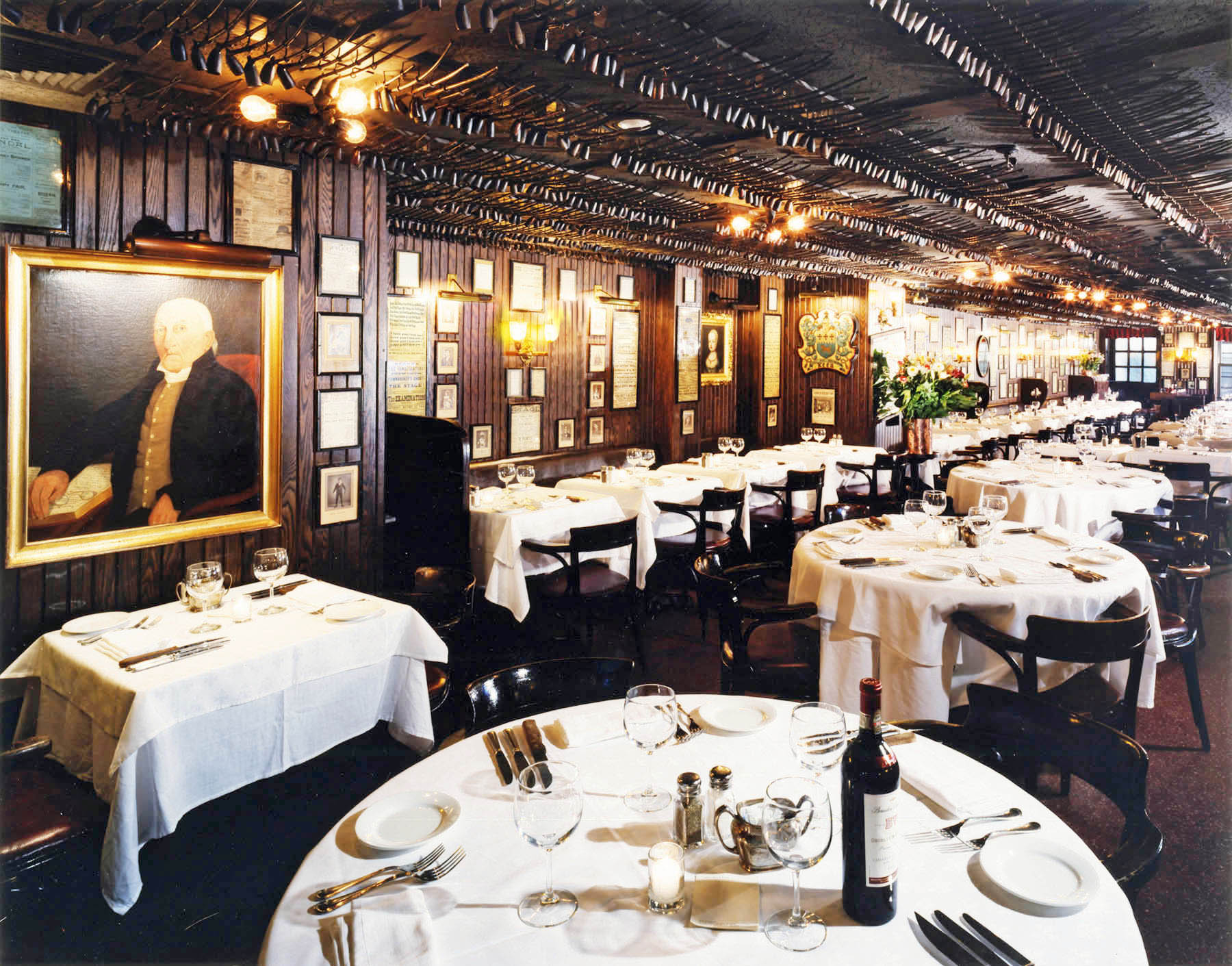
Frankie & Johnnie’s Steakhouse pairs classic steakhouse cooking with filet mignon and rib eye steak, an extensive wine list, and a leisurely, conversational setting in a historic building.

Pearl is the En Primeur Club membership app, where members save venues, book tables and use the concierge.
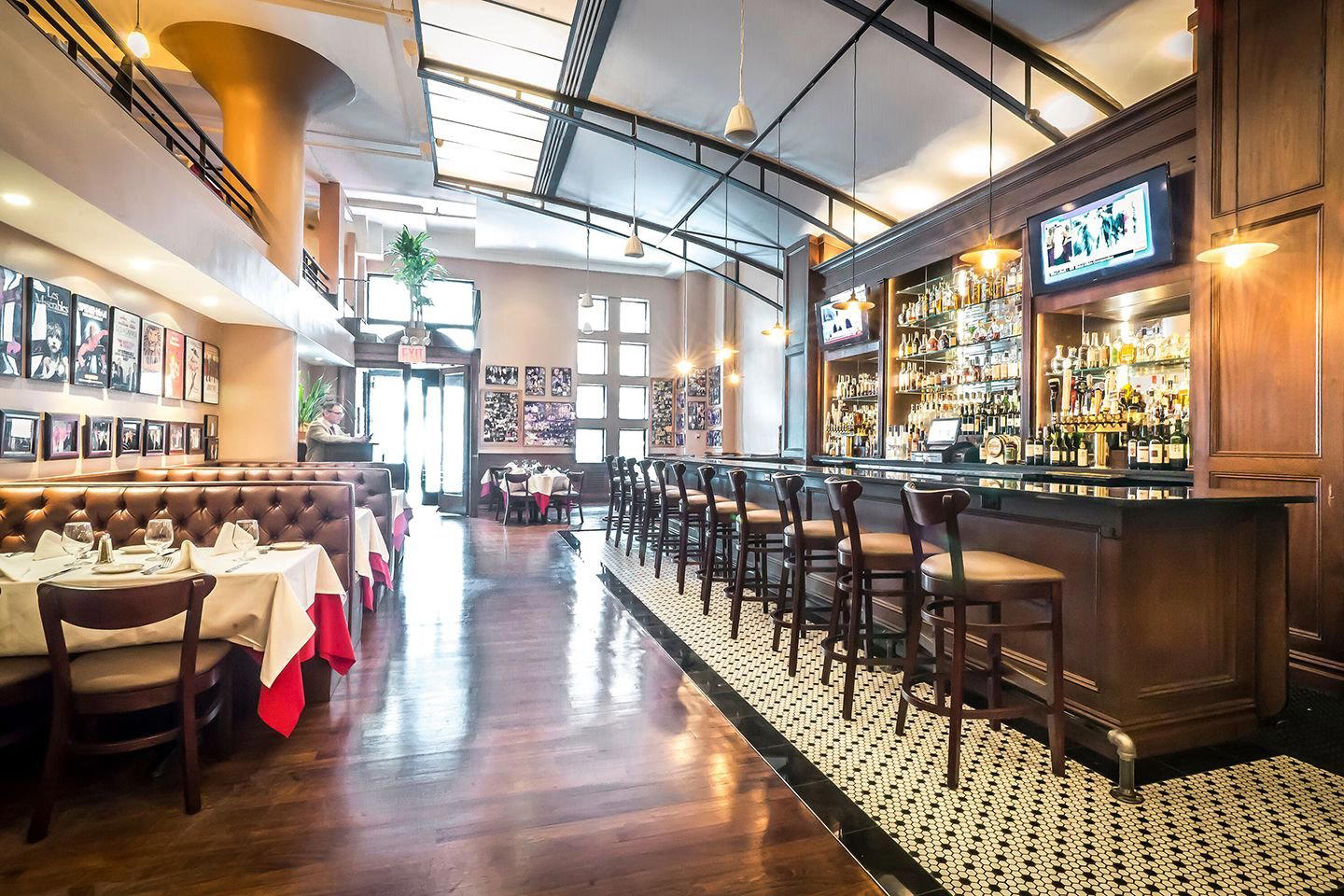
Frankie and Johnnie's is not a one-location independent. The original opened in Manhattan in 1926, making it one of the older operating steakhouse names in the Northeast.
What the 1-Star Accreditation Actually Signals
The World of Fine Wine's WBWLA 1-Star Accreditation is not a cooking award. It evaluates the wine program: selection depth, storage conditions, staff knowledge, and the coherence between the list and the food. For a steakhouse, that alignment is easier to achieve in theory than in practice. Bold reds with appropriate age and provenance need to be present and fairly priced, and the staff need to know them well enough to sell them without a sommelier on every shift.
The accreditation places Frankie and Johnnie's in a tier where the wine list is taken seriously as a component of the experience, not an afterthought. For context on what that standard looks like at the higher end of the global spectrum, properties like Le Bernardin in New York City or Alain Ducasse at Louis XV in Monte Carlo operate in the multi-star tier of the same framework. At the 1-star level, the signal is more focused: the list meets a credible threshold for seriousness, which in the steakhouse context mostly means the right Cabernets, the right Burgundies, and the right Barolos sourced and stored with care.
Sourcing Logic in the American Steakhouse Tradition
American steakhouse format has always been built on provenance claims, even before that word entered food-media vocabulary. USDA Prime grading, dry-aging duration, the name of a ranch or feed program: these are the sourcing signals that distinguish the upper tier of the category from mid-market chains. The best-known independents in this genre, from Peter Luger in Brooklyn to Keens in Midtown, built their reputations on specific sourcing relationships maintained over decades, not on annual menu innovation.
That sourcing logic matters here because it governs how a steakhouse like this should be evaluated. The question is not whether the menu is creative; it is whether the beef has been selected, aged, and prepared with the kind of precision that justifies the price and the format. A proper dry-aged strip or porterhouse requires a supply chain commitment: specific USDA grade parameters, a reliable butcher relationship, and aging conditions that demand real infrastructure. Those are operational choices that the kitchen makes long before service begins.
For comparison, venues that have pushed sourcing specificity furthest in the American fine-dining context, such as Single Thread Farm in Healdsburg or The French Laundry in Napa, operate at a different price point and with a different service model. The steakhouse tradition is less concerned with vertical integration and more focused on the reliability of a specific relationship with a specific grader and cutter. That is a narrower brief, but it is a real one.
Rye as a Dining Context
Westchester County has gradually developed a restaurant tier that functions independently of Manhattan rather than as an overflow. The Union Rye covers modern cuisine in a contemporary format, while Landgate Bistro holds a long-standing position as one of the area's more established independent rooms. In that context, the steakhouse format fills a specific gap: it serves the occasion-dinner crowd that wants a recognizable format with known price anchors and a wine list capable of supporting a celebration bottle. There is a separation from street noise, a slight formality built into the physical act of ascending, and a room that functions on its own terms rather than borrowing energy from foot traffic. For a certain kind of dinner, that separation is the point.
Those planning an evening in Rye can find broader context across the area’s offerings in the Rye experiences guide.
Where It Sits Relative to the Broader Category
American steakhouses in the Northeast fall into a few distinct tiers. The Manhattan institutions, running from $100-plus per person before wine, occupy one bracket. Regional chains occupy another. The most interesting category is the independent suburban house with enough operational history and sourcing discipline to punch above its geography. Frankie and Johnnie's, with nearly a century of brand history and a wine program that has met external accreditation criteria, occupies that middle tier. It is not competing with Alinea or Lazy Bear for the experiential fine-dining dollar. It is competing for the local Westchester dinner that requires a serious room, a serious wine list, and beef prepared with professional competence.
Within that competitive set, the World of Fine Wine accreditation is a genuine differentiator in the local market. Most suburban steakhouses do not pursue external wine recognition. The fact that this one has, and received it, suggests a deliberate positioning in the upper tier of the local category rather than a default to formula.
Venues at the far end of the international fine-dining spectrum, such as Providence in Los Angeles, Emeril's in New Orleans, or 8 1/2 Otto e Mezzo Bombana in Hong Kong, represent a different register entirely. The useful comparison set for Frankie and Johnnie's is not global fine dining but rather the cluster of wine-accredited, format-disciplined American steakhouses that serve a local rather than destination audience and are measured against their own category rather than against the avant-garde. Given its position as one of the more established dining options in the area, booking ahead is the sensible approach for Friday and Saturday evenings, particularly for groups of four or more.
Frequently asked questions
What part of town is Frankie & Johnnie’s Steakhouse in?
Frankie & Johnnie’s Steakhouse is located at 77 Purchase St 2nd Floor, Rye, NY 10580.
Do they take walk-ins at Frankie & Johnnie’s Steakhouse?
Confirm current walk-in and reservation options through the restaurant's official channels.
How Frankie & Johnnie's Steakhouse Rye compares with similar nearby venues.
| Venue | Cuisine | Price | Awards |
|---|---|---|---|
| Frankie & Johnnie’s SteakhouseThis venue (the venue you are viewing) | Classic Steakhouse | Not listed | World's Best Wine Lists Awards WBWL 1-Star |
| Rafele Rye | Neapolitan Italian | $50–100 | Michelin Bib Gourmand |
| OKO Rye | Modern Japanese | $50–100 | Michelin Plate |
Recognition history
Dated appearances from independent guides and award organizations, with the underlying list record or original source where available.
World's Best Wine Lists Awards WBWL 1-Star
World's Best Wine Lists Awards
Continue exploring
More in Rye
Restaurants in Rye
All restaurants in Rye →
Bars in Rye
Browse all →




Details
- Romantic
- Elegant
- Classic
- Sophisticated
- Date Night
- Business Dinner
- Special Occasion
- Private Dining
- Historic Building
- Extensive Wine List
- A La Carte
Current opening hours
- Monday
- 5–8:30 PM
- Tuesday
- 12–10 PM
- Wednesday
- 12–10 PM
- Thursday
- 12–10 PM
- Friday
- 12–11 PM
- Saturday
- 5–11 PM
- Sunday
- 4–9 PM
Hours can change for holidays and private events. Hours as of .
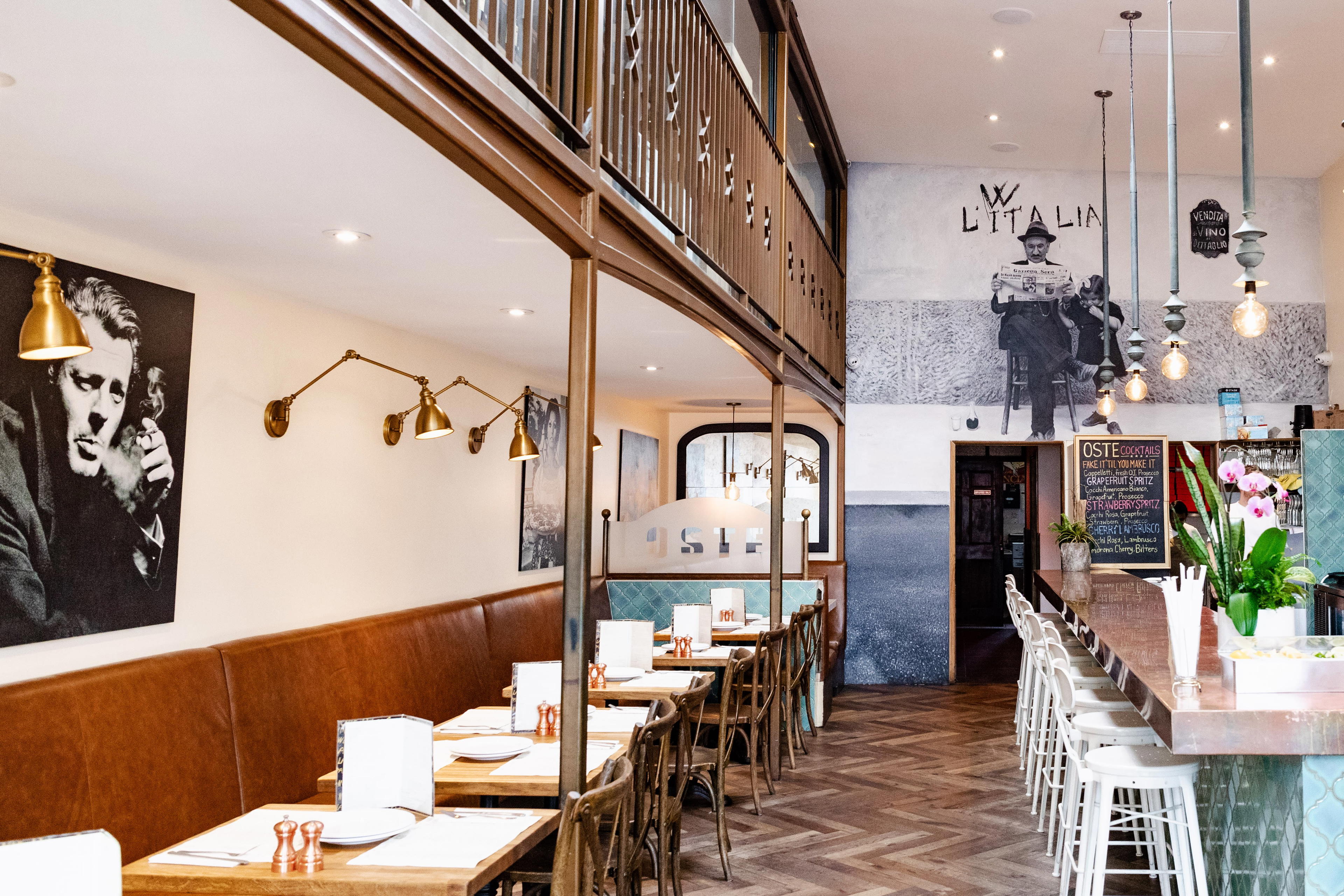
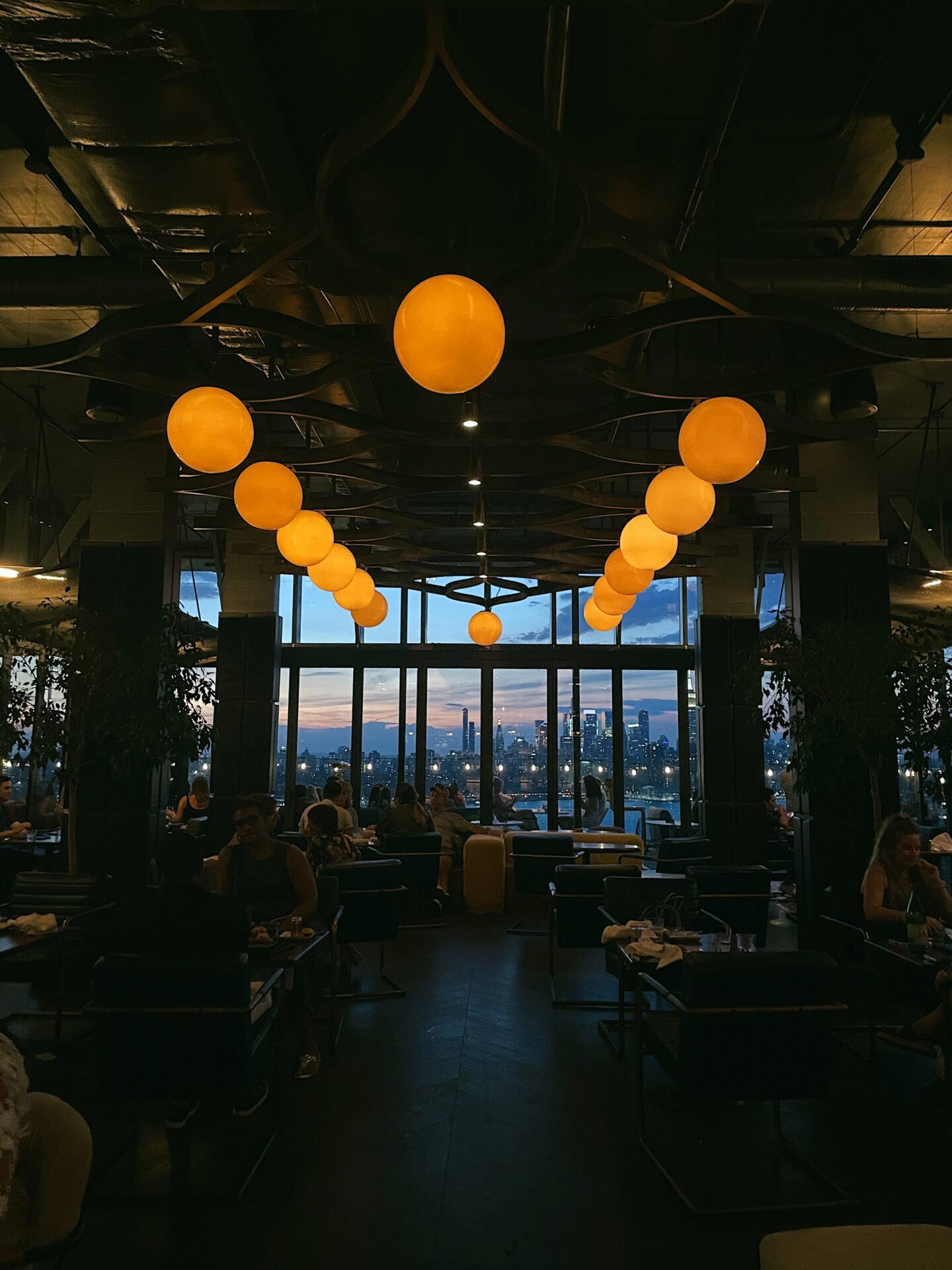
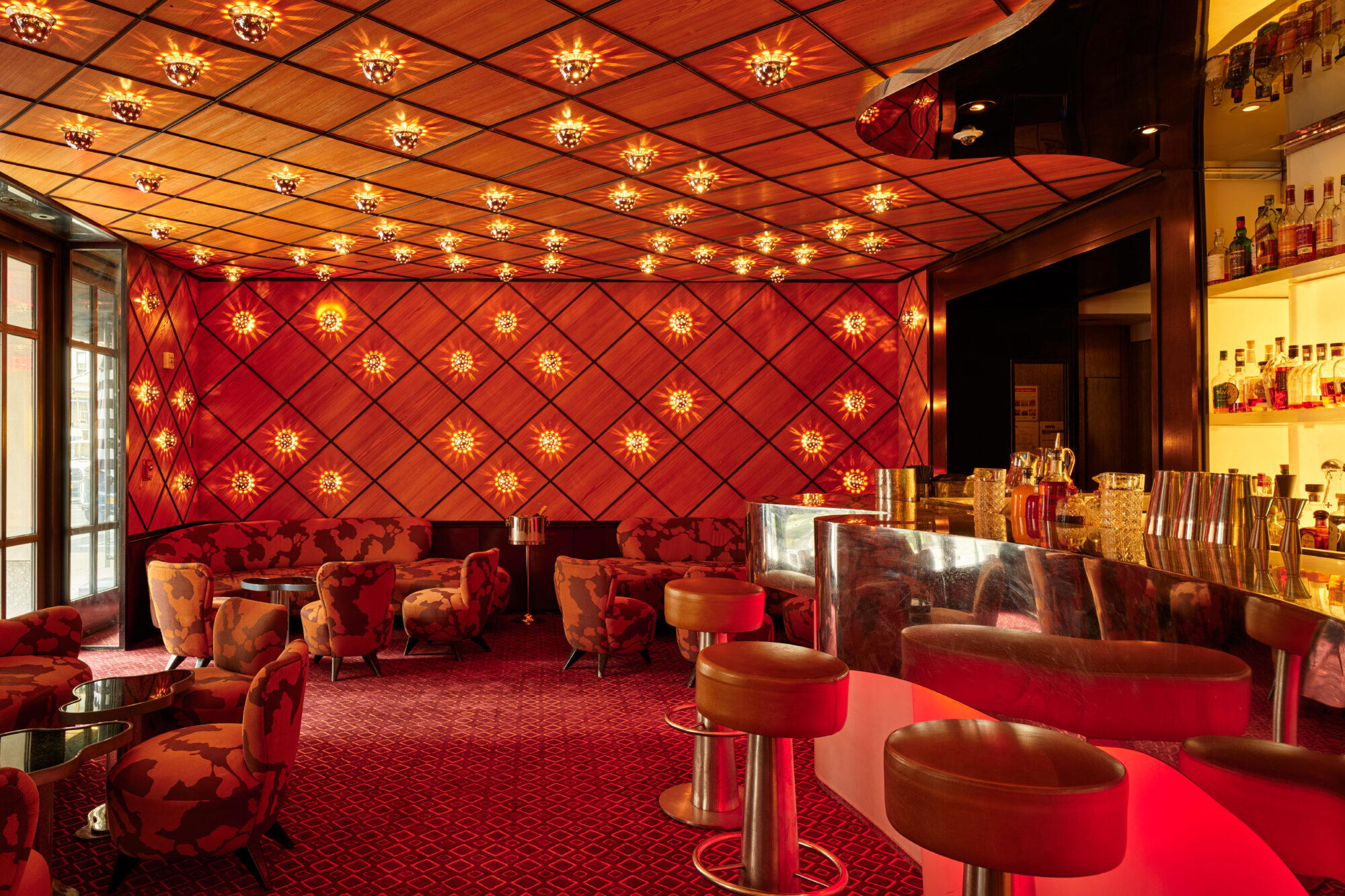
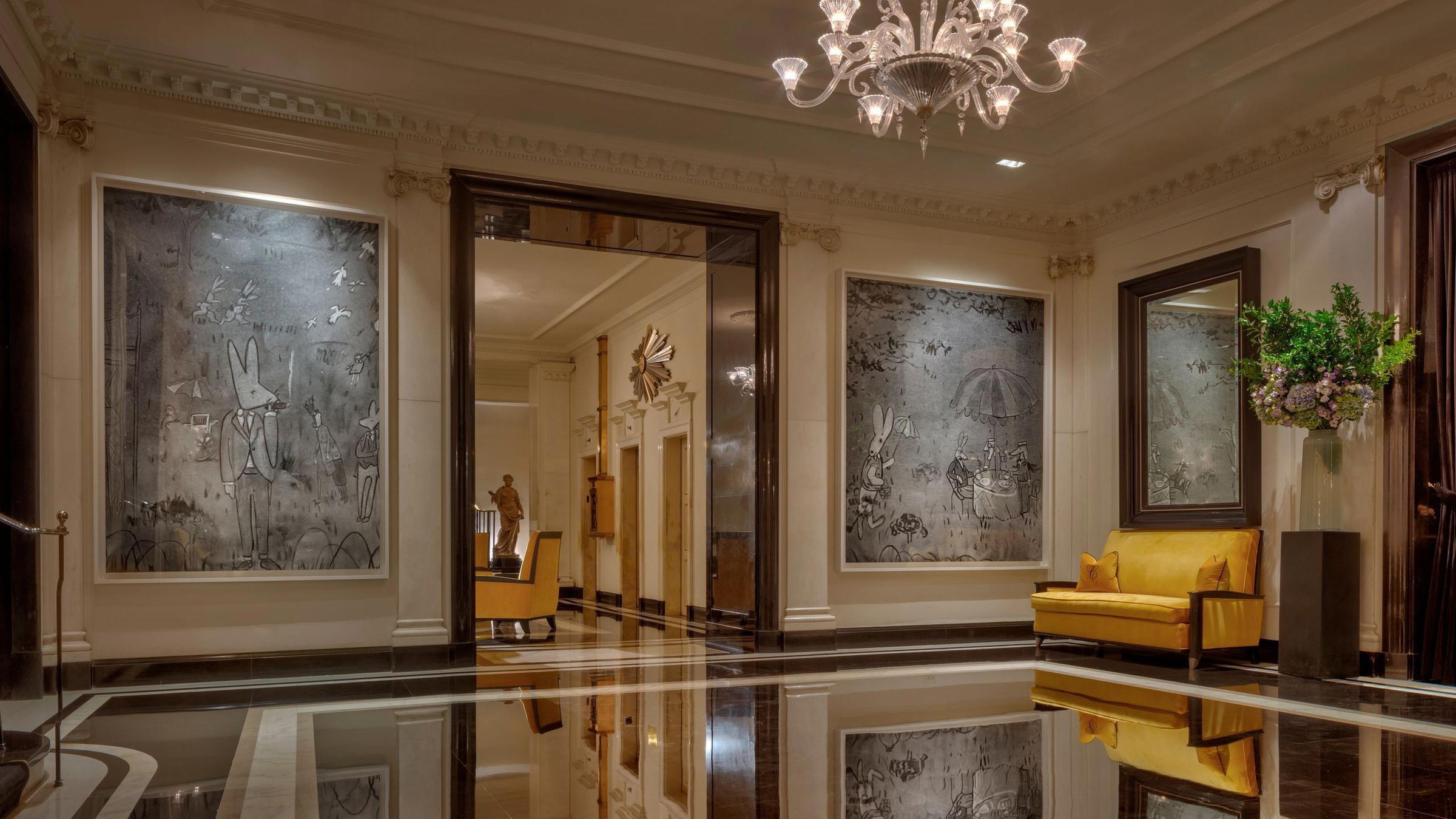
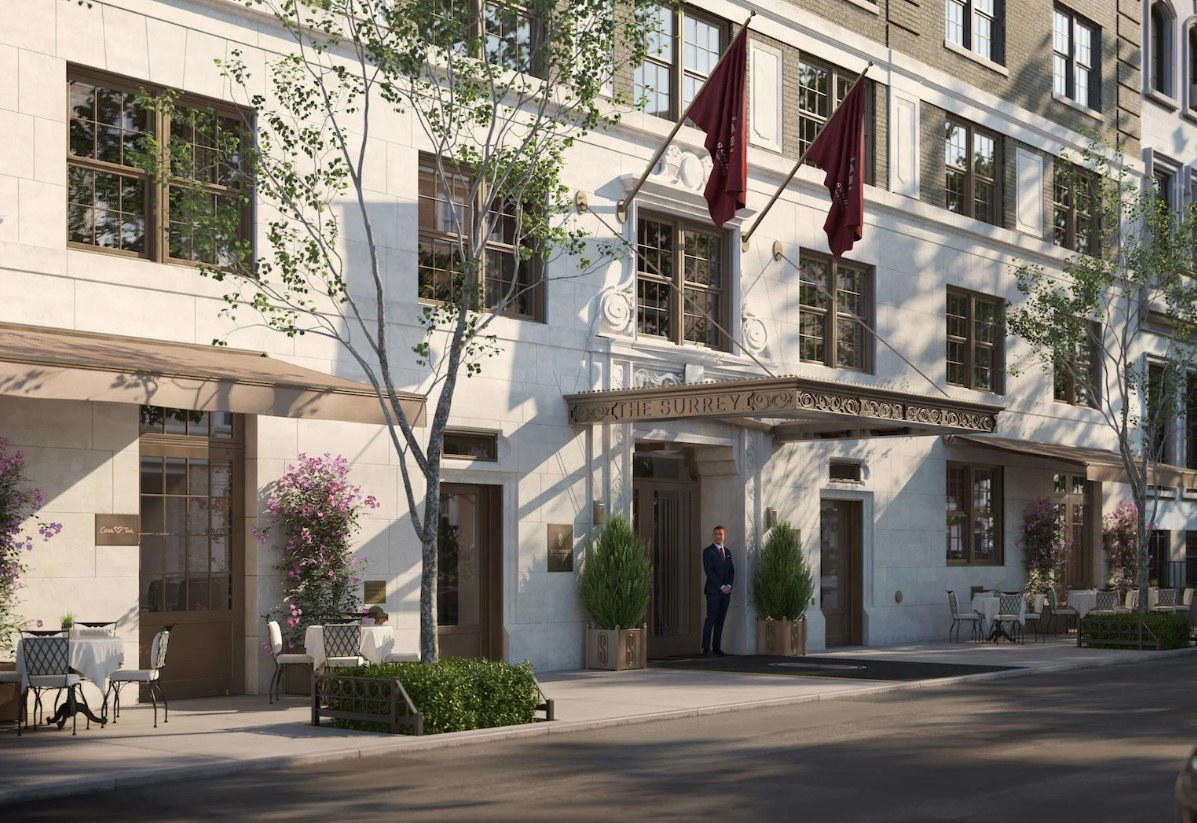
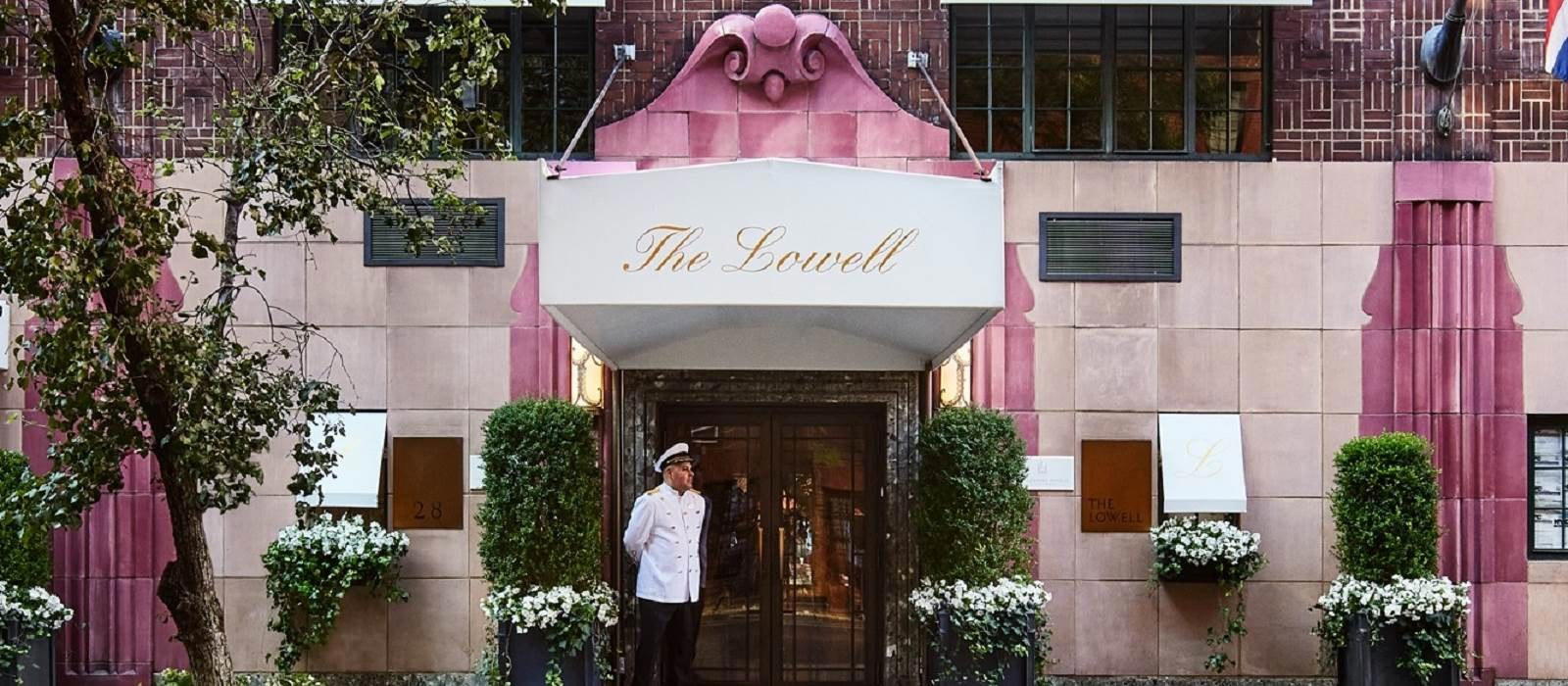
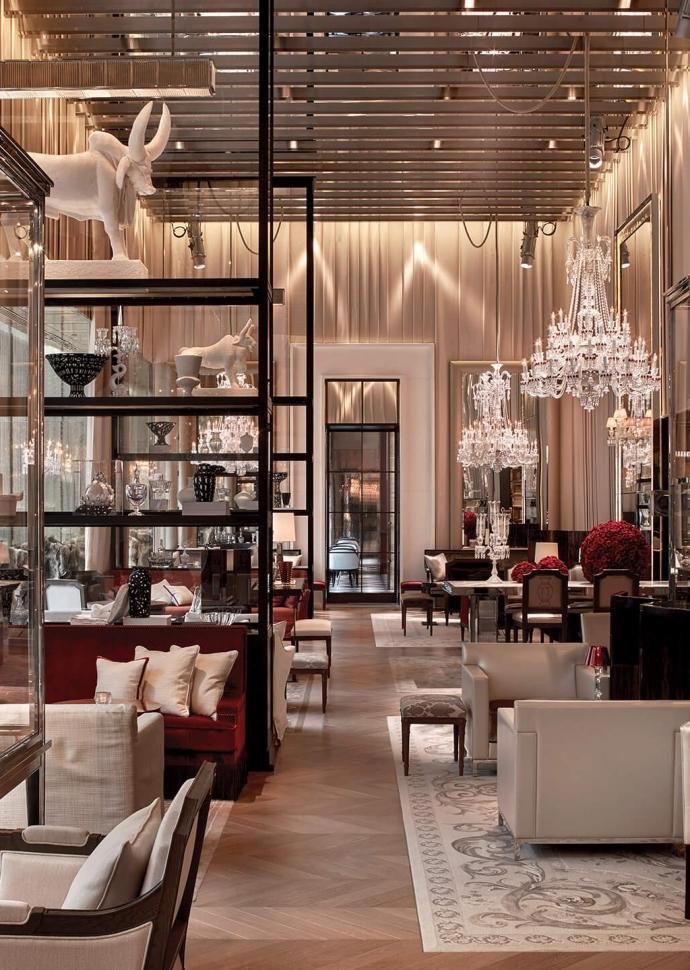
Sophisticated yet inviting with dim lighting, warm dark wood, deep red tones, and cozy seating in a bright, airy bi-level former bank.