Carversteak New York
Carversteak New York sits in New York City’s steakhouse category, a format defined as much by beef sourcing, aging discipline, and room tempo as by ceremony. Treat it as a red-meat reservation rather than a chef-driven tasting-menu stop: the decision turns on appetite for steakhouse ritual, sides, wine, and a city dining room built around larger-format ordering.
Pearl is the En Primeur Club membership app — saves, bookings, and concierge access live there. Same editors, same standards.
- Address
- 305 W 48th St 1st Floor, New York, NY 10036
- Phone
- (646) 829-1500
- Website
- carversteaknyc.com
- Directions
- Get directions
 Saves & bookings on Pearl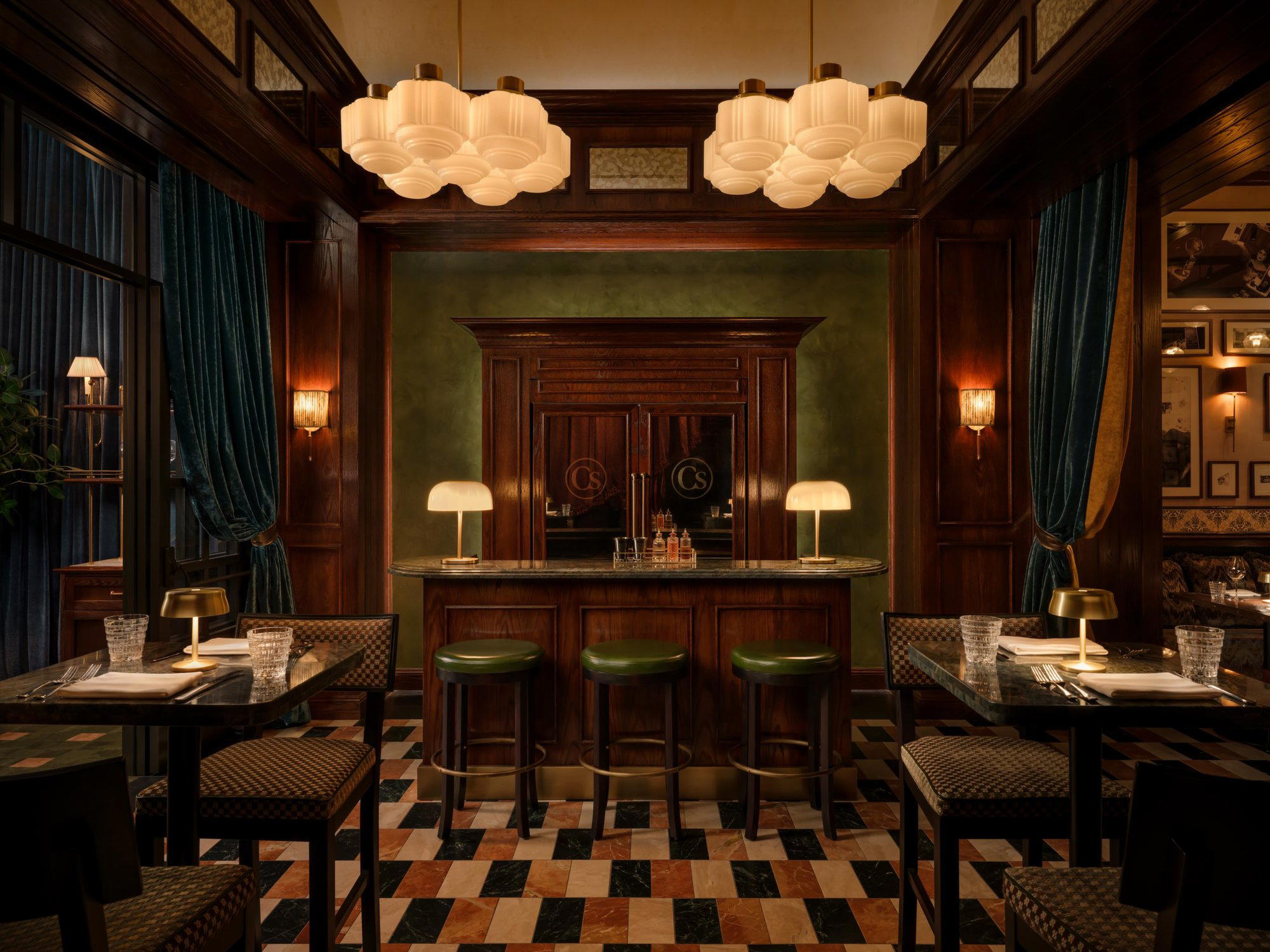
The New York steakhouse has a recognizable grammar before the first plate arrives: a room tuned for low lighting, large tables, polished service rhythms, and the expectation that dinner will move around beef rather than a long sequence of small courses. Carversteak New York belongs to that tradition. The point is not novelty; the point is execution within a category that has spent decades refining dry-aged beef, broilers, martinis, creamed sides, and expense-account pacing into a civic dining language.
That language matters because steakhouse dining in New York is rarely just about ordering a steak. It is about how a kitchen treats muscle, fat, heat, salt, and time. Dry-aging, when handled well, concentrates flavor through moisture loss and controlled enzymatic change; when handled carelessly, it becomes a label rather than a craft. In this tier, the diner should read the menu for aging references, cuts, shareable formats, and how clearly the room explains its beef program. A steakhouse that cannot make those choices legible asks the guest to pay for atmosphere alone.
New York steakhouse ritual, judged through beef and restraint
New York City’s steakhouse culture has always rewarded confidence over ornament. The strongest rooms in the category tend to keep the plate architecture direct: beef at the center, potatoes and greens doing structural work, sauces treated as support rather than camouflage. Carversteak New York is listed as a steakhouse, which places it inside a competitive dining habit where the kitchen’s credibility rests on fundamentals: sourcing language, aging discipline, doneness accuracy, carving, and the ability to serve larger tables without losing temperature or pace.
Dry-aging is the lens that separates a serious steakhouse conversation from a generic grill-room dinner. The process is not decoration. It changes texture, pushes nutty and mineral notes forward, and demands trim loss that affects cost. New York diners know this, which is why vague menu language carries less weight here than specific references to cut, aging, and format. If those details are presented tableside or on the menu, they are worth reading before defaulting to a familiar order.
The broader city context is useful. New York’s steakhouse scene has several lanes: old-guard clubby rooms, modern meat-focused dining rooms, Italian-inflected beef restaurants, and compact reservation-driven rooms where the steak is only part of the draw. For readers building a wider map, EP Club’s New York restaurant coverage includes 4 Charles Prime Rib, Benjamin Steak House, Bobby Van’s Steakhouse, Bowery Meat Company, and Carne Mare.
How to read the room before ordering
A steakhouse order rewards strategy. Start by deciding whether the table wants individual cuts or a shared centerpiece, then build the rest of the meal around fat, char, and salt. Richer cuts need sharper vegetables or bitter greens; leaner cuts benefit from sauces, butter, or a potato dish with enough weight to make the table feel complete. The better New York steakhouse meal is edited, not maximal. Ordering every classic side can flatten the beef rather than frame it.
Wine service also shapes the experience. Steakhouse lists in the city often lean toward Cabernet Sauvignon, Bordeaux, Super Tuscan labels, and domestic reds with enough structure for char and fat. That does not mean the table has to default to power. Mature reds, Syrah, Nebbiolo, or Champagne can work if the order includes shellfish, salads, or richer sauces. The useful question for staff is not “what is good?” but “what has the acidity and tannin for the cut and doneness on the table?”
Atmosphere-wise, expect the format to favor adult pacing: conversation, a measured meal arc, and a bill that reflects beef-driven dining in New York City. Families can make sense here when children are comfortable with steakhouse portions and a longer dinner rhythm; for a quick, casual meal, the category is usually the wrong tool. Dietary restrictions need advance handling in any meat-centered room, especially where stocks, butter, grills, and shared fryers may shape the kitchen’s range.
Where it fits in a broader New York itinerary
Carversteak New York is best understood as a category choice within a city that offers almost every dining format at serious depth. If the evening calls for red meat, wine, and the social architecture of a steakhouse table, it belongs on the shortlist for that purpose. If the trip is built around tasting menus, counter dining, or neighborhood-specific cooking, it may sit better as a contrast night rather than the defining meal.
For broader planning, use our full New York City restaurants guide alongside our full New York City hotels guide, our full New York City bars guide, our full New York City wineries guide, and our full New York City experiences guide. Readers comparing steakhouse habits beyond New York can also look at 1515 West Chophouse, Steakhouse in Shanghai and 1587 Prime, Steakhouse in Kansas City; for a different register of North American dining, see Jōdo Saké Bar in Los Angeles, Onigiri Time in Pasadena, ¿Por Qué No? in Portland, 'Ai Love Nalo in Waimanalo Beach, 'āina in San Francisco, and 'Ama 'Ama in Kapolei.
- Carversteak branded dry-aged tomahawk for two
- Wagyu cheesesteak bites
- Caviar-and-potato popsicles
- French onion short rib
- Lobster rigatoni alla vodka
- Baked NYC (tableside baked Alaska)
Comparable venues nearby, for context on price, style, and recognition.
| Venue | Cuisine | Price | Notes |
|---|---|---|---|
| Carversteak New YorkThis venue — the venue you are viewing | Modern Vegas-style steakhouse | $$$$ | Not listed |
| Butcher and Banker NYC | Modern Steakhouse | $$$$ | Chelsea-Hudson Yards |
| Christos Steak House | Steakhouse with Greek Influences | $$$$ | Astoria (North)-Ditmars-Steinway |
| Rocco Steakhouse | Classic Italian-American Steakhouse | $$$$ | Midtown South-Flatiron-Union Square |
| Benjamin Prime | Modern Steakhouse & Seafood Grill | $$$$ | Midtown-Times Square |
| Christos Steakhouse | Greek-Influenced Steakhouse | $$$$ | Astoria (North)-Ditmars-Steinway |
Continue exploring
More in New York City
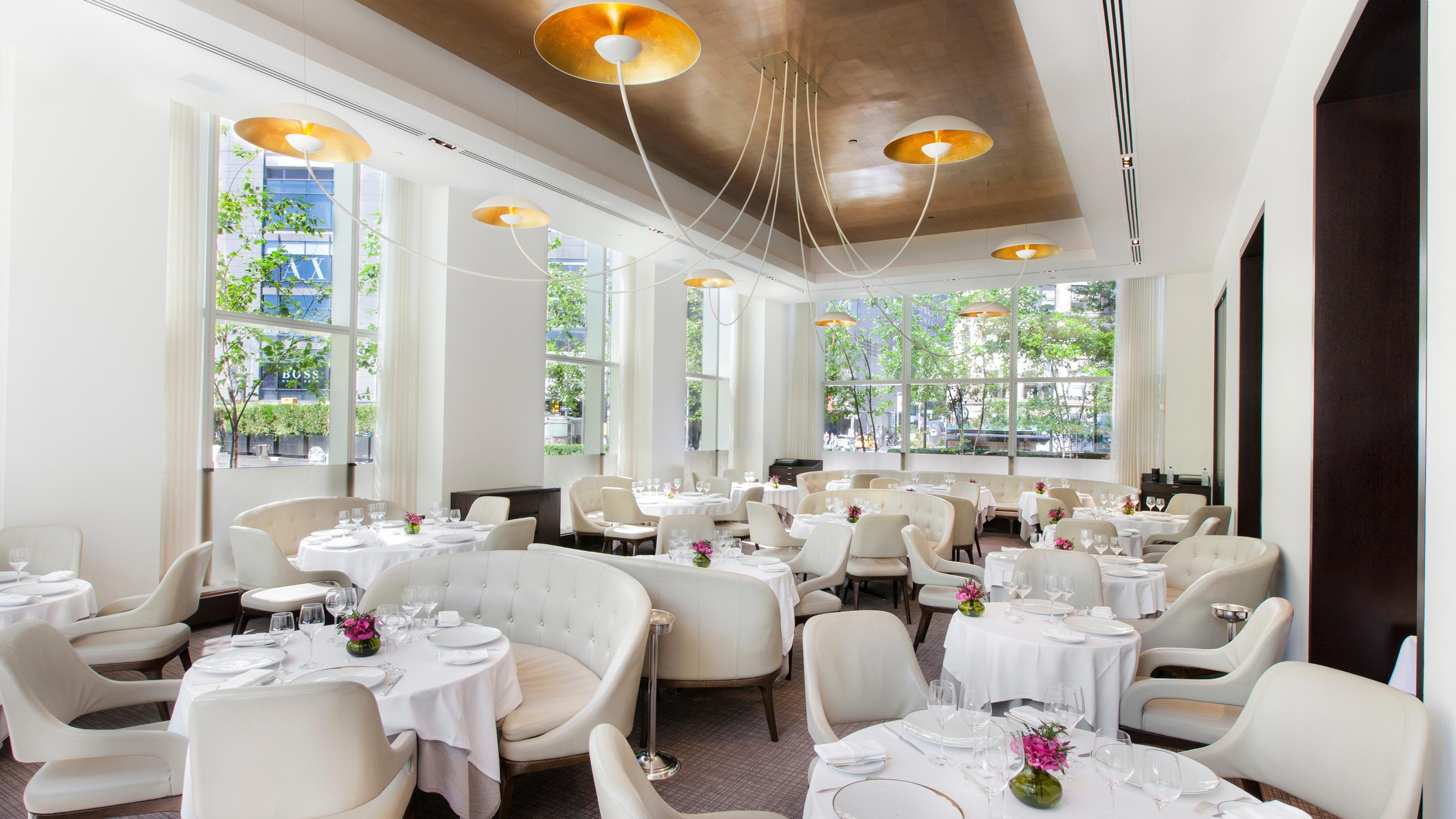
Restaurants in New York City
Browse all →
Bars in New York City
Browse all →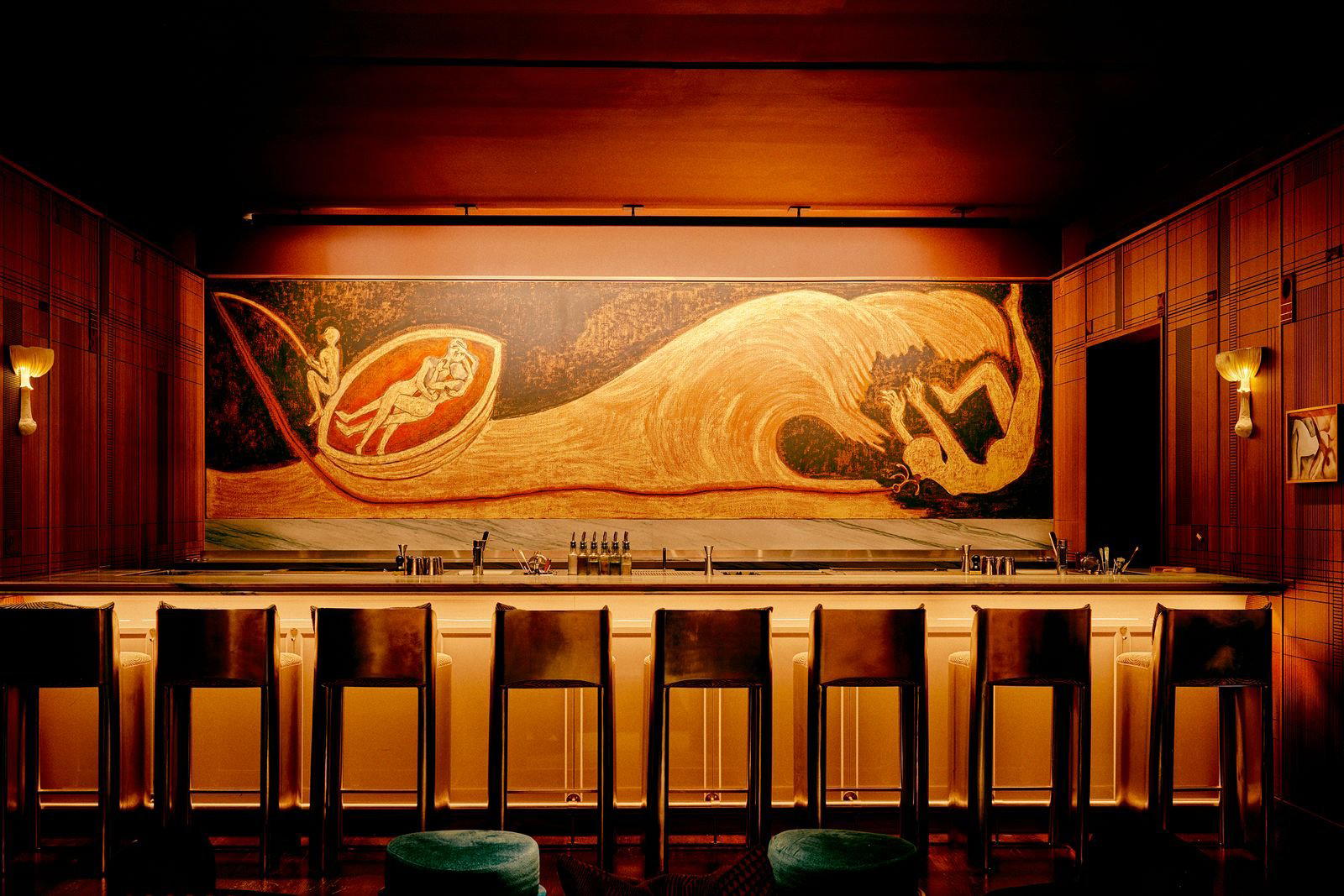

Hotels in New York City
Browse all →








At a Glance
- Lively
- Elegant
- Modern
- Sophisticated
- Cozy
- Energetic
- Date Night
- Business Dinner
- Group Dining
- Celebration
- After Work
- Brunch
- Private Dining
- Design Destination
- Hotel Restaurant
- Craft Cocktails
- Sommelier Led
- Extensive Wine List
- Zero Proof
- Local Sourcing
- Street Scene
Current opening hours
- Monday
- 4–10 PM
- Tuesday
- 4–10 PM
- Wednesday
- 4–10 PM
- Thursday
- 4–10 PM
- Friday
- 4–10 PM
- Saturday
- 4–10 PM
- Sunday
- 4–10 PM
Hours can change for holidays and private events. Last verified .
Modern and polished steakhouse design by Rockwell Group within the Civilian hotel, combining warm lighting, rich materials, and distinct bar, atrium, and dining spaces to create a lively yet refined atmosphere where dinner feels like the evening’s main event.