OKO Rye

Michelin Plate
Our verdict
OKO Rye brings a chef-driven interpretation of Japanese cuisine to Purchase Street, drawing Westchester locals with an open kitchen, a welcoming bar under high ceilings, and a menu that moves from nigiri and handrolls through tempura and hot dishes. The Madeira-miso black cod and crab-and-pork dumplings are regulars on tables; the omakase format signals where the kitchen's ambition actually sits.

Pearl is the En Primeur Club membership app, where members save venues, book tables and use the concierge.
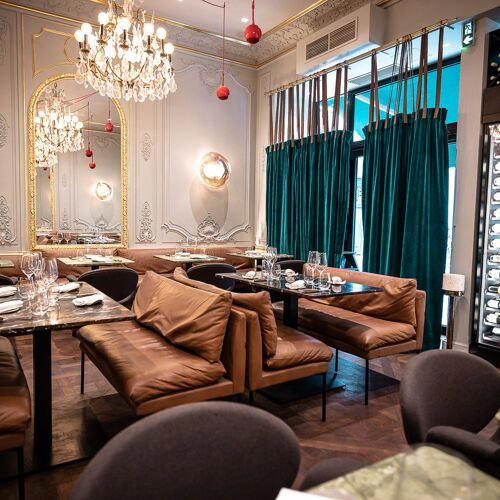
Where Westchester Meets the Japanese Pantry
Rye's dining scene has spent the past decade quietly assembling something worth attention. The town sits at the northern edge of the New York Metro commuter belt, close enough to Manhattan to absorb culinary expectations, far enough to develop its own rhythm. On Purchase Street, the restaurant strip reflects that balance: a mix of neighbourhood anchors and kitchens with real culinary intent. OKO Rye occupies the latter category, offering a contemporary Asian menu that reads less like a catalogue of Japanese staples and more like an active conversation with the cuisine's ingredients and techniques.
The room announces its purpose immediately. High ceilings push the space upward, light fills it horizontally, and the open kitchen keeps the focus on what's being prepared rather than on theatrics around it. The bar draws a local crowd that arrives not for a pre-dinner drink and leaves but to stay, which says something about how the room functions socially. This is what good neighbourhood dining looks like when the kitchen is serious: the atmosphere serves the food rather than compensating for it.
The Ingredient Logic Behind the Menu
Contemporary Asian restaurants in the United States often resolve the tension between accessibility and rigour by leaning hard in one direction. OKO Rye doesn't entirely sidestep that tension, but the menu's construction suggests a kitchen more interested in ingredient provenance and preparation discipline than in covering maximum ground. The range moves from nigiri, sashimi, and handrolls through tempura and warm dishes, but the items that define the kitchen's priorities are the ones that require sourcing decisions upfront.
Madeira-miso black cod is the clearest example. Black cod, also sold as sablefish, is prized in Japanese cooking for fat content and texture, and the Madeira-miso marinade builds on that base with fermented depth and wine-driven acidity. Getting the fish right matters here: underqualified black cod won't carry the preparation. The fact that this dish is repeatedly cited by diners as a standout suggests the sourcing is holding up its end. Crab-and-pork dumplings operate on similar logic, where the crab component's quality determines whether the filling achieves the balance the recipe is designed for.
The omakase format, where available, reveals more of what the kitchen is working with. The examples on record include cedar-smoked black cod with crispy beets, chutoro with sweet onion dashi, and red king crab with chili butter. Cedar smoking is an aromatic technique that requires the wood to be fresh and appropriate to the fish; it's not a flourish that can be faked. Chutoro, the medium-fatty tuna cut, sits between lean akami and rich otoro in the tuna hierarchy, and pairing it with sweet onion dashi indicates a kitchen that understands where acid and umami can support rather than overwhelm the fish's natural fat. Red king crab with chili butter leans toward the kitchen's more register, but king crab in this context still implies sourcing from Alaskan waters, where the season and handling matter considerably.
This isn't the ingredient obsession of a farm-to-table manifesto. It's quieter than that: a menu where the quality of the raw material is simply the precondition for the technique to work at all. Compare this to the seafood-sourcing rigour at Le Bernardin in New York City or the produce-driven discipline at Blue Hill at Stone Barns in Tarrytown, and OKO Rye is operating in a different register entirely, but the underlying principle that what you buy shapes what you can cook is shared across those kitchens.
What Sets This Apart from the Genre
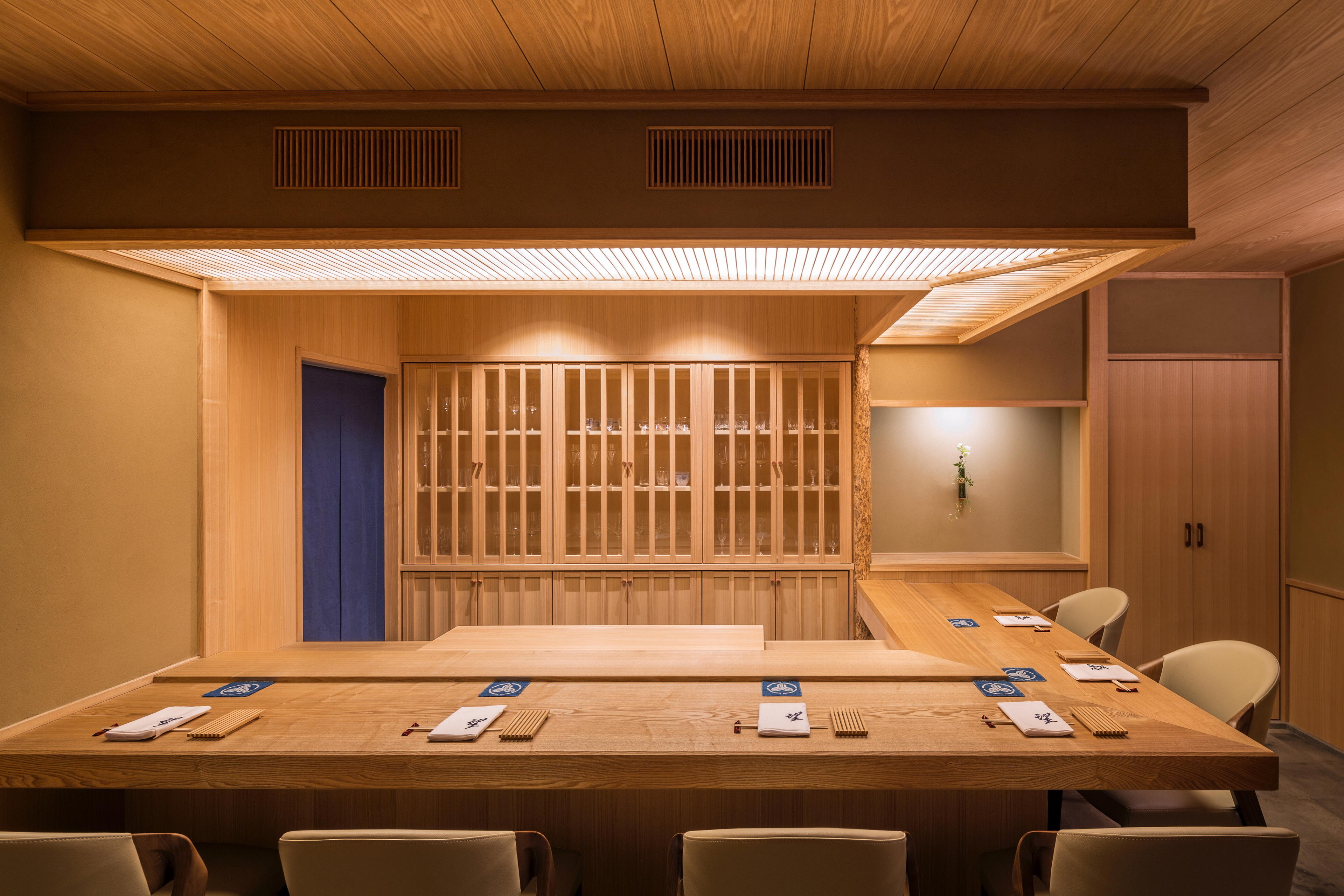
The awards notes for OKO Rye make a specific point worth taking seriously: this is not a Japanese restaurant in the conventional sense but a chef's interpretation of the cuisine. That distinction matters. Rye has other options for the Italian end of the table, including Rafele Rye and the broader The Union Rye for modern cuisine, but OKO Rye holds a specific position in the local dining set: it is the only kitchen on the street working with this combination of Japanese technique, premium seafood sourcing, and the flexibility of an omakase format alongside an à la carte menu.
Nationally, the interpretive-Japanese category has generated substantial critical attention, from the omakase-only counters of Manhattan drawing comparisons to Tokyo-tier sushi to the chef-driven Asian formats at places like Jun's in Dubai and taku in Cologne. OKO Rye is not competing at the price point of Alinea in Chicago or Lazy Bear in San Francisco, nor is it operating at the Westchester equivalent of the tasting-menu format found at The French Laundry in Napa or Single Thread Farm in Healdsburg.
The pricing sits at the $$$ tier, which for Westchester means competitive with comparable-quality restaurants in the area and considerably less than equivalent-quality omakase in Manhattan.
Planning a Visit
OKO Rye is at 29 Purchase St, Rye, NY 10580, within walking distance of the Rye Metro-North station on the New Haven line, making it accessible from Grand Central for those coming from the city. The $$$ pricing tier means an omakase or composed dinner will run into meaningful spend, though the à la carte menu offers an entry point that doesn't require a full commitment to the kitchen's longer format. The open kitchen and bar setup means solo diners and couples both have natural places to sit without requiring a table. For the area's broader dining and hospitality options, and our full Rye experiences guide.
Frequently asked questions
What do people recommend at OKO Rye?
The Madeira-miso black cod and crab-and-pork dumplings are noted as crowd favorites. Those ordering the omakase have encountered dishes like cedar-smoked black cod with crispy beets, chutoro with sweet onion dashi, and red king crab with chili butter, a range that shows the kitchen working across both delicate and assertive registers.
How much does it cost to eat at OKO Rye?
Pricing at OKO Rye is listed as $$$.
How do I find OKO Rye?
OKO Rye is located at 29 Purchase St, Rye, NY 10580.
Should I book OKO Rye in advance?
The venue's own descriptor flags an attractive local crowd that convenes regularly at the bar and open kitchen counter, which points to consistent demand at a $$$-tier price point in a town with limited comparable options. Booking ahead is the practical move, particularly for omakase seating.
Comparable Spots, Quickly
Comparable venues nearby, for context on price, style, and recognition.
| Venue | Cuisine | Price | Awards | Notes |
|---|---|---|---|---|
| OKO RyeThis venue (the venue you are viewing) | Modern Japanese | $50–100 | Michelin Plate | Not listed |
| Frankie & Johnnie’s Steakhouse | Classic Steakhouse | Not listed | World's Best Wine Lists Awards WBWL 1-Star | Rye |
| Rafele Rye | Neapolitan Italian | $50–100 | Michelin Bib Gourmand | Purchase Street |
| Bar Moga | Modern Japanese Izakaya | $50–100 | Not listed | Greenwich Village |
| Rule Of Thirds | Brooklyn-Inspired Japanese Izakaya | $50–100 | Not listed | Greenpoint |
| Bar Goto | Modern Japanese Cocktail Bar & Izakaya | Not listed | Not listed | Lower East Side |
Recognition history
Dated appearances from independent guides and award organizations, with the underlying list record or original source where available.
Michelin Plate
Michelin
Continue exploring
More in Rye
Restaurants in Rye
All restaurants in Rye →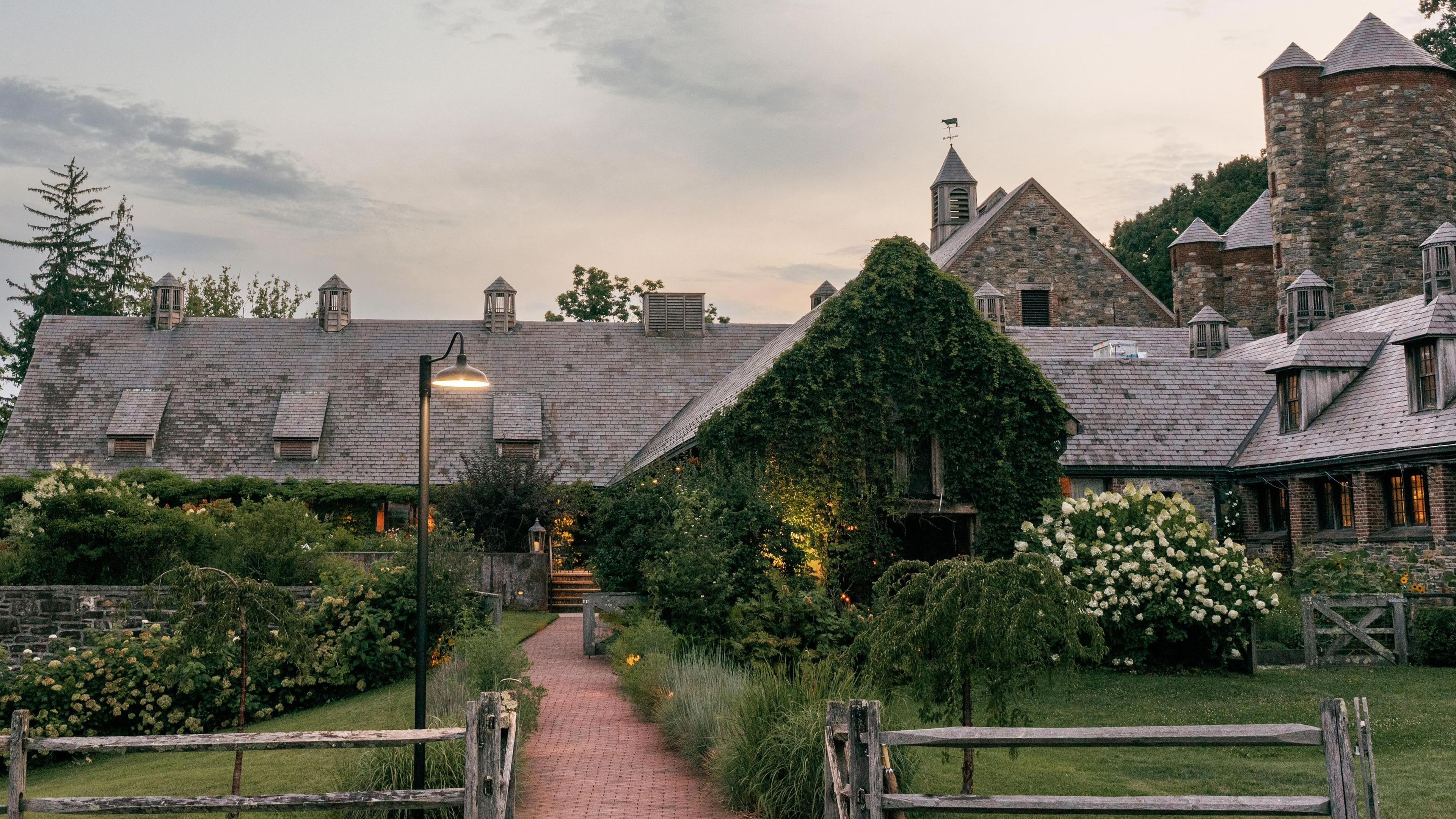
Bars in Rye
Browse all →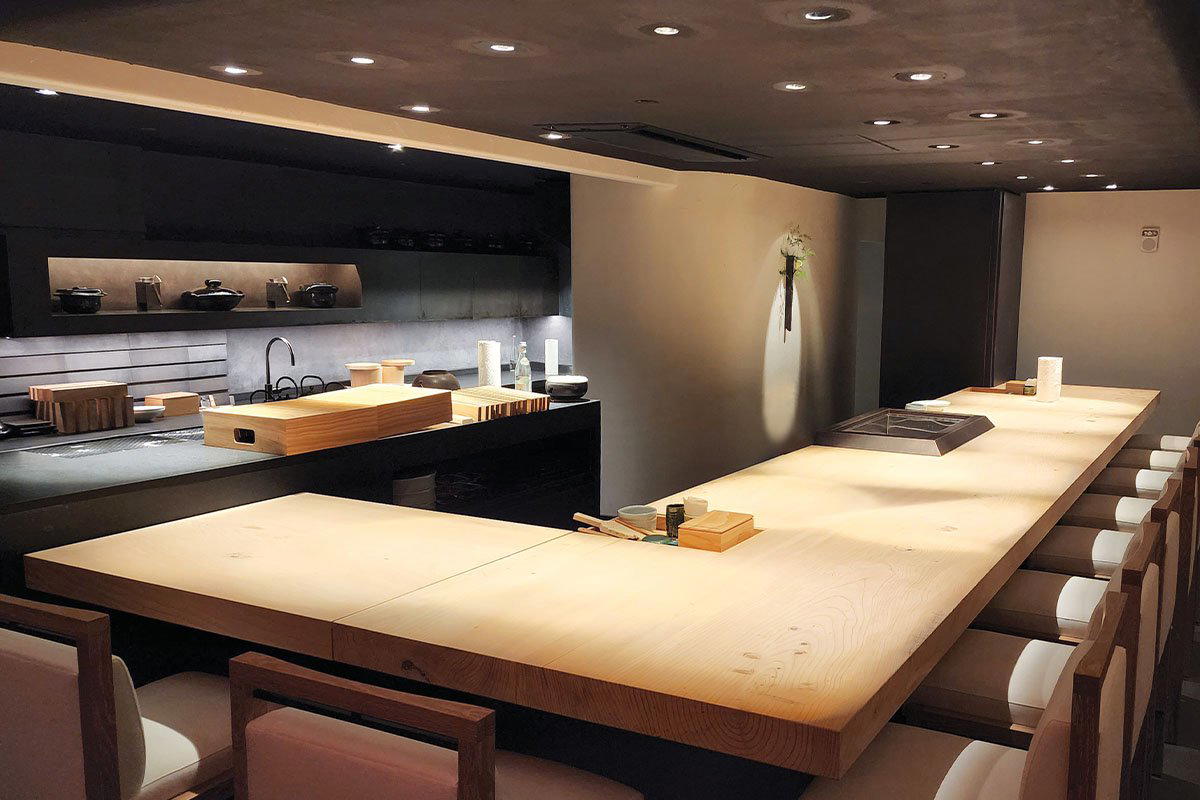




Details
- Intimate
- Cozy
- Modern
- Sophisticated
- Date Night
- Special Occasion
- Open Kitchen
- Craft Cocktails
- A La Carte
- Gluten Free Options
Current opening hours
- Monday
- 5–9 PM
- Tuesday
- 5–9 PM
- Wednesday
- 5–9:15 PM
- Thursday
- 5–9:30 PM
- Friday
- 5–10 PM
- Saturday
- 5–10 PM
- Sunday
- 5–9 PM
Hours can change for holidays and private events. Hours as of .
Cozy and intimate with a relaxed NYC vibe, open kitchen, and attentive casual service.