Fox And The Hen
Fox And The Hen occupies a corner of Denver's LoHi neighborhood at 2257 W 32nd Ave, sitting within one of the city's most food-forward residential corridors. The venue draws from a local dining culture that prizes neighborhood intimacy over destination spectacle, placing it in a tier of Denver restaurants defined more by daily rhythms than by tasting-menu ceremony.
Pearl is the En Primeur Club membership app — saves, bookings, and concierge access live there. Same editors, same standards.
- Address
- 2257 W 32nd Ave, Denver, CO 80211
- Phone
- +13038626795
- Website
- foxandthehen.com
- Directions
- Get directions
 Saves & bookings on Pearl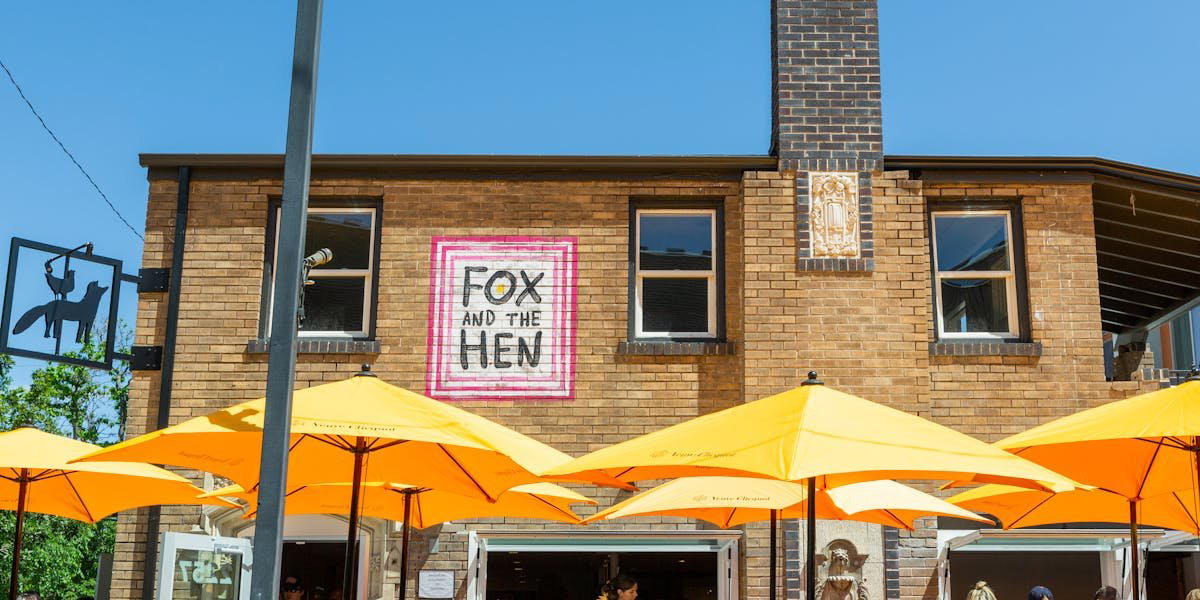
LoHi's Residential Dining Character and Where Fox And The Hen Fits
Denver's Lower Highland district has evolved over the past decade into one of the city's most consistent dining corridors, not because of a single flagship address, but because a cluster of owner-operated rooms accumulated along its residential streets. W 32nd Avenue, where Fox And The Hen sits at number 2257, is part of that pattern: a stretch where the buildings are low, the foot traffic is neighborhood-native, and the dining expectations run closer to weekly ritual than to special-occasion theatre. That context matters when reading any room on this block. The competition is not the downtown hotel dining rooms or the RiNo tasting-menu counters; it is the other corner spots that have built regulars through consistency rather than spectacle.
That positioning within LoHi places Fox And The Hen in a distinct competitive tier from Denver venues like Brutø or Beckon, both of which operate at the higher-formality, higher-price end of the contemporary Denver scene. It sits closer in spirit to the neighborhood accessibility of Alma Fonda Fina or Annette, places where the design and format signal that the room is intended to be returned to rather than checked off.
The Physical Space as Editorial Statement
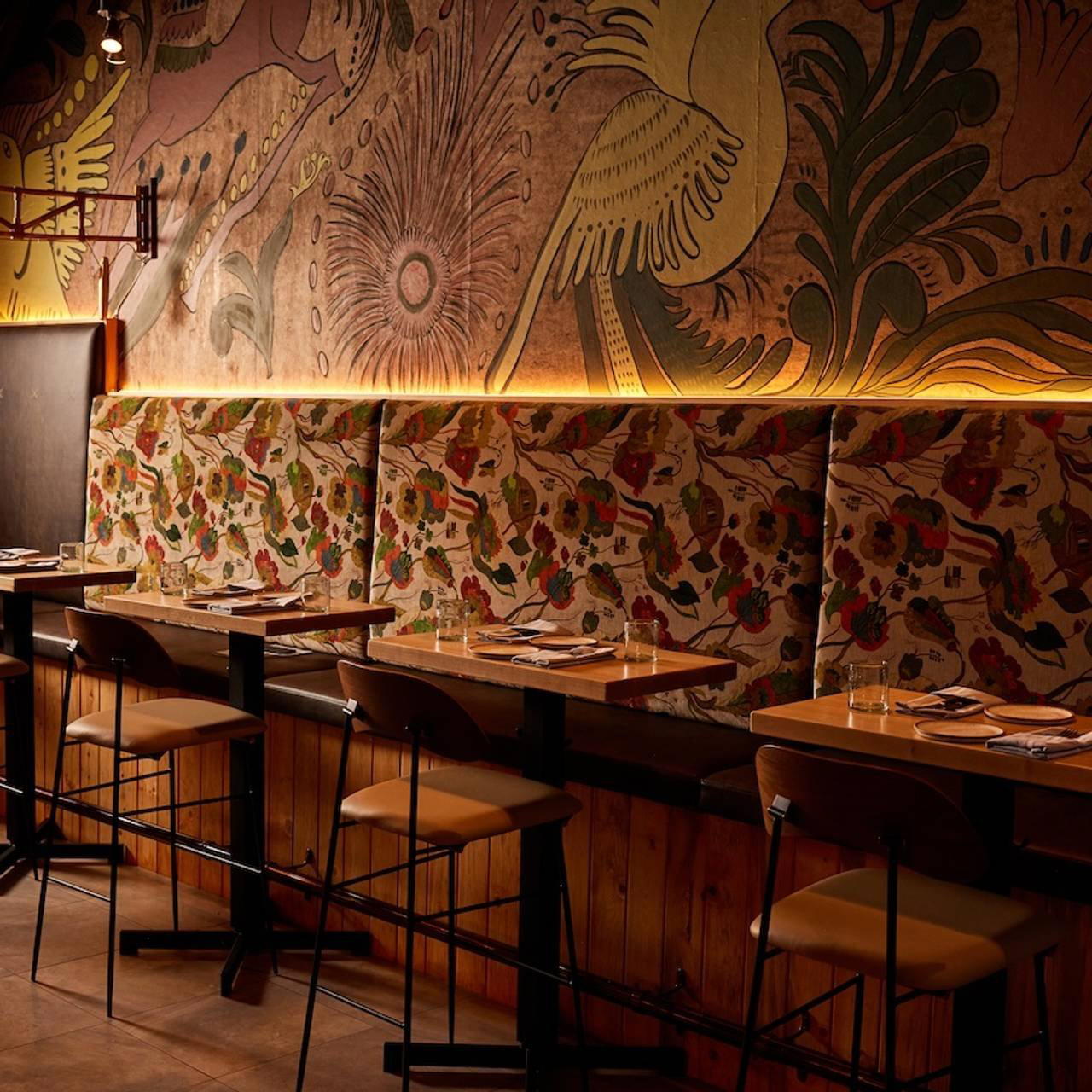
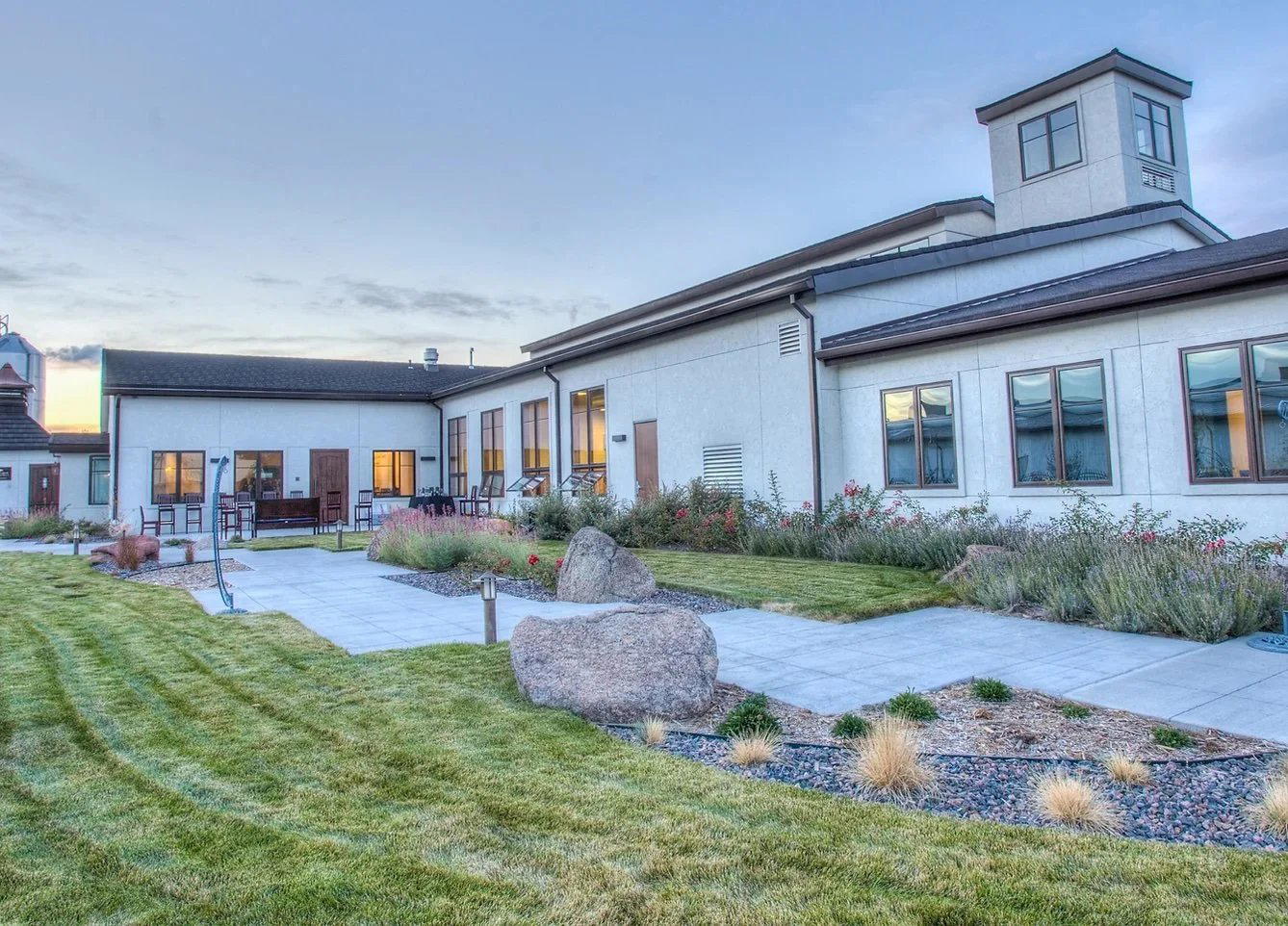
In Denver's current dining environment, the design language of a room communicates price tier, ambition, and intended frequency of visit before a menu is opened. The corridor along W 32nd Ave tends toward interiors that retain some residential warmth rather than the stripped-industrial aesthetic that dominated RiNo's earlier wave. A room in this location typically works with natural light from street-facing windows, materials that age with use rather than against it, and a scale that keeps table counts low enough for the space to feel occupied rather than packed.
The restaurant's address on that stretch puts it in a category where the physical container is part of the offering, not just the frame around it. Denver diners who have watched the city's restaurant design evolve from the dark-booth steakhouse era through the exposed-ductwork phase and into the current moment of warmer, more considered interiors will recognize what a LoHi corner address implies: the room is meant to feel like it belongs to the block, not like it landed there from a national rollout.
For comparison, the formality gradient that runs from a counter-service room through to a tasting-menu destination like The Wolf's Tailor is legible in the physical space before any food arrives. The restaurant's position on W 32nd Ave signals that it occupies the middle of that gradient: serious enough in its environment to attract diners who are making a deliberate choice, casual enough in its proportions that the room functions across multiple occasions.
Denver's Neighborhood Dining Scene in National Context
Denver's food culture has matured into a genuine two-tier system. The upper tier, represented by rooms with James Beard nominations, Michelin recognition in comparable markets, and allocation-style booking pressure, benchmarks against national peers. Properties like Smyth in Chicago, Lazy Bear in San Francisco, or Blue Hill at Stone Barns in Tarrytown represent the national ceiling of that tier. The lower tier, which is not an insult, is where most of a city's actual dining life happens: the rooms that sustain a neighborhood's character across years, that serve the same guests on a Tuesday in February as they do on a Saturday in September.
LoHi's W 32nd corridor belongs to that second tier by geography and format, and there is nothing provisional about that. Particularly durable rooms in American dining, including venues that ultimately outlast their more decorated neighbors, operate on exactly this model. Restaurants like Emeril's in New Orleans built lasting influence through neighborhood embeddedness rather than through competitive positioning alone. The national names, from Le Bernardin in New York City to The French Laundry in Napa or Addison in San Diego, occupy a separate category entirely, one defined by formal structure, prix-fixe commitment, and destination travel logic. The restaurant does not compete on those terms, and understanding that distinction is what allows a reader to evaluate it accurately.
Seasonal and Temporal Considerations
Denver's dining rhythm is shaped by altitude and climate in ways that visitors from coastal cities sometimes underestimate. Summer on W 32nd Ave means extended evening light, patio viability, and a street-level energy that draws foot traffic past 9pm. Winter compresses the outdoor dining window sharply and shifts the premium toward rooms with interior warmth, both physical and atmospheric. A LoHi corner room that has designed for year-round use typically handles this through materials and light: stone or wood that retains heat visually, window treatments that maintain brightness without cold drafts, and a table density that keeps the room feeling occupied rather than exposed on a slow Tuesday in January.
The seasonal split also affects booking pressure. Denver's summer and ski-adjacent winter both generate visitor traffic that competes with the local regular base. Rooms on W 32nd Ave that have built strong neighborhood loyalty tend to navigate this better than rooms that rely on destination traffic, because the regular cadence of weekday covers provides a floor that visitor-dependent rooms lack in shoulder months. Venues like Providence in Los Angeles, Atomix in New York City, or The Inn at Little Washington operate in markets where the tourist and local bases are more consistently balanced; Denver's seasonality makes the neighborhood-loyal model more defensible over time.
Know Before You Go
- Address: 2257 W 32nd Ave, Denver, CO 80211
- Neighborhood: Lower Highland (LoHi), Denver
- Booking: Walk-in friendly
- Parking: Street parking on W 32nd Ave and surrounding residential blocks
- Leading timing: Open daily 7 AM to 3 PM
- Peer context: Sits in the neighborhood-casual tier alongside Alma Fonda Fina and Annette, rather than the formal tasting-menu tier of Brutø or Beckon
Peers You’d Cross-Shop
Comparable venues nearby, for context on price, style, and recognition.
| Venue | Cuisine | Price | Notes |
|---|---|---|---|
| Fox And The HenThis venue — the venue you are viewing | American Breakfast and Brunch | $$ | Not listed |
| Broken Bow | Western bar with food | $$ | Five Points |
| Denver Beer Co. South Downing | Craft Brewery Gastropub | $$ | Rosedale |
| Watercourse Foods | Vegan American Comfort Food | $$ | North Capitol Hill |
| Hamburger Mary's Denver | American Burgers with Drag Entertainment | $$ | City Park West |
| Root Down | Globally-Inspired Farm-to-Table American | $$ | Highland |
Continue exploring
More in Denver
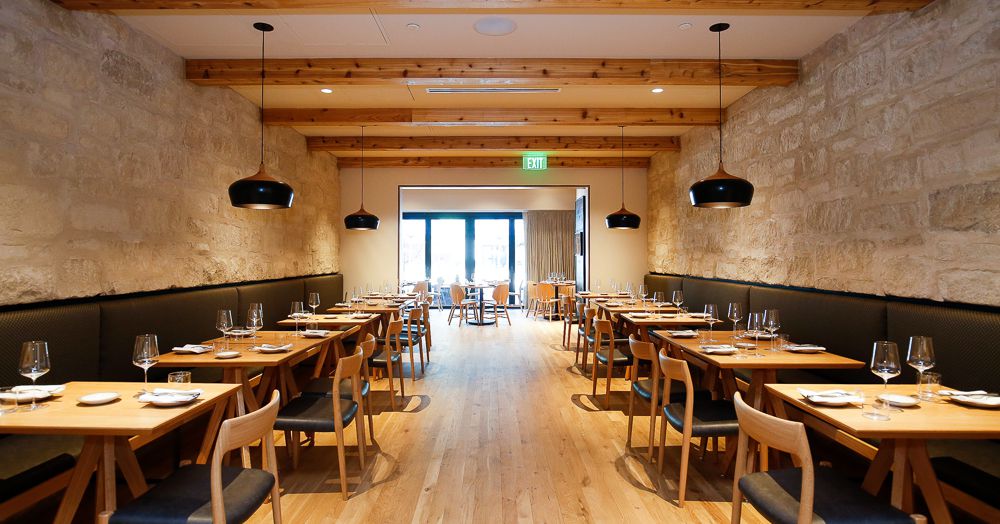
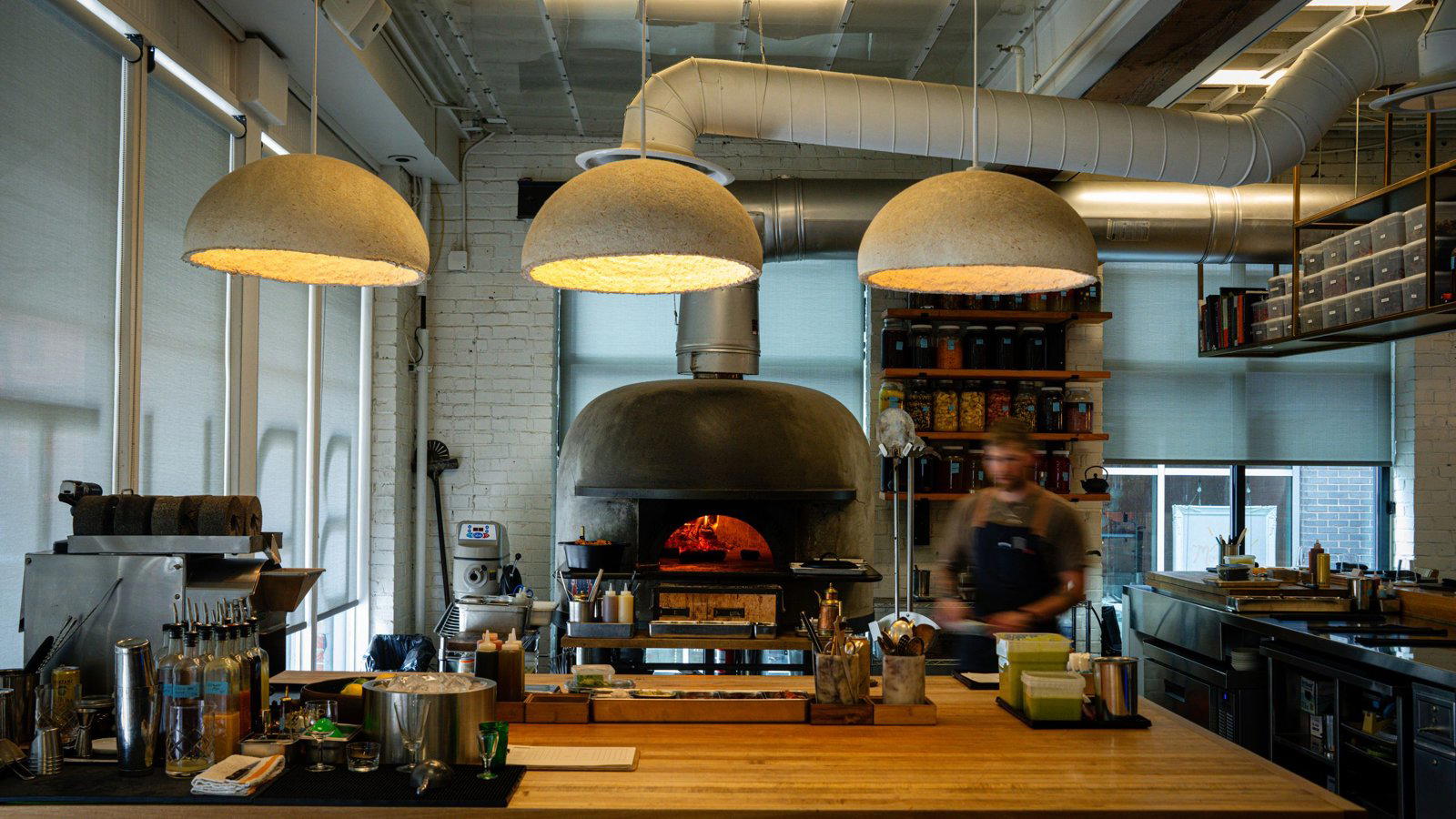
Restaurants in Denver
Browse all →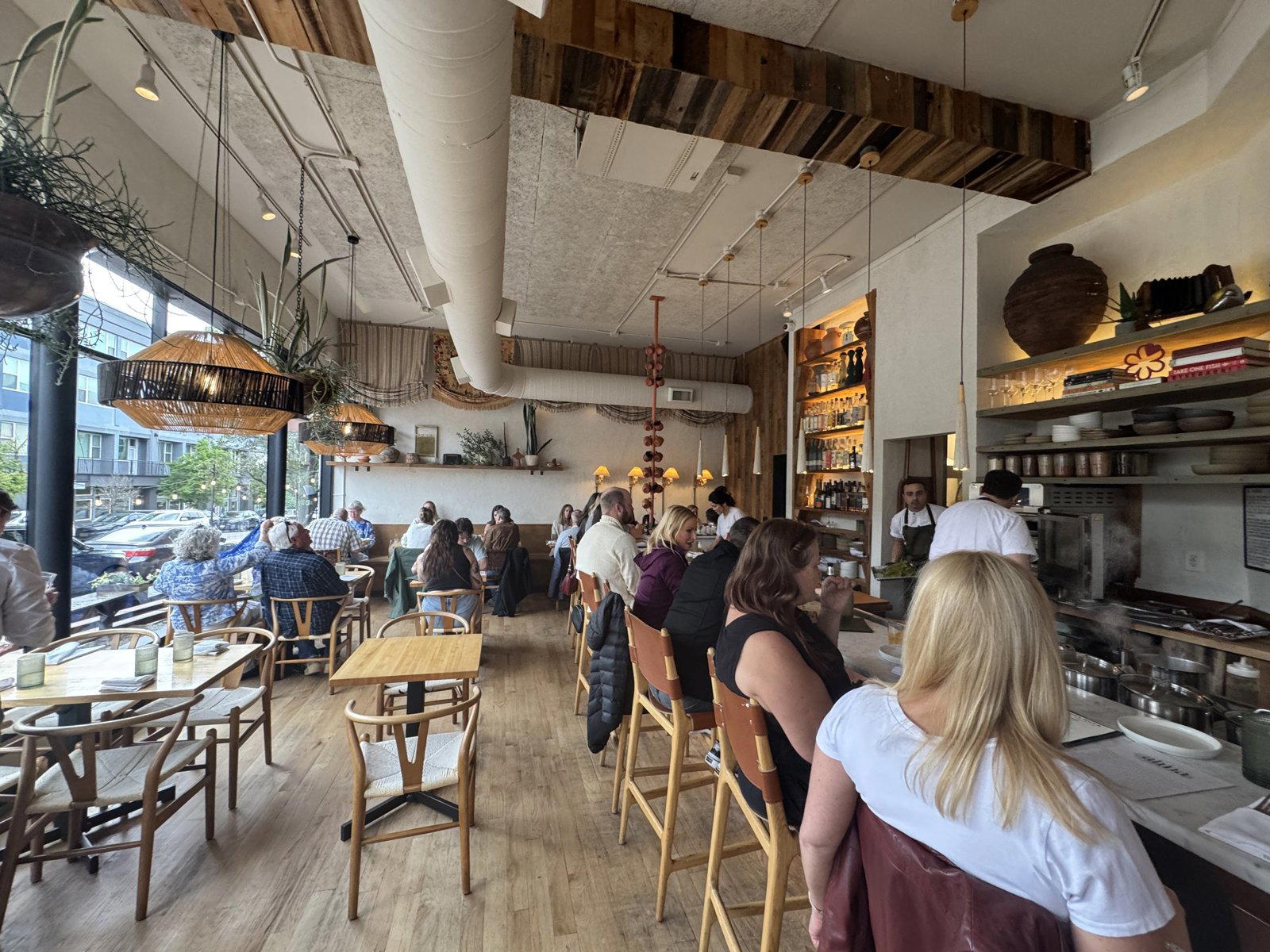
Bars in Denver
Browse all →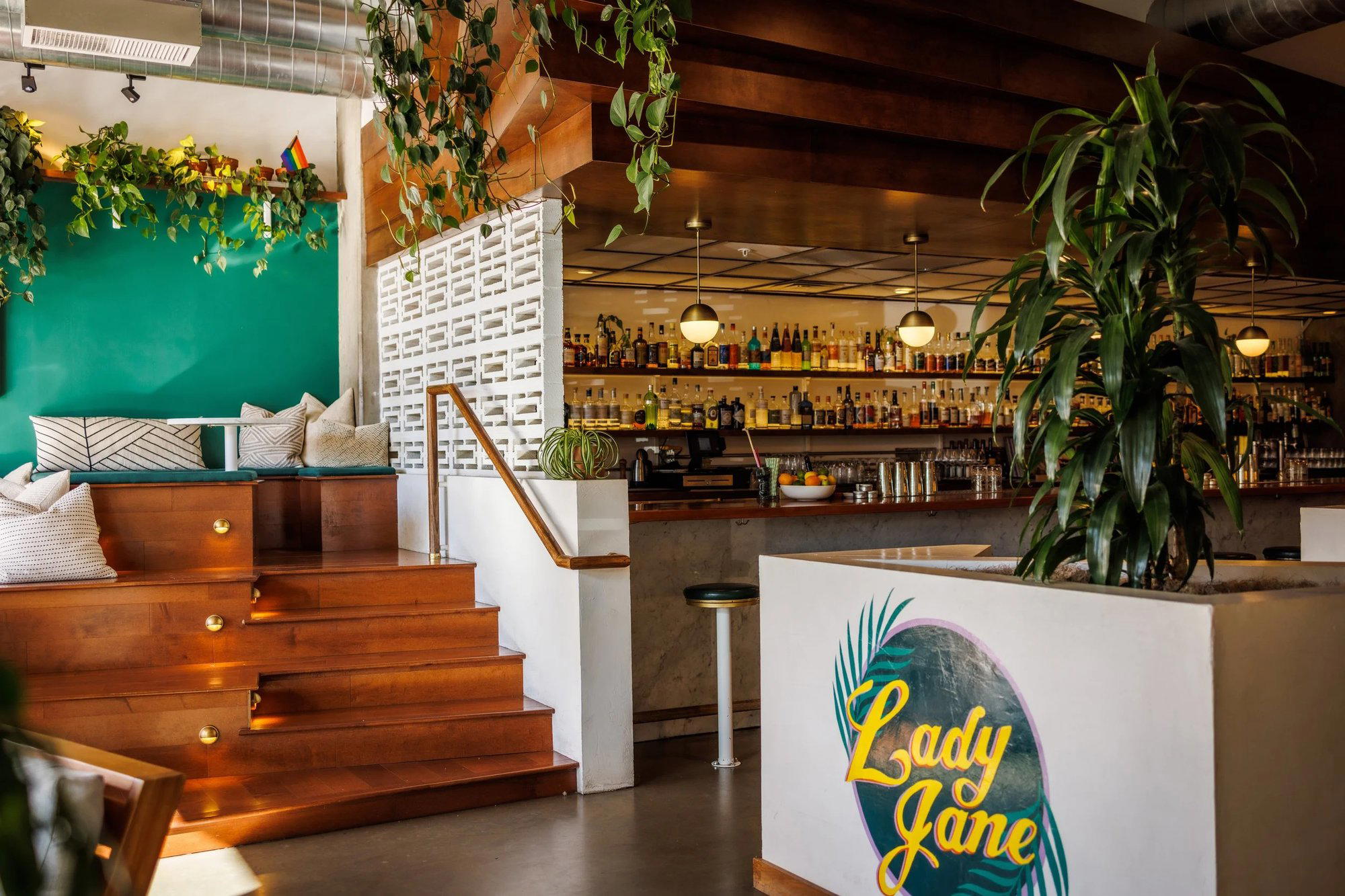
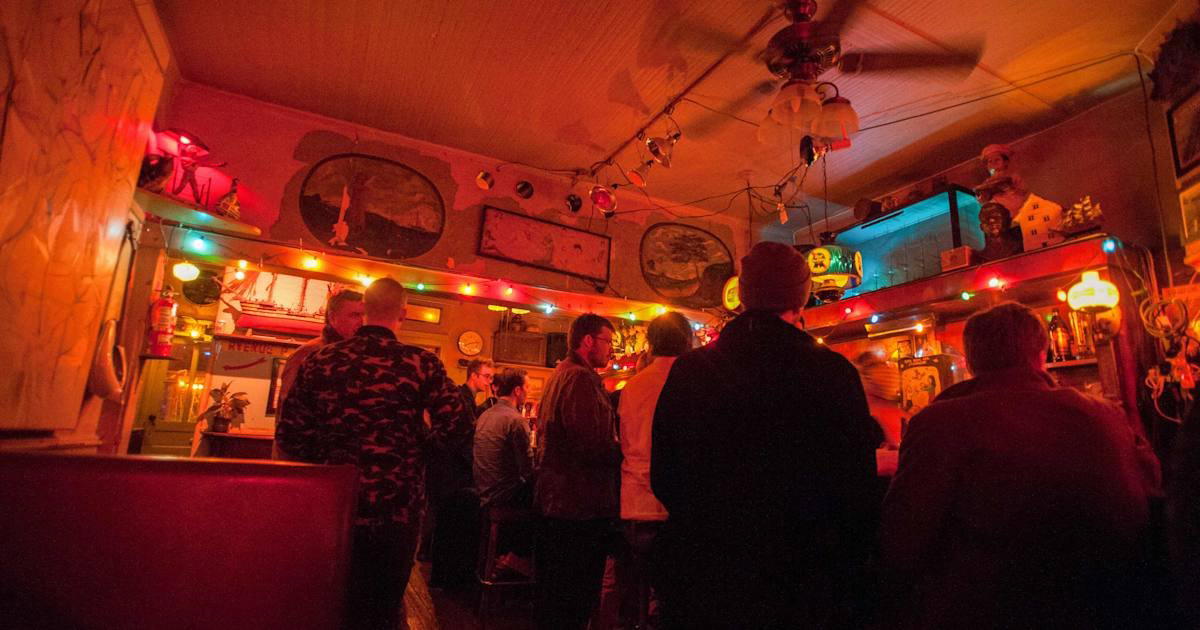
Hotels in Denver
Browse all →

At a Glance
- Cozy
- Trendy
- Lively
- Brunch
- Casual Hangout
- Open Kitchen
- Craft Cocktails
- Local Sourcing
Current opening hours
- Monday
- 7 AM–3 PM
- Tuesday
- 7 AM–3 PM
- Wednesday
- 7 AM–3 PM
- Thursday
- 7 AM–3 PM
- Friday
- 7 AM–3 PM
- Saturday
- 7 AM–3 PM
- Sunday
- 7 AM–3 PM
Hours can change for holidays and private events. Last verified .
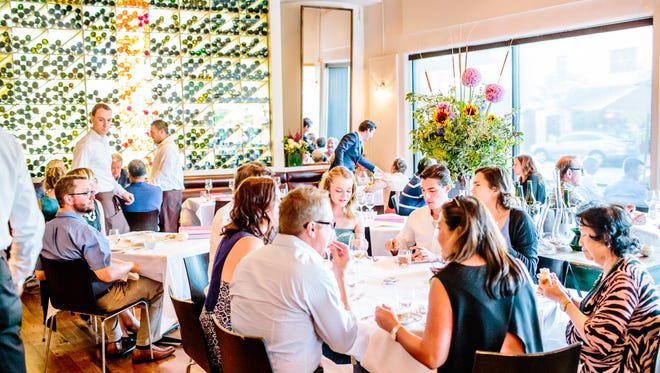
Bright and lively morning atmosphere focused on fun brunch vibes with creative boozy drinks.