Formans
Formans has operated from Fish Island in east London's Hackney Wick corridor, where the smoked salmon trade and the capital's creative industries occupy the same postcode. The address alone signals something about east London's industrial-to-cultural evolution. For those tracking London's food provenance story beyond the fine-dining circuit, it belongs on the itinerary alongside the city's more decorated establishments.
Pearl is the En Primeur Club membership app — saves, bookings, and concierge access live there. Same editors, same standards.
- Address
- Stour Rd, Fish Island, London E3 2NT, UK
- Phone
- 0208 5252 390
- Website
- http
- Directions
- Get directions
 Saves & bookings on Pearl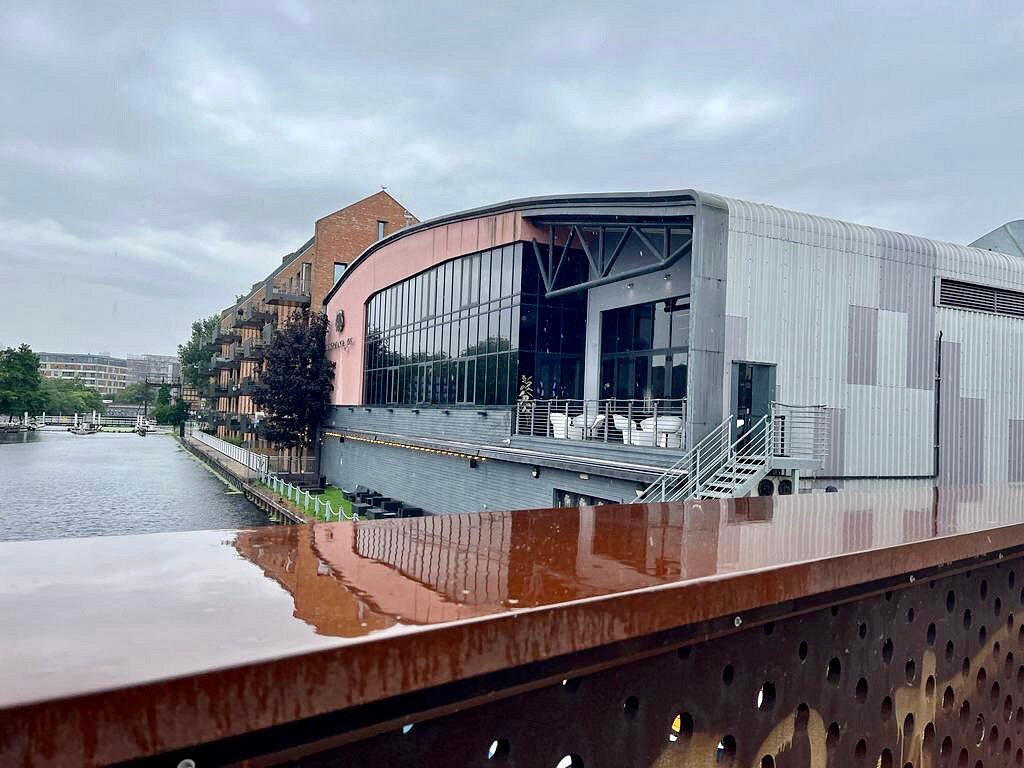
Fish Island and the Long Game of Smoked Salmon
London's food provenance conversation tends to cluster around tasting menus and farmers' market sourcing, but the city's smoked salmon trade has a quieter, longer history rooted in the East End. The Forman name has been attached to smoked salmon production in this part of London since 1905. That timeline places it well before Stratford became an Olympic host, before Hackney Wick turned into a studio district, and long before Fish Island acquired the kind of postcode cachet that draws hospitality openings. What has kept a production-led food business relevant across more than a century is not reinvention for its own sake but consistency of method in a trade where shortcuts are commercially tempting and quality erosion is hard to reverse once started.
The surrounding area now reads as a study in east London's post-industrial transition. Warehouses that once held manufacturing operations now house artists, architects, and food businesses, and the canal network that runs through Fish Island gives the neighbourhood a character distinct from the more densely developed corridors of Shoreditch or Bethnal Green. In that context, a smokery that pre-dates the area's reinvention carries a different authority than the newer arrivals. It is not a heritage act performed for tourists; it is a working operation that the neighbourhood built around, rather than the other way around.
What Keeps the Regulars Returning
The editorial angle on Formans is less about a single visit and more about what builds over repeated engagement. Regulars to this part of east London, and specifically those who have bought directly from the smokery or dined in the associated restaurant space, tend to describe a consistency that becomes the point in itself. In smoked salmon specifically, that consistency is harder to achieve than it appears. The fish is cold-smoked using traditional London cure methods, a process that requires longer contact time and lower smoke temperatures than the hot-smoking shortcuts common in mass production. The result is a product with a different texture profile, less cooked through, more translucent, and with a curing salinity that does not overwhelm the underlying fish flavour.
For those who have formed the habit of returning, the draw is partly that product knowledge and partly the setting. The Fish Island site sits alongside the River Lea, and the restaurant space that has operated from it has views over the waterway. Regulars also point to the proximity of the production operation itself, which gives the food a traceability that restaurant sourcing claims usually abstract into vague language. Here, the distance between smokehouse and plate is literal rather than rhetorical.
Within London's broader smoked fish category, Formans occupies a different tier from the deli counter versions found in supermarkets and a different register from the high-end smoked salmon that appears as a canapé component at events serving the city's Michelin-level dining circuit. Formans has supplied into that tier of the market.
The East London Context
Fish Island sits on the boundary between Tower Hamlets and Hackney, a few minutes from Hackney Wick Overground station and within walking distance of the Queen Elizabeth Olympic Park. The geography matters for understanding how the venue fits into east London's current moment. The area draws a working population of creative industry professionals alongside the residual manufacturing and food production operations that predate the area's transformation. That mix gives the neighbourhood a texture different from the more heavily curated food destinations in west or central London.
Formans operates in a register where production heritage and location specificity do more work than tasting menu architecture. That said, visitors already planning time at the Olympic Park or around Hackney Wick's cultural venues find that adding Formans to the itinerary requires no significant detour and offers a food experience grounded in production logic rather than hospitality theatre.
For those exploring Britain's wider smoked and cured fish traditions, Formans represents the London end of a practice that runs through the country's food geography. The smoking traditions at operations like L'Enclume in Cartmel or the sourcing networks that underpin Moor Hall in Aughton reflect regional inflections of the same broader interest in provenance-led food production that Formans has practised since the Edwardian era. The comparison is not about culinary equivalence but about a shared orientation toward traceable, method-specific food.
Planning a Visit
Hackney Wick Overground station is one practical entry point for those arriving by public transport, placing visitors within a short walk of the Fish Island site. Those driving from central London should allow for east London traffic patterns, which vary significantly by time of day. The area's warehouse layout means the approach is less intuitive than a high street address, and first-time visitors benefit from confirming the specific entrance before arrival.
For those building a wider east London food and drink itinerary, EP Club's full London restaurants guide, London bars guide, and London experiences guide cover the broader range of options across the city. Those extending to other UK regions will find the fish-forward and provenance-led dining traditions continued at Gidleigh Park in Chagford and Hide and Fox in Saltwood, both of which draw on regional sourcing in ways that parallel what Formans does from its east London base. Internationally, the same production-led seriousness about smoked and cured fish appears at Le Bernardin in New York City, where the treatment of fish as a primary subject rather than a supporting ingredient creates a comparable orientation.
Know Before You Go
- Address: Stour Rd, Fish Island, London E3 2NT
- Nearest transport: Hackney Wick Overground station (short walk)
- Area context: Fish Island, between Hackney Wick and the Queen Elizabeth Olympic Park
- Phone: Recommended to check directly for current contact details
- Booking: Reservation recommended
- Note: Formans functions as both a working smokery and a hospitality venue; the two elements operate on different rhythms
Budget Reality Check
Comparable venues nearby, for context on price, style, and recognition.
| Venue | Cuisine | Price | Notes |
|---|---|---|---|
| FormansThis venue — the venue you are viewing | Not listed | $$$ | Not listed |
| Eastway | Broadgate, British Brasserie | $$$ | Not listed |
| Thomas Cubitt | Belgravia, Modern British Gastropub | $$$ | Not listed |
| Papi | Not listed | $$$ | Hackney Central, Modern British Small Plates |
| Caravel | Islington, Seasonal British Bistro | $$$ | Not listed |
| The Botanist | Sloane Square, Modern British Gastropub | $$$ | Not listed |
Continue exploring
More in London
Restaurants in London
Browse all →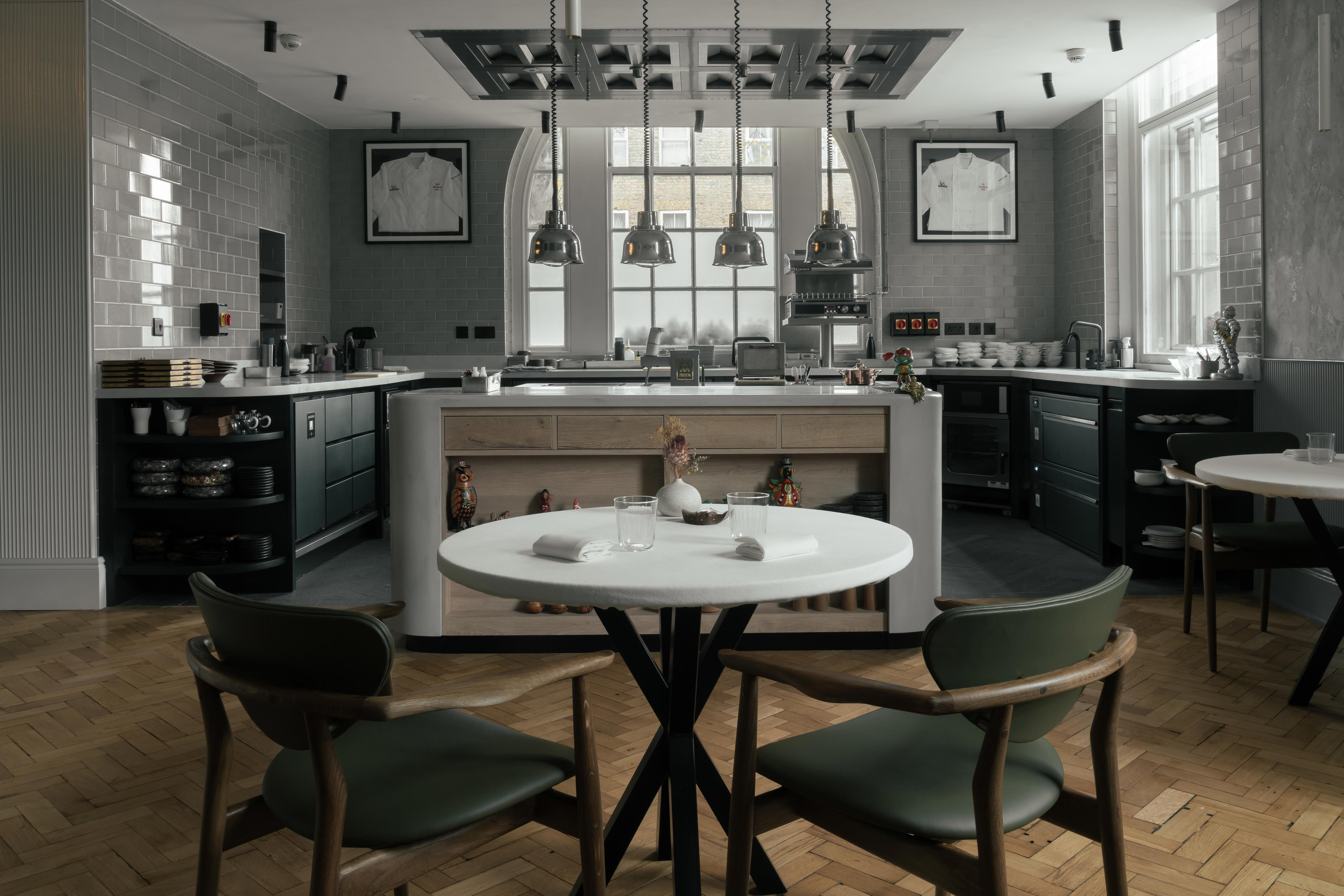
Bars in London
Browse all →
Hotels in London
Browse all →

At a Glance
- Modern
- Scenic
- Elegant
- Special Occasion
- Group Dining
- Waterfront
- Terrace
- Open Kitchen
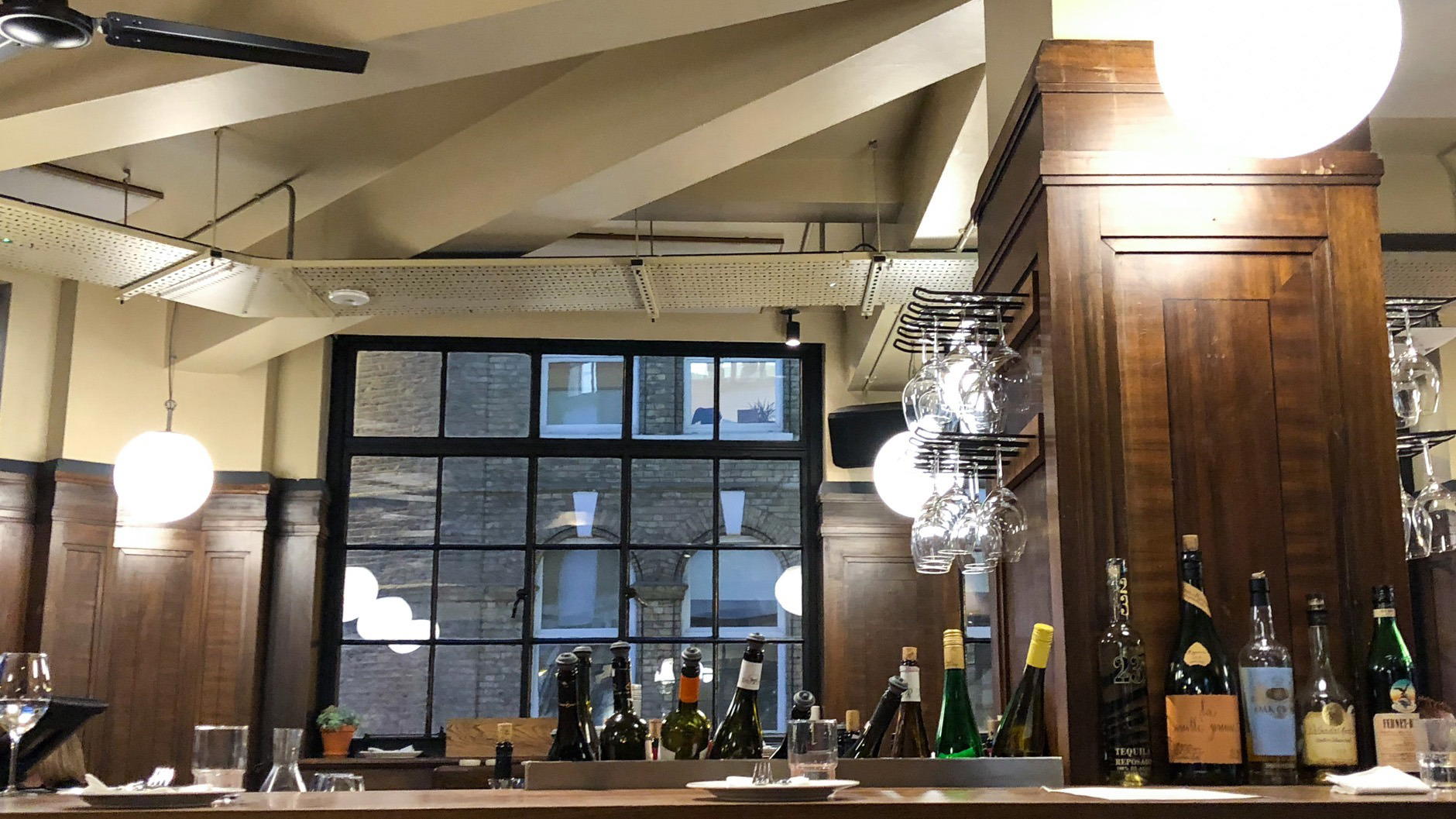
- Extensive Wine List
- Waterfront
- Street Scene
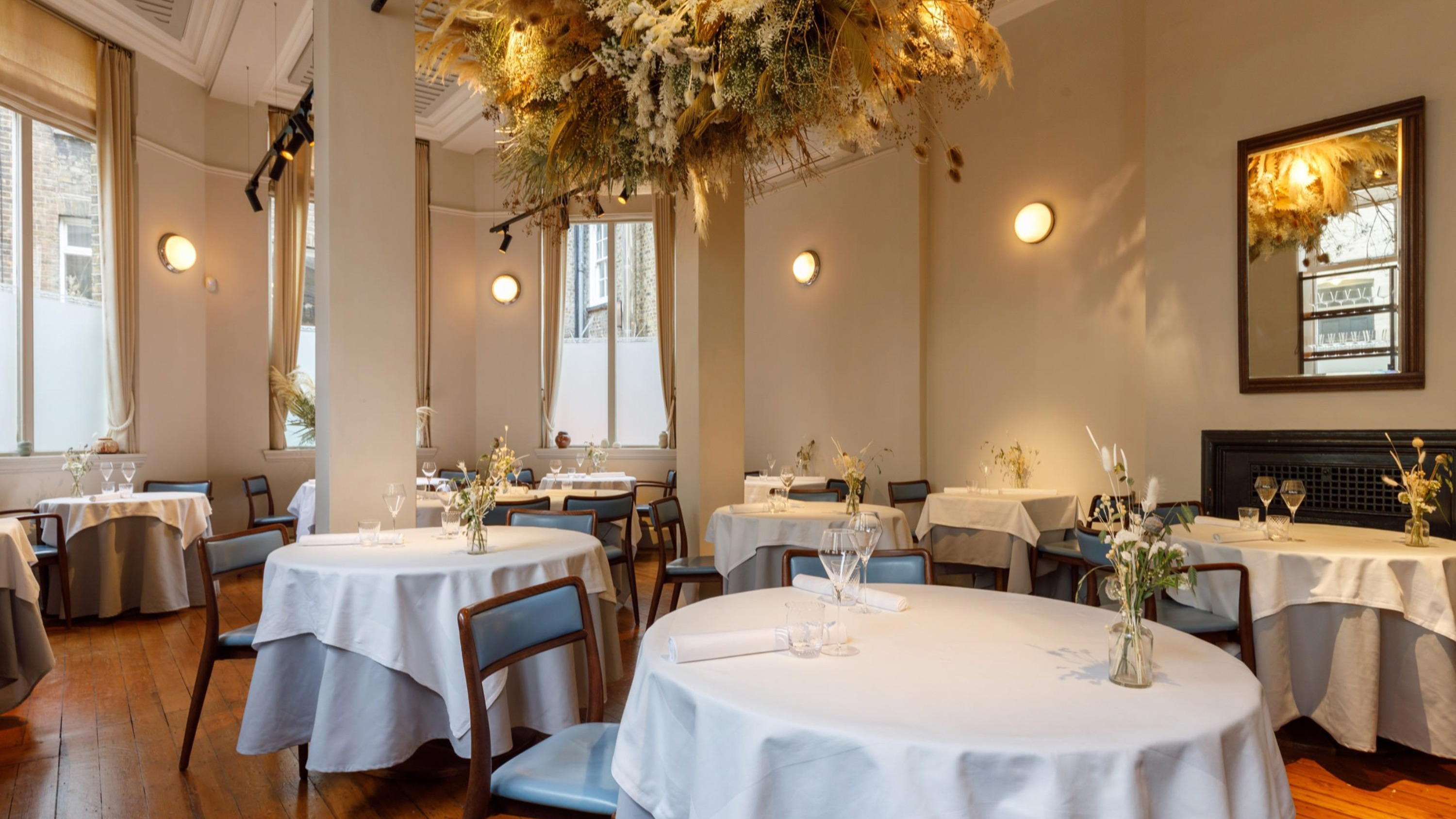
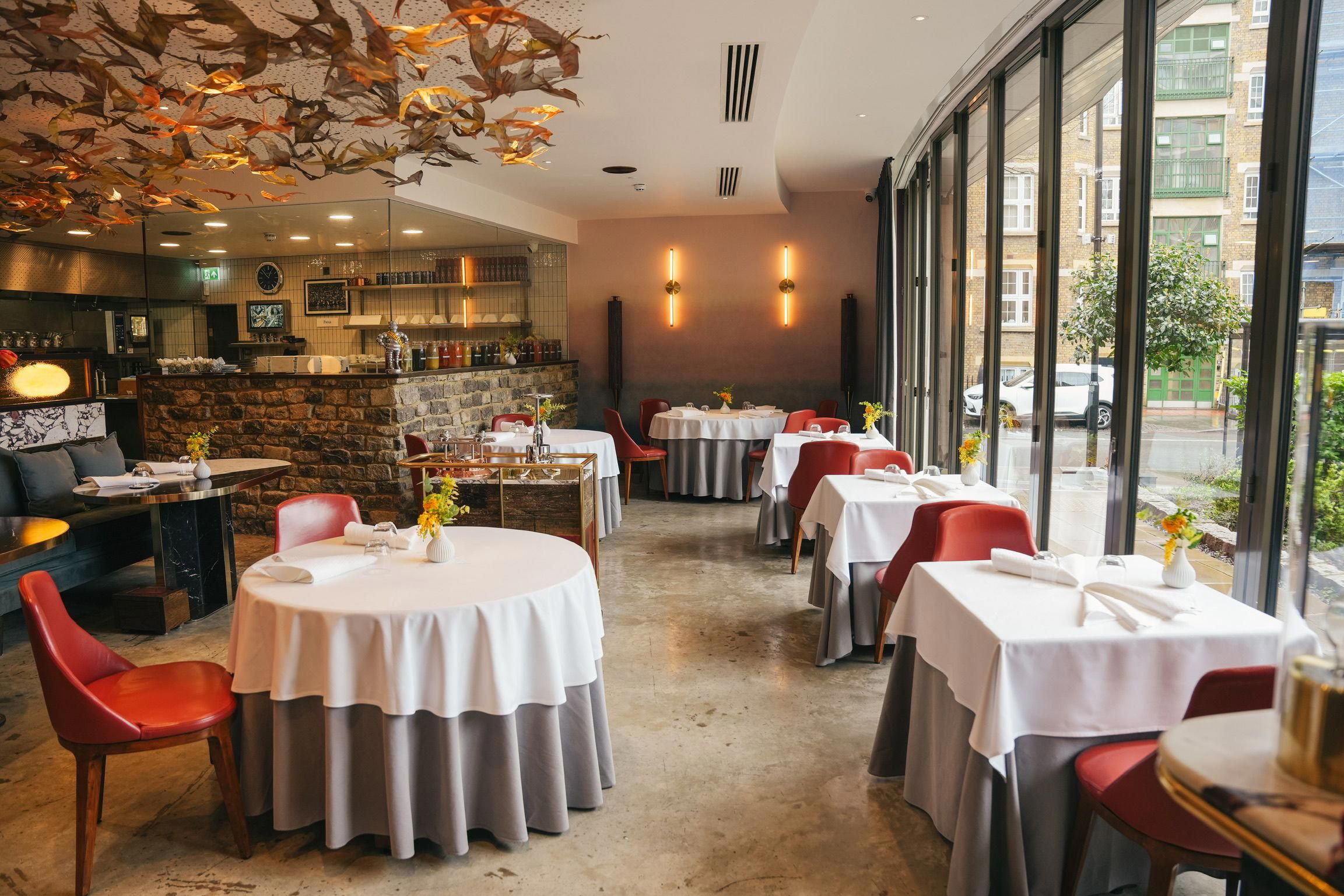
Smart, modern, airy dining room with picture windows offering lovely views; spacious, quiet atmosphere ideal for conversation.