Eastway
Eastway occupies a prime position at 40 Liverpool Street, sitting at the intersection of the City's financial energy and a more considered approach to all-day dining. The restaurant draws on a collaborative front-of-house and kitchen model that places equal weight on service craft and plate craft, positioning it within London's broader shift toward integrated dining experiences rather than chef-driven spectacle.
Pearl is the En Primeur Club membership app — saves, bookings, and concierge access live there. Same editors, same standards.
- Address
- 40 Liverpool St, London EC2M 7QN, United Kingdom
- Phone
- +447969875752
- Website
- hyattrestaurants.com
- Directions
- Get directions
 Saves & bookings on Pearl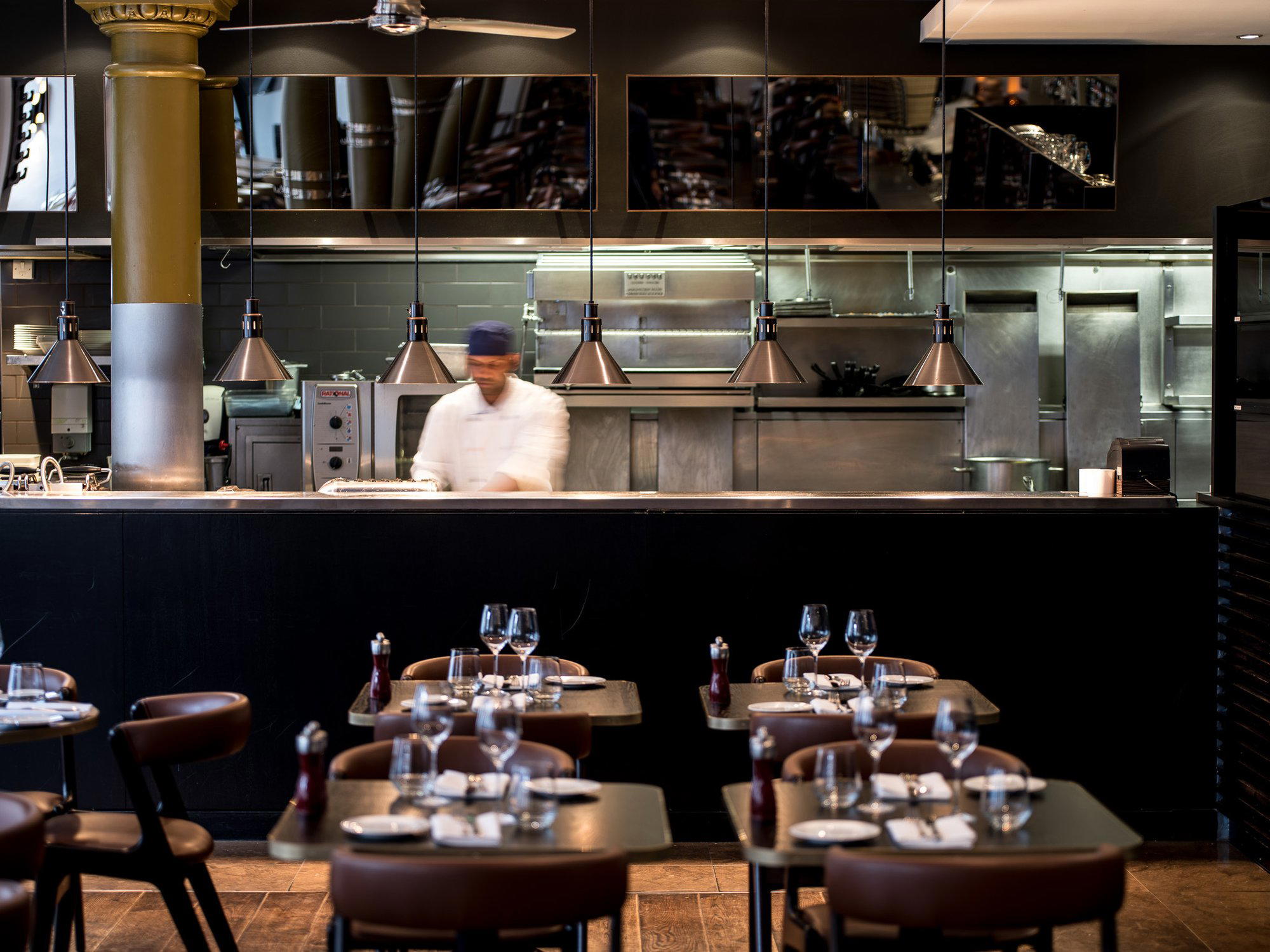
Where the City Meets the Counter
Liverpool Street's dining scene has undergone a quiet but consequential transformation over the past decade. What was once a corridor of expense-account staples and hurried pre-commute meals has developed a more considered register, with venues increasingly competing on the quality of their hospitality systems rather than on sheer volume or brand recognition. Eastway, a British brasserie at 40 Liverpool Street, sits inside that shift. The address places it within direct reach of one of London's densest concentrations of professional foot traffic, yet the approach it signals is one of deliberate attention rather than throughput.
The area around Liverpool Street and Broadgate has become something of a test case for whether City dining can genuinely hold its own against the more celebrated restaurant clusters in Mayfair, Fitzrovia, and Notting Hill. London's decorated tier, CORE by Clare Smyth, The Ledbury, Sketch, The Lecture Room and Library, clusters west and south of the City. The EC2 postcode has historically played catch-up, which makes the seriousness of intent at venues like Eastway more notable, not less.
The Collaboration at the Heart of the Room
The editorial angle that most cleanly describes what distinguishes contemporary dining at this level is not what arrives on the plate in isolation, but how the kitchen, the sommelier, and the front-of-house function as a single coordinated system. At many London restaurants in the upper-middle tier, these three functions operate with visible seams: a chef's vision dominates, service follows a script, and wine pairings feel appended rather than integrated. The more sophisticated model treats the room as a shared authorial space, where what the sommelier selects and how a server reads the table are as consequential as the cooking itself.
This team-driven model has become more visible across London's serious dining rooms, partly as a response to the cult-of-chef culture that peaked in the early 2010s and partly because front-of-house talent has become a genuine differentiator. Guests who move between London's higher-tier restaurants, including those at the Restaurant Gordon Ramsay or Dinner by Heston Blumenthal level, tend to report that the quality of service sequencing and wine knowledge has become as decisive as the food itself in determining whether a meal succeeds. Eastway operates within that framework, with the room's design and hospitality model configured to support genuine interaction between its component parts rather than front-loading all attention on the pass.
London's Broader Context: What the City Tier Means
To understand what a venue at this address is working against and working with, it helps to map London's dining geography with some precision. The capital's Michelin-starred and near-starred tier is not evenly distributed. West London captures the majority of formal recognition, with restaurants like CORE by Clare Smyth and The Ledbury anchoring Notting Hill and its surrounds, while the wider UK decorated tier extends outward to venues including Waterside Inn in Bray, L'Enclume in Cartmel, and Moor Hall in Aughton.
The City's restaurants operate under different pressures: a lunchtime-heavy trade, corporate booking patterns, and guests whose primary purpose is often a meeting rather than a meal. Successfully serving both the weekday business table and the weekend dinner reservation requires a hospitality team that can modulate register without losing consistency. That dual-mode demand is one reason the team dynamic matters so much in EC2 venues. A front-of-house built for one mode tends to fail conspicuously at the other.
Internationally, the collaborative dining room model is well-documented in decorated restaurants. At Le Bernardin in New York City, for instance, the front-of-house function has long been treated as co-equal to the kitchen in determining the guest experience. The same logic operates at high-touch formats in the US, including Lazy Bear in San Francisco, where the room's flow is as choreographed as the menu. Eastway's City location positions it within this broader conversation about whether dining hospitality can function as an art form independent of, though in dialogue with, the cooking.
comparable set Across the UK
The wider picture of serious British dining provides useful coordinates. Beyond London, the UK's decorated restaurant tier includes venues operating in different physical and cultural environments: Gidleigh Park in Chagford in Devon's moorland setting, Midsummer House in Cambridge on the river Cam, Opheem in Birmingham representing a new generation of Indian fine dining in the second city, and Ynyshir Hall in Machynlleth in Wales, which has become one of the more discussed avant-garde dining destinations in Britain. The range of ambition and format across these properties illustrates that serious hospitality is no longer concentrated in a handful of London postcodes. What remains consistent across all of them is the degree to which the front-of-house and sommelier functions are treated as constitutive rather than supportive.
Other notable properties in this national conversation include Hand and Flowers in Marlow, which has sustained high recognition within a pub format, hide and fox in Saltwood in Kent, and Restaurant Andrew Fairlie in Auchterarder in Scotland, each operating as proof that format and setting are secondary to the quality of intention.
Planning Your Visit
Eastway is located at 40 Liverpool Street, London EC2M 7QN, with direct access via Liverpool Street station (Elizabeth line, Central, Circle, Hammersmith and City, and National Rail). The location is among the more transport-connected in central London, which matters for both lunchtime and evening visits. Reservations are recommended. Dress code is smart casual. Expect to spend about $45 per person.
Cuisine-First Comparison
Comparable venues nearby, for context on price, style, and recognition.
| Venue | Cuisine | Price | Notes |
|---|---|---|---|
| EastwayThis venue — the venue you are viewing | British Brasserie | $$$ | Not listed |
| Thomas Cubitt | Modern British Gastropub | $$$ | Belgravia |
| Boundary | Modern British Brasserie | $$$ | Bethnal Green |
| The Clink Restaurant Brixton | Modern British Fine Dining | $$$ | Clapham |
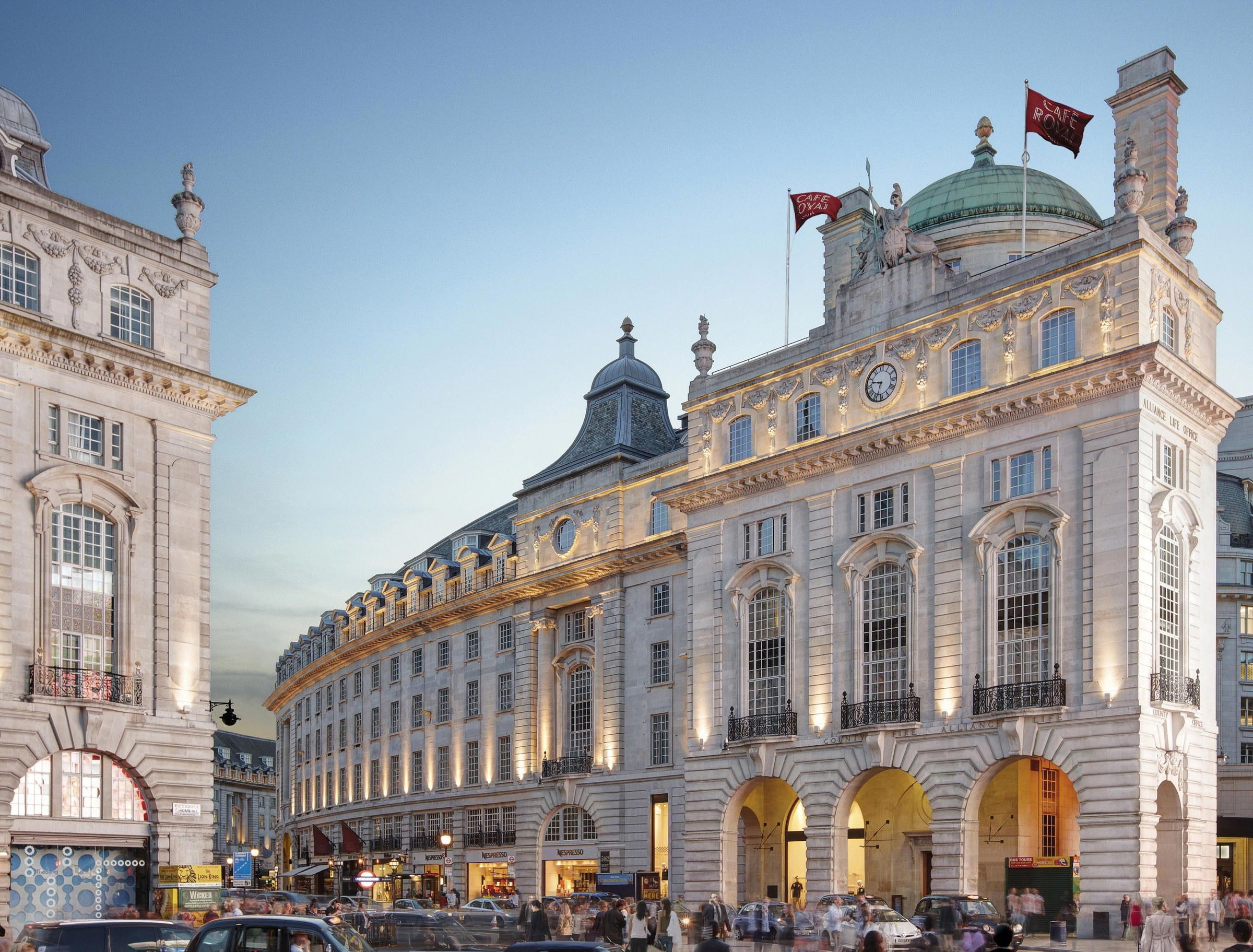
| Cafe Royal Ten Room Brasserie | Classic British Brasserie | $$$ | Piccadilly Circus |
| Caxtons | Modern British Grill | $$$ | Westminster |
Continue exploring
More in London
Restaurants in London
Browse all →
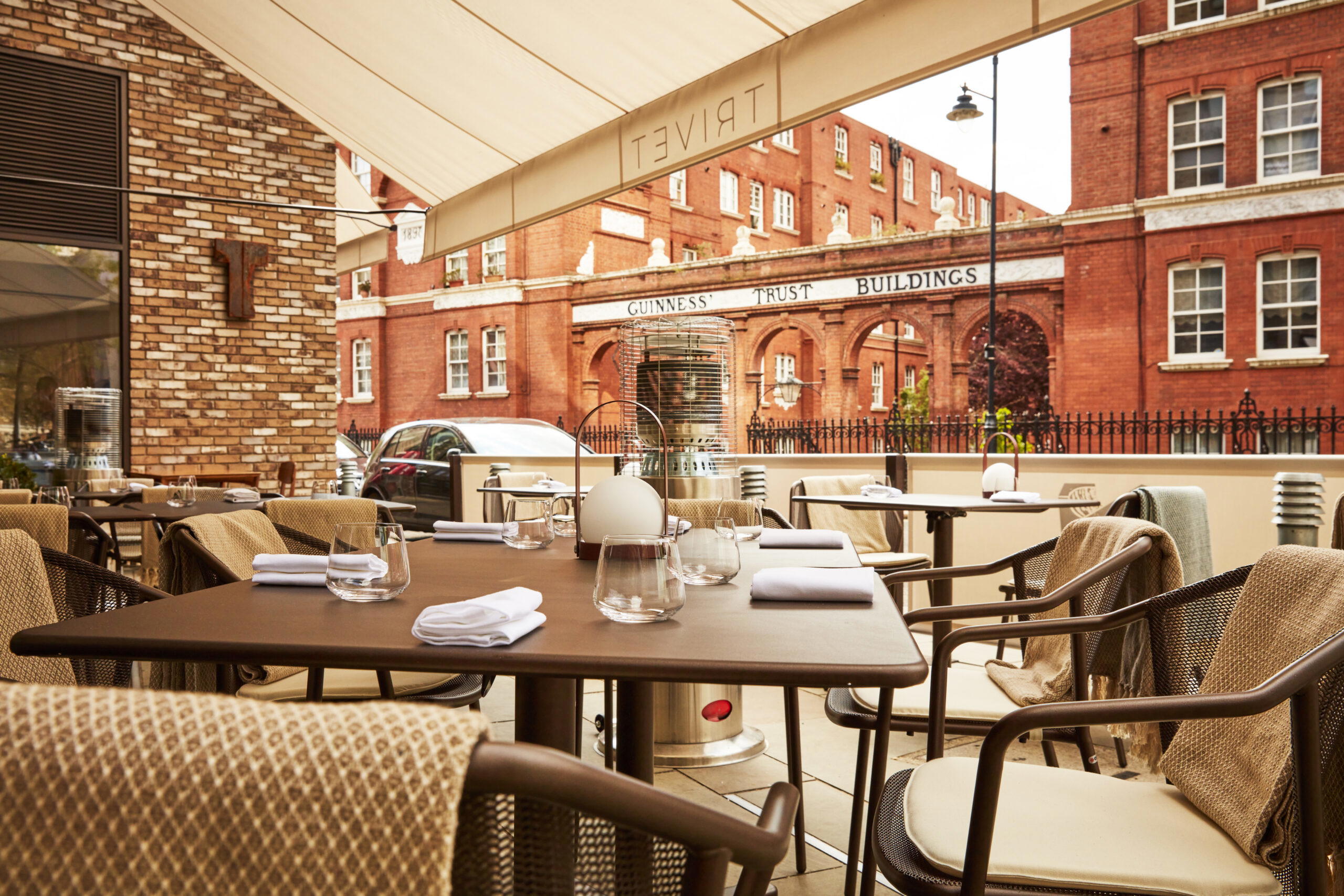
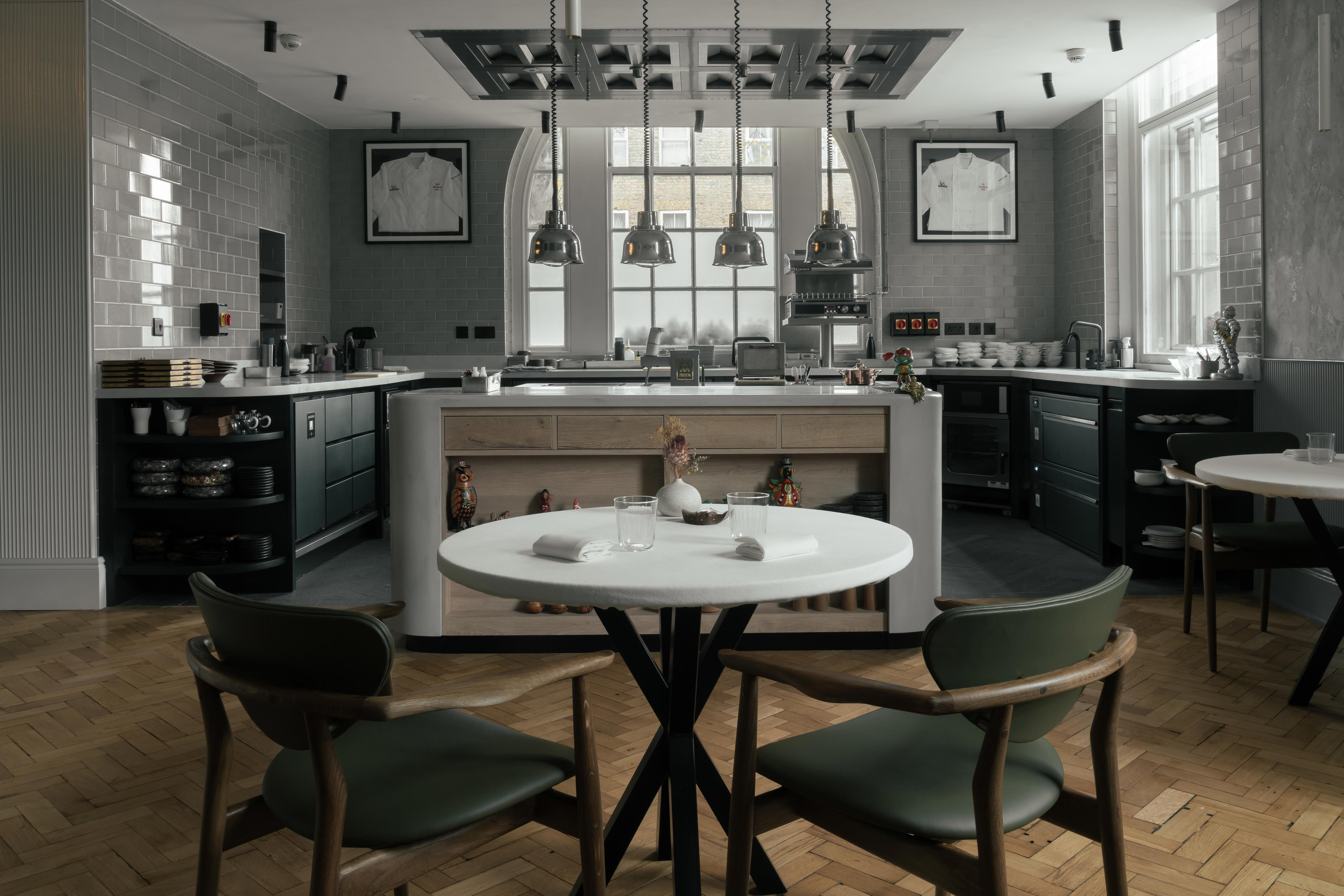
Bars in London
Browse all →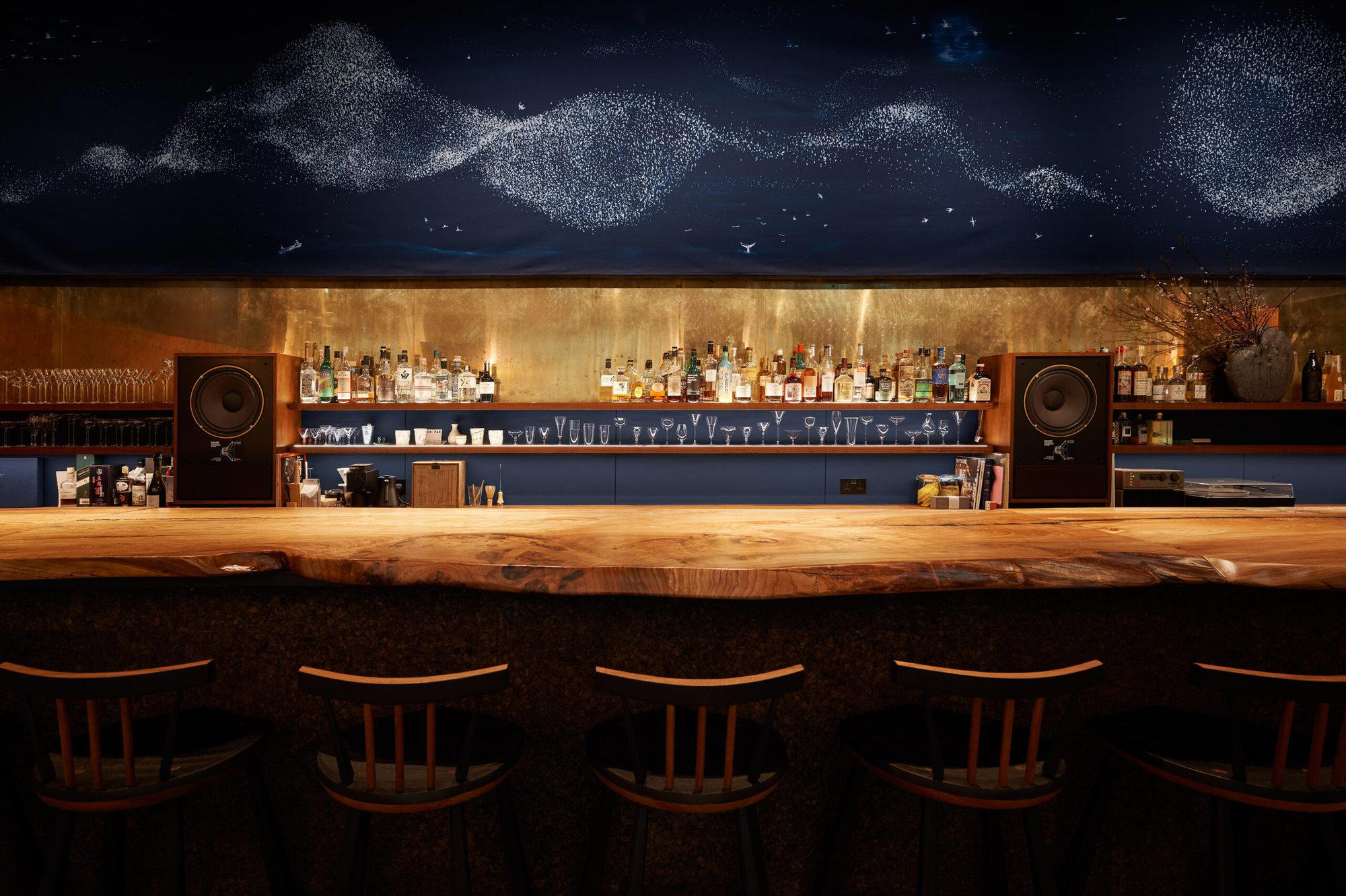
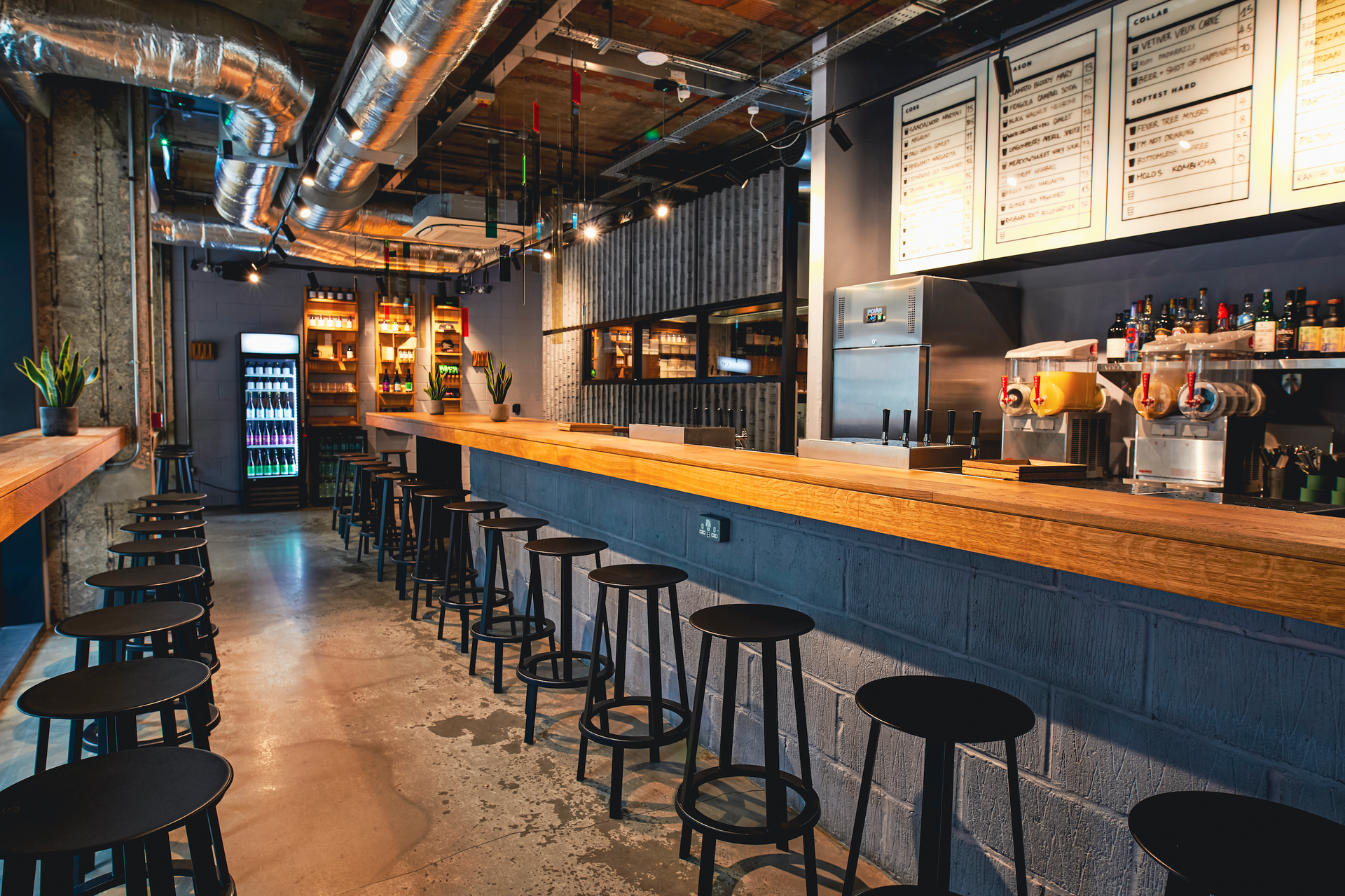
Hotels in London
Browse all →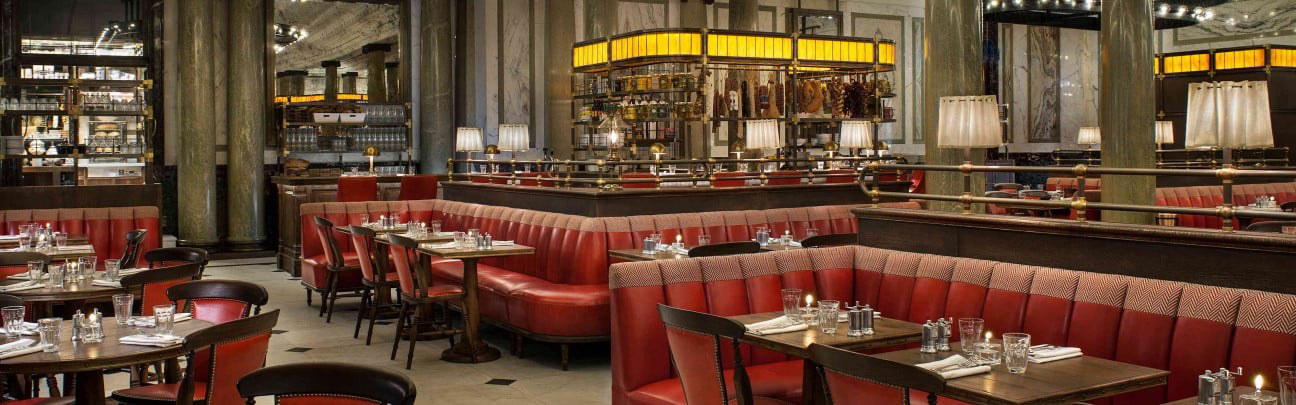

At a Glance
- Elegant
- Modern
- Industrial
- Sophisticated
- Business Dinner
- After Work
- Brunch
- Casual Hangout
- Group Dining
- Open Kitchen
- Hotel Restaurant
- Standalone
- Craft Cocktails
- Extensive Wine List
- Local Sourcing
- Street Scene
Current opening hours
- Monday
- 6:30 AM–4 PM
- Tuesday
- 6:30 AM–4 PM
- Wednesday
- 6:30 AM–4 PM
- Thursday
- 6:30 AM–4 PM
- Friday
- 6:30 AM–4 PM
- Saturday
- 7 AM–4 PM
- Sunday
- 7 AM–4 PM
Hours can change for holidays and private events. Last verified .
Industrial-chic with comfortable leather seating, focal open kitchen and bar with large windows, and industrial lighting evoking Mad Men vibes.