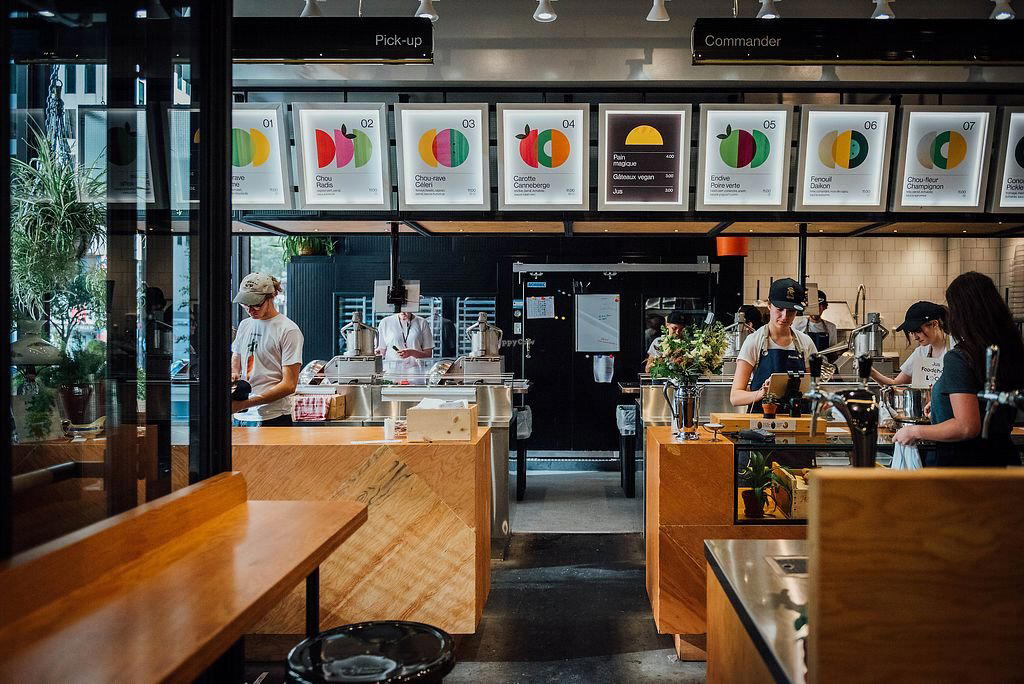
"Foodchain, Ville Marie by Havas Montréal. Foodchain embodies everything we wish food chains actually were: healthy, easy and accessible. While technically a salad bar, this restaurant offers more than just a bunch of different veggies mixed together, the menu is built on the science of complementary flavours and unconventional pairings. Oh, and not gonna lie, we’ve got a soft spot for the branding, too."
- Address
- 1212 McGill College Ave, Montreal, Quebec H3B 4J8, Canada
- Phone
- +1 514 532 0128
- Website
- eatfoodchain.com
- Directions
- Get directions
Where McGill College Meets the Question of Provenance
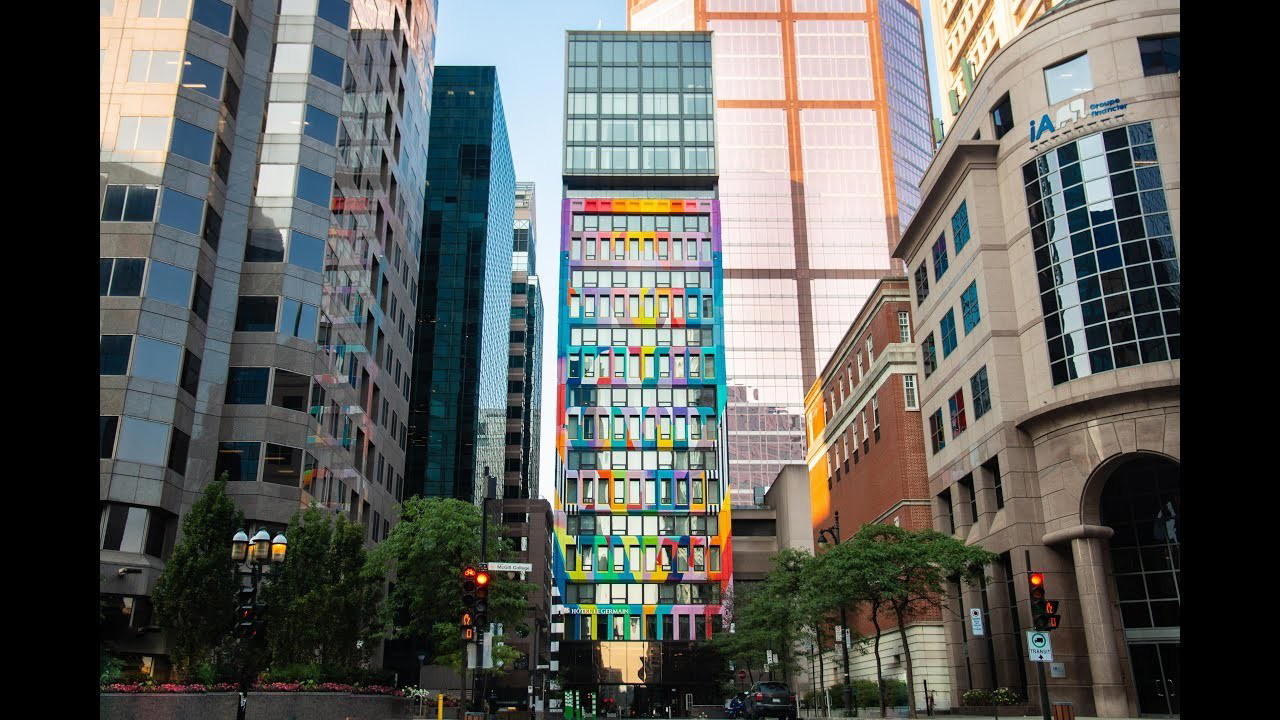
McGill College Avenue cuts a direct line from the base of Mount Royal down toward the St. Lawrence, passing through the part of Montreal that exists at the intersection of corporate lunch culture and a city that takes its food seriously. The buildings here are glass and steel, the foot traffic purposeful. In this context, a restaurant that takes ingredient sourcing as its organizing principle makes a different kind of statement than it would in the Mile End or Plateau, where farm-to-table signage is practically part of the neighbourhood aesthetic. On McGill College, that commitment reads as conviction rather than branding.
Foodchain occupies 1212 McGill College Ave, an address that places it squarely in downtown Montreal's business core. Downtown dining in Canadian cities often defaults to the reliable over the considered, feeding office workers and hotel guests with menus calibrated for speed and breadth. The restaurants in this city that resist that pull tend to earn a specific kind of loyalty, the kind built on a kitchen that has decided what it believes about food and organized its supply chain accordingly.
The Sourcing Argument in Montreal's Current Restaurant Scene
Montreal's culinary identity has always carried a dual inheritance: the French technique that runs through its most formal dining rooms and the Quebec terroir that increasingly anchors its most serious kitchens. The latter has sharpened considerably over the past decade. Across the city's modern cuisine tier, from the multi-course format of Jérôme Ferrer - Europea at the $$$$ price point to the more accessible ambition of Mastard at $$$, the question of where ingredients come from has moved from footnote to framework. Menus now frequently identify farms by name, seasons dictate structure rather than just garnish, and the distance between field and plate has become a credibility marker.
This shift mirrors what has happened at destination-level restaurants elsewhere in Canada. Tanière³ in Quebec City has made hyper-regional sourcing the architectural logic of its entire tasting menu. Eigensinn Farm in Singhampton collapsed the distance between producer and kitchen entirely by becoming both. Restaurant Pearl Morissette in Lincoln built its identity around the land its winery occupies. The pattern, across different provinces and price tiers, is consistent: the kitchens that have earned the most sustained attention are the ones that made sourcing a structural decision rather than a seasonal talking point.
Within Montreal specifically, that conversation sits alongside the city's broader competition of ideas. Sabayon approaches modern cuisine from a technique-forward angle. Neighbourhood spots like 3 Pierres 1 Feu and Abu el zulof extend the city's range into other traditions entirely. Montreal's dining depth runs across formats, price points, and cultural inheritances simultaneously, which means any kitchen making a strong sourcing argument enters a conversation that is already well-developed.
Downtown's Particular Demands
A sourcing-led kitchen in a downtown business corridor faces pressures that a similar restaurant in a residential neighbourhood does not. Lunch service, corporate accounts, and the expectation of relative efficiency sit alongside whatever the kitchen actually wants to do in the evening. The restaurants that manage this split well in Canadian cities tend to do so by maintaining clear kitchen identity across both contexts rather than operating as two different establishments under one roof. The downtown addresses that have built lasting credibility, in Montreal, Toronto at places like Alo, and Vancouver at spots like AnnaLena, share a resistance to diluting the core idea for the sake of the room's most casual visitors.
For a reader planning a visit, this context matters practically. Downtown Montreal restaurants at most price points tend to be more accessible for walk-ins at lunch than at dinner, when reservation pressure concentrates. The McGill College corridor is well-served by Montreal's metro system, with McGill station placing the avenue within immediate reach. For visitors, the address sits close enough to the Golden Square Mile hotels that it functions as a natural dinner option without requiring a separate trip across the island.
Canada's Sourcing Spectrum, and Where This Fits
The ingredient sourcing argument in Canadian fine dining ranges from the hyperlocal and seasonal, as practiced at Fogo Island Inn Dining Room in Joe Batt's Arm where Newfoundland geography defines the entire plate, to the more curated regional approach seen at Narval in Rimouski or the coastal-inflected sourcing at Cafe Brio in Victoria. Even barbecue-focused operations like Busters Barbeque in Kenora operate within a sourcing logic shaped by their regional supply. The question is never simply whether sourcing matters, but what kind of sourcing commitment a kitchen has made and how that commitment shapes what arrives at the table.
Internationally, the sourcing conversation reaches its most technically refined expression at places like Le Bernardin in New York City, where ingredient quality functions as the foundational argument for every dish, or at the communal-format dining of Lazy Bear in San Francisco, where sourcing transparency is built into the dining experience itself. Montreal's position in that broader spectrum is increasingly competitive. The city's access to Quebec agricultural output, its proximity to both the St. Lawrence and the province's dairy and produce regions, gives kitchens here a sourcing base that can sustain serious ambition. For context on how Foodchain fits within the fuller range of what Montreal's restaurant scene currently offers, the EP Club Montreal restaurants guide maps the city's dining tiers across cuisine types and price points. And for readers who want to extend the sourcing conversation across provincial borders, The Pine in Creemore offers a useful rural Ontario counterpoint.
Planning a Visit
Foodchain sits at 1212 McGill College Ave in Montreal's downtown core, accessible via McGill metro station on the Green Line. For visitors staying in the Golden Square Mile or Ville-Marie, the address is walkable from most central hotel accommodations. Given the limited publicly available information on current hours, booking format, and price structure, contacting the restaurant directly before visiting is advisable, particularly for dinner, when downtown Montreal kitchens at the modern cuisine tier tend to run closer to capacity than their lunch service.
Nearby-ish Comparables
A compact comparison to help you place this venue among nearby peers.
| Venue | Cuisine | Price |
|---|---|---|
| FoodchainThis venue — the venue you are viewing | Not listed | Not listed |
| L’Express | French Bistro | $$ |
| Schwartz’s | Delicatessen | $ |
| Toqué | French | $$$$ |
| Jérôme Ferrer - Europea | Modern Cuisine | $$$$ |
| Mastard | Modern Cuisine | $$$ |
At a Glance
- Trendy
- Modern
- Casual
- Casual Hangout
- Solo
- Open Kitchen
- Organic
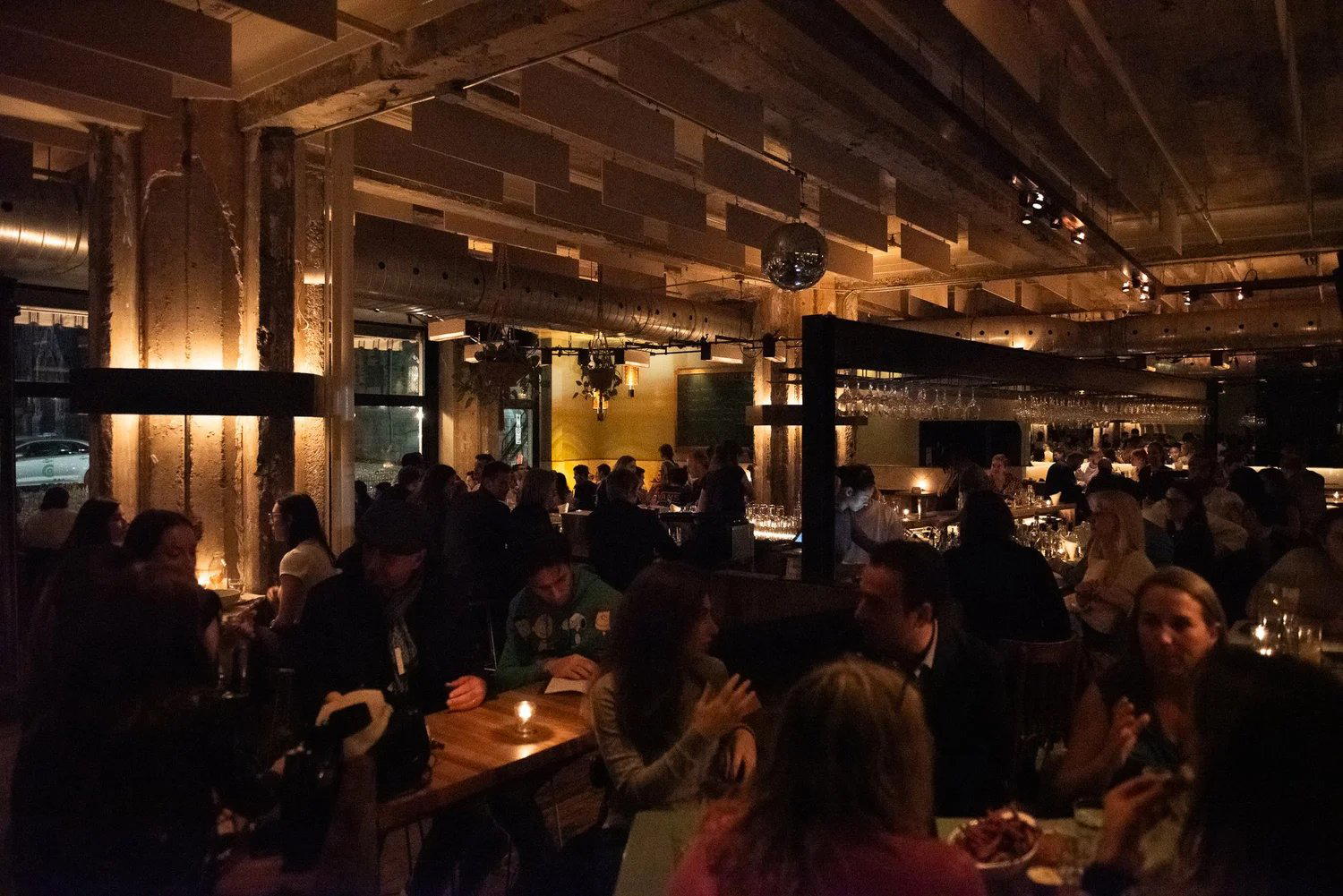
Casual and energetic food court environment with bright, fresh aesthetic focused on healthy eating.
Know Before You Go
- Getting there
- 1212 McGill College Ave, Montreal, Quebec H3B 4J8, Canada