Our verdict
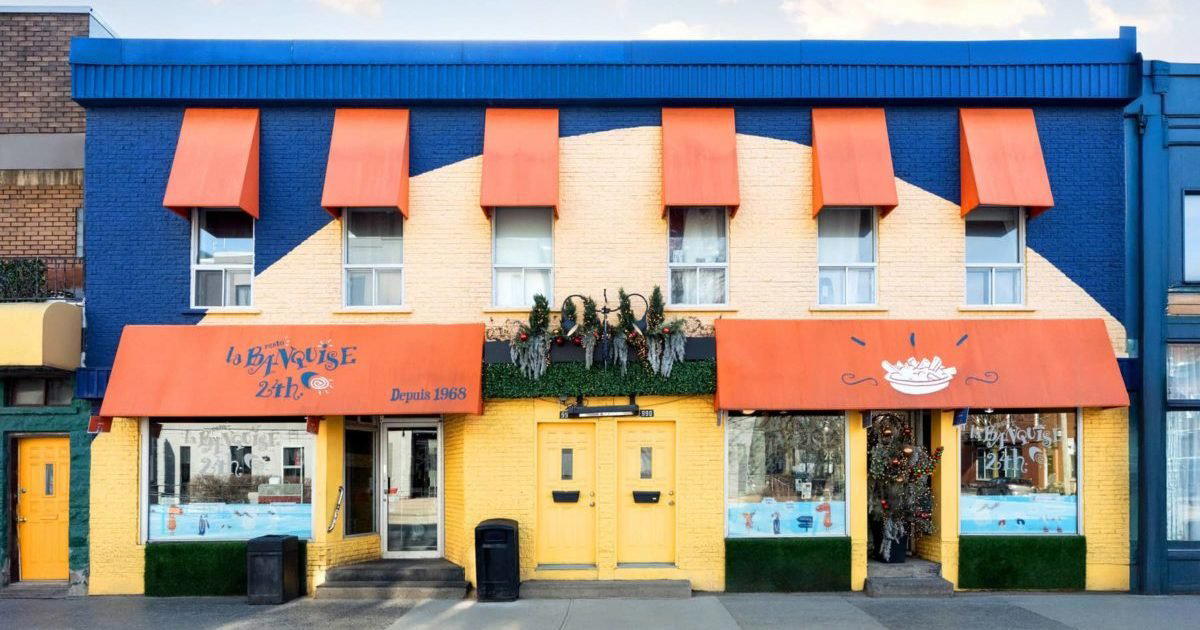
La Banquise is Montreal's most recognized poutine institution, serving the dish around the clock on Rue Rachel in the Plateau-Mont-Royal. Where most of the city's casual dining scene closes by midnight, La Banquise runs through the night, anchoring a neighbourhood that treats late eating as a cultural right rather than an afterthought. For visitors mapping Montreal's food character, it sits at the democratic end of a spectrum that runs all the way up to Toqué and Europea.

Pearl is the En Primeur Club membership app, where members save venues, book tables and use the concierge.
The menu
What to order
- La Classique
- Poutine Kamikaze
- Elvis Poutine
- T-Rex
Rue Rachel at Any Hour
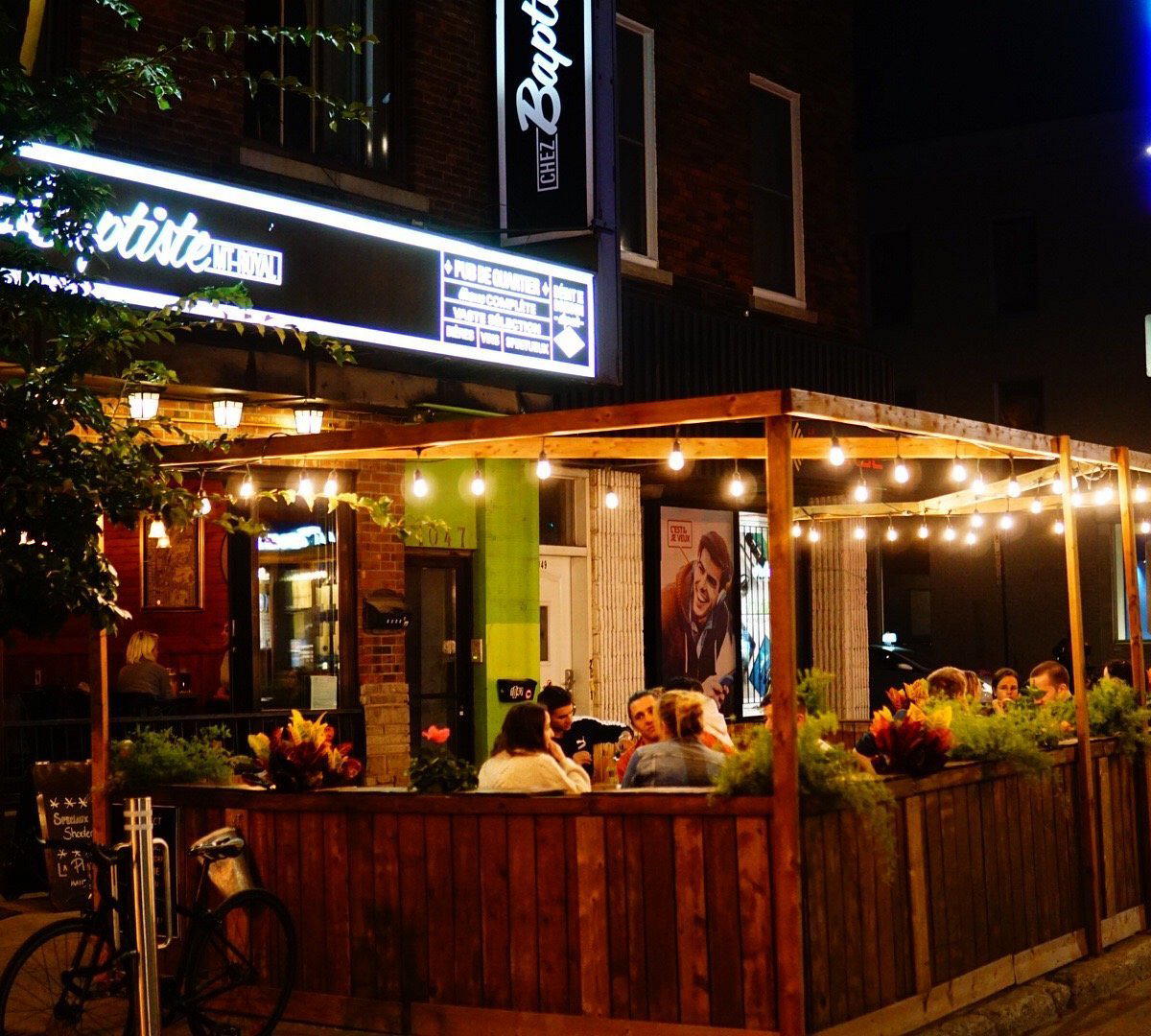
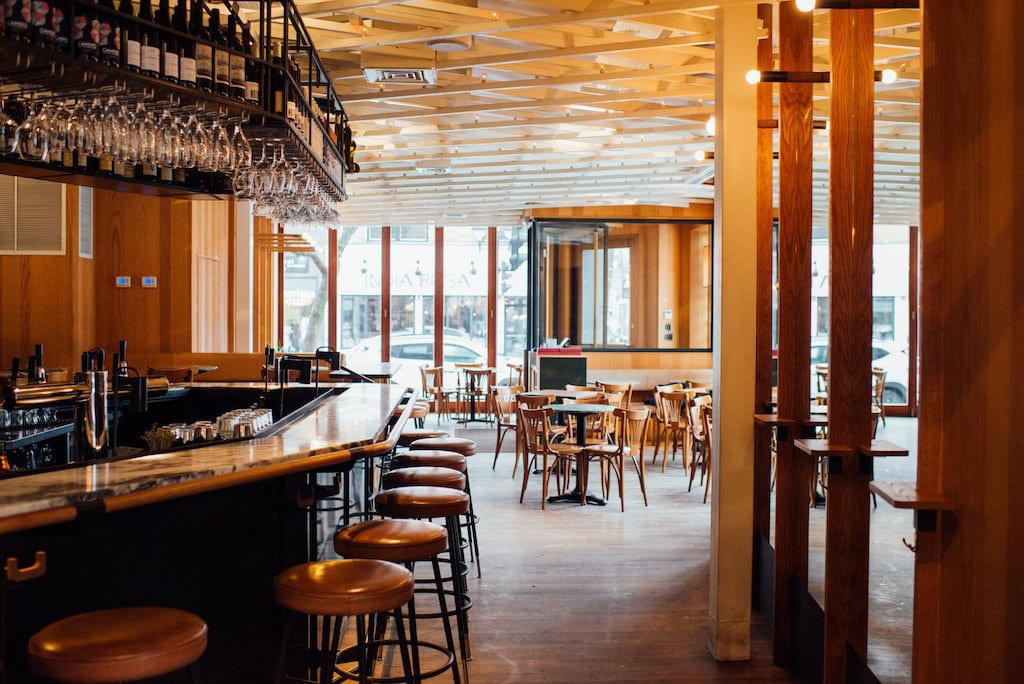
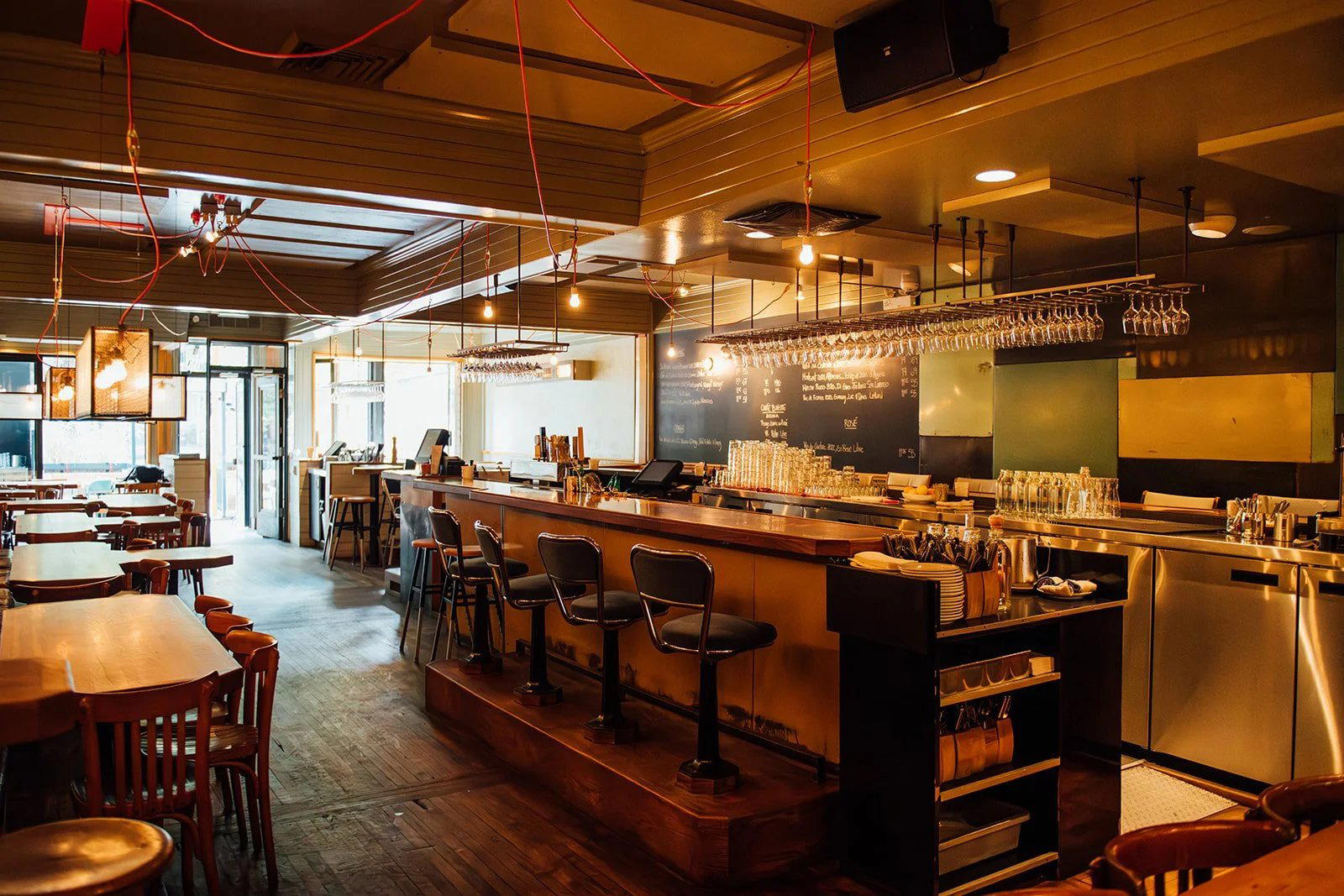
The Plateau-Mont-Royal has a particular relationship with time. Unlike the downtown core, which winds down after the dinner rush, this stretch of Rue Rachel operates on a different clock entirely. At 2am on a Friday, the sidewalk outside La Banquise at 994 Rue Rachel Est looks much like it does at noon on a Tuesday: a queue, some patience, and the kind of low-level anticipation that only a specific craving produces. The physical space is unpretentious to the point of being anti-decorative. Bright lighting, close tables, and the ambient noise of a room where people are focused on eating rather than being seen. That orientation, towards the plate rather than the atmosphere, is what defines the lower end of Montreal's casual dining register, and La Banquise sits squarely within it.
Montreal's food culture has always operated across a wide register. At one end, Jérôme Ferrer's Europea and Mastard represent the city's ambitions in modern cuisine at the higher price tiers. At the other, institutions like La Banquise and Schwartz's carry a different kind of civic weight: they are where the city's food identity becomes legible to everyone, not just those with expense accounts or reservation windows.
The Dish and Its Variants
Poutine, at its structural core, is fries, cheese curds, and gravy. What La Banquise has done over decades is extend that formula into an extensive menu of variations, each swapping or adding toppings while keeping the underlying architecture intact. The cheese curds, when fresh, should squeak against the teeth; the gravy should be hot enough to begin softening them without eliminating that texture entirely. The fries need enough mass to hold up under the liquid weight without turning immediately to mush. Getting this balance right at volume, across a 24-hour operation, is not a trivial logistical problem, and it is the operational challenge that separates serious poutine from the version served as an afterthought at the edges of bar menus across the city.
The poutine tradition in Quebec runs deep enough that it functions as a useful reference point for understanding the province's relationship with its own food culture. Unlike the high-end tasting menu format explored by Tanière³ in Quebec City, which positions Quebec cuisine at a premium international level, poutine occupies the other pole entirely: regional, democratic, and deliberately resistant to refinement. La Banquise is one of the more visible addresses within that tradition in Montreal.
Front-of-House Under Pressure
The editorial angle that applies most directly to La Banquise is not the food itself but the operational model: how a kitchen, counter staff, and floor team coordinate across a 24-hour cycle without the pause that most restaurants use to reset. In establishments with tasting menu formats, the collaboration between chef, sommelier, and front-of-house is about calibration and pacing across a multi-hour experience. At La Banquise, the equivalent pressure is throughput and consistency. The front-of-house is doing something closer to traffic management than table hosting, turning seats quickly enough to absorb a queue that rarely fully disappears on weekends. That discipline, unglamorous as it is, represents a genuine operational competency.
Comparisons to higher-tier Montreal addresses like Sabayon are less useful than comparisons within the casual, high-volume tier. What these venues share is the expectation that the kitchen delivers a consistent product at speed, without the safety net of a long cover time or a prix-fixe structure that allows for recovery between courses.
Montreal's Casual Dining Register in Context
Canada's broader restaurant scene has developed a number of high-ambition addresses over the past decade: Alo in Toronto, Restaurant Pearl Morissette in Lincoln, AnnaLena in Vancouver, and further afield, Eigensinn Farm in Singhampton and Fogo Island Inn Dining Room. These are the addresses that attract international critical attention and shape Canada's reputation in global food media. But the health of a city's food culture is not measured only at the top of the register. Montreal's ability to sustain institutions like La Banquise, operating continuously and drawing consistent crowds, reflects something about the density of food demand in the city and the depth of local attachment to specific dishes and formats.
The Plateau-Mont-Royal neighbourhood itself contributes to that density. It is a residential area with a high concentration of restaurants relative to its footprint, and the streets around Rue Rachel and the surrounding blocks contain enough dining options that competitive pressure on any single address is significant. That La Banquise has maintained a queue through multiple decades of neighbourhood change says something about its position within the local food map that no award or rating needs to articulate.
For visitors approaching Montreal's food scene from outside, the practical instruction is direct. The high-end tasting menu format is well represented at addresses covered in our full Montreal restaurants guide. International reference points like Le Bernardin in New York City or Lazy Bear in San Francisco set the frame for what premium format dining looks like at the North American level. La Banquise is not operating in that conversation. It is operating in a different one, and understanding that distinction is the first step to using it correctly as part of a Montreal itinerary. See also Narval in Rimouski, Busters Barbeque in Kenora, Cafe Brio in Victoria, and The Pine in Creemore for other examples of Canadian addresses that operate outside the major-city fine dining register while carrying real local authority.
Planning Your Visit
La Banquise is located at 994 Rue Rachel Est in the Plateau-Mont-Royal, reachable from the Mont-Royal metro station on the Orange Line with a short walk east. The address operates around the clock, which makes it one of the few sit-down dining options in the city available after 2am. Weekend queues, particularly on Friday and Saturday nights, can be substantial; weekday visits, or arriving before 11pm on weekends, reduce wait times considerably. The price point sits at the lower end of Montreal's restaurant register, making it one of the few addresses where the full experience, including a generously portioned bowl, lands well under what a single cocktail costs at a higher-tier bar. No reservations are taken; the model is walk-in only.
Frequently asked questions
How would you describe the vibe at La Banquise?
La Banquise operates at the intersection of neighbourhood diner and late-night institution. The Plateau-Mont-Royal address on Rue Rachel Est draws a cross-section of Montreal that few restaurants manage: post-shift kitchen workers at 2am, families at noon, and everyone in between. It is loud, functional, and unapologetically unpretentious, the room exists to move people through rather than to impress them.
What's La Banquise's location?
La Banquise is located at 994 Rue Rachel E, Montréal, QC H2J 2J3, Canada, Montreal.
Does La Banquise serve food all night, and is it the same menu around the clock?
La Banquise is open 24 hours, and the full poutine menu is available at every hour, there is no shortened late-night card. That consistency is operationally significant: the kitchen at 4am in Montreal's Plateau-Mont-Royal is producing the same range of variants as it does at the lunch peak. For visitors arriving from elsewhere in the city after midnight, 994 Rue Rachel Est is one of the few addresses where a complete hot meal remains on offer.
What's the must-try dish at La Banquise?
The structural logic of any visit is poutine: fries, cheese curds, and gravy as a baseline, extended across a menu of dozens of variants that define the house's identity. The classic version is the reference point against which everything else is measured, and it remains the order that tells you most about what the kitchen does consistently at volume across all hours. Choosing a loaded variant on a first visit risks burying the thing worth tasting.
How hard is it to get a table at La Banquise?
La Banquise does not take reservations. At peak hours, weekend evenings and the post-bar window between midnight and 3am, queues form outside 994 Rue Rachel Est and wait times can stretch past thirty minutes. The practical workaround is arriving in the early afternoon on a weekday, when the room runs at a fraction of its capacity. The 24-hour format distributes demand across the clock in a way that most Montreal restaurants cannot.
At-a-Glance Comparison
| Venue | Cuisine | Price | Awards | Notes |
|---|---|---|---|---|
| La BanquiseThis venue (the venue you are viewing) | Classic Quebec Poutine | $10–20 | Not listed | Not listed |
| L’Express | Classic French Bistro | $50–100 | Michelin Plate · Star Wine List | Not listed |
| Schwartz’s | Montreal Smoked Meat Deli | $20–30 | Michelin Plate | Not listed |
| Toqué | Modern Quebecois Fine Dining | $100–150 | Michelin Plate · La Liste Top Restaurants | Not listed |
| Jérôme Ferrer - Europea | Modern French Fine Dining with Quebec Influences | $150–200 | 1 Michelin Star · Relais Chateaux Award | Modern Cuisine |
| Mastard | Modern Quebec Terroir Fine Dining | $50–100 | 1 Michelin Star · Canada's 100 Best Restaurants #63 | Modern Cuisine |