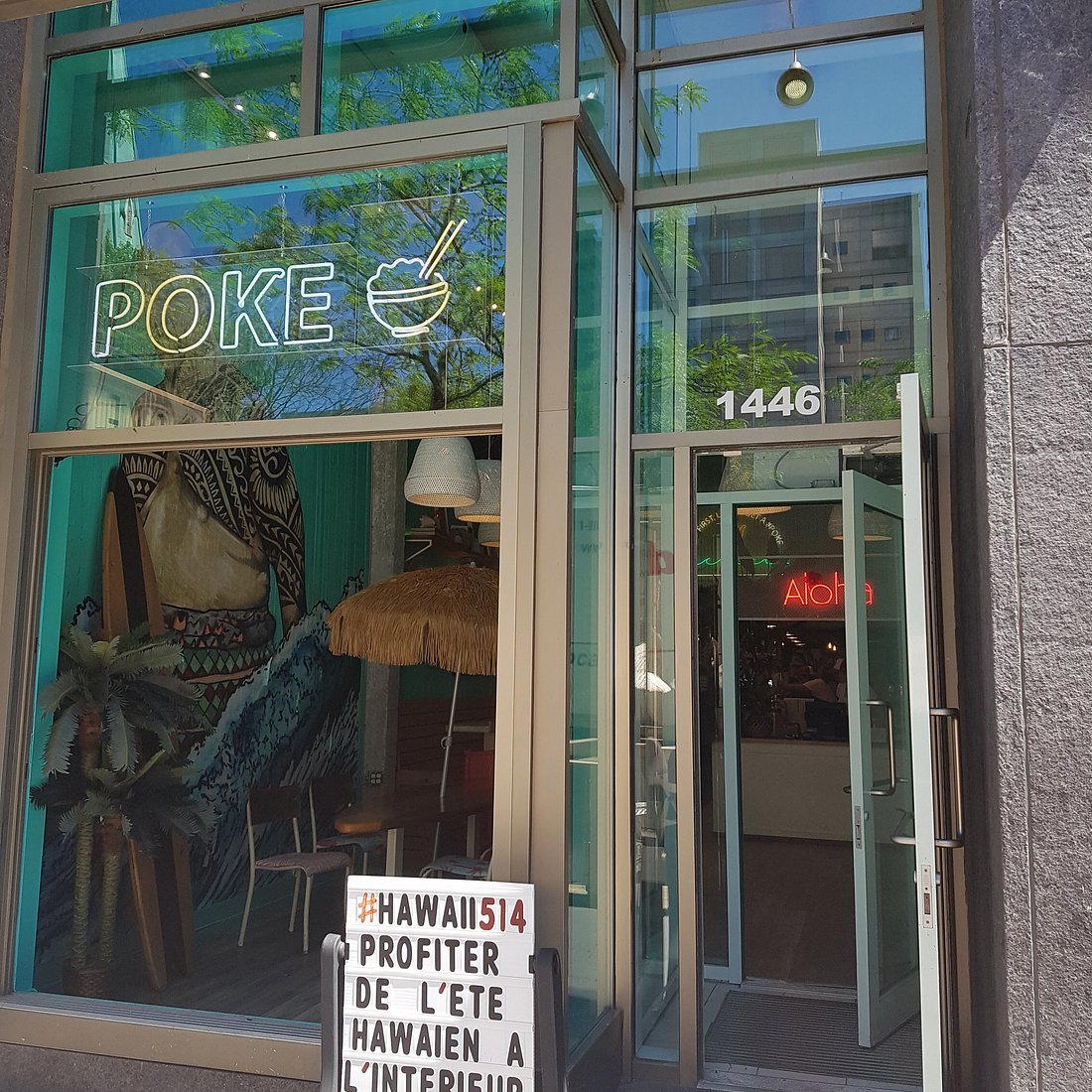
On the western stretch of Rue Sainte-Catherine, Koa Lua occupies a corner of downtown Montreal where the city's appetite for informal but considered dining runs strong. The address places it within walking distance of the city's broader restaurant corridor, where French-influenced cooking and multicultural influences share the same blocks. A useful reference point for visitors orienting to Montreal's mid-market dining scene.
- Address
- 1446 Rue Sainte-Catherine O, Montréal, QC H3G 1R3, Canada
- Phone
- +1 514 375 5959
- Website
- koalua.ca
- Directions
- Get directions
Rue Sainte-Catherine and the Logic of Downtown Montreal Dining
The western section of Rue Sainte-Catherine functions differently from the tourist-facing stretches further east. Between the commercial anchors and the residential fringe of Westmount, this corridor sustains a working population of downtown professionals, students, and residents who eat out with regularity rather than occasion. Restaurants here compete less on spectacle and more on consistency, value proposition, and whether the room feels like it belongs to the neighbourhood rather than performing for it. Koa Lua Sainte Catherine is a restaurant serving Hawaiian poke in Montreal. Koa Lua Sainte Catherine sits at 1446 Rue Sainte-Catherine Ouest, inside that logic.
Montreal's downtown dining tier is genuinely stratified. At the upper end, tasting-menu destinations like Jérôme Ferrer - Europea and Mastard command multi-course formats and prices to match. Below that, the city sustains a mid-range layer where cuisine type and neighbourhood placement do most of the positioning work. The Sainte-Catherine corridor belongs to that middle register, and venues on it are measured against proximity, accessibility, and whether the food justifies the foot traffic the address generates.
The Scene Before the First Course
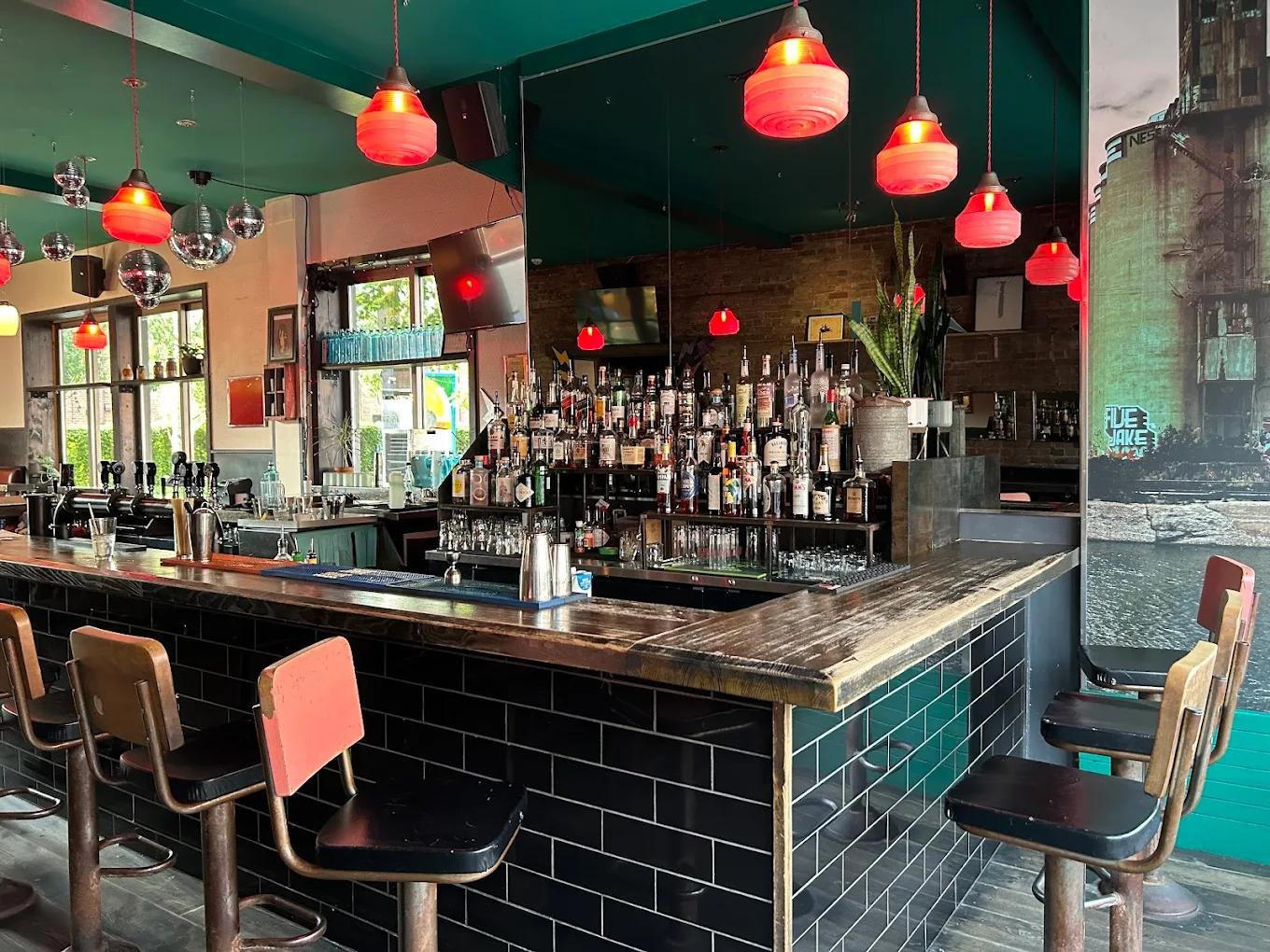
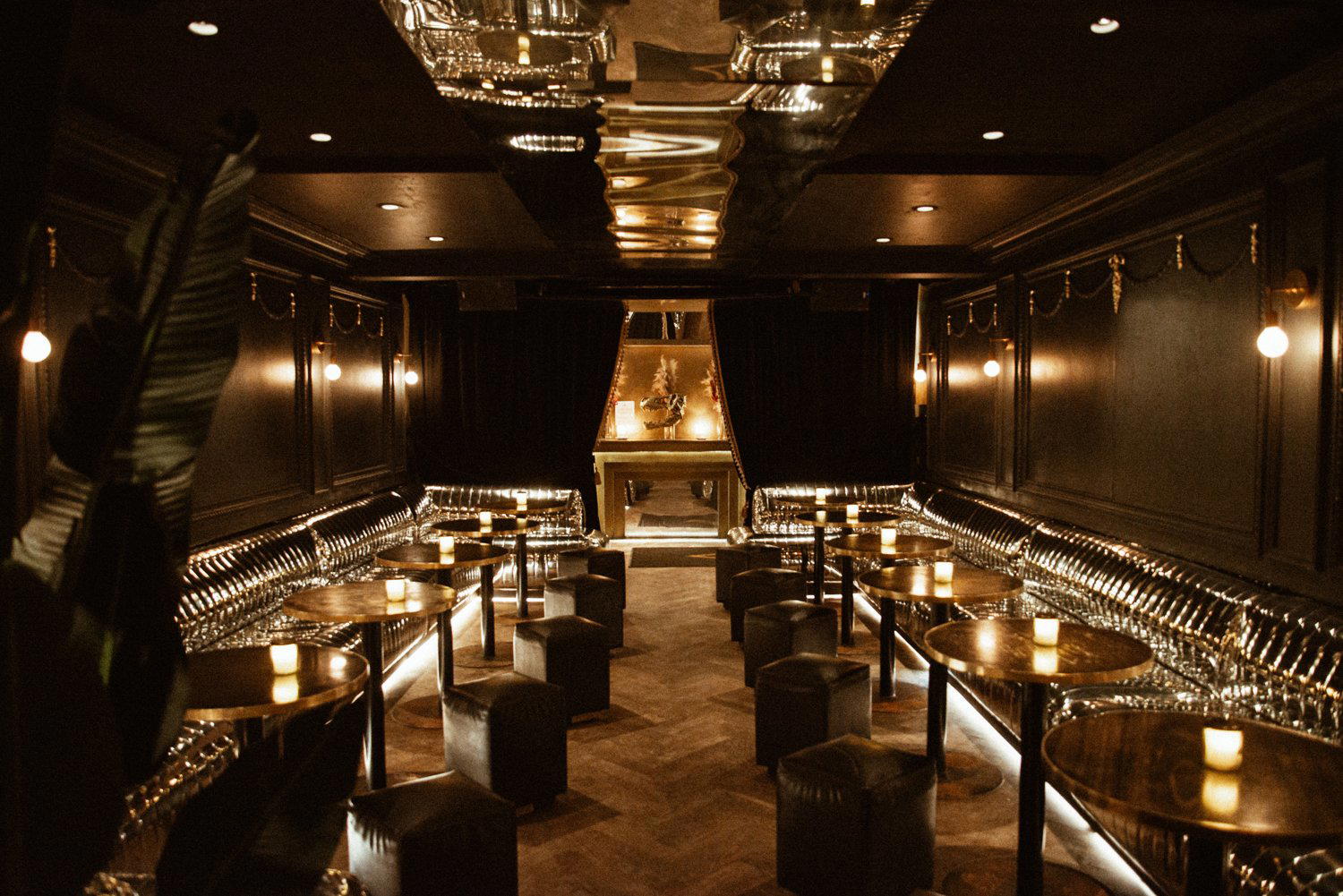
Approaching a restaurant on this stretch, the physical cues arrive before you open a door. The buildings along this section of Sainte-Catherine O tend toward mixed-use commercial, with restaurant frontages that read at street level against the flow of pedestrian movement. The neighbourhood does not slow for dining the way that, say, the Plateau's residential streets do. The rhythm here is faster, and rooms that work in this context tend to acknowledge that energy rather than fight it. Whether a space leans toward an open, animated room or a compressed counter format tells you something about how the kitchen expects the meal to unfold.
For a venue operating under the name Koa Lua, the name signals Hawaiian poke. In Montreal's multicultural dining scene, that positioning places it apart from the French bistro tradition that anchors much of the city's restaurant identity. Montreal's dining range extends well beyond French influence, and addresses like this one on Sainte-Catherine have historically hosted some of that breadth. For comparison, the city's formally recognised dining extends to venues like Sabayon and out to Quebec more broadly at Tanière³ in Quebec City.
Reading a Meal from First Course to Last
The editorial angle most useful for a venue like this one is tasting progression: how a meal moves from arrival to close, and whether the sequence builds or simply accumulates. It is worth thinking about what makes a well-sequenced meal in the context of a concept with Pacific or Polynesian reference points. Cuisines that draw on Hawaiian or broader Pacific traditions tend to work through contrast rather than escalation. Salt, fat, and acid arrive together rather than in classical European sequence, and the proteins that anchor a main course often carry more sweetness relative to what precedes them. This creates a different narrative arc from a French-influenced tasting menu, where the logic is usually cumulative richness resolved by something sharp or sweet at the end.
Across Canada, the dining venues that have built the strongest reputations for sequenced, considered meals include Alo in Toronto and AnnaLena in Vancouver, both of which use format discipline to deliver a meal that feels curated rather than assembled. For a venue in downtown Montreal, that level of format rigour is less typical, but the underlying question of whether a meal has shape is relevant at any price point.
Montreal's Mid-Market Context
The comparison set for a venue at this address includes Montreal's approachable dining. L'Express on Rue Saint-Denis has held its position as the city's reference-point French bistro for decades, operating at a price point and with a regularity that makes it a useful benchmark for what sustained neighbourhood dining looks like. Schwartz's, on the same street, operates at a completely different register but demonstrates the same principle: consistent execution of a specific thing earns a durable audience. Mid-market venues in downtown Montreal that try to occupy a broad middle ground face pressure from both ends of that comparison.
Other addresses in the broader Montreal dining conversation worth cross-referencing include 3 Pierres 1 Feu and Abu el zulof, both of which operate from distinct cuisine identities that give them clear positioning. The venues that perform least predictably in this city are those that occupy a generic category without a specific differentiator. If Koa Lua's Pacific reference point holds through the menu, that specificity is an asset in a city where concept clarity tends to matter.
For those building a wider picture of Canadian dining at this level, Narval in Rimouski and Restaurant Pearl Morissette in Lincoln show how regional specificity can anchor a concept with lasting credibility. Closer to home, Aux Anciens Canadiens in Quebec demonstrates the staying power of a clear cultural proposition. The reference point for fine dining internationally, such as Le Bernardin in New York City or Atomix in New York City, shows how concept discipline operates at the highest tier, but the principle scales down. Even venues like The Pine in Creemore and Eigensinn Farm in Singhampton demonstrate that a clear, specific proposition sustains dining rooms far from major urban centres. Barra Fion in Burlington and Bearspaw Golf Club in Calgary round out a picture of how varied the Canadian dining conversation has become outside the three major cities.
Know Before You Go
- Address: 1446 Rue Sainte-Catherine O, Montréal, QC H3G 1R3, Canada
- Neighbourhood: Downtown Montreal, western Sainte-Catherine corridor
- Price range: About US$15 per person.
Comparable Venues
Comparable venues nearby, for context on price, style, and recognition.
| Venue | Cuisine | Price | Notes |
|---|---|---|---|
| Koa Lua Sainte CatherineThis venue — the venue you are viewing | Hawaiian Poke | $ | Not listed |
| Café Pista | Specialty Coffee Cafe | $ | District de Saint-Édouard |
| Deli Planet | American Deli | $ | Golden Square Mile |
| Tacos Victor | Authentic Mexican Taqueria | $ | Saint-Henri |
| Wilensky's Light Lunch Inc | Classic Montreal Deli | $ | Mile End |
| Montreal Pool Room | Classic Montreal Steamies & Poutine | $ | Quartier des Spectacles |
At a Glance
- Trendy
- Cozy
- Casual Hangout
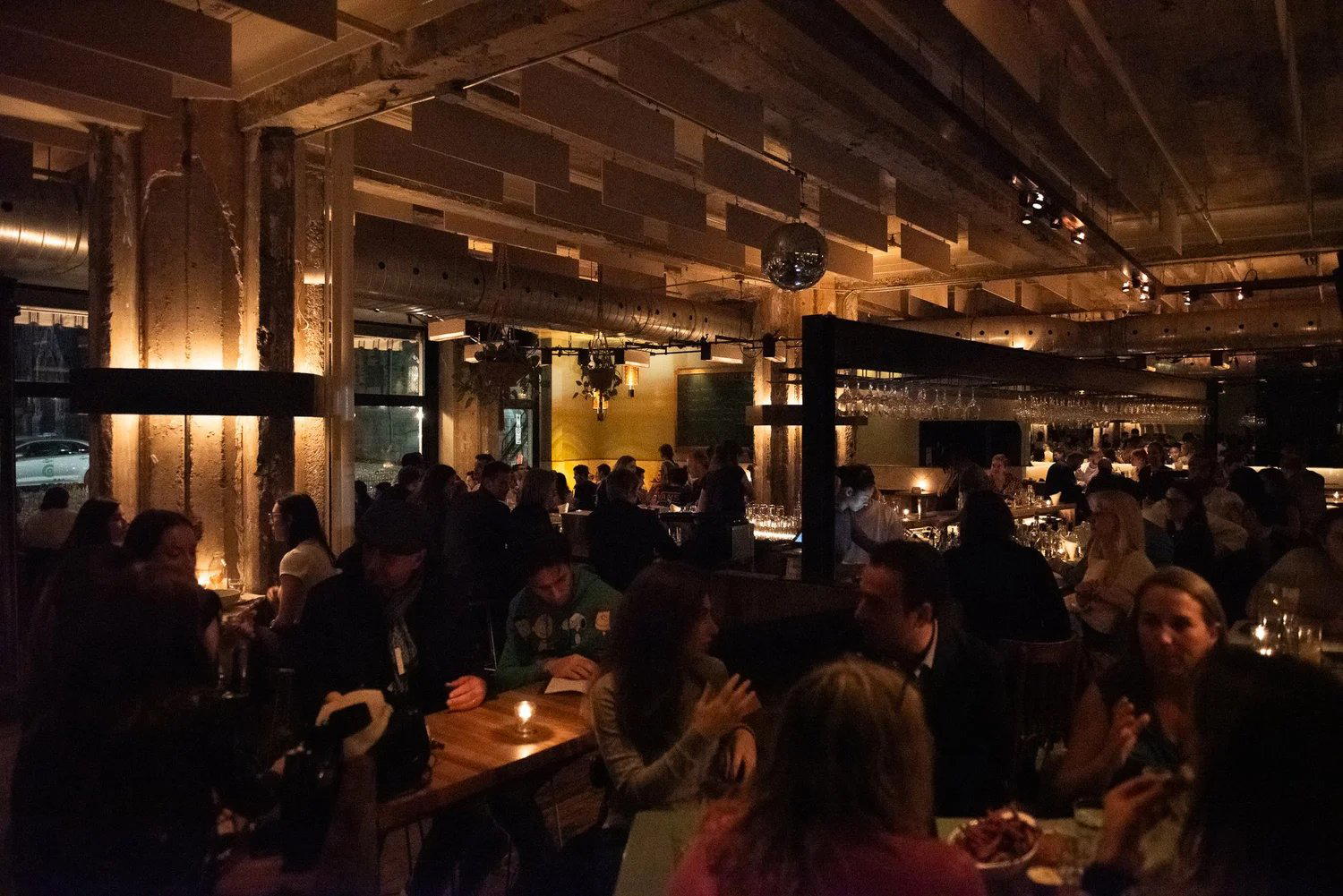
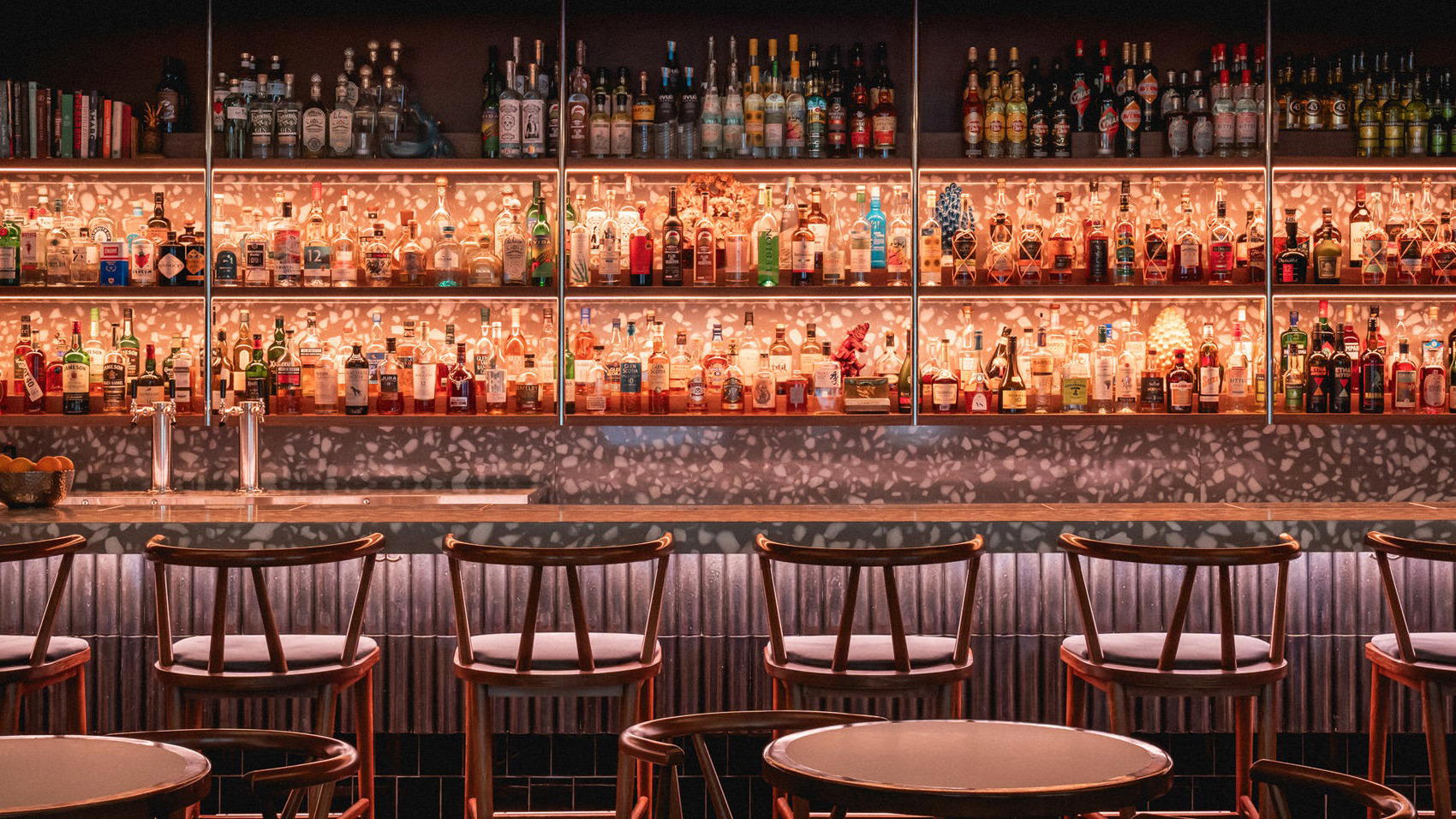
Cute and colorful interior with an open preparation counter, evoking a casual Pacific island vibe.