Fondue Restaurant Hello Again
Our verdict
Fondue Restaurant Hello Again brings the communal heat of Swiss-rooted fondue dining to Leusden, a town in the Utrecht province that sits well outside the Netherlands' main fine-dining corridors. The format here is convivial rather than ceremonial, built around shared pots and the kind of table-length conversation that multi-course tasting menus tend to discourage. For the region, it occupies an informal but deliberate niche.

Pearl is the En Primeur Club membership app — saves, bookings, and concierge access live there. Same editors, same standards.
- Address
- Zwarteweg 5, 3833 AK Leusden, Netherlands
- Phone
- +31651277613
- Hours
- Mon–Tue ClosedWed–Sun 5–10:30 PM
- Website
- restauranthelloagain.nl
- Directions
- Get directions
- Booking
- Book on the venue's website
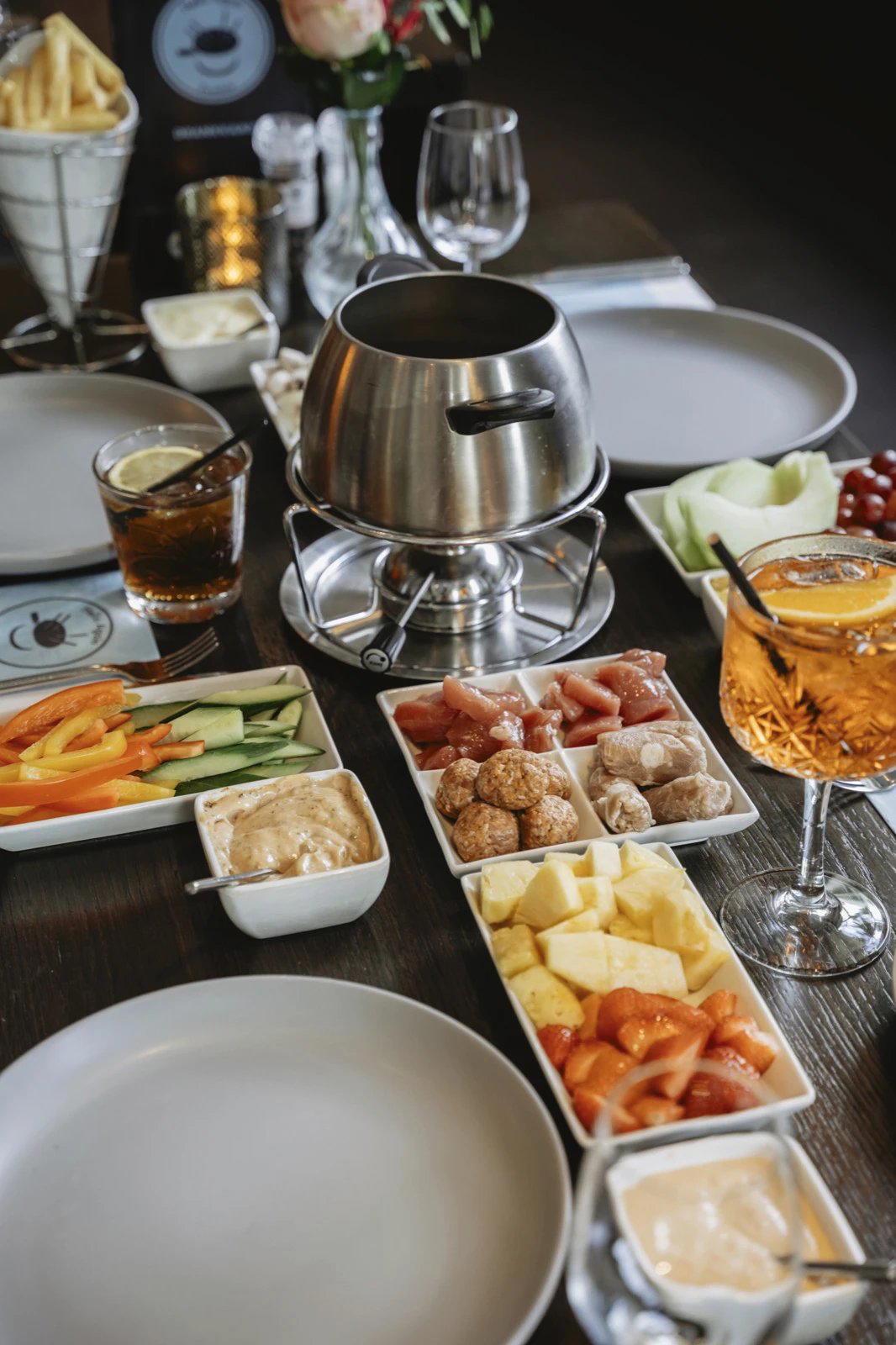
Shared Pots in the Dutch Interior
The Dutch restaurant scene clusters its headline addresses in predictable places: Amsterdam, Rotterdam, the Zeeland coast. The Utrecht province, and specifically the small town of Leusden, sits apart from that circuit. What that geography produces, in practice, is a dining culture less shaped by international press cycles and more oriented toward the communities that actually live there. Fondue Restaurant Hello Again, at Zwarteweg 5 in Leusden, occupies that context: a fondue-dedicated address in a mid-sized Dutch town where the format is the draw, not the postcode.
Fondue as a restaurant format carries specific expectations. It is communal by design, requiring shared equipment, coordinated pacing, and a table willing to spend time rather than turn it over. In Switzerland and France, fondue houses have long operated as a distinct category from fine dining, priced and staffed differently, and measured by conviviality rather than technical precision. The Netherlands has never had a deep fondue restaurant tradition in the way that French-speaking Switzerland does, which means dedicated fondue addresses here occupy a niche that is genuinely underserved relative to demand.
The Sourcing Question at the Centre of the Pot
Fondue's ingredient list is short, which means sourcing decisions carry disproportionate weight. A cheese fondue lives or dies on what goes into the pot: the type of cheese, its age, its fat content, and how it was produced all determine whether the result is silky and complex or grainy and flat. Classically, Swiss fondue uses Gruyère and Vacherin Fribourgeois in combination, both AOC-protected cheeses with defined geographic origins and production methods. Raclette variants, the other dominant fondue format, pull from a similarly bounded geographic and agricultural tradition.
For a Dutch fondue restaurant, the sourcing geography shifts. The Netherlands produces some of the continent's most commercially significant dairy, and aged Gouda and Edam have centuries of agricultural infrastructure behind them. Whether a Dutch fondue address leans into domestic cheese traditions or imports its AOC Swiss benchmarks is an editorial choice that shapes the entire offer. The Veluwe region, which borders Leusden to the east, has its own agricultural character, with polder landscapes and smaller-scale producers that differ sharply from the industrial dairy belt further west. For venues in this part of Utrecht province, proximity to that regional food network is a potential differentiator that the best-positioned local operators tend to use deliberately.
Meat fondue, the other major format, raises parallel questions: the quality of the broth or oil, the sourcing of the beef or chicken, and the range of accompanying sauces. These are not background details in a fondue format; they are the architecture of the meal. Diners who have spent time at serious fondue houses in Zurich or Zermatt will read the ingredient choices immediately. The format is transparent in a way that multi-course plating is not.
The Room and the Ritual
Fondue dining imposes its own spatial logic. Tables need room for burners, pots, and the various plates of bread, vegetables, or meat that surround them. The format does not suit cramped covers or rapid turnover. Restaurants that commit to it seriously tend to configure their rooms around longer reservations and a slower rhythm than the average Dutch eetcafé. That pacing suits groups and families in particular, and it is largely why fondue restaurants in other European markets have historically anchored their trade in that demographic.
The atmosphere this produces is distinct from both the tasting-menu counter and the neighbourhood bistro. There is a theatrical element to a pot of melted cheese at the centre of the table, kept liquid by a small flame, that rewards communal engagement. The ritual of dipping, the occasional dropped bread, the negotiating over the crust at the bottom of the pot: these are dining mechanics that generate their own energy without requiring a kitchen to plate anything.
For Leusden, a town of around 30,000 that sits between Amersfoort and the Veluwe, that kind of destination format can anchor an evening out in a way that a more generic restaurant cannot. The absence of a dense local competition set, at least in the fondue category, gives a dedicated address like Hello Again a positional clarity that is harder to achieve in a city like Amsterdam or Utrecht city centre.
Where It Sits in the Dutch Dining Picture
The Netherlands' fine-dining tier has increasingly concentrated around tasting menus with strong sourcing narratives. Addresses like De Nieuwe Winkel in Nijmegen have built international recognition around organic and foraged ingredient programs. De Librije in Zwolle and Inter Scaldes in Kruiningen operate in the Michelin-star bracket where provenance documentation is table stakes. Elsewhere in the country, addresses like De Lindenhof in Giethoorn, De Bokkedoorns in Overveen, and Aan de Poel in Amstelveen anchor the regional fine-dining conversation with similarly sourcing-conscious menus.
Hello Again does not compete in that tier. Internationally, communal-format restaurants like Lazy Bear in San Francisco have shown that format specificity can generate sustained demand independent of tasting-menu credentials. The mechanism is different, but the principle holds: when a restaurant commits clearly to what it does, the booking decision becomes easier for the right kind of diner.
For context on the broader Utrecht province dining scene, including other Leusden addresses, our full Leusden restaurants guide maps the category across the area. Nearby, Restaurant Mazoki Leusden covers a different segment of local demand. Further afield in the Dutch restaurant network, Tribeca in Heeze, De Groene Lantaarn in Staphorst, Brut172 in Reijmerstok, De Lindehof in Nuenen, De Treeswijkhoeve in Waalre, 't Nonnetje in Harderwijk, Ciel Bleu in Amsterdam, FG - François Geurds in Rotterdam, and Le Bernardin in New York City represent the wider spectrum of what serious restaurant commitment looks like across formats and price points.
Planning Your Visit
Hello Again is located at Zwarteweg 5, 3833 AK Leusden, within reach of Amersfoort by car in under ten minutes. Fondue restaurants as a category reward advance planning: tables configured for shared-pot dining are typically not suited to walk-in pacing, and the format works better with a full group than with a party of two who arrive without a booking. Given the format, groups of four to eight tend to get the most from the communal mechanics of the meal.
Frequently asked questions
Is Fondue Restaurant Hello Again okay with children?
Fondue dining has a built-in interactive format that tends to work well for older children who can handle table-top burners and shared pots safely. The communal, slow-paced structure at Zwarteweg 5 in Leusden suits families willing to commit to that rhythm. Younger children and the format's open flames are a combination worth thinking through before booking.
What is the atmosphere like at Fondue Restaurant Hello Again?
Fondue as a format dictates the atmosphere more than any décor decision: tables are structured around shared pots, burners, and the plates that accumulate around them, which naturally produces a convivial, unhurried pace. Hello Again sits in Leusden, a small town in Utrecht province well outside the urban restaurant circuit, which reinforces the sense of a destination dining occasion rather than a casual drop-in. The name itself suggests a returning-guest relationship with the place.
Is Fondue Restaurant Hello Again in Leusden a good option for a group dinner near Amersfoort?
Hello Again at Zwarteweg 5, Leusden is reachable from Amersfoort in under ten minutes by car, making it a practical choice for groups looking for something beyond the standard Amersfoort restaurant circuit. Fondue's communal structure scales naturally to group settings: the shared pot format organises conversation and pacing in a way that a standard à la carte table does not. Confirming current availability and any group booking requirements directly with the venue is advisable given limited public contact information.
What's the must-try dish at Fondue Restaurant Hello Again?
The ingredient list for fondue is short, meaning sourcing decisions carry significant weight in how the finished pot reads.
What's Fondue Restaurant Hello Again's location?
Fondue Restaurant Hello Again is located at Zwarteweg 5, 3833 AK Leusden, Netherlands, Leusden.
What's the best way to book Fondue Restaurant Hello Again?
No phone number or website is currently listed in the public record for Hello Again at Zwarteweg 5, 3833 AK Leusden. Arriving in person or searching current local directories for updated contact details is the most reliable approach. Fondue restaurants as a category often fill tables through repeat local clientele, so lead time matters.
What's the standout thing about Fondue Restaurant Hello Again?
The clearest distinction is geographic: Hello Again operates a format, fondue, that has largely disappeared from mainstream Dutch restaurant menus, in a town, Leusden, that sits outside the Utrecht and Amsterdam dining circuits. That combination of specialist format and off-circuit location gives it a character that few restaurants in the Utrecht province share. The communal pot structure also means the experience is explicitly social in a way that most contemporary Dutch dining rooms are not.
Comparison Snapshot
| Venue | Cuisine | Price | Awards | Notes |
|---|---|---|---|---|
| Fondue Restaurant Hello AgainThis venue — the venue you are viewing | Fondue Restaurant | $30–50 | Not listed | Not listed |
| De Librije | Modern Dutch Fine Dining | $200–300 | 3 Michelin Stars · World's 50 Best #46 | Modern Cuisine |
| De Nieuwe Winkel | Botanical Fine Dining | $300–500 | 2 Michelin Stars · La Liste Top Restaurants | Organic |
| De Lindenhof | Classic French Fine Dining | Not listed | 2 Michelin Stars · La Liste Top Restaurants | Creative |
| De Lindehof | Surinamese-Hindustani French Fusion | Not listed | 2 Michelin Stars · La Liste Top Restaurants | Contemporary Dutch, Creative |
| Fred | Modern French Fine Dining | $200–300 | 2 Michelin Stars · La Liste Top Restaurants | Creative French |
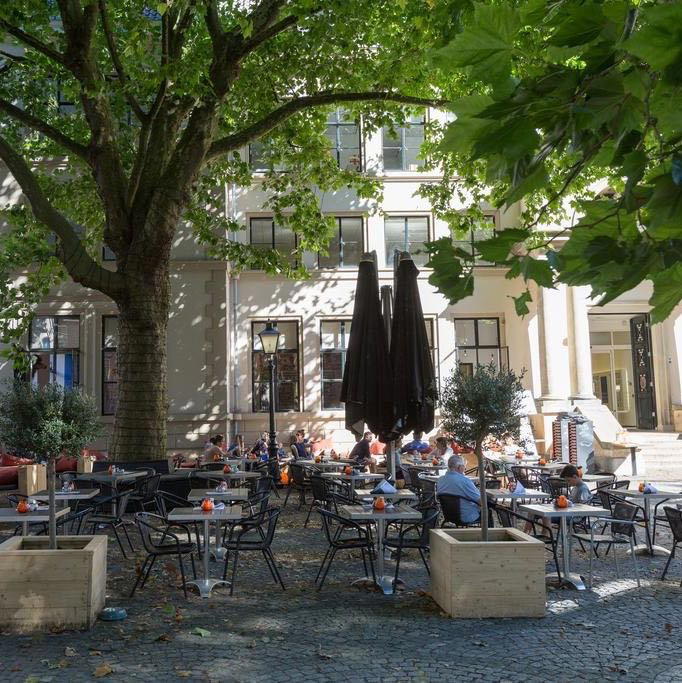
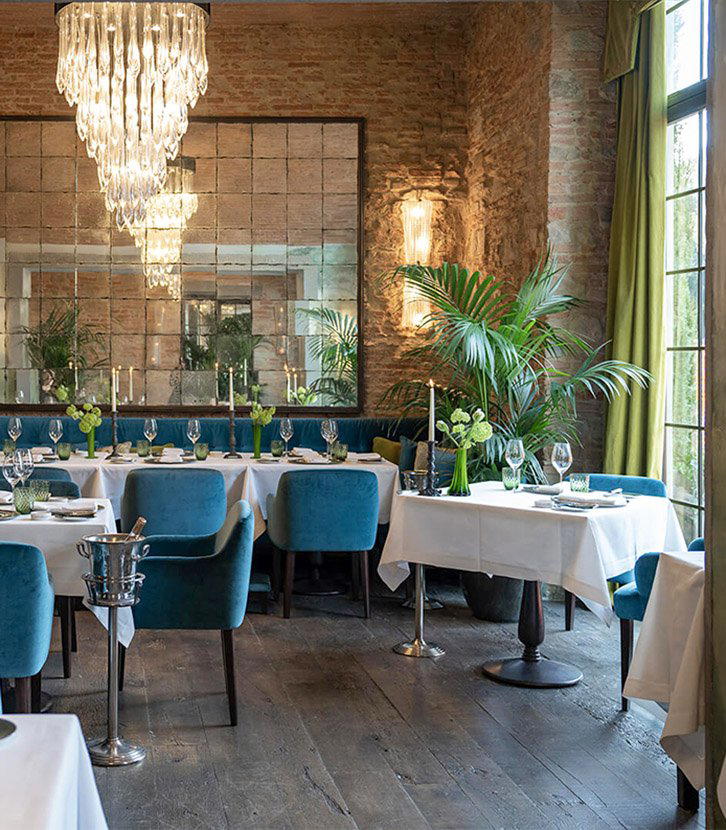
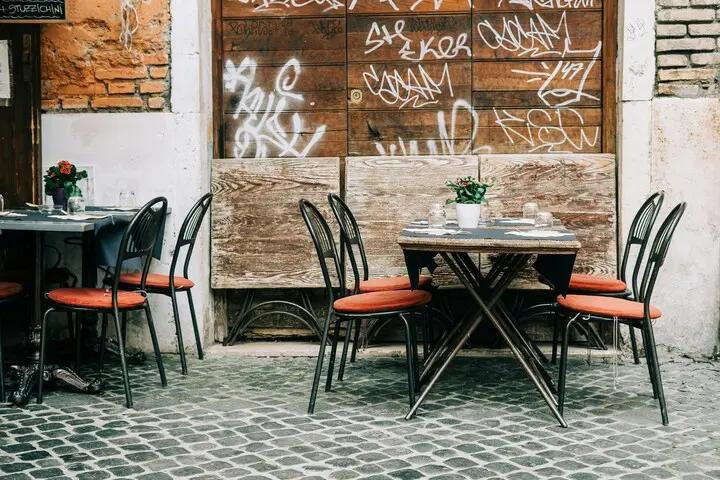
Fondue Restaurant Hello Again
The wine
- Wine program
- Curated wine list
- Extensive wine list
Details
- Cozy
- Intimate
- Classic
- Date Night
- Special Occasion
- Group Dining
- Extensive Wine List
- Local Sourcing
- A La Carte
- Vegetarian Friendly
Current opening hours
- Monday
- Closed
- Tuesday
- Closed
- Wednesday
- 5–10:30 PM
- Thursday
- 5–10:30 PM
- Friday
- 5–10:30 PM
- Saturday
- 5–10:30 PM
- Sunday
- 5–10:30 PM
Hours can change for holidays and private events. Last verified .
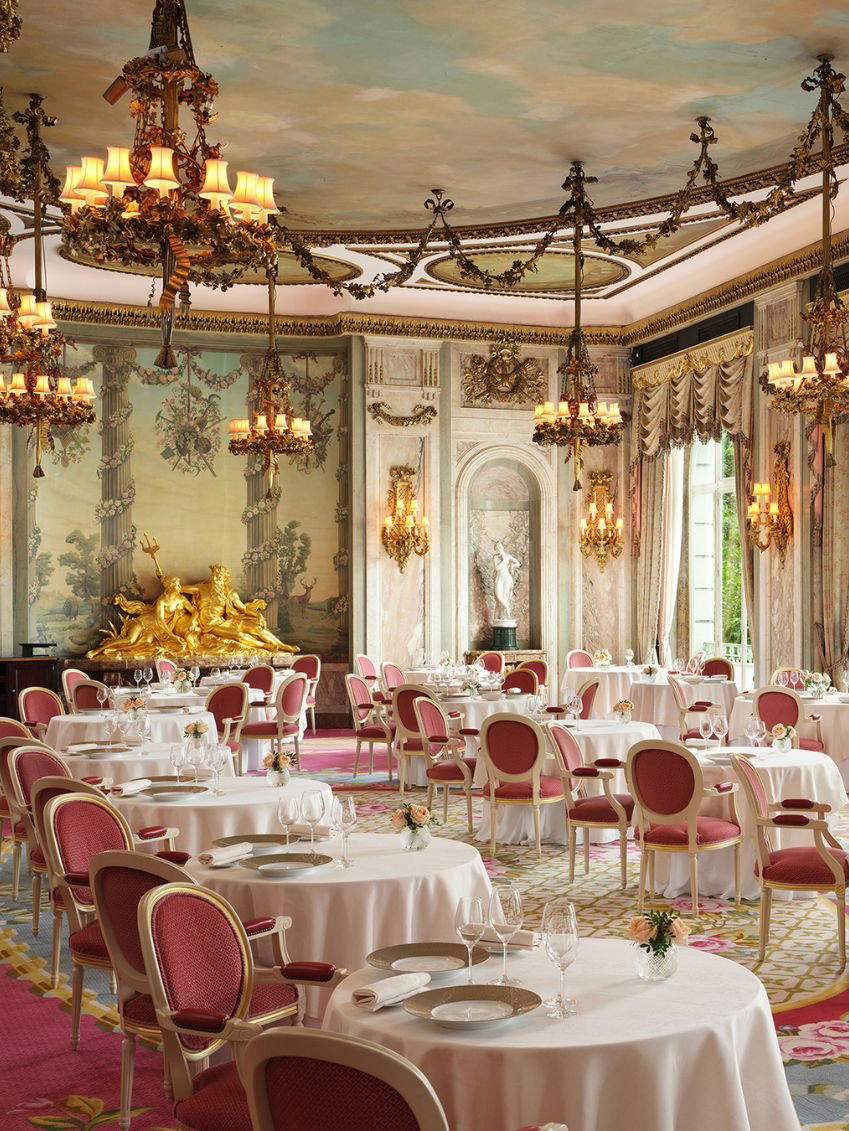
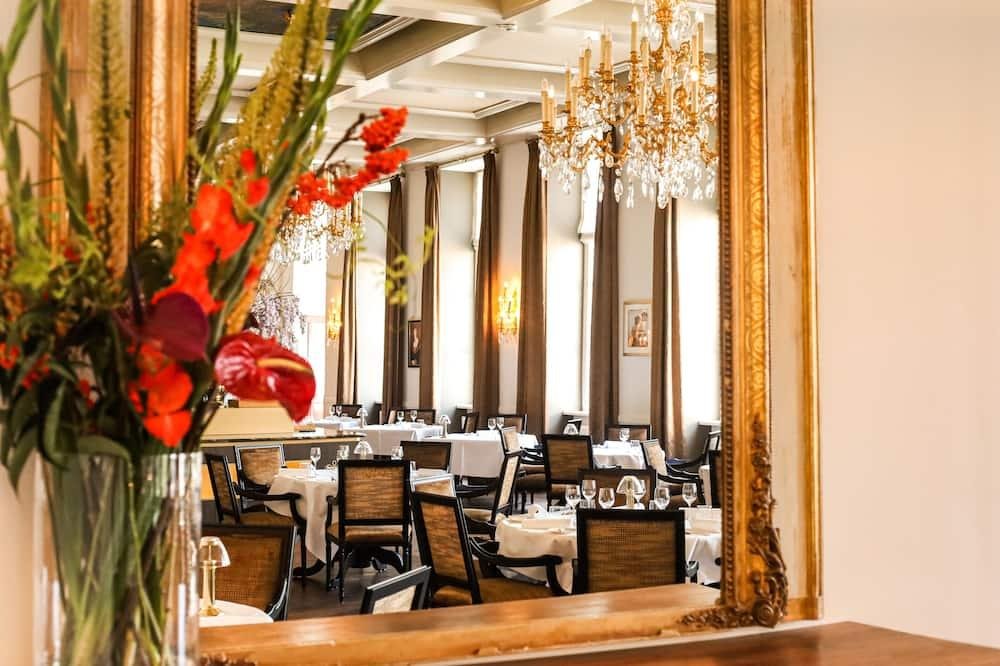
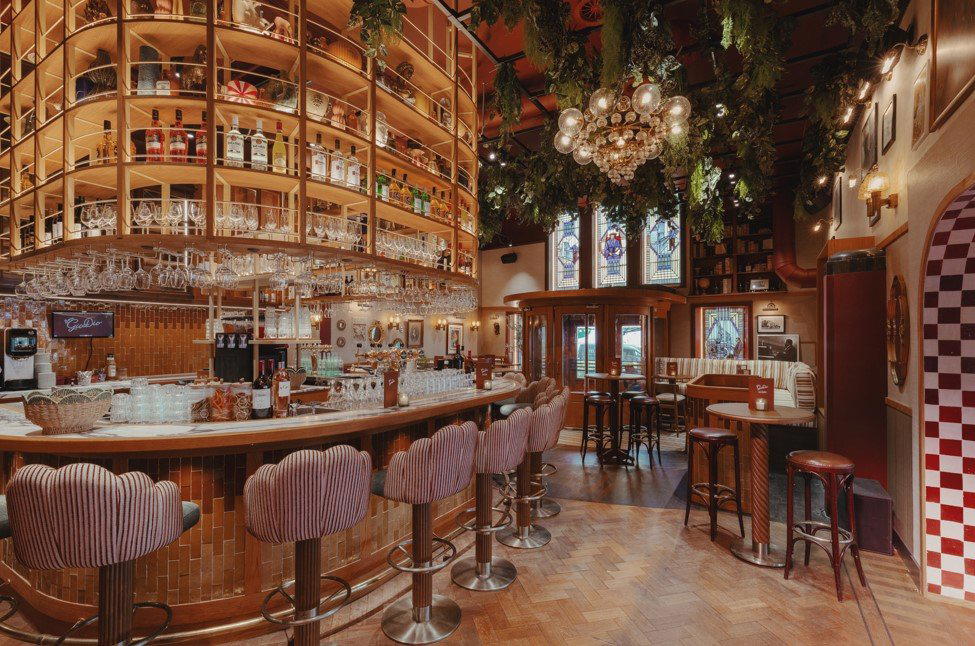
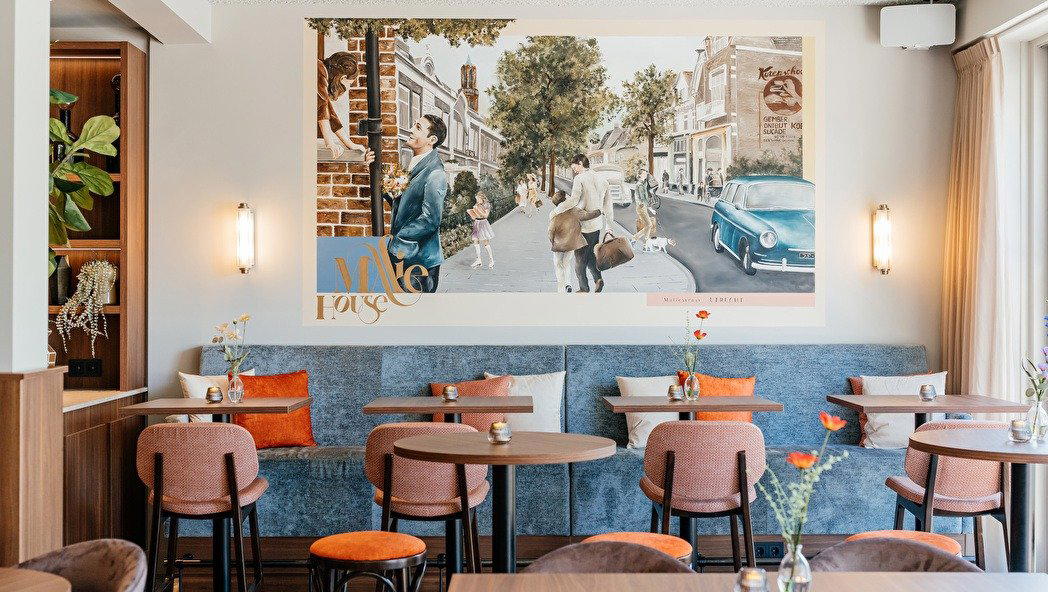
Cozy and modern atmosphere with no-nonsense service, well-suited for a leisurely fondue evening.