Fonda La Catrina
Our verdict
Fonda La Catrina sits in Seattle's Georgetown neighborhood at 5905 Airport Way S, where the city's Mexican dining conversation moves away from fast-casual formats toward something with more structural ambition. The address places it in a working-class industrial corridor that has increasingly drawn destination diners, and the fonda format itself signals a particular kind of Mexican hospitality: unhurried, course-aware, and rooted in regional tradition rather than Tex-Mex shorthand.

Pearl is the En Primeur Club membership app, where members save venues, book tables and use the concierge.
The menu
What to order
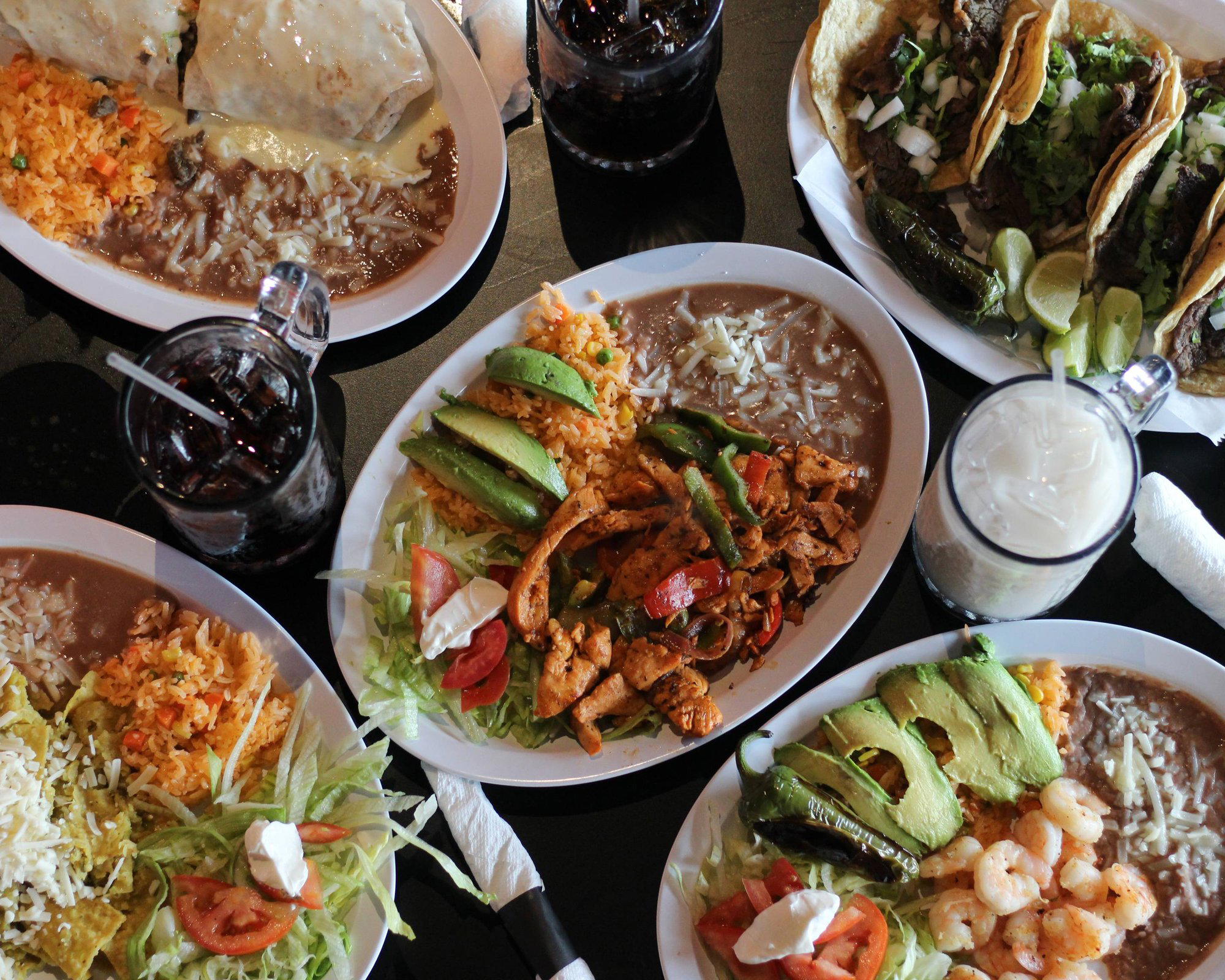
- Enchiladas
- Chile relleno
- Tacos dorados
Georgetown's Dining Corridor and the Fonda Tradition
Seattle's Mexican restaurant conversation has long been weighted toward quick-service formats clustered in the Beacon Hill and White Center corridors. Georgetown, by contrast, sits slightly apart: an industrial neighborhood along Airport Way S that has developed a small but deliberate dining strip, where the premises tend toward larger footprints and the clientele mixes late-shift workers with destination diners who have crossed the city specifically for the table. Fonda La Catrina occupies this corridor at 5905 Airport Way S, and the name alone signals an editorial position. The word fonda carries specific weight in Mexican food culture: not a taqueria, not a fine-dining construct, but a mid-register communal format with roots in interior Mexican states, where multi-course eating happens at a relaxed pace and the kitchen's range is tested across a full meal rather than a single dish.
That framing matters for how you approach the room. Georgetown's streetscape is utilitarian, warehouse facades, chain-link, the low hum of proximity to Boeing Field, and restaurants here tend to absorb that industrial aesthetic rather than fight it. The approach to Fonda La Catrina follows that pattern, where the exterior gives little away and the shift in register happens once you cross the threshold. This is a common dynamic in the neighborhood, and one that rewards diners who have done enough research to arrive with the right expectations.
Reading the Meal as a Sequence
The fonda format invites a particular reading of how a meal is structured. In Mexican culinary tradition, the progression from lighter antojitos through heavier guisados to sweeter closing notes mirrors the arc you find in European tasting formats, but the logic derives from different cultural logic: it's less about showcasing the kitchen's technique and more about pacing a social occasion. That distinction matters when you're ordering. A table that treats Fonda La Catrina as a shared-plates restaurant and orders everything at once collapses the sequence the kitchen is designed to support.
The smarter approach is to read the menu in tiers. Opening selections in the fonda tradition tend toward masa-based preparations, sopes, tlayudas, or tostadas, that function as textural anchors before heavier proteins arrive. Mid-meal, the focus typically shifts to braised and slow-cooked preparations, the guisados that represent a kitchen's depth, where the question is not what ingredient is being served but how long and how carefully it has been handled. The final register is where Mexican dining diverges most sharply from European models: closing courses often run toward both sweet and savory simultaneously, and a table that skips this phase has missed the full argument the meal is making. For comparison, this arc-of-meal thinking is what separates ambitious regional Mexican cooking from the Tex-Mex formula that dominated American perceptions of the cuisine for decades.
Seattle's dining scene, which includes technically accomplished rooms like Joule in the Asian-American register and the long-established Canlis in New American fine dining, has developed serious cross-category ambition over the past decade. Regional Mexican in that context occupies a specific and underserved tier: the gap between fast-casual and full-service is wider here than in cities like Los Angeles or Chicago, which means a fonda-format restaurant operating at the upper end of that gap has relatively few direct comparators in the market. For readers tracking the broader national Mexican dining conversation, the analogy is to what serious regional Mexican kitchens have built in other mid-sized American cities: format-driven, course-aware, and calibrated for a table that intends to stay.
Georgetown in the Broader Seattle Restaurant Map
Within Seattle's geography, Georgetown sits south of SoDo and north of the city's industrial edge, a location that keeps it off the casual tourist circuit but well within reach for diners staying downtown. The neighborhood's restaurant addresses cluster along Airport Way S, and the strip rewards explorers: several kitchens within a short walk of each other represent cuisines and formats that don't appear in Capitol Hill or Queen Anne. Other addresses nearby include 2963 4th Ave S, which gives a sense of how the neighborhood's dining profile is filling in across different formats.
For readers building a multi-day Seattle itinerary, the geographical logic is to anchor Georgetown on a day that also includes the broader south Seattle dining corridor, rather than treating it as a detour from the downtown core. The full context for planning across Seattle's neighborhoods is available in our full Seattle restaurants guide. For comparison against other Seattle addresses, 1415 1st Ave and 1744 NW Market St represent the downtown and Ballard ends of the city's dining distribution respectively.
How Fonda La Catrina Fits the National Mexican Dining Conversation
The most useful frame for positioning this restaurant is national rather than local. American cities have spent the past decade reconsidering regional Mexican cuisine with a seriousness that parallels what happened to Japanese and Korean food a generation earlier. The fonda model has been central to that reassessment: it provides a format that communicates ambition without requiring the full tasting-menu apparatus of, say, Lazy Bear in San Francisco or Smyth in Chicago. It is also distinct from the farm-to-table New American framing that dominates recognition circuits, as seen at properties like Blue Hill at Stone Barns or Single Thread Farm. Regional Mexican kitchens are increasingly judged on their own terms, and the fonda format is one of the clearer signals of seriousness in that category.
Readers who track the fine-dining end of the spectrum through properties like Le Bernardin, The French Laundry, or Addison will find Fonda La Catrina operating in a different tier, but the underlying logic of format-driven eating that those rooms exemplify is not absent here. It simply arrives through a different culinary lineage. The same could be said of Atomix in New York, which demonstrates how a non-European format can carry full tasting-menu ambition. Providence in Los Angeles and Emeril's in New Orleans both point to how regional identity can anchor a serious dining program; Fonda La Catrina makes a comparable argument through Mexican regional tradition rather than Pacific seafood or Louisiana Creole.
Planning the Visit
| Venue | Format | Neighborhood | Booking |
|---|---|---|---|
| Fonda La Catrina | Fonda / regional Mexican | Georgetown (Airport Way S) | |
| Joule | New Asian | Fremont | OpenTable / direct |
| Canlis | New American fine dining | Queen Anne | Tock / direct |
Georgetown is leading reached by car or rideshare from downtown Seattle; the neighborhood is not on a primary Link Light Rail line, and the walk from the nearest transit stops is extended. Plan accordingly if you are arriving from the Convention Center or Capitol Hill.
Frequently asked questions
How do I find Fonda La Catrina?
Fonda La Catrina is located at 5905 Airport Wy S, Seattle, WA 98108, Seattle.
How does Fonda La Catrina differ from other Mexican restaurants in South Seattle?
Most Mexican dining in South Seattle clusters around quick-service and taqueria formats in the Beacon Hill and White Center corridors. Fonda La Catrina's Georgetown address at 5905 Airport Way S operates within the fonda tradition, a model defined by sequenced meal structure and a broader range of regional Mexican cooking rather than a narrow menu of high-turnover staples. That format difference, not just cuisine type, separates it from the surrounding field.
What should I eat at Fonda La Catrina?
The fonda tradition centers on a progression from lighter antojitos through heartier main plates, so working through the menu in sequence rather than ordering at random gives the meal its proper shape. Given that Fonda La Catrina sits within Seattle's broader conversation about regional Mexican cooking, the kitchen's focus is likely on formats that distinguish the fonda from taqueria or Tex-Mex formats. Confirm current menu offerings directly with the restaurant at 5905 Airport Way S, Georgetown.
Is Fonda La Catrina reservation-only?
Reservation policy has not been publicly documented for Fonda La Catrina. Georgetown's dining corridor draws a mix of neighborhood regulars and destination diners, so visiting during off-peak hours or contacting the restaurant at its Airport Way S address before arriving is the practical approach.
What's Fonda La Catrina best at?
The fonda format itself is the defining commitment here. Where much of Seattle's Mexican dining has defaulted to quick-service models in Beacon Hill and White Center, the fonda structure at this Georgetown address positions the meal as a composed sequence rather than a counter transaction. That structural distinction is the clearest reason to seek it out.
Can Fonda La Catrina handle vegetarian requests?
The traditional fonda repertoire includes a range of vegetable-forward antojitos and masa-based dishes that can accommodate vegetarian diners without requiring substitutions. Specific current menu accommodations should be confirmed with the restaurant directly, as dish rotations in fonda-style kitchens often follow seasonal and daily availability.
Is eating at Fonda La Catrina worth the cost?
Pricing has not been publicly listed for Fonda La Catrina, but the fonda format typically positions itself between fast-casual and full table-service pricing in the American market. Within Seattle's Georgetown neighborhood, where the dining corridor skews toward independent operators rather than high-overhead concepts, the cost-to-experience ratio tends to favor the diner. Verify current pricing at 5905 Airport Way S before visiting.
The Short List
A compact comparison to help you place this venue among nearby peers.
| Venue | Cuisine | Price | Awards | Notes |
|---|---|---|---|---|
| Fonda La CatrinaThis venue (the venue you are viewing) | Mexico City-Style Mexican | $20–30 | Not listed | Not listed |
| Canlis | Modern American Fine Dining | $200–300 | Star Wine List · James Beard Award Semi Finalist | New American |
| Joule | Korean-Fusion Steakhouse | $50–100 | James Beard Award Outstanding Bar Program | New Asian |
| Kamonegi | Handmade Soba Noodles | $50–100 | Not listed | Soba |
| Maneki | Traditional Japanese | $20–30 | Not listed | Japanese |
| Walrus & Carpenter | Seattle Oyster Bar | $50–100 | Not listed | New American - Seafood |