Cactus
Positioned on Alki Beach in West Seattle, Cactus sits within a casual-dining tier that has built a loyal neighbourhood following distinct from the downtown fine-dining corridor anchored by venues like Canlis. The Alki location draws regulars as much for the setting as for the Southwestern-inflected menu, making it a consistent neighbourhood fixture rather than a destination reservation.
Pearl is the En Primeur Club membership app — saves, bookings, and concierge access live there. Same editors, same standards.
- Address
- 2820 Alki Ave SW #2788, Seattle, WA 98116
- Phone
- +12069336000
- Website
- cactusrestaurants.com
- Directions
- Get directions
 Saves & bookings on Pearl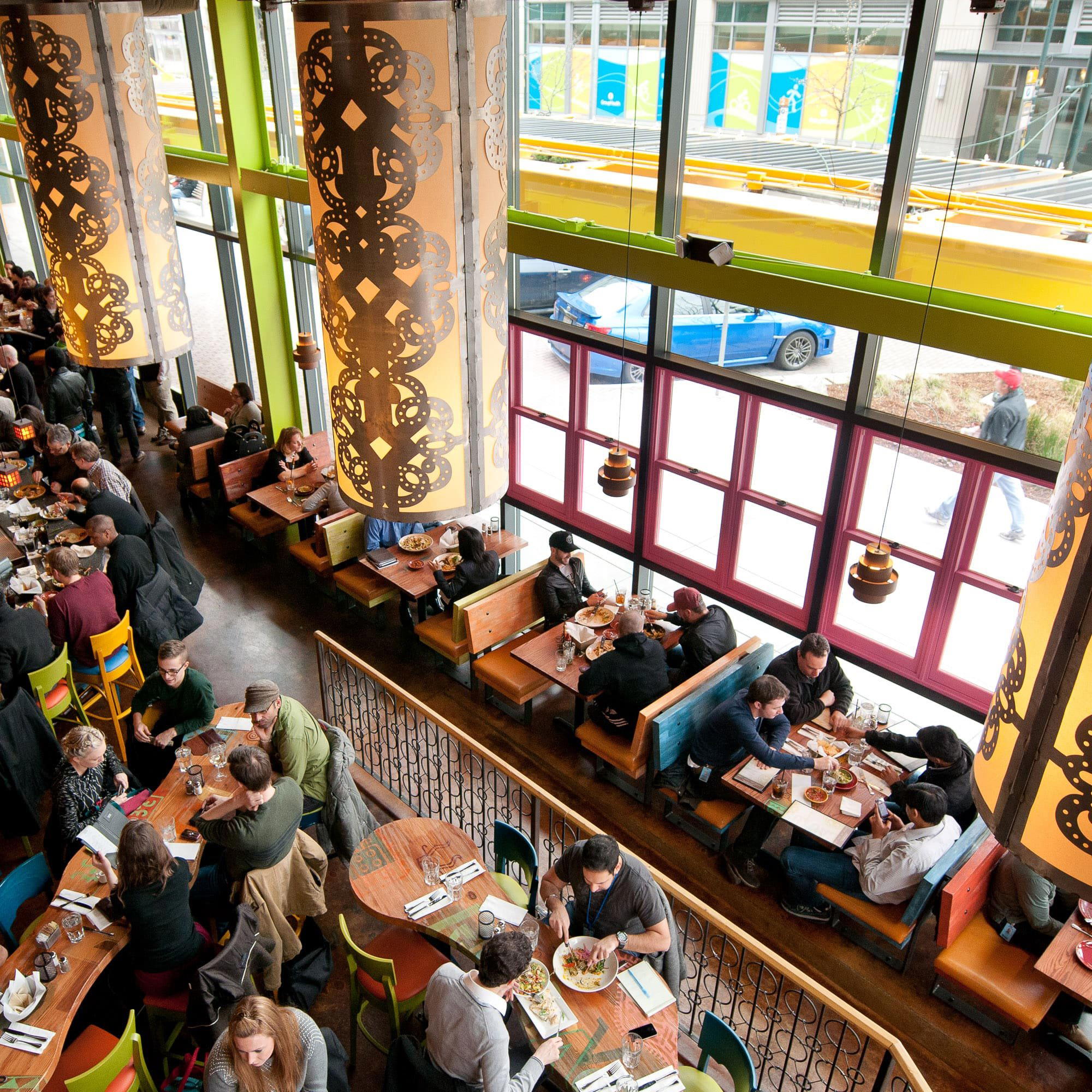
Where Alki Beach Meets the Southwest
West Seattle's dining scene operates on a different register from the city's downtown and Capitol Hill corridors. The neighbourhoods along Alki Avenue attract a local crowd that returns on its own terms: residents who walk to dinner, families who know the staff by name, and visitors drawn to the waterfront rather than a particular chef's resume. It is within this context that Cactus at 2820 Alki Ave SW has established itself as a casual Mexican and Southwestern restaurant rather than a passing trend. The setting alone frames expectations: a beachside stretch of Seattle that looks across Elliott Bay toward the skyline, a physical context that rewards unhurried meals rather than tightly choreographed tasting sequences.
That environmental logic shapes the kind of loyalty Cactus attracts. Seattle's restaurant geography has a well-documented split between the ambitious, award-tracked venues at its centre (properties like Canlis and Joule) and the neighbourhood-rooted restaurants that accumulate regulars quietly over years. Cactus belongs firmly to the second category, a positioning that is less about what it lacks and more about what it consistently delivers to the people who keep coming back.
The Regulars' Case
In any city, the restaurants that outlast hype cycles tend to share a common trait: they serve a core audience that does not need convincing. The draw is not novelty but reliability, the confidence that the food, the setting, and the atmosphere will be roughly what you expect and want. Across Seattle's casual dining tier, that dynamic is visible in venues from Ballard to Columbia City, and Alki's Cactus is a clear example of it in West Seattle.
What keeps regulars returning to Southwestern-influenced restaurants in the Pacific Northwest is, in part, a matter of contrast. Seattle's dominant dining identity leans heavily on seafood and Pacific Rim influences, visible everywhere from the oyster programs at venues along 1st Ave to the produce-forward kitchens near NW Market Street. A restaurant drawing on the flavours of the American Southwest offers a genuine counterpoint to that pattern, and for its regulars, that counterpoint becomes its own kind of comfort food over time.
The Alki location is particularly relevant here. A waterfront seat in West Seattle carries a different emotional charge from a table in Belltown or South Lake Union. The pace is slower. The clientele skews toward people who already live nearby rather than those who have travelled across the city for a specific dish. That local saturation is what turns a restaurant from a choice into a habit, and habitual dining is the foundation of any venue's long-term relevance in a competitive market.
Southwest Cooking in a Northwest City
The American Southwest as a culinary reference point covers significant ground: New Mexican chile traditions, Tex-Mex borderlands cooking, Arizona desert cuisine, and the broader category of Latin-influenced American food that has become a mainstream category across US cities over the past two decades. At its better executions, this tradition is less about novelty ingredients and more about a particular approach to seasoning, heat, and the layering of bold flavours that read as a counterweight to the lighter, more restrained palates that characterise much of the Pacific Northwest table.
Nationally, particularly scrutinised expressions of Latin-influenced American cooking operate in a different register from casual neighbourhood restaurants. Places like Le Bernardin in New York City or The French Laundry in Napa occupy a tier defined by long waiting lists, extensive tasting menus, and critical infrastructure that few casual restaurants can or should aspire to replicate. The more relevant comparable set for a beachside neighbourhood restaurant is a local one: venues in West Seattle and the broader city that compete on atmosphere, consistency, and value rather than prestige.
Within that frame, the Southwestern category occupies a specific niche in Seattle. It is not a dominant dining tradition here the way Japanese cuisine or Pacific seafood is, which means venues that do it reliably earn a disproportionate share of regulars who have no closer alternative. That scarcity premium is a structural advantage for any neighbourhood restaurant working within it.
Alki as a Dining Destination
West Seattle's waterfront has historically been underrepresented in Seattle dining coverage, which has tended to concentrate on Capitol Hill, Ballard, and the downtown core. That gap is partly a function of geography: the West Seattle Bridge and the distance from the city's main transit corridors have made the neighbourhood feel more self-contained than its proximity to the skyline would suggest. For residents, that self-containment is an asset. For the restaurants that serve them, it creates a captive audience that values consistency above novelty.
The broader Seattle dining scene is diverse enough that a beachfront neighbourhood restaurant does not need to compete on the same terms as the city's high-end corridor. Venues at 2963 4th Ave S and comparable South Seattle addresses serve their own local clusters in similar fashion. What connects them is an audience whose loyalty is geographic and habitual, not driven by external validation from awards bodies or food media.
That is not a criticism. The restaurants that define a neighbourhood's character for the people who actually live in it are doing something that even particularly decorated fine-dining venues cannot replicate. Lazy Bear in San Francisco, Smyth in Chicago, or Providence in Los Angeles earn the critical infrastructure they attract, but their regulars are enthusiasts making deliberate pilgrimages. Cactus on Alki earns something different: the kind of quiet regularity that doesn't generate column inches but does fill tables on a Wednesday night in November.
Know Before You Go
- Address: 2820 Alki Ave SW, Seattle, WA 98116
- Neighbourhood: Alki Beach, West Seattle
- Getting There: West Seattle is most easily reached by car or the Water Taxi from Pier 50 downtown; the Alki waterfront strip is walkable once you arrive
- Parking: Street parking along Alki Ave; availability tightens considerably on summer weekends
- Booking: See current availability via the venue directly; walk-in feasibility varies by day and season (see FAQ below)
A Tight Comparison
Comparable venues nearby, for context on price, style, and recognition.
| Venue | Cuisine | Price | Notes |
|---|---|---|---|
| CactusThis venue — the venue you are viewing | Not listed | $$ | Not listed |
| Mama's Mexican Kitchen | Not listed | $$ | Seattle, Traditional Mexican with Northwest Twists |
| Jackalope Tex Mex & Cantina | Columbia City, Tex-Mex with BBQ | $$ | Not listed |
| La Carta De Oaxaca | Adams, Traditional Oaxacan Mexican | $ | Not listed |
| Poquitos | Not listed | $$ | Broadway, Authentic Mexican with Northwest Sourcing |
| El Rinconsito | Atlantic, Authentic Mexican Taqueria | $ | Not listed |
Continue exploring
More in Seattle
Restaurants in Seattle
Browse all →
Bars in Seattle
Browse all →
Hotels in Seattle
Browse all →

At a Glance
- Lively
- Trendy
- Casual Hangout
- Brunch
- Waterfront
- Craft Cocktails
- Waterfront
Current opening hours
- Monday
- 11:30 AM–9 PM
- Tuesday
- 11:30 AM–9 PM
- Wednesday
- 11:30 AM–9 PM
- Thursday
- 11:30 AM–9 PM
- Friday
- 11:30 AM–10 PM
- Saturday
- 10 AM–10 PM
- Sunday
- 10 AM–9 PM
Hours can change for holidays and private events. Last verified .
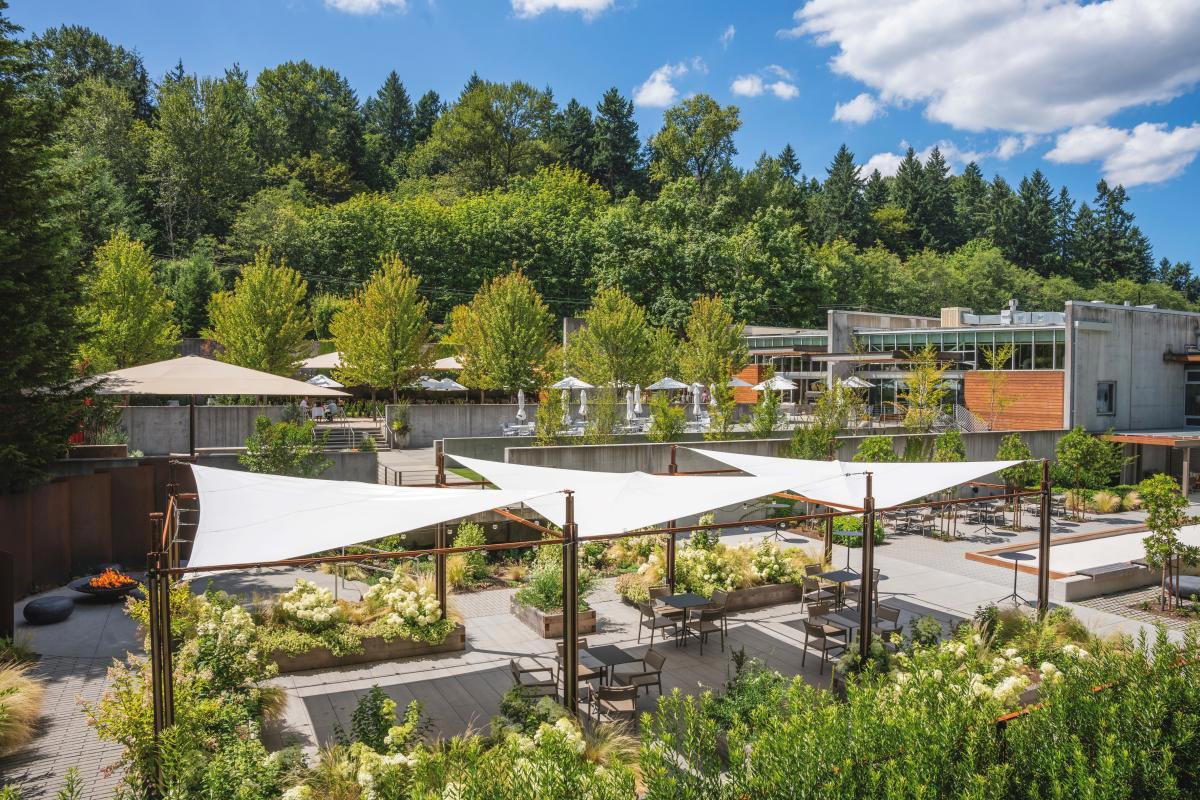
Nice atmosphere with lively energy suitable for casual dining and beach views.