Maiz Molino
Maiz Molino occupies a Belltown address on 6th Avenue where Seattle's appetite for masa-forward cooking meets the city's broader shift toward ingredient-led, process-driven kitchens. The name signals the molino tradition, stone-milled corn at the heart of the menu, placing it in a small but growing cohort of American restaurants taking nixtamalization seriously. For the Seattle dining scene, that specificity carries weight.
Pearl is the En Primeur Club membership app — saves, bookings, and concierge access live there. Same editors, same standards.
- Address
- 2325 6th Ave, Seattle, WA 98121
- Phone
- +12064026142
- Website
- maizseattle.com
- Directions
- Get directions
 Saves & bookings on Pearl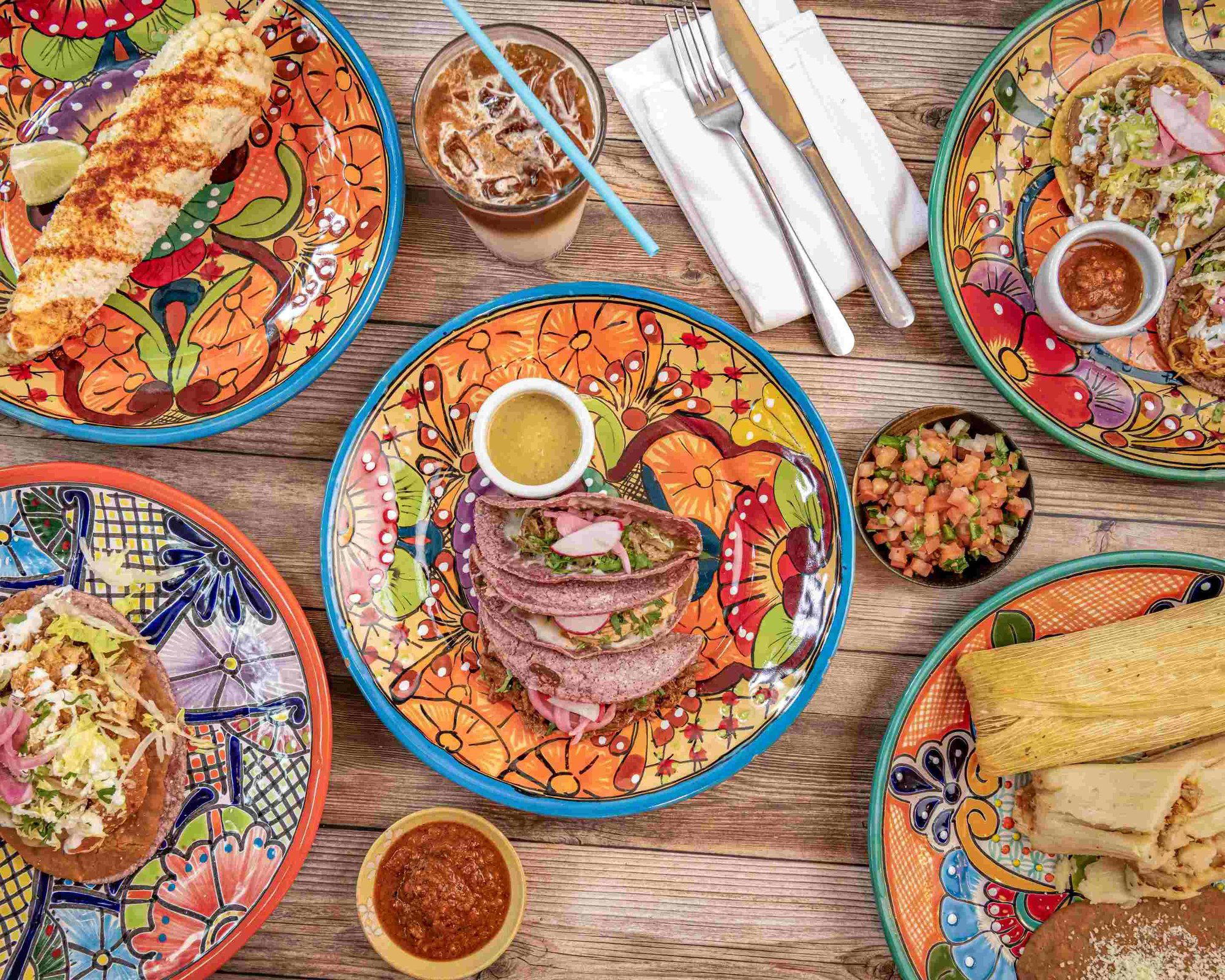
Masa and the Mill: Seattle's Nixtamalization Moment
A decade ago, the American restaurant conversation around corn was largely decorative, sweet corn in summer salads, polenta as a base, tortillas as a vehicle. That conversation has shifted considerably. A cohort of chefs across the country, drawing on Mexican and Mesoamerican milling traditions, has repositioned nixtamalized corn as a primary ingredient worthy of the same sourcing discipline applied to heritage beef or single-origin coffee. Restaurants like Blue Hill at Stone Barns in Tarrytown and Single Thread Farm in Healdsburg have modeled how ingredient provenance can anchor an entire kitchen's identity. Maiz Molino, at 2325 6th Ave in Seattle's Belltown neighborhood, arrives in that broader context, its name a direct statement of method: maiz, the corn; molino, the mill.
Seattle has not historically been a city associated with Mexican culinary tradition at the fine-dining tier. Its serious restaurant culture has concentrated around Pacific Northwest seafood, Japanese-influenced technique, and the kind of locally-foraged, farm-forward New American cooking represented by venues like Canlis. The emergence of a masa-focused kitchen in Belltown represents a meaningful widening of that conversation, situating Seattle alongside cities like Los Angeles and Chicago, home to Alinea, where process-driven approaches to pre-Columbian ingredients have found serious audiences.
The Molino Tradition in a Modern Kitchen
The molino is not a modern invention. Stone-milling corn is among the oldest continuous food processes in the Americas, and the nixtamalization step, alkaline treatment that transforms dried corn's nutritional profile and flavor, predates European contact by millennia. What is relatively new is the application of that tradition in contemporary American restaurant kitchens with the same rigor that European fine dining has historically reserved for bread programs or charcuterie. The handful of American restaurants doing this seriously tend to source heirloom corn varieties directly from small farms or seed-saving cooperatives, mill on-site or close to service, and build menus around what the corn itself demands rather than what a generic tortilla press permits.
That places Maiz Molino in a specific and small comparable set nationally. Restaurants like Providence in Los Angeles and Lazy Bear in San Francisco have demonstrated that West Coast audiences engage seriously with deep-process cooking when the narrative is coherent and the execution precise. The question Maiz Molino poses for Seattle specifically is whether a city that has built its dining credibility on seafood and foraged Northwest produce will extend that same appetite for process-driven cooking into indigenous American grain traditions.
Belltown's Place in Seattle's Dining Geography
Belltown occupies a specific position in Seattle's dining geography. Situated between the Pike Place Market corridor and South Lake Union, it has historically attracted a mix of mid-range and experimental dining rather than the white-tablecloth tier that settles in neighborhoods like First Hill or the blocks around 1415 1st Ave. That positioning gives the restaurant's 6th Avenue address a particular character: accessible enough to draw a wide dining public, but within a neighborhood increasingly associated with concept-forward kitchens rather than tourist-facing comfort food.
For context on the broader Seattle dining circuit, the city's more adventurous kitchens have clustered in a few corridors. Joule has defined Asian-American cross-cultural cooking on Capitol Hill. Addresses like 1744 NW Market St in Ballard and 2963 4th Ave S in Georgetown represent the distributed nature of the city's serious dining. Belltown, then, is neither the obvious prestige address nor a fringe location, it sits in a middle ground where a kitchen defined by method rather than price tier can build an audience without the overhead of the city's more rarefied corridors.
Front-of-House and Kitchen as a Unified Program
The editorial angle most relevant to a kitchen built around a specific milling tradition is the relationship between back-of-house process and front-of-house communication. Restaurants that center a technical or artisanal method, whether that is house-aged proteins, long fermentation, or stone milling, depend on service teams that can translate process into guest experience without lecturing. At the highest tier of American dining, from Le Bernardin in New York City to The French Laundry in Napa, the coordination between sommelier, front-of-house, and kitchen is what transforms technically accomplished food into a legible, memorable experience for the guest.
For a restaurant like Maiz Molino, where the core proposition, masa made from nixtamalized heirloom corn, requires at least brief explanation to be understood and appreciated, that front-of-house literacy is not incidental. It is structural. A service team that can explain why the masa tastes different from a commercial tortilla, what corn variety is being used and from where, and how the grinding process affects texture and fermentation character, is doing substantive editorial work on behalf of the kitchen. Restaurants that get this alignment right tend to build regulars faster than those where kitchen ambition and floor communication operate independently.
This dynamic is visible across the broader American fine-dining circuit. At Atomix in New York City, the service program is as deliberate as the tasting menu itself, with written cards accompanying each course. At Addison in San Diego, front-of-house training is considered part of the kitchen's identity rather than a separate operational concern. The degree to which the restaurant has built this internal coherence will substantially determine its trajectory in Seattle's competitive dining tier.
Planning a Visit
The restaurant is recommended for diners seeking Nixtamal Mexican Antojitos at 2325 6th Ave in Seattle's Belltown neighborhood. The restaurant's regular hours are Mon: 11 AM to 3 PM; Tue: 11 AM to 3 PM; Wed: 11 AM to 3 PM; Thu: 11 AM to 3 PM, 5 to 9 PM; Fri: 11 AM to 3 PM, 5 to 9 PM; Sat: 10 AM to 2 PM, 5 to 9 PM; Sun: 10 AM to 2 PM, 5 to 9 PM, and reservations are recommended. Price per person is about $25.
Price and Positioning
Comparable venues nearby, for context on price, style, and recognition.
| Venue | Cuisine | Price | Notes |
|---|---|---|---|
| Maiz MolinoThis venue — the venue you are viewing | Not listed | $$ | Not listed |
| Hatch Cantina | Belltown, New Mexican Southwestern | $$ | Not listed |
| The Yard Cafe | Not listed | $$ | Greenwood, Latin-inspired Mexican Comfort Food |
| El Farol | Broadway, Authentic Mexican | $ | Not listed |
| El Sirenito | Mid-Beacon Hill, Coastal Mexican Seafood | $$ | Not listed |
| Gorditos Healthy Mexican | Greenwood, Healthy Mexican Taqueria | $$ | Not listed |
Continue exploring
More in Seattle
Restaurants in Seattle
Browse all →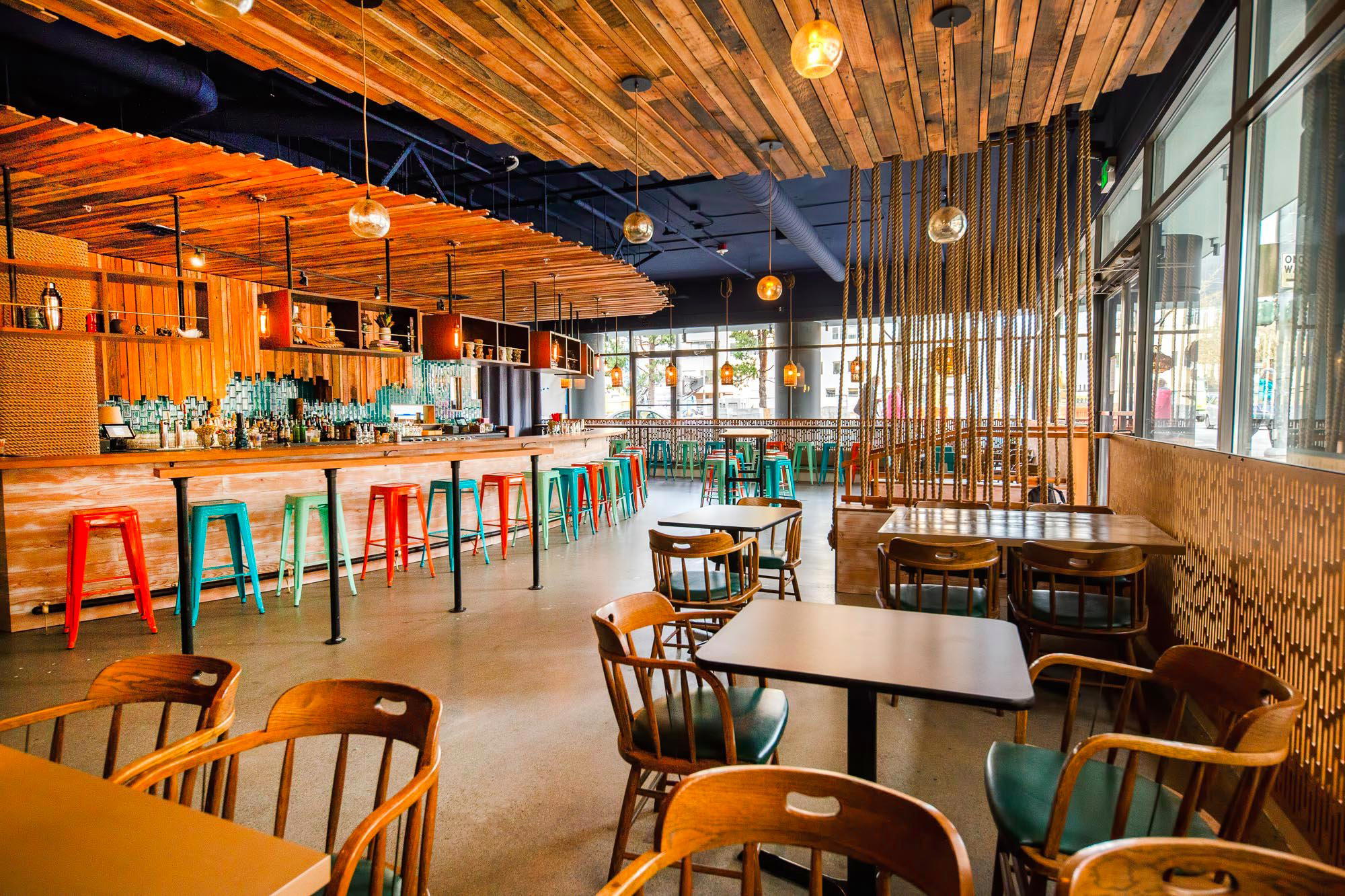
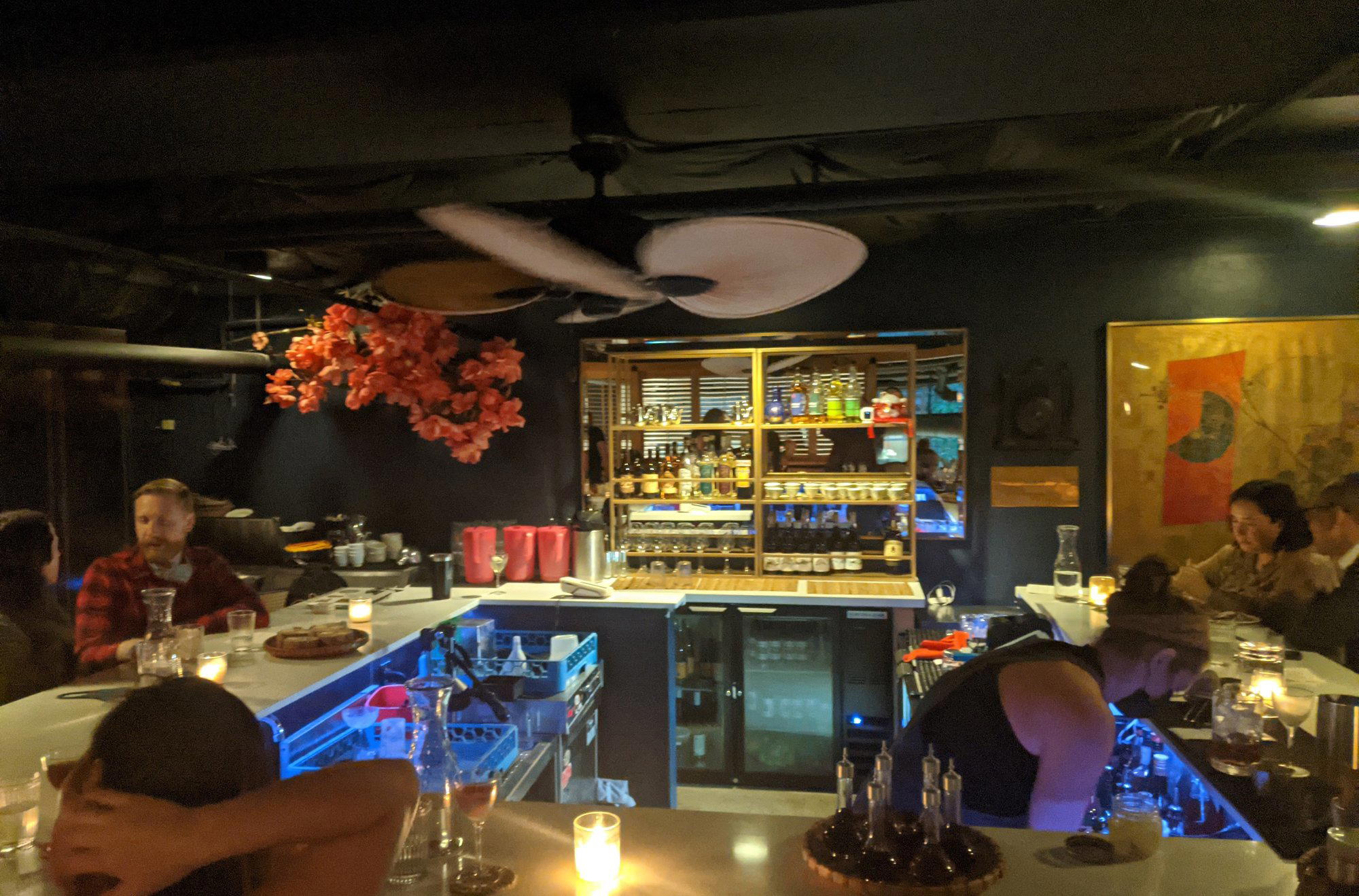
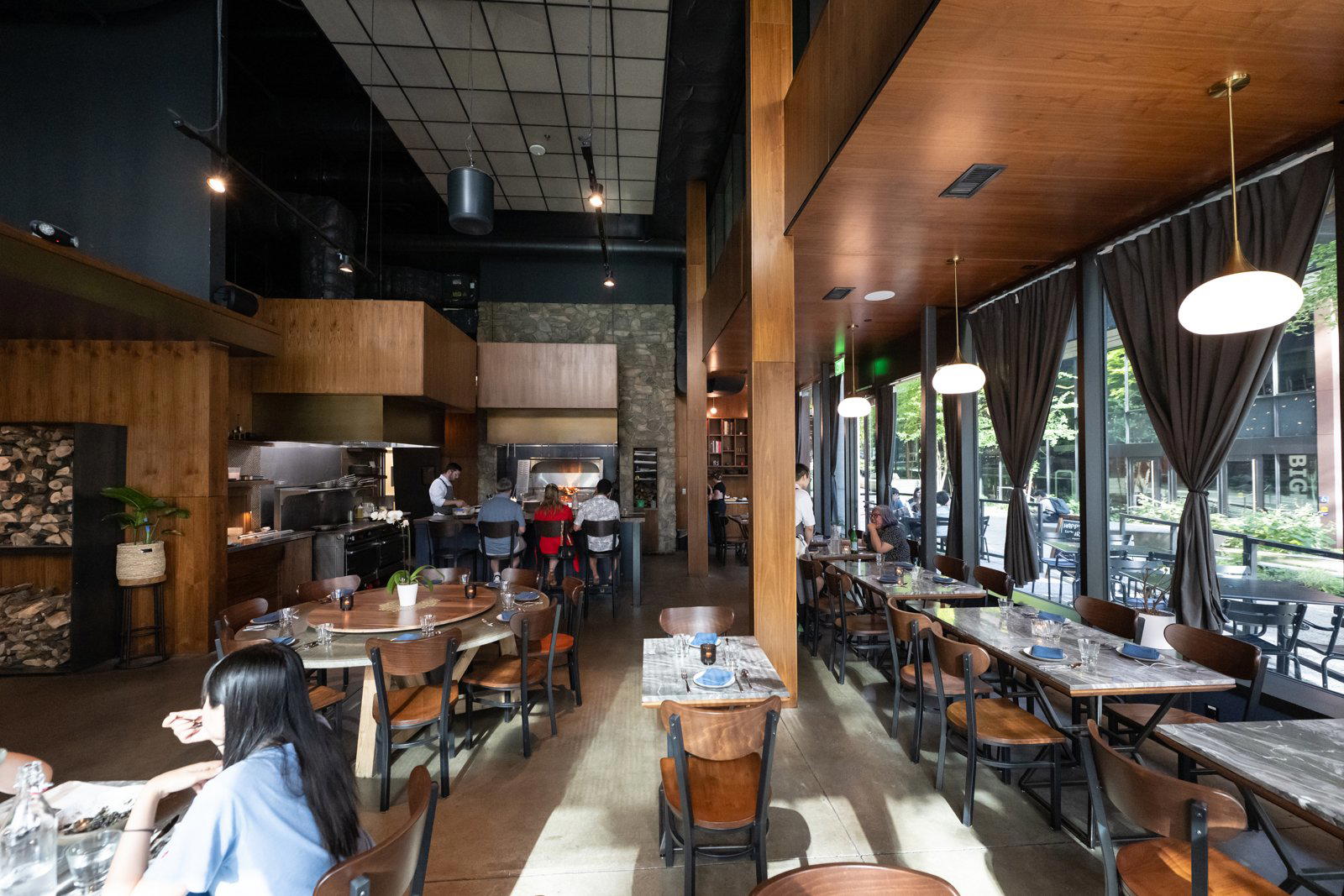
Bars in Seattle
Browse all →
Hotels in Seattle
Browse all →


At a Glance
- Rustic
- Trendy
- Casual Hangout
- Brunch
- Open Kitchen
- Local Sourcing
Current opening hours
- Monday
- 11 AM–3 PM
- Tuesday
- 11 AM–3 PM
- Wednesday
- 11 AM–3 PM
- Thursday
- 11 AM–3 PM, 5–9 PM
- Friday
- 11 AM–3 PM, 5–9 PM
- Saturday
- 10 AM–2 PM, 5–9 PM
- Sunday
- 10 AM–2 PM, 5–9 PM
Hours can change for holidays and private events. Last verified .
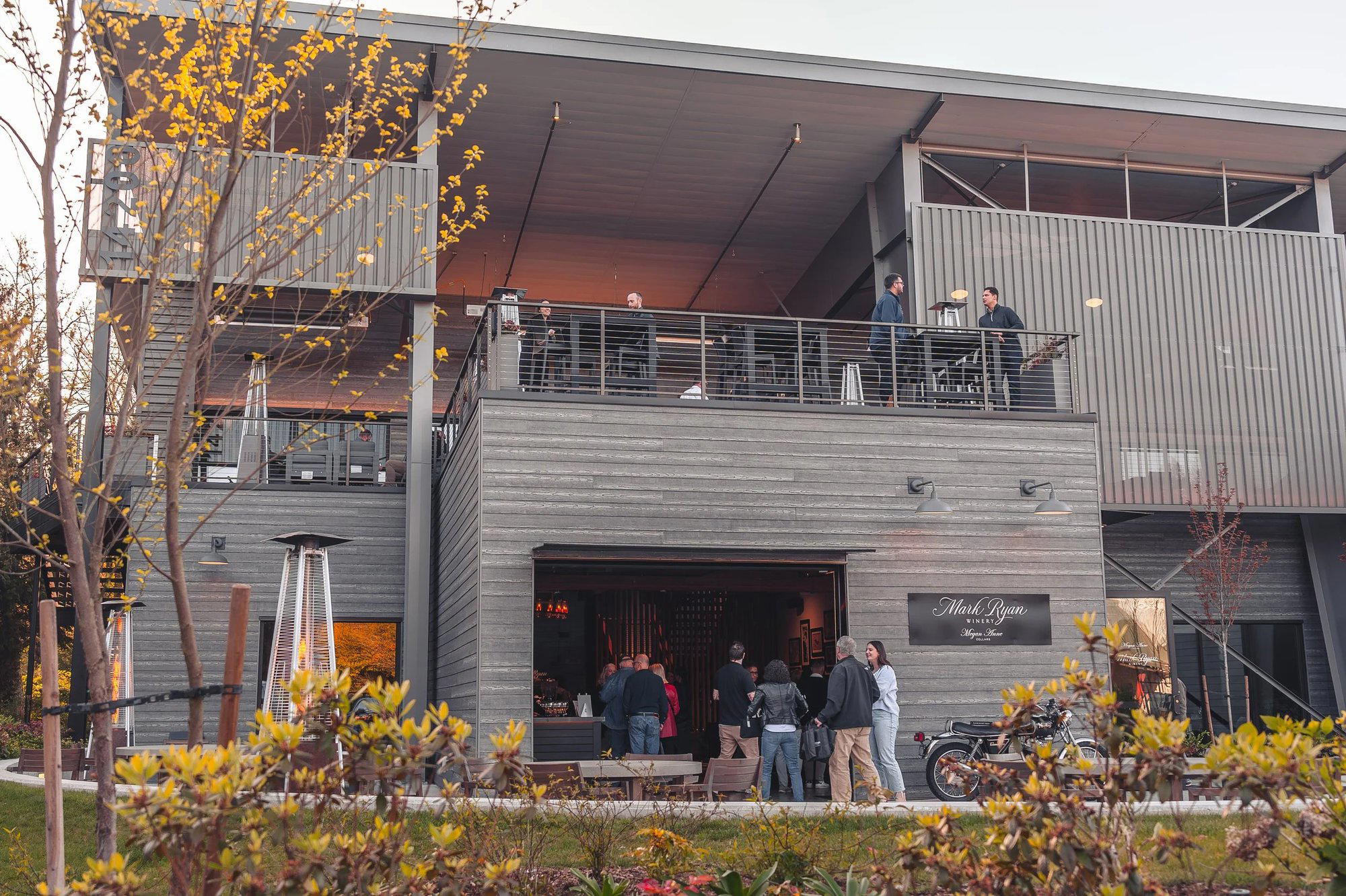
Casual and lively atmosphere centered around the tradition of the molino with fresh masa preparation and street food energy.