Follia
.png)
A Michelin Plate-recognised contemporary restaurant in Sant Joan Despí, Follia operates from a stone property surrounded by its own vineyards and kitchen garden. Three seasonal tasting menus, Seny, Rauxa and Follia, anchor the offer, alongside a tapas-style format served in the wine cellar or garden. At the €€ price point, it represents one of the Barcelona periphery's more considered approaches to hyper-local sourcing.
Pearl is the En Primeur Club membership app — saves, bookings, and concierge access live there. Same editors, same standards.
- Address
- Carrer de la Creu d'en Muntaner, 17, 08970 Sant Joan Despí, Barcelona, Spain
- Phone
- +34 934 77 10 50
- Website
- follia.com
 Saves & bookings on Pearl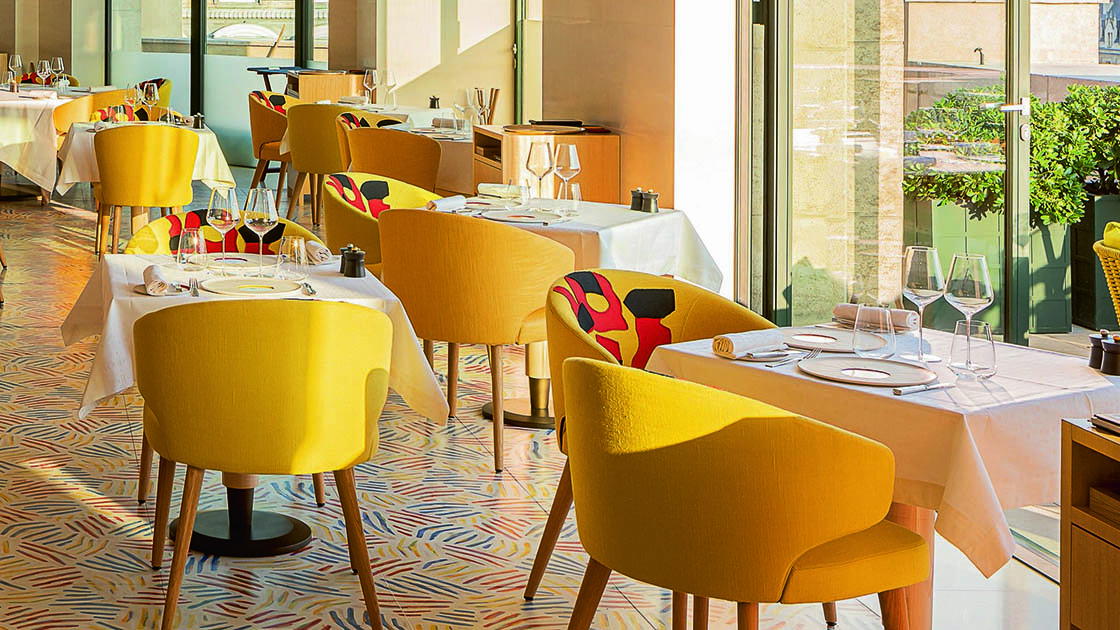
A Garden on the Plate, a Vineyard at the Window
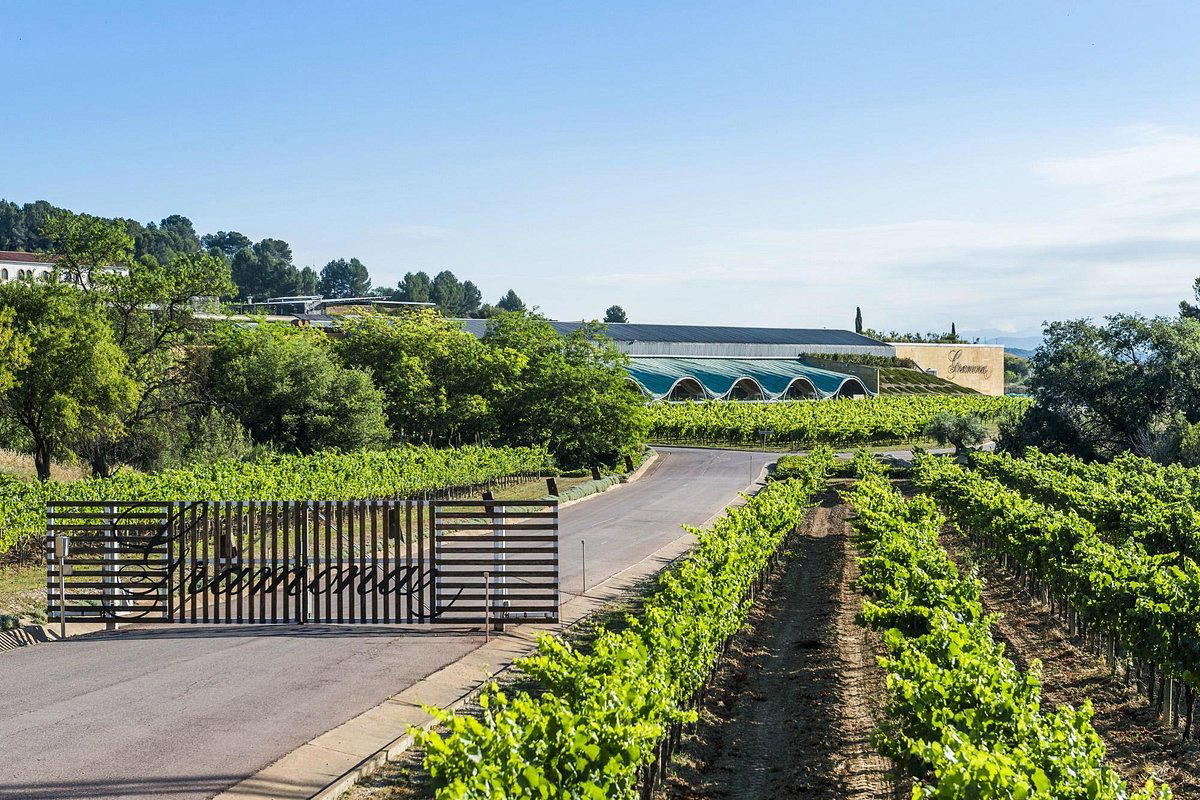
The approach to Follia sets the tone before you reach the door. The stone building sits among its own vines, and in clear weather the kitchen garden, tomatoes, lettuces, fruit trees, aromatic herbs, is visible from the glass-fronted dining room. This is not decorative planting. What grows there ends up in the kitchen, and the transparency is architectural as well as culinary: the dining room's glazed facade keeps the sourcing story visible throughout the meal. In an era when many contemporary restaurants invoke seasonality as a marketing position, Follia makes it a sight line.
Sant Joan Despí sits in the Baix Llobregat comarca, just southwest of Barcelona's city limits. It is far enough from the tourist corridors of the Eixample and Born to operate on a different logic: the clientele is largely local, the atmosphere unhurried, the price register accessible. For visitors making the short journey from the city, that shift in register is part of the appeal. The Barcelona dining scene at its upper tier, represented by operations like Cocina Hermanos Torres in Barcelona, runs at €€€€ and requires considerable forward planning. Follia's €€ positioning places it in a different bracket entirely, one where proximity to the source material, rather than the density of technique, carries the editorial weight.
Three Menus, One Philosophy
The menu structure at Follia is unusually articulate. Three tasting options, Seny, Rauxa and Follia, take their names from Catalan cultural concepts. Seny refers to common sense and measured judgement; Rauxa to impulsive energy; and Follia, the restaurant's own name, to something closer to joyful abandon. The progression from one to the next maps loosely onto increasing complexity and commitment, giving diners a clear framework for calibrating their appetite and budget before they sit down. That kind of transparent architecture is more common in destination restaurants than in neighbourhood-scale operations, and its presence here signals that the kitchen takes the format seriously.
A fourth option, El Pot del Follia, operates as a tapas-style format, typically served in the wine cellar or, in fine weather, in the garden itself. The informality is deliberate: eating outside among the same plants that supply the kitchen collapses the distance between production and consumption in a way that a conventional dining room cannot. Spain's broader contemporary restaurant scene, from Azurmendi in Larrabetzu to Quique Dacosta in Dénia, has long engaged with the theatrical staging of ingredient origin. Follia works at a more domestic scale, but the instinct is related.
Where the Ingredients Come From
The property grows its own wine. That detail is worth pausing on, because it is uncommon even among farm-to-table operations, which often source wine as carefully as food but rarely produce it on-site. The vineyard visible from the dining room supplies what ends up in the glass, which means the provenance loop runs from soil to table without leaving the property. Bread, too, is baked on the premises, which in practical terms means the kitchen controls the full grain-to-crust process. These are not incidental details. They define the ceiling of what the kitchen can claim about its sourcing, and in this case that ceiling is high.
Seasonal menus built around this kind of hyper-local supply change in response to what the garden produces, rather than what can be sourced from a supplier catalogue. That constraint produces a different kind of menu: tighter in range, more dependent on technique applied to a smaller ingredient set, and more legible as a record of a specific time and place. The Michelin Plate recognition the restaurant holds for 2025 reflects this consistency of intent. A Plate signals cooking that meets Michelin's quality threshold without yet reaching the starred tier, and in the context of the broader Spanish dining hierarchy, it positions Follia as a credible regional operation rather than a destination in the constellation of three-starred Spanish restaurants like Arzak in San Sebastián, El Celler de Can Roca in Girona, or Aponiente in El Puerto de Santa María.
The Room and the Setting
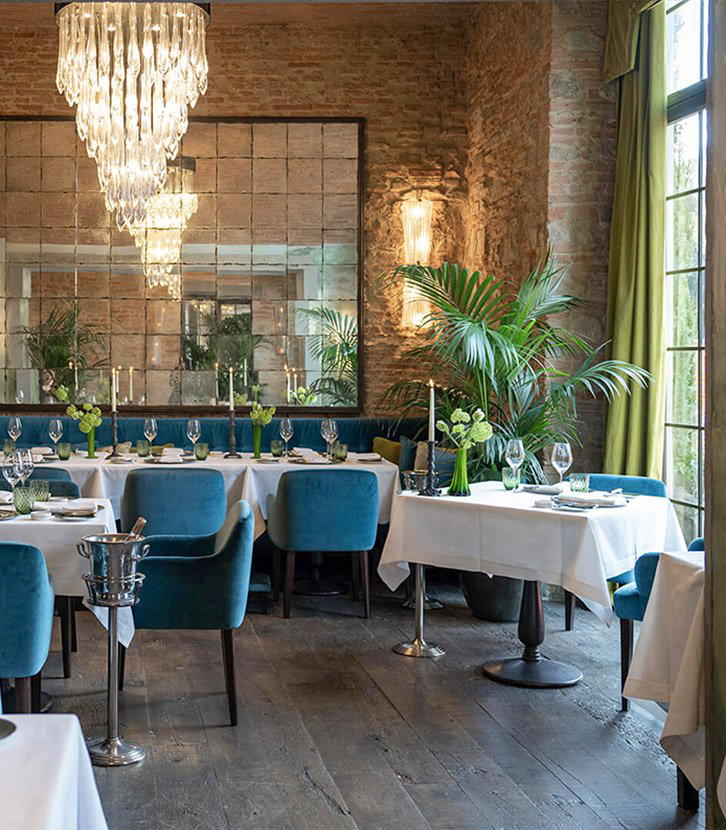
The stone building carries the weight of a genuine property rather than a constructed aesthetic. Designer details are present, but they operate in service of the architecture rather than against it. The glass-fronted dining room prioritises the view outward over the spectacle within, which is an unusual inversion of the usual contemporary restaurant logic, where the room itself is frequently the primary visual statement. At Follia, what you see through the glass, vines, garden, changing light, is the design. The seasonal dimension of that view means the room looks materially different in February than in August, which is itself an argument for returning.
The 4.3 rating across 997 Google reviews reflects a consistency of experience that reaches well beyond the early-adopter cohort. A score maintained across nearly a thousand data points suggests the kitchen's approach is reliable rather than occasion-dependent.
Planning Your Visit
Sant Joan Despí is accessible from central Barcelona by metro and suburban rail, making Follia a realistic option for a weekday lunch or an unhurried evening away from the city's more congested dining corridors. At the €€ price point, it sits within reach for most visitors who have already priced the upper tier of Barcelona dining. The garden and wine cellar formats for El Pot del Follia make reservations during spring and summer worth seeking out specifically for that setting. Those planning a broader trip across the region's dining options can consult our full Sant Joan Despí restaurants guide, as well as our coverage of hotels, bars, wineries, and experiences in the area. For those looking beyond Spain, the contemporary format at this kind of considered mid-market register has parallels in operations like César in New York City and Jungsik in Seoul. Closer to home, Ricard Camarena in València, Martin Berasategui in Lasarte-Oria, Mugaritz in Errenteria, Atrio in Cáceres, and DiverXO in Madrid represent the upper tier of Spain's contemporary dining range for those building a longer itinerary.
Fast Comparison
Comparable venues nearby, for context on price, style, and recognition.
| Venue | Cuisine | Price | Awards | Notes |
|---|---|---|---|---|
| Follia | Modern Catalan Contemporary | $$$ | Michelin Plate | Sant Joan Despí |
| BaLó | Modern Mediterranean with British influences | $$$ | Michelin Plate | les Corts |
| La Cocina Sitges | Modern Mediterranean Fine Dining | $$$ | Michelin Plate | Sitges |
| Maràngels | Modern Catalan Mediterranean | $$$ | Michelin Plate | Sant Gregori |
| Olivos | Creative Mediterranean Fusion | $$$ | Michelin Plate | Sants |
| Pur | Product-Based Mediterranean Grill | $$$ | Michelin Plate | la Dreta de l'Eixample |
Continue exploring
More in Sant Joan Despí
Restaurants in Sant Joan Despí
Browse all →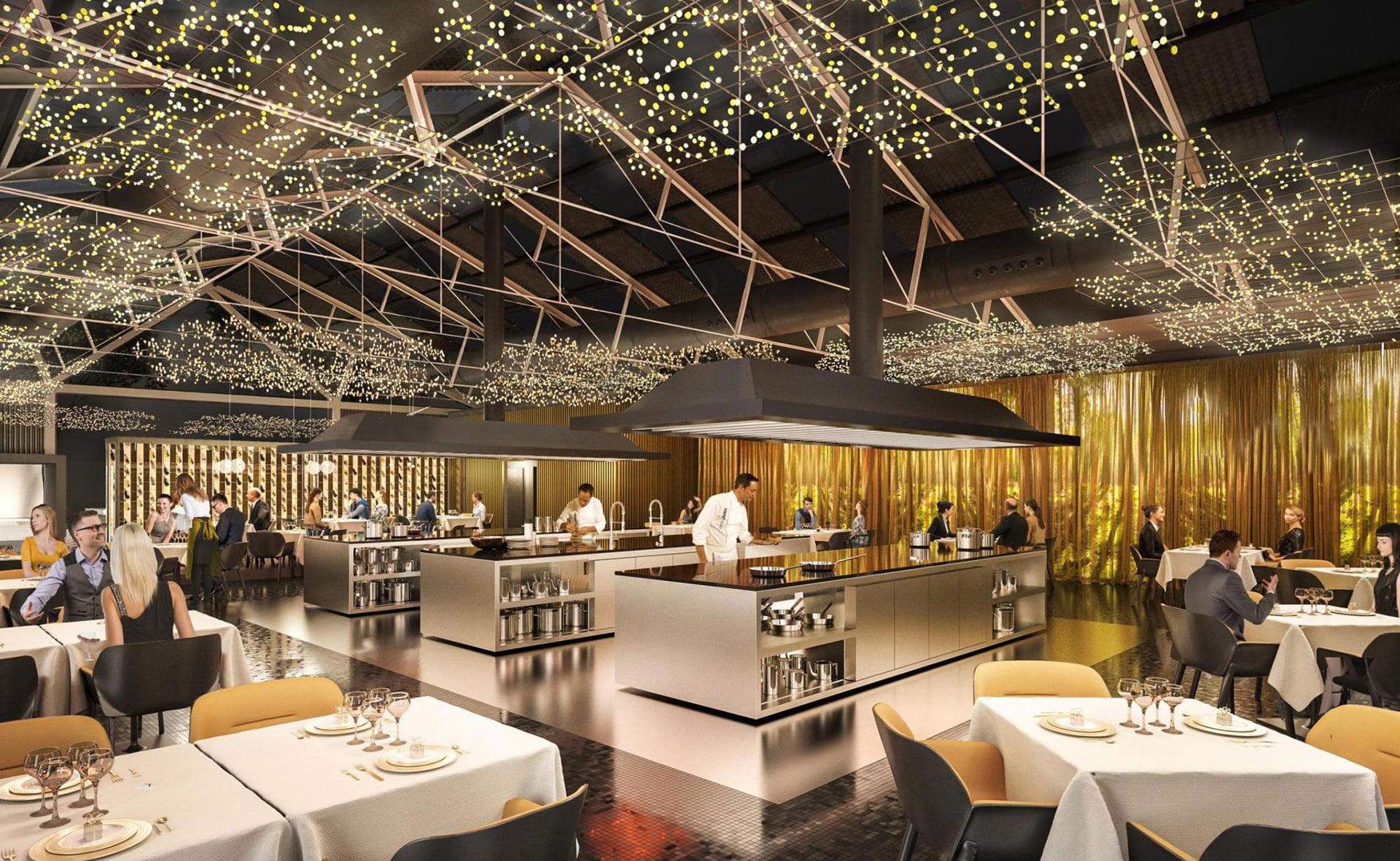
Bars in Sant Joan Despí
Browse all →
Hotels in Sant Joan Despí
Browse all →
At a Glance
- Modern
- Elegant
- Scenic
- Date Night
- Special Occasion
- Business Dinner
- Open Kitchen
- Garden
- Terrace
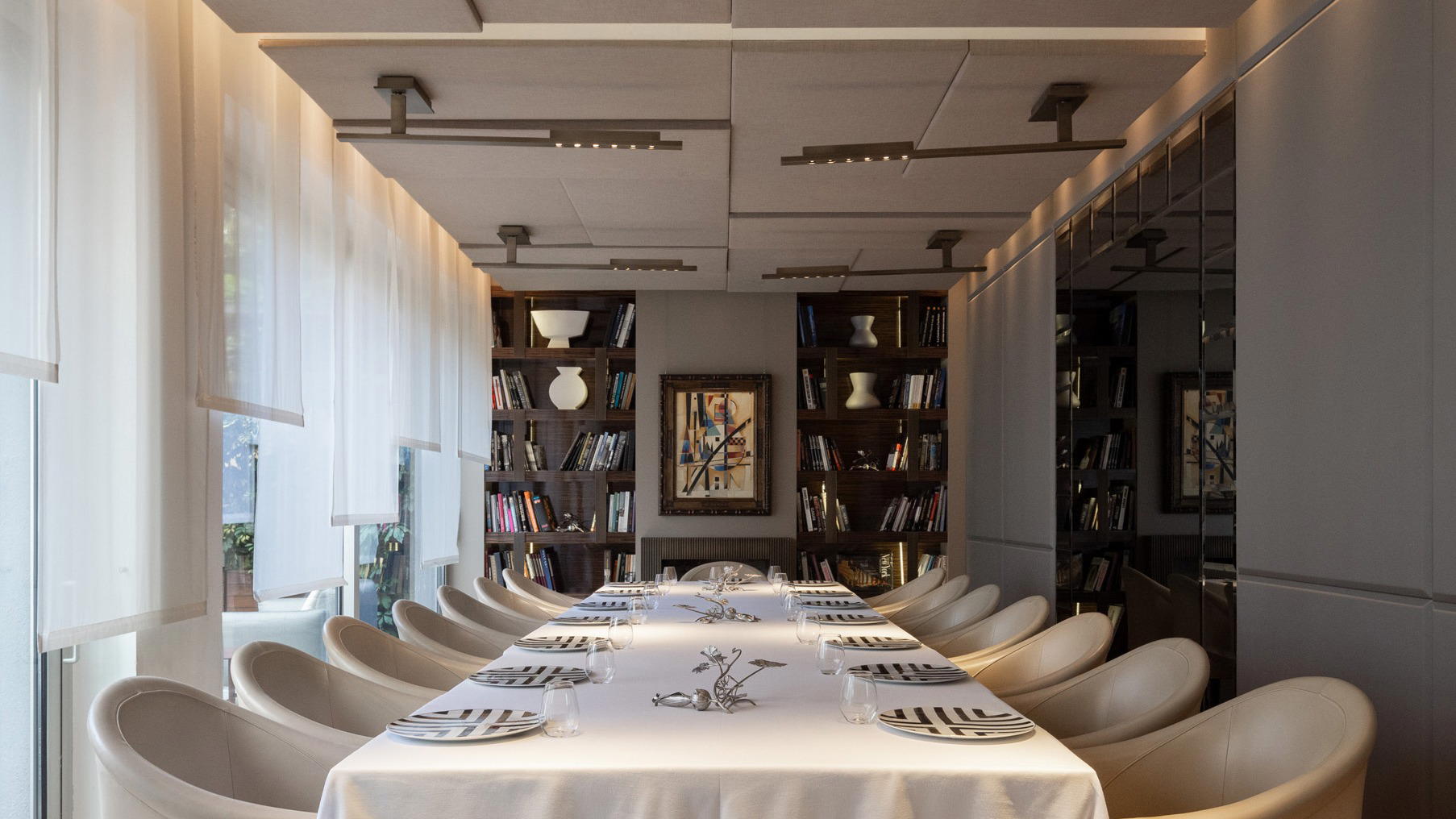
- Private Dining
- Extensive Wine List
- Local Sourcing
- Vineyard
- Garden
Striking modern decor in a stone farmhouse with glass-fronted dining room overlooking garden and vineyards, creating a dreamlike, elegant atmosphere.